
Search
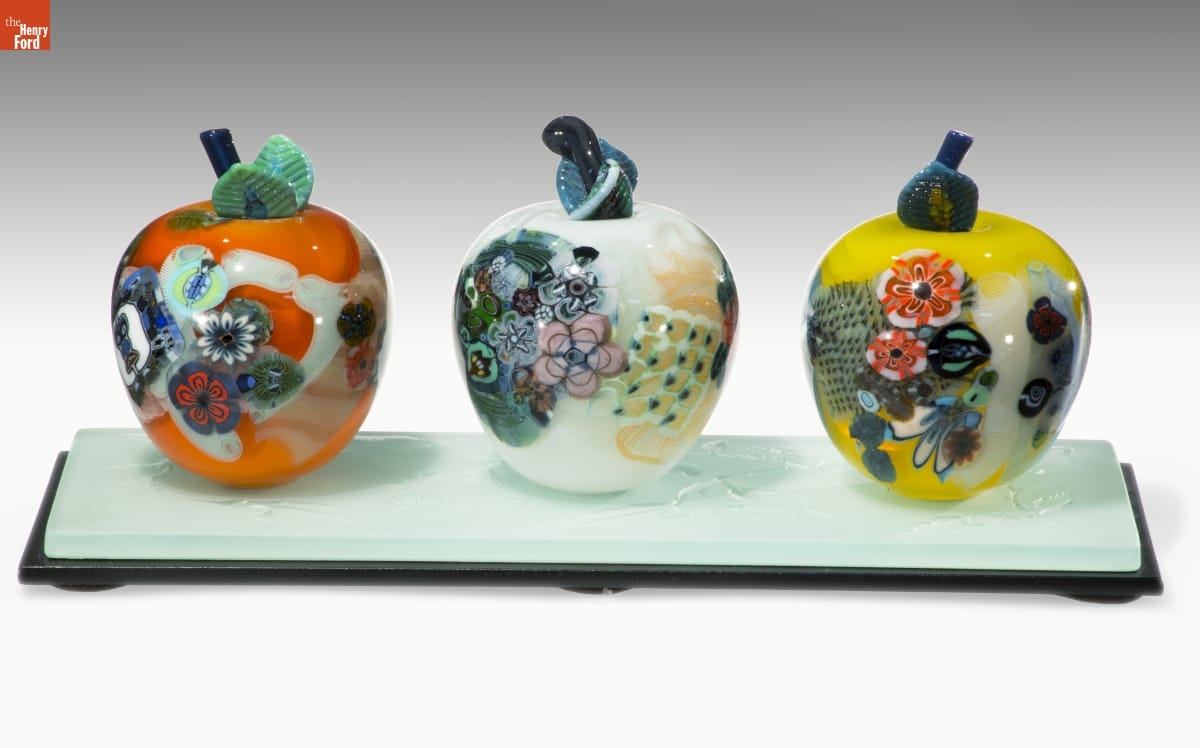
- Studio Glass Highlights -
- September 19, 2016
- Collections - Set
Studio Glass Highlights
- Science and Studio Glass - From millions of artifacts in The Henry Ford’s collections, our experts choose three and reveal the surprisingly curious connections between them. In the featured video below, discover how applying scientific knowledge to technical innovations can lead to beautiful artistic expression in glass.

- February 01, 2017
- Collections - Video
Science and Studio Glass
From millions of artifacts in The Henry Ford’s collections, our experts choose three and reveal the surprisingly curious connections between them. In the featured video below, discover how applying scientific knowledge to technical innovations can lead to beautiful artistic expression in glass.
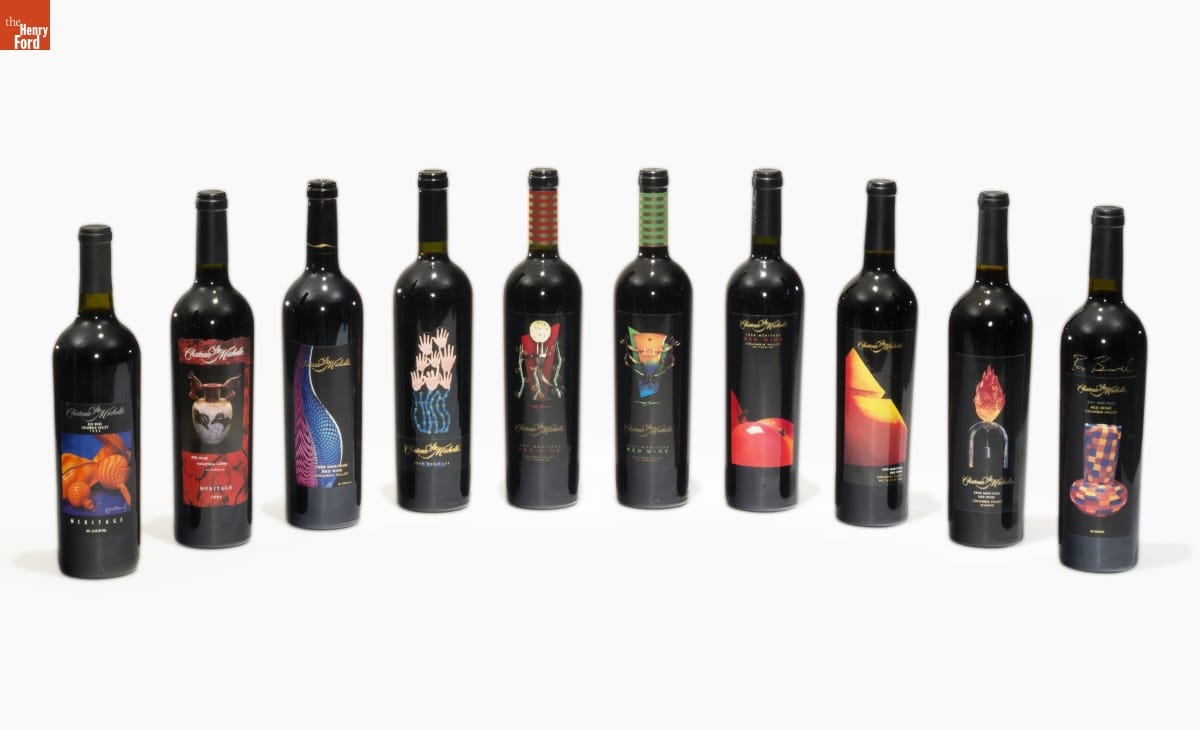
- Chateau Ste. Michelle "Artist Series" Wine Bottles, Honoring Studio Glass Artists, 1993-1999 -
- 1993-1999
- Collections - Artifact
Chateau Ste. Michelle "Artist Series" Wine Bottles, Honoring Studio Glass Artists, 1993-1999
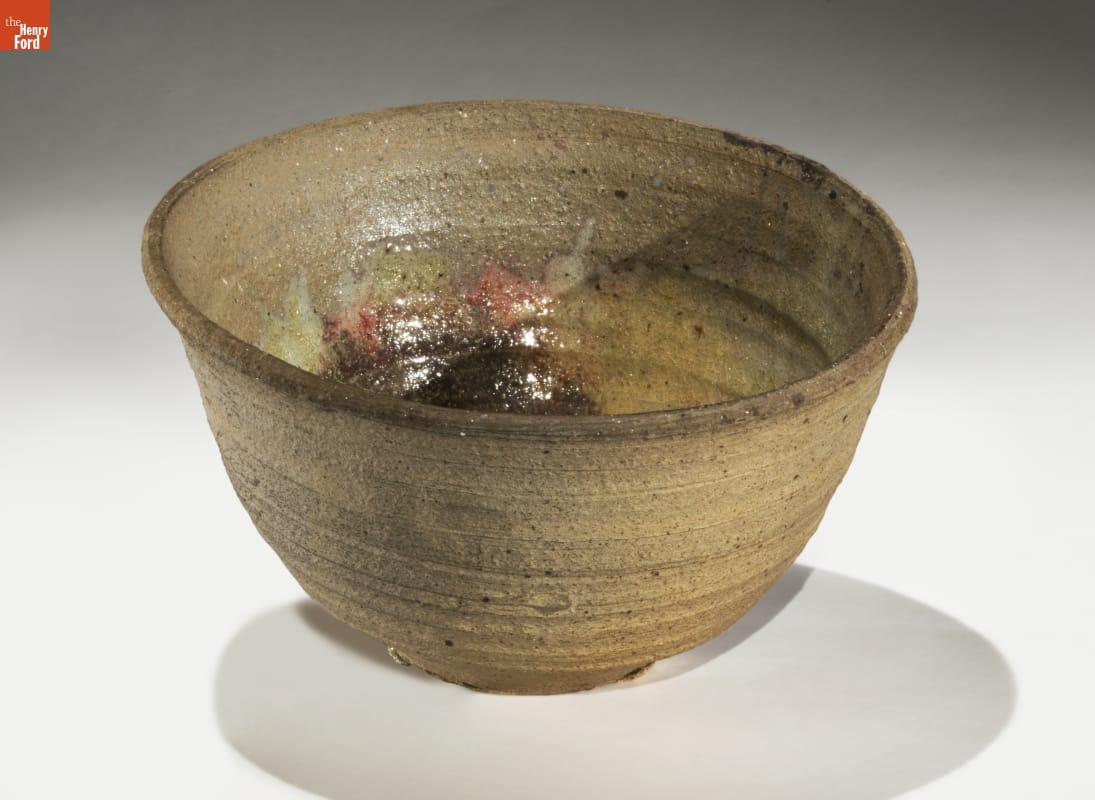
- Ceramic Bowl, Used by Harvey K. Littleton to Melt Glass at His Studio, circa 1960 -
- circa 1960
- Collections - Artifact
Ceramic Bowl, Used by Harvey K. Littleton to Melt Glass at His Studio, circa 1960
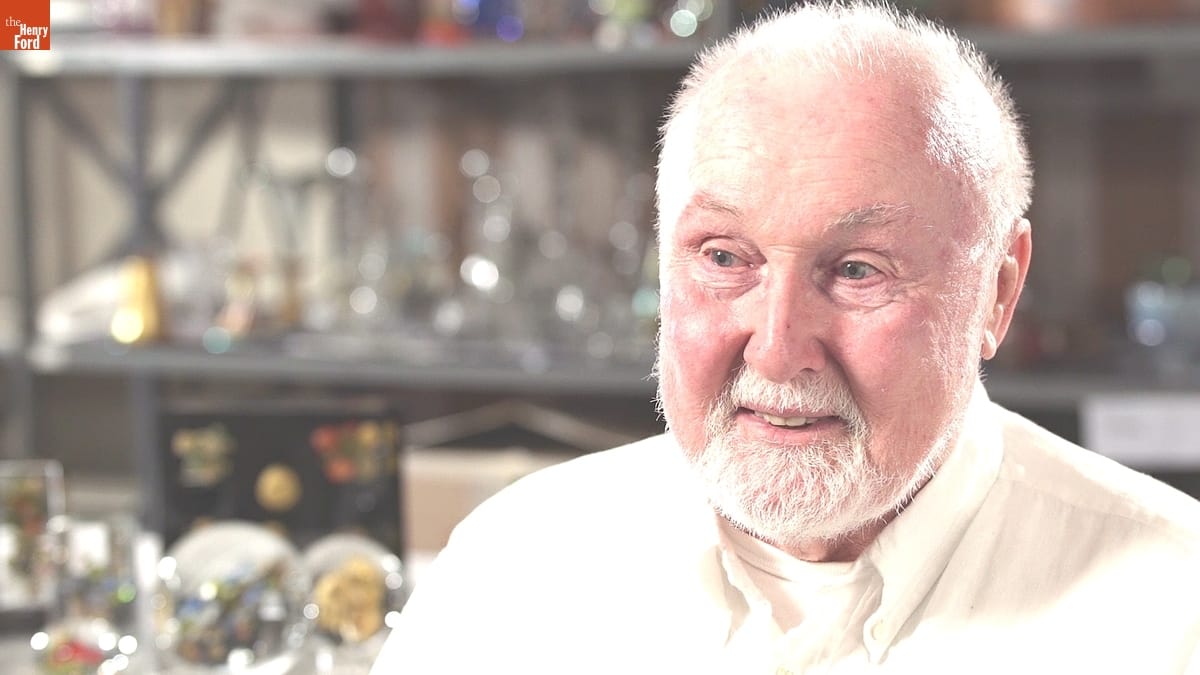
- "Struggles Transitioning to Studio Glass," Clip from Oral History Interview with Paul Stankard, May 20, 2016 - Paul Stankard is one of the founders of the Studio Glass movement of the 1960s and 70s. Most early Studio Glass artists began their careers creating paperweights and moved on to other forms. Stankard concentrated on creating the most technically sophisticated and beautiful paperweights he could imagine. Stankard is acclaimed for his miniature botanical worlds. Staff from The Henry Ford interviewed the artist in 2016.
- May 20, 2016
- Collections - Artifact
"Struggles Transitioning to Studio Glass," Clip from Oral History Interview with Paul Stankard, May 20, 2016
Paul Stankard is one of the founders of the Studio Glass movement of the 1960s and 70s. Most early Studio Glass artists began their careers creating paperweights and moved on to other forms. Stankard concentrated on creating the most technically sophisticated and beautiful paperweights he could imagine. Stankard is acclaimed for his miniature botanical worlds. Staff from The Henry Ford interviewed the artist in 2016.
- "Joining the Studio Glass Movement," Clip from Oral History Interview with Paul Stankard, May 20, 2016 - Paul Stankard is one of the founders of the Studio Glass movement of the 1960s and 70s. Most early Studio Glass artists began their careers creating paperweights and moved on to other forms. Stankard concentrated on creating the most technically sophisticated and beautiful paperweights he could imagine. Stankard is acclaimed for his miniature botanical worlds. Staff from The Henry Ford interviewed the artist in 2016.
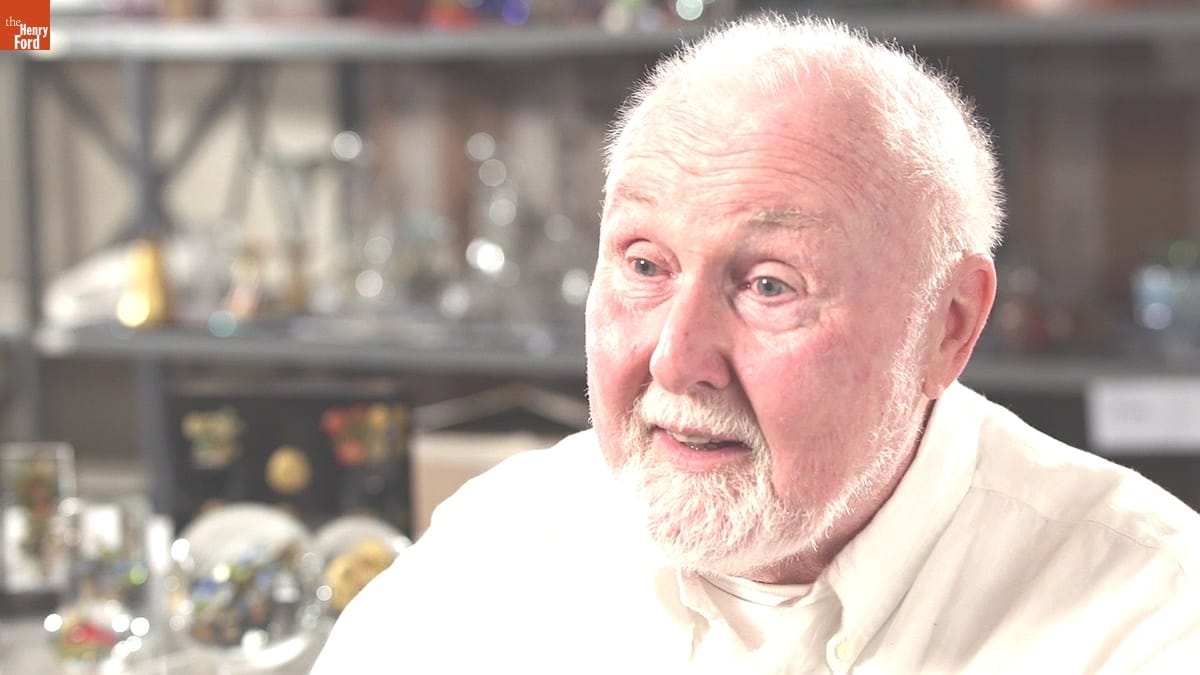
- May 20, 2016
- Collections - Artifact
"Joining the Studio Glass Movement," Clip from Oral History Interview with Paul Stankard, May 20, 2016
Paul Stankard is one of the founders of the Studio Glass movement of the 1960s and 70s. Most early Studio Glass artists began their careers creating paperweights and moved on to other forms. Stankard concentrated on creating the most technically sophisticated and beautiful paperweights he could imagine. Stankard is acclaimed for his miniature botanical worlds. Staff from The Henry Ford interviewed the artist in 2016.
- Studio Glass Expert on Display: Paul Stankard - Paul Stankard is one of the founders of the Studio Glass movement of the 1960s and 1970s, and you can see examples of his work in Henry Ford Museum's newest exhibit, the Davidson-Gerson Modern Glass Gallery.

- October 21, 2016
- Collections - article
Studio Glass Expert on Display: Paul Stankard
Paul Stankard is one of the founders of the Studio Glass movement of the 1960s and 1970s, and you can see examples of his work in Henry Ford Museum's newest exhibit, the Davidson-Gerson Modern Glass Gallery.
- Paperweight by Richard Ritter, 1975-1985 -
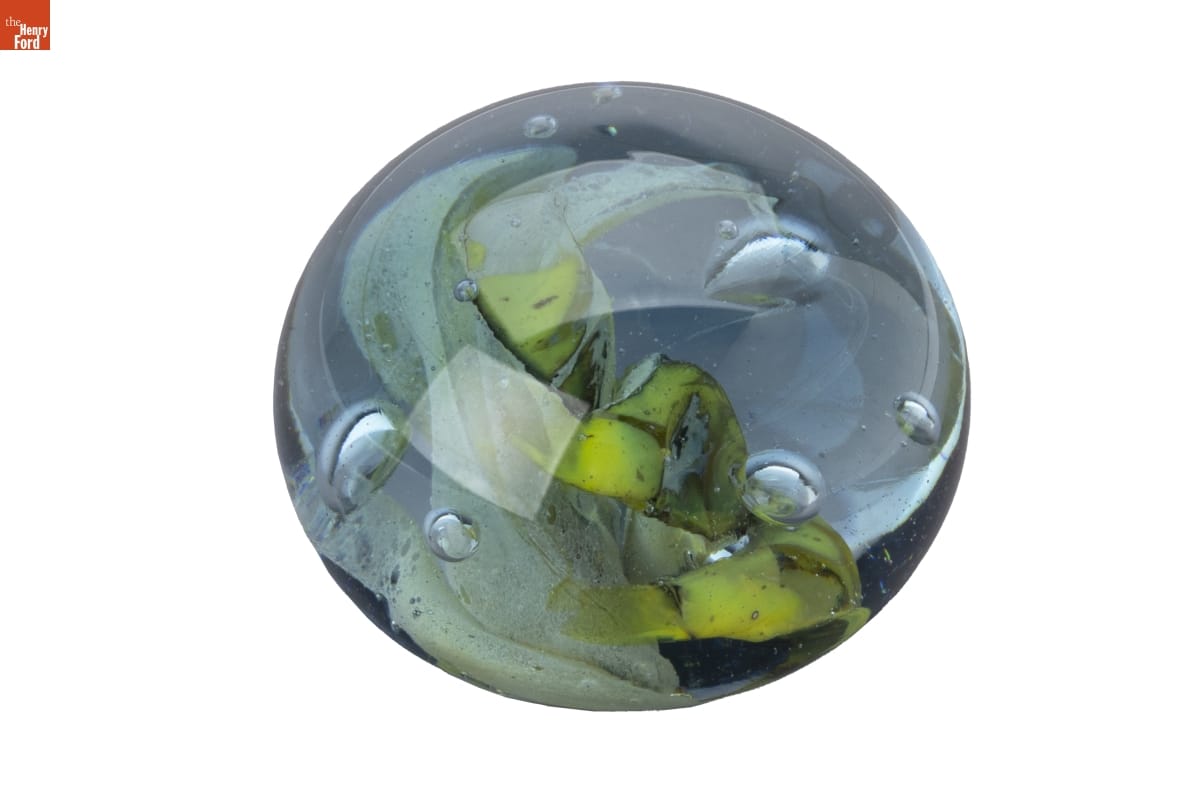
- 1975-1985
- Collections - Artifact
Paperweight by Richard Ritter, 1975-1985
- Vase, 1968-1970 -
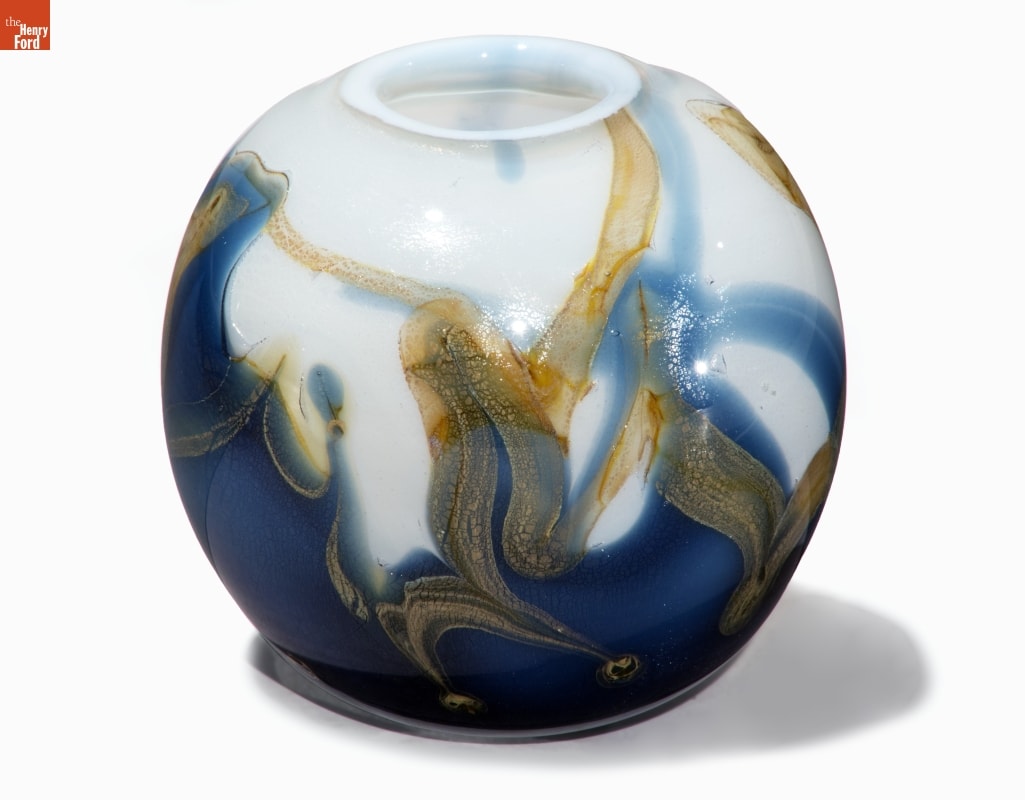
- 1968-1970
- Collections - Artifact
Vase, 1968-1970
- Vase, circa 1960 -
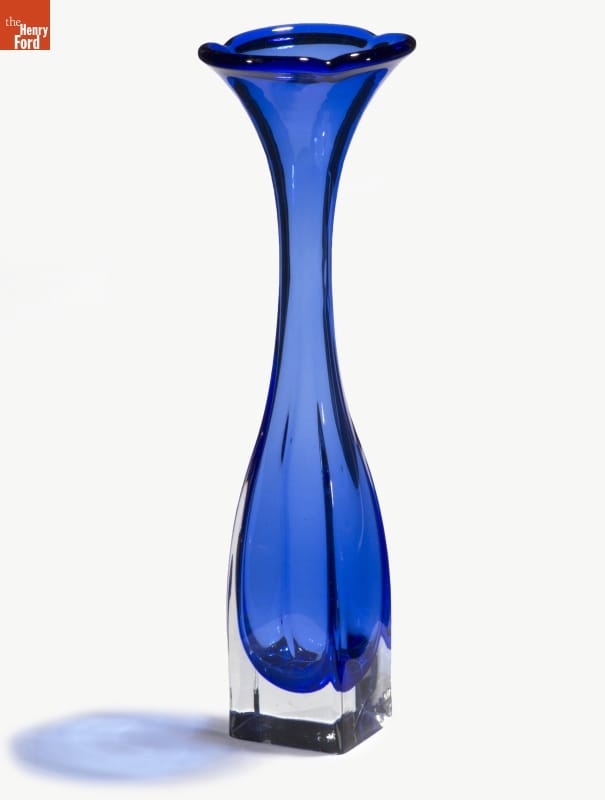
- circa 1960
- Collections - Artifact
Vase, circa 1960