
Search
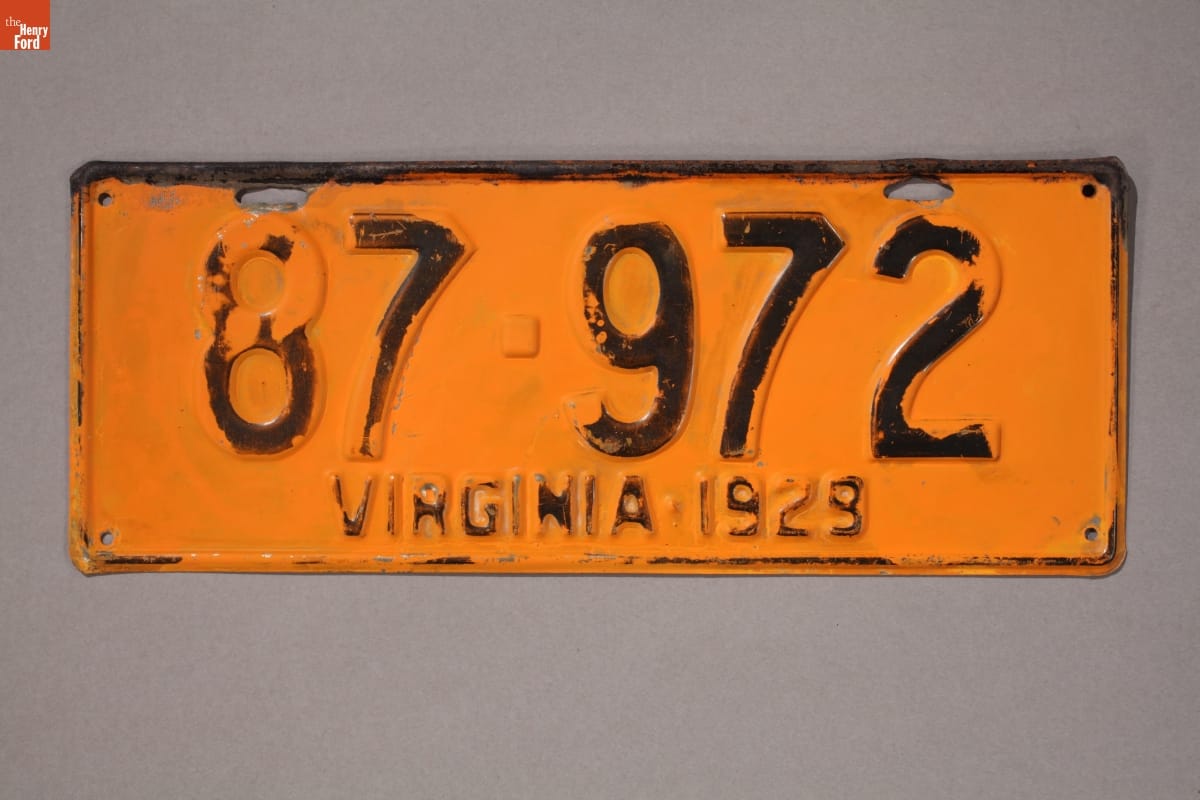
- Virginia License Plate, 1929 - Early state-issued license plates were made of porcelain-coated iron. Later, states stamped tin, steel, or even copper to make plates. During the Second World War several states used fiberboard. Plate colors varied and some states added symbols, mottoes, or other design elements. Today, states use reflective sheeting to coat a standard-sized aluminum blank which is then stamped and decorated.
- 1929
- Collections - Artifact
Virginia License Plate, 1929
Early state-issued license plates were made of porcelain-coated iron. Later, states stamped tin, steel, or even copper to make plates. During the Second World War several states used fiberboard. Plate colors varied and some states added symbols, mottoes, or other design elements. Today, states use reflective sheeting to coat a standard-sized aluminum blank which is then stamped and decorated.
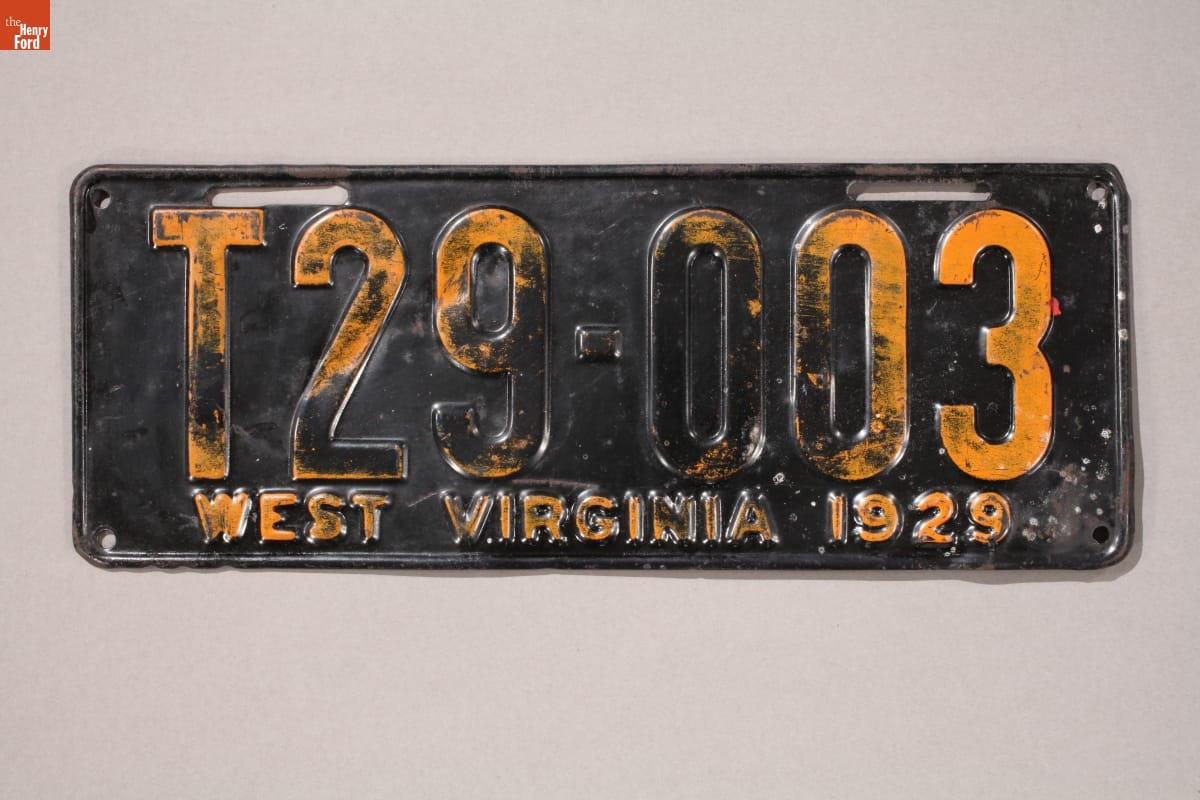
- West Virginia License Plate, 1929 - Early state-issued license plates were made of porcelain-coated iron. Later, states stamped tin, steel, or even copper to make plates. During the Second World War several states used fiberboard. Plate colors varied and some states added symbols, mottoes, or other design elements. Today, states use reflective sheeting to coat a standard-sized aluminum blank which is then stamped and decorated.
- 1929
- Collections - Artifact
West Virginia License Plate, 1929
Early state-issued license plates were made of porcelain-coated iron. Later, states stamped tin, steel, or even copper to make plates. During the Second World War several states used fiberboard. Plate colors varied and some states added symbols, mottoes, or other design elements. Today, states use reflective sheeting to coat a standard-sized aluminum blank which is then stamped and decorated.
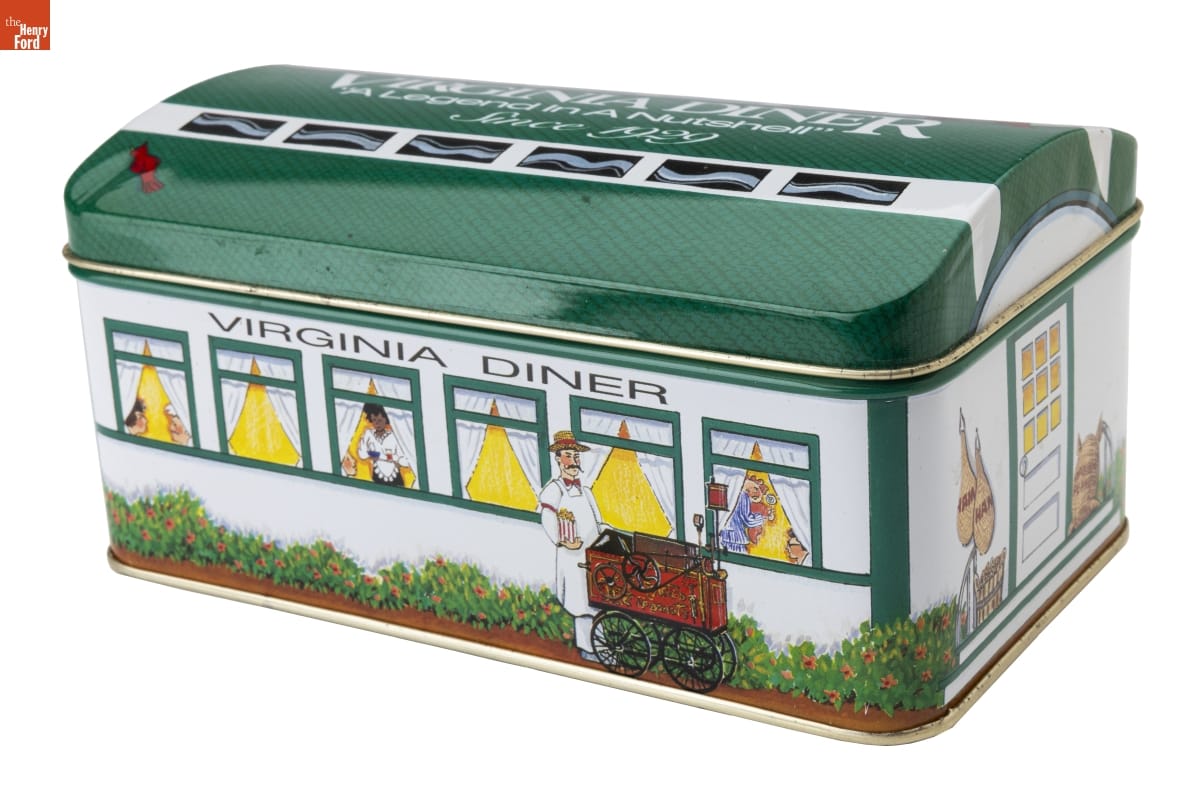
- "Virginia Diner" Canister. 1980-1990 -
- 1980-1990
- Collections - Artifact
"Virginia Diner" Canister. 1980-1990
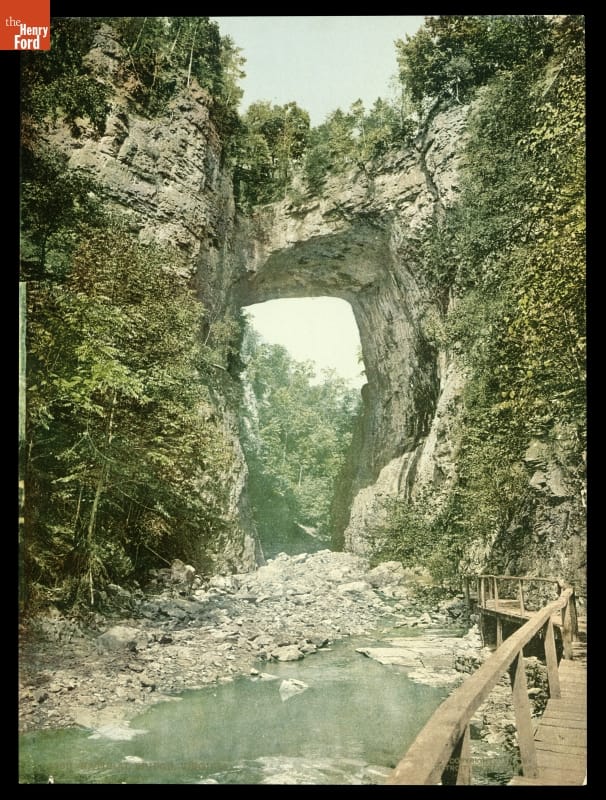
- "Natural Bridge, Virginia," circa 1895 - From 1895 to 1924, the Detroit Publishing Company was one of the major image publishers in the world. The company had a wide-ranging stock of original photographs, including many scenes from around the world. These colorful prints were reproduced for ads, purchased to decorate homes and offices, bought as souvenirs, and used as teaching tools in schools and libraries.
- circa 1895
- Collections - Artifact
"Natural Bridge, Virginia," circa 1895
From 1895 to 1924, the Detroit Publishing Company was one of the major image publishers in the world. The company had a wide-ranging stock of original photographs, including many scenes from around the world. These colorful prints were reproduced for ads, purchased to decorate homes and offices, bought as souvenirs, and used as teaching tools in schools and libraries.
- Virginia Temple Boots, 1911-1914 -
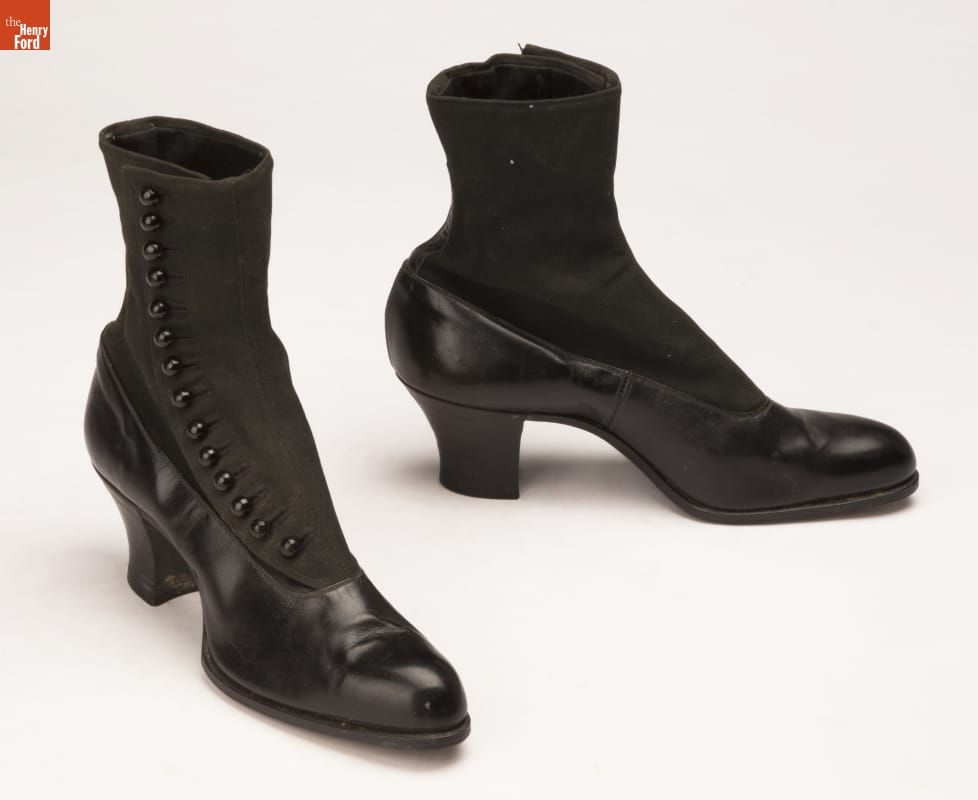
- 1911-1914
- Collections - Artifact
Virginia Temple Boots, 1911-1914
- A Virginia Market Cart, 1905-1906 -
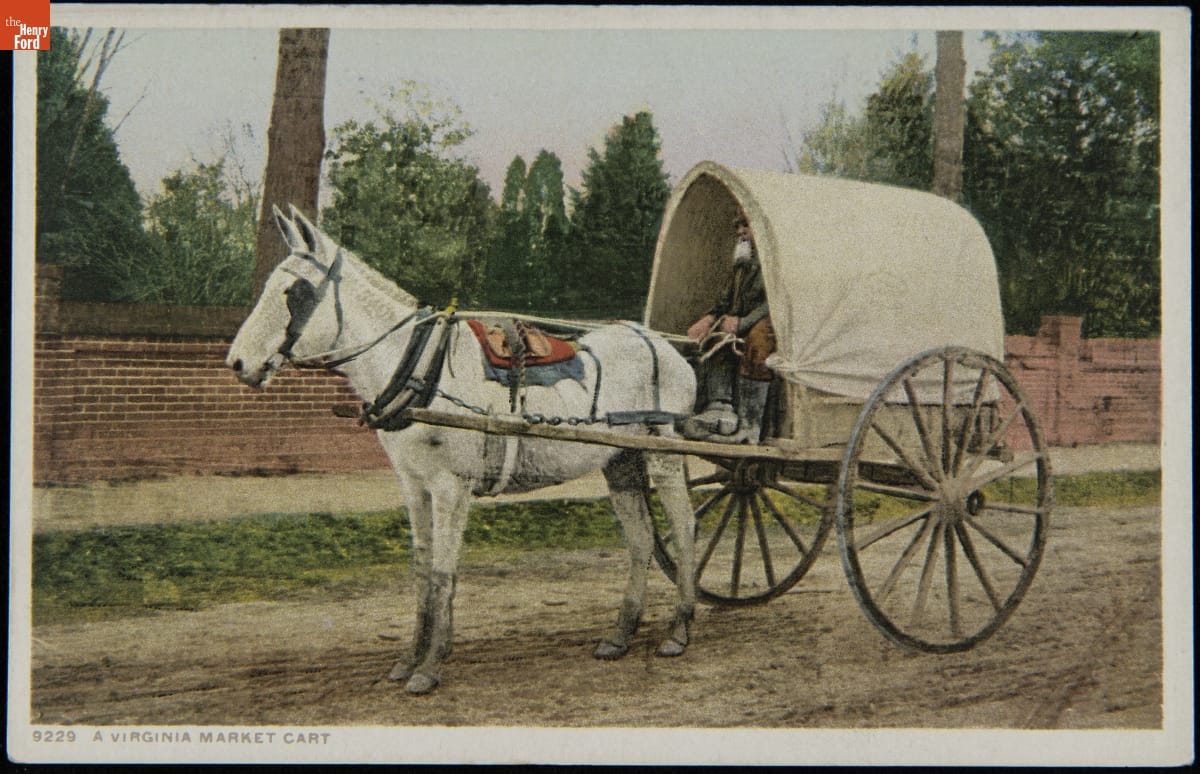
- 1905-1906
- Collections - Artifact
A Virginia Market Cart, 1905-1906
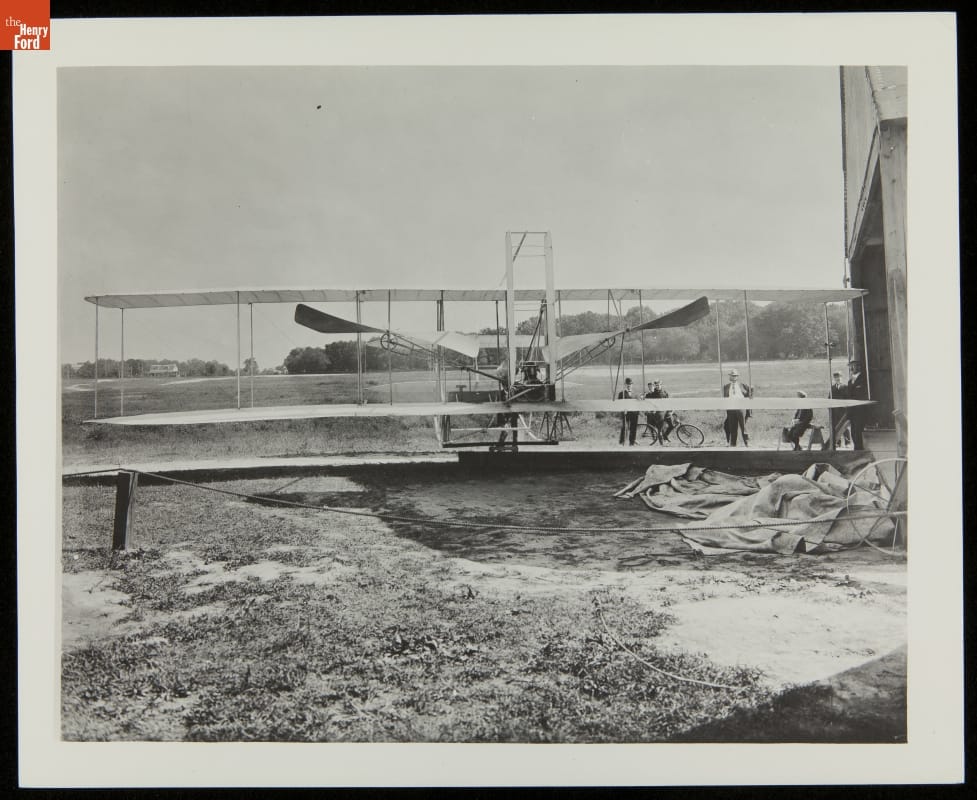
- Wright Airplane, Fort Myer, Virginia, 1908 - While his brother was demonstrating their airplane in France, Orville Wright made demonstration flights of his own for the United States Army Signal Corps at Fort Myer, Virginia. All went well until September 17, 1908, when a cracked propeller caused the plane to crash. Orville survived with serious injuries, but passenger Lt. Thomas Selfridge was killed -- the first airplane fatality.
- September 01, 1908
- Collections - Artifact
Wright Airplane, Fort Myer, Virginia, 1908
While his brother was demonstrating their airplane in France, Orville Wright made demonstration flights of his own for the United States Army Signal Corps at Fort Myer, Virginia. All went well until September 17, 1908, when a cracked propeller caused the plane to crash. Orville survived with serious injuries, but passenger Lt. Thomas Selfridge was killed -- the first airplane fatality.
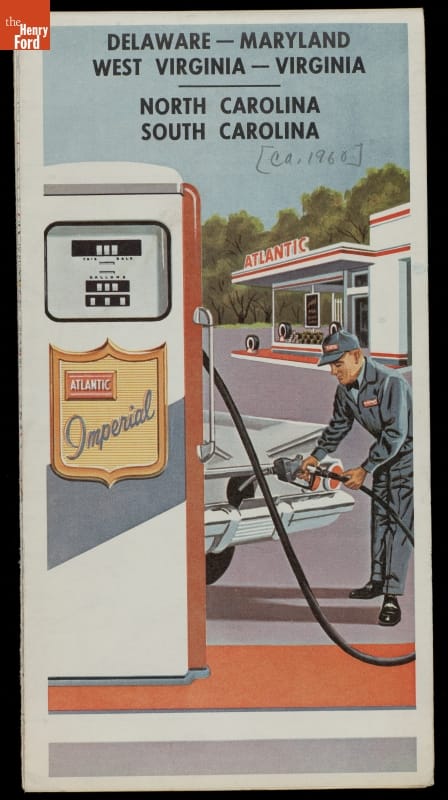
- Road Map for Delaware, Maryland, West Virginia, Virginia, North Carolina and South Carolina, circa 1960 - Along with the regular automobile service provided by gasoline stations, travelers during the early and mid-20th century could usually receive a free road map. The Atlantic Refining Company supplied this 1960 map of the Atlantic coast states to motorists at their stations.
- circa 1960
- Collections - Artifact
Road Map for Delaware, Maryland, West Virginia, Virginia, North Carolina and South Carolina, circa 1960
Along with the regular automobile service provided by gasoline stations, travelers during the early and mid-20th century could usually receive a free road map. The Atlantic Refining Company supplied this 1960 map of the Atlantic coast states to motorists at their stations.
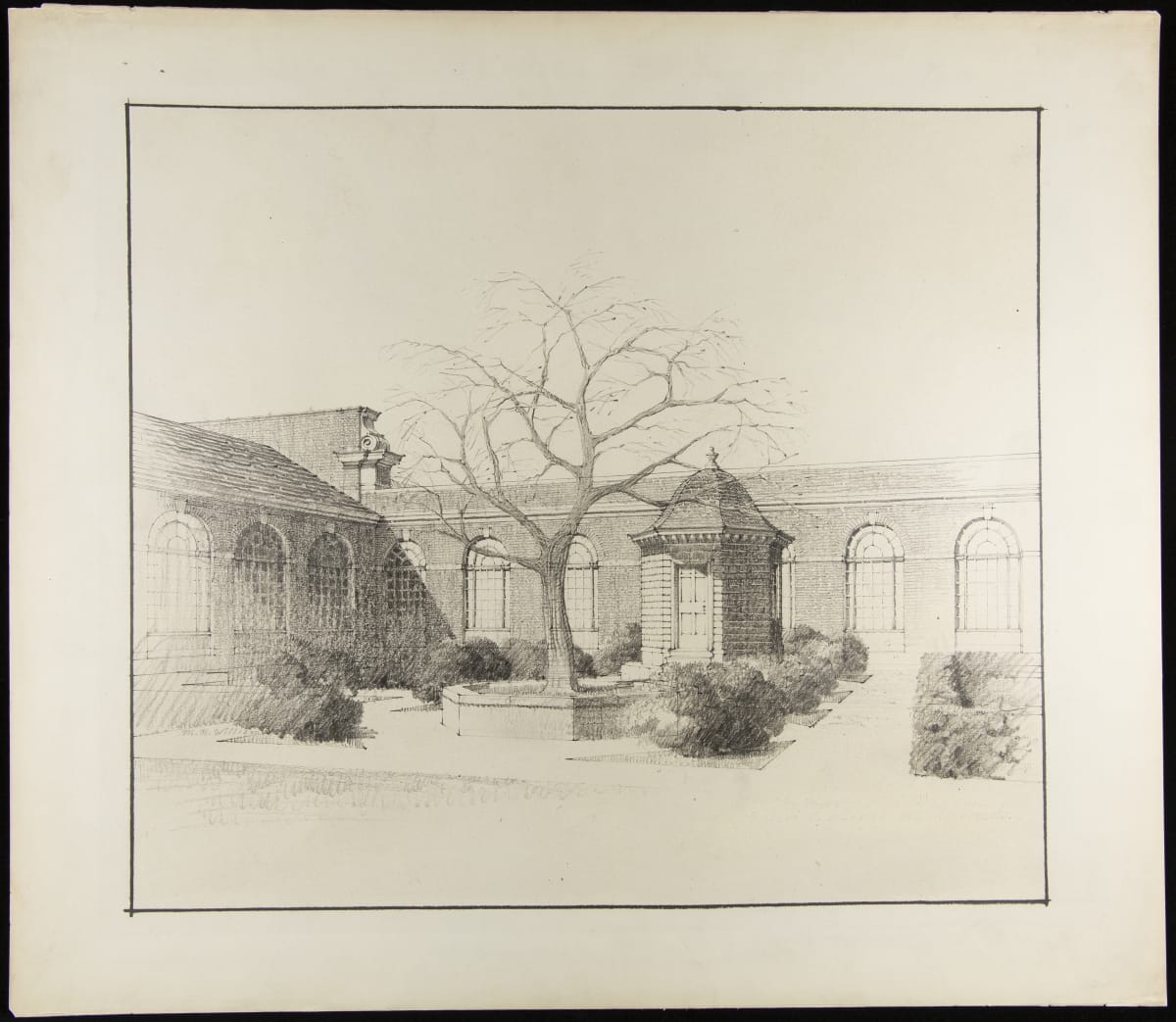
- Virginia Court, Henry Ford Museum, 1928 - One of a series of views of The Henry Ford Museum as built, this black and white drawing shows one of two courtyards located between the entrance Promenade and the exhibit gallery. Filled with trees, plantings, and a decorative and functional pump house, architect Robert Derrick intended these spaces to provide light, air, and vistas from the Museum and Promenade.
- 1928
- Collections - Artifact
Virginia Court, Henry Ford Museum, 1928
One of a series of views of The Henry Ford Museum as built, this black and white drawing shows one of two courtyards located between the entrance Promenade and the exhibit gallery. Filled with trees, plantings, and a decorative and functional pump house, architect Robert Derrick intended these spaces to provide light, air, and vistas from the Museum and Promenade.
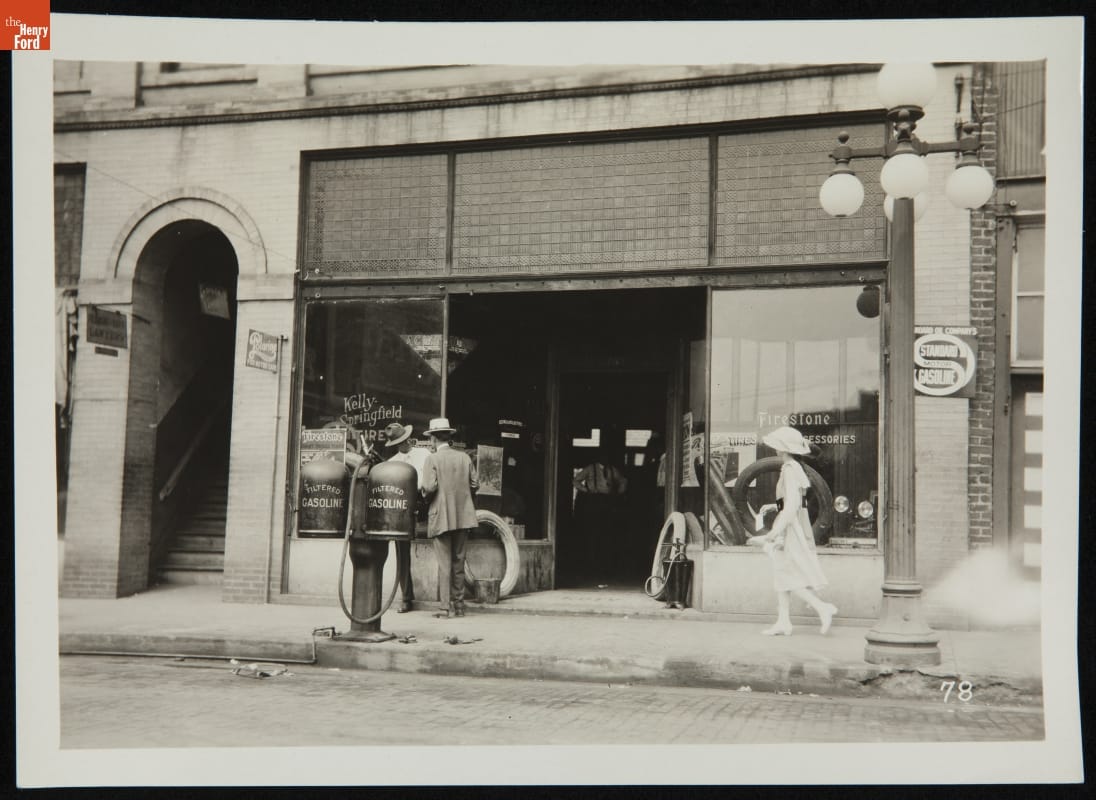
- Harkrader Auto Supply, Bristol, Virginia, 1918 - The facilities at early gas stations varied widely. This car dealership sold gasoline out of a "blind" pump -- a pump with no meter visible to the customer. Suspicious drivers weren't always sure they got what they paid for. "Visible" pumps, which allowed motorists to see the gas before it went into their cars, became popular in the 1920s.
- 1918
- Collections - Artifact
Harkrader Auto Supply, Bristol, Virginia, 1918
The facilities at early gas stations varied widely. This car dealership sold gasoline out of a "blind" pump -- a pump with no meter visible to the customer. Suspicious drivers weren't always sure they got what they paid for. "Visible" pumps, which allowed motorists to see the gas before it went into their cars, became popular in the 1920s.