
Search
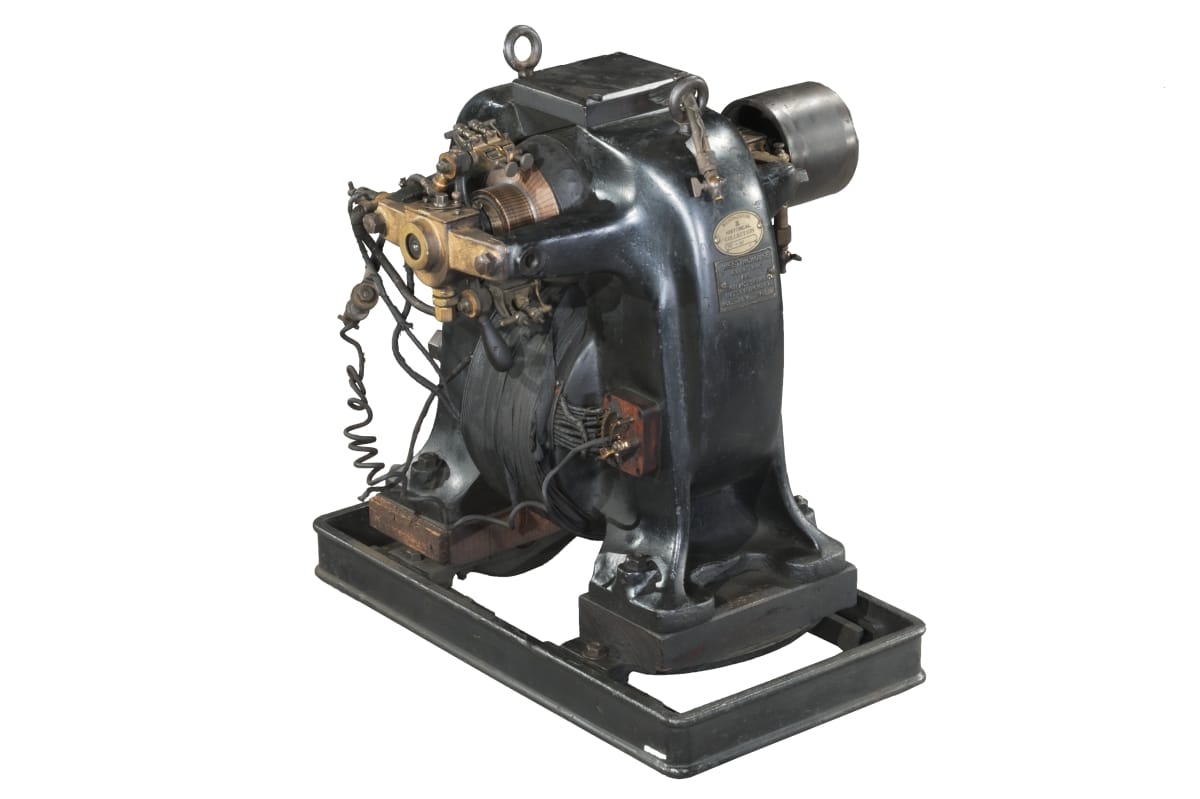
- Westinghouse Generator -
- Collections - Artifact
Westinghouse Generator
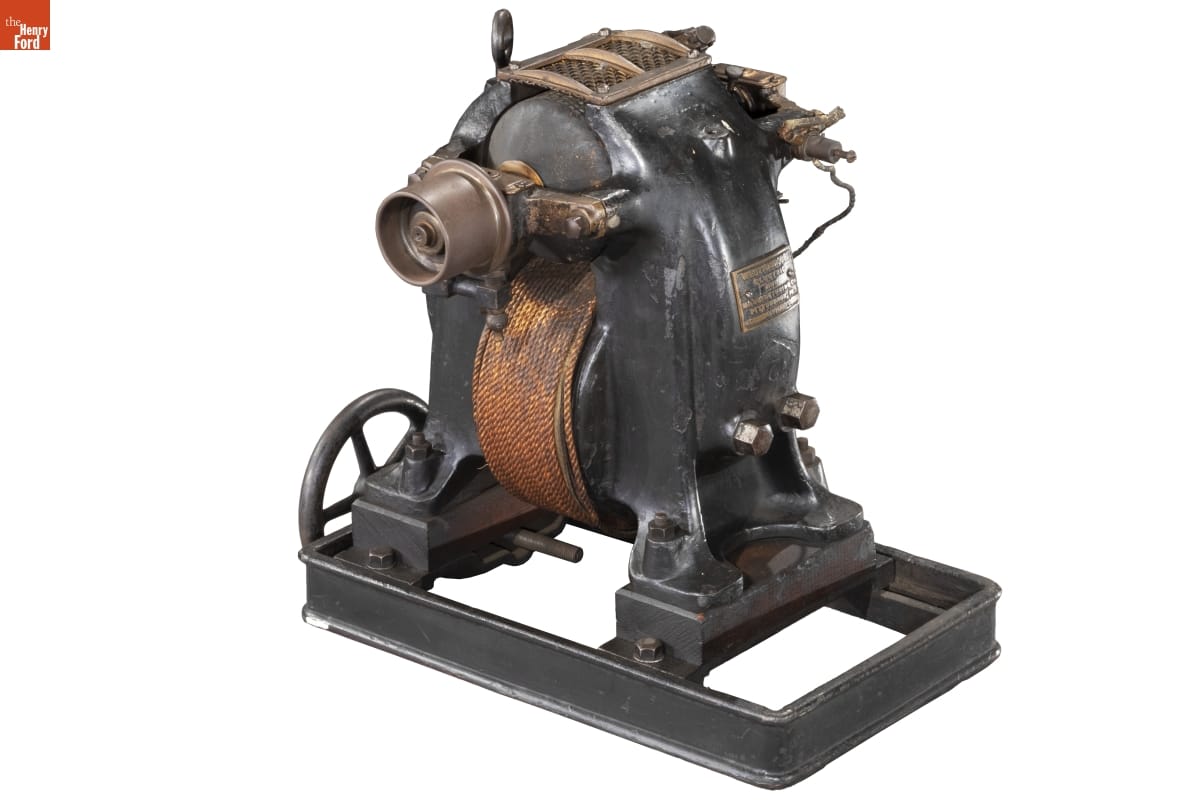
- Westinghouse Exciter -
- Collections - Artifact
Westinghouse Exciter
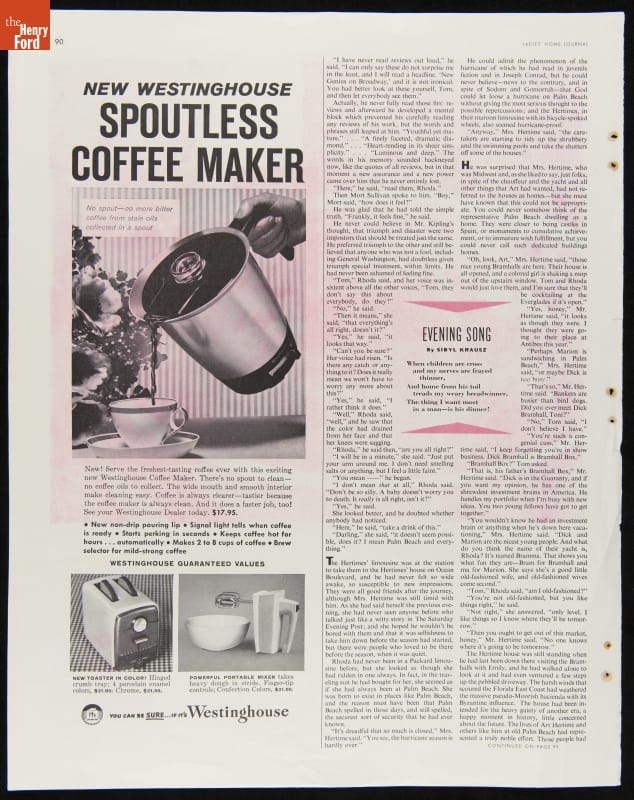
- Westinghouse Advertisement, 1958, "New Westinghouse Spoutless Coffee Maker" -
- 1958
- Collections - Artifact
Westinghouse Advertisement, 1958, "New Westinghouse Spoutless Coffee Maker"
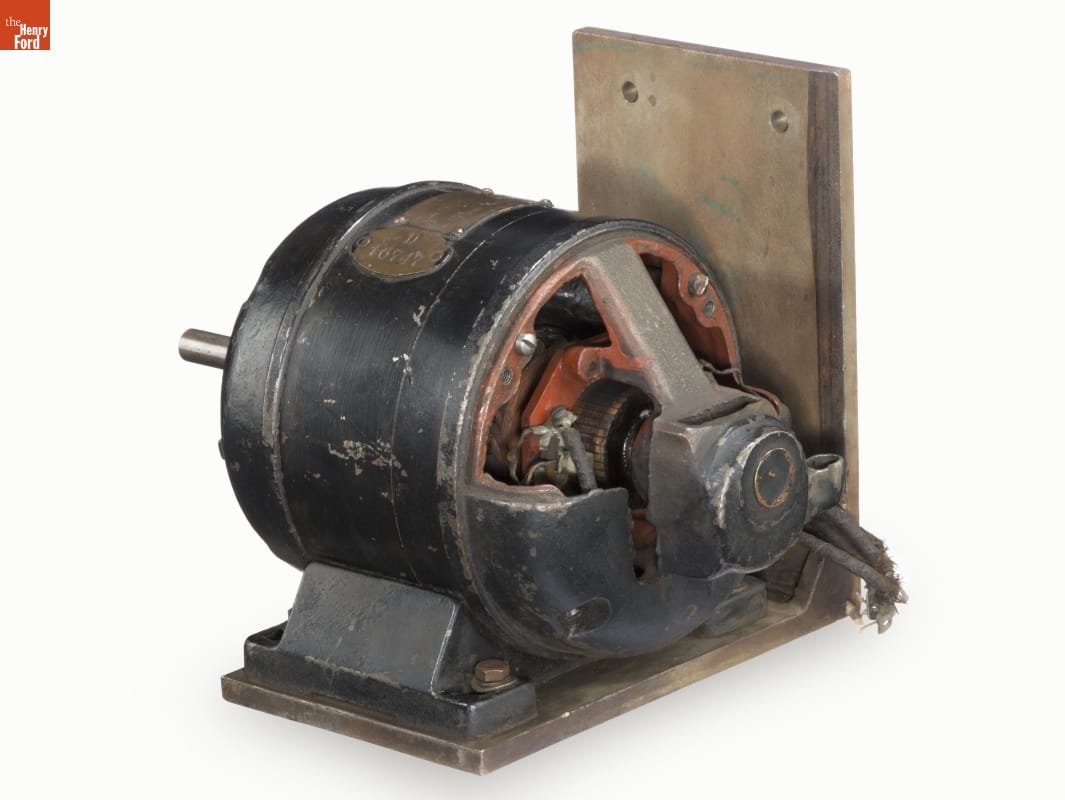
- Westinghouse Motor -
- Collections - Artifact
Westinghouse Motor
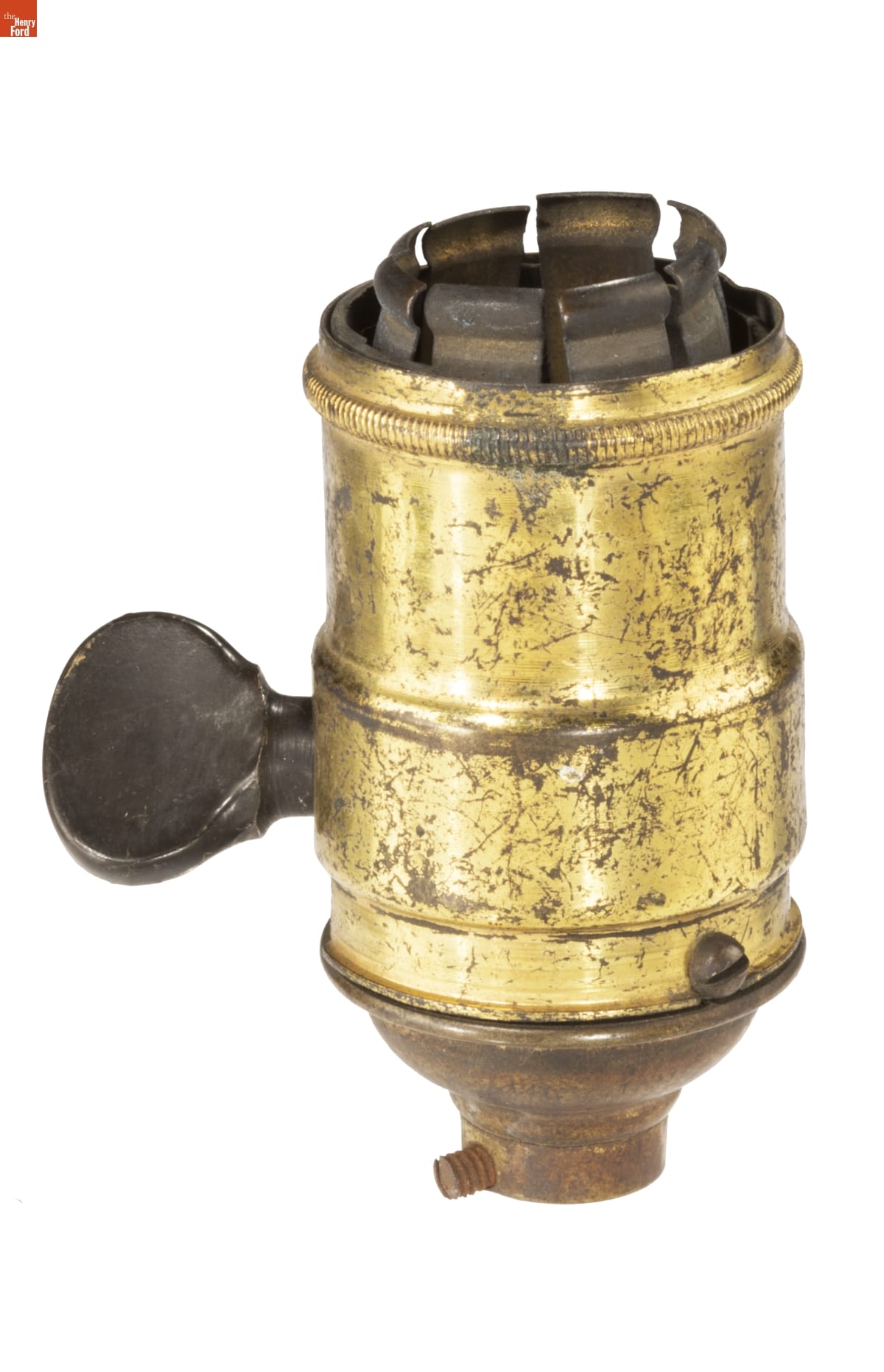
- Westinghouse Key Socket - A light socket provides a secure connection between an incandescent electric lamp and the electrical circuit. In the late 19th century, companies created lamp bulb bases with unique styles and sizes which would only fit sockets that they made. By 1910 the Edison screw-type base had become so popular it was virtually an industry standard, and consumers no longer had to buy lamps and sockets from the same manufacturer.
- Collections - Artifact
Westinghouse Key Socket
A light socket provides a secure connection between an incandescent electric lamp and the electrical circuit. In the late 19th century, companies created lamp bulb bases with unique styles and sizes which would only fit sockets that they made. By 1910 the Edison screw-type base had become so popular it was virtually an industry standard, and consumers no longer had to buy lamps and sockets from the same manufacturer.
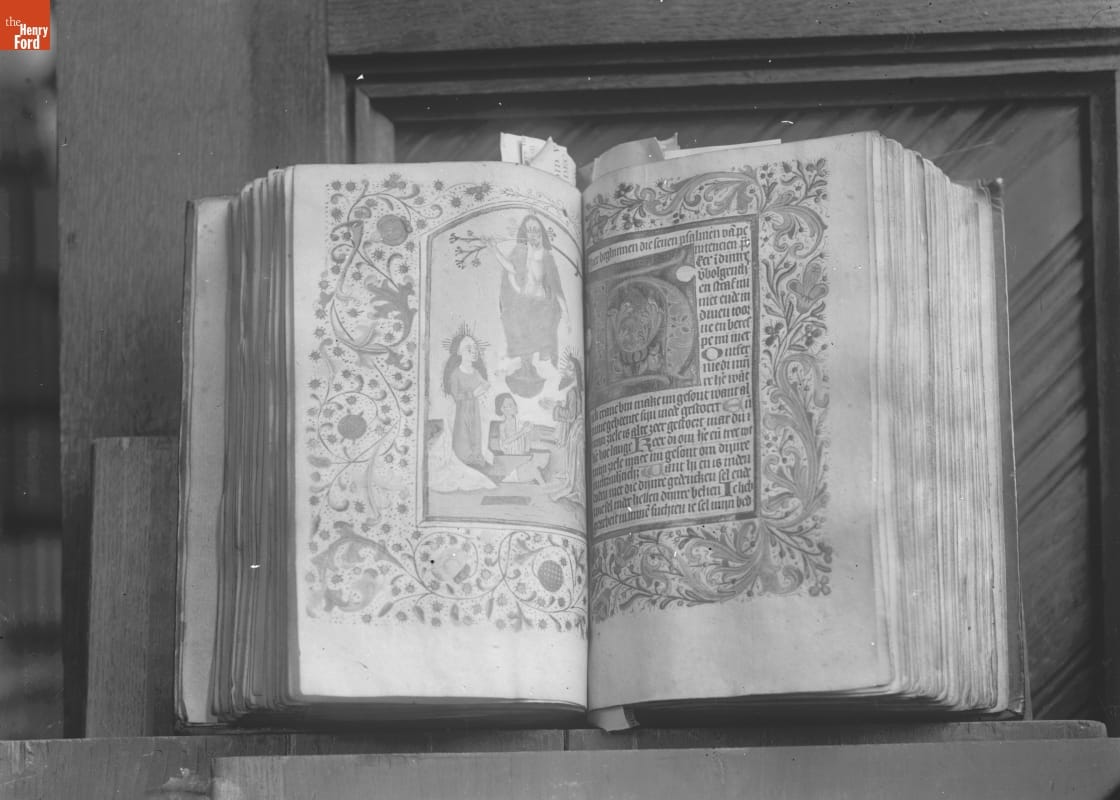
- Long Island Historical Museum, Book, 1890-1915 - In 1890, Jenny Young Chandler, 25 years old and recently widowed, began working for the <EM>New York Herald</EM>. As a photojournalist and feature writer, Chandler captured life in Brooklyn, New York, and vicinity. She also documented collections of private individuals and museums -- some of which were featured in magazine articles for collectors. By 1922, the time of her death, she had produced over 800 glass plate negatives.
- 1890-1915
- Collections - Artifact
Long Island Historical Museum, Book, 1890-1915
In 1890, Jenny Young Chandler, 25 years old and recently widowed, began working for the New York Herald. As a photojournalist and feature writer, Chandler captured life in Brooklyn, New York, and vicinity. She also documented collections of private individuals and museums -- some of which were featured in magazine articles for collectors. By 1922, the time of her death, she had produced over 800 glass plate negatives.
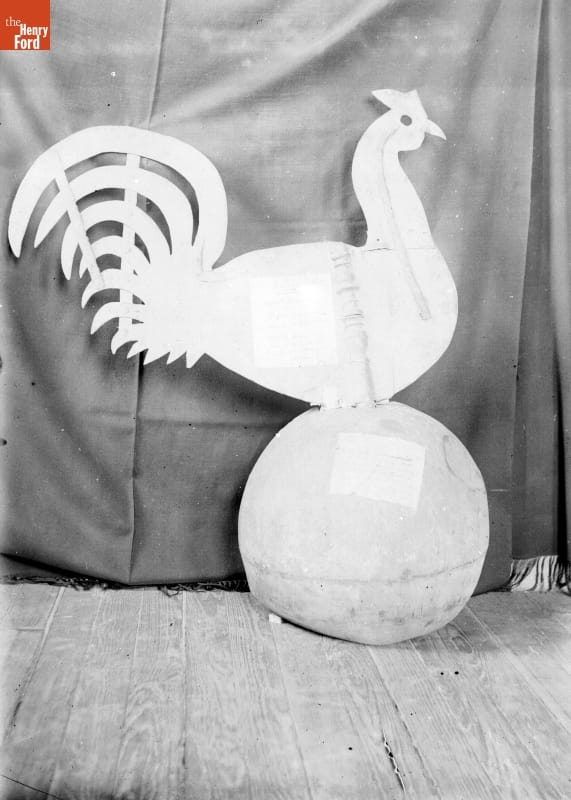
- Long Island Historical Museum, Weather Vane, 1890-1915 - In 1890, Jenny Young Chandler, 25 years old and recently widowed, began working for the <EM>New York Herald</EM>. As a photojournalist and feature writer, Chandler captured life in Brooklyn, New York, and vicinity. She also documented collections of private individuals and museums -- some of which were featured in magazine articles for collectors. By 1922, the time of her death, she had produced over 800 glass plate negatives.
- 1890-1915
- Collections - Artifact
Long Island Historical Museum, Weather Vane, 1890-1915
In 1890, Jenny Young Chandler, 25 years old and recently widowed, began working for the New York Herald. As a photojournalist and feature writer, Chandler captured life in Brooklyn, New York, and vicinity. She also documented collections of private individuals and museums -- some of which were featured in magazine articles for collectors. By 1922, the time of her death, she had produced over 800 glass plate negatives.
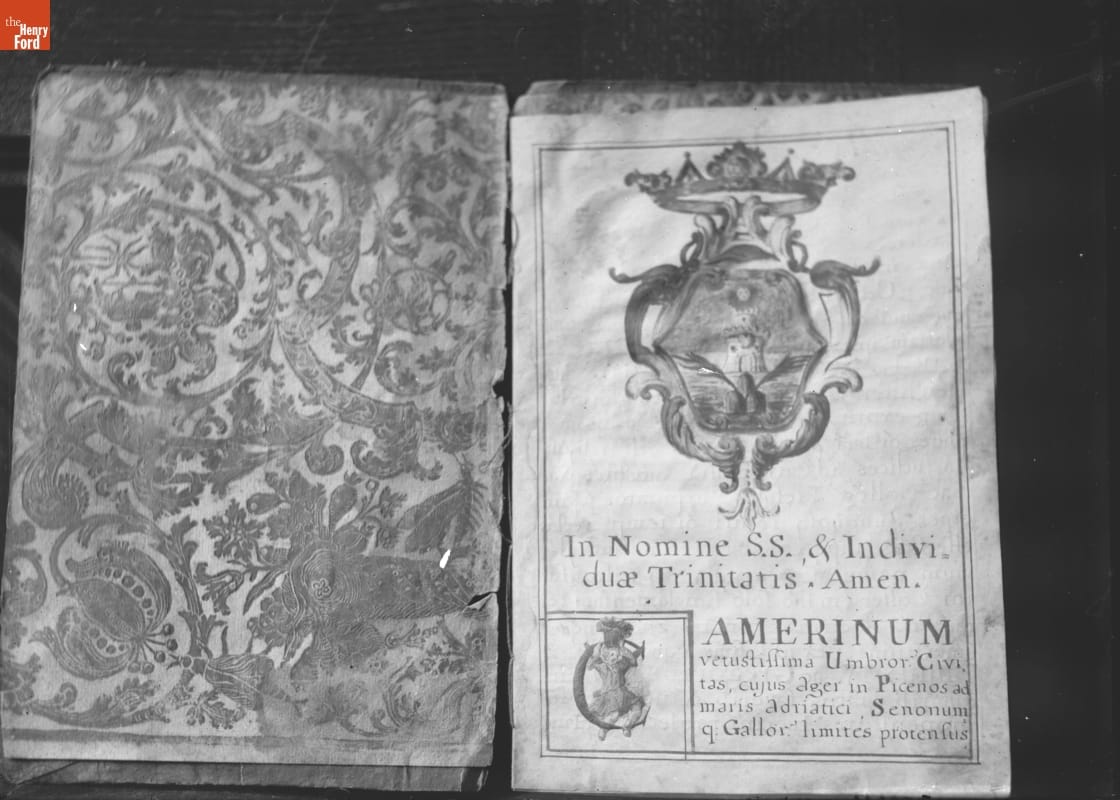
- Long Island Historical Museum, Manuscript Volume, 1890-1915 - In 1890, Jenny Young Chandler, 25 years old and recently widowed, began working for the <EM>New York Herald</EM>. As a photojournalist and feature writer, Chandler captured life in Brooklyn, New York, and vicinity. She also documented collections of private individuals and museums -- some of which were featured in magazine articles for collectors. By 1922, the time of her death, she had produced over 800 glass plate negatives.
- 1890-1915
- Collections - Artifact
Long Island Historical Museum, Manuscript Volume, 1890-1915
In 1890, Jenny Young Chandler, 25 years old and recently widowed, began working for the New York Herald. As a photojournalist and feature writer, Chandler captured life in Brooklyn, New York, and vicinity. She also documented collections of private individuals and museums -- some of which were featured in magazine articles for collectors. By 1922, the time of her death, she had produced over 800 glass plate negatives.
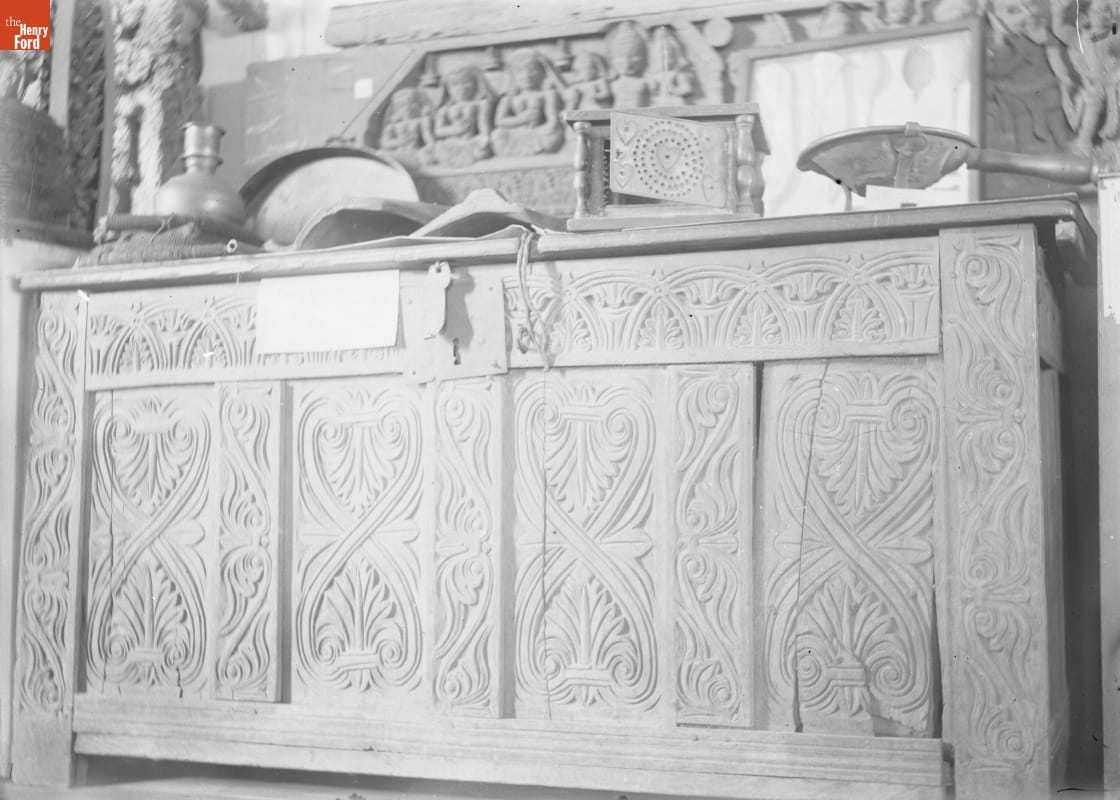
- Long Island Historical Museum, Carved Chest, 1890-1915 - In 1890, Jenny Young Chandler, 25 years old and recently widowed, began working for the <EM>New York Herald</EM>. As a photojournalist and feature writer, Chandler captured life in Brooklyn, New York, and vicinity. She also documented collections of private individuals and museums -- some of which were featured in magazine articles for collectors. By 1922, the time of her death, she had produced over 800 glass plate negatives.
- 1890-1915
- Collections - Artifact
Long Island Historical Museum, Carved Chest, 1890-1915
In 1890, Jenny Young Chandler, 25 years old and recently widowed, began working for the New York Herald. As a photojournalist and feature writer, Chandler captured life in Brooklyn, New York, and vicinity. She also documented collections of private individuals and museums -- some of which were featured in magazine articles for collectors. By 1922, the time of her death, she had produced over 800 glass plate negatives.
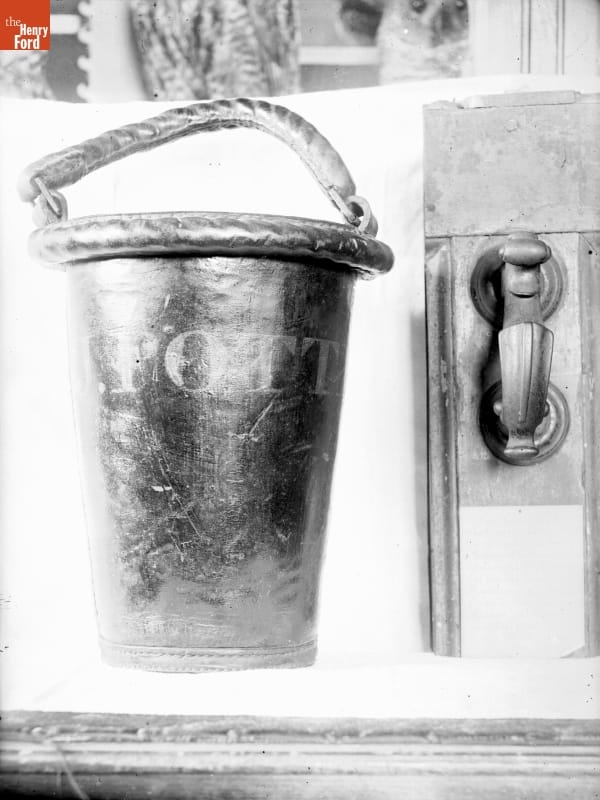
- Long Island Historical Museum, Fire Bucket, 1890-1915 - In 1890, Jenny Young Chandler, 25 years old and recently widowed, began working for the <EM>New York Herald</EM>. As a photojournalist and feature writer, Chandler captured life in Brooklyn, New York, and vicinity. She also documented collections of private individuals and museums -- some of which were featured in magazine articles for collectors. By 1922, the time of her death, she had produced over 800 glass plate negatives.
- 1890-1915
- Collections - Artifact
Long Island Historical Museum, Fire Bucket, 1890-1915
In 1890, Jenny Young Chandler, 25 years old and recently widowed, began working for the New York Herald. As a photojournalist and feature writer, Chandler captured life in Brooklyn, New York, and vicinity. She also documented collections of private individuals and museums -- some of which were featured in magazine articles for collectors. By 1922, the time of her death, she had produced over 800 glass plate negatives.