
Search
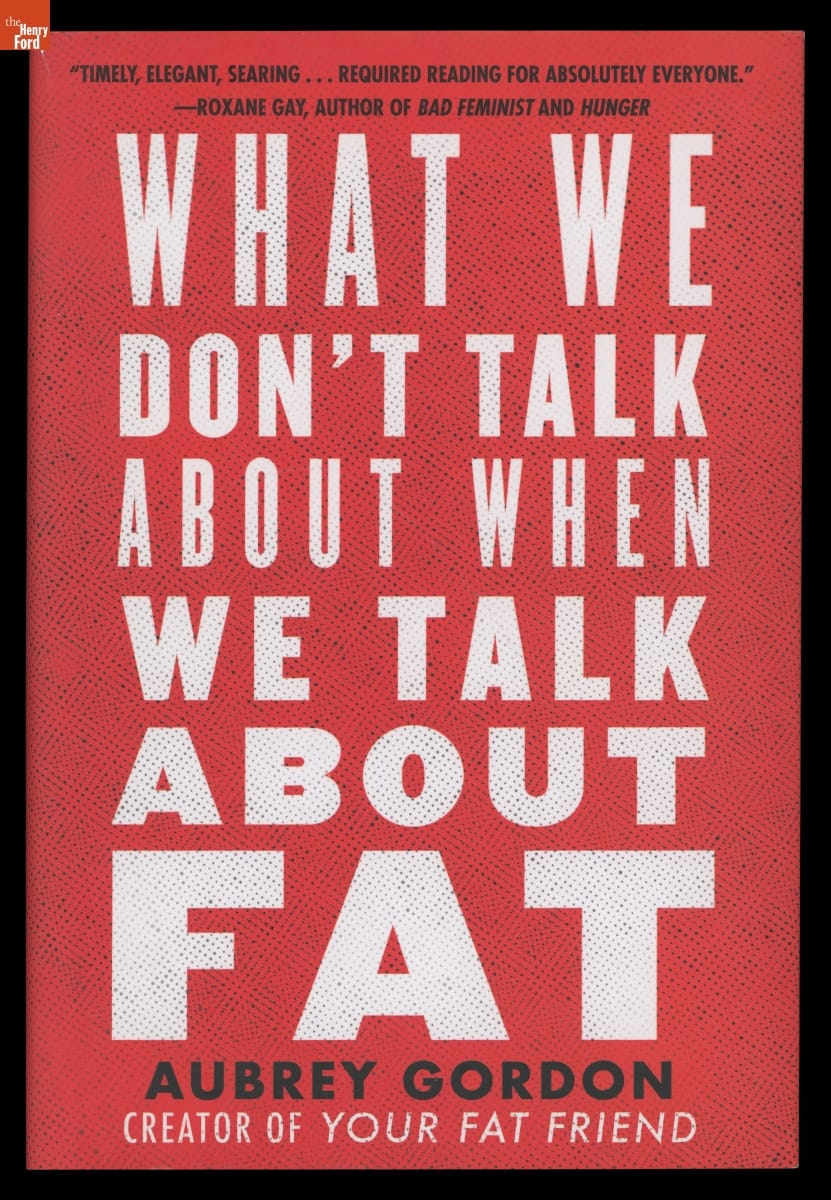
- "What We Don't Talk About When We Talk About Fat," 2020 - Aubrey Gordon (born 1983), also known as “Your Fat Friend,” is an author, podcaster, and activist, focusing on fatness, fat acceptance, and anti-fat bias. Her first book, <em>What We Don't Talk About When We Talk About Fat</em>, was published in 2020. It analyzes the anti-fat bias (or “fatphobia”) embedded in American culture, and how it affects the lives of fat people.
- 2020
- Collections - Artifact
"What We Don't Talk About When We Talk About Fat," 2020
Aubrey Gordon (born 1983), also known as “Your Fat Friend,” is an author, podcaster, and activist, focusing on fatness, fat acceptance, and anti-fat bias. Her first book, What We Don't Talk About When We Talk About Fat, was published in 2020. It analyzes the anti-fat bias (or “fatphobia”) embedded in American culture, and how it affects the lives of fat people.
- What We Wore: Shoes - Explore practical footwear to eye-catching fashion statements currently on exhibit in "What We Wore" in Henry Ford Museum of American Innovation.

- May 16, 2023
- Collections - article
What We Wore: Shoes
Explore practical footwear to eye-catching fashion statements currently on exhibit in "What We Wore" in Henry Ford Museum of American Innovation.
- What We Wore: Sports -

- April 28, 2021
- Collections - article
What We Wore: Sports
- What We Wore: Aprons - The current What We Wore exhibit in Henry Ford Museum of American Innovation, on display until April 17, 2024, features aprons that protect, connect, identify, embellish, and advocate.

- February 15, 2024
- Collections - article
What We Wore: Aprons
The current What We Wore exhibit in Henry Ford Museum of American Innovation, on display until April 17, 2024, features aprons that protect, connect, identify, embellish, and advocate.
- What We Wore: Kids! - Explore children's clothing currently on exhibit in "What We Wore" in Henry Ford Museum of American Innovation, as well as building toys.

- September 19, 2019
- Collections - article
What We Wore: Kids!
Explore children's clothing currently on exhibit in "What We Wore" in Henry Ford Museum of American Innovation, as well as building toys.
- What We Wore: Cocktail Party - Cocktail parties were the essence of sophistication in the 1950s. Throwing a cocktail party — whether to impress business associates or entertain neighbors — was the “in” thing to do.

- March 04, 2025
- Collections - article
What We Wore: Cocktail Party
Cocktail parties were the essence of sophistication in the 1950s. Throwing a cocktail party — whether to impress business associates or entertain neighbors — was the “in” thing to do.
- What We Wore: Wedding Dresses - Take a deep dive into wedding dresses on exhibit in "What We Wore" in Henry Ford Museum of American Innovation.

- May 23, 2019
- Collections - article
What We Wore: Wedding Dresses
Take a deep dive into wedding dresses on exhibit in "What We Wore" in Henry Ford Museum of American Innovation.
- What We Wore: Movie Costumes - Costume design is more than just providing clothes for actors in a movie. Effective costume design can reveal a character's background, personality, occupation, and even their state of mind. Each costume choice made by a designer—type and style of garment, accessories, details, materials, color—is deliberate, contributing to character development and the overall mood of the narrative.

- October 24, 2025
- Collections - article
What We Wore: Movie Costumes
Costume design is more than just providing clothes for actors in a movie. Effective costume design can reveal a character's background, personality, occupation, and even their state of mind. Each costume choice made by a designer—type and style of garment, accessories, details, materials, color—is deliberate, contributing to character development and the overall mood of the narrative.
- What We Wore: Off to Work We Go - The current What We Wore exhibit in Henry Ford Museum of American Innovation presents work “fashions” — and a bit of work lives — of a postal carrier, fast food worker, nurse, flight attendant, and a dairy delivery worker.

- September 25, 2024
- Collections - article
What We Wore: Off to Work We Go
The current What We Wore exhibit in Henry Ford Museum of American Innovation presents work “fashions” — and a bit of work lives — of a postal carrier, fast food worker, nurse, flight attendant, and a dairy delivery worker.
- What We Wore: Unpacking a Trunk - Clothing packed in a trunk and preserved for generations remains among the oldest in The Henry Ford’s collection. Find out more about these garments and the family that saved them.

- October 08, 2021
- Collections - article
What We Wore: Unpacking a Trunk
Clothing packed in a trunk and preserved for generations remains among the oldest in The Henry Ford’s collection. Find out more about these garments and the family that saved them.