
Search
- Women in Racing - <p>Women have been involved in automobile racing from the start — on the track, in the pits, and behind the scenes. From pioneering drivers like Vicki Wood and Janet Guthrie, to more contemporary competitors like Sarah Fisher and Danica Patrick, women have made their mark on the sport from Detroit to Daytona, and from Indianapolis to Le Mans.</p>

- February 25, 2020
- Collections - Set
Women in Racing
Women have been involved in automobile racing from the start — on the track, in the pits, and behind the scenes. From pioneering drivers like Vicki Wood and Janet Guthrie, to more contemporary competitors like Sarah Fisher and Danica Patrick, women have made their mark on the sport from Detroit to Daytona, and from Indianapolis to Le Mans.
- Beth Paretta: Championing Women in Racing - Beth Paretta was the first female executive to lead a performance division for a major auto manufacturer, and since 2015, has been using racing as a platform for encouraging young women to pursue STEM careers.

- March 05, 2021
- Collections - article
Beth Paretta: Championing Women in Racing
Beth Paretta was the first female executive to lead a performance division for a major auto manufacturer, and since 2015, has been using racing as a platform for encouraging young women to pursue STEM careers.
- Women's March in Chicago, Illinois, January 21, 2017 -

- January 21, 2017
- Collections - Artifact
Women's March in Chicago, Illinois, January 21, 2017
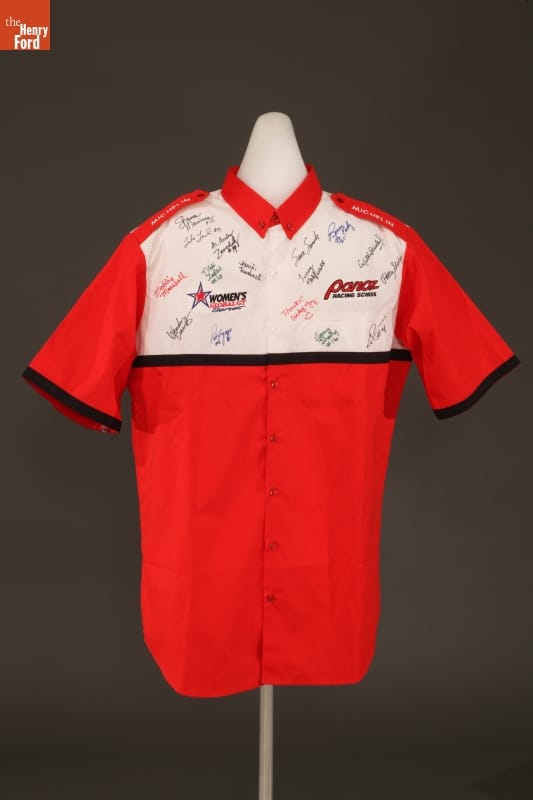
- Women's Global GT Panoz Racing School Shirt, circa 1999 - Lyn St. James, 1992 Indianapolis 500 Rookie of the Year, used her success to inspire and train other female race car drivers, like those who autographed this shirt. In 1999, she and Don Panoz organized the Women's Global GT, and all-women racing series. Though the series lasted only two seasons, it provided a platform for female racers to begin or continue their racing careers.
- circa 1999
- Collections - Artifact
Women's Global GT Panoz Racing School Shirt, circa 1999
Lyn St. James, 1992 Indianapolis 500 Rookie of the Year, used her success to inspire and train other female race car drivers, like those who autographed this shirt. In 1999, she and Don Panoz organized the Women's Global GT, and all-women racing series. Though the series lasted only two seasons, it provided a platform for female racers to begin or continue their racing careers.
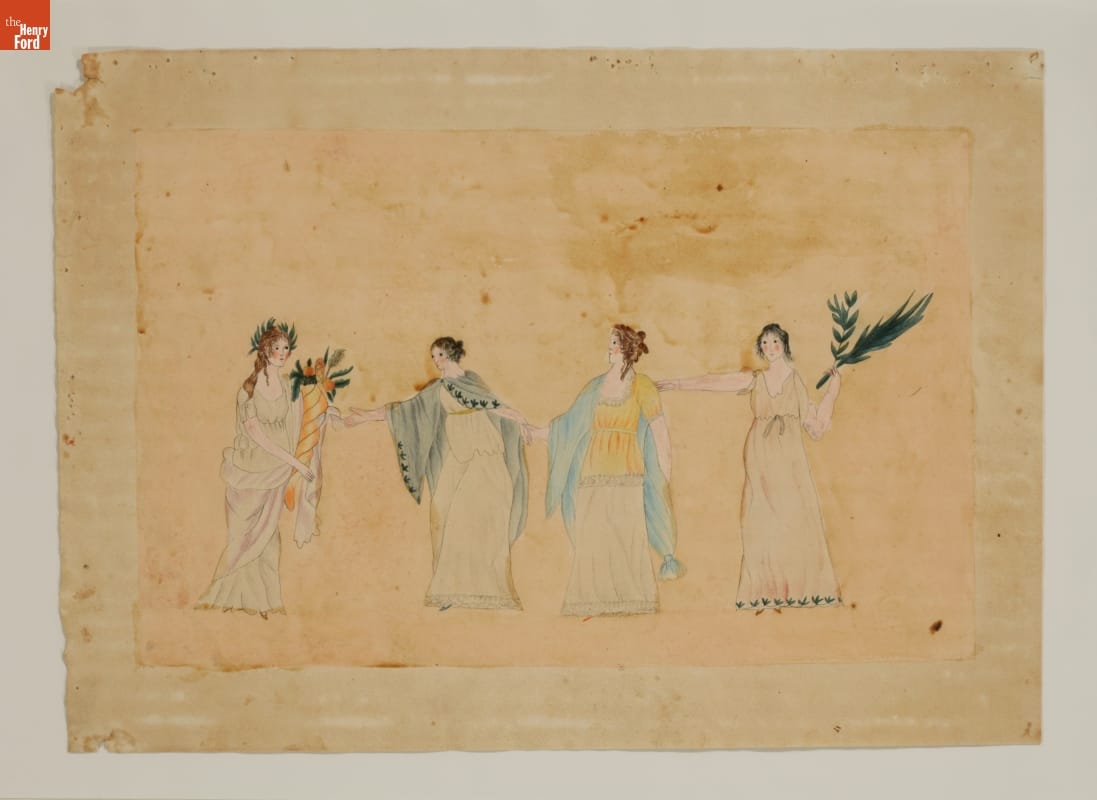
- Women in Classical Dress, 1790-1810 - Mehetabel Wingate (1772 - 1846) likely painted these fanciful images as a school girl, before her marriage in 1792. They represent an idealized vision of classical antiquity that was the height of taste in the years following the Revolution, when Americans viewed themselves as the inheritors of the ideals of the ancient world--democracy from Greece and representative government from Rome.
- 1790-1810
- Collections - Artifact
Women in Classical Dress, 1790-1810
Mehetabel Wingate (1772 - 1846) likely painted these fanciful images as a school girl, before her marriage in 1792. They represent an idealized vision of classical antiquity that was the height of taste in the years following the Revolution, when Americans viewed themselves as the inheritors of the ideals of the ancient world--democracy from Greece and representative government from Rome.
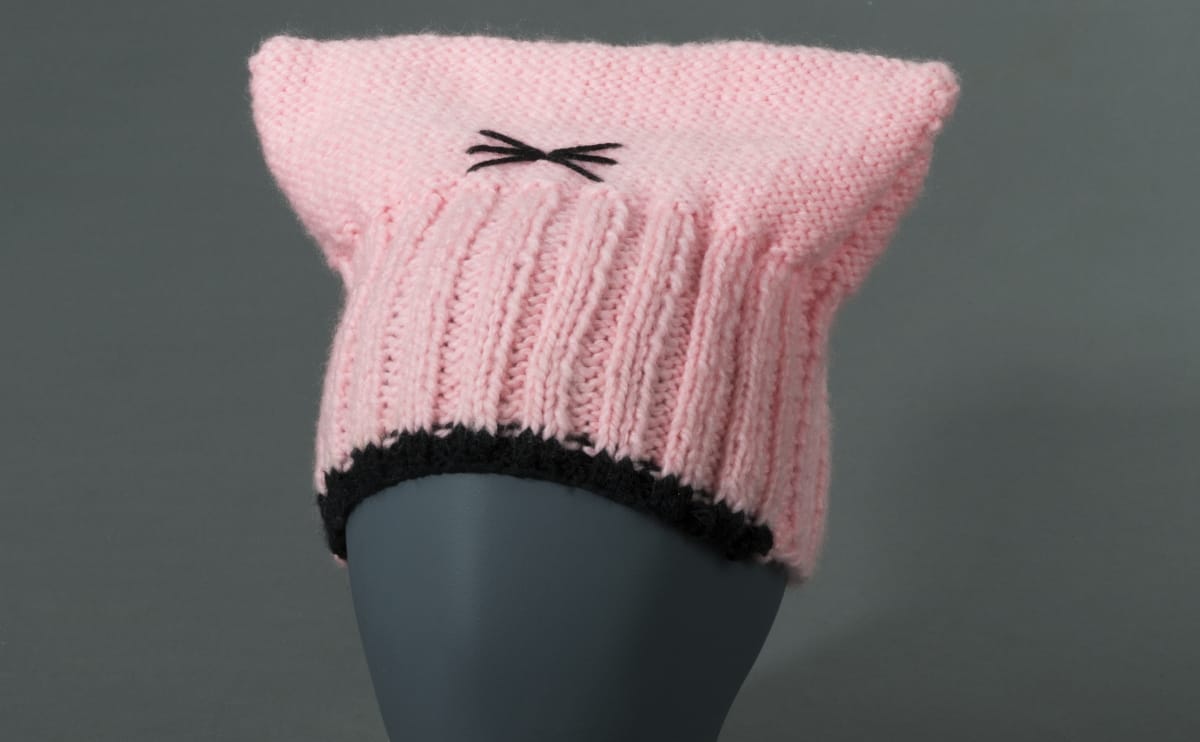
- "Pussyhat," Worn during the Women's March in Lansing, Michigan, January 2017 - In January 2017, millions of women--some donning pink knitted hats--gathered across America in a show of solidarity for women's rights and to protest the demeaning rhetoric made during the 2016 Presidential elections. (This hat's name refers to a derogatory comment made by Donald Trump in 2005.) This call to action brought a greater awareness of women's issues and an increased participation in electoral decision making in the following years.
- January 21, 2017
- Collections - Artifact
"Pussyhat," Worn during the Women's March in Lansing, Michigan, January 2017
In January 2017, millions of women--some donning pink knitted hats--gathered across America in a show of solidarity for women's rights and to protest the demeaning rhetoric made during the 2016 Presidential elections. (This hat's name refers to a derogatory comment made by Donald Trump in 2005.) This call to action brought a greater awareness of women's issues and an increased participation in electoral decision making in the following years.
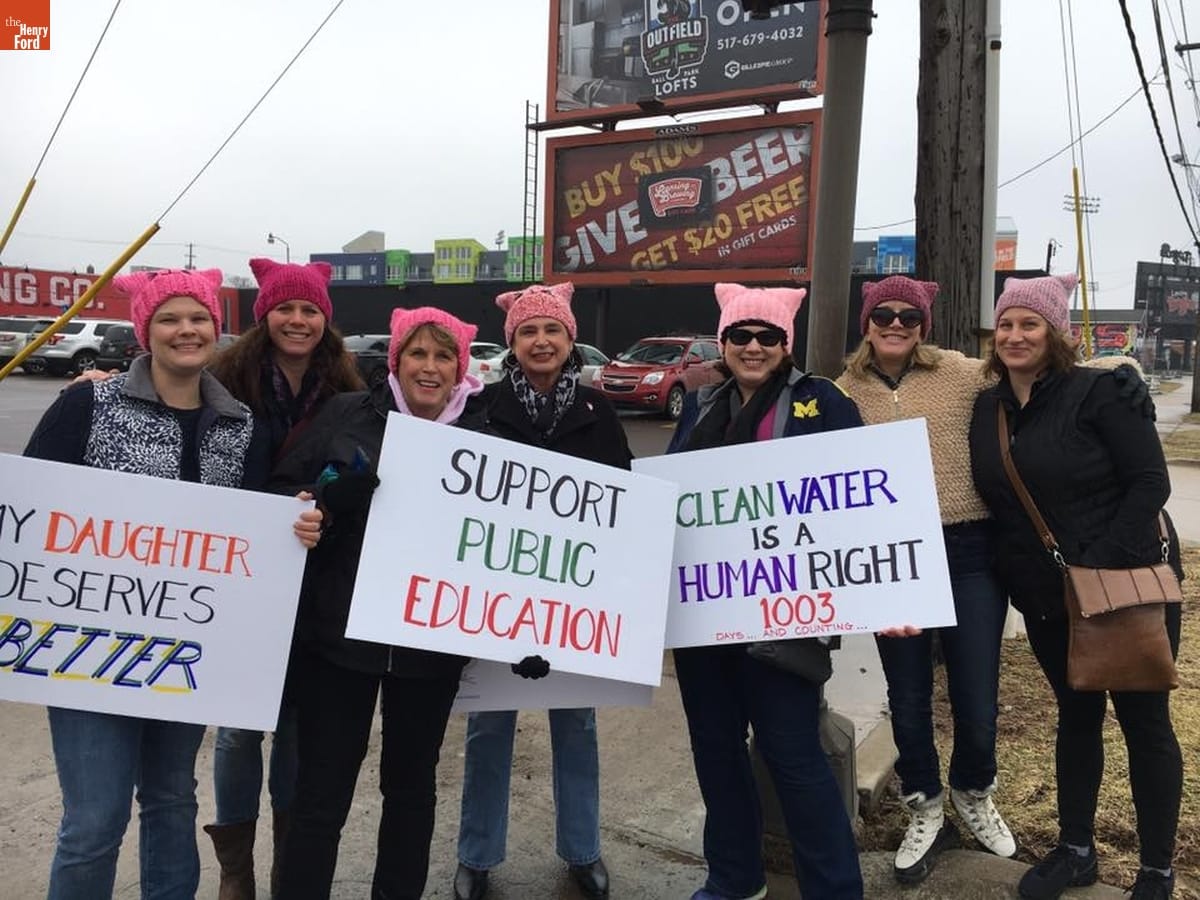
- "Gathering" at the Women's March in Lansing, Michigan, January 21, 2017 -
- January 21, 2017
- Collections - Artifact
"Gathering" at the Women's March in Lansing, Michigan, January 21, 2017
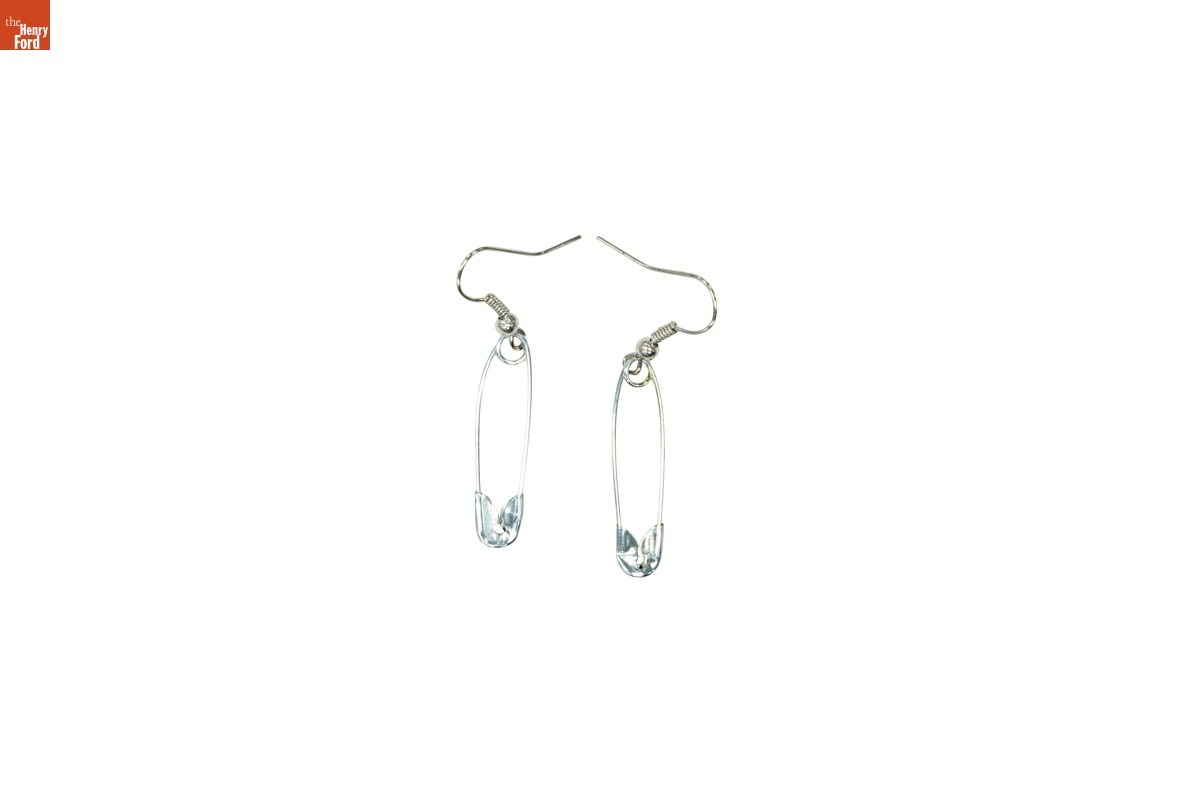
- Safety Pin Earrings, Made for the 2017 Women's March in Washington, D.C. -
- January 21, 2017
- Collections - Artifact
Safety Pin Earrings, Made for the 2017 Women's March in Washington, D.C.
- Thank You Note for Participating in the 2017 Women's March on Washington -

- January 21, 2017
- Collections - Artifact
Thank You Note for Participating in the 2017 Women's March on Washington
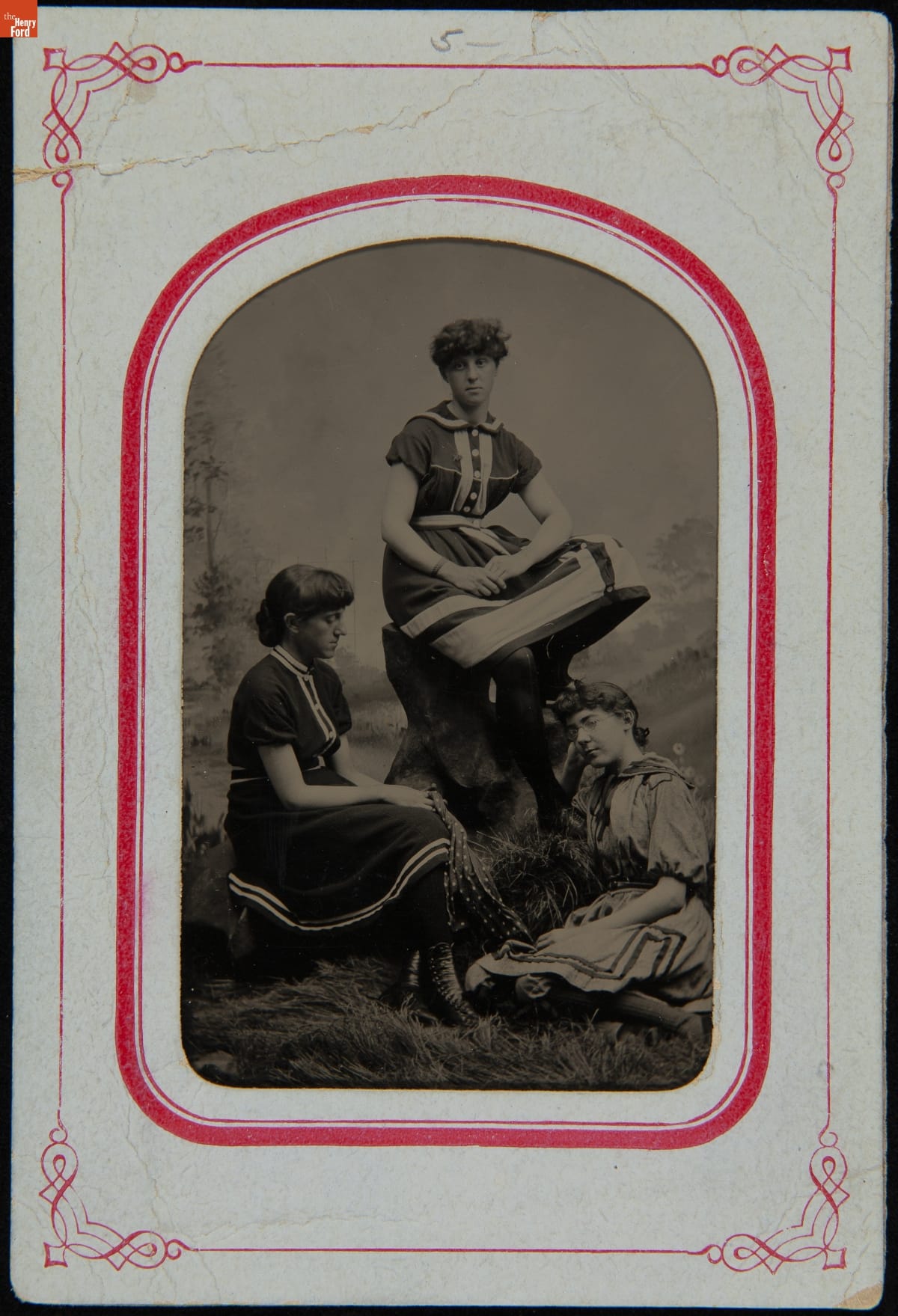
- Three Women in Sports Clothing, 1885-1895 - Tintypes, the popular "instant photographs" of the 19th century, could be produced in a matter of minutes at a price most people could afford. Tintypes democratized photography. Beginning in the mid-1850s, they gave more people than ever before the chance to have a real likeness of themselves--capturing unique glimpses of how everyday Americans looked and lived.
- 1885-1895
- Collections - Artifact
Three Women in Sports Clothing, 1885-1895
Tintypes, the popular "instant photographs" of the 19th century, could be produced in a matter of minutes at a price most people could afford. Tintypes democratized photography. Beginning in the mid-1850s, they gave more people than ever before the chance to have a real likeness of themselves--capturing unique glimpses of how everyday Americans looked and lived.