
Search
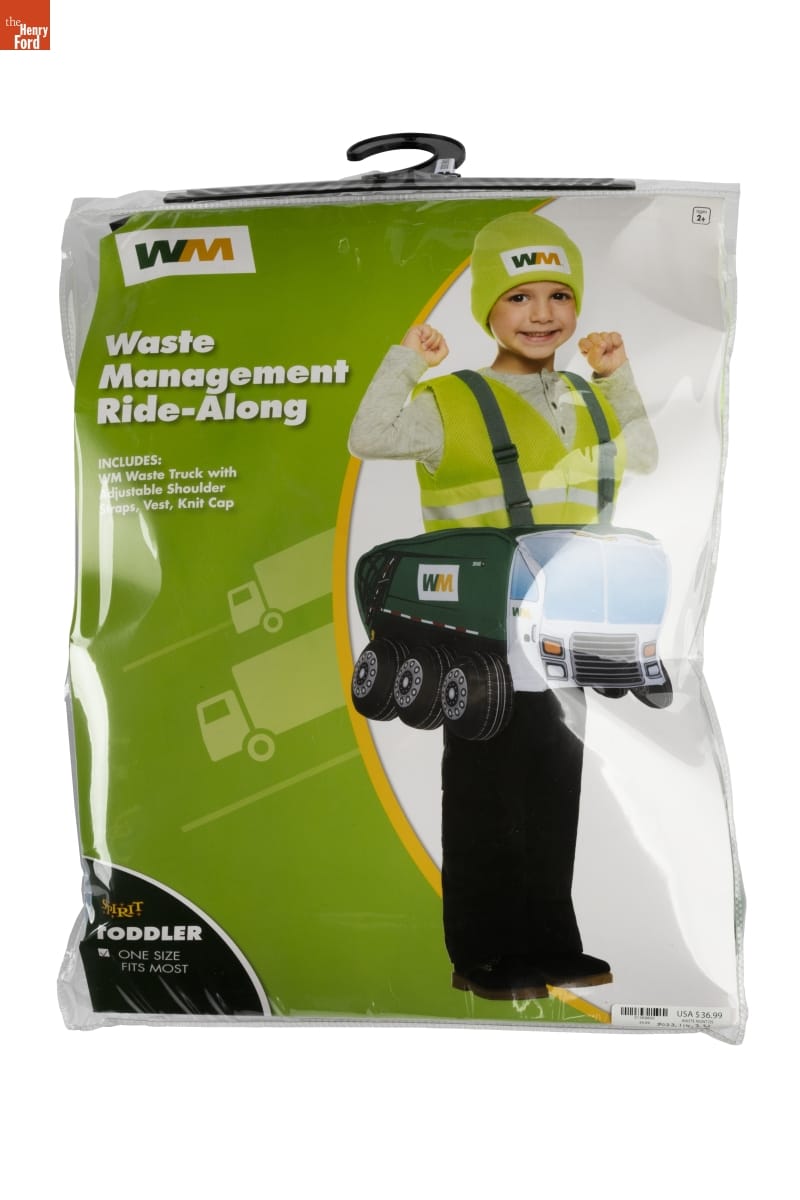
- Waste Management Ride-Along Halloween Costume, Worn by Simon Morland in 2022 -
- 2022
- Collections - Artifact
Waste Management Ride-Along Halloween Costume, Worn by Simon Morland in 2022
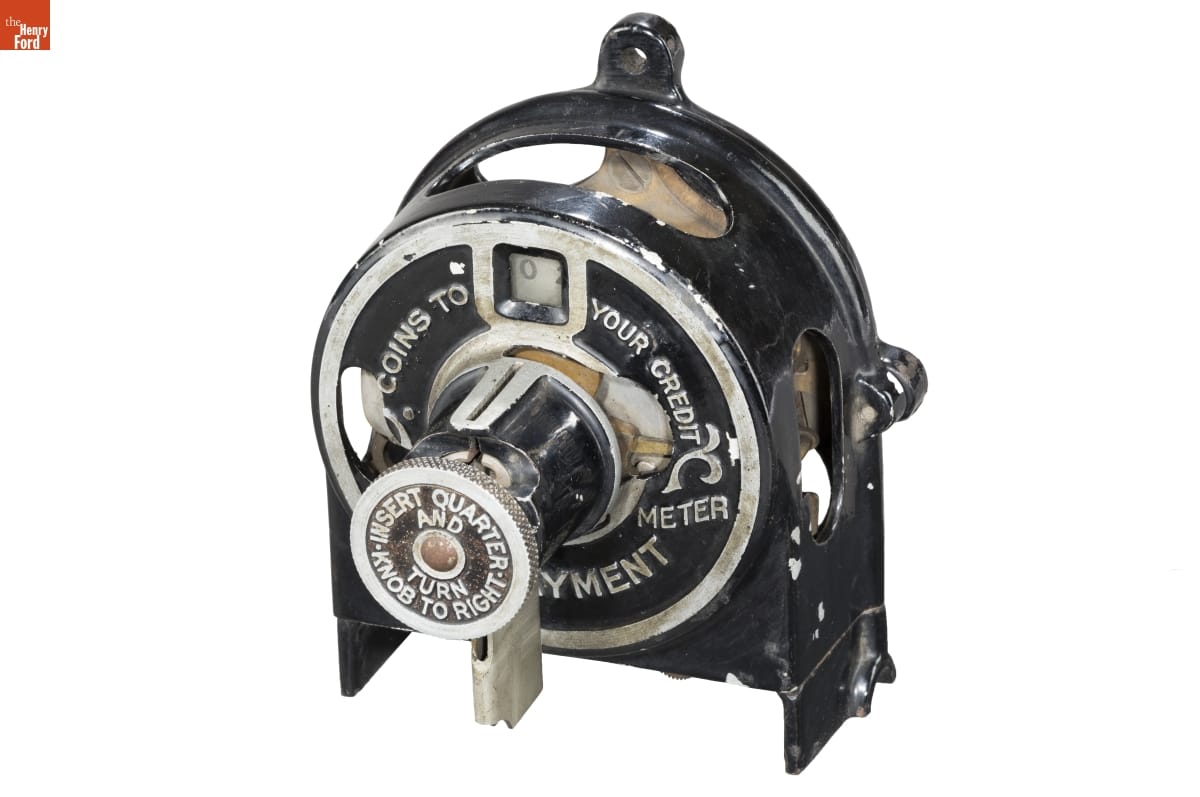
- Model of Wood's Prepayment Meter, 1906 -
- 1906
- Collections - Artifact
Model of Wood's Prepayment Meter, 1906
- Wood Brothers - Formed in 1950, Wood Brothers Racing is the oldest active team in NASCAR. Its lightning-fast pit stops helped earn five wins at the Daytona 500 and made a lasting mark on stock car racing.

- March 08, 2022
- Collections - Video
Wood Brothers
Formed in 1950, Wood Brothers Racing is the oldest active team in NASCAR. Its lightning-fast pit stops helped earn five wins at the Daytona 500 and made a lasting mark on stock car racing.
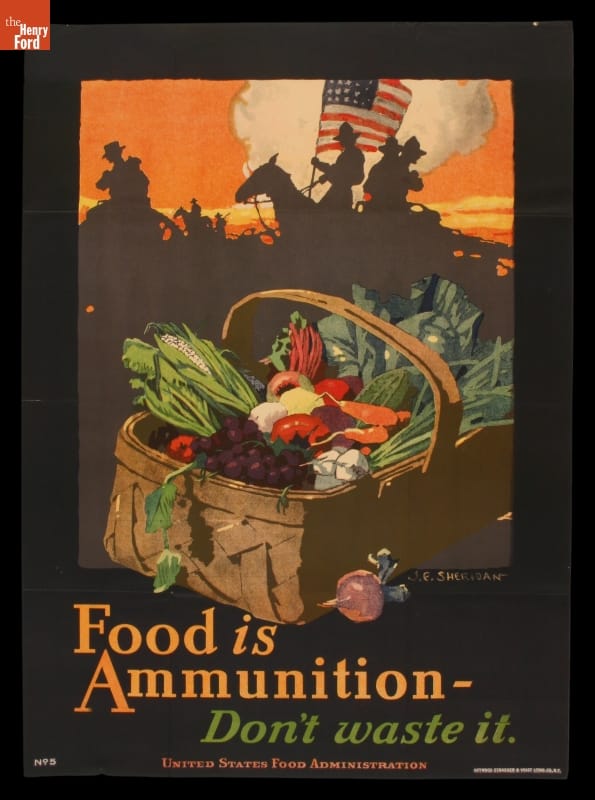
- World War I Poster, "Food is Ammunition-- Don't Waste It," circa 1918 - During the First World War, governments of all the warring nations used poster campaigns to encourage civilian and military support of the war effort. Artists widely used an innovative advertising technique for these posters that moved away from a factual depiction of a product's material or event's subject to an emphasis on appealing to the viewer's emotions.
- circa 1918
- Collections - Artifact
World War I Poster, "Food is Ammunition-- Don't Waste It," circa 1918
During the First World War, governments of all the warring nations used poster campaigns to encourage civilian and military support of the war effort. Artists widely used an innovative advertising technique for these posters that moved away from a factual depiction of a product's material or event's subject to an emphasis on appealing to the viewer's emotions.
- Abington Textile Machinery Works Trade Catalog, "Vacuum Card Stripper and Waste Collecting System," 1920-1929 -
- 1920-1929
- Collections - Artifact
Abington Textile Machinery Works Trade Catalog, "Vacuum Card Stripper and Waste Collecting System," 1920-1929
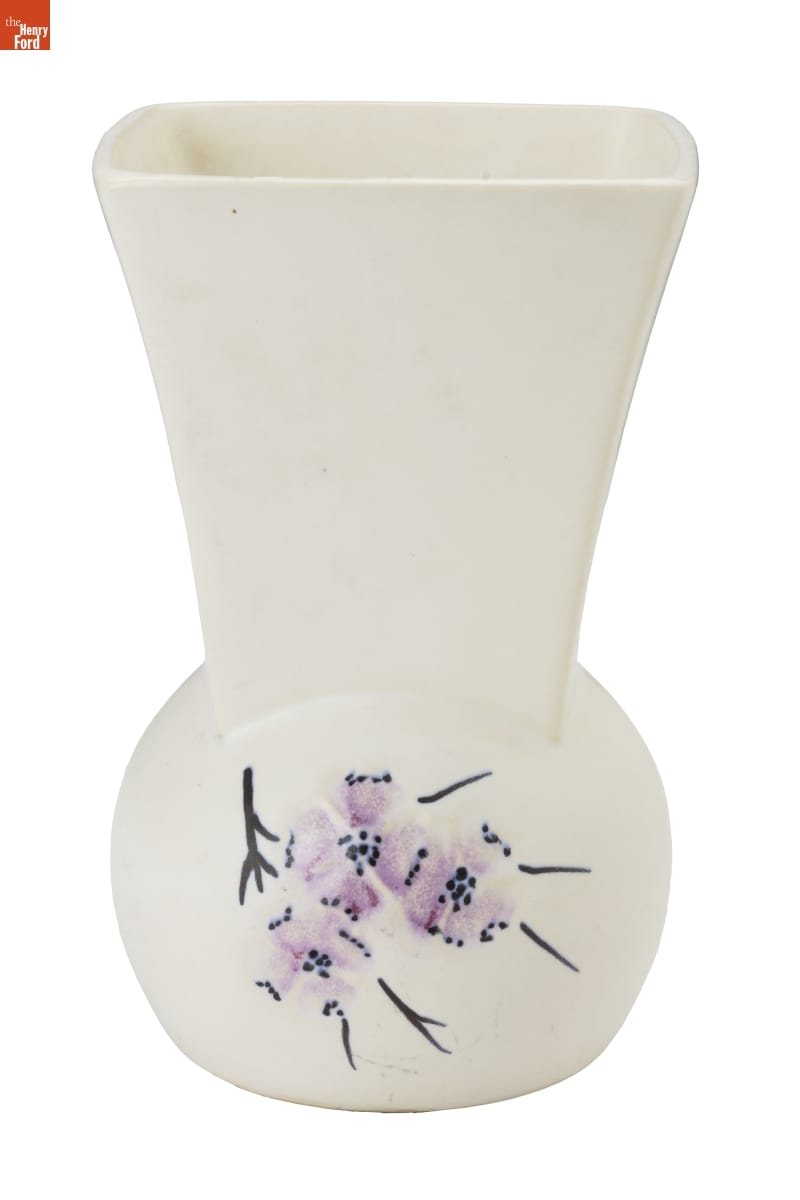
- "Spring Wood" Vase, 1960 -
- 1960
- Collections - Artifact
"Spring Wood" Vase, 1960
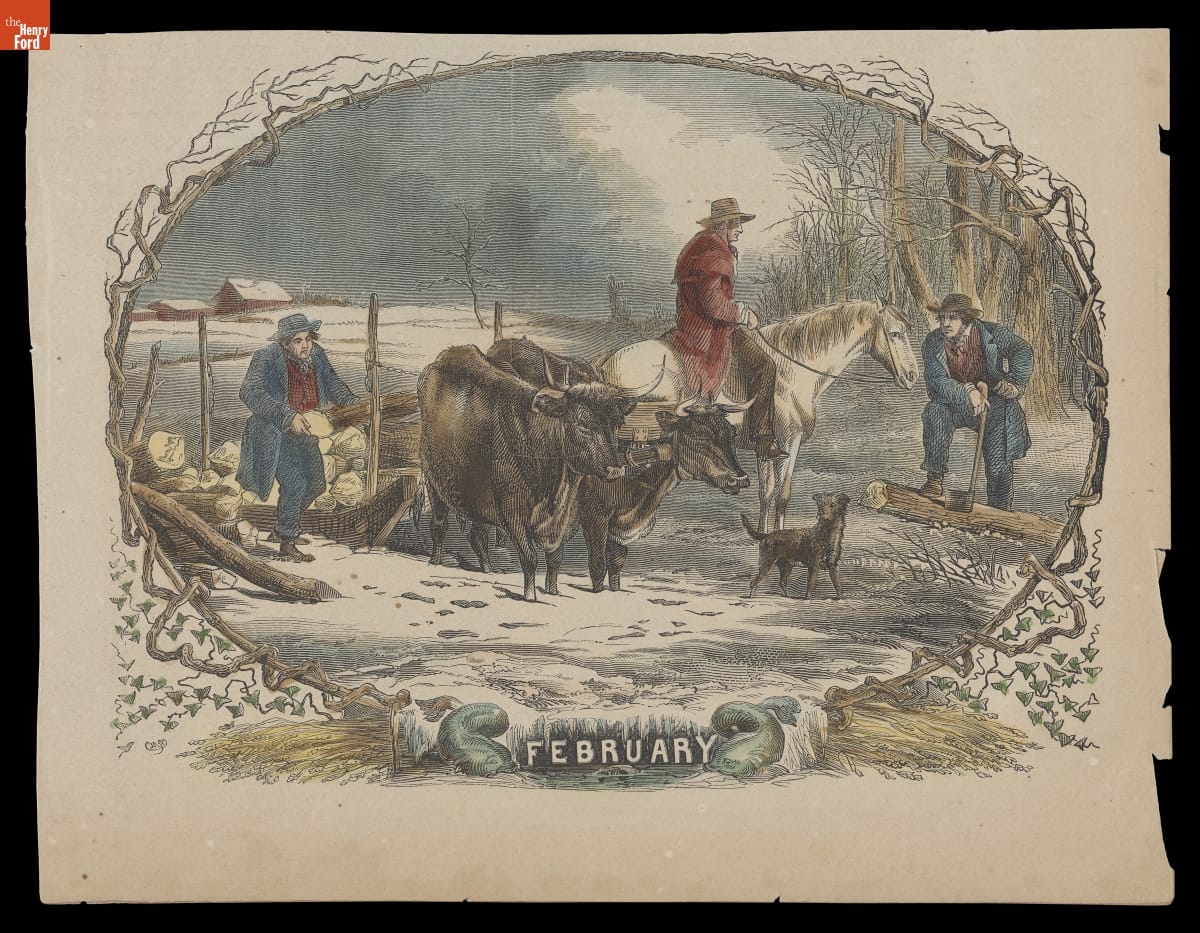
- Wood Engraving, "February," 1854 - Wood was an important fuel in mid-19th-century rural America. This 1854 engraving depicts a farm family cutting wood during winter. A large stockpile of wood kept the home warm in cold winter months. And this valuable fuel source heated stove and hearth -- where cooking took place -- throughout the year.
- March 04, 1854
- Collections - Artifact
Wood Engraving, "February," 1854
Wood was an important fuel in mid-19th-century rural America. This 1854 engraving depicts a farm family cutting wood during winter. A large stockpile of wood kept the home warm in cold winter months. And this valuable fuel source heated stove and hearth -- where cooking took place -- throughout the year.
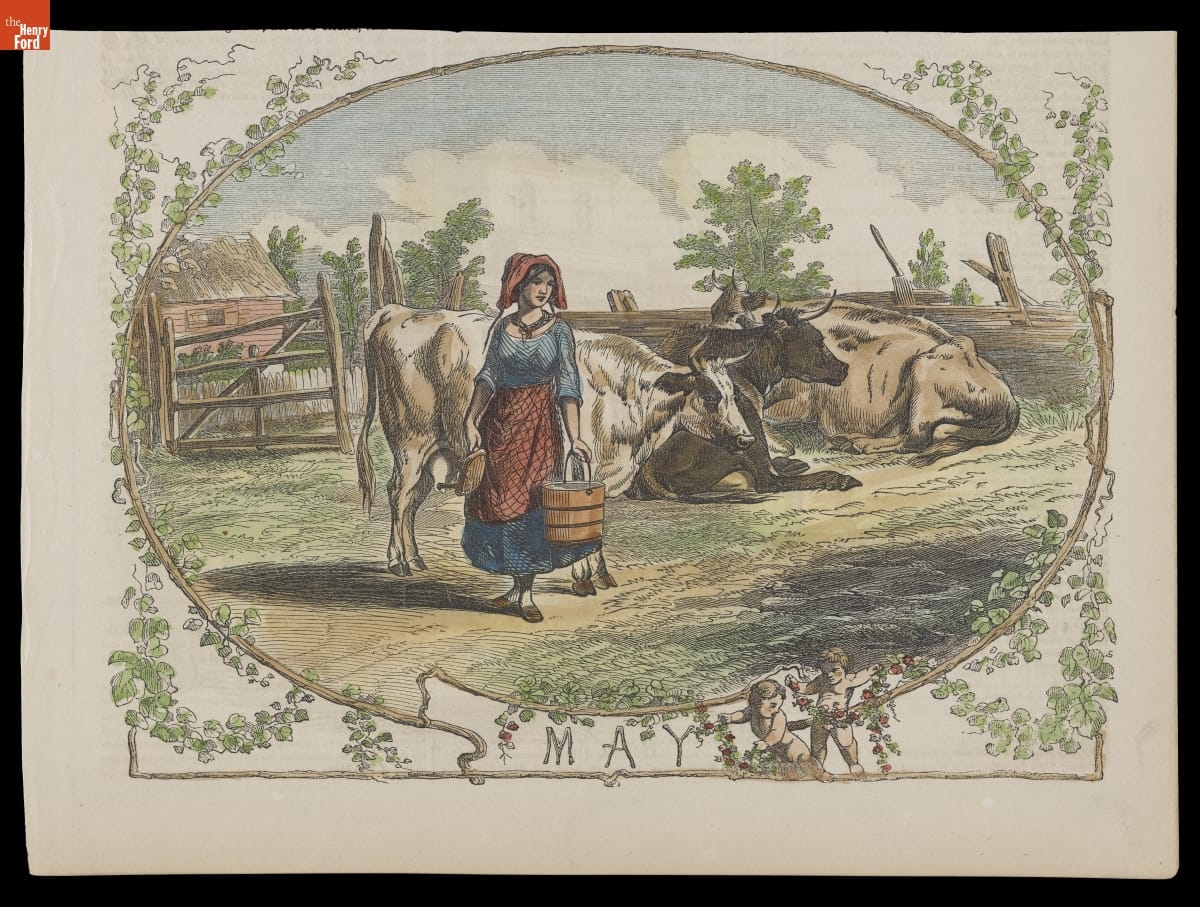
- Wood Engraving, "May," 1854 - Farmers in the mid-19th century depended on cows to provide milk to make butter and cheese for their families and for sale. But cows needed constant attention. Cows had to be milked daily and led out to pasture to feed. Men and women took care of this valuable livestock.
- May 27, 1854
- Collections - Artifact
Wood Engraving, "May," 1854
Farmers in the mid-19th century depended on cows to provide milk to make butter and cheese for their families and for sale. But cows needed constant attention. Cows had to be milked daily and led out to pasture to feed. Men and women took care of this valuable livestock.
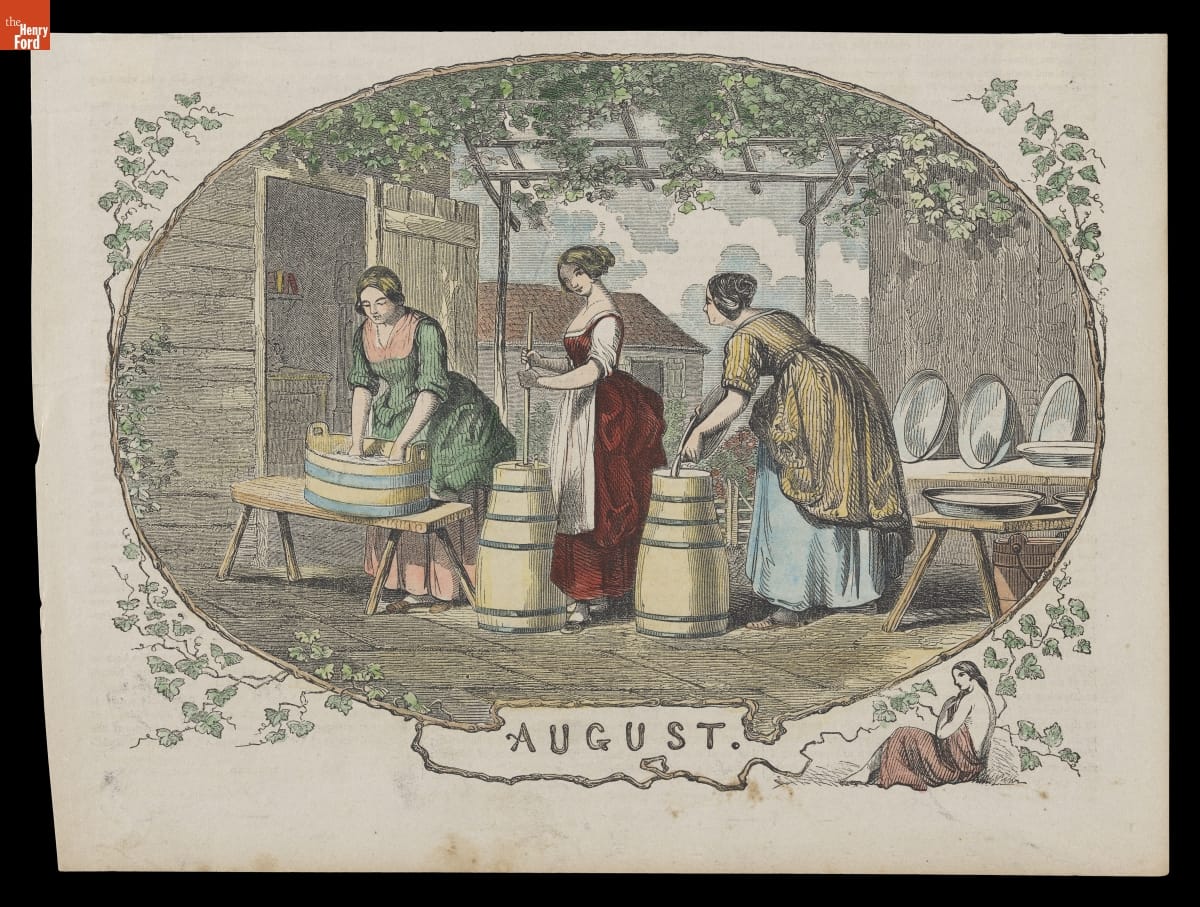
- Wood Engraving, "August," 1854 - Cows provided milk for farm families in the mid-nineteenth century. This 1854 engraving shows the process to turning milk into butter. Women skimmed cream from pans of milk placed in a cool arbor. The cream was churned into butter then worked to remove excess liquids before being placed into containers.
- August 19, 1854
- Collections - Artifact
Wood Engraving, "August," 1854
Cows provided milk for farm families in the mid-nineteenth century. This 1854 engraving shows the process to turning milk into butter. Women skimmed cream from pans of milk placed in a cool arbor. The cream was churned into butter then worked to remove excess liquids before being placed into containers.
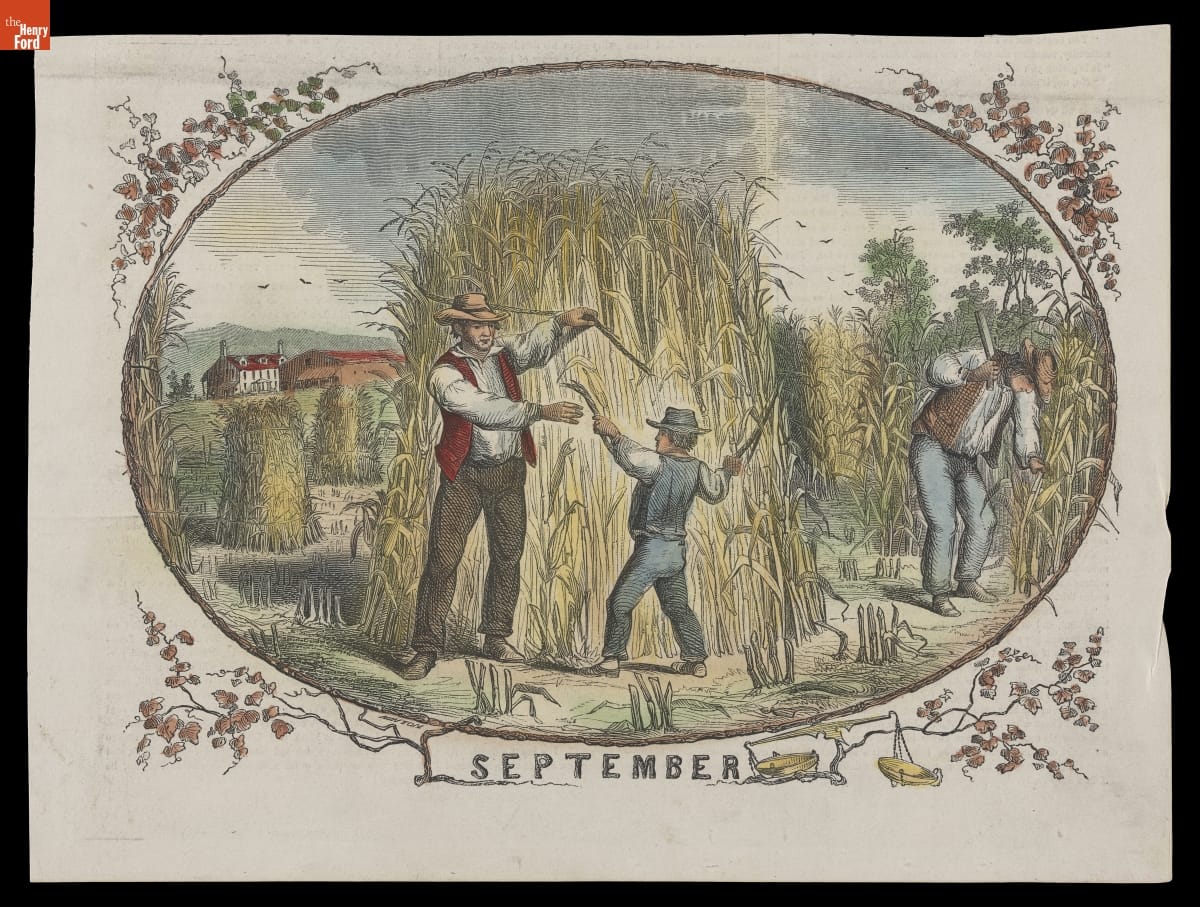
- Wood Engraving, "September," 1854 - Farming is a year round occupation and work is usually defined by season. This 1854 engraving depicts the corn harvest in late summer. Stalks were cut and stacked in the field to dry. Later, the ears of corn were husked which removed the leafy outer covering. Harvesting, like most farm work, was labor intensive and young and old were expected to help.
- September 16, 1854
- Collections - Artifact
Wood Engraving, "September," 1854
Farming is a year round occupation and work is usually defined by season. This 1854 engraving depicts the corn harvest in late summer. Stalks were cut and stacked in the field to dry. Later, the ears of corn were husked which removed the leafy outer covering. Harvesting, like most farm work, was labor intensive and young and old were expected to help.