
Search
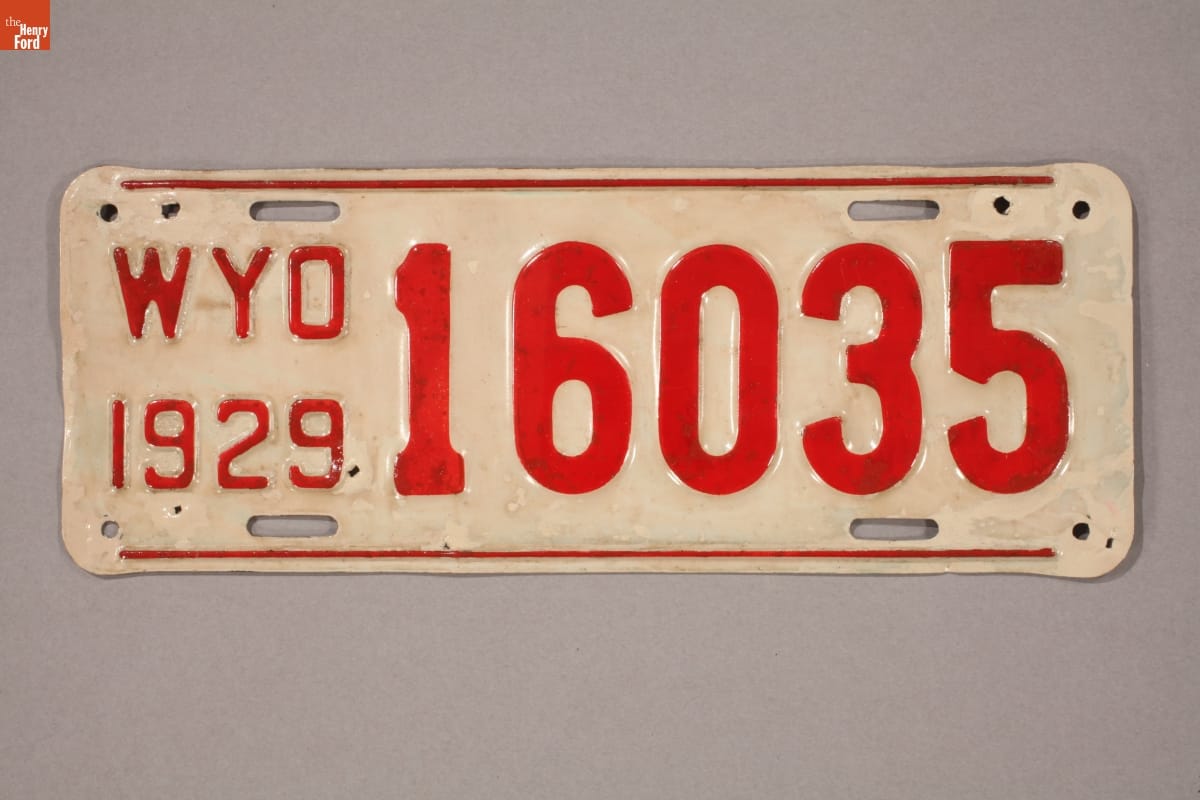
- Wyoming License Plate, 1929 - Early state-issued license plates were made of porcelain-coated iron. Later, states stamped tin, steel, or even copper to make plates. During the Second World War several states used fiberboard. Plate colors varied and some states added symbols, mottoes, or other design elements. Today, states use reflective sheeting to coat a standard-sized aluminum blank which is then stamped and decorated.
- 1929
- Collections - Artifact
Wyoming License Plate, 1929
Early state-issued license plates were made of porcelain-coated iron. Later, states stamped tin, steel, or even copper to make plates. During the Second World War several states used fiberboard. Plate colors varied and some states added symbols, mottoes, or other design elements. Today, states use reflective sheeting to coat a standard-sized aluminum blank which is then stamped and decorated.
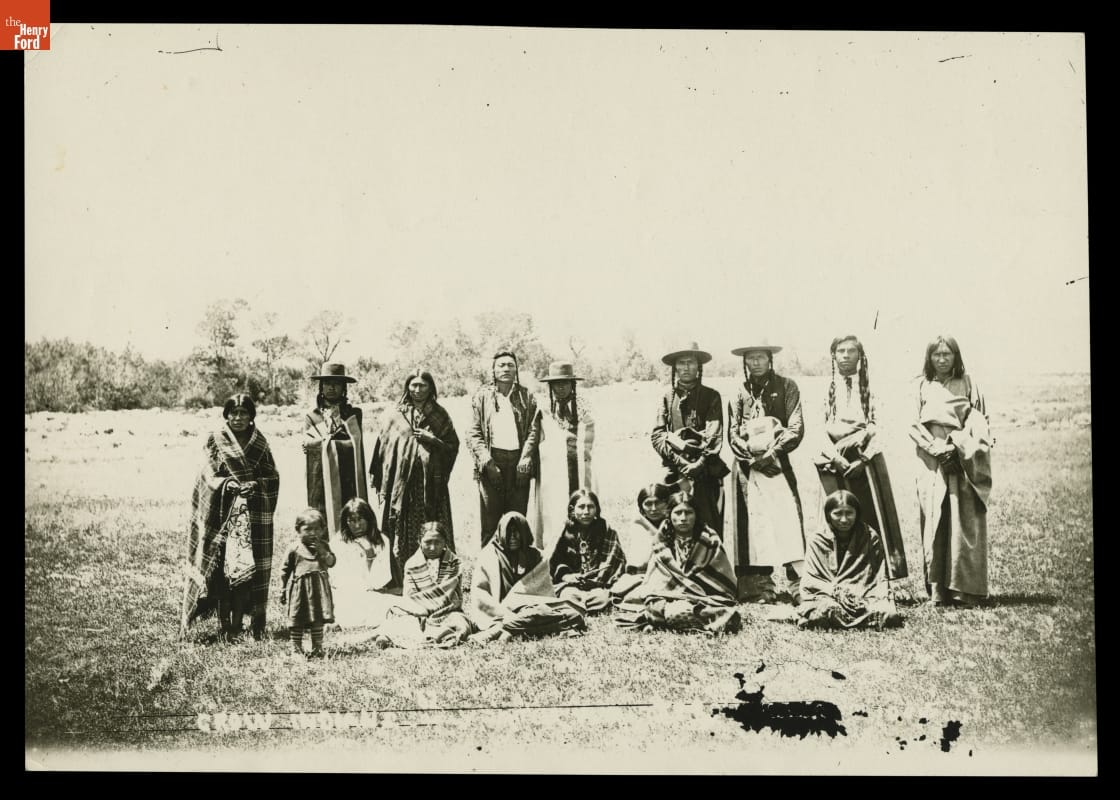
- Crow People, Wyoming Territory, 1882 - The Apsaalooke (Crow) occupied the game rich lands in the Yellowstone River basin of Wyoming and Montana. By the second half of the 1800s, encroachment by other Native American tribes and the influx of white settlers constricted the size of their traditional hunting grounds. Treaties signed with the U.S. government in 1868 and 1882 ultimately confined the Apsaalooke to a reservation in south central Montana.
- 1882
- Collections - Artifact
Crow People, Wyoming Territory, 1882
The Apsaalooke (Crow) occupied the game rich lands in the Yellowstone River basin of Wyoming and Montana. By the second half of the 1800s, encroachment by other Native American tribes and the influx of white settlers constricted the size of their traditional hunting grounds. Treaties signed with the U.S. government in 1868 and 1882 ultimately confined the Apsaalooke to a reservation in south central Montana.
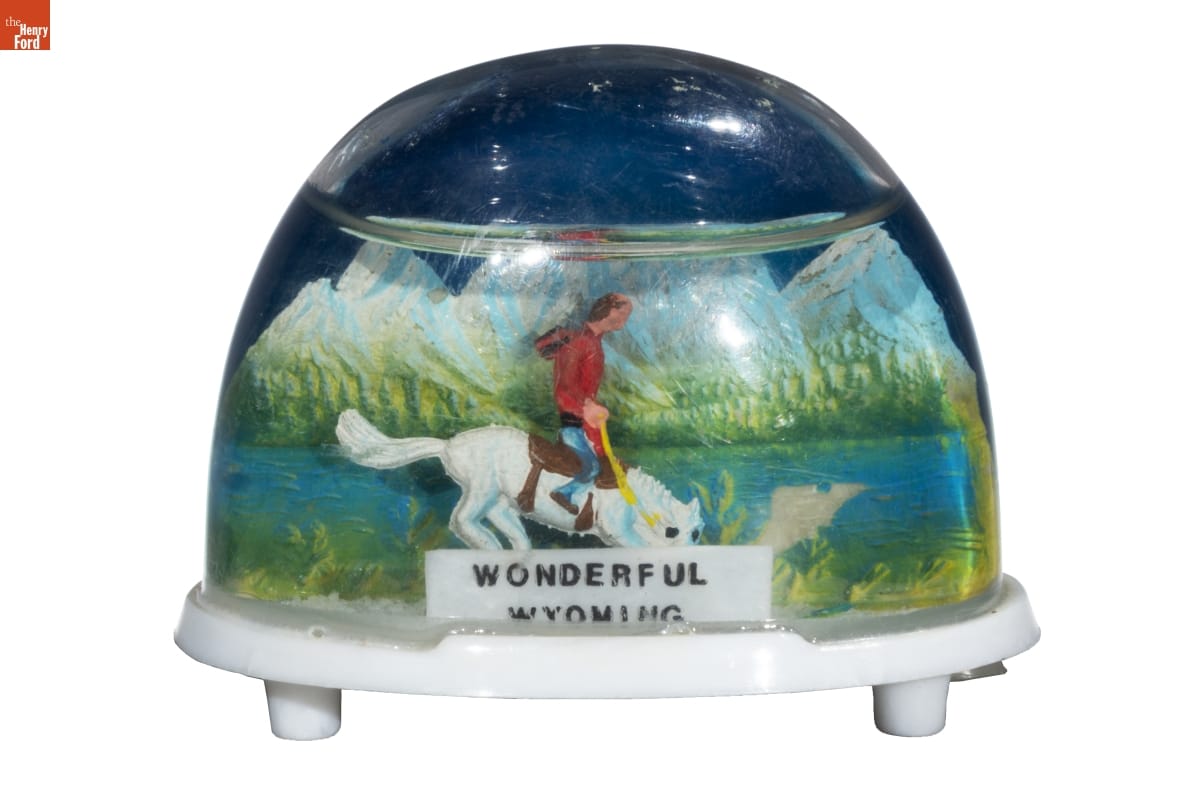
- "Wonderful Wyoming" Snow Globe, 1960-1970 - Tourist attractions offered souvenir seekers something new beginning in the 1950s: inexpensive plastic snow globes. These evolved from fancier versions through innovations in plastics and manufacturing technology, and they quickly became connected with travel. Snow globes were fun to collect, easy to transport, and served as both proof of the journey and a lasting representation of vacation memories.
- 1960-1970
- Collections - Artifact
"Wonderful Wyoming" Snow Globe, 1960-1970
Tourist attractions offered souvenir seekers something new beginning in the 1950s: inexpensive plastic snow globes. These evolved from fancier versions through innovations in plastics and manufacturing technology, and they quickly became connected with travel. Snow globes were fun to collect, easy to transport, and served as both proof of the journey and a lasting representation of vacation memories.
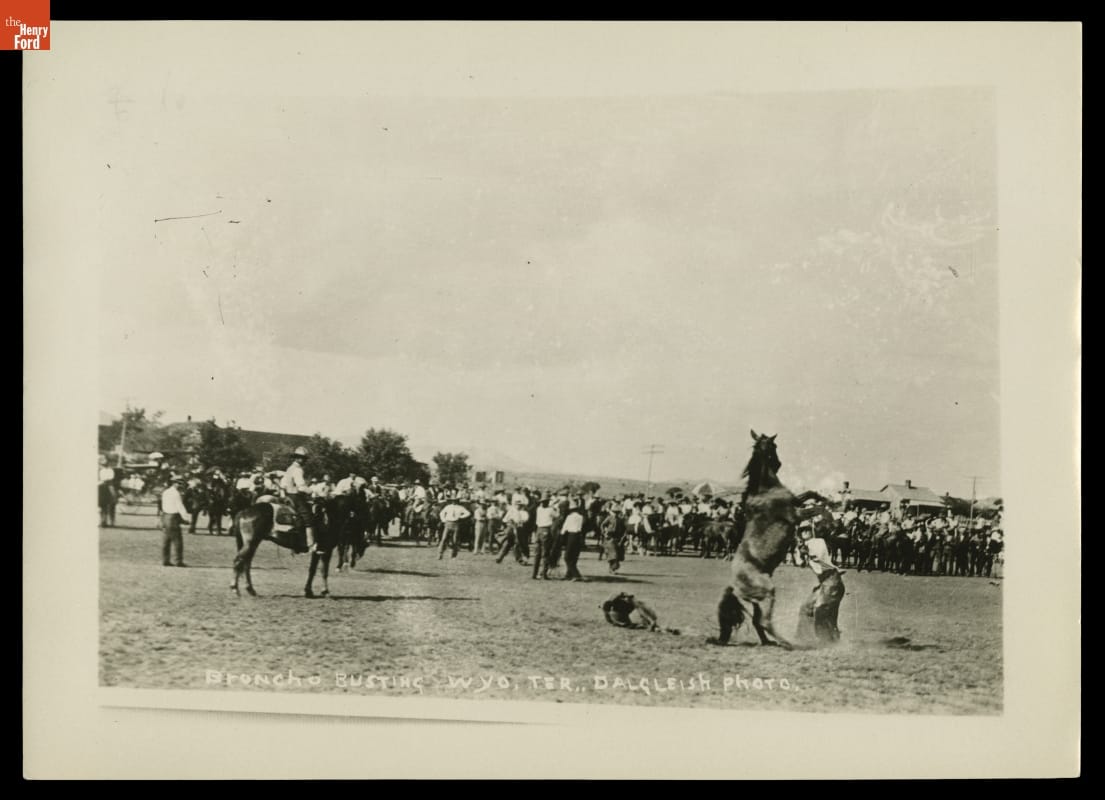
- Broncho Busting, Wyoming Territory, circa 1885 - The Wyoming cattle boom began soon after the Civil War. Ranchers hired cowboys to tend the herds that roamed the open range. Cowboys needed good horses when they rounded up cattle and drove the herd to market. Wild horses unused to a saddle may buck, kick and refuse to be mounted. Broncho busting tamed unruly horses. It also became a sport among the hard-working cowboys.
- circa 1885
- Collections - Artifact
Broncho Busting, Wyoming Territory, circa 1885
The Wyoming cattle boom began soon after the Civil War. Ranchers hired cowboys to tend the herds that roamed the open range. Cowboys needed good horses when they rounded up cattle and drove the herd to market. Wild horses unused to a saddle may buck, kick and refuse to be mounted. Broncho busting tamed unruly horses. It also became a sport among the hard-working cowboys.
- City of Newcastle, Wyoming Territory, 1890 - Newcastle, Wyoming, was established in the late 1880s when the Chicago, Burlington and Quincy Railroad pushed northwest from Nebraska toward Montana. The addition of a spur line from Newcastle to coal fields to the north benefited the new city. Coal was vital to fueling 19th-century American industry, including the railroad's locomotives. The city's population boomed, reaching 1,000 within a few years.
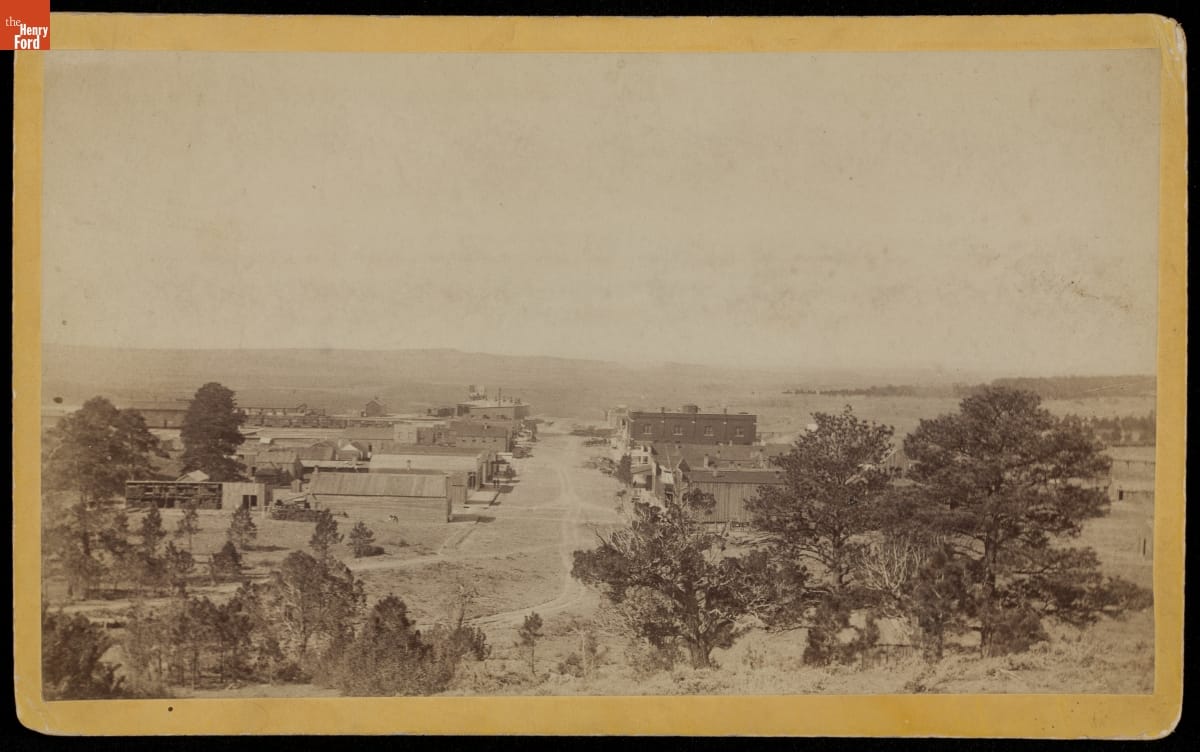
- 1890
- Collections - Artifact
City of Newcastle, Wyoming Territory, 1890
Newcastle, Wyoming, was established in the late 1880s when the Chicago, Burlington and Quincy Railroad pushed northwest from Nebraska toward Montana. The addition of a spur line from Newcastle to coal fields to the north benefited the new city. Coal was vital to fueling 19th-century American industry, including the railroad's locomotives. The city's population boomed, reaching 1,000 within a few years.
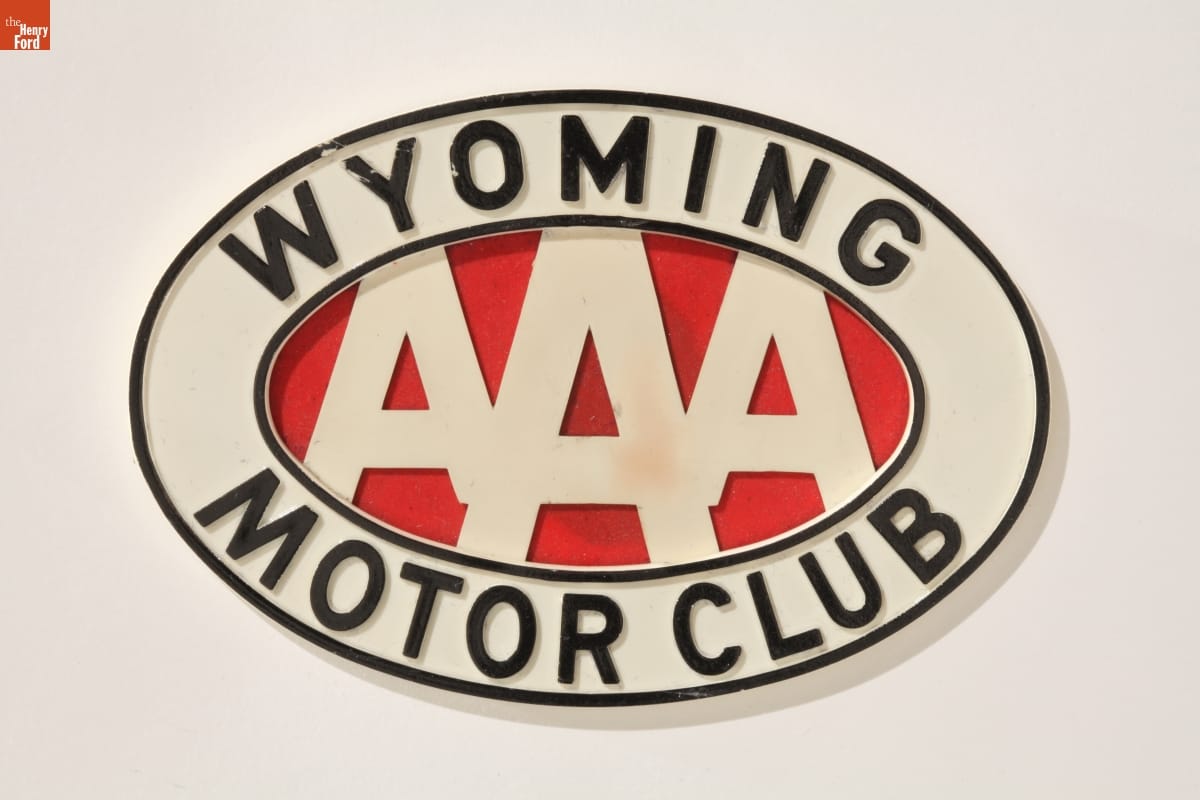
- Wyoming Motor Club Badge, 1950-1970 - Twentieth-century motorists who belonged to automobile clubs attached badges or emblems to their vehicles. These membership badges were displayed prominently on radiators, license plates, bumpers, or elsewhere on the car. The badges helped identify members and promoted the organization. In the 1950s and 1960s, badges, like this one, were used by members of the Wyoming Motor Club, a local AAA affiliate.
- 1950-1970
- Collections - Artifact
Wyoming Motor Club Badge, 1950-1970
Twentieth-century motorists who belonged to automobile clubs attached badges or emblems to their vehicles. These membership badges were displayed prominently on radiators, license plates, bumpers, or elsewhere on the car. The badges helped identify members and promoted the organization. In the 1950s and 1960s, badges, like this one, were used by members of the Wyoming Motor Club, a local AAA affiliate.
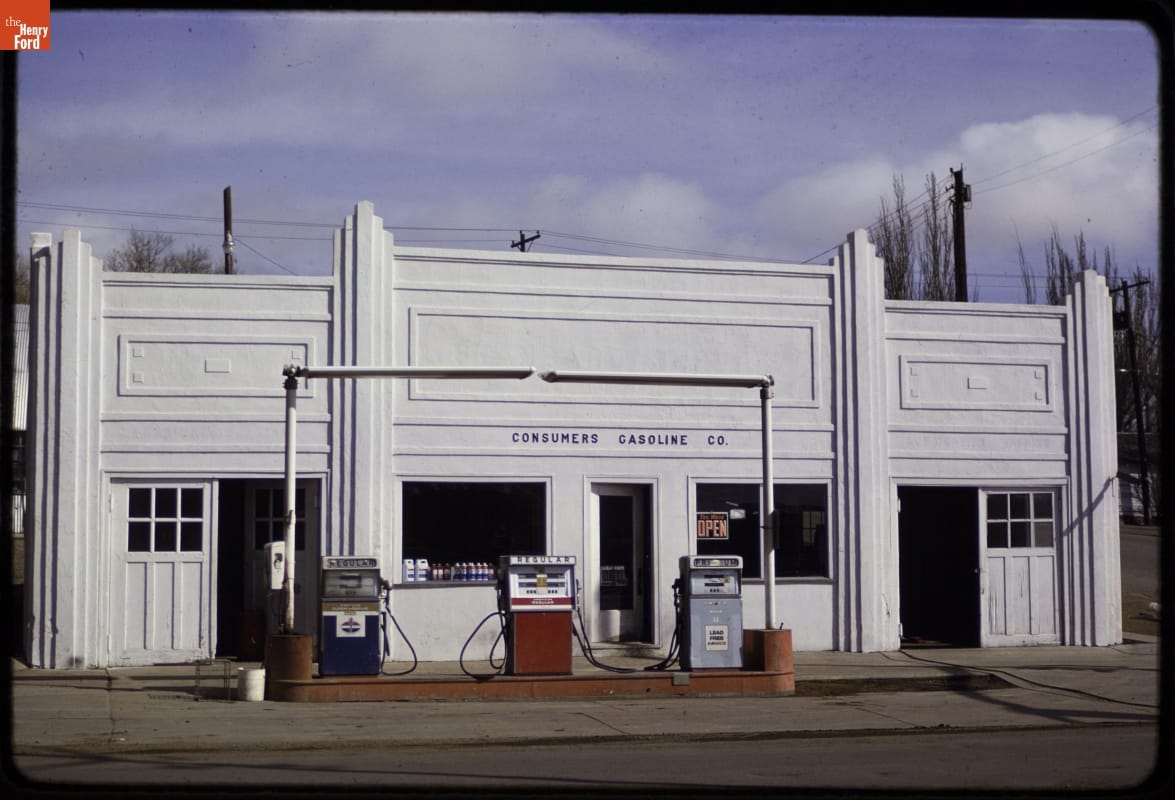
- Consumers Gas Station, Rawlins, Wyoming, 1980 - In the mid-1970s, John Margolies began to assemble a visual record of America's built roadside landscape. Over the following three decades, he traveled thousands of miles to photograph the overlooked and often quickly vanishing structures that had grown out of American automobile culture and main street commerce. His photographs of hotels, motels, diners, service stations, drive-ins and attractions celebrate and capture a unique chapter of American history.
- 1980
- Collections - Artifact
Consumers Gas Station, Rawlins, Wyoming, 1980
In the mid-1970s, John Margolies began to assemble a visual record of America's built roadside landscape. Over the following three decades, he traveled thousands of miles to photograph the overlooked and often quickly vanishing structures that had grown out of American automobile culture and main street commerce. His photographs of hotels, motels, diners, service stations, drive-ins and attractions celebrate and capture a unique chapter of American history.
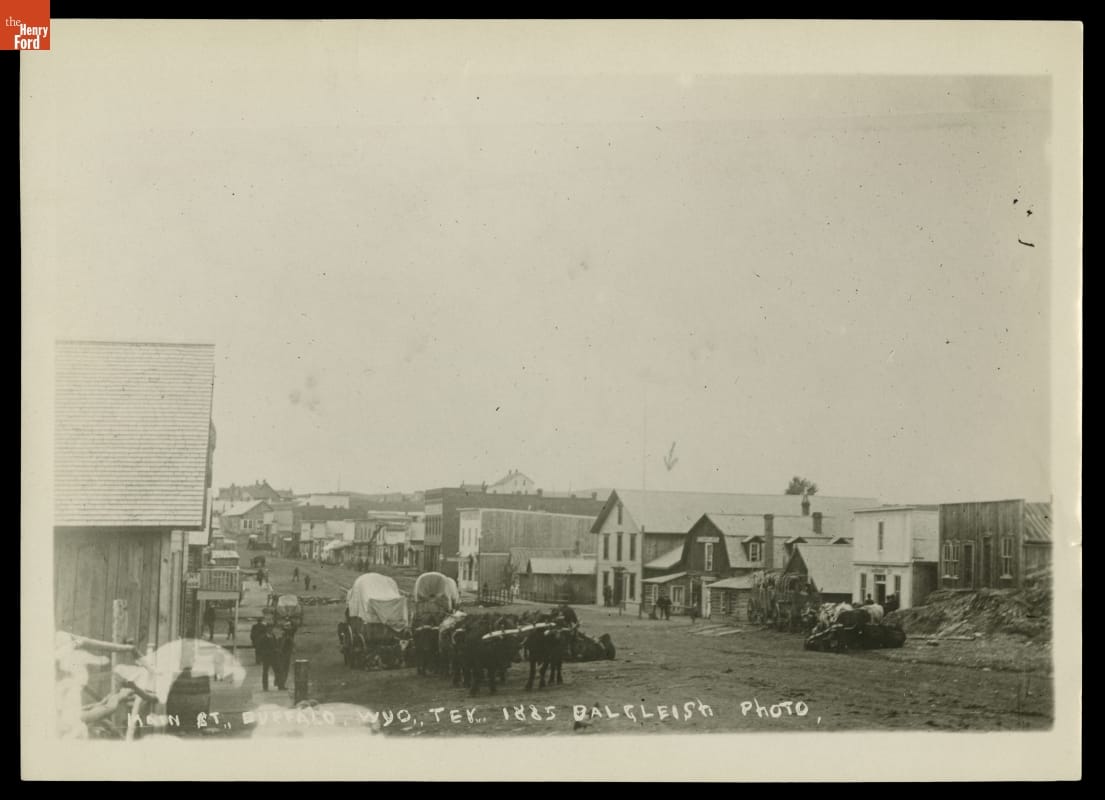
- Main Street, Buffalo, Wyoming Territory, 1885 - In the 1880s, towns in the western United States that were isolated from river and rail transportation networks relied on freight haulers to supply needed goods. Drivers navigated heavy, product-laden wagons hitched to teams of mules or oxen over mountain passes and across lonely, open expanses to deliver their cargo. This image show wagons loaded with goods on Main Street in Buffalo, Wyoming.
- 1885
- Collections - Artifact
Main Street, Buffalo, Wyoming Territory, 1885
In the 1880s, towns in the western United States that were isolated from river and rail transportation networks relied on freight haulers to supply needed goods. Drivers navigated heavy, product-laden wagons hitched to teams of mules or oxen over mountain passes and across lonely, open expanses to deliver their cargo. This image show wagons loaded with goods on Main Street in Buffalo, Wyoming.
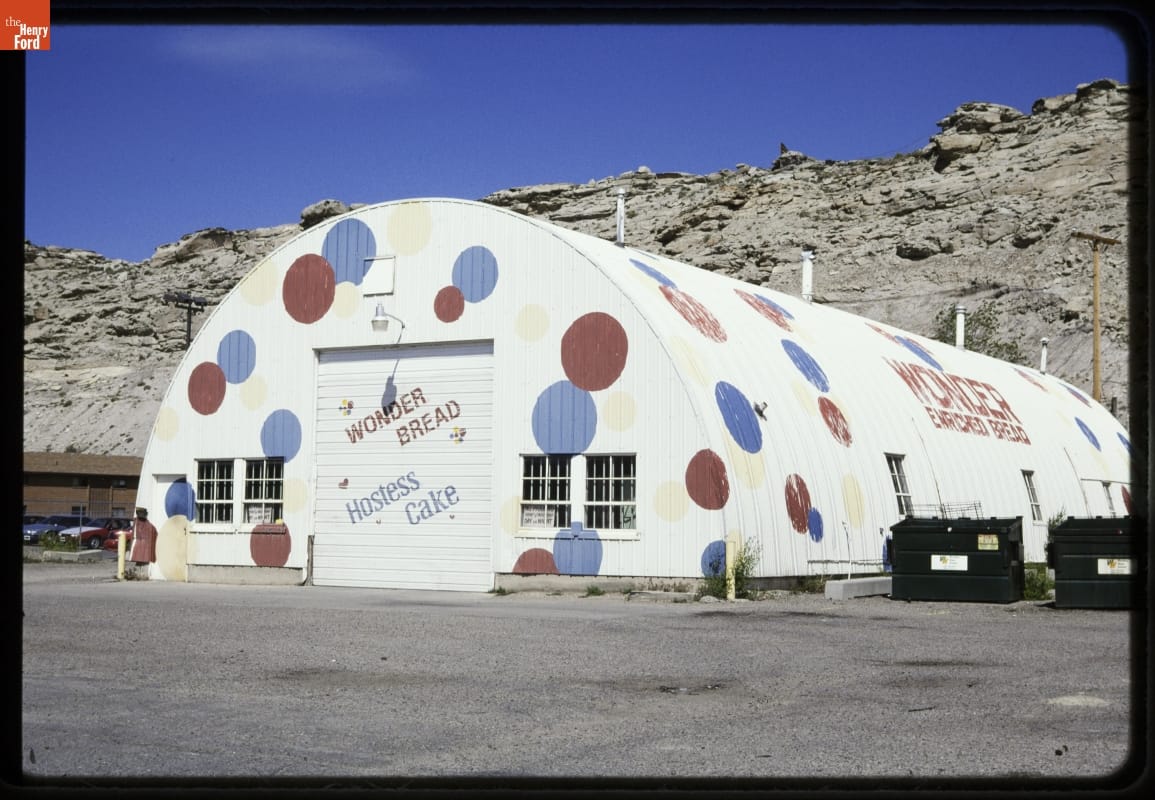
- Wonder Bread Building, Rock Springs, Wyoming, 2004 - In the mid-1970s, John Margolies began to assemble a visual record of America's built roadside landscape. Over the following three decades, he traveled thousands of miles to photograph the overlooked and often quickly vanishing structures that had grown out of American automobile culture and main street commerce. His photographs of hotels, motels, diners, service stations, drive-ins and attractions celebrate and capture a unique chapter of American history.
- 2004
- Collections - Artifact
Wonder Bread Building, Rock Springs, Wyoming, 2004
In the mid-1970s, John Margolies began to assemble a visual record of America's built roadside landscape. Over the following three decades, he traveled thousands of miles to photograph the overlooked and often quickly vanishing structures that had grown out of American automobile culture and main street commerce. His photographs of hotels, motels, diners, service stations, drive-ins and attractions celebrate and capture a unique chapter of American history.
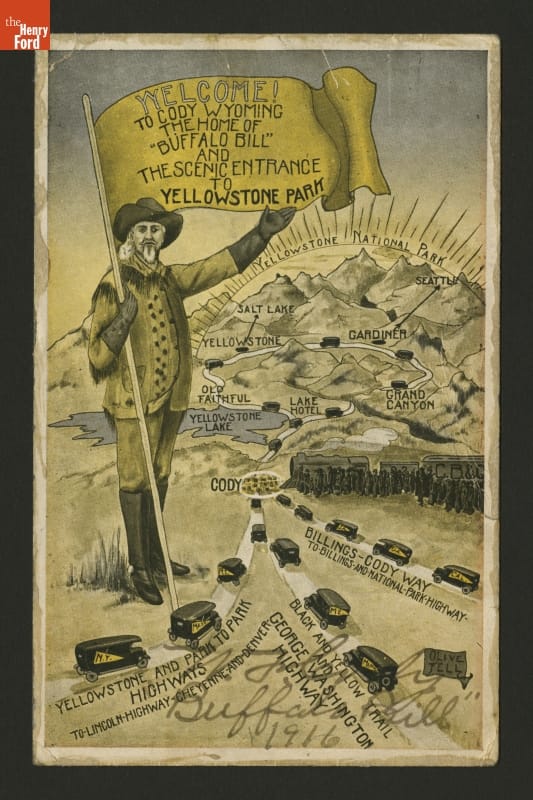
- Souvenir Postcard, "Welcome to Cody Wyoming," 1916 - This postcard, sent from Buffalo Bill Cody to Henry Ford in 1916, shows recently created trails bringing motorists to Yellowstone National Park.
- October 21, 1916
- Collections - Artifact
Souvenir Postcard, "Welcome to Cody Wyoming," 1916
This postcard, sent from Buffalo Bill Cody to Henry Ford in 1916, shows recently created trails bringing motorists to Yellowstone National Park.