
Search
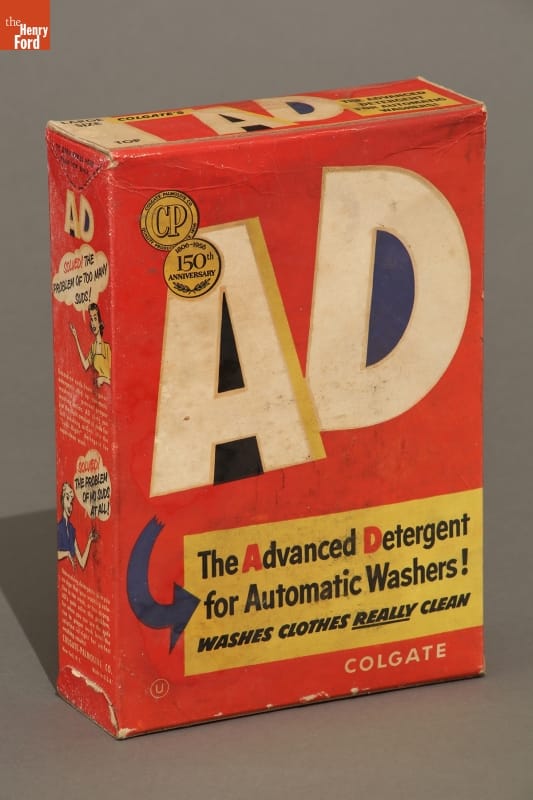
- AD Detergent, circa 1956 -
- circa 1956
- Collections - Artifact
AD Detergent, circa 1956
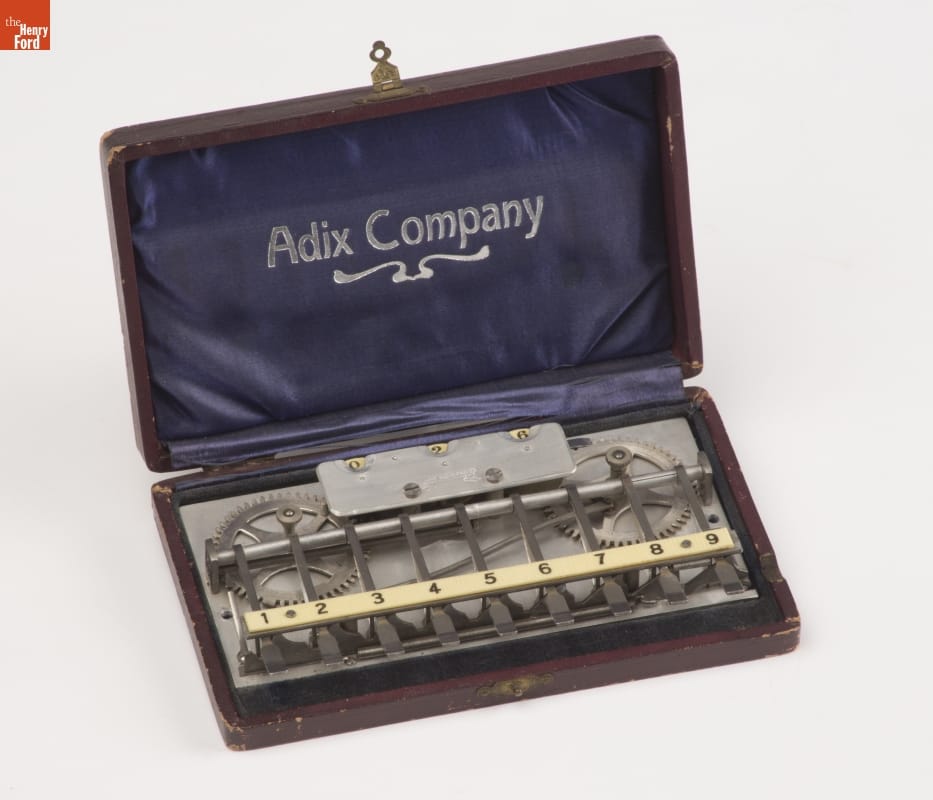
- Adix Adding Machine, 1903-1930 - The Adix adding machine provided fast, accurate calculations for single-column sums. Josef Pallweber patented the machine in 1903, and in 1904, the newly formed Adix Company began production of this small, convenient device with its exposed system of gears. Adix adding machines would remain in production for the next 26 years.
- 1903-1930
- Collections - Artifact
Adix Adding Machine, 1903-1930
The Adix adding machine provided fast, accurate calculations for single-column sums. Josef Pallweber patented the machine in 1903, and in 1904, the newly formed Adix Company began production of this small, convenient device with its exposed system of gears. Adix adding machines would remain in production for the next 26 years.
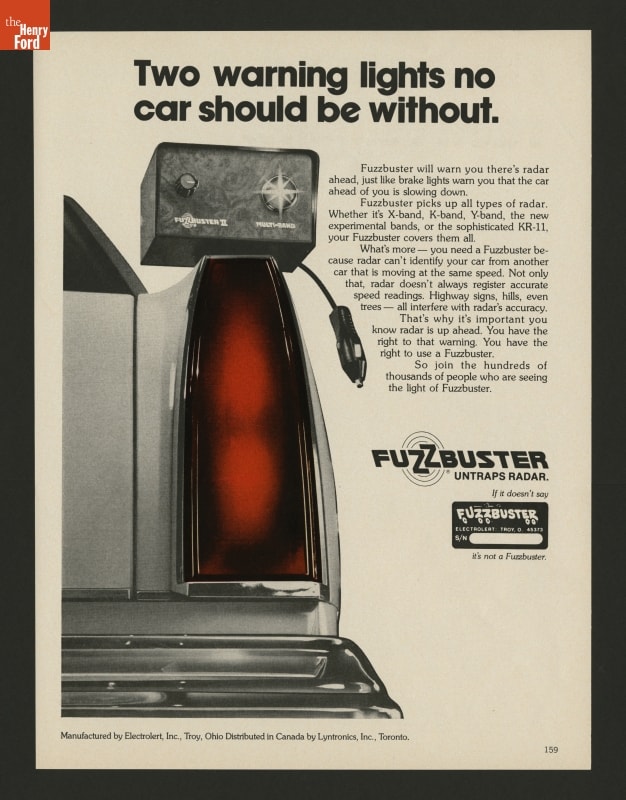
- Fuzzbuster Radar Detector Ad, 1978 - This 1978 Fuzzbuster advertisement equates the warning light of the Fuzzbuster with a car's taillight. Both are signals alerting motorists to slow down. The device warned speeding drivers of police radar being used up ahead.
- 1978
- Collections - Artifact
Fuzzbuster Radar Detector Ad, 1978
This 1978 Fuzzbuster advertisement equates the warning light of the Fuzzbuster with a car's taillight. Both are signals alerting motorists to slow down. The device warned speeding drivers of police radar being used up ahead.
- Calvin Klein Jeans Ad, 1984 - In the 1980s and 1990s, an expanding economy encouraged Americans to buy upscale goods. Ordinary blue jeans would no longer do. Stylish jeans with a prestigious designer label prominently displayed were what many wanted. Designer jeans were more expensive than traditional brands, but many shoppers were willing to spend more money on goods that were emotionally important to them.

- February 01, 1984
- Collections - Artifact
Calvin Klein Jeans Ad, 1984
In the 1980s and 1990s, an expanding economy encouraged Americans to buy upscale goods. Ordinary blue jeans would no longer do. Stylish jeans with a prestigious designer label prominently displayed were what many wanted. Designer jeans were more expensive than traditional brands, but many shoppers were willing to spend more money on goods that were emotionally important to them.
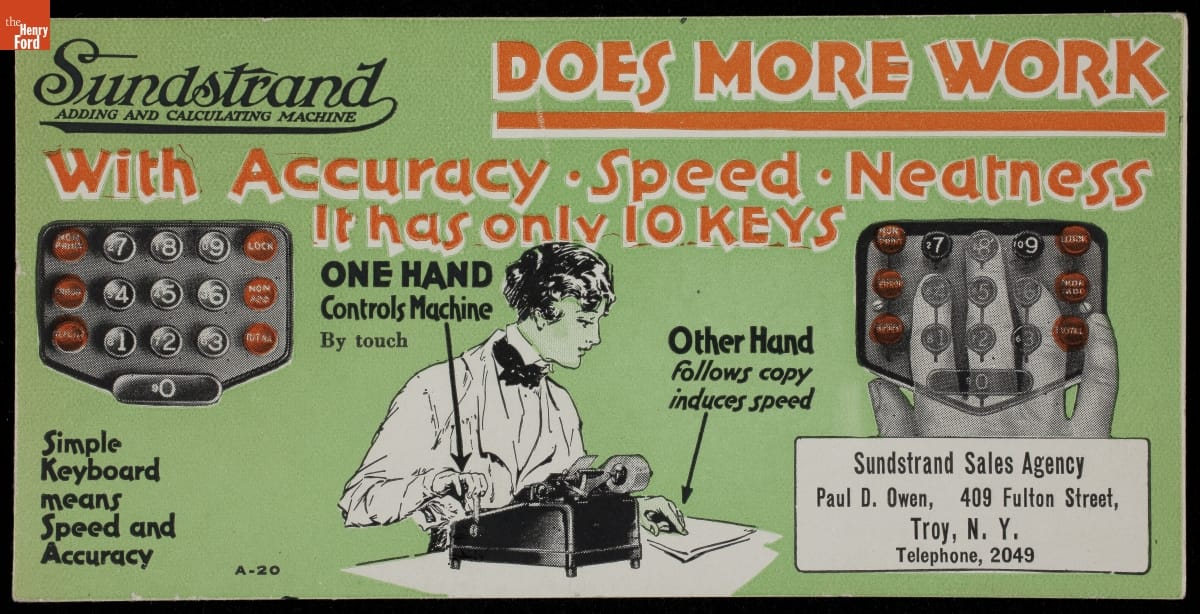
- Trade Card for Sundstrand Adding and Calculating Machine, Sundstrand Adding Machine Co., circa 1920 - Writing with a quill, metal nib or fountain pen could be messy. Ink could smear or smudge with the slightest touch. In America by the late 1800s absorbent paper blotters became the preferred method to soak up wet ink. Companies produced small inexpensive blotters as advertisements and giveaways well into the twentieth century.
- circa 1920
- Collections - Artifact
Trade Card for Sundstrand Adding and Calculating Machine, Sundstrand Adding Machine Co., circa 1920
Writing with a quill, metal nib or fountain pen could be messy. Ink could smear or smudge with the slightest touch. In America by the late 1800s absorbent paper blotters became the preferred method to soak up wet ink. Companies produced small inexpensive blotters as advertisements and giveaways well into the twentieth century.
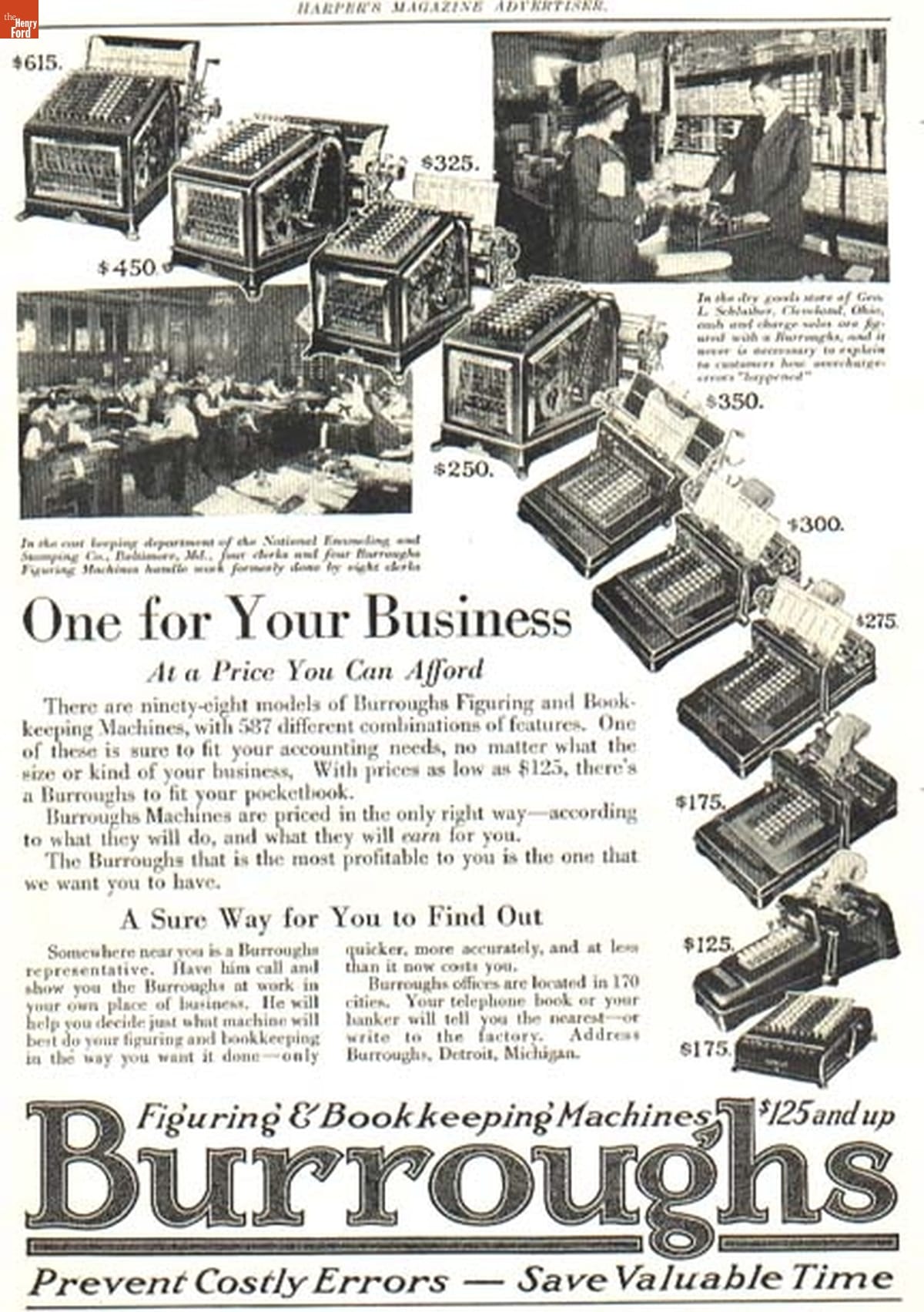
- Burroughs Adding Machine Advertisement, 1915 - William Seward Burroughs and three other co-founders established the American Arithmometer Company in 1886 to produce simple addition and subtraction machines. Over the years, the company--later known as the Burroughs Corporation--innovated and expanded. Mergers with companies such as Moon-Hopkins and Sperry in the 20th century helped Burroughs become a leader in the calculating--and later computing--industry.
- 1915
- Collections - Artifact
Burroughs Adding Machine Advertisement, 1915
William Seward Burroughs and three other co-founders established the American Arithmometer Company in 1886 to produce simple addition and subtraction machines. Over the years, the company--later known as the Burroughs Corporation--innovated and expanded. Mergers with companies such as Moon-Hopkins and Sperry in the 20th century helped Burroughs become a leader in the calculating--and later computing--industry.
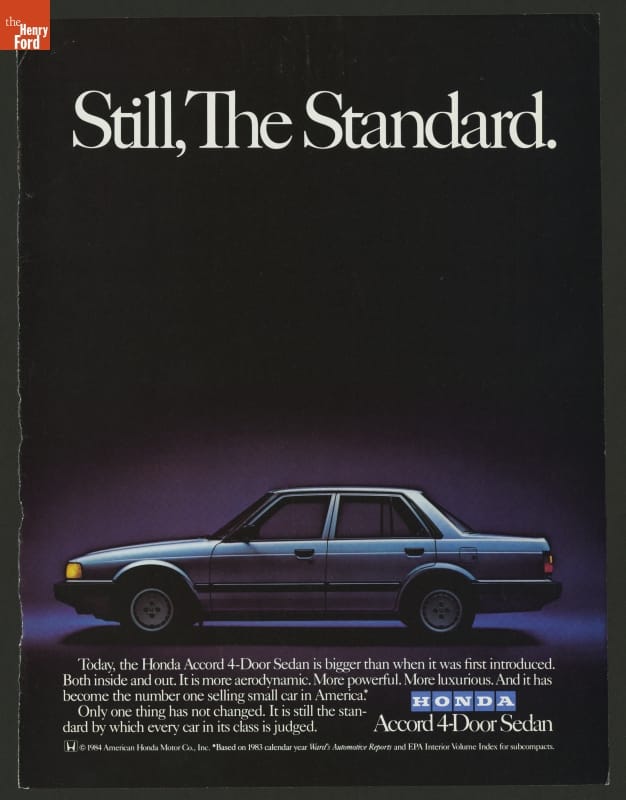
- 1984 Honda Ad, "Still, the Standard" - The automobile is a paradox -- a practical tool that plays host to both human needs and fantasies. Like car consumers, automotive ads seem to land somewhere between fantasy and reality, emotions and rationality. Many ads incorporate apparent opposites: fantasy can sell practicality, and vice versa. Sometimes the car has disappeared completely -- an emotional appeal prompts us to complete the ad.
- 1985
- Collections - Artifact
1984 Honda Ad, "Still, the Standard"
The automobile is a paradox -- a practical tool that plays host to both human needs and fantasies. Like car consumers, automotive ads seem to land somewhere between fantasy and reality, emotions and rationality. Many ads incorporate apparent opposites: fantasy can sell practicality, and vice versa. Sometimes the car has disappeared completely -- an emotional appeal prompts us to complete the ad.
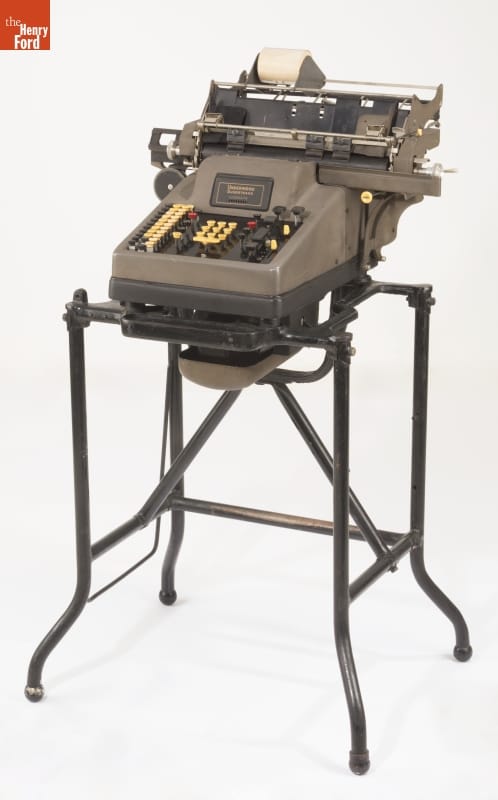
- Underwood Sundstrand Adding Machine, circa 1946 - Mechanical adding machines were indispensable office equipment used before the computer era. These devices were perfected by the American Arithmometer Company in 1886, spurred on by William Seward Burrough's desire to reduce drudgery in clerical arithmetic work. Transistors and electronic desktop calculators displaced adding machines in the 1950s; by the 1970s, microchips reduced calculators to the size of a shirt pocket.
- circa 1946
- Collections - Artifact
Underwood Sundstrand Adding Machine, circa 1946
Mechanical adding machines were indispensable office equipment used before the computer era. These devices were perfected by the American Arithmometer Company in 1886, spurred on by William Seward Burrough's desire to reduce drudgery in clerical arithmetic work. Transistors and electronic desktop calculators displaced adding machines in the 1950s; by the 1970s, microchips reduced calculators to the size of a shirt pocket.
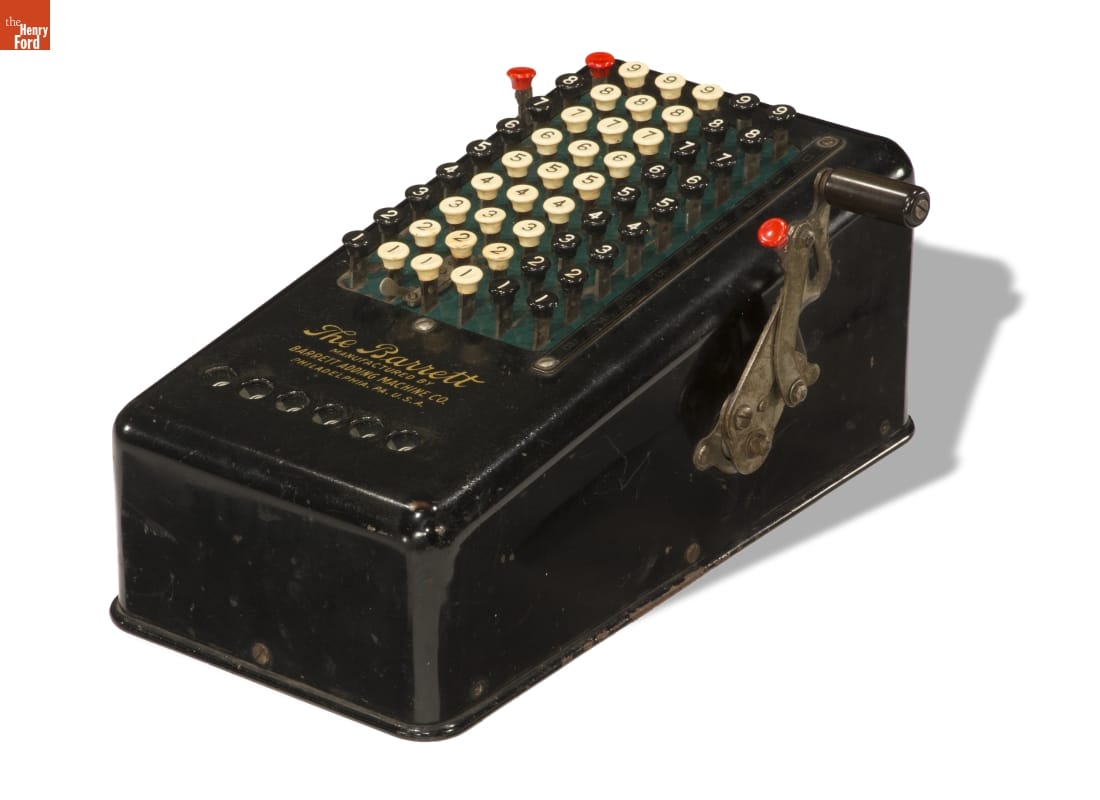
- The Barrett Adding Machine, circa 1914 - Mechanical adding machines were indispensable office equipment used before the computer era. These devices were perfected by the American Arithmometer Company in 1886, spurred on by William Seward Burrough's desire to reduce drudgery in clerical arithmetic work. Transistors and electronic desktop calculators displaced adding machines in the 1950s; by the 1970s, microchips reduced calculators to the size of a shirt pocket.
- circa 1914
- Collections - Artifact
The Barrett Adding Machine, circa 1914
Mechanical adding machines were indispensable office equipment used before the computer era. These devices were perfected by the American Arithmometer Company in 1886, spurred on by William Seward Burrough's desire to reduce drudgery in clerical arithmetic work. Transistors and electronic desktop calculators displaced adding machines in the 1950s; by the 1970s, microchips reduced calculators to the size of a shirt pocket.
- Godiva Chocolate Ad, "Good Evening," 1987 - By the 1980s, the growth of shopping malls made it possible for specialty retailers to expand quickly. Shoppers with disposable income soon found ready access to stores like Godiva, a gourmet chocolatier. Buying upscale goods, even on a small scale, made many consumers feel accomplished and sophisticated.

- 1987
- Collections - Artifact
Godiva Chocolate Ad, "Good Evening," 1987
By the 1980s, the growth of shopping malls made it possible for specialty retailers to expand quickly. Shoppers with disposable income soon found ready access to stores like Godiva, a gourmet chocolatier. Buying upscale goods, even on a small scale, made many consumers feel accomplished and sophisticated.