
Search
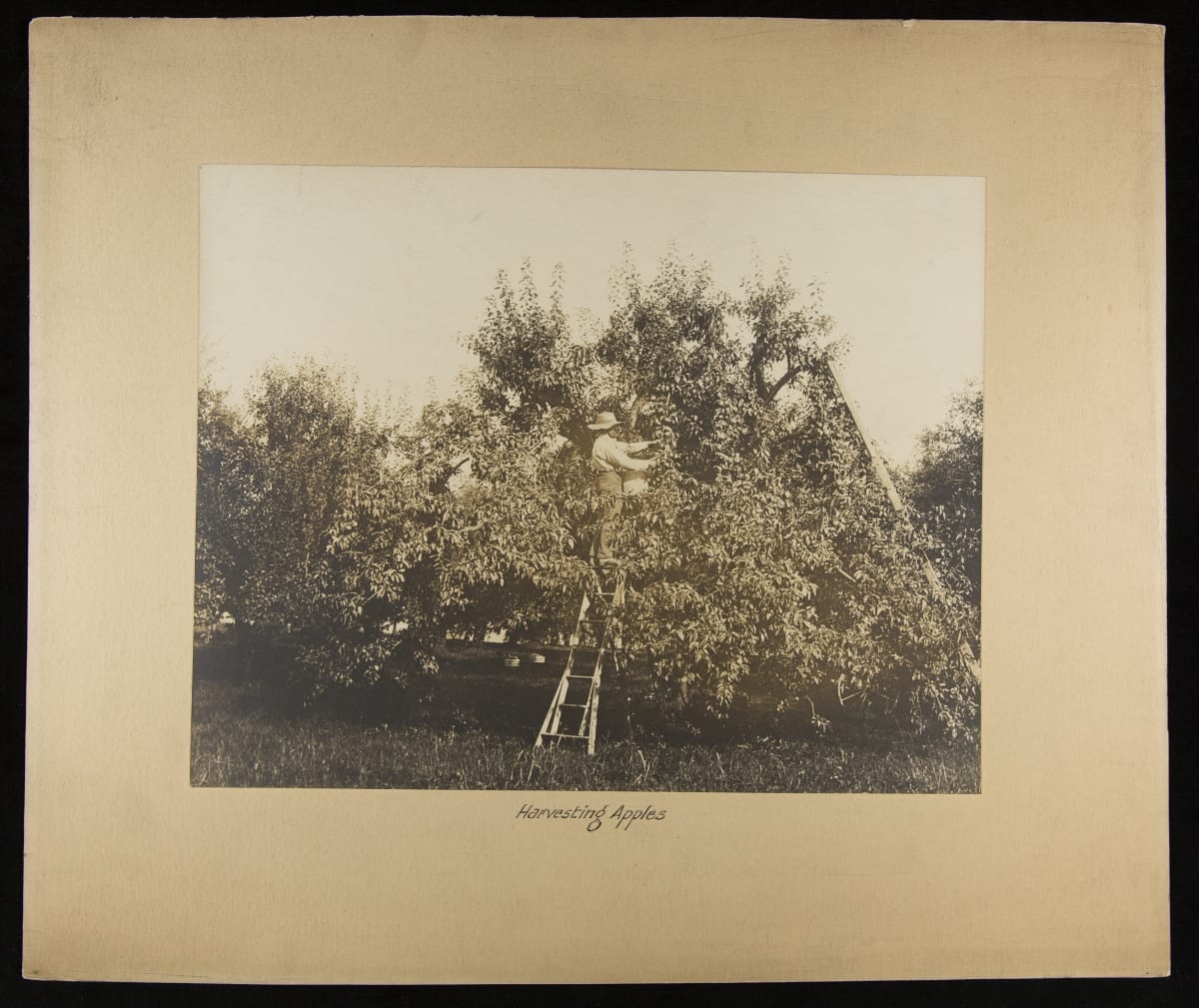
- Worker Harvesting Apples, circa 1925 - Entrepreneur H.J. Heinz recognized that producing the highest quality products began with where the ingredients were grown and how they were harvested. He took great care in managing every aspect of the process to ensure the best ingredients for his line of pickled foods, preserves, and condiments. This photograph shows one step in the apple harvesting process.
- circa 1925
- Collections - Artifact
Worker Harvesting Apples, circa 1925
Entrepreneur H.J. Heinz recognized that producing the highest quality products began with where the ingredients were grown and how they were harvested. He took great care in managing every aspect of the process to ensure the best ingredients for his line of pickled foods, preserves, and condiments. This photograph shows one step in the apple harvesting process.
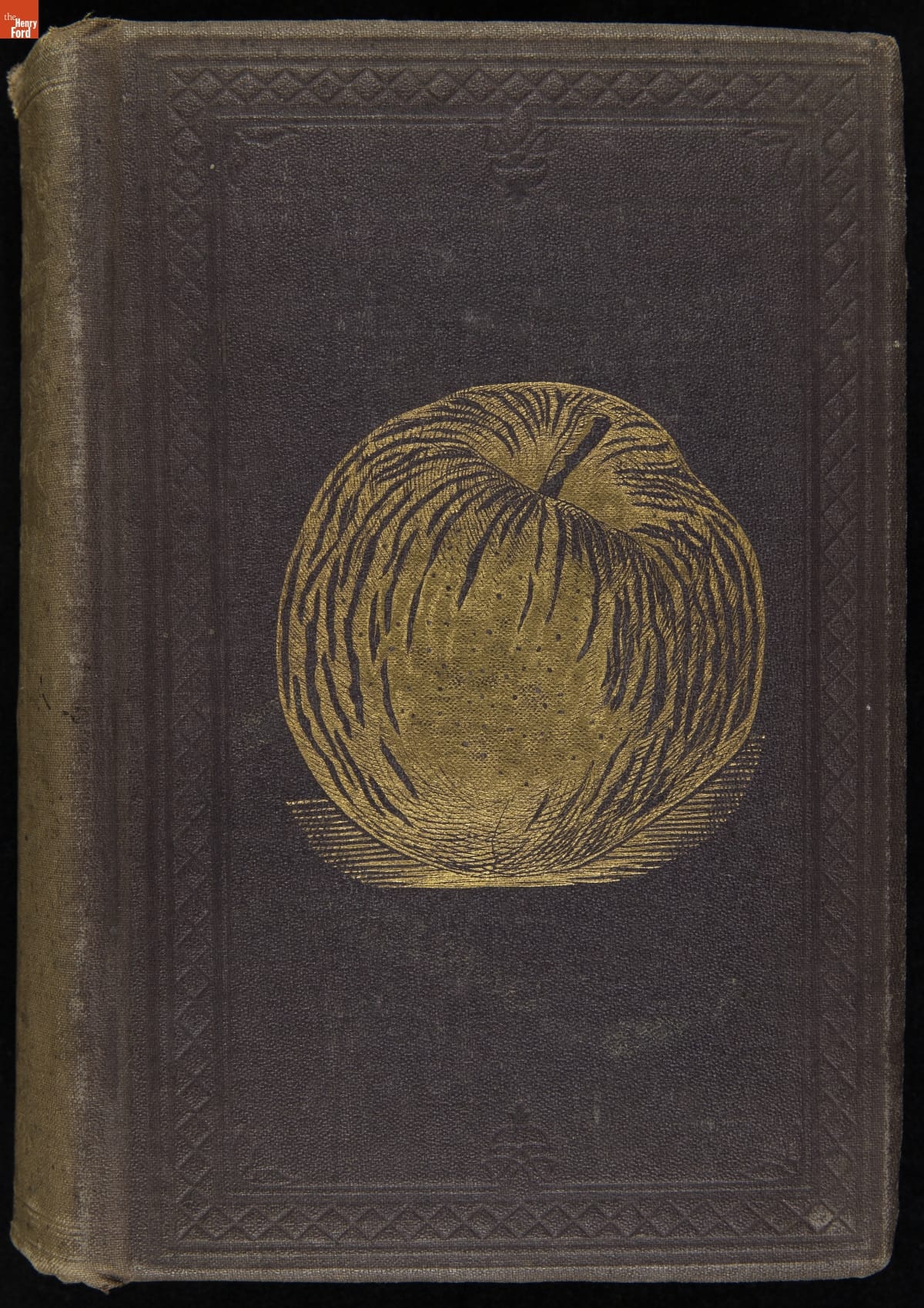
- "American Pomology : Apples," 1867 -
- 1867
- Collections - Artifact
"American Pomology : Apples," 1867
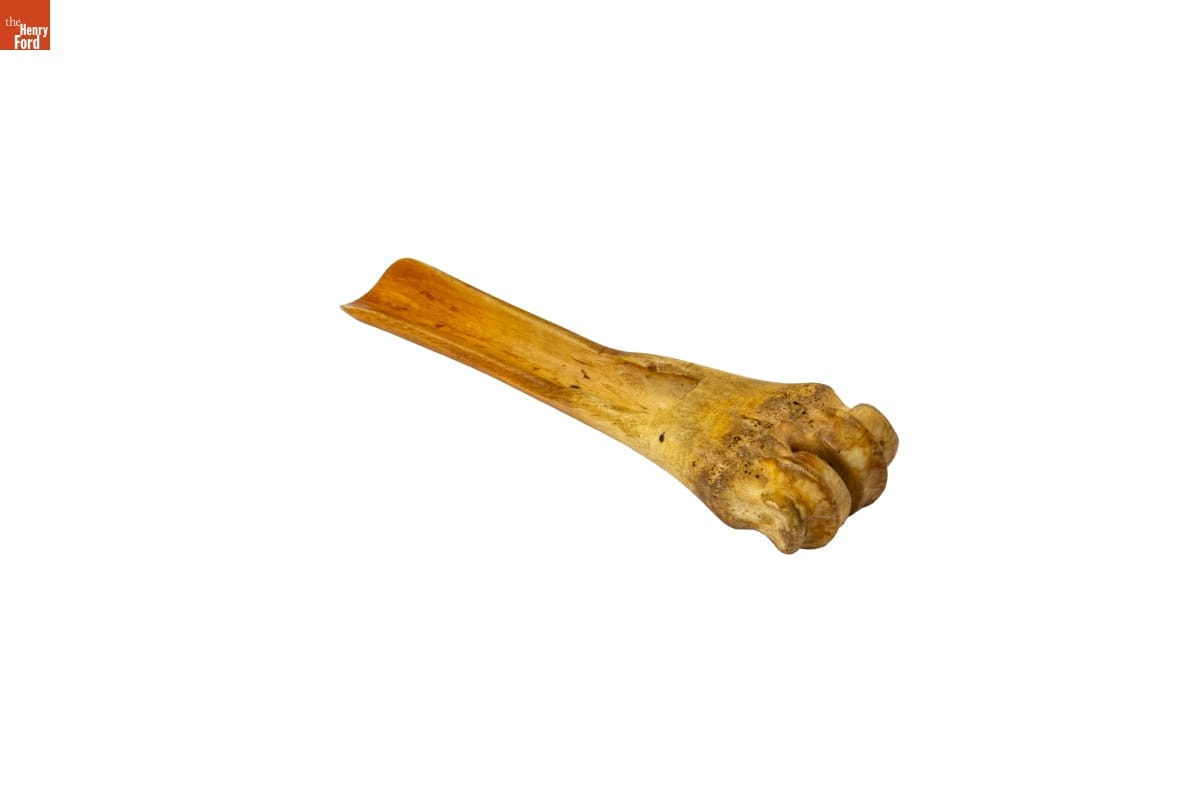
- Apple Parer -
- Collections - Artifact
Apple Parer
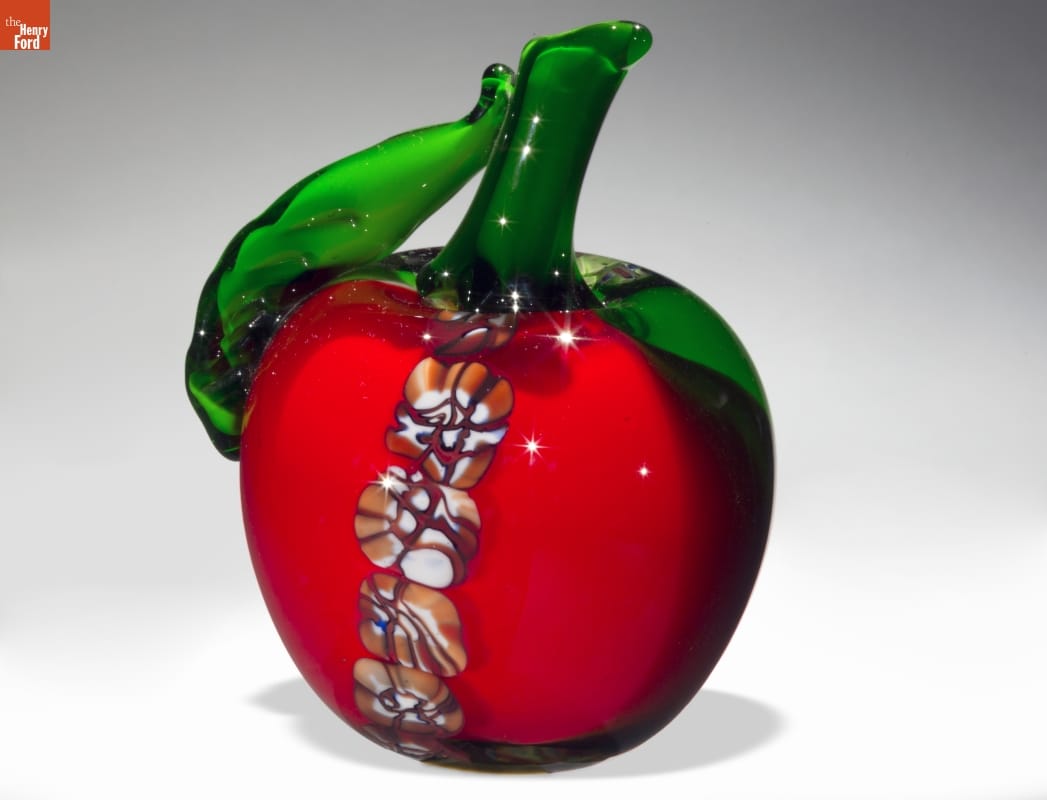
- Apple Sculpture, 2016 -
- 2016
- Collections - Artifact
Apple Sculpture, 2016
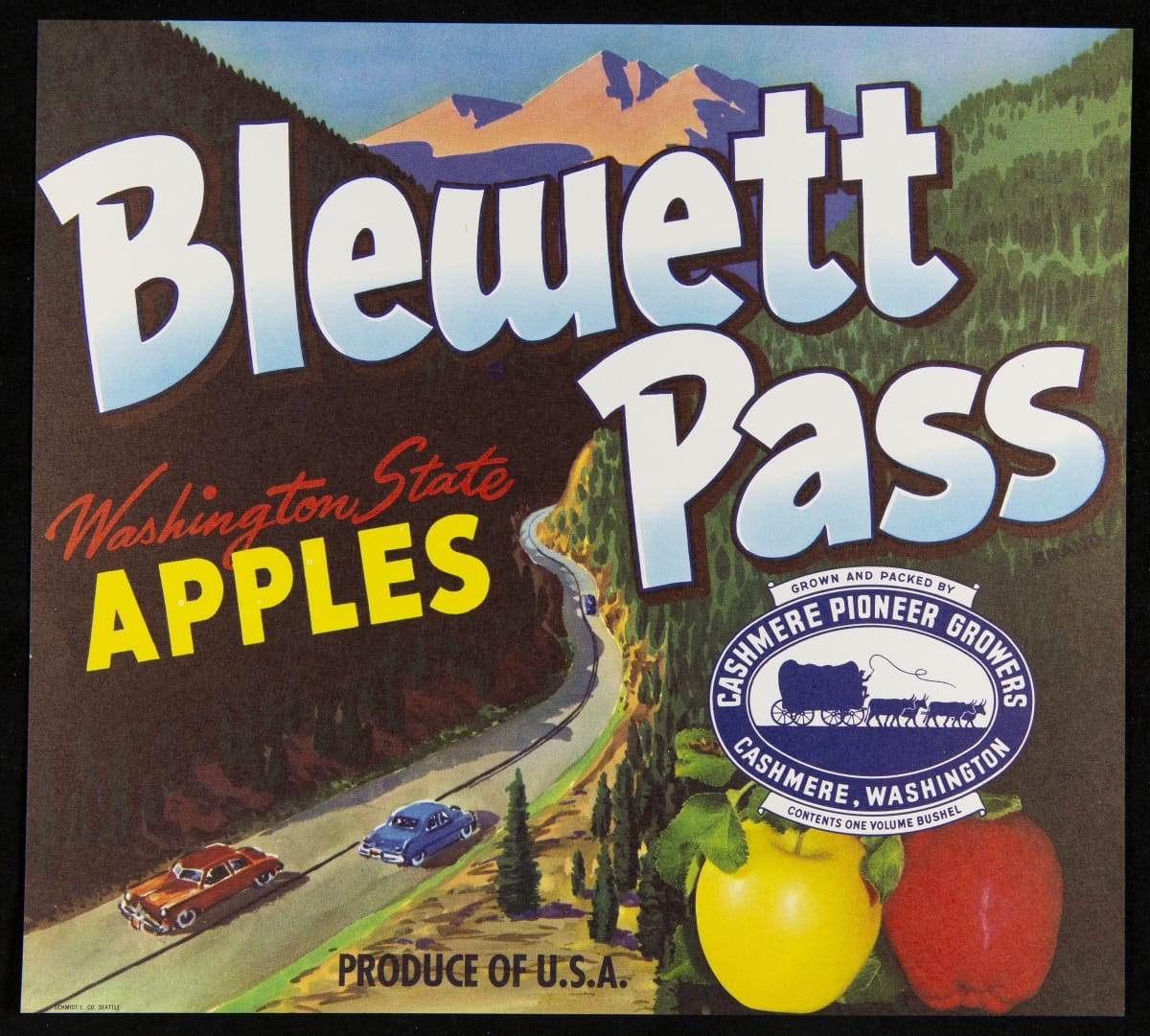
- Crate Label, "Blewett Pass Brand Apples," 1945-1960 - In 1869, the transcontinental railroad opened eastern markets to the West Coast produce industry for the first time. As produce companies shipped crates of fruits and vegetables across the country, they needed a way to distinguish their goods from their competitors'. Colorful, eye-catching labels, like this one for Blewett Pass Brand Apples, were created to attract grocers purchasing goods from wholesale markets.
- 1945-1960
- Collections - Artifact
Crate Label, "Blewett Pass Brand Apples," 1945-1960
In 1869, the transcontinental railroad opened eastern markets to the West Coast produce industry for the first time. As produce companies shipped crates of fruits and vegetables across the country, they needed a way to distinguish their goods from their competitors'. Colorful, eye-catching labels, like this one for Blewett Pass Brand Apples, were created to attract grocers purchasing goods from wholesale markets.
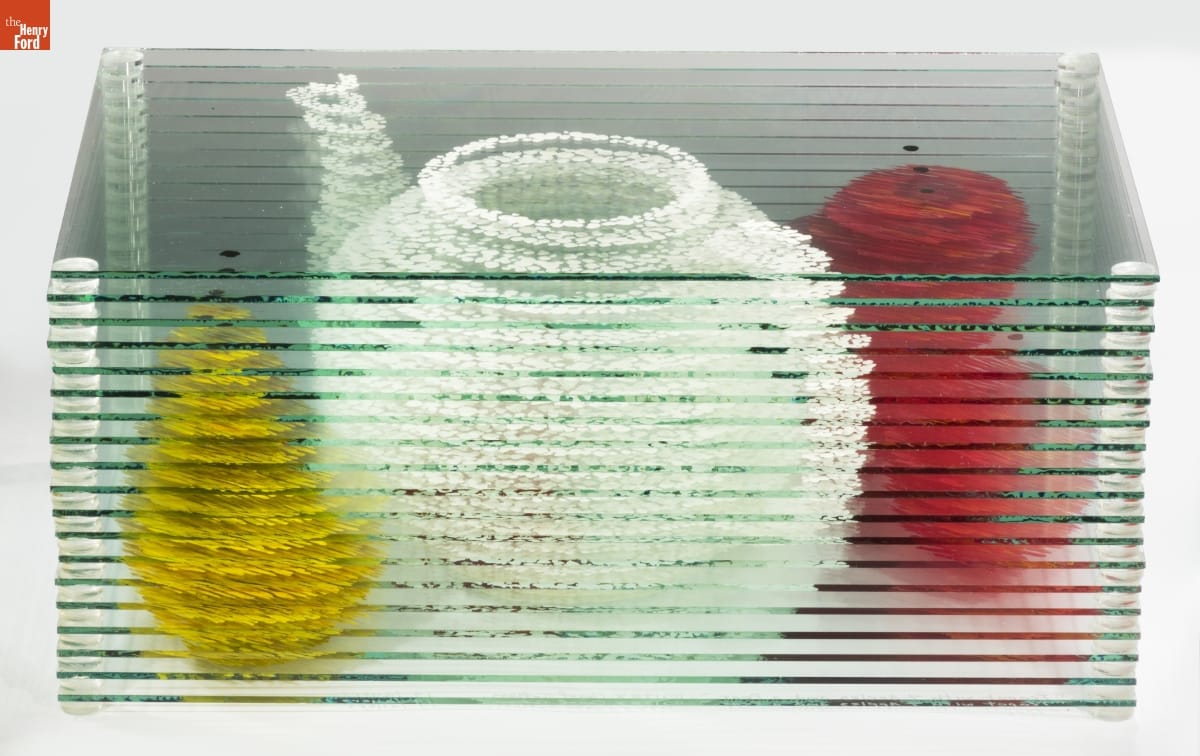
- "Teapot and Four Apples" by Carol Cohen, 1988 -
- 1988
- Collections - Artifact
"Teapot and Four Apples" by Carol Cohen, 1988
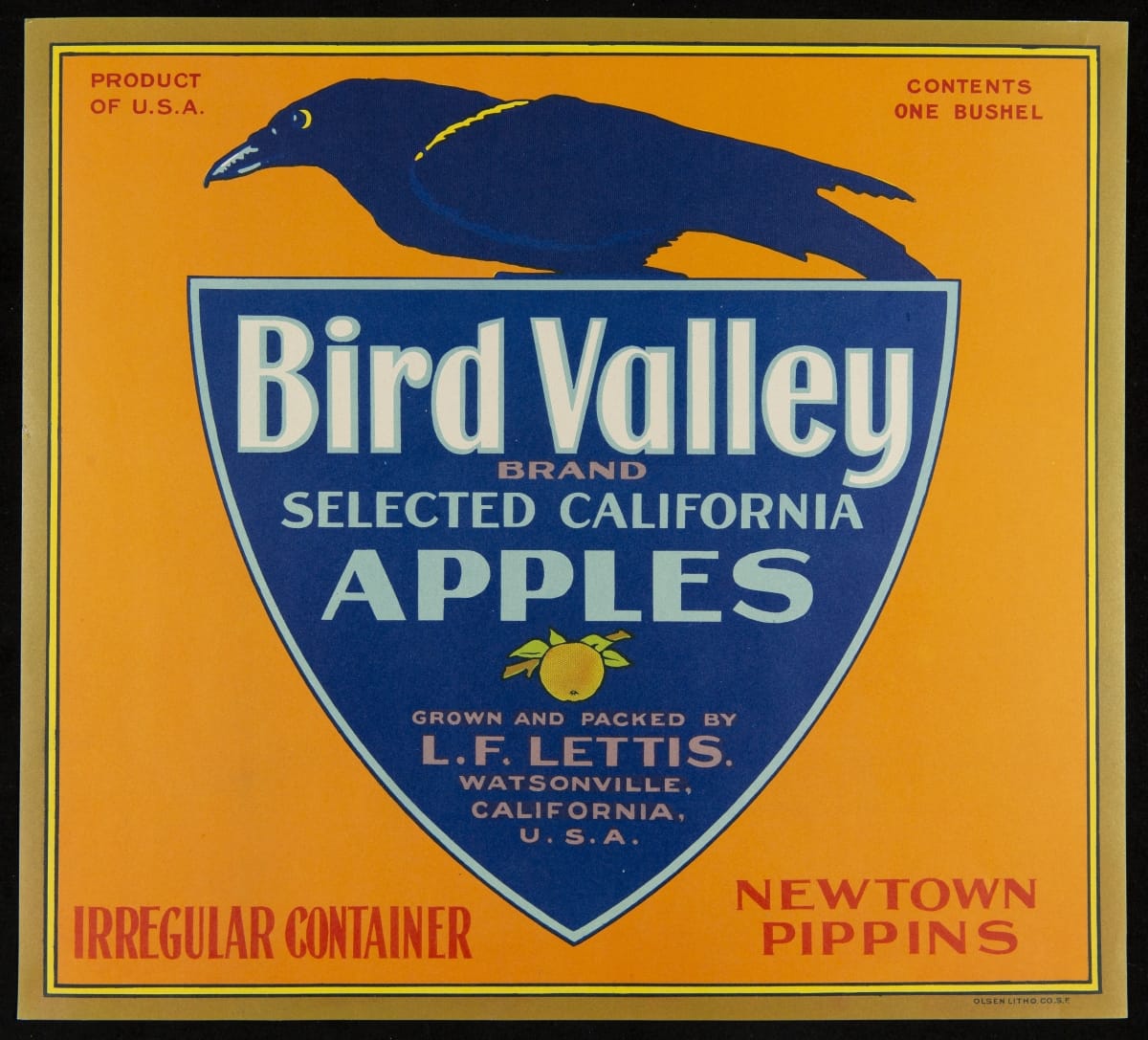
- Crate Label, "Bird Valley Brand California Apples," 1900-1930 - In 1869, the transcontinental railroad opened eastern markets to the West Coast produce industry for the first time. As produce companies shipped crates of fruits and vegetables across the country, they needed a way to distinguish their goods from their competitors'. Colorful, eye-catching labels, like this one for Bird Valley Brand California Apples, were created to attract grocers purchasing goods from wholesale markets.
- 1900-1930
- Collections - Artifact
Crate Label, "Bird Valley Brand California Apples," 1900-1930
In 1869, the transcontinental railroad opened eastern markets to the West Coast produce industry for the first time. As produce companies shipped crates of fruits and vegetables across the country, they needed a way to distinguish their goods from their competitors'. Colorful, eye-catching labels, like this one for Bird Valley Brand California Apples, were created to attract grocers purchasing goods from wholesale markets.
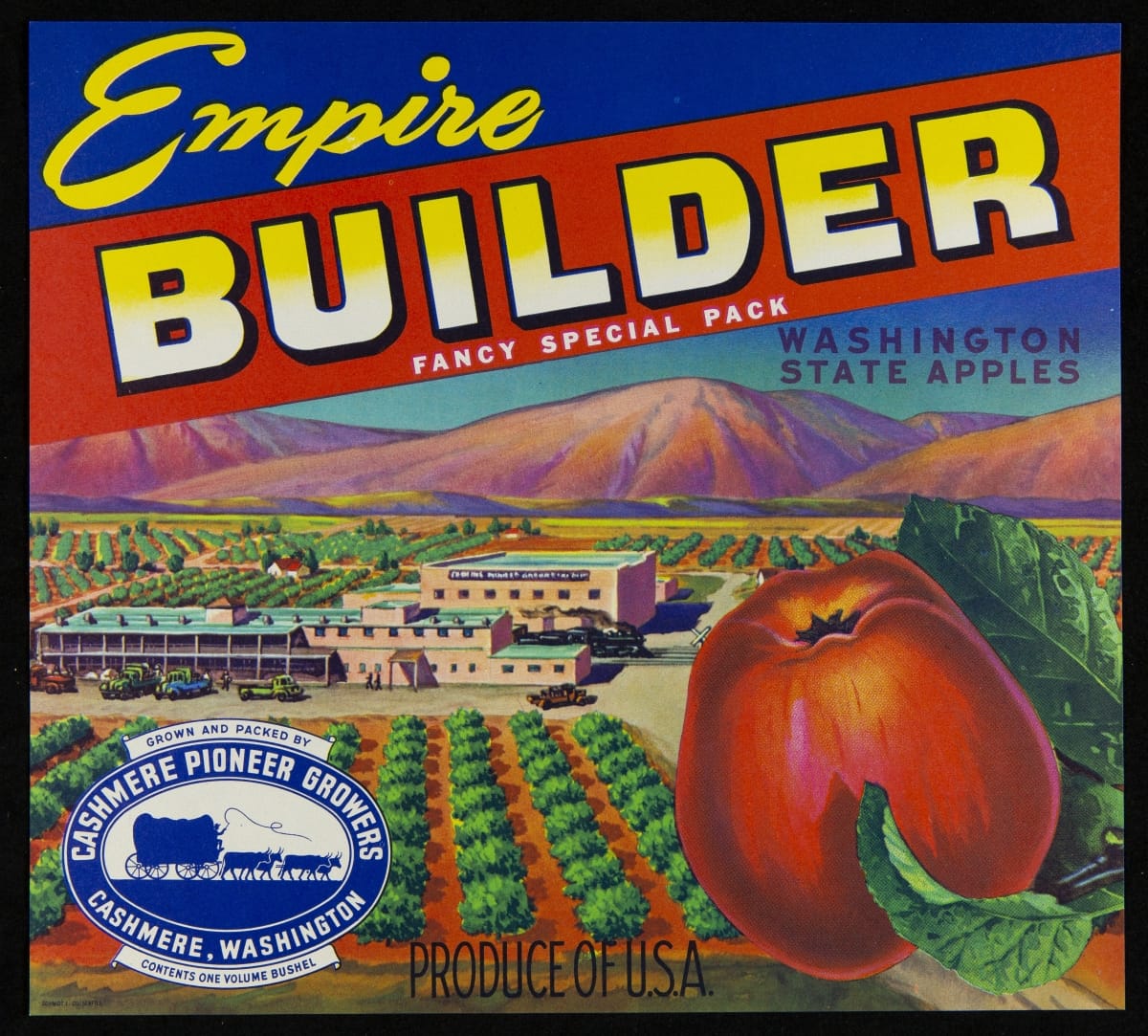
- Crate Label, "Empire Builder Brand Washington Apples," circa 1950 - In 1869, the transcontinental railroad opened eastern markets to the West Coast produce industry for the first time. As produce companies shipped crates of fruits and vegetables across the country, they needed a way to distinguish their goods from their competitors'. Colorful, eye-catching labels, like this one for Empire Builder Brand Washington Apples, were created to attract grocers purchasing goods from wholesale markets.
- circa 1950
- Collections - Artifact
Crate Label, "Empire Builder Brand Washington Apples," circa 1950
In 1869, the transcontinental railroad opened eastern markets to the West Coast produce industry for the first time. As produce companies shipped crates of fruits and vegetables across the country, they needed a way to distinguish their goods from their competitors'. Colorful, eye-catching labels, like this one for Empire Builder Brand Washington Apples, were created to attract grocers purchasing goods from wholesale markets.
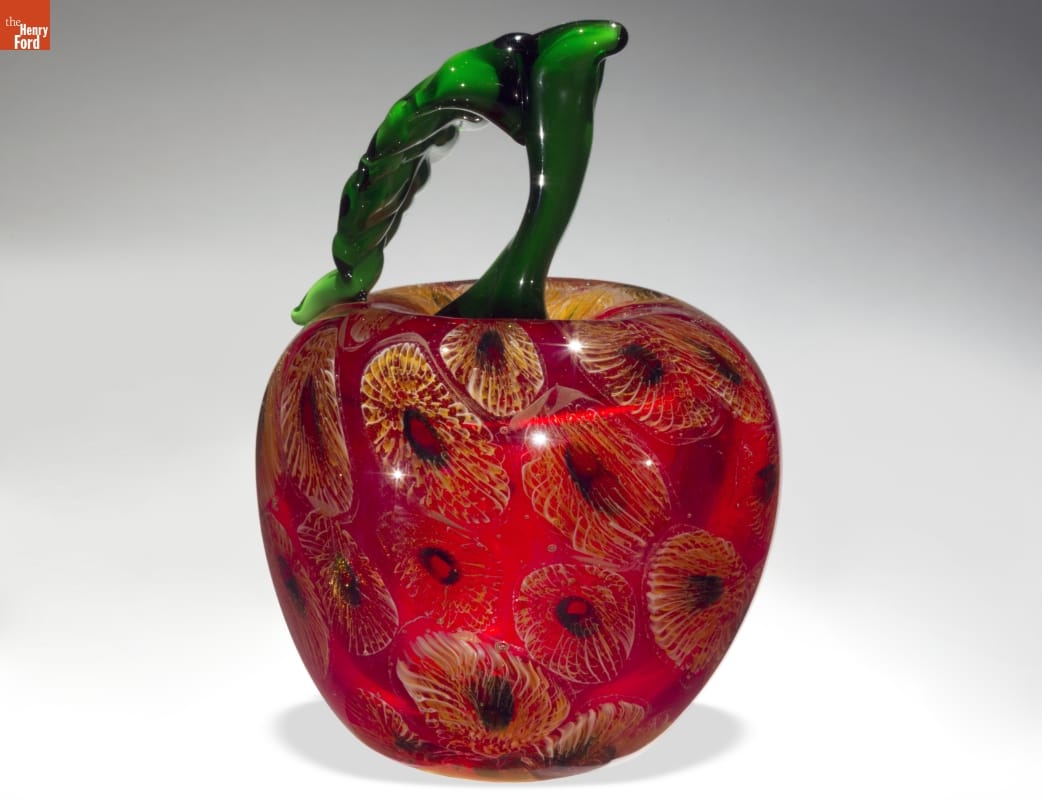
- Apple Sculpture, 2016 -
- 2016
- Collections - Artifact
Apple Sculpture, 2016
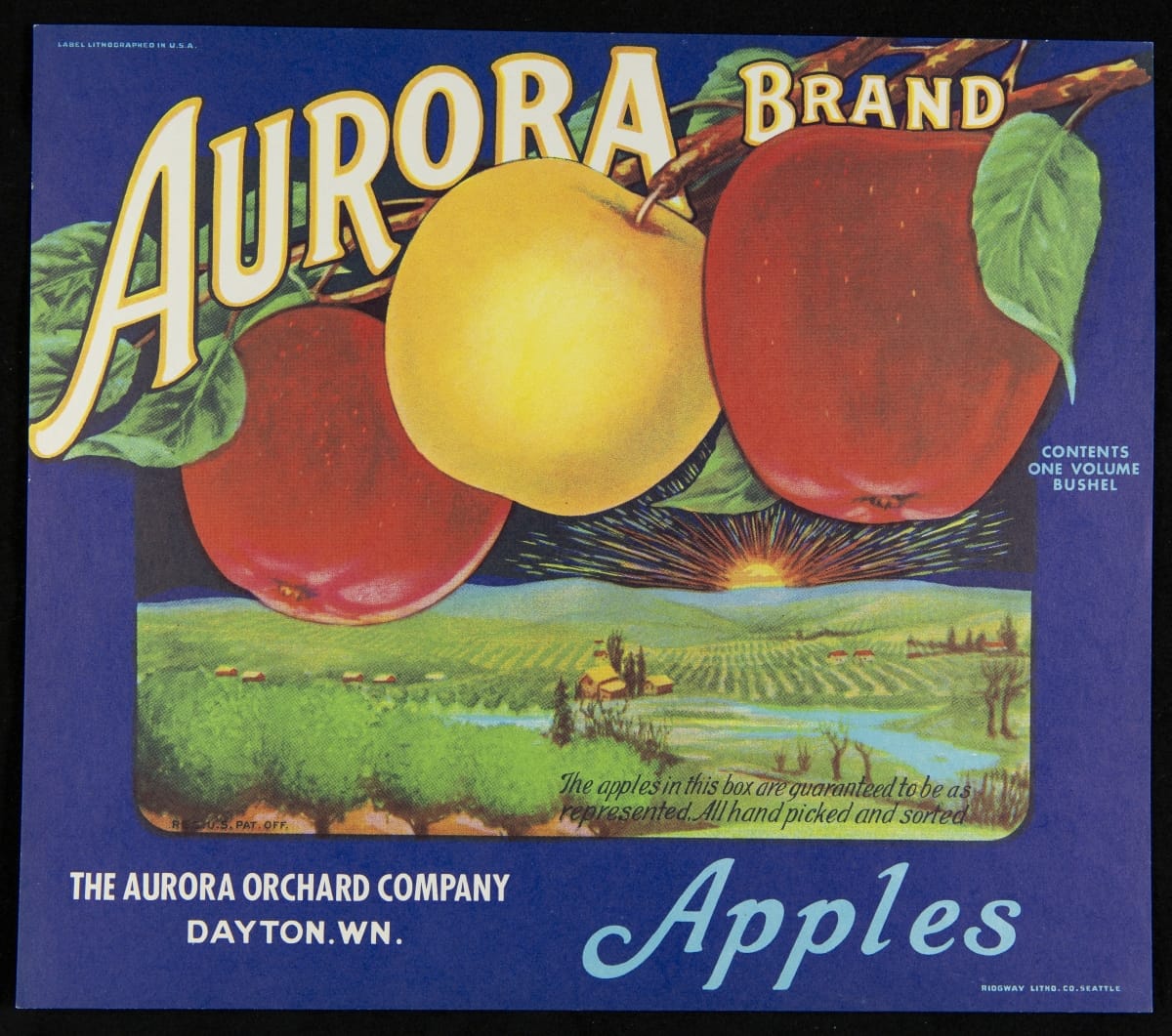
- Crate Label, "Aurora Brand Apples," circa 1940 - In 1869, the transcontinental railroad opened eastern markets to the West Coast produce industry for the first time. As produce companies shipped crates of fruits and vegetables across the country, they needed a way to distinguish their goods from their competitors'. Colorful, eye-catching labels, like this one for Aurora Brand Apples, were created to attract grocers purchasing goods from wholesale markets.
- circa 1940
- Collections - Artifact
Crate Label, "Aurora Brand Apples," circa 1940
In 1869, the transcontinental railroad opened eastern markets to the West Coast produce industry for the first time. As produce companies shipped crates of fruits and vegetables across the country, they needed a way to distinguish their goods from their competitors'. Colorful, eye-catching labels, like this one for Aurora Brand Apples, were created to attract grocers purchasing goods from wholesale markets.