
Search
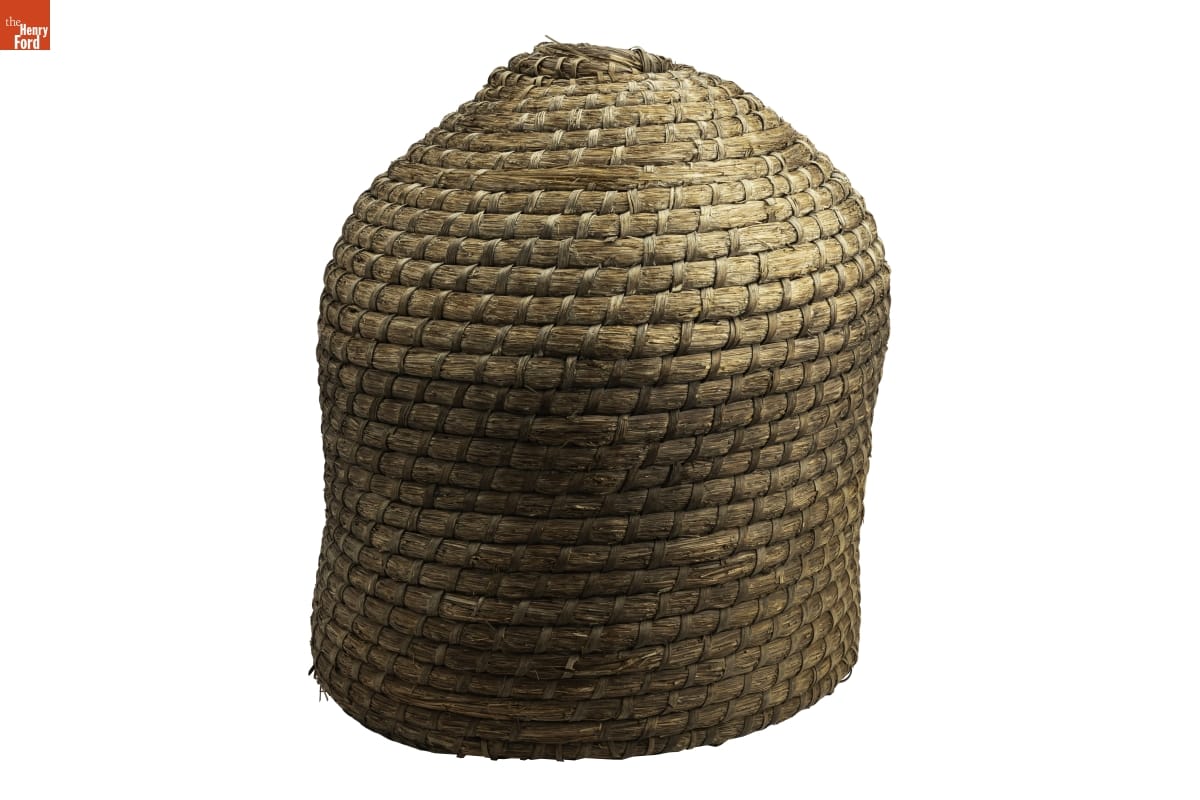
- Bee Skep - A bee skep provided shelter to domesticated honeybees. A skep consisted of coiled grain straw bound with wood splints. The small opening allowed bees to enter and make their honeycomb to store food to sustain the hive's bee larvae. Beekeepers put skeps near orchards, gardens, and fields with plants needing pollination and harvested the excess honey and beeswax.
- Collections - Artifact
Bee Skep
A bee skep provided shelter to domesticated honeybees. A skep consisted of coiled grain straw bound with wood splints. The small opening allowed bees to enter and make their honeycomb to store food to sustain the hive's bee larvae. Beekeepers put skeps near orchards, gardens, and fields with plants needing pollination and harvested the excess honey and beeswax.
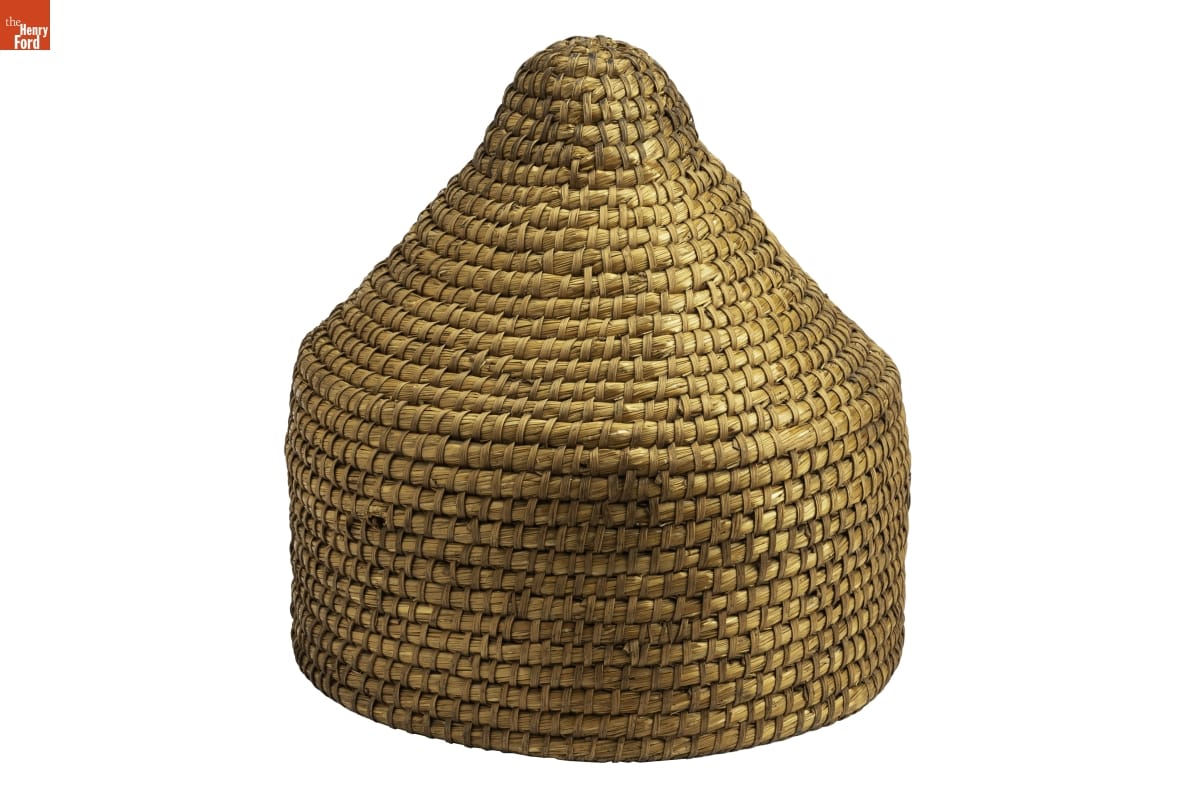
- Bee Skep - A bee skep provided shelter to domesticated honeybees. A skep consisted of coiled grain straw bound with wood splints. The small opening allowed bees to enter and make their honeycomb to store food to sustain the hive's bee larvae. Beekeepers put skeps near orchards, gardens, and fields with plants needing pollination and harvested the excess honey and beeswax.
- Collections - Artifact
Bee Skep
A bee skep provided shelter to domesticated honeybees. A skep consisted of coiled grain straw bound with wood splints. The small opening allowed bees to enter and make their honeycomb to store food to sustain the hive's bee larvae. Beekeepers put skeps near orchards, gardens, and fields with plants needing pollination and harvested the excess honey and beeswax.
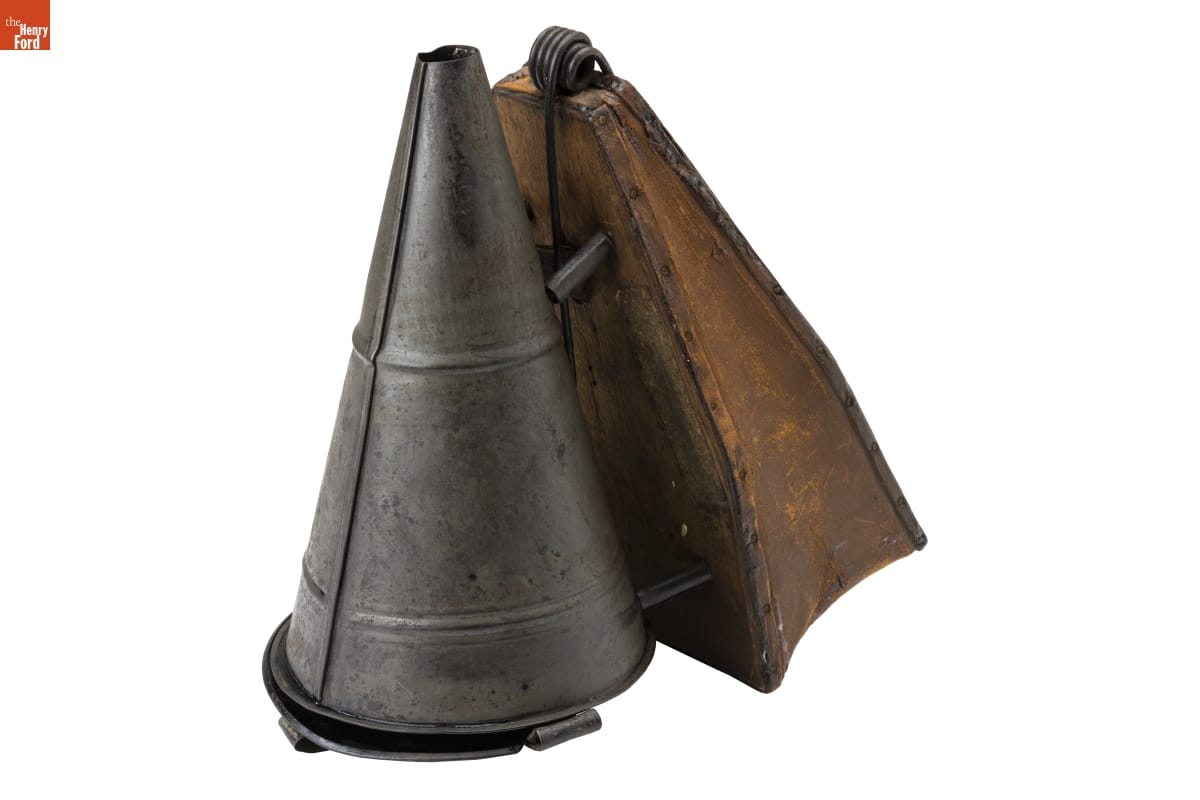
- Bee Smoker - Beekeepers always have a smoker near when they open hives. The smoker masks the "danger" pheromone that bees emit when threatened which slows the colony's response. The smoke also simulates fire which prompts bees to eat honey in preparation for rebuilding a destroyed hive. This smoker's spout channeled smoke into the hive without the risk of dropping the fuel source into the hive.
- Collections - Artifact
Bee Smoker
Beekeepers always have a smoker near when they open hives. The smoker masks the "danger" pheromone that bees emit when threatened which slows the colony's response. The smoke also simulates fire which prompts bees to eat honey in preparation for rebuilding a destroyed hive. This smoker's spout channeled smoke into the hive without the risk of dropping the fuel source into the hive.
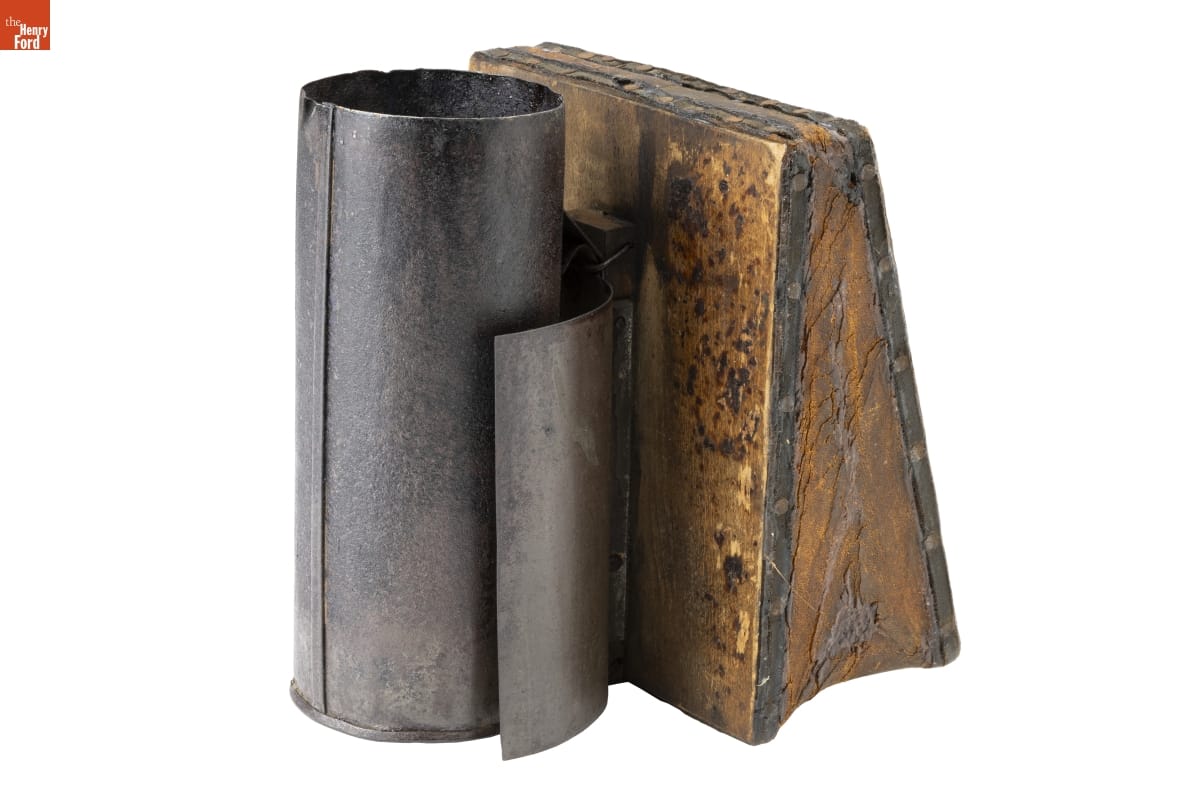
- Bee Smoker - Beekeepers always have a smoker near when they open hives. The smoker masks the "danger" pheromone that bees emit when threatened which slows the colony's response. The smoke also simulates fire which prompts bees to eat honey in preparation for rebuilding a destroyed hive. This smoker's spout (missing) channeled smoke into the hive without the risk of dropping the fuel source into the hive.
- Collections - Artifact
Bee Smoker
Beekeepers always have a smoker near when they open hives. The smoker masks the "danger" pheromone that bees emit when threatened which slows the colony's response. The smoke also simulates fire which prompts bees to eat honey in preparation for rebuilding a destroyed hive. This smoker's spout (missing) channeled smoke into the hive without the risk of dropping the fuel source into the hive.
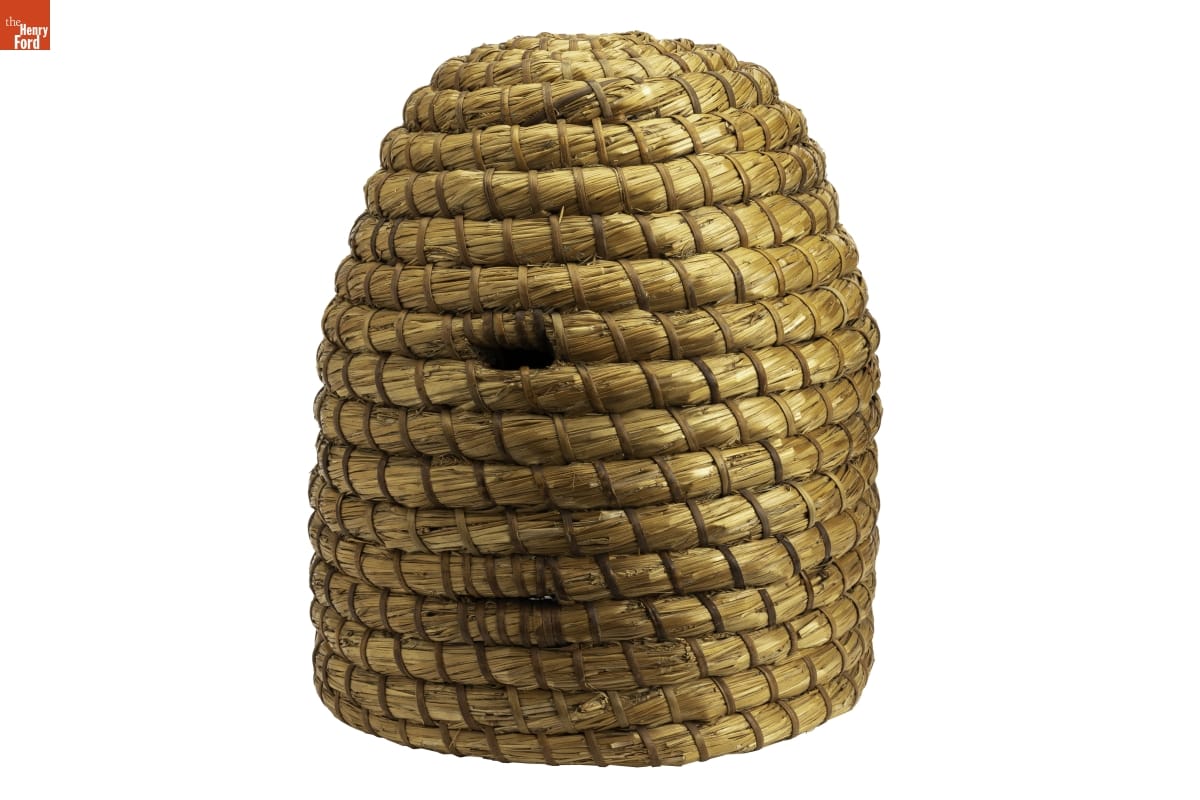
- Bee Skep - A bee skep provided shelter to domesticated honeybees. A skep consisted of coiled grain straw bound with wood splints. The small opening allowed bees to enter and make their honeycomb to store food to sustain the hive's bee larvae. Beekeepers put skeps near orchards, gardens, and fields with plants needing pollination and harvested the excess honey and beeswax.
- Collections - Artifact
Bee Skep
A bee skep provided shelter to domesticated honeybees. A skep consisted of coiled grain straw bound with wood splints. The small opening allowed bees to enter and make their honeycomb to store food to sustain the hive's bee larvae. Beekeepers put skeps near orchards, gardens, and fields with plants needing pollination and harvested the excess honey and beeswax.
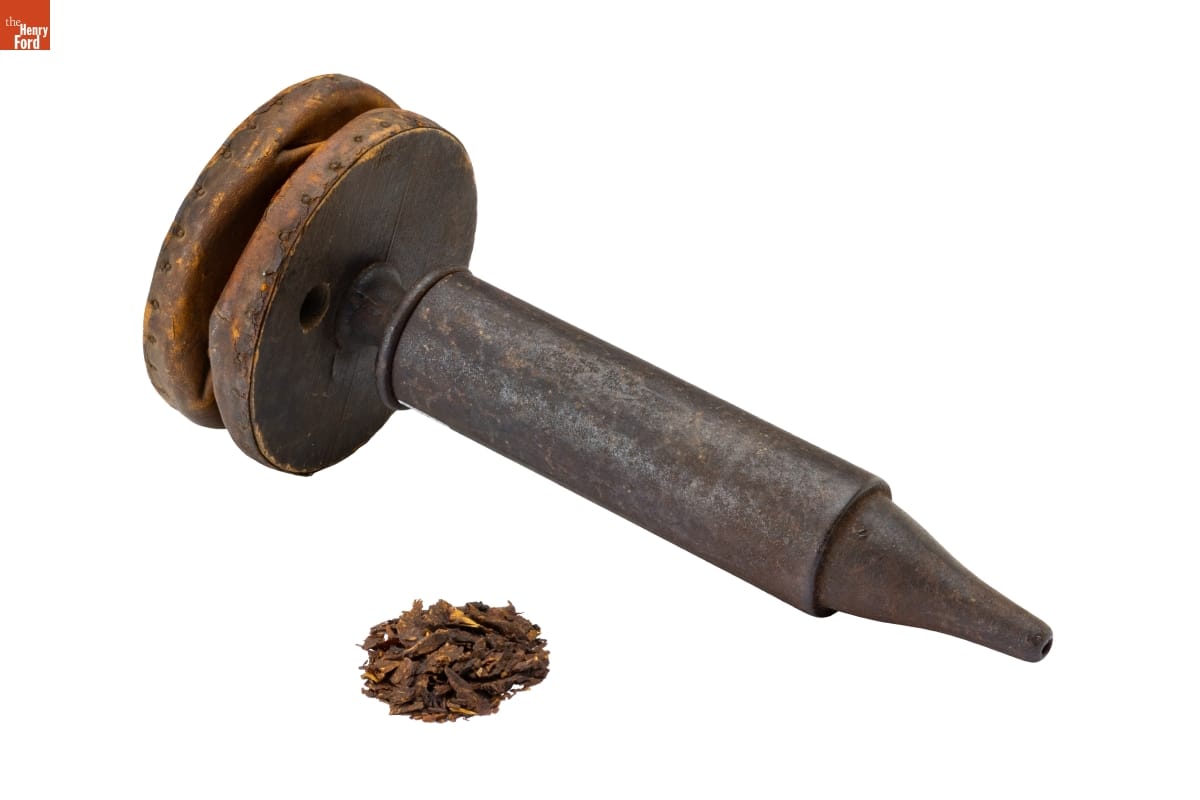
- Bee Smoker - Beekeepers always have a smoker near when they open hives. The smoker masks the "danger" pheromone that bees emit when threatened which slows the colony's response. The smoke also simulates fire which prompts bees to eat honey in preparation for rebuilding a destroyed hive. This smoker's spout channeled smoke into the hive without the risk of dropping the fuel source into the hive.
- Collections - Artifact
Bee Smoker
Beekeepers always have a smoker near when they open hives. The smoker masks the "danger" pheromone that bees emit when threatened which slows the colony's response. The smoke also simulates fire which prompts bees to eat honey in preparation for rebuilding a destroyed hive. This smoker's spout channeled smoke into the hive without the risk of dropping the fuel source into the hive.
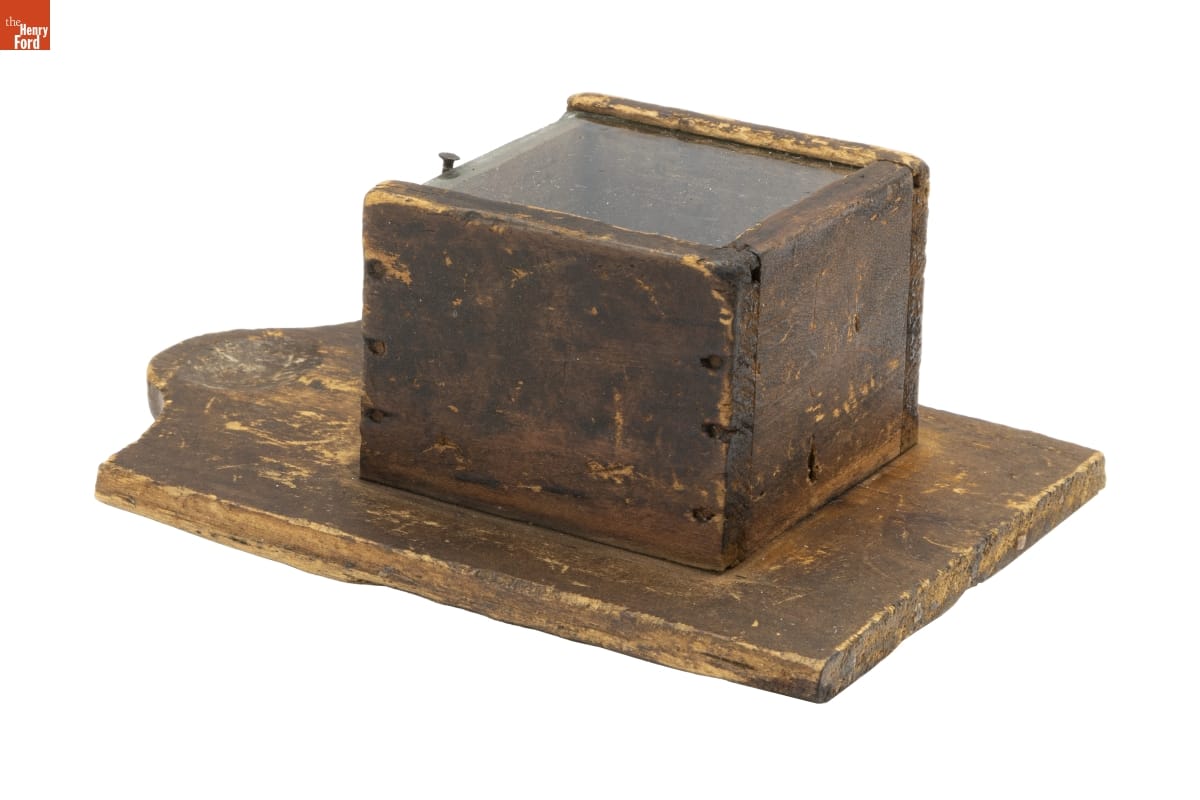
- Bee Box -
- Collections - Artifact
Bee Box
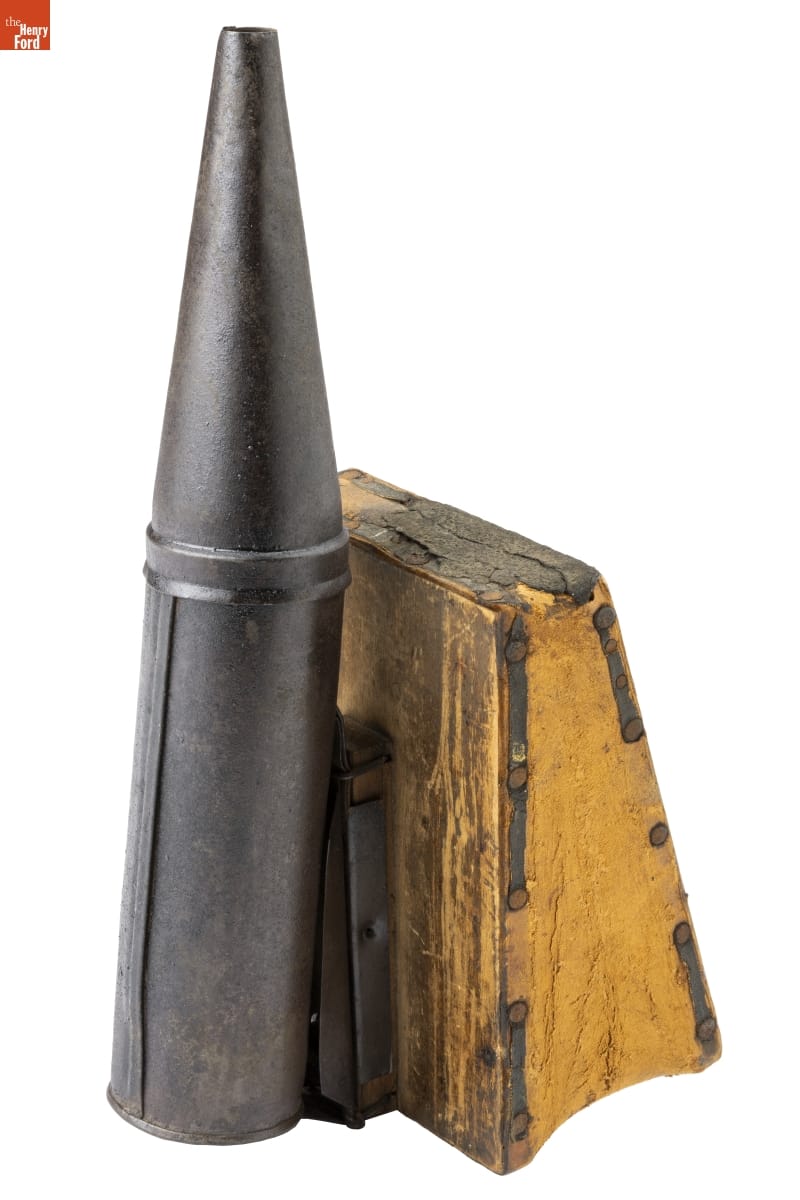
- Bee Smoker - Beekeepers always have a smoker near when they open hives. The smoker masks the "danger" pheromone that bees emit when threatened which slows the colony's response. The smoke also simulates fire which prompts bees to eat honey in preparation for rebuilding a destroyed hive. This smoker's spout channeled smoke into the hive without the risk of dropping the fuel source into the hive.
- Collections - Artifact
Bee Smoker
Beekeepers always have a smoker near when they open hives. The smoker masks the "danger" pheromone that bees emit when threatened which slows the colony's response. The smoke also simulates fire which prompts bees to eat honey in preparation for rebuilding a destroyed hive. This smoker's spout channeled smoke into the hive without the risk of dropping the fuel source into the hive.
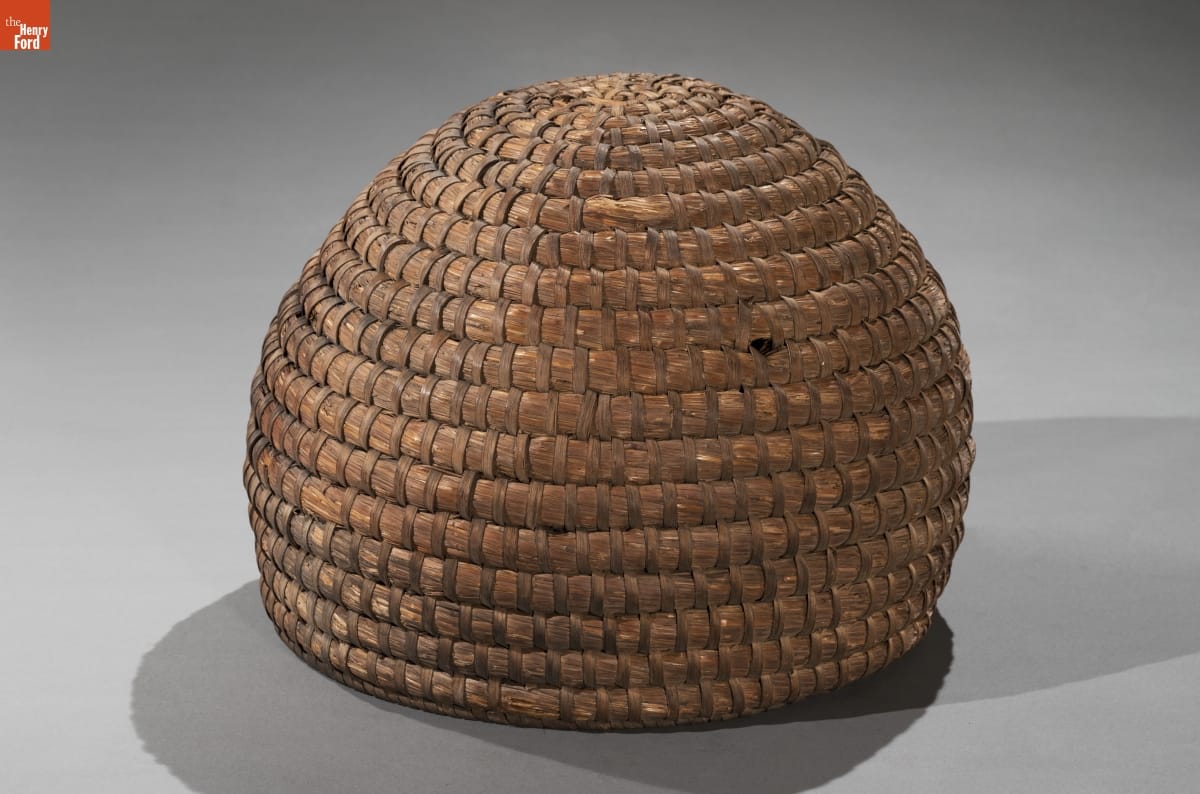
- Bee Skep - Beekeepers protected their bees using organic materials. This skep consisted of coiled grain straw bound with ash or hickory splint. Bees entered through the opening and made their honeycomb to store food and sustain the hive's bee larvae within the structure. Beekeepers could harvest honey or bee wax or sustain the hive for crop pollination.
- Collections - Artifact
Bee Skep
Beekeepers protected their bees using organic materials. This skep consisted of coiled grain straw bound with ash or hickory splint. Bees entered through the opening and made their honeycomb to store food and sustain the hive's bee larvae within the structure. Beekeepers could harvest honey or bee wax or sustain the hive for crop pollination.
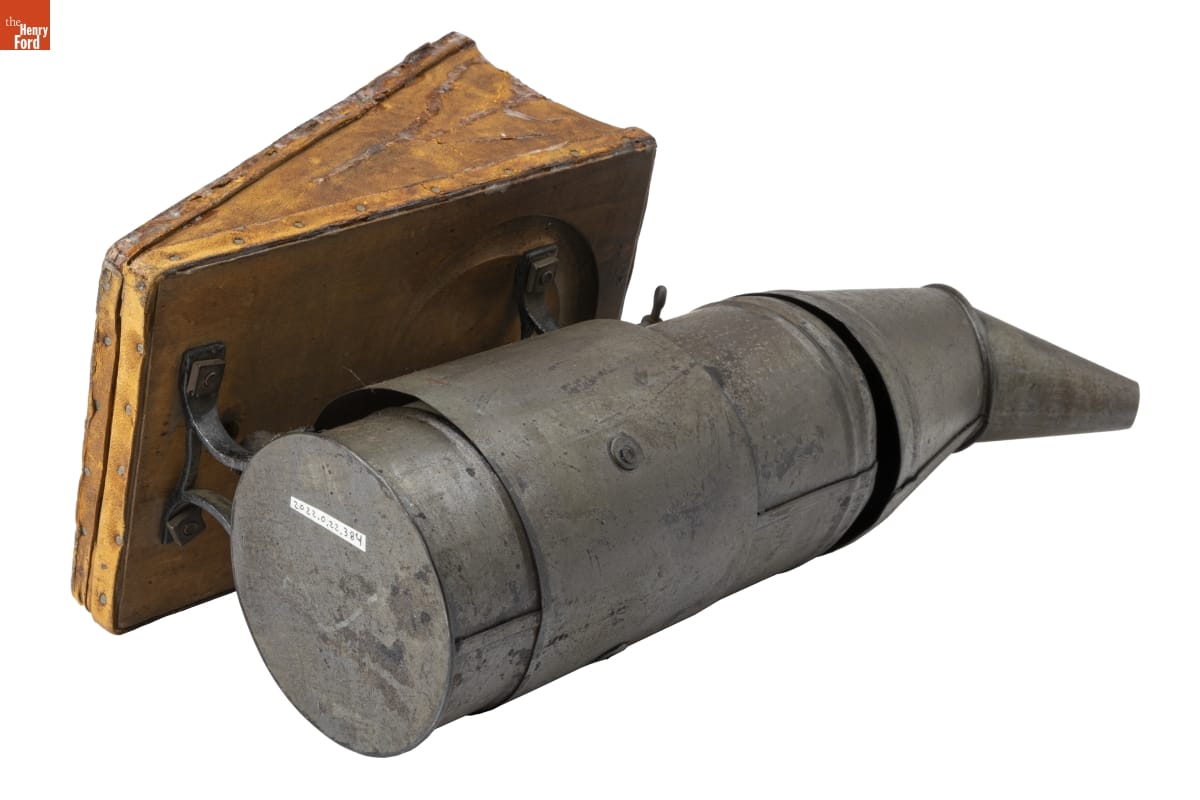
- Bee Smoker - Beekeepers always have a smoker near when they open hives. The smoker masks the "danger" pheromone that bees emit when threatened which slows the colony's response. The smoke also simulates fire which prompts bees to eat honey in preparation for rebuilding a destroyed hive. This smoker's spout channeled smoke into the hive without the risk of dropping the fuel source into the hive.
- Collections - Artifact
Bee Smoker
Beekeepers always have a smoker near when they open hives. The smoker masks the "danger" pheromone that bees emit when threatened which slows the colony's response. The smoke also simulates fire which prompts bees to eat honey in preparation for rebuilding a destroyed hive. This smoker's spout channeled smoke into the hive without the risk of dropping the fuel source into the hive.