
Search
- Cast-Iron Plow, circa 1825 -
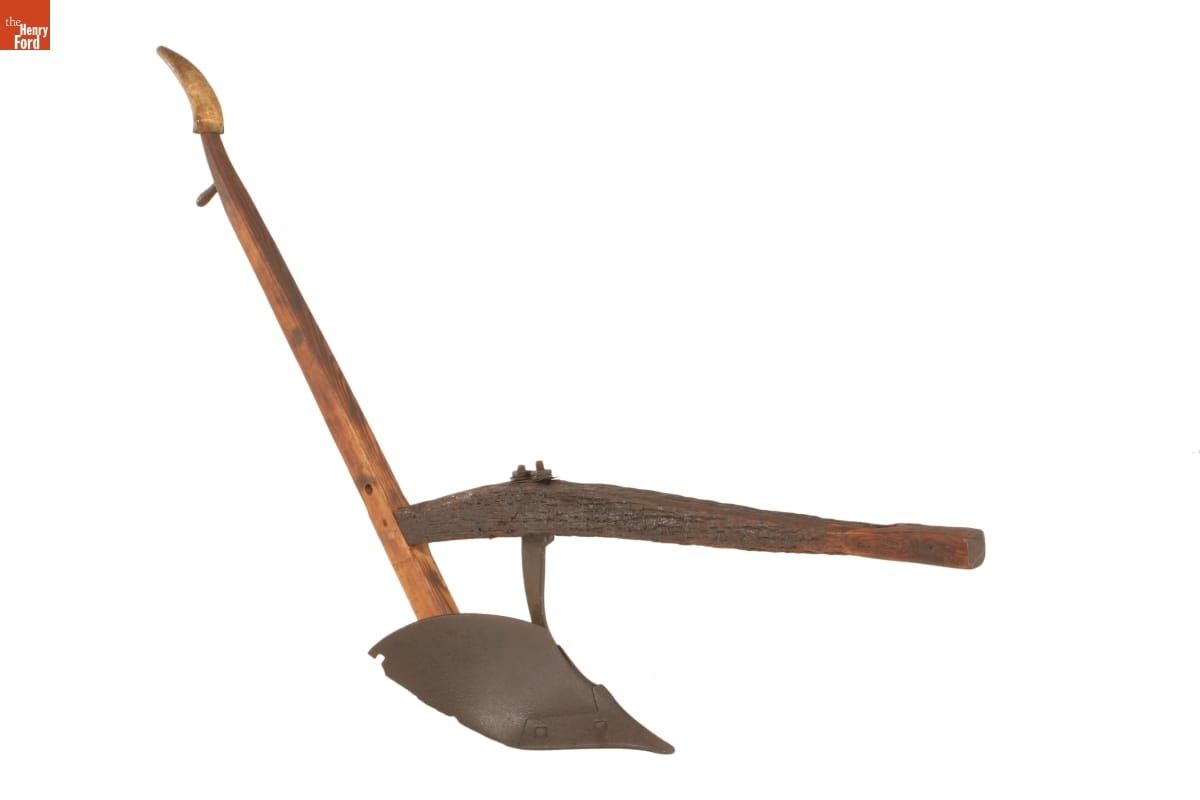
- circa 1825
- Collections - Artifact
Cast-Iron Plow, circa 1825
- Cast Iron Andirons, 1860-1869 - These tall cast iron andirons -- with their double "stack" of church spires -- are the very definition of the Gothic Revival decorative style. The asymmetrical C scrolls at the center bottom derive from stained glass windows. This mixture of design elements are lifted from a medieval cathedral -- although nothing like them ever existed in the Middle Ages.
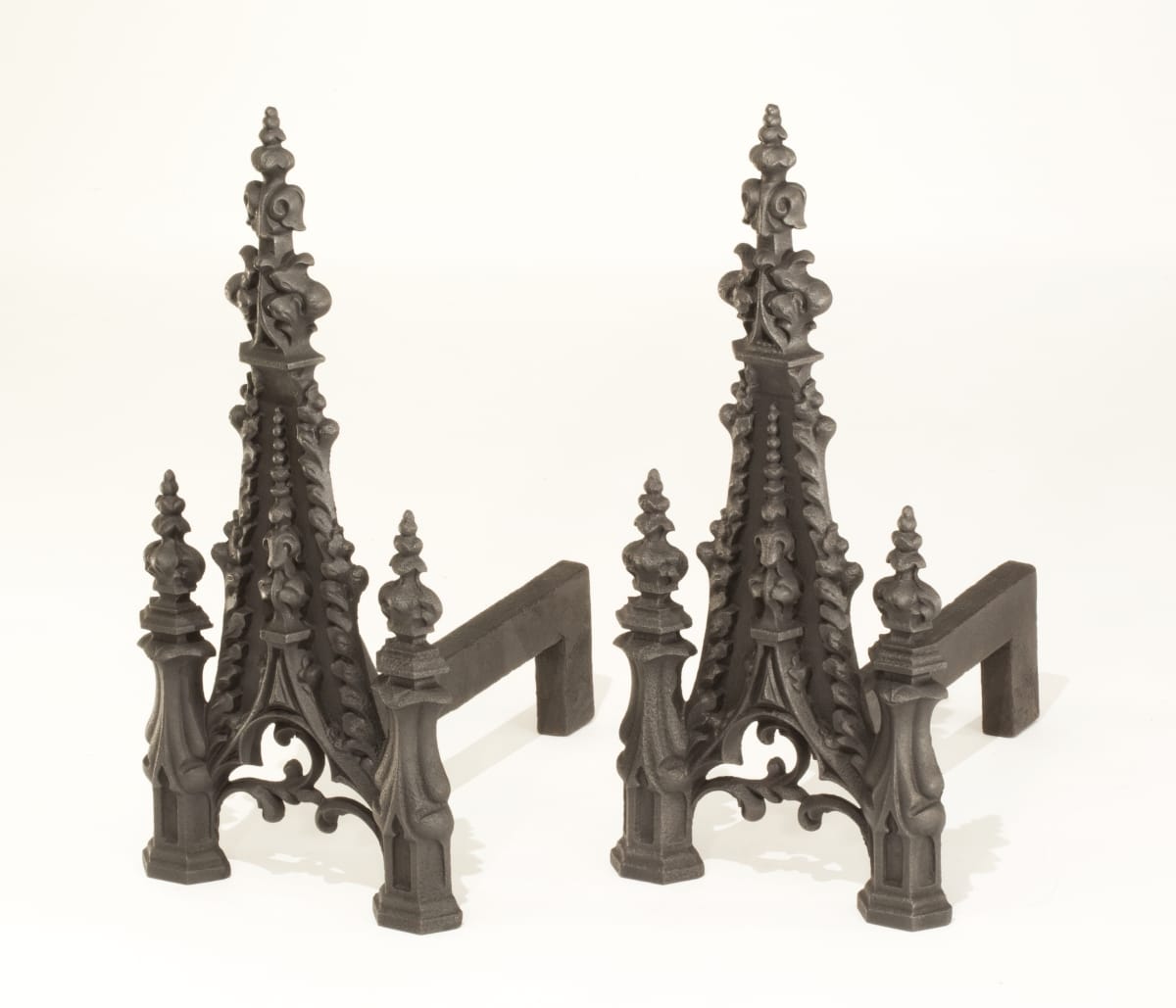
- 1860-1869
- Collections - Artifact
Cast Iron Andirons, 1860-1869
These tall cast iron andirons -- with their double "stack" of church spires -- are the very definition of the Gothic Revival decorative style. The asymmetrical C scrolls at the center bottom derive from stained glass windows. This mixture of design elements are lifted from a medieval cathedral -- although nothing like them ever existed in the Middle Ages.
- Cast-Iron Plow, circa 1845 -
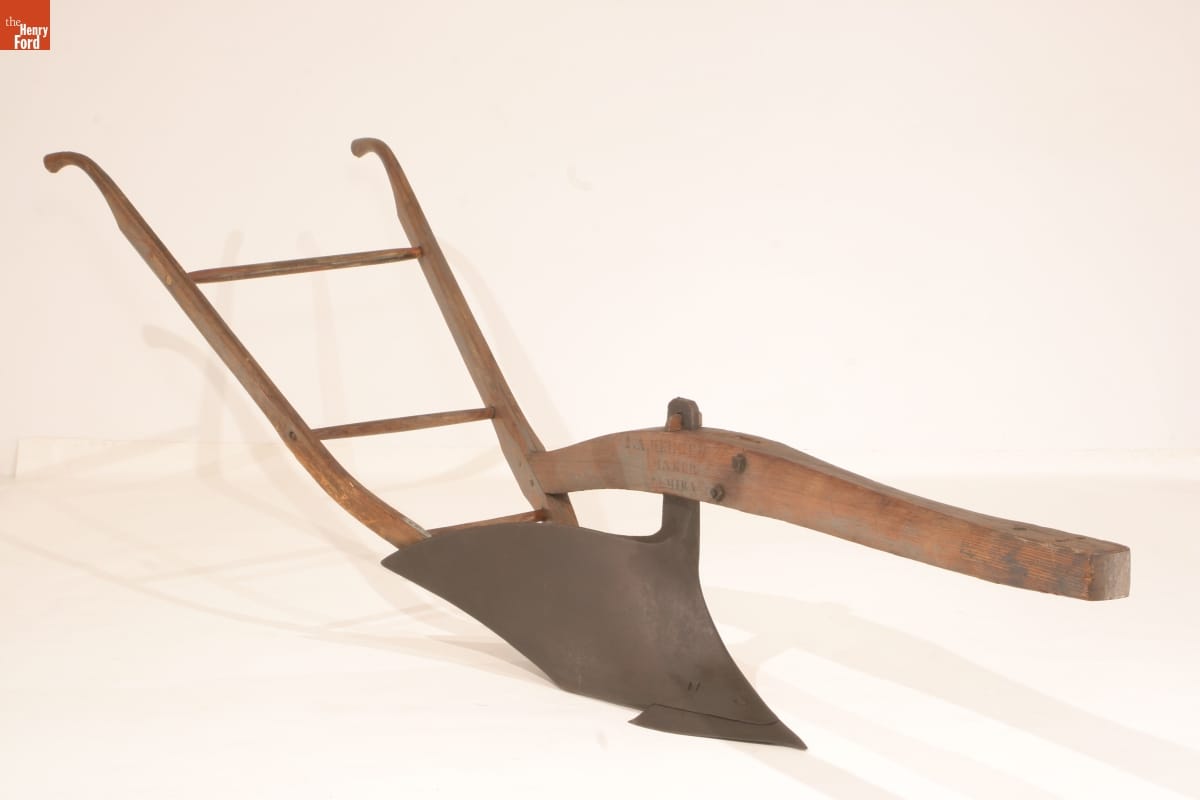
- circa 1845
- Collections - Artifact
Cast-Iron Plow, circa 1845
- Oliver Chilled Cast Iron Plow, circa 1895 - The high-quality Oliver Chilled Plow dominated the market during the late 19th and early 20th centuries. Its creator, James Oliver, perfected "chilling," a casting process that created durable iron moldboards and shares that retained a smooth surface during heavy use. Farmers relied on dependable plows like the Oliver when preparing soil prior to planting crops.
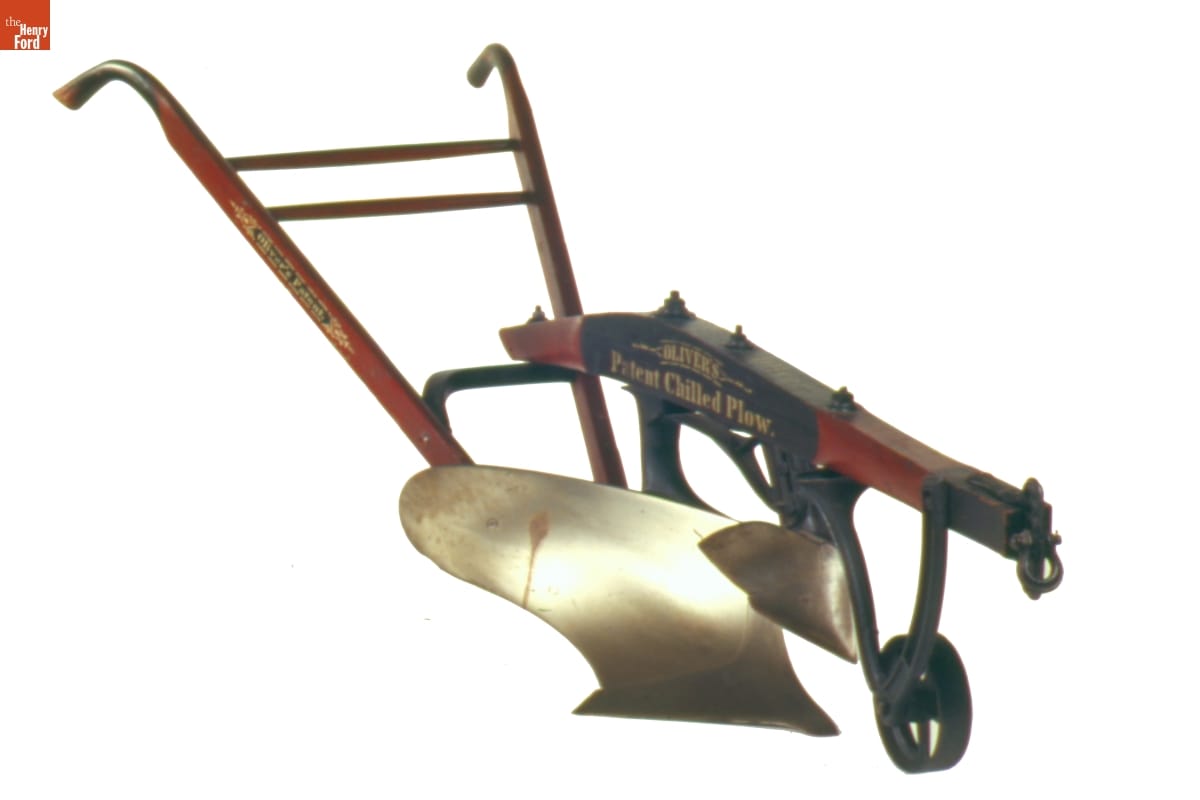
- circa 1895
- Collections - Artifact
Oliver Chilled Cast Iron Plow, circa 1895
The high-quality Oliver Chilled Plow dominated the market during the late 19th and early 20th centuries. Its creator, James Oliver, perfected "chilling," a casting process that created durable iron moldboards and shares that retained a smooth surface during heavy use. Farmers relied on dependable plows like the Oliver when preparing soil prior to planting crops.
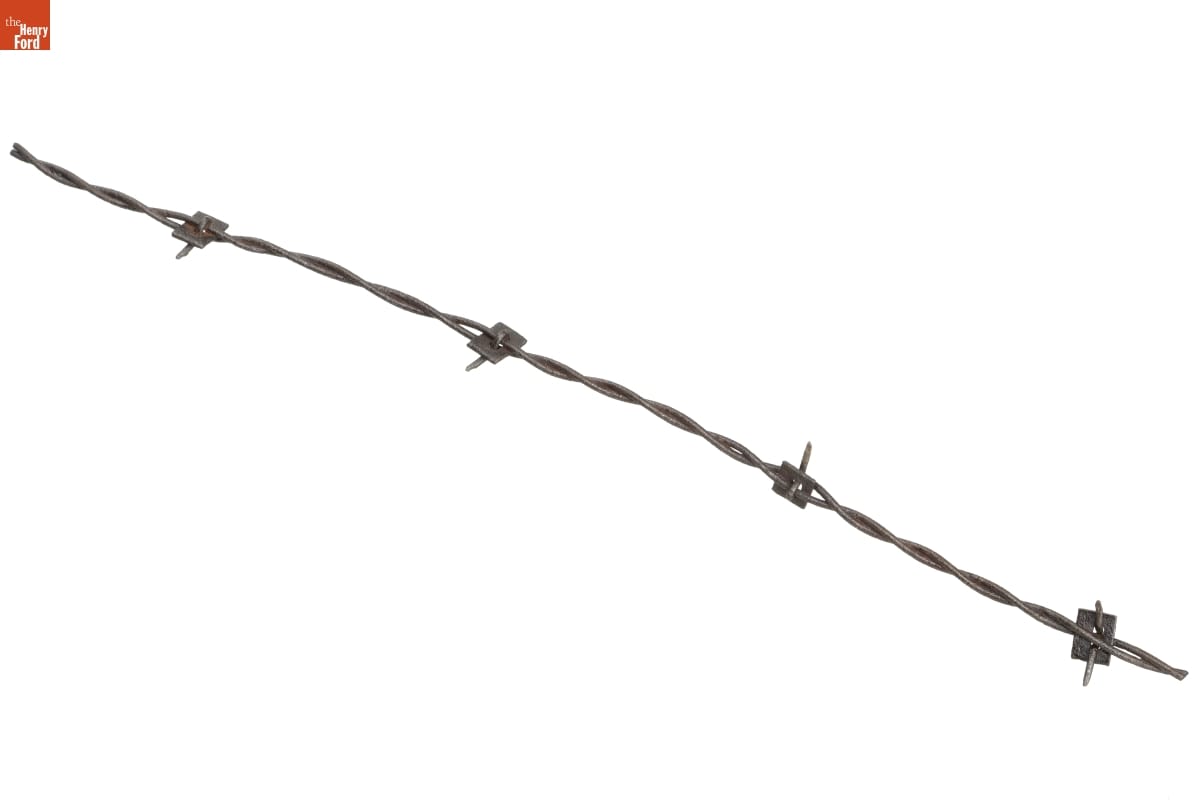
- Vosburgh (Cast-Iron Plate) Barbed Wire, Patented 1876 - Inventors received hundreds of patents for barbed wire during the late 1800s. Some innovators created strands of fencing with sharp metal points cut into the wire; others incorporated small wire spurs twisted and attached to the wire to create a painful barrier. Each inventor believed their variation made the best fencing to keep livestock out of crop fields or confine them to pastures.
- 1876
- Collections - Artifact
Vosburgh (Cast-Iron Plate) Barbed Wire, Patented 1876
Inventors received hundreds of patents for barbed wire during the late 1800s. Some innovators created strands of fencing with sharp metal points cut into the wire; others incorporated small wire spurs twisted and attached to the wire to create a painful barrier. Each inventor believed their variation made the best fencing to keep livestock out of crop fields or confine them to pastures.
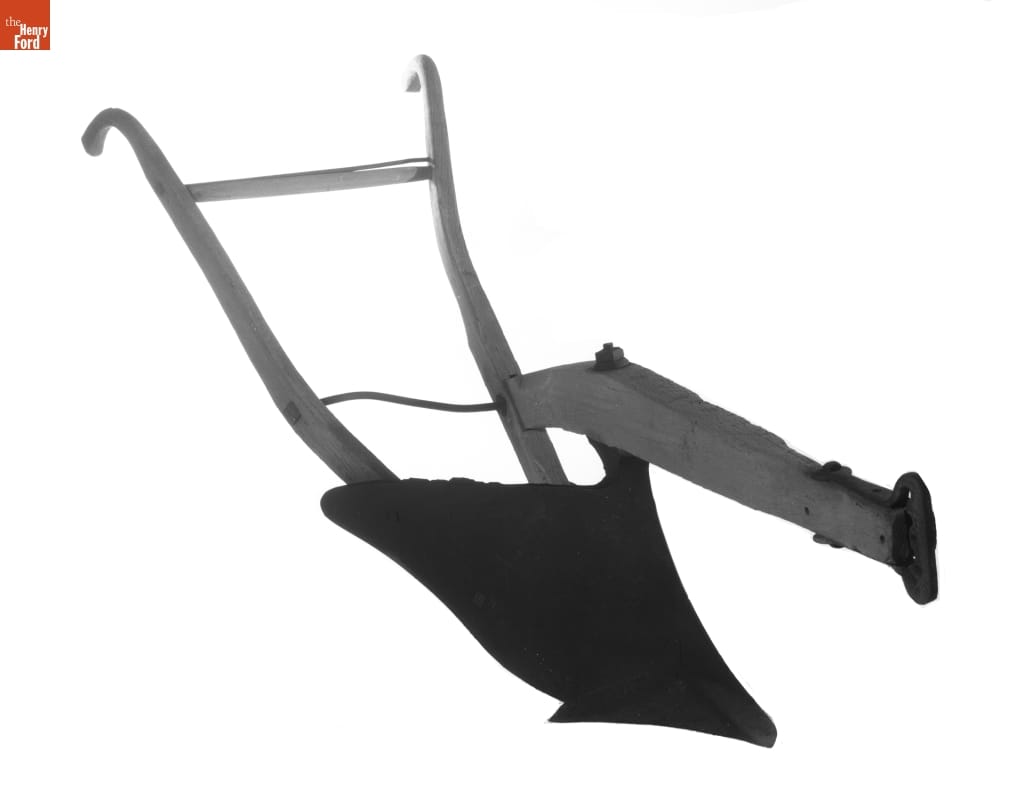
- N. Starbuck & Son Cast Iron Plow, circa 1840 -
- circa 1840
- Collections - Artifact
N. Starbuck & Son Cast Iron Plow, circa 1840
- White and Terracotta Cast Iron Casserole, Production Sample, 2013 - Starting in the early 1980s--and already established as an internationally recognized architect--Michael Graves began to pursue a parallel career as a product designer. Over the following three and a half decades he and his collaborators designed everything from humble household goods to limited edition luxury items for clients as diverse as Steuben, Alessi, Target, J. C. Penney, and Disney.

- 2013
- Collections - Artifact
White and Terracotta Cast Iron Casserole, Production Sample, 2013
Starting in the early 1980s--and already established as an internationally recognized architect--Michael Graves began to pursue a parallel career as a product designer. Over the following three and a half decades he and his collaborators designed everything from humble household goods to limited edition luxury items for clients as diverse as Steuben, Alessi, Target, J. C. Penney, and Disney.
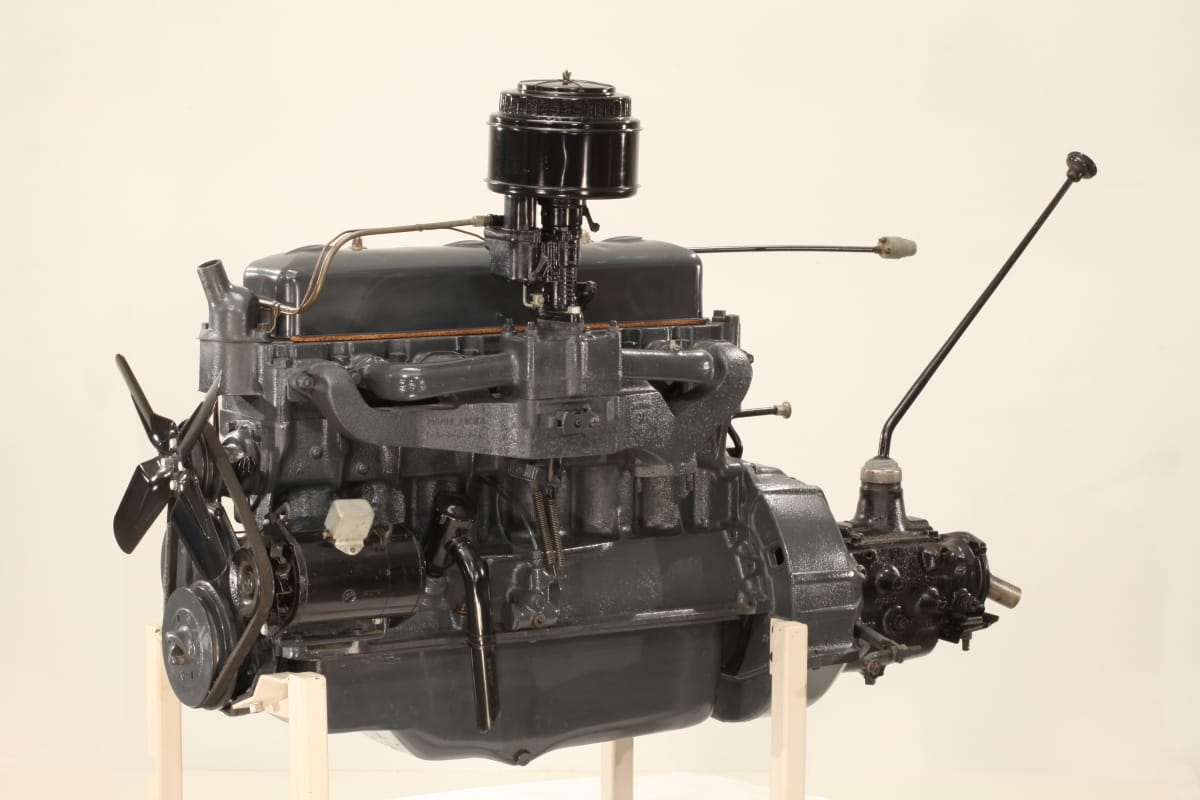
- Chevrolet "Cast Iron Wonder" In-line 6-cylinder Engine, 1935 - Chevrolet introduced the reliable and popular "Cast Iron Wonder" in 1929. The solid design of this six-cylinder engine changed little over the next 25 years. Advertised as "A Six for the Price of Four," Chevrolet hoped it would lure customers away from competitors. It did. Chevrolet and its "Cast Iron Wonder" topped the sales charts during most of the Great Depression years of the 1930s.
- 1935
- Collections - Artifact
Chevrolet "Cast Iron Wonder" In-line 6-cylinder Engine, 1935
Chevrolet introduced the reliable and popular "Cast Iron Wonder" in 1929. The solid design of this six-cylinder engine changed little over the next 25 years. Advertised as "A Six for the Price of Four," Chevrolet hoped it would lure customers away from competitors. It did. Chevrolet and its "Cast Iron Wonder" topped the sales charts during most of the Great Depression years of the 1930s.
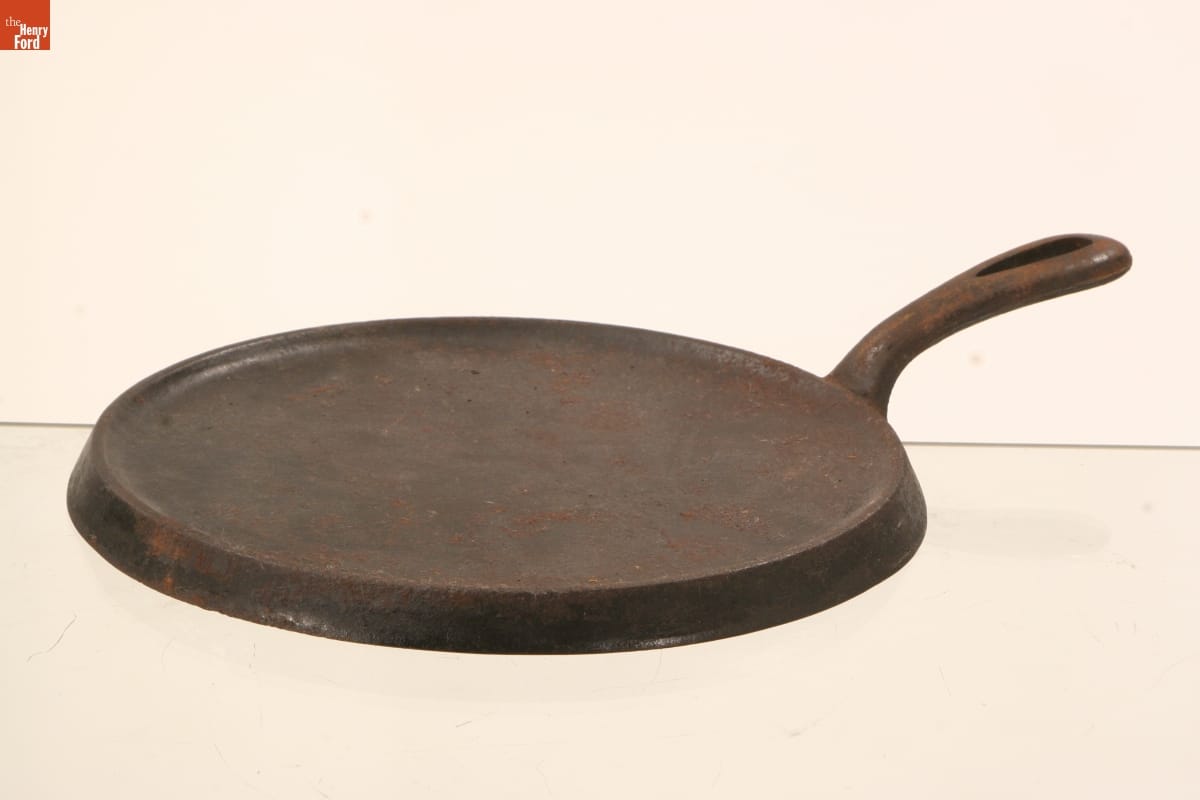
- Cast Iron Griddle Used by Susana Allen Hunter and Family, 1930-1970 -
- 1930-1970
- Collections - Artifact
Cast Iron Griddle Used by Susana Allen Hunter and Family, 1930-1970
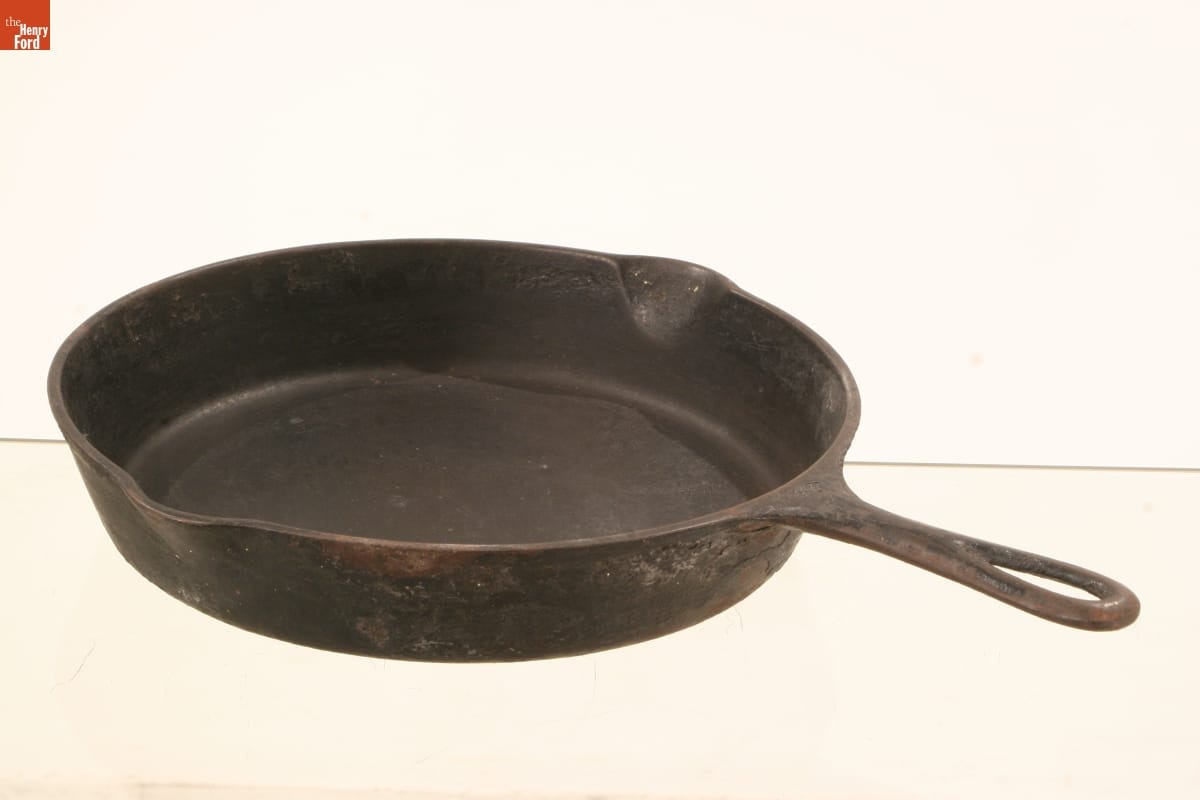
- Cast Iron Skillet Used by Susana Allen Hunter and Family, 1930-1970 -
- 1930-1970
- Collections - Artifact
Cast Iron Skillet Used by Susana Allen Hunter and Family, 1930-1970