
Search
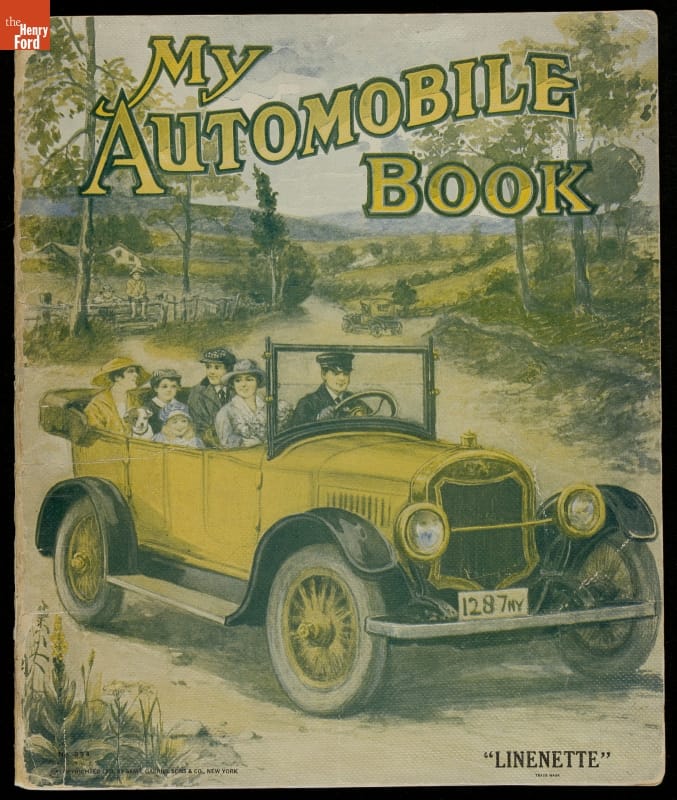
- Children's Book, "My Automobile Book," 1924 - Little Willie and Uncle George visit an automobile show in this 1924 children's book. Willie is excited about all the cars he sees (each with a colorful illustration) and Uncle George explains the different features. And like most little boys (and girls) after visiting an auto show, he falls asleep and dreams of the cars he would have when he grows up.
- 1924
- Collections - Artifact
Children's Book, "My Automobile Book," 1924
Little Willie and Uncle George visit an automobile show in this 1924 children's book. Willie is excited about all the cars he sees (each with a colorful illustration) and Uncle George explains the different features. And like most little boys (and girls) after visiting an auto show, he falls asleep and dreams of the cars he would have when he grows up.
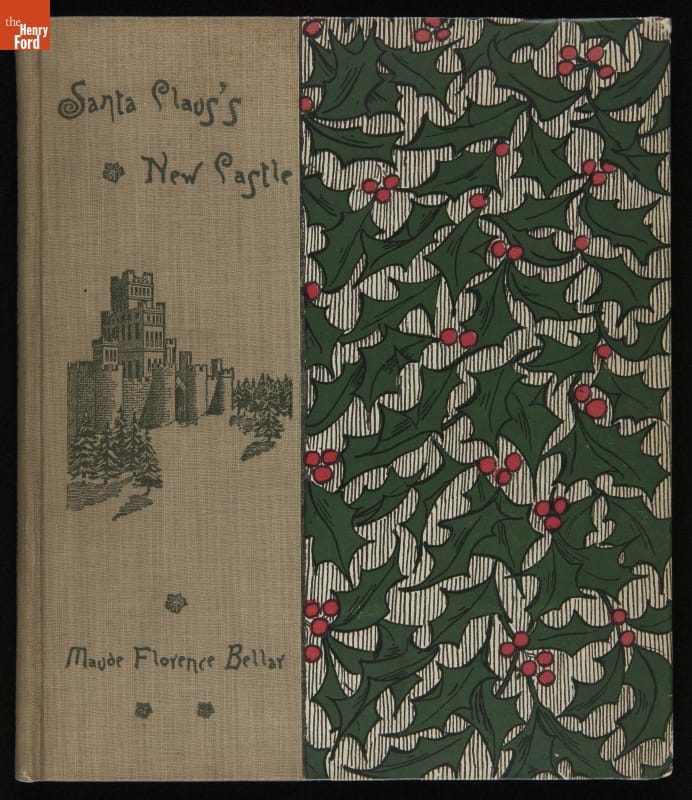
- Children's Book, "Santa Claus's New Castle," 1896 - In <em>Santa Claus's New Castle</em>, Santa Claus needed a place to store more presents and decided to build a snow castle with lots of rooms. The book recounts how Santa built his castle and how, after he finished it, he visited New York City and helped a poor child. In the end, Santa asked for children's help to provide gifts to the less fortunate.
- 1896
- Collections - Artifact
Children's Book, "Santa Claus's New Castle," 1896
In Santa Claus's New Castle, Santa Claus needed a place to store more presents and decided to build a snow castle with lots of rooms. The book recounts how Santa built his castle and how, after he finished it, he visited New York City and helped a poor child. In the end, Santa asked for children's help to provide gifts to the less fortunate.
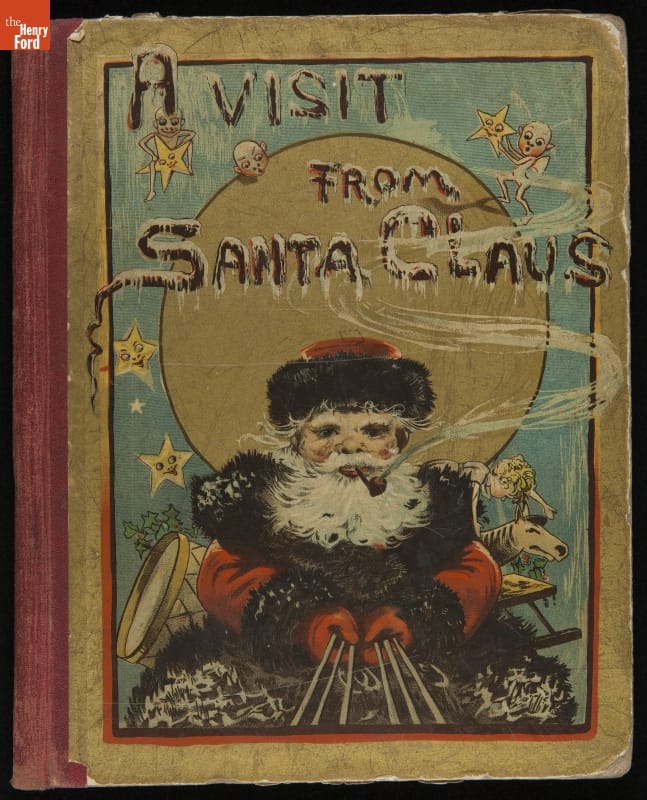
- Children's Book, "A Visit from Santa Claus," 1889 - <em>A Visit from Santa Claus</em>, a poem attributed to Clement Moore, was first published in 1823, and reading it has become a Christmas tradition for many. The poem describes a person's Christmas Eve experience watching St. Nicholas deliver presents. This version, published in 1889 by F. A. Stokes and Brother, includes illustrations by Virginia Gerson, the sister-in-law of impressionist painter William Merritt Chase.
- 1889
- Collections - Artifact
Children's Book, "A Visit from Santa Claus," 1889
A Visit from Santa Claus, a poem attributed to Clement Moore, was first published in 1823, and reading it has become a Christmas tradition for many. The poem describes a person's Christmas Eve experience watching St. Nicholas deliver presents. This version, published in 1889 by F. A. Stokes and Brother, includes illustrations by Virginia Gerson, the sister-in-law of impressionist painter William Merritt Chase.
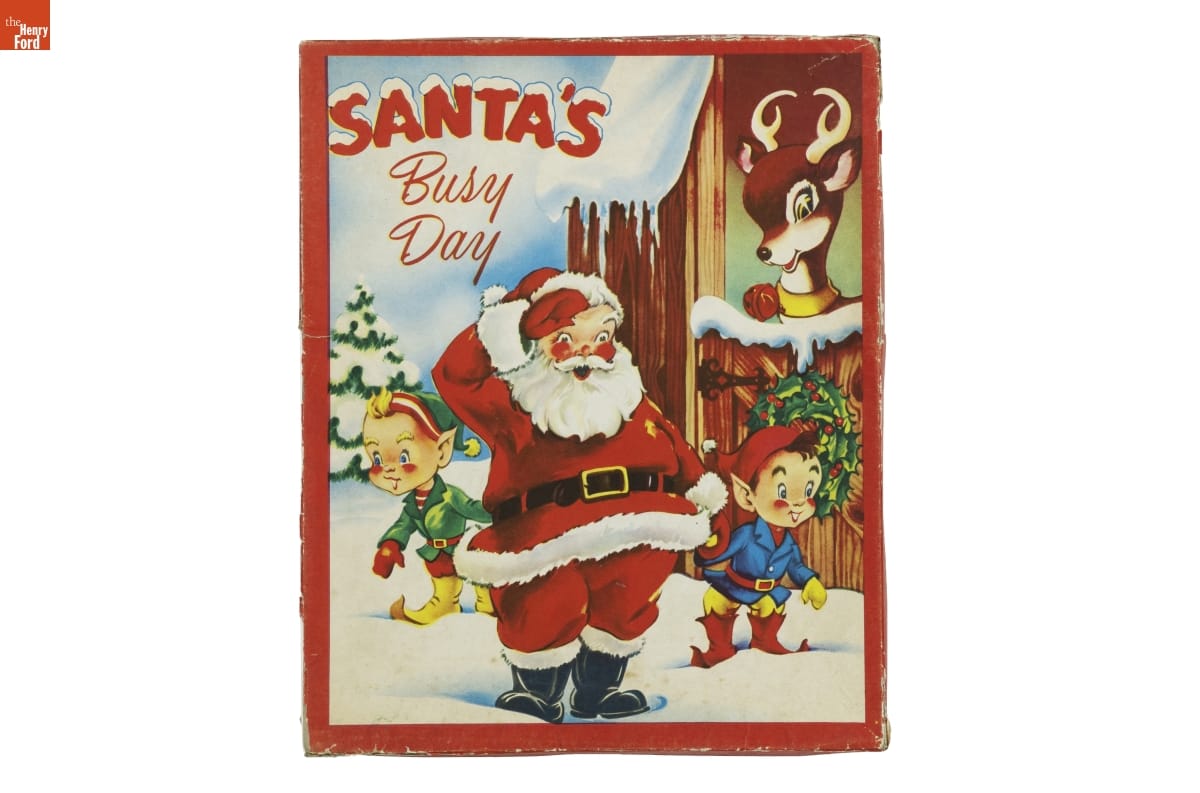
- Children's Pop-Up Book, "Santa's Busy Day," 1953 - <em>Santa's Busy Day</em> follows jolly St. Nick as he looks for Blitzen, a lost reindeer. The book asks children to help Santa with his search. Readers turn pages to discover images that move and pop up; or find things to do--move cutouts of Santa's reindeer or color a picture of Blitzen. Books like this entertained young kids and encouraged them to enjoy reading.
- 1953
- Collections - Artifact
Children's Pop-Up Book, "Santa's Busy Day," 1953
Santa's Busy Day follows jolly St. Nick as he looks for Blitzen, a lost reindeer. The book asks children to help Santa with his search. Readers turn pages to discover images that move and pop up; or find things to do--move cutouts of Santa's reindeer or color a picture of Blitzen. Books like this entertained young kids and encouraged them to enjoy reading.
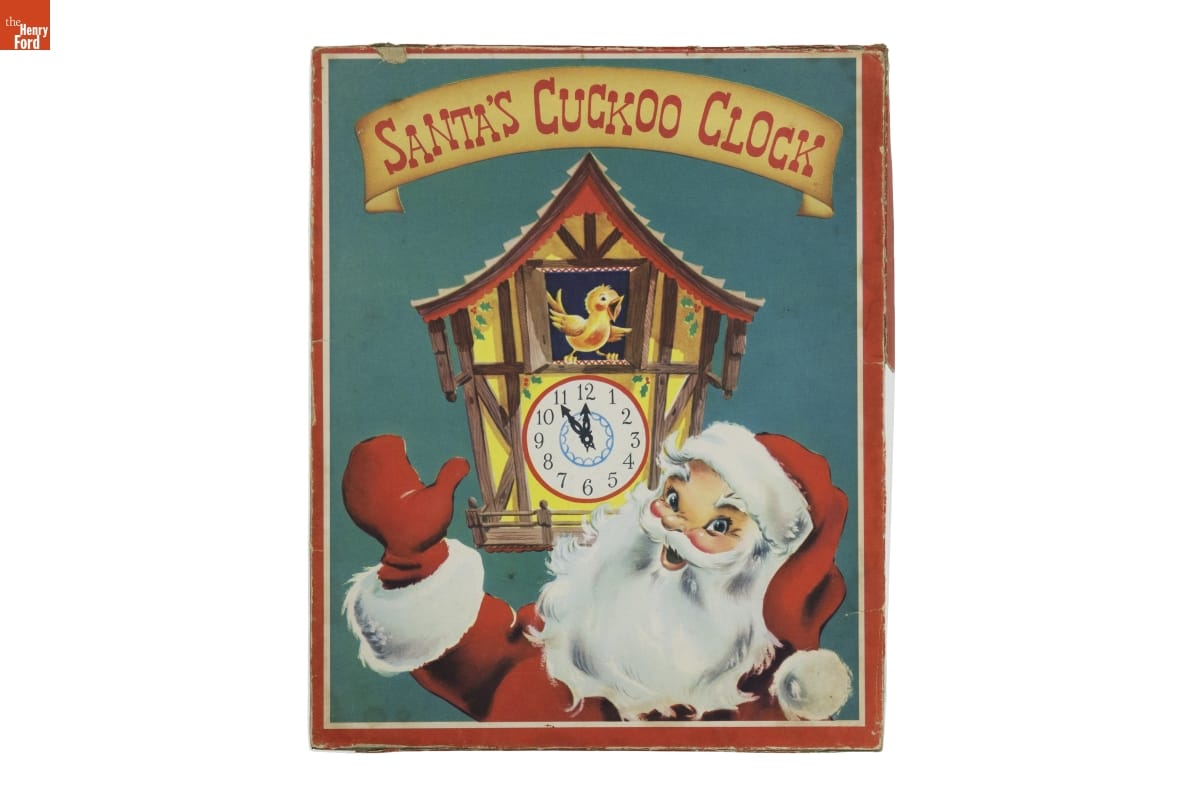
- Children's Pop-Up Book, "Santa's Cuckoo Clock," 1954 - <em>Santa's Cuckoo Clock</em> follows St. Nick as he searches for someone to fix a broken cuckoo clock. Santa finally learns that his elf Tickey-Tock can repair this special Christmas present. Readers turn pages to discover images that move and pop up; or find things to do--paint animals or learn how to tell time. Books like this entertained young kids and encouraged them to enjoy reading.
- 1954
- Collections - Artifact
Children's Pop-Up Book, "Santa's Cuckoo Clock," 1954
Santa's Cuckoo Clock follows St. Nick as he searches for someone to fix a broken cuckoo clock. Santa finally learns that his elf Tickey-Tock can repair this special Christmas present. Readers turn pages to discover images that move and pop up; or find things to do--paint animals or learn how to tell time. Books like this entertained young kids and encouraged them to enjoy reading.
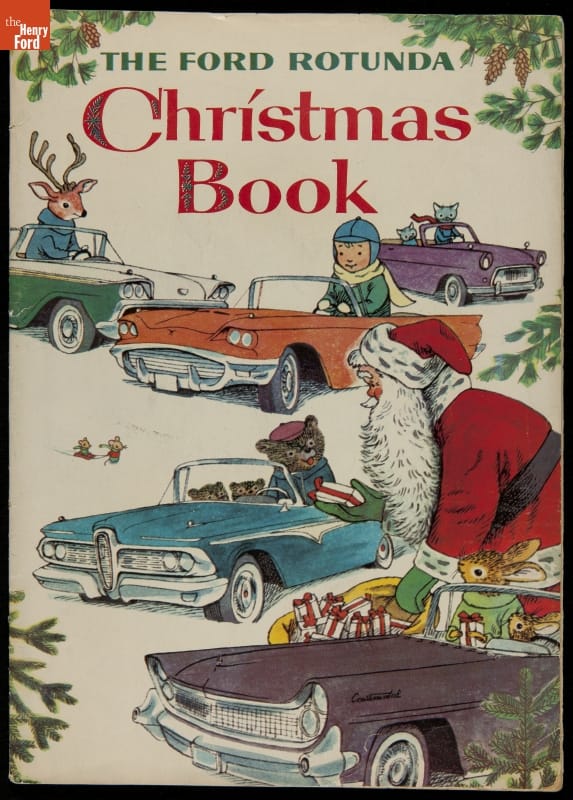
- Children's Activity Book, "Christmas at the Ford Rotunda," 1958 - After the Century of Progress Exposition ended in 1934, Ford Motor Company brought its central Rotunda building from that fair back to Dearborn. From 1936 to 1962, Ford recreated the excitement of a World's Fair exposition on its home turf. This souvenir Christmas book from 1958 was illustrated by noted children's book illustrator Richard Scarry.
- 1958
- Collections - Artifact
Children's Activity Book, "Christmas at the Ford Rotunda," 1958
After the Century of Progress Exposition ended in 1934, Ford Motor Company brought its central Rotunda building from that fair back to Dearborn. From 1936 to 1962, Ford recreated the excitement of a World's Fair exposition on its home turf. This souvenir Christmas book from 1958 was illustrated by noted children's book illustrator Richard Scarry.
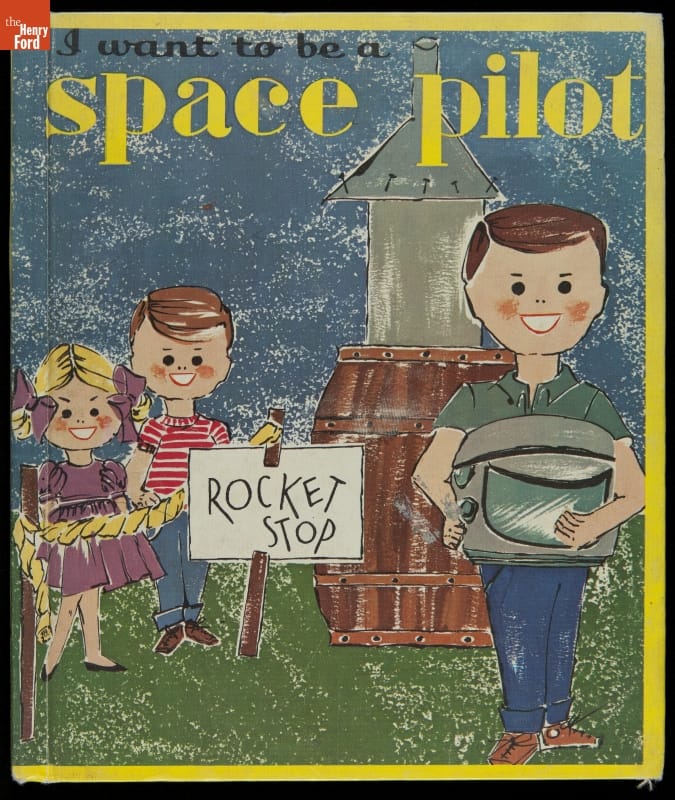
- Children's Book, "I Want to be a Space Pilot," 1961 - President John F. Kennedy's vision to explore the "new frontier" of outer space ignited the public's imagination. For children in the 1960s, the idea of space flight was wondrous. This book's introduction begins "Kip, the son of a jet pilot, wants to be a space pilot and go to the moon." This shows the aviation roots of aeronautics and the aspirations of different generations.
- 1961
- Collections - Artifact
Children's Book, "I Want to be a Space Pilot," 1961
President John F. Kennedy's vision to explore the "new frontier" of outer space ignited the public's imagination. For children in the 1960s, the idea of space flight was wondrous. This book's introduction begins "Kip, the son of a jet pilot, wants to be a space pilot and go to the moon." This shows the aviation roots of aeronautics and the aspirations of different generations.
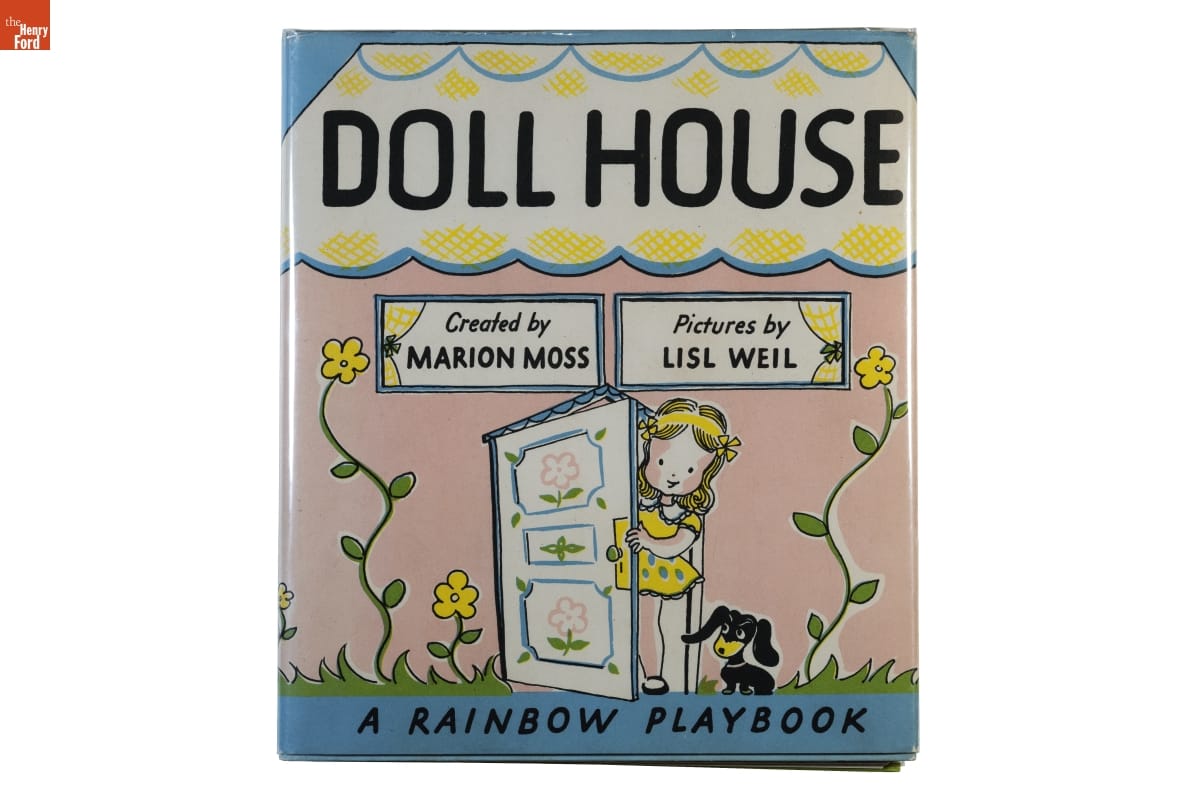
- Childrens Pop-Up Book, "Doll House," 1946 - <em>Doll House</em>, published soon after World War II, let children--mainly young middle-class girls--pretend to be homemakers just like their moms. The pages fold out to create different rooms of a house. Punchout paper dolls, furniture, and other household objects fill the remaining pages. Girls could decorate rooms, pretend to plan parties, and imagine what it was like to run a home.
- 1946
- Collections - Artifact
Childrens Pop-Up Book, "Doll House," 1946
Doll House, published soon after World War II, let children--mainly young middle-class girls--pretend to be homemakers just like their moms. The pages fold out to create different rooms of a house. Punchout paper dolls, furniture, and other household objects fill the remaining pages. Girls could decorate rooms, pretend to plan parties, and imagine what it was like to run a home.
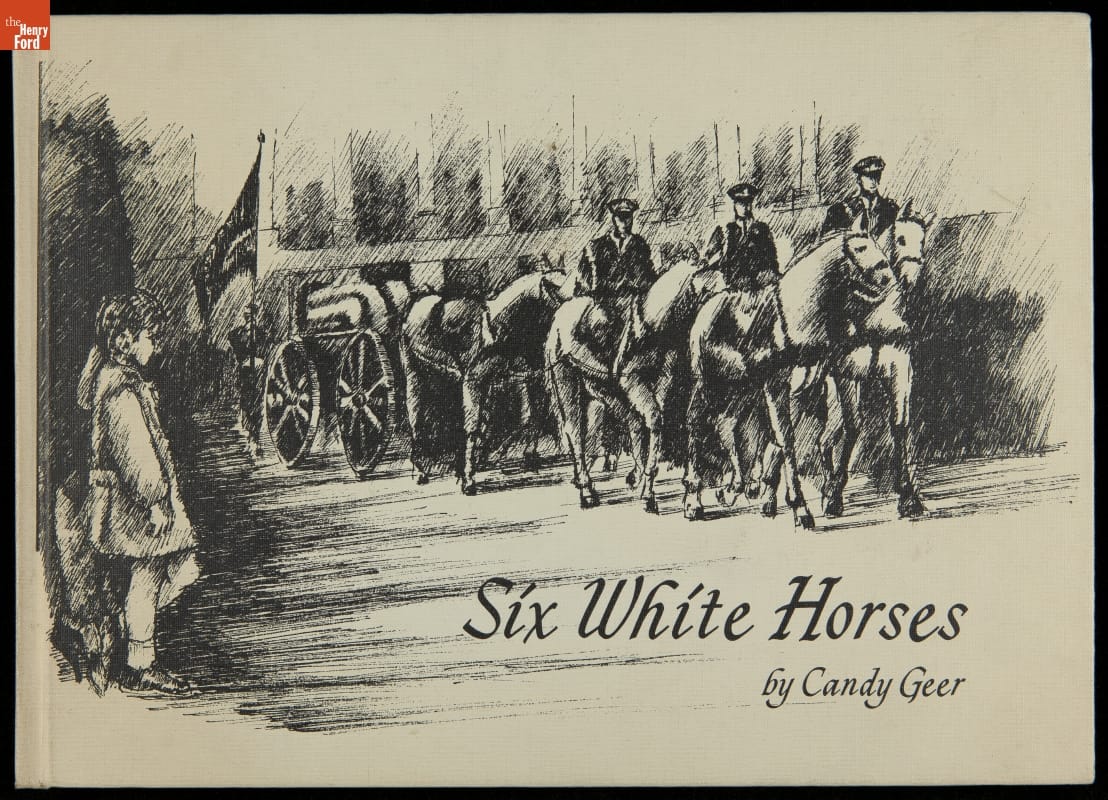
- Children's Book, "Six White Horses: An Illustrated Poem about John-John," 1964 - Americans embraced commemorative books and magazines following the tragic death of President John F. Kennedy on November 22, 1963. This children's book -- written as an illustrated poem -- is a tribute to President Kennedy's young son watching his father's funeral. C. Candice "Candy" Geer, a teenage girl from Grosse Pointe, Michigan, wrote the poem after viewing the President's funeral on television.
- November 25, 1963
- Collections - Artifact
Children's Book, "Six White Horses: An Illustrated Poem about John-John," 1964
Americans embraced commemorative books and magazines following the tragic death of President John F. Kennedy on November 22, 1963. This children's book -- written as an illustrated poem -- is a tribute to President Kennedy's young son watching his father's funeral. C. Candice "Candy" Geer, a teenage girl from Grosse Pointe, Michigan, wrote the poem after viewing the President's funeral on television.
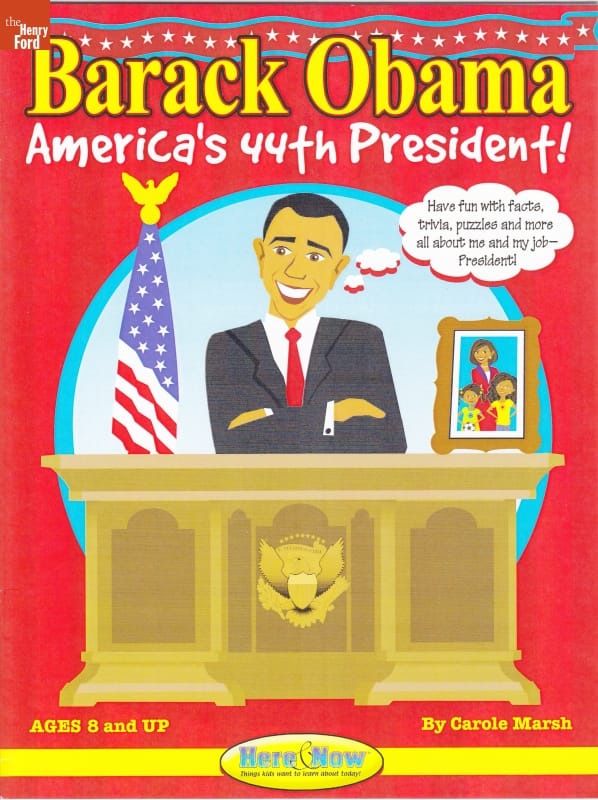
- "Barack Obama, America's 44th President!," Activity Book for Children, 2008 -
- 2008
- Collections - Artifact
"Barack Obama, America's 44th President!," Activity Book for Children, 2008