
Search
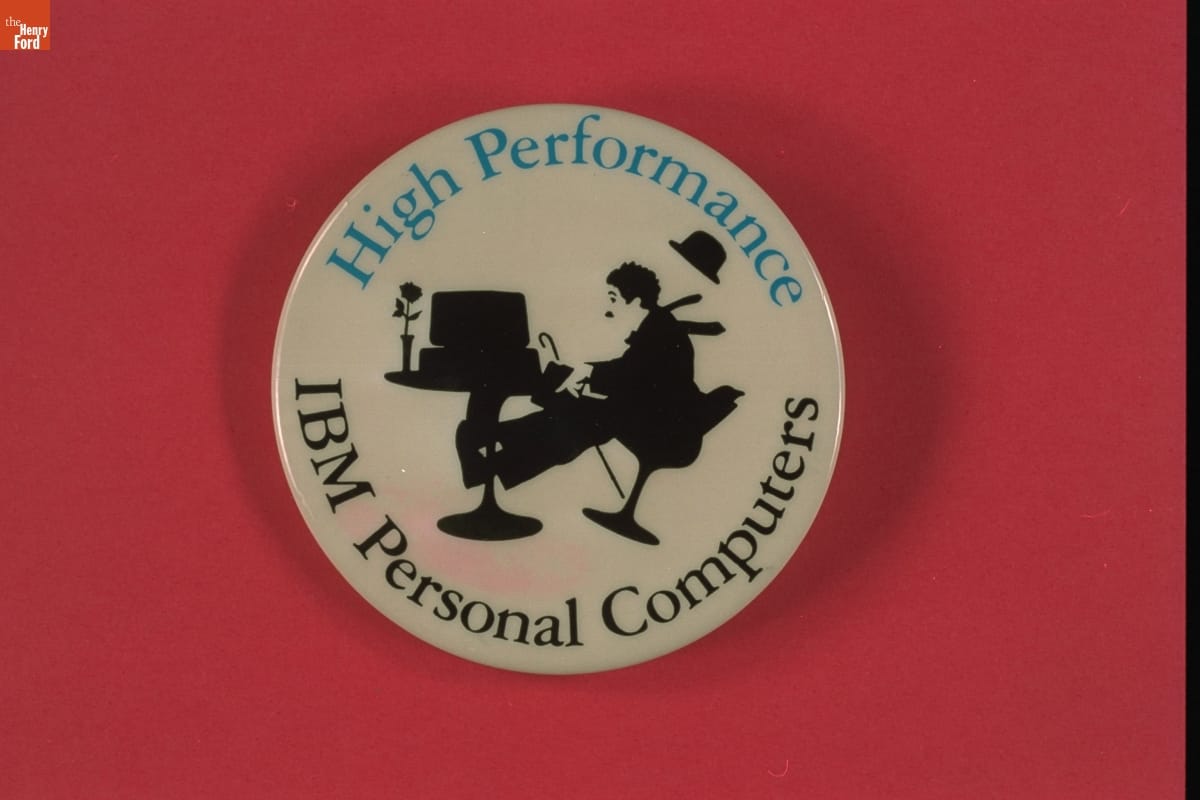
- Advertising Button for IBM Personal Computers, circa 1985 -
- circa 1985
- Collections - Artifact
Advertising Button for IBM Personal Computers, circa 1985
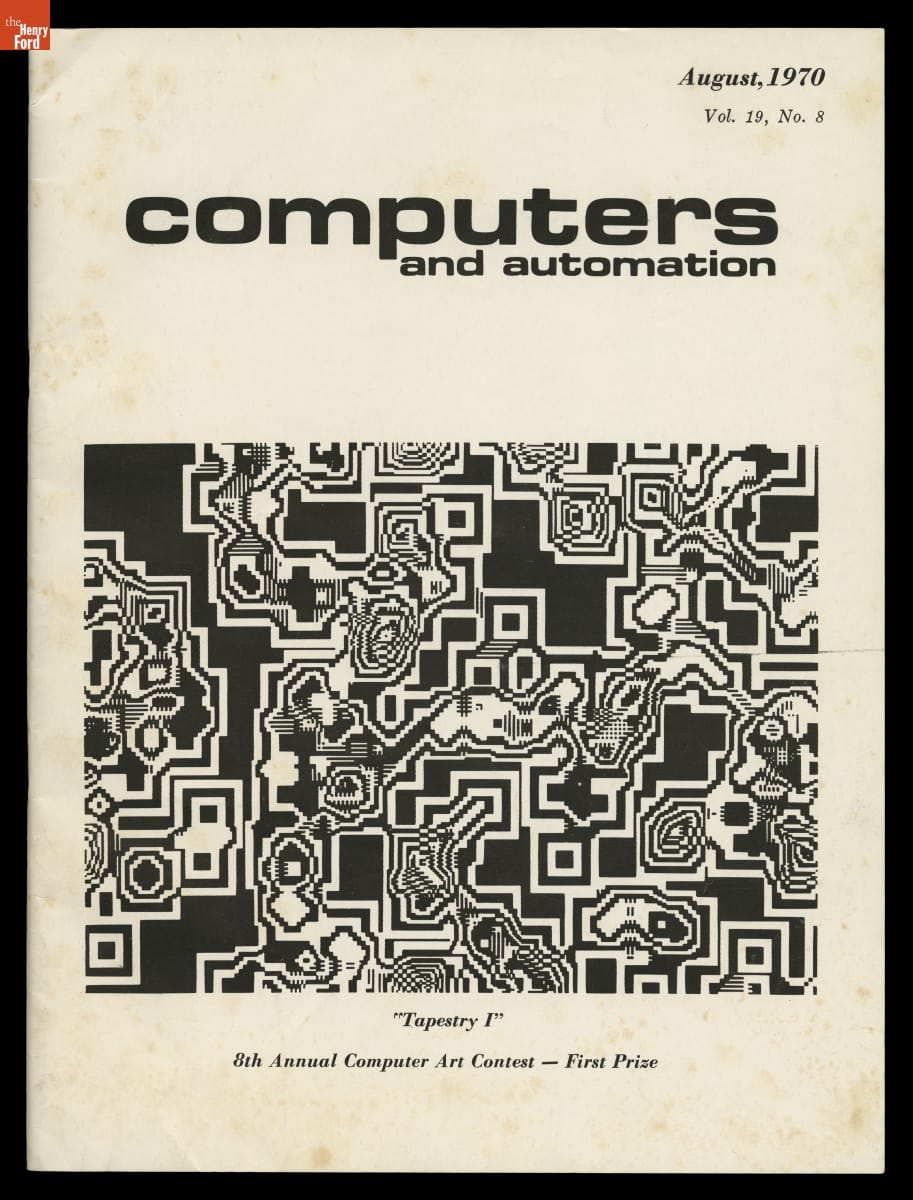
- Computers and Automation, Vol. 19, No. 8, August 1970 - Lillian Schwartz is a pioneer of computer-generated art. From 1969-2002, she was a "resident visitor" at Bell Laboratories, producing groundbreaking films, videos, and multimedia works. The Schwartz Collection spans Lillian's childhood into her late career, documenting an expansive mindset, mastery over traditional and experimental mediums alike--and above all--an ability to create inspirational connections between science, art, and technology.
- August 01, 1970
- Collections - Artifact
Computers and Automation, Vol. 19, No. 8, August 1970
Lillian Schwartz is a pioneer of computer-generated art. From 1969-2002, she was a "resident visitor" at Bell Laboratories, producing groundbreaking films, videos, and multimedia works. The Schwartz Collection spans Lillian's childhood into her late career, documenting an expansive mindset, mastery over traditional and experimental mediums alike--and above all--an ability to create inspirational connections between science, art, and technology.
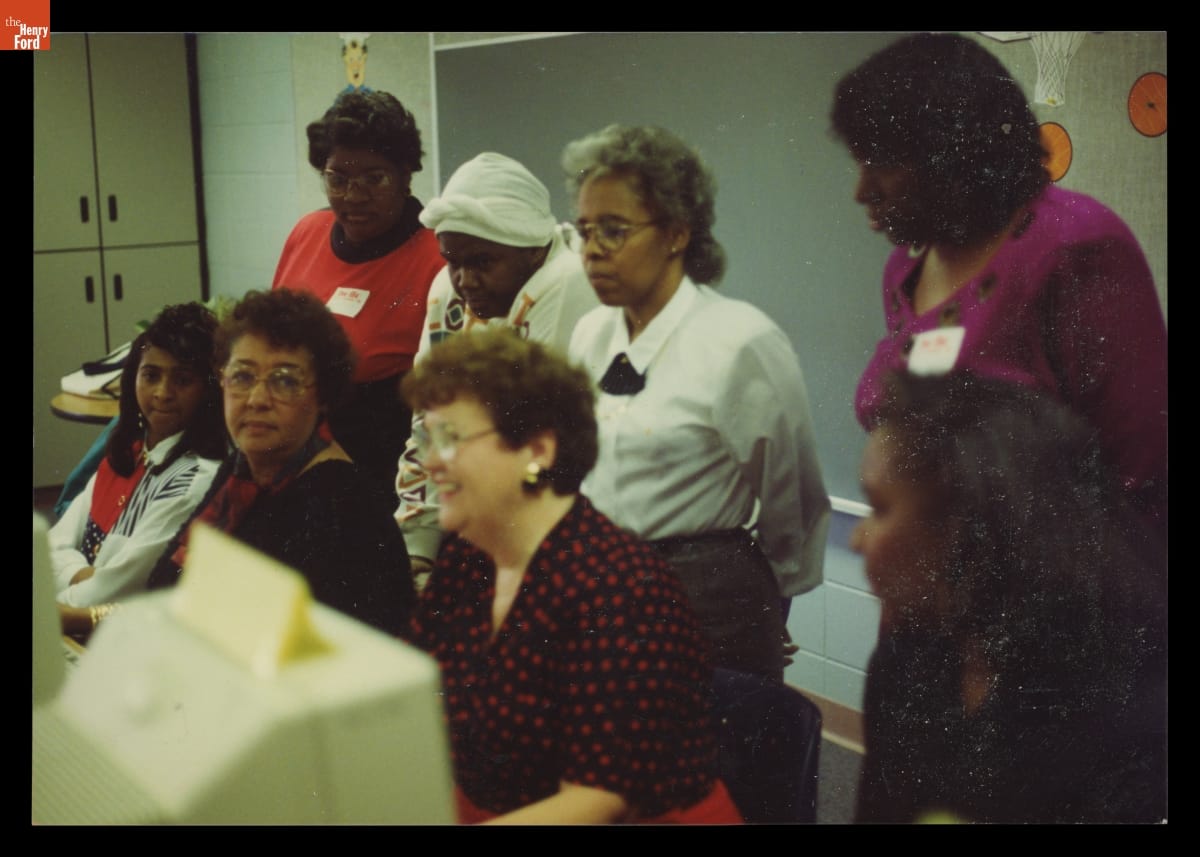
- Richie Jean Jackson with Other Women Working at Computers -
- Collections - Artifact
Richie Jean Jackson with Other Women Working at Computers
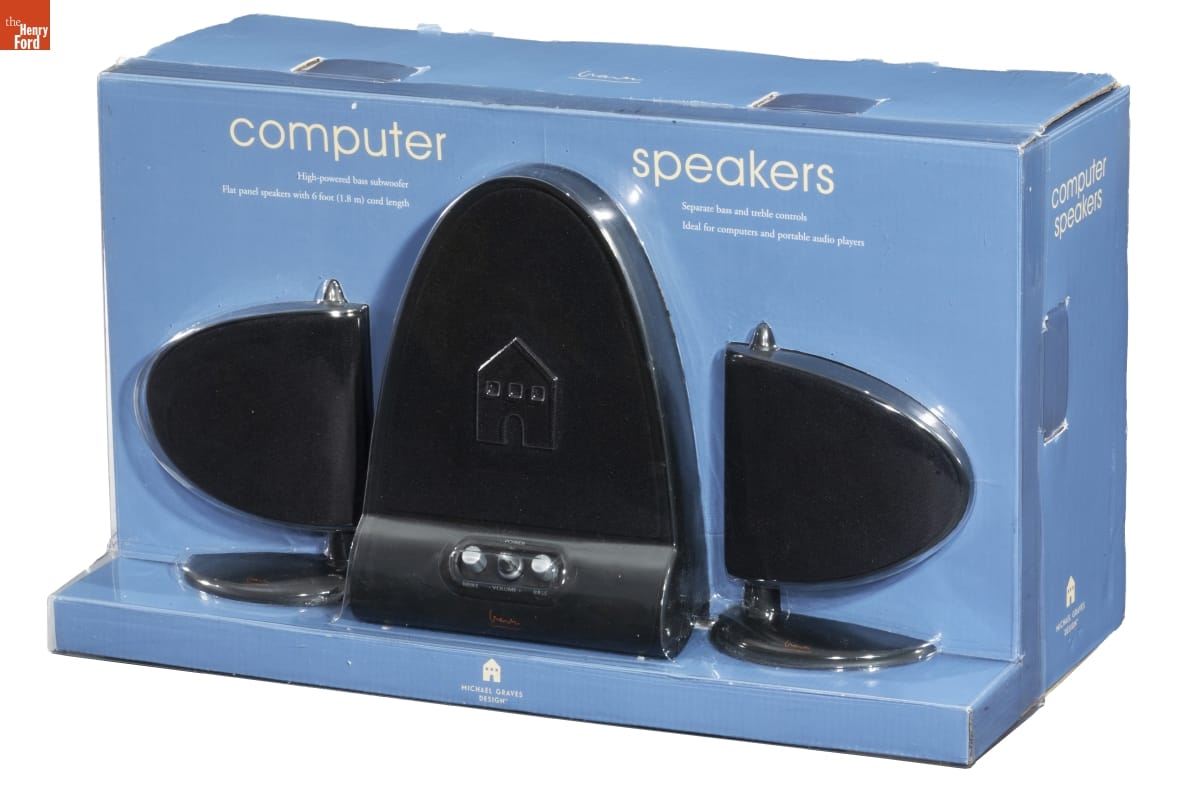
- Computer Speakers, 2002 - Starting in the early 1980s--and already established as an internationally recognized architect--Michael Graves began to pursue a parallel career as a product designer. Over the following three and a half decades he and his collaborators designed everything from humble household goods to limited edition luxury items for clients as diverse as Steuben, Alessi, Target, J. C. Penney, and Disney.
- 2002
- Collections - Artifact
Computer Speakers, 2002
Starting in the early 1980s--and already established as an internationally recognized architect--Michael Graves began to pursue a parallel career as a product designer. Over the following three and a half decades he and his collaborators designed everything from humble household goods to limited edition luxury items for clients as diverse as Steuben, Alessi, Target, J. C. Penney, and Disney.
- Computer Speakers, 2004 - Starting in the early 1980s--and already established as an internationally recognized architect--Michael Graves began to pursue a parallel career as a product designer. Over the following three and a half decades he and his collaborators designed everything from humble household goods to limited edition luxury items for clients as diverse as Steuben, Alessi, Target, J. C. Penney, and Disney.
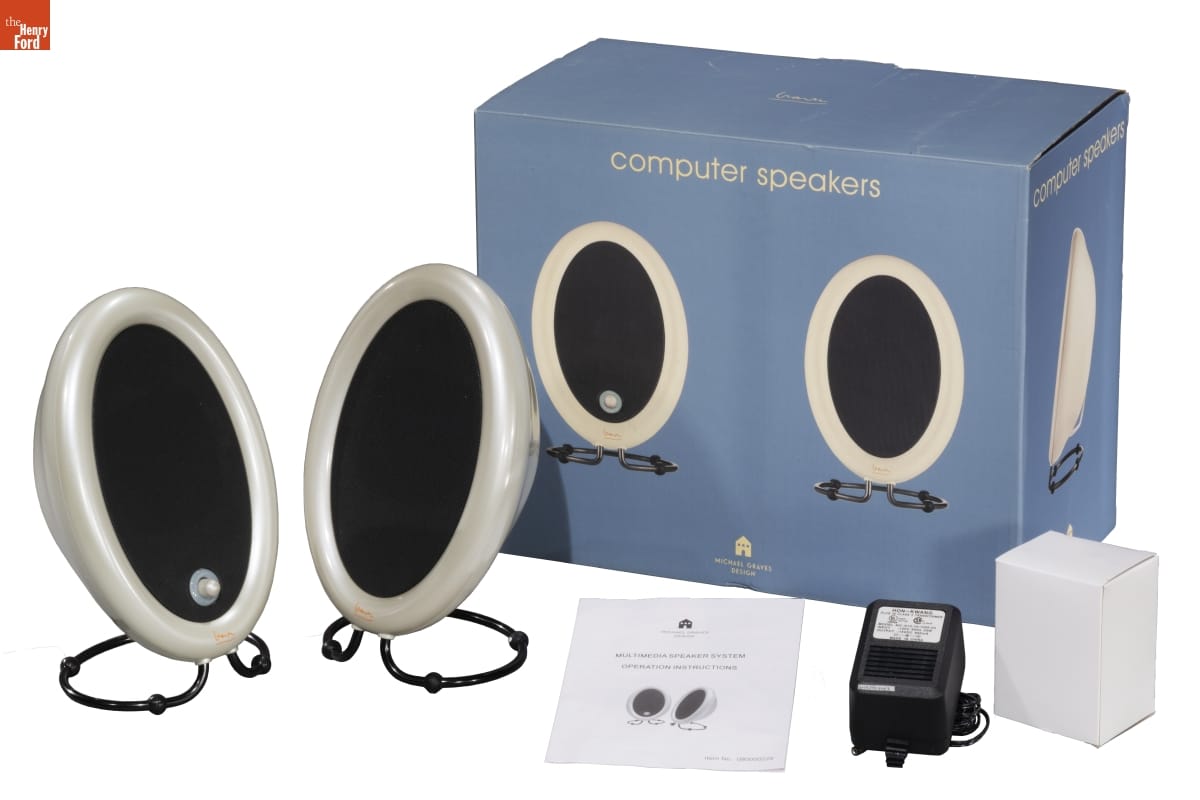
- 2004
- Collections - Artifact
Computer Speakers, 2004
Starting in the early 1980s--and already established as an internationally recognized architect--Michael Graves began to pursue a parallel career as a product designer. Over the following three and a half decades he and his collaborators designed everything from humble household goods to limited edition luxury items for clients as diverse as Steuben, Alessi, Target, J. C. Penney, and Disney.
- Henry Ford Academy Students Working on Computers, Shoah Foundation Event, August 2015 -
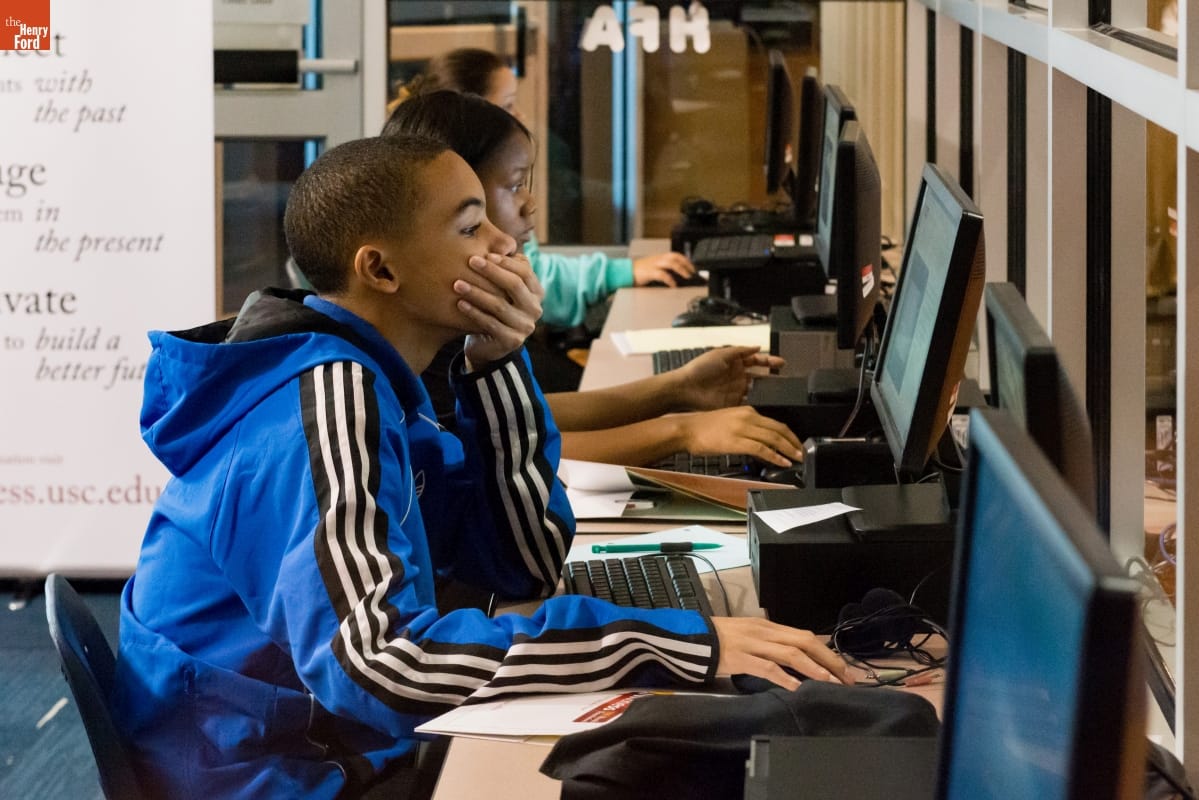
- August 01, 2015
- Collections - Artifact
Henry Ford Academy Students Working on Computers, Shoah Foundation Event, August 2015
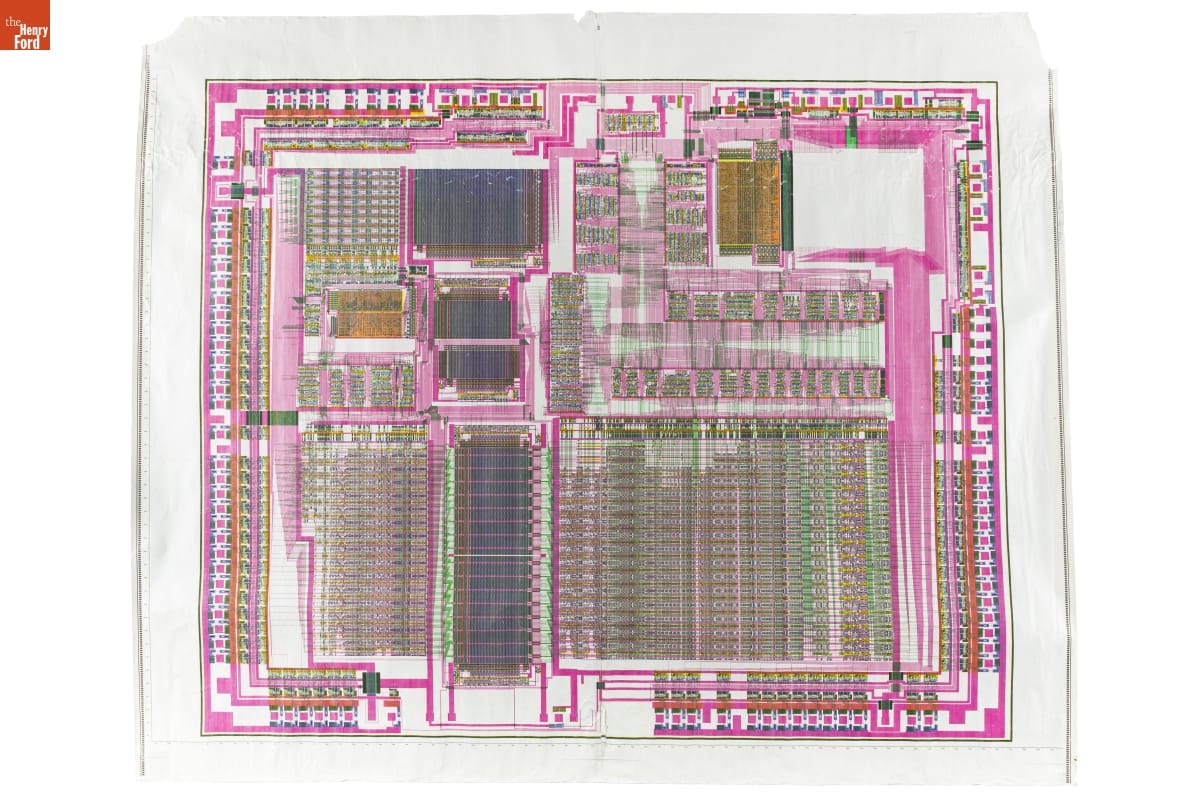
- Computer Chip Printout - Lillian Schwartz is a pioneer of computer-generated art. From 1969-2002, she was a "resident visitor" at Bell Laboratories, producing groundbreaking films, videos, and multimedia works. The Schwartz Collection spans Lillian's childhood into her late career, documenting an expansive mindset, mastery over traditional and experimental mediums alike--and above all--an ability to create inspirational connections between science, art, and technology.
- Collections - Artifact
Computer Chip Printout
Lillian Schwartz is a pioneer of computer-generated art. From 1969-2002, she was a "resident visitor" at Bell Laboratories, producing groundbreaking films, videos, and multimedia works. The Schwartz Collection spans Lillian's childhood into her late career, documenting an expansive mindset, mastery over traditional and experimental mediums alike--and above all--an ability to create inspirational connections between science, art, and technology.
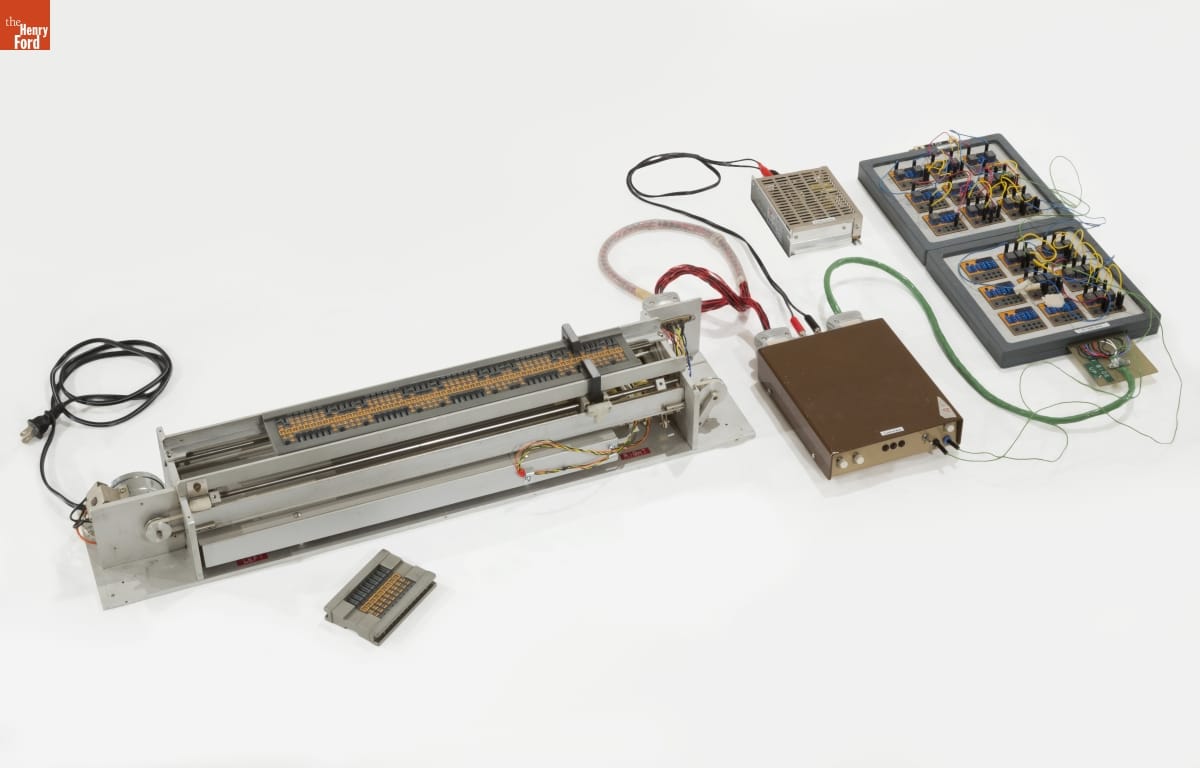
- "TOWTMTEWP" Computer, circa 1972 - In 1936, Alan Turing wrote about a theoretical universal computer now referred to as a "Turing Machine." In 1972, Washington University professors Wesley Clark and Bob Arnzen likely made the first physical version of Turing's machine. Clark used the TOWTMTEWP ("The Only Working Turing Machine There Ever Was Probably") as an educational tool, demonstrating basic computer theory for his students.
- circa 1972
- Collections - Artifact
"TOWTMTEWP" Computer, circa 1972
In 1936, Alan Turing wrote about a theoretical universal computer now referred to as a "Turing Machine." In 1972, Washington University professors Wesley Clark and Bob Arnzen likely made the first physical version of Turing's machine. Clark used the TOWTMTEWP ("The Only Working Turing Machine There Ever Was Probably") as an educational tool, demonstrating basic computer theory for his students.
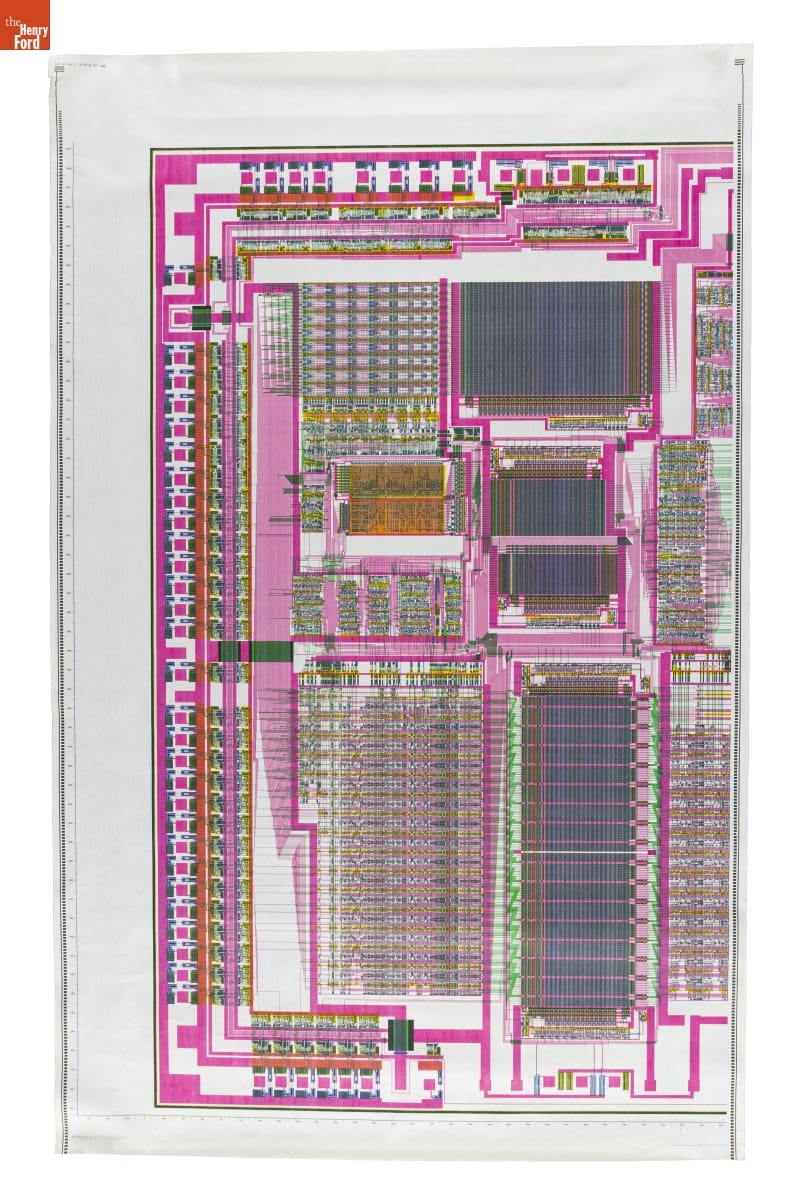
- Computer Chip Printouts, 1986 - Lillian Schwartz is a pioneer of computer-generated art. From 1969-2002, she was a "resident visitor" at Bell Laboratories, producing groundbreaking films, videos, and multimedia works. The Schwartz Collection spans Lillian's childhood into her late career, documenting an expansive mindset, mastery over traditional and experimental mediums alike--and above all--an ability to create inspirational connections between science, art, and technology.
- January 11, 1986
- Collections - Artifact
Computer Chip Printouts, 1986
Lillian Schwartz is a pioneer of computer-generated art. From 1969-2002, she was a "resident visitor" at Bell Laboratories, producing groundbreaking films, videos, and multimedia works. The Schwartz Collection spans Lillian's childhood into her late career, documenting an expansive mindset, mastery over traditional and experimental mediums alike--and above all--an ability to create inspirational connections between science, art, and technology.
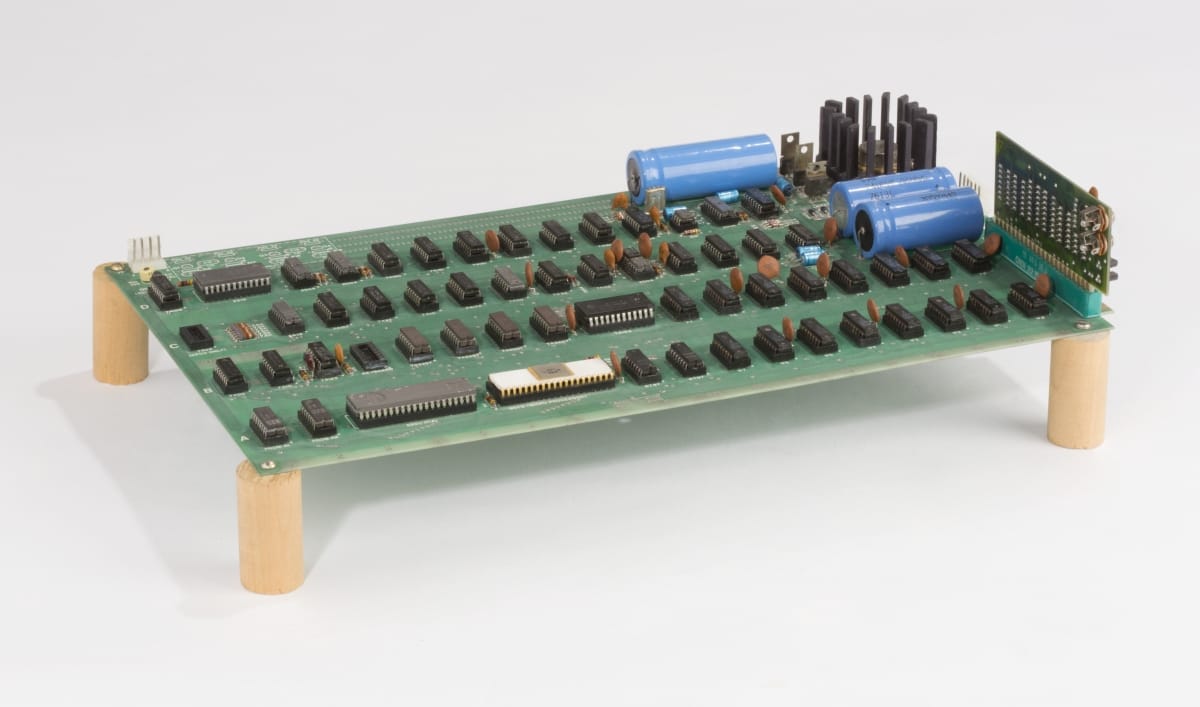
- Apple 1 Computer, 1976 - This is one of the first 50 Apple 1 computers. Apple 1s were the first pre-assembled personal computers; Steve Wozniak assembled this one in Steve Jobs's family home. Before the release of the Apple 1, owning a personal computer meant building it yourself. Wozniak's refined engineering skills, coupled with Jobs's bold marketing abilities, led to a revolutionary and affordable product--as well as a successful company.
- 1976-1980
- Collections - Artifact
Apple 1 Computer, 1976
This is one of the first 50 Apple 1 computers. Apple 1s were the first pre-assembled personal computers; Steve Wozniak assembled this one in Steve Jobs's family home. Before the release of the Apple 1, owning a personal computer meant building it yourself. Wozniak's refined engineering skills, coupled with Jobs's bold marketing abilities, led to a revolutionary and affordable product--as well as a successful company.