
Search
- "Designing for People," 1955 -
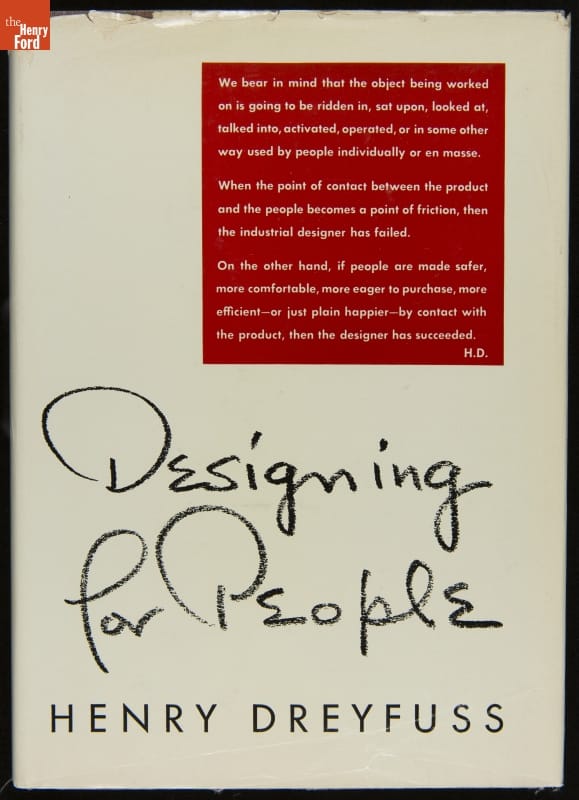
- 1955
- Collections - Artifact
"Designing for People," 1955
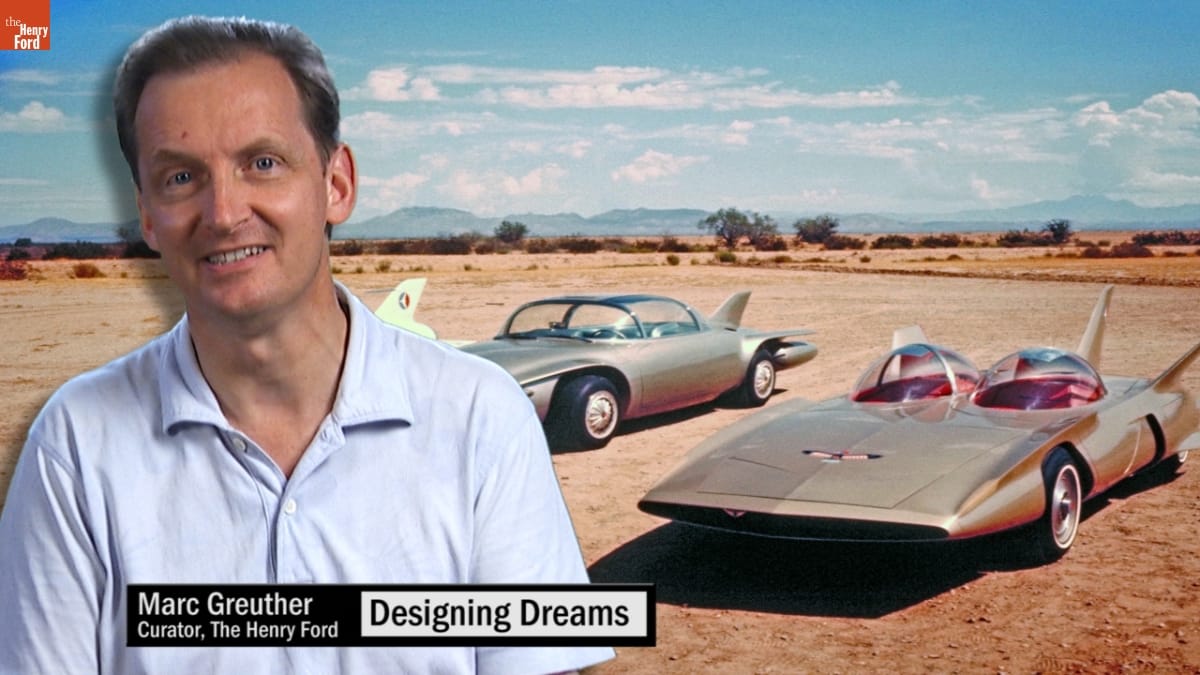
- "Designing Dreams" Clip from Interview with Marc Greuther, 2011 - Marc Greuther is the Chief Curator and Curator of Industry and Design at The Henry Ford.
- 2011
- Collections - Artifact
"Designing Dreams" Clip from Interview with Marc Greuther, 2011
Marc Greuther is the Chief Curator and Curator of Industry and Design at The Henry Ford.
- Designing Aeron -

- May 19, 2016
- Collections - Set
Designing Aeron
- "Designing," Clip from Interview with A.J. Foyt, August 18, 2008 - A.J. Foyt earned victories in sprint cars, sports cars, and stock cars. But his greatest achievements were at the Indianapolis 500, where he became the first driver to win the race four times: in 1961, 1964, 1967, and 1977. He earned a fifth Indy 500 win, as a team owner, in 1999. The Henry Ford interviewed Foyt in 2009.

- January 09, 2009
- Collections - Artifact
"Designing," Clip from Interview with A.J. Foyt, August 18, 2008
A.J. Foyt earned victories in sprint cars, sports cars, and stock cars. But his greatest achievements were at the Indianapolis 500, where he became the first driver to win the race four times: in 1961, 1964, 1967, and 1977. He earned a fifth Indy 500 win, as a team owner, in 1999. The Henry Ford interviewed Foyt in 2009.
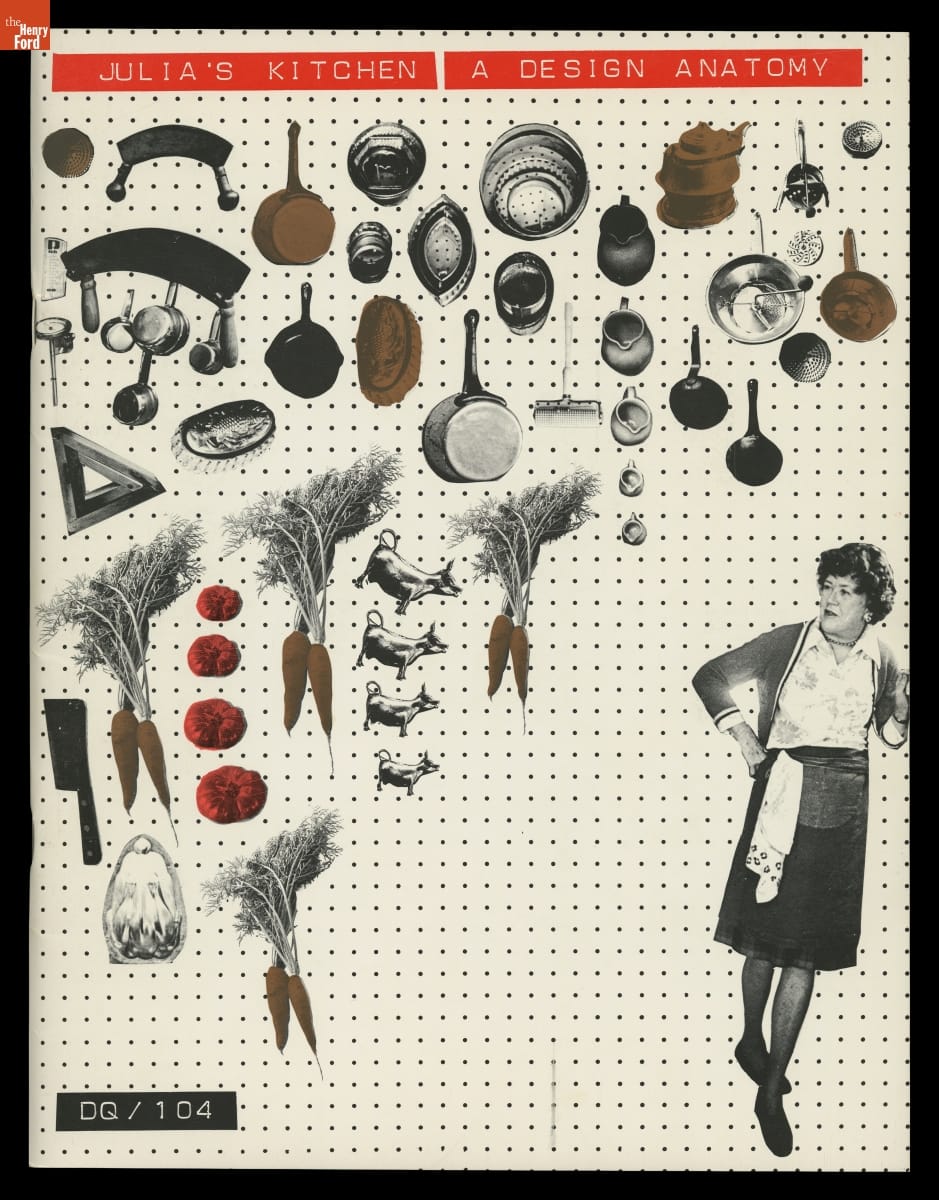
- Design Quarterly: Julia's Kitchen, A Design Anatomy, 1977 - In 1977, "Julia's Kitchen: A Design Anatomy" was published as the first in a series of "design anatomies" by <em>Design Quarterly</em>. In this issue, designer Bill Stumpf and his team examined how Julia Child -- a chef well-versed in the functions of a kitchen -- designed her own kitchen. Numerous sketches and photographs, as well as hours of interviews with Paul and Julia Child, informed the issue.
- 1977
- Collections - Artifact
Design Quarterly: Julia's Kitchen, A Design Anatomy, 1977
In 1977, "Julia's Kitchen: A Design Anatomy" was published as the first in a series of "design anatomies" by Design Quarterly. In this issue, designer Bill Stumpf and his team examined how Julia Child -- a chef well-versed in the functions of a kitchen -- designed her own kitchen. Numerous sketches and photographs, as well as hours of interviews with Paul and Julia Child, informed the issue.
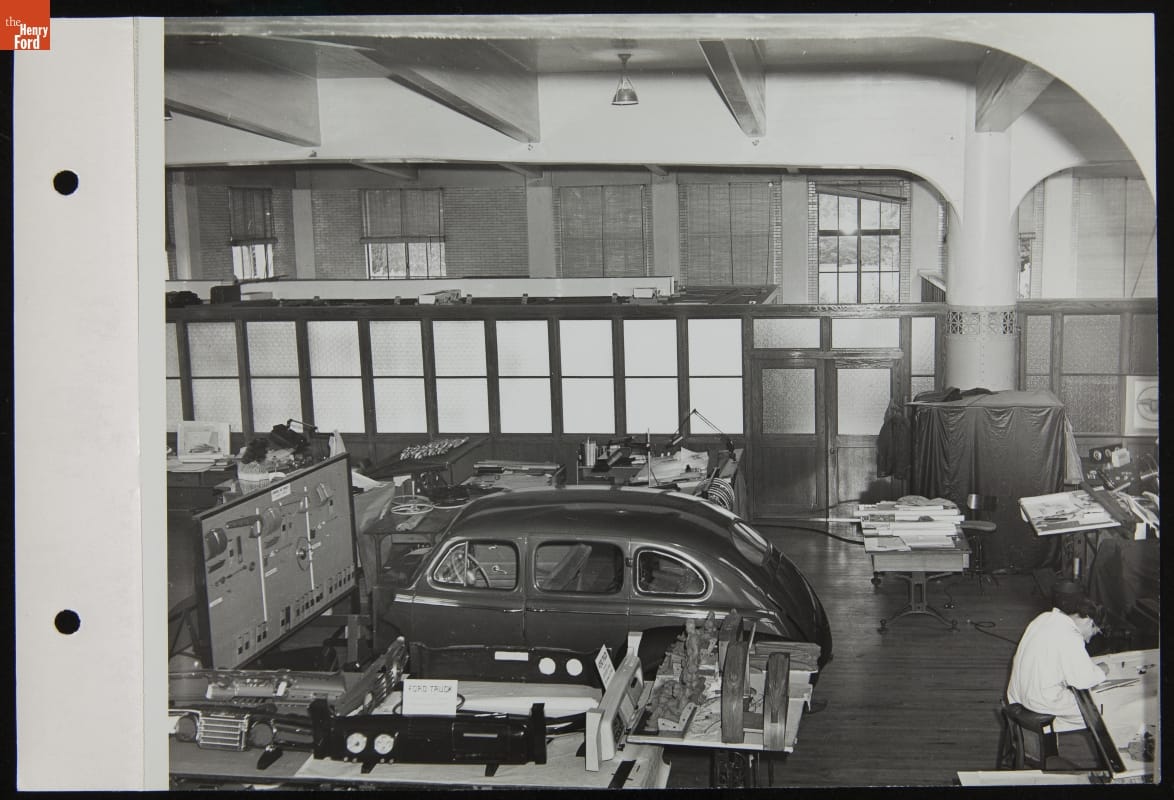
- Ford Design Department, Woman Designer in Background, July 1945 - Ford Motor Company formally established its Design Department in 1935. Edsel Ford, the guiding force behind the automaker's design efforts in the 1920s and 1930s, appointed E.T. "Bob" Gregorie to run the new unit. It was housed in a portion of the Ford Engineering Laboratory in Dearborn, Michigan, until moving to a new, nearby Product Development Center in 1953.
- July 03, 1945
- Collections - Artifact
Ford Design Department, Woman Designer in Background, July 1945
Ford Motor Company formally established its Design Department in 1935. Edsel Ford, the guiding force behind the automaker's design efforts in the 1920s and 1930s, appointed E.T. "Bob" Gregorie to run the new unit. It was housed in a portion of the Ford Engineering Laboratory in Dearborn, Michigan, until moving to a new, nearby Product Development Center in 1953.
- "Rose Design" Blanket -
- Collections - Artifact
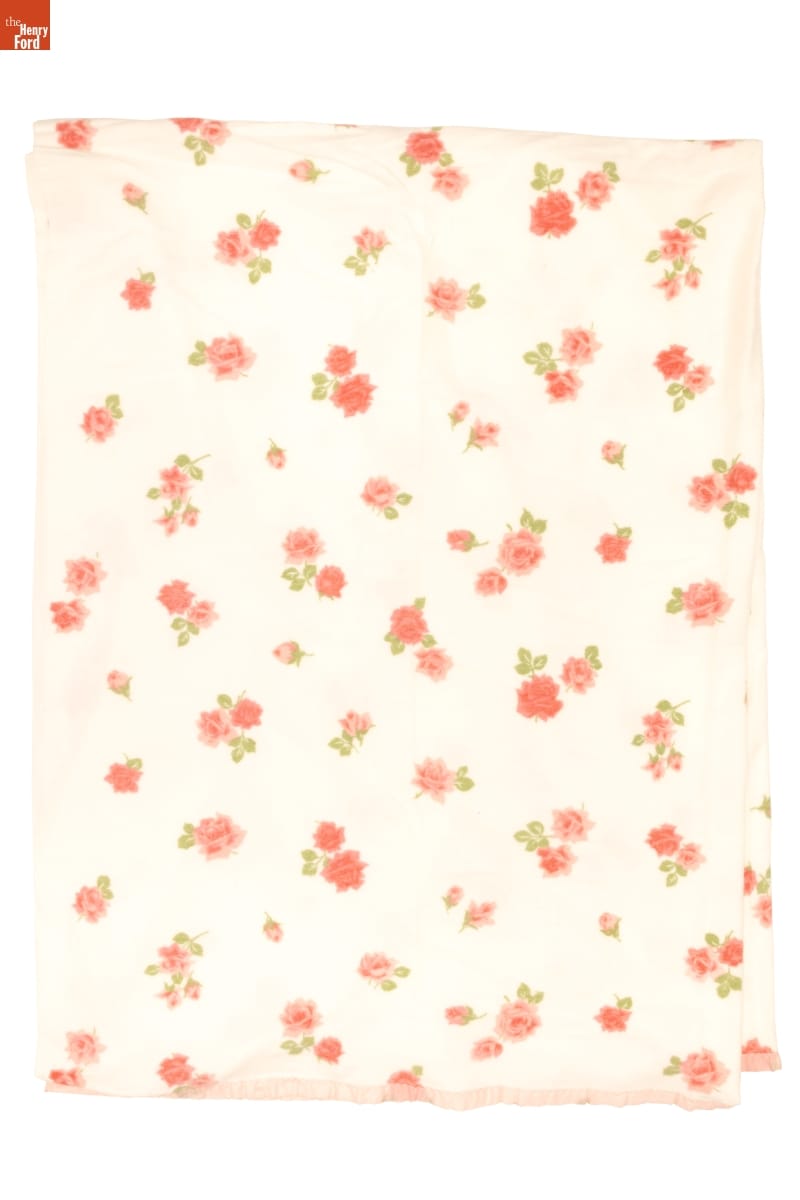
"Rose Design" Blanket
- Dave MacDonald, Ken Miles, and Pete Brock Taking Measurements Used in Designing the Shelby Cobra Daytona Coupe, 1963-1964 - Carroll Shelby and his Shelby American team built six Shelby Cobra Daytona Coupes. Based on the chassis and powertrain from Shelby's Cobra roadster, the closed-cockpit Daytona Coupe battled Ferrari's 250 GTO in the 1964 and 1965 racing seasons. The Daytona Coupe earned Shelby American a 1965 World Manufacturer's Championship in the GT class -- the first for an American builder.
- October 1963 - February 1964
- Collections - Artifact
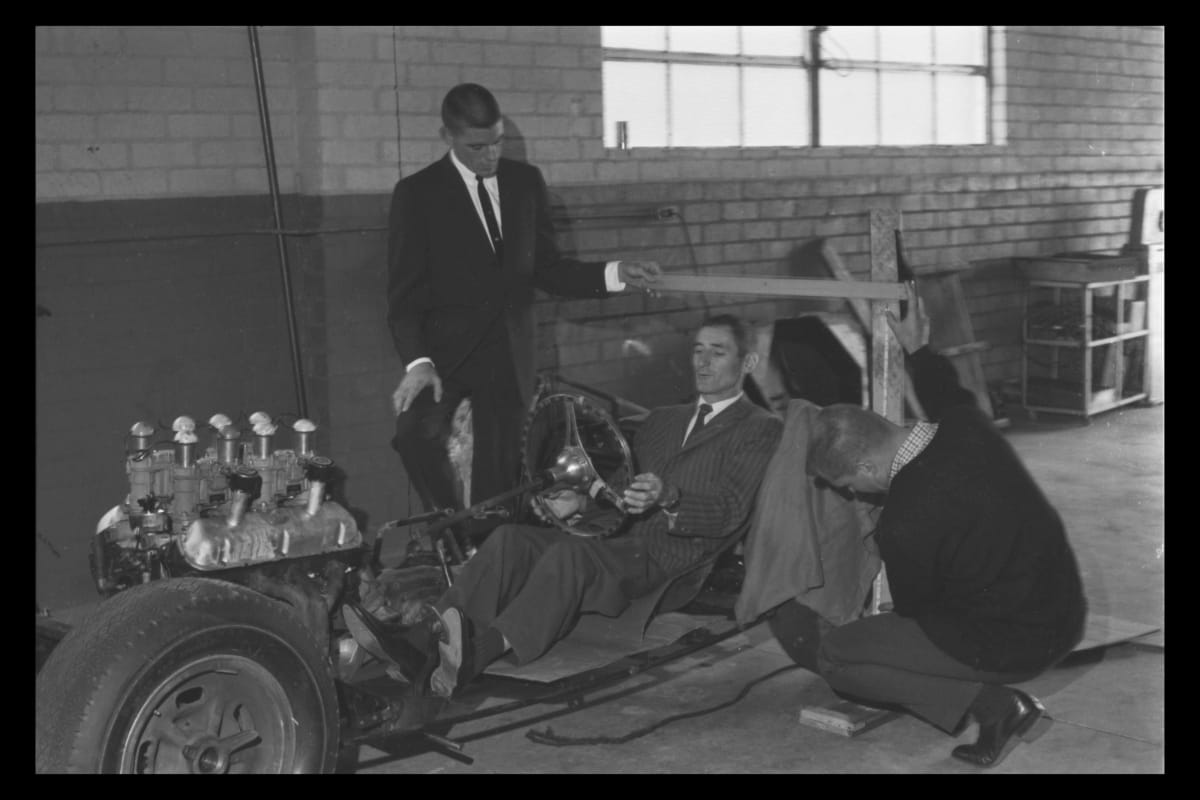
Dave MacDonald, Ken Miles, and Pete Brock Taking Measurements Used in Designing the Shelby Cobra Daytona Coupe, 1963-1964
Carroll Shelby and his Shelby American team built six Shelby Cobra Daytona Coupes. Based on the chassis and powertrain from Shelby's Cobra roadster, the closed-cockpit Daytona Coupe battled Ferrari's 250 GTO in the 1964 and 1965 racing seasons. The Daytona Coupe earned Shelby American a 1965 World Manufacturer's Championship in the GT class -- the first for an American builder.
- Fisher-Price Industrial Designer Uses Computer-Aided Design, circa 1990 -
- circa 1990
- Collections - Artifact
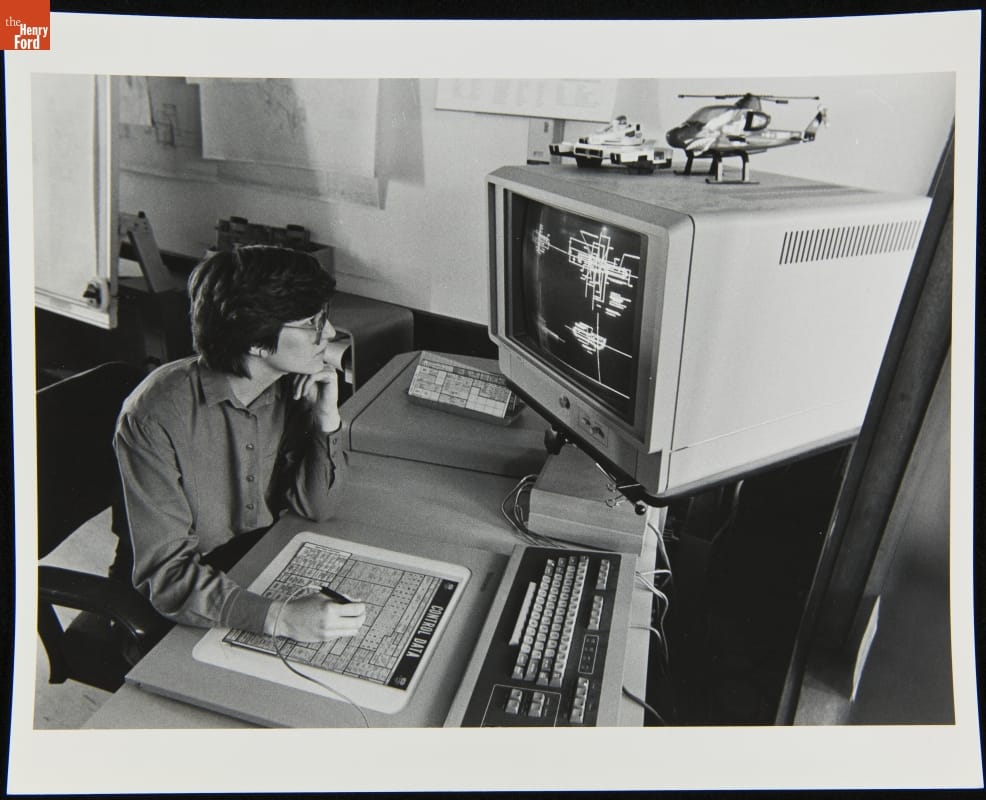
Fisher-Price Industrial Designer Uses Computer-Aided Design, circa 1990
- Design Brochure for Iavicoli & Rossi, "Production and Interior Design," circa 1991 - Following their success with the Walking Office Wearable Computer, Vincenzo Iavicoli and Maria Luisa Rossi continued to work together under the Salotto Dinamico name. Together they explored new technology, new behaviors prompted by design objects, and new atmospheres. This brochure presents a timeline of their important projects including tableware, furniture, and restaurant interiors in Japan and Italy.
- circa 1991
- Collections - Artifact
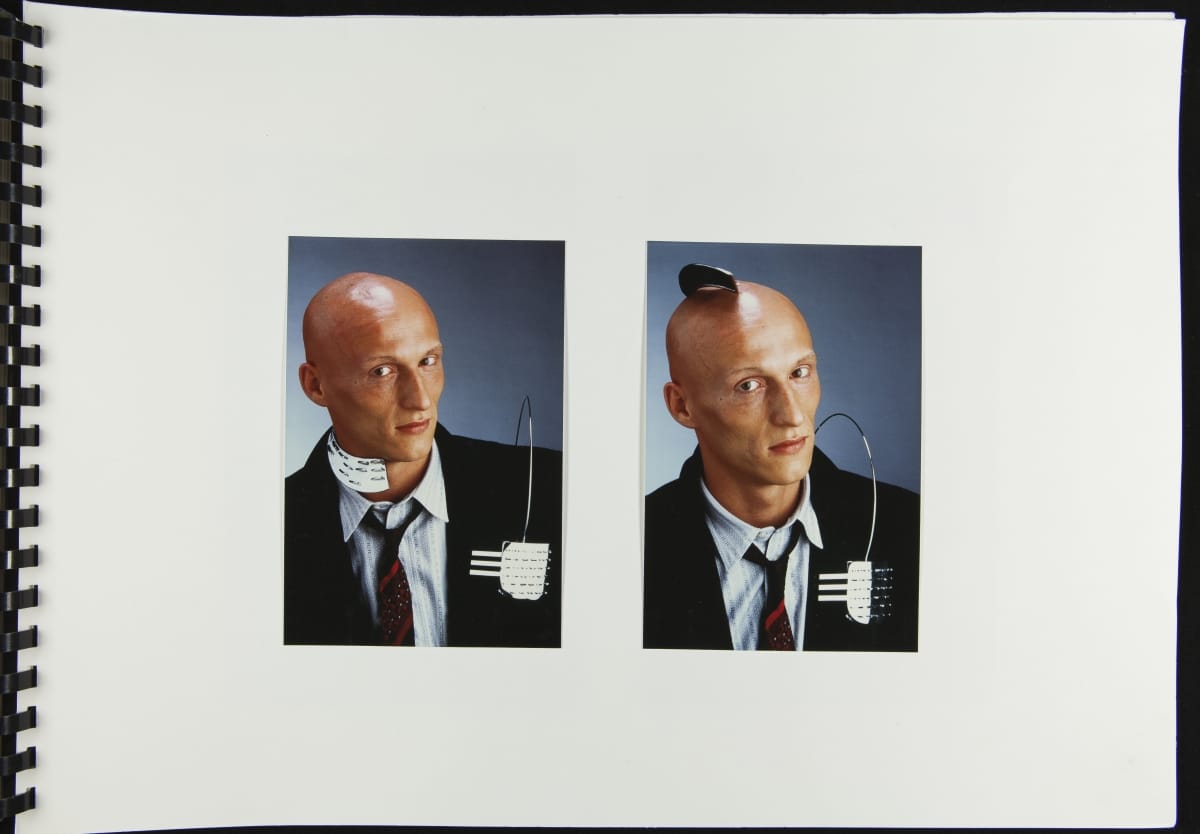
Design Brochure for Iavicoli & Rossi, "Production and Interior Design," circa 1991
Following their success with the Walking Office Wearable Computer, Vincenzo Iavicoli and Maria Luisa Rossi continued to work together under the Salotto Dinamico name. Together they explored new technology, new behaviors prompted by design objects, and new atmospheres. This brochure presents a timeline of their important projects including tableware, furniture, and restaurant interiors in Japan and Italy.