
Search
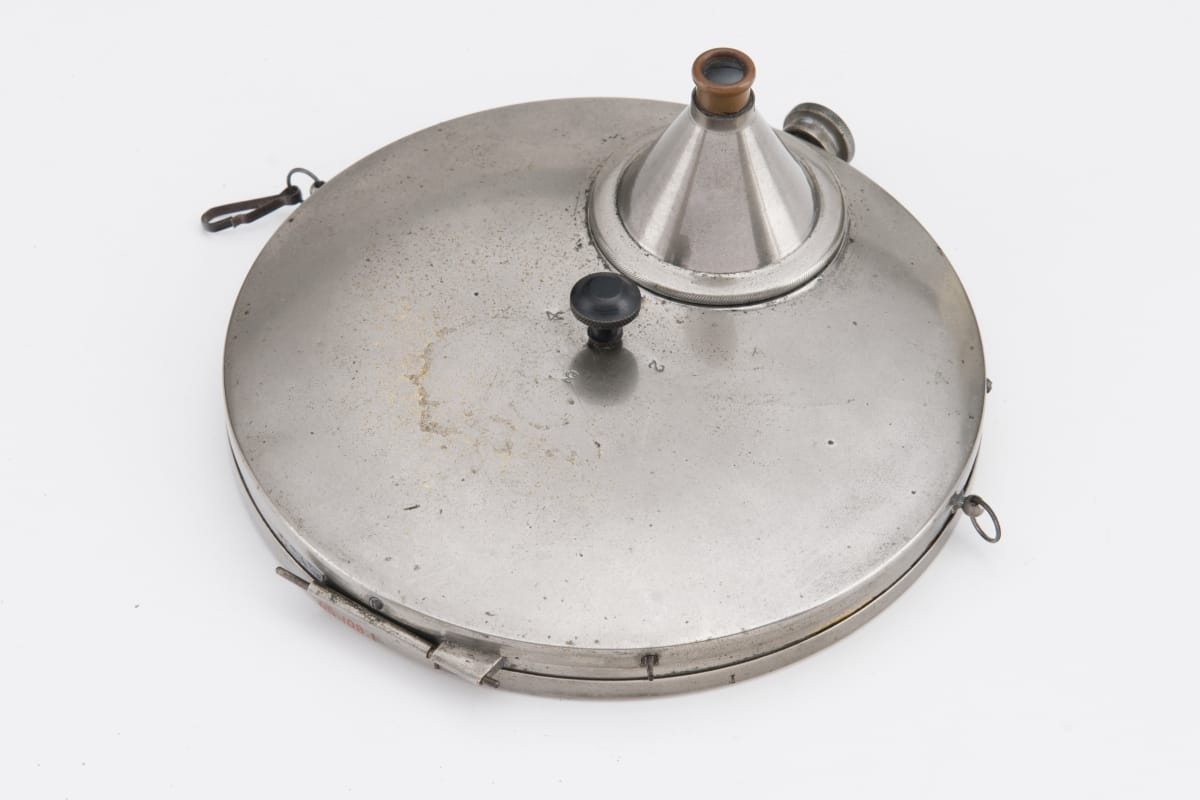
- Detective Camera, 1886-1890 - In 1885, Robert D. Gray created one of the earliest commercial spy cameras. It was designed for concealment: worn under a shirt, with the small lens protruding from a button hole. The spring shutter on the flat disc could be triggered with little suspicion. After each image was taken, the glass plate inside the disc rotated, producing small round photographs.
- 1886-1890
- Collections - Artifact
Detective Camera, 1886-1890
In 1885, Robert D. Gray created one of the earliest commercial spy cameras. It was designed for concealment: worn under a shirt, with the small lens protruding from a button hole. The spring shutter on the flat disc could be triggered with little suspicion. After each image was taken, the glass plate inside the disc rotated, producing small round photographs.
- Detective Camera, circa 1889 -
- circa 1889
- Collections - Artifact
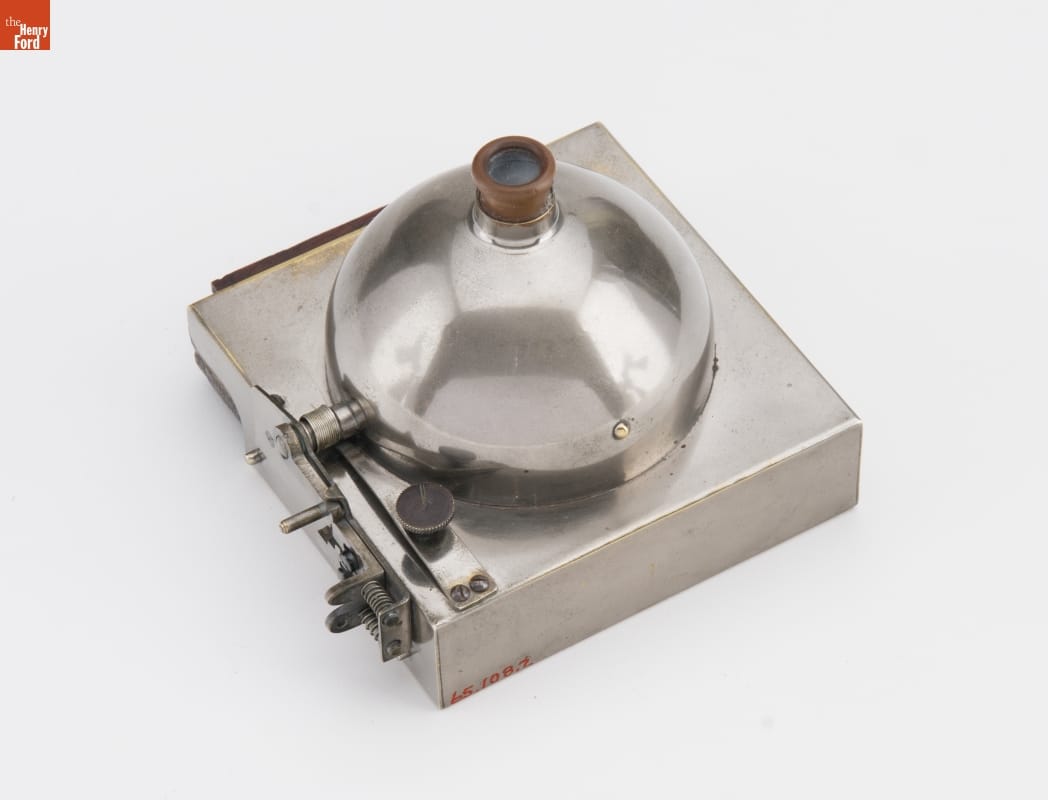
Detective Camera, circa 1889
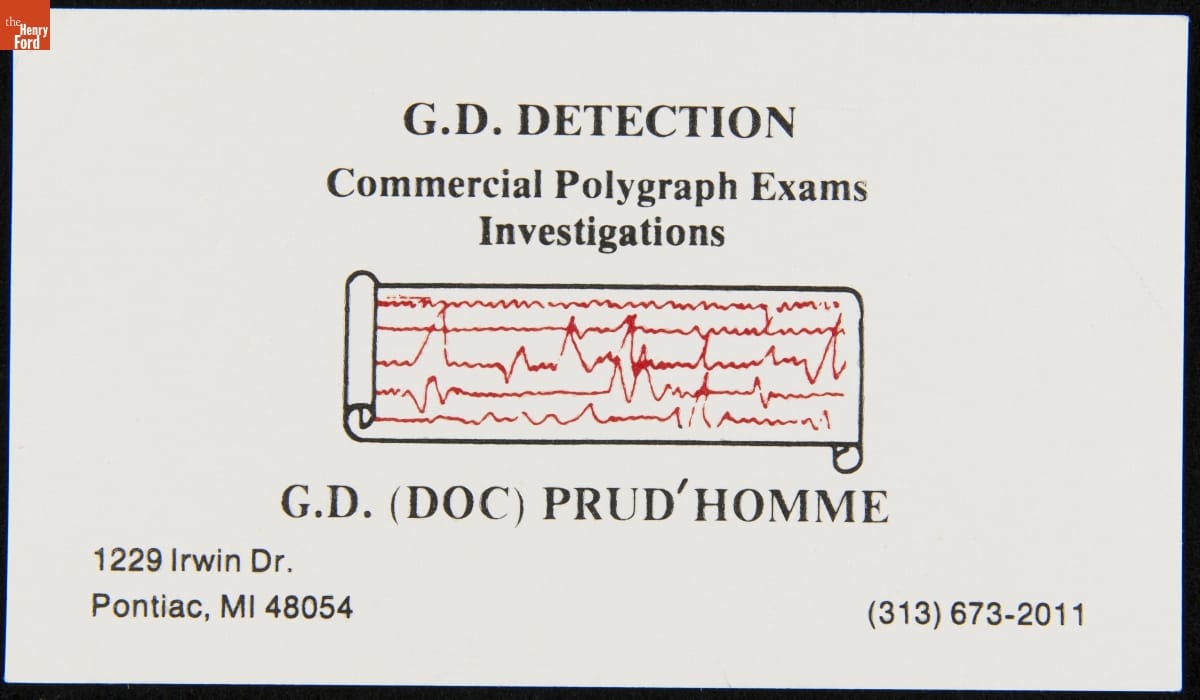
- Business Card for "G.D. Detection," 1974-1990 - "Doc" Prud'homme is the former owner and chief examiner of Polygraph Specialists Company. Polygraphs are more popularly known as "lie detector" machines. Prud'homme trained to use these devices while stationed in Vietnam. Upon returning to Michigan, he established his own business. The mobility of the polygraph machine allowed him to administer tests throughout the Metro-Detroit area.
- 1974-1990
- Collections - Artifact
Business Card for "G.D. Detection," 1974-1990
"Doc" Prud'homme is the former owner and chief examiner of Polygraph Specialists Company. Polygraphs are more popularly known as "lie detector" machines. Prud'homme trained to use these devices while stationed in Vietnam. Upon returning to Michigan, he established his own business. The mobility of the polygraph machine allowed him to administer tests throughout the Metro-Detroit area.
- Camera -
- Collections - Artifact
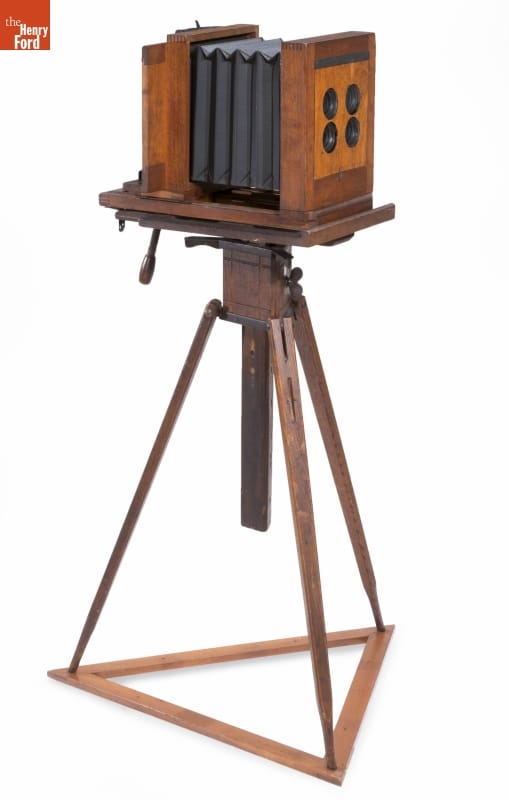
Camera
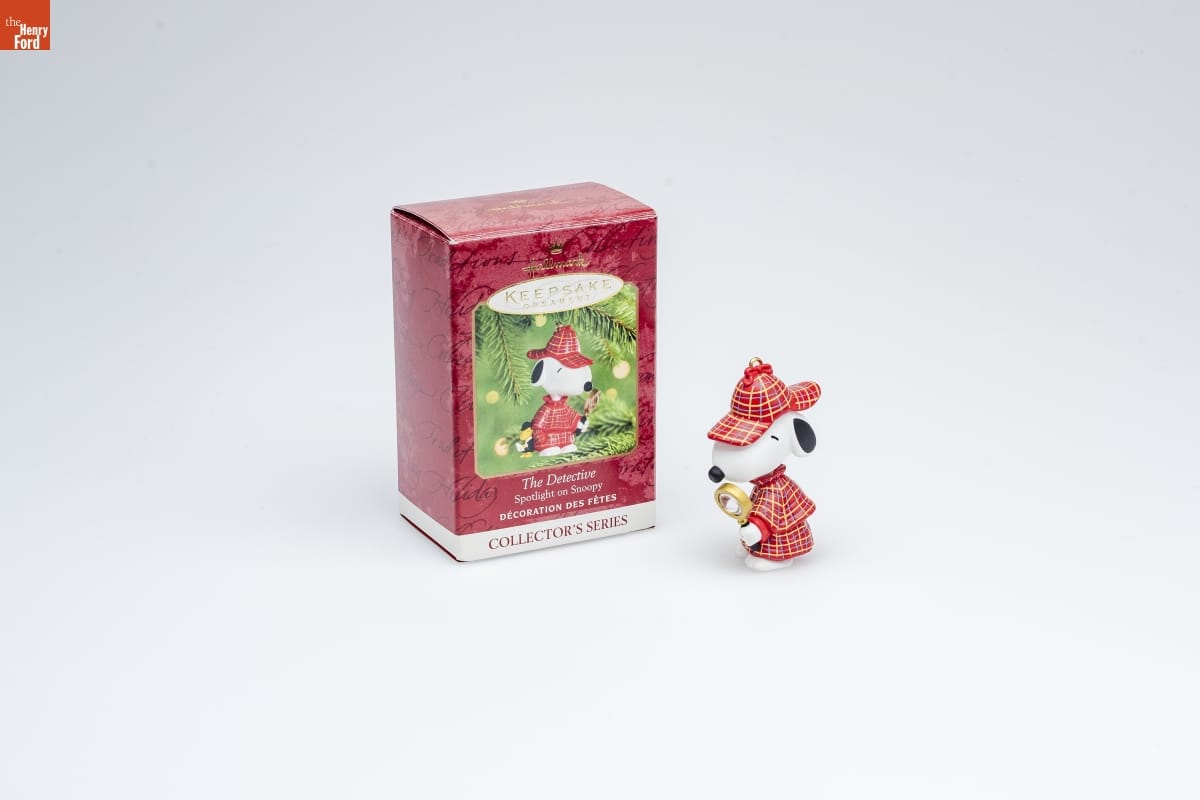
- Hallmark "Spotlight on Snoopy Series: The Detective" Christmas Ornament, 2000 - Already known for greeting cards, Hallmark introduced a line of Christmas ornaments in 1973. The company's annual release of an increasing array of ornaments revolutionized Christmas decorating, appealing to customers' interest in marking memories and milestones as well as expressing one's personality and unique tastes.
- 2000
- Collections - Artifact
Hallmark "Spotlight on Snoopy Series: The Detective" Christmas Ornament, 2000
Already known for greeting cards, Hallmark introduced a line of Christmas ornaments in 1973. The company's annual release of an increasing array of ornaments revolutionized Christmas decorating, appealing to customers' interest in marking memories and milestones as well as expressing one's personality and unique tastes.
- Camera Tripod -
- Collections - Artifact
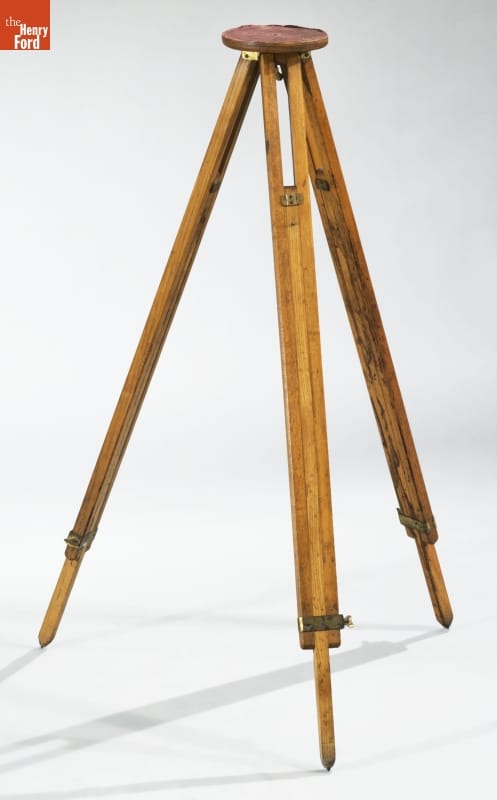
Camera Tripod
- Camera Tripod -
- Collections - Artifact
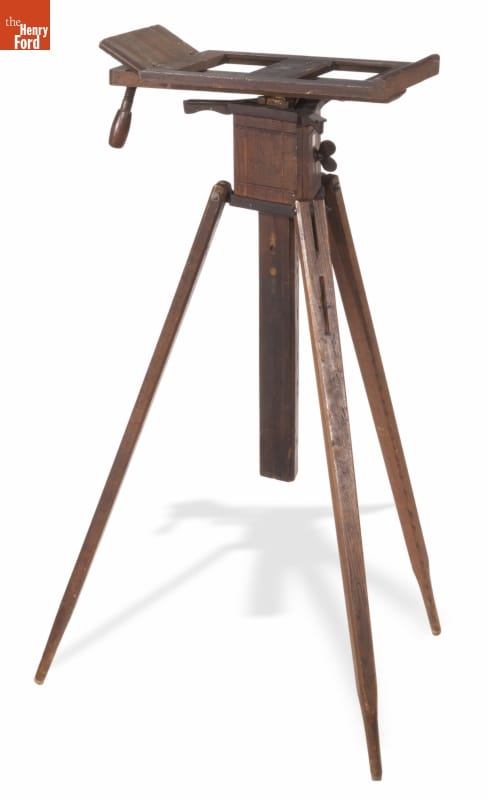
Camera Tripod
- Camera Lens -
- Collections - Artifact
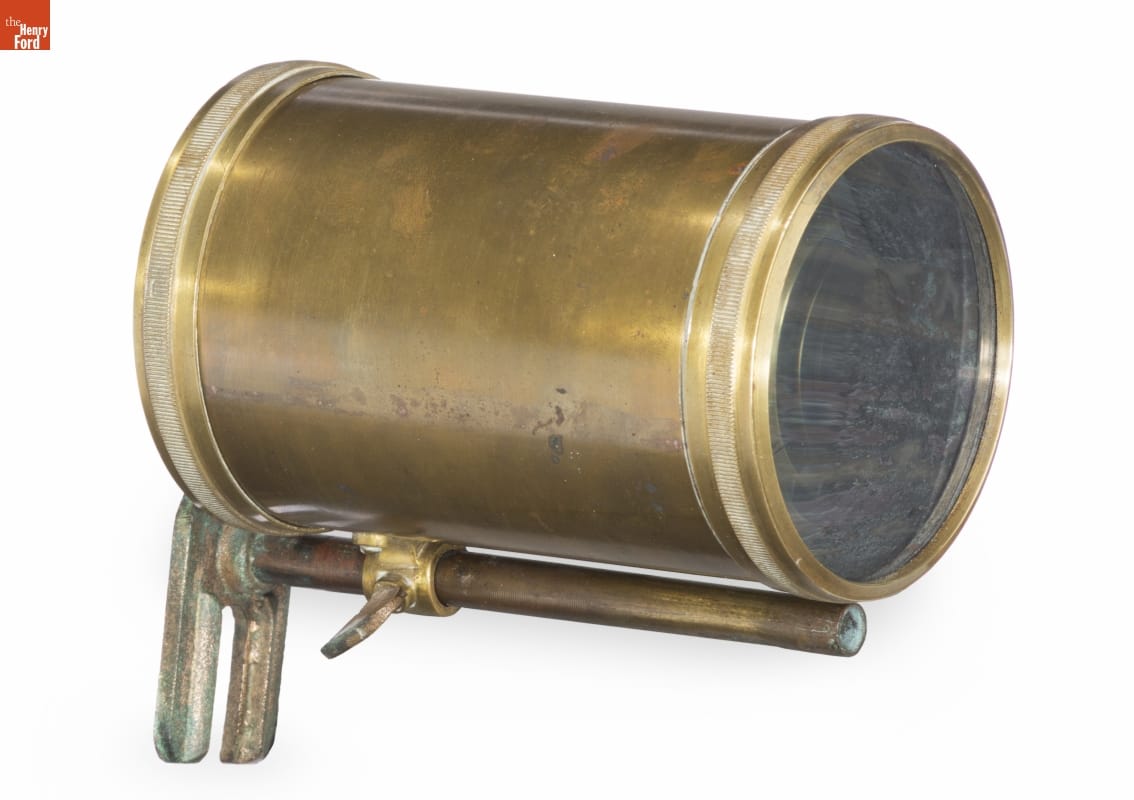
Camera Lens
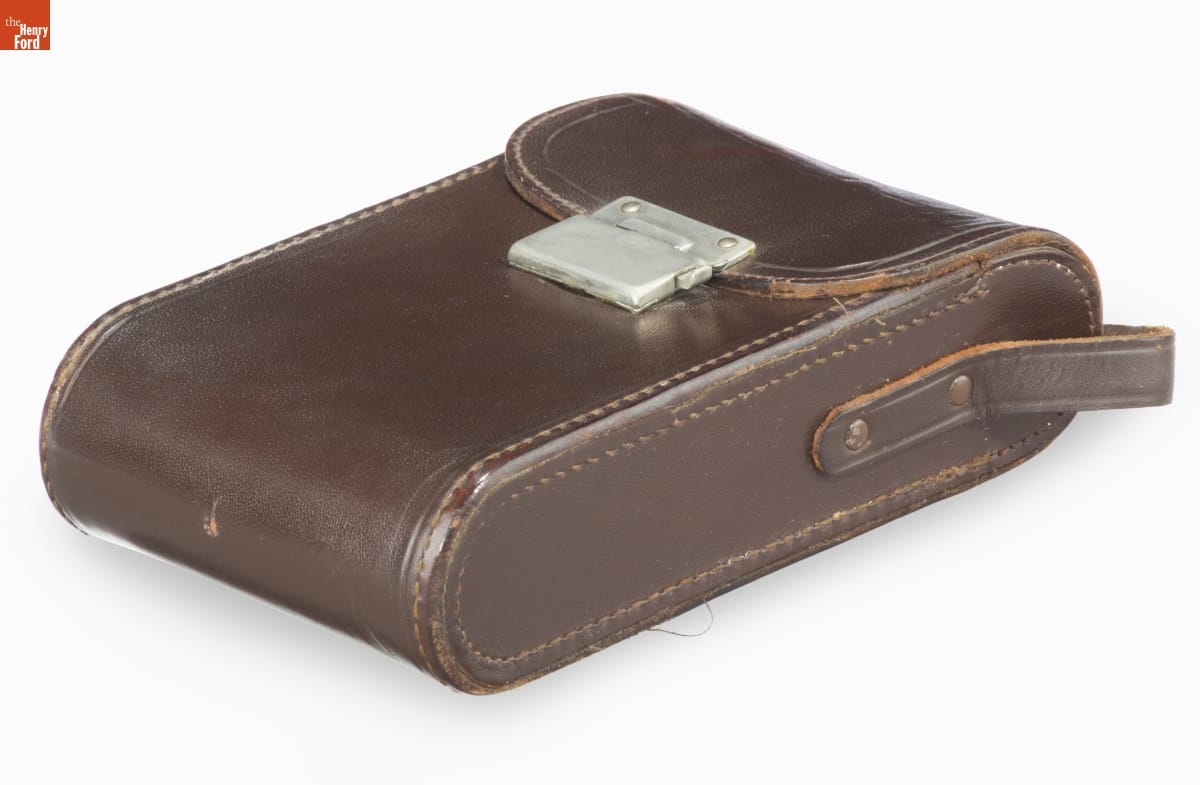
- Camera Case -
- Collections - Artifact
Camera Case
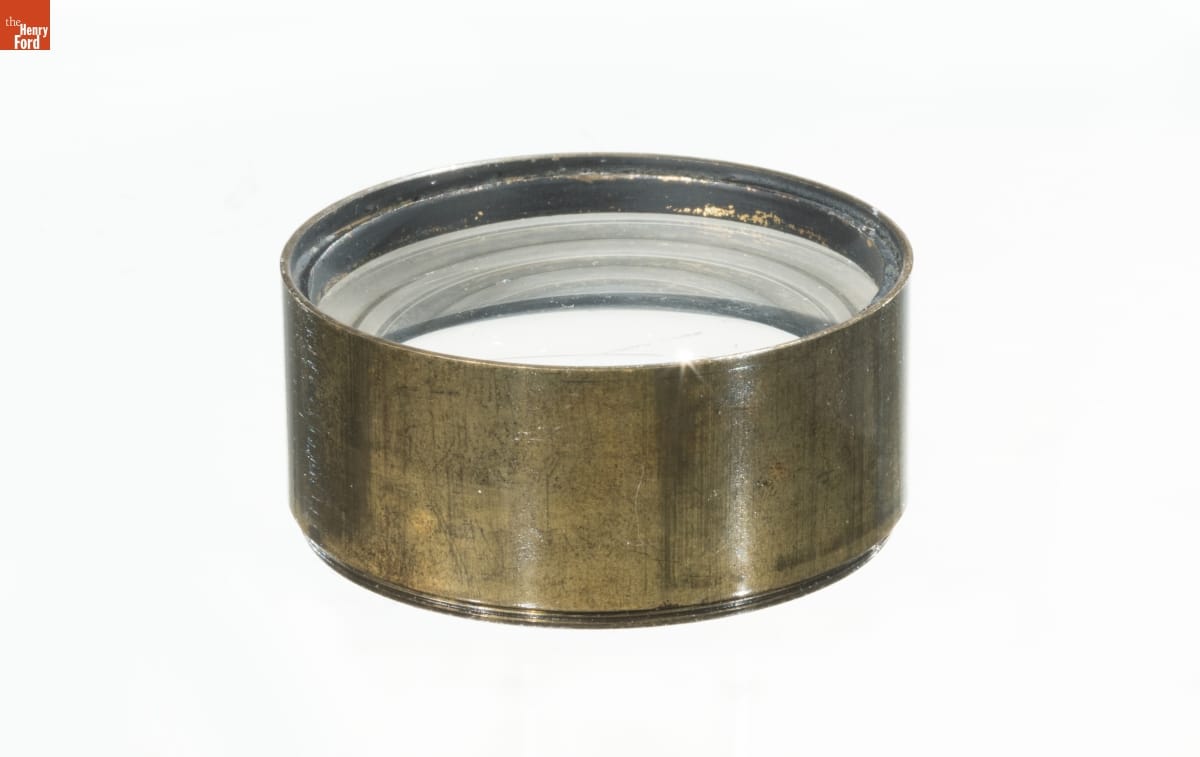
- Camera Lens -
- Collections - Artifact
Camera Lens