
Search
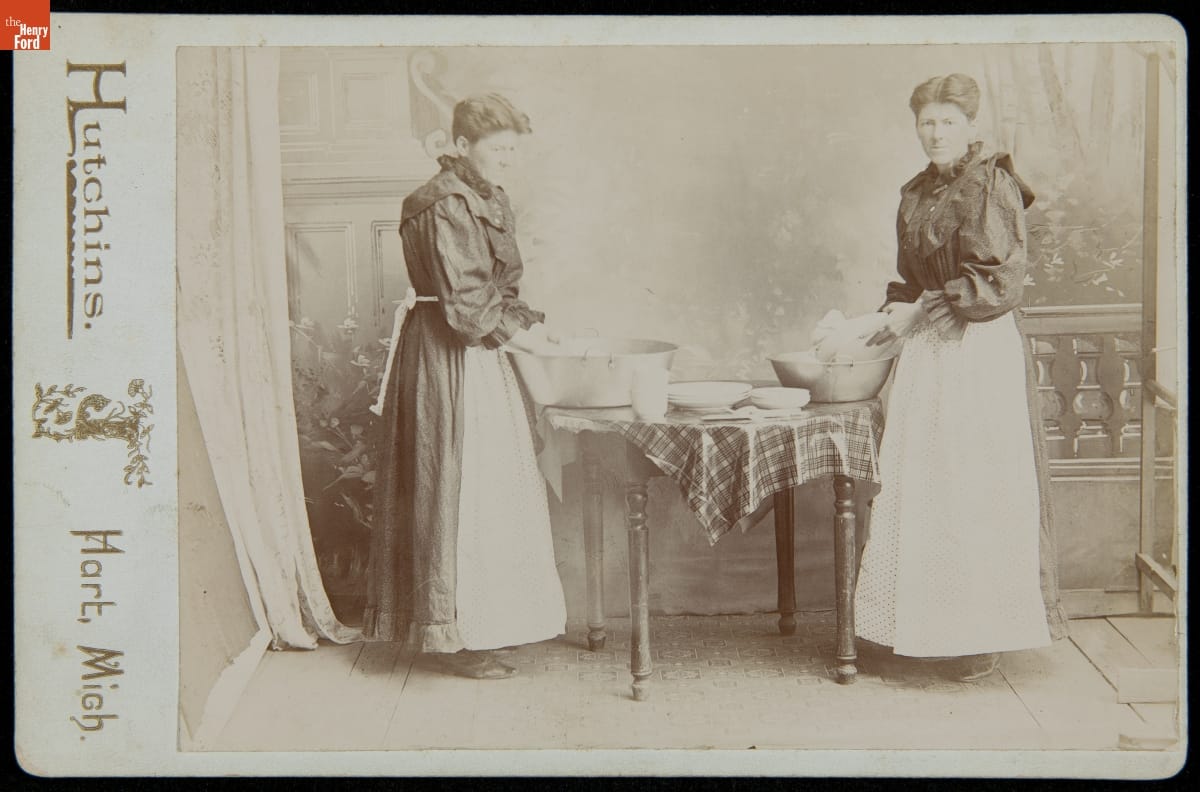
- Woman Washing Dishes, circa 1895 -
- circa 1895
- Collections - Artifact
Woman Washing Dishes, circa 1895
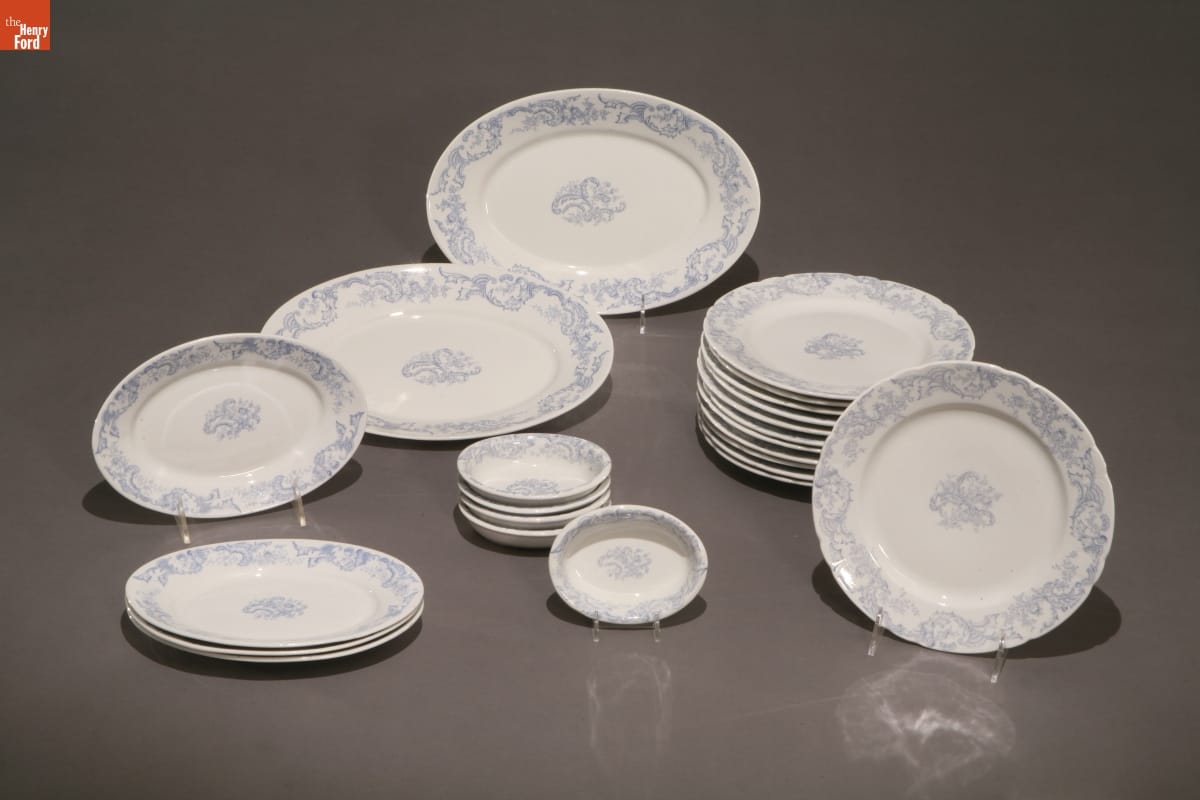
- Set of Dishes, circa 1890 - George Newhall of San Francisco, California, used these dishes for picnics and outings. They were packed in his fancy "Park Drag" carriage. Well-to-do gentlemen like Newhall drove carriages like these to social events like horse races. There they could enjoy an excellent view from their high seat atop the vehicle while servants served them food and drinks from inside.
- circa 1890
- Collections - Artifact
Set of Dishes, circa 1890
George Newhall of San Francisco, California, used these dishes for picnics and outings. They were packed in his fancy "Park Drag" carriage. Well-to-do gentlemen like Newhall drove carriages like these to social events like horse races. There they could enjoy an excellent view from their high seat atop the vehicle while servants served them food and drinks from inside.
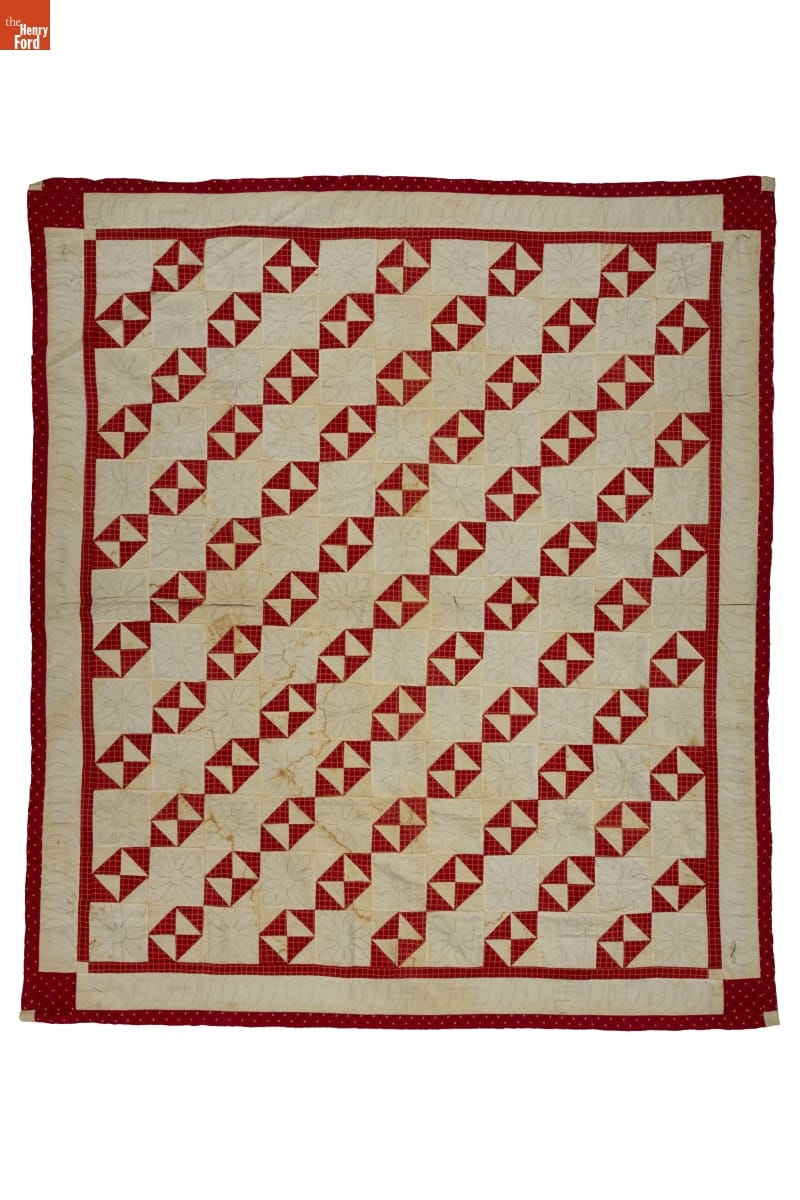
- Broken Dishes Crib Quilt, 1860-1865 -
- 1860-1865
- Collections - Artifact
Broken Dishes Crib Quilt, 1860-1865
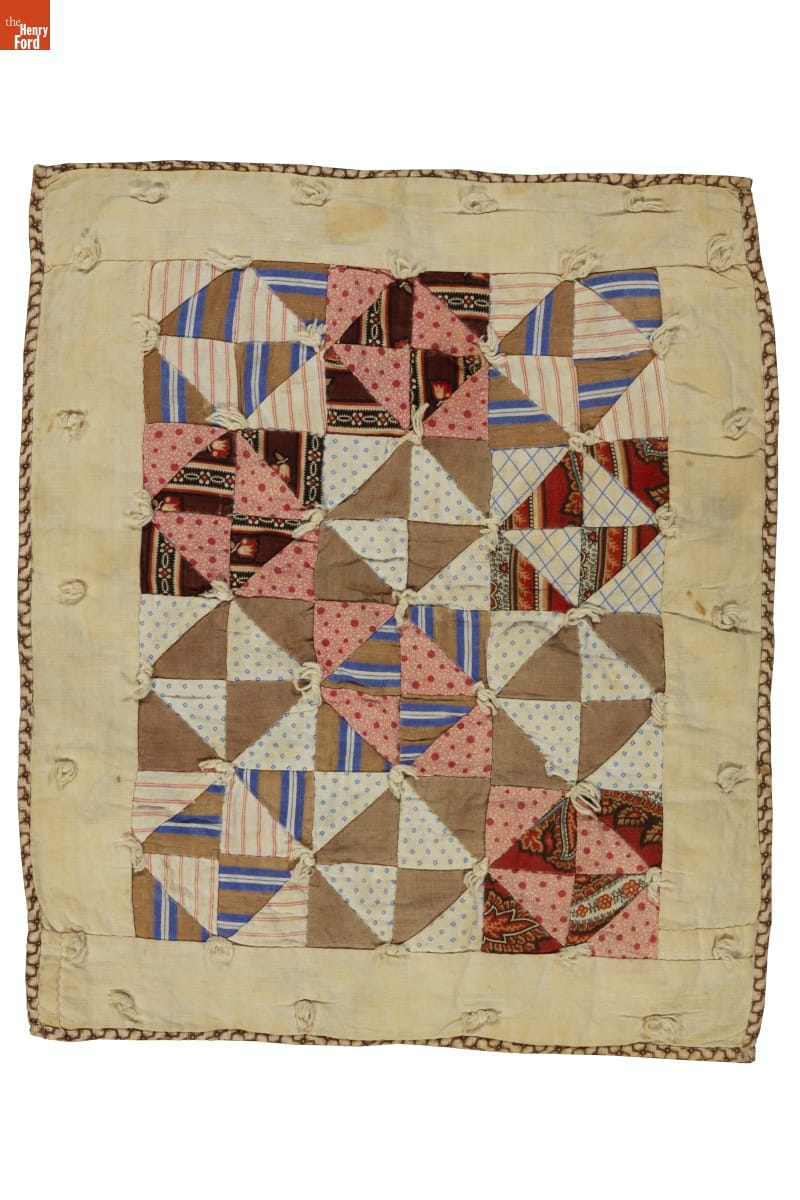
- Broken Dishes Doll Quilt, circa 1880 -
- circa 1880
- Collections - Artifact
Broken Dishes Doll Quilt, circa 1880
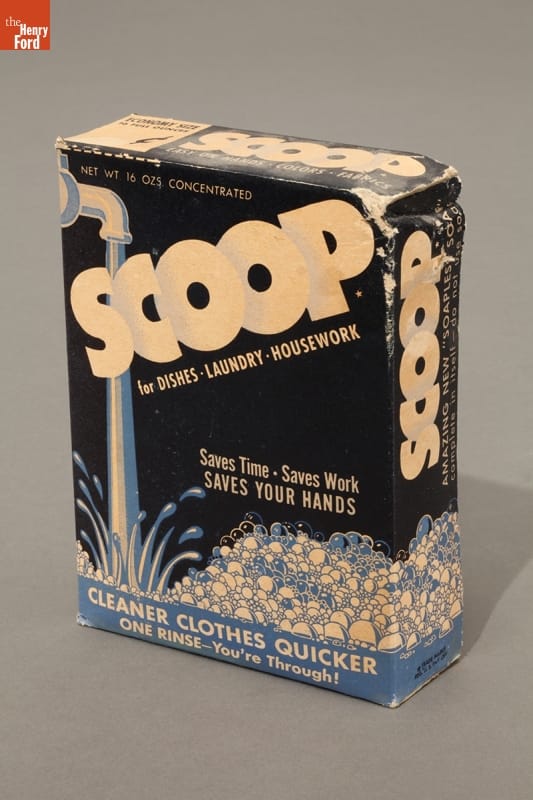
- Scoop for Dishes, Laundry, Housework, 1930-1939 -
- 1930-1939
- Collections - Artifact
Scoop for Dishes, Laundry, Housework, 1930-1939
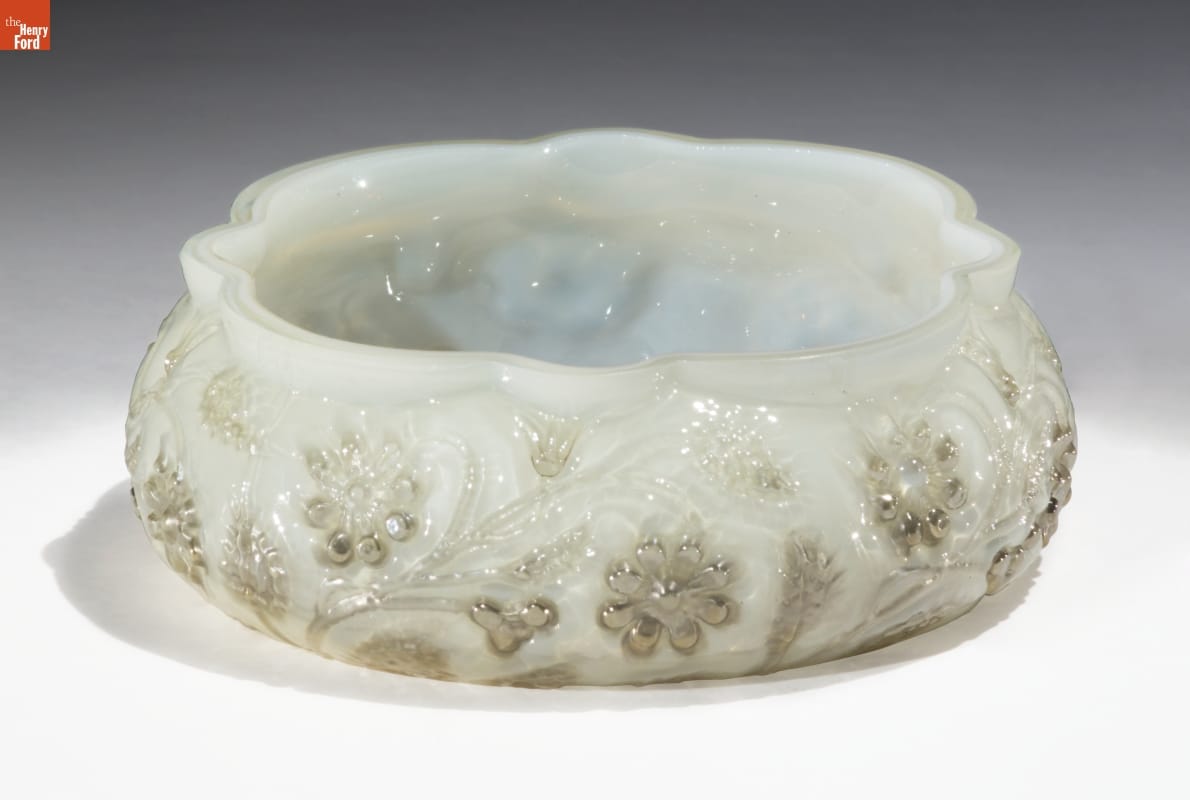
- Dish, 1889 - Art Glass is ornamental and decorative glass dating from the mid-to-late 19th century through the early 20th century. Makers of Art Glass employed newly developed technologies for producing vibrant colors and surface textures. This is most famously seen in the iridescent surfaces of Louis Comfort Tiffany and his contemporaries, although Art Glass took many shapes and forms.
- 1889
- Collections - Artifact
Dish, 1889
Art Glass is ornamental and decorative glass dating from the mid-to-late 19th century through the early 20th century. Makers of Art Glass employed newly developed technologies for producing vibrant colors and surface textures. This is most famously seen in the iridescent surfaces of Louis Comfort Tiffany and his contemporaries, although Art Glass took many shapes and forms.
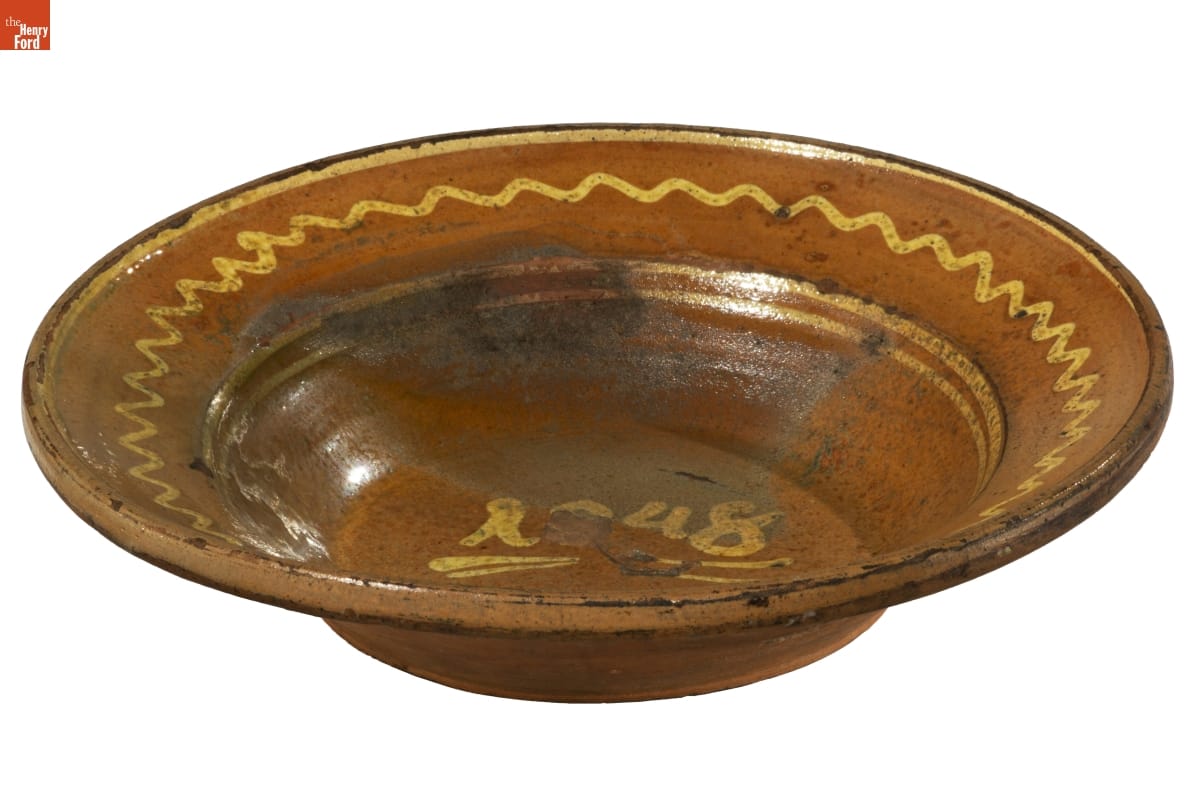
- Dish, 1848 -
- 1848
- Collections - Artifact
Dish, 1848
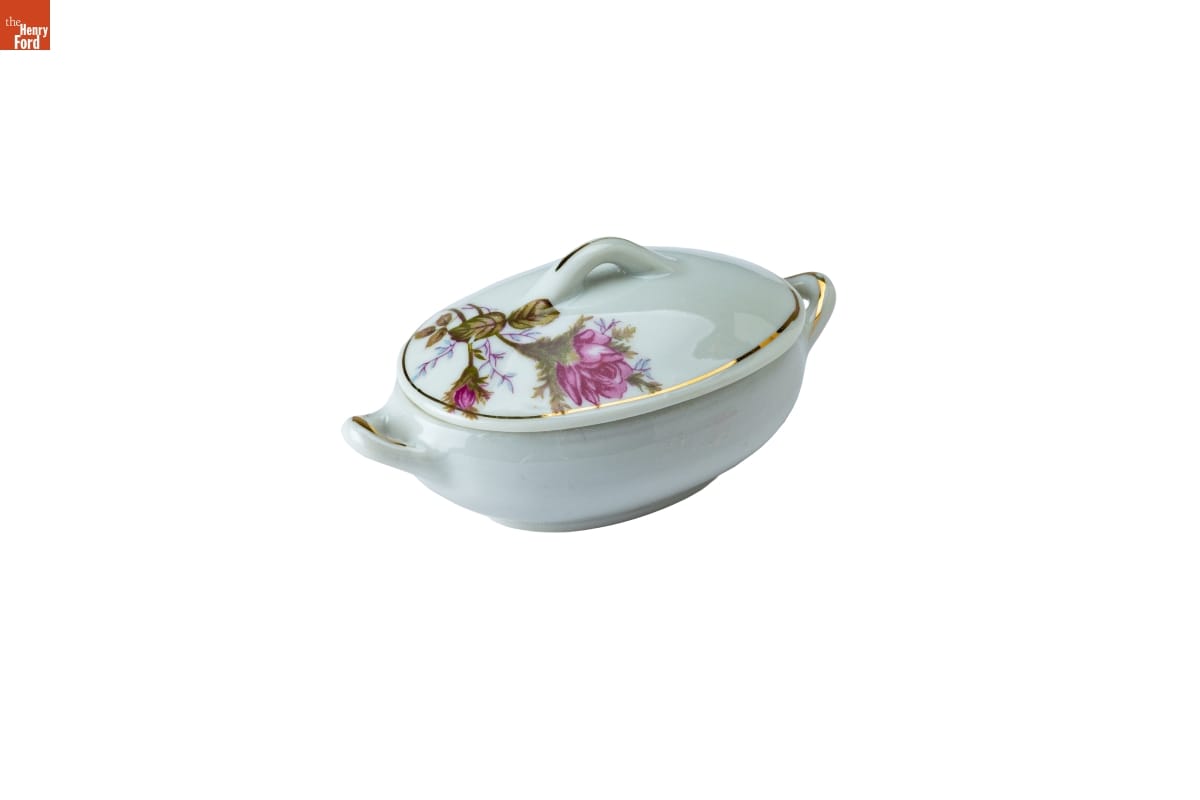
- Serving Dish -
- Collections - Artifact
Serving Dish
- Silver Dust for Laundry and Dishes, 1940-1949 -
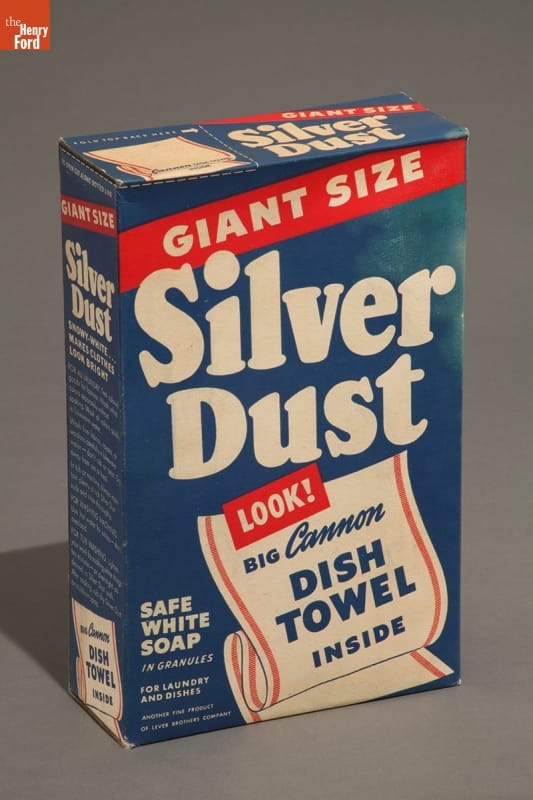
- 1940-1949
- Collections - Artifact
Silver Dust for Laundry and Dishes, 1940-1949
- Dish, 1954 -
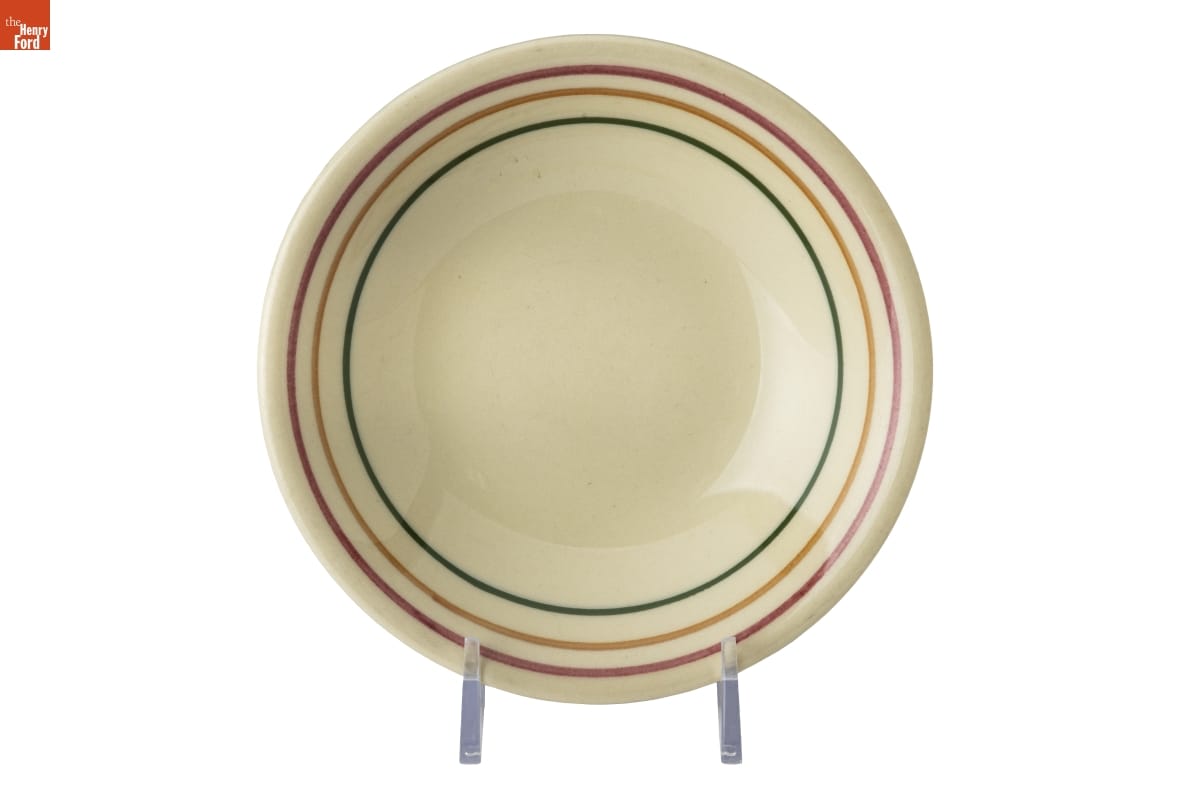
- 1954
- Collections - Artifact
Dish, 1954