
Search
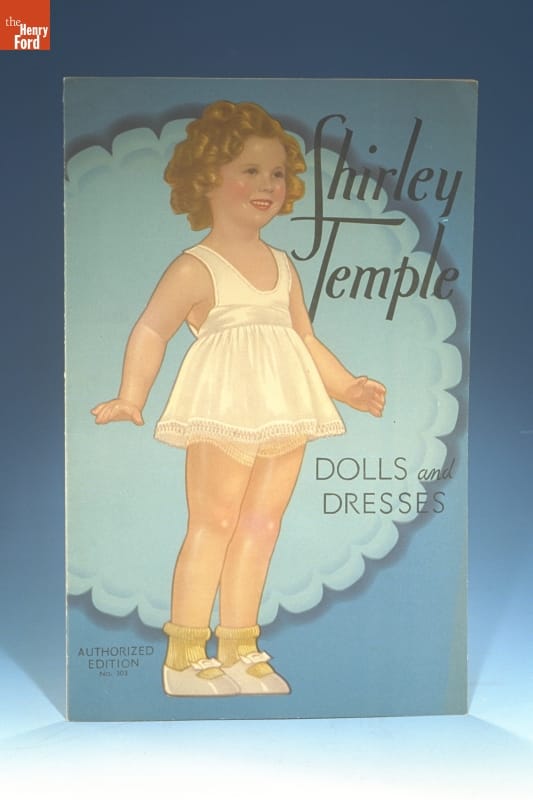
- Shirley Temple Dolls and Dresses, 1937 - The outfits in this set were copied from costumes that child actress Shirley Temple actually wore in her motion pictures. Photographic insets on each page show how she looked when she wore these dresses. The Saalfield Publishing Company published ten Shirley Temple paper doll sets between 1934 and 1942.
- 1937
- Collections - Artifact
Shirley Temple Dolls and Dresses, 1937
The outfits in this set were copied from costumes that child actress Shirley Temple actually wore in her motion pictures. Photographic insets on each page show how she looked when she wore these dresses. The Saalfield Publishing Company published ten Shirley Temple paper doll sets between 1934 and 1942.
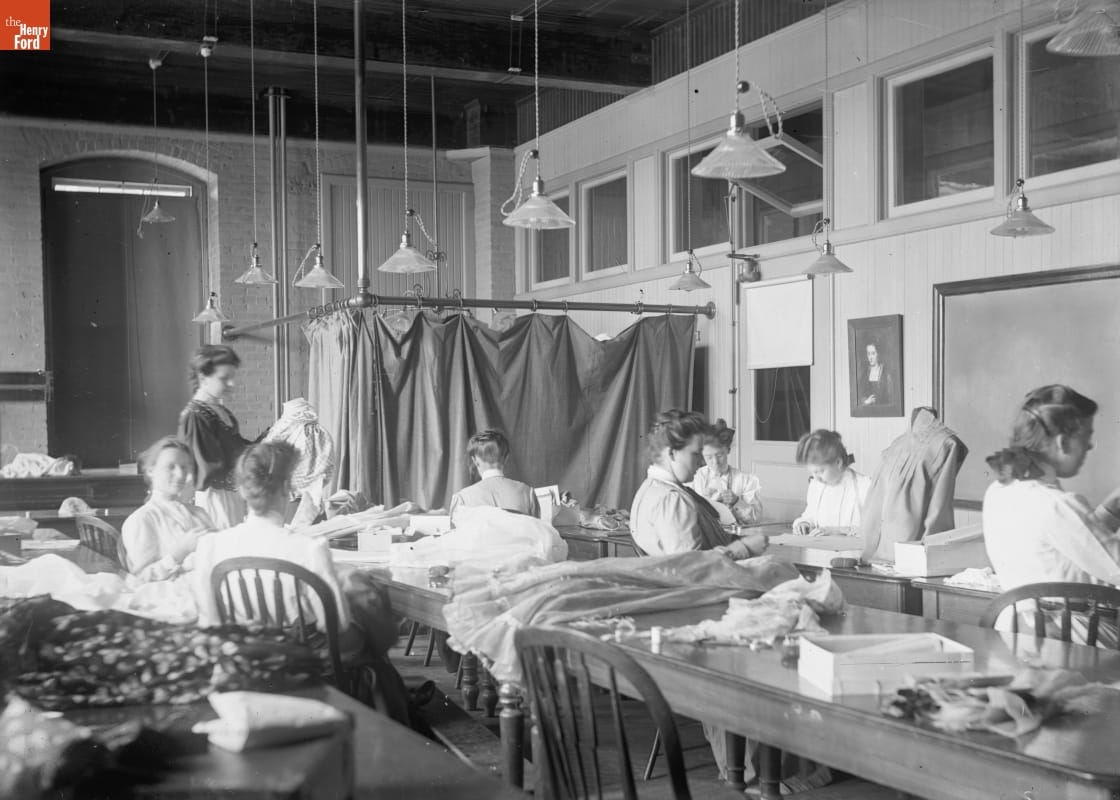
- Women Assembling Dresses, circa 1900 - In 1890, Jenny Young Chandler, 25 years old and recently widowed, began working for the <EM>New York Herald</EM>. As a photojournalist and feature writer, Chandler captured life in Brooklyn, New York, and vicinity. By 1922, the time of her death, she had produced over 800 glass plate negatives. Her sensitive, insightful photographs depict people from all walks of life and the world in which they lived.
- circa 1900
- Collections - Artifact
Women Assembling Dresses, circa 1900
In 1890, Jenny Young Chandler, 25 years old and recently widowed, began working for the New York Herald. As a photojournalist and feature writer, Chandler captured life in Brooklyn, New York, and vicinity. By 1922, the time of her death, she had produced over 800 glass plate negatives. Her sensitive, insightful photographs depict people from all walks of life and the world in which they lived.
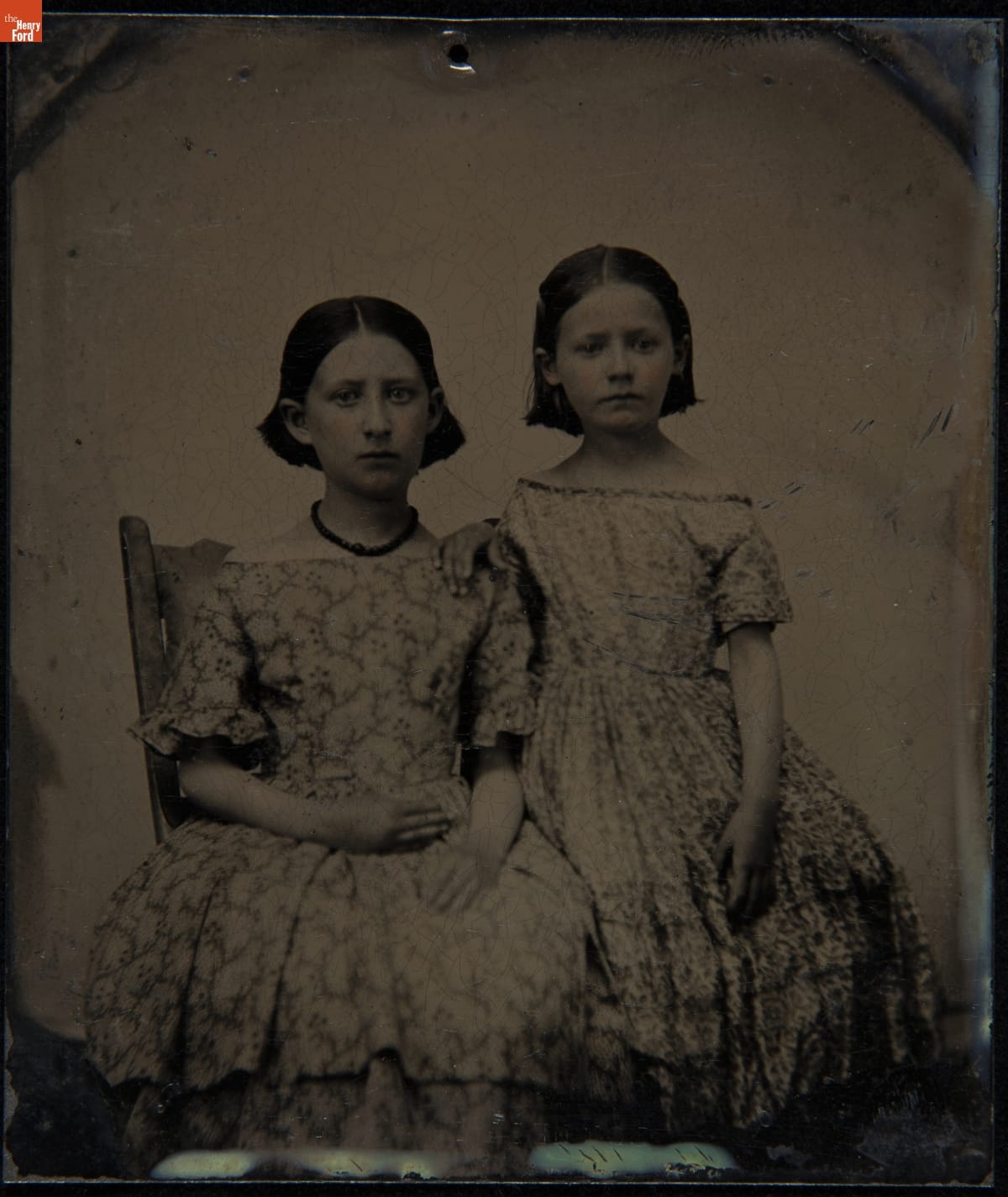
- Two Girls in Patterned Dresses, 1860-1869 - Tintypes, the popular "instant photographs" of the 19th century, could be produced in a matter of minutes at a price most people could afford. Tintypes democratized photography. Beginning in the mid-1850s, they gave more people than ever before the chance to have a real likeness of themselves--capturing unique glimpses of how everyday Americans looked and lived.
- 1860-1869
- Collections - Artifact
Two Girls in Patterned Dresses, 1860-1869
Tintypes, the popular "instant photographs" of the 19th century, could be produced in a matter of minutes at a price most people could afford. Tintypes democratized photography. Beginning in the mid-1850s, they gave more people than ever before the chance to have a real likeness of themselves--capturing unique glimpses of how everyday Americans looked and lived.
- Mary Hartline Magic Doll and Magic Stay-On Dresses, 1955 -
- 1955
- Collections - Artifact
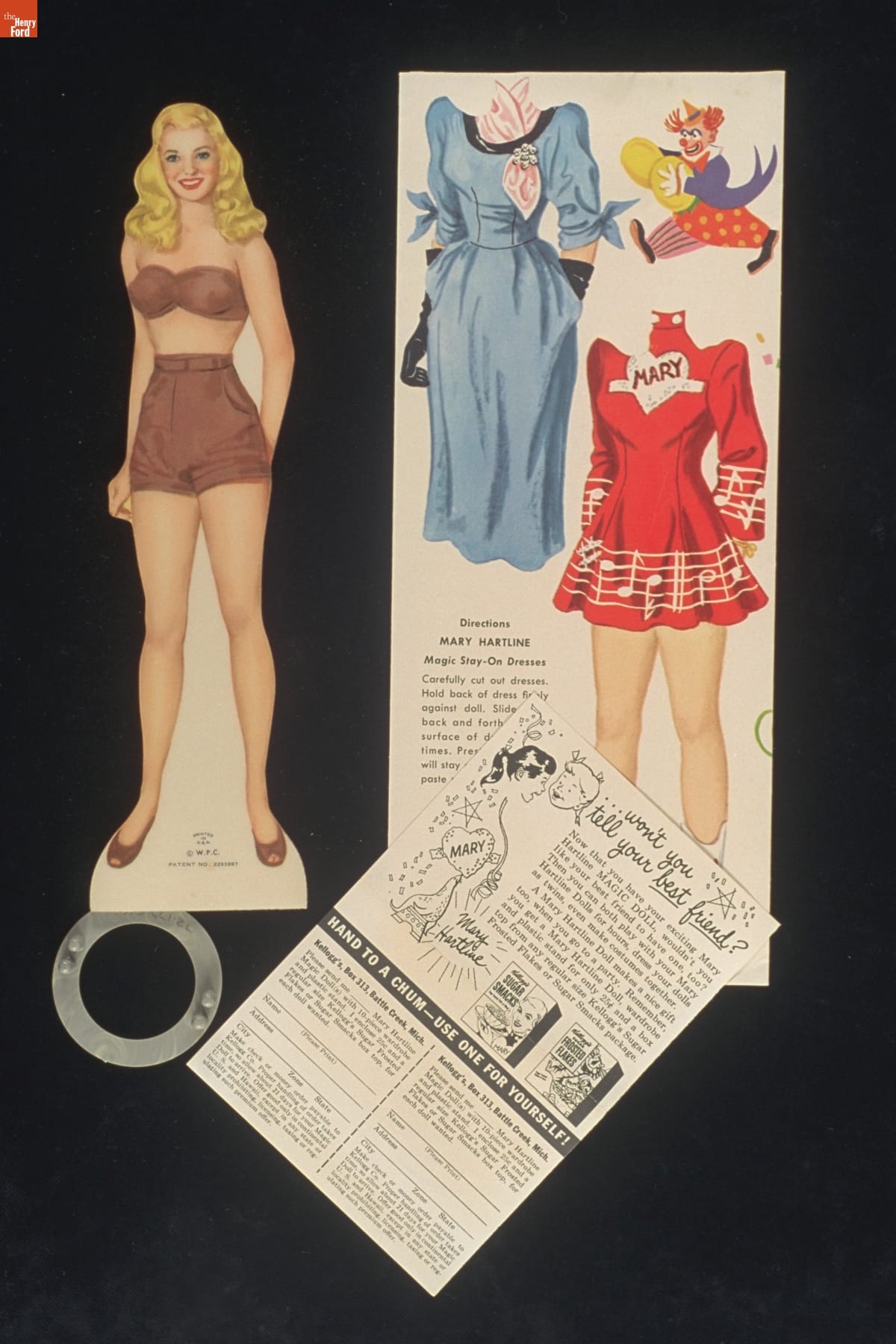
Mary Hartline Magic Doll and Magic Stay-On Dresses, 1955
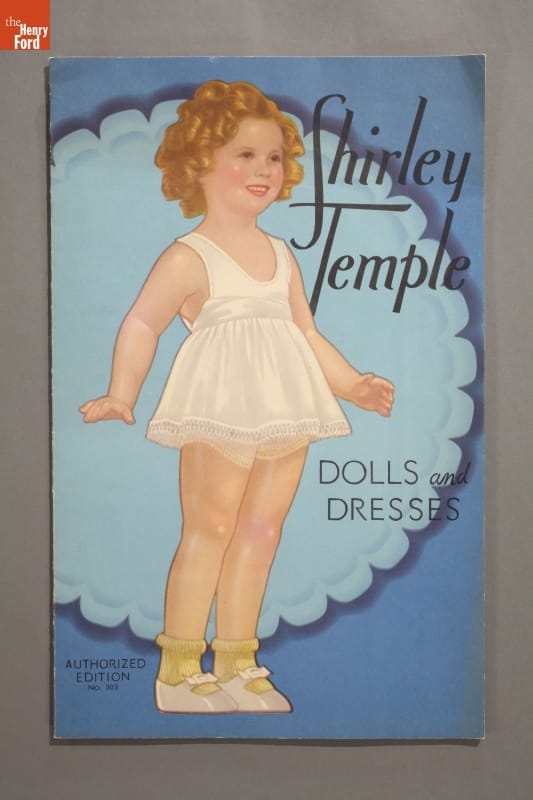
- Shirley Temple Paper Dolls and Dresses, 1937 - During the 1930s, Shirley Temple captured the hearts of millions of moviegoers, providing a welcome respite from the harsh realities of the Great Depression. Saalfield Publishing Company, of Akron, Ohio, published ten different Shirley Temple paper doll sets between 1934 and 1942. The paper outfits in the book are copies of costumes Shirley Temple wore in her motion pictures.
- 1937
- Collections - Artifact
Shirley Temple Paper Dolls and Dresses, 1937
During the 1930s, Shirley Temple captured the hearts of millions of moviegoers, providing a welcome respite from the harsh realities of the Great Depression. Saalfield Publishing Company, of Akron, Ohio, published ten different Shirley Temple paper doll sets between 1934 and 1942. The paper outfits in the book are copies of costumes Shirley Temple wore in her motion pictures.
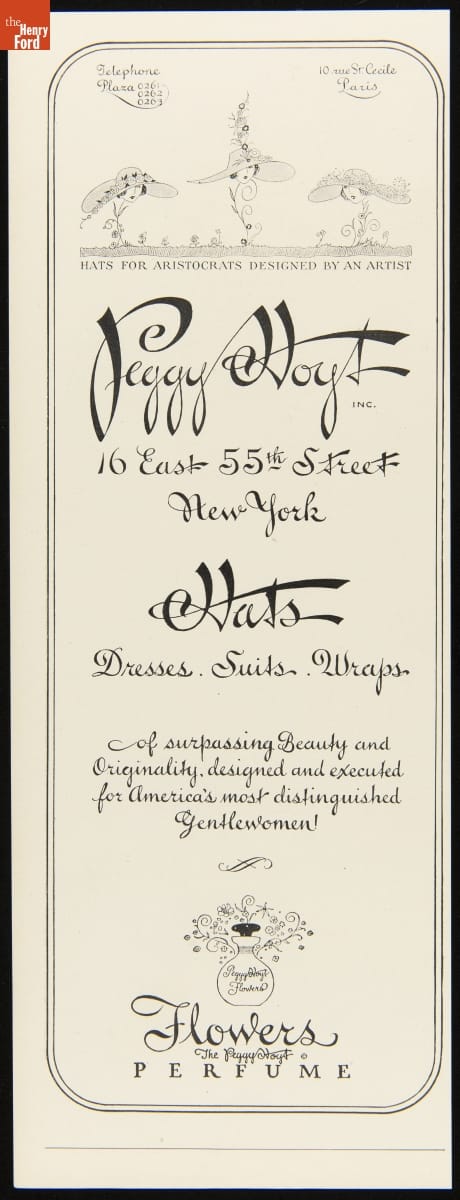
- Advertisement, "Peggy Hoyt Hats, Dresses, Suits, Wraps," 1923 - Peggy Hoyt began her career making hats as a milliner's apprentice--and went on to become a highly successful New York City fashion designer whose creations would rival those of Paris. Her clothing designs were creative and unique, employing her signature pastels, rhinestone ornaments, and handkerchief hems. Hoyt dressed a small, but exclusive, clientele in every large American city.
- 1923
- Collections - Artifact
Advertisement, "Peggy Hoyt Hats, Dresses, Suits, Wraps," 1923
Peggy Hoyt began her career making hats as a milliner's apprentice--and went on to become a highly successful New York City fashion designer whose creations would rival those of Paris. Her clothing designs were creative and unique, employing her signature pastels, rhinestone ornaments, and handkerchief hems. Hoyt dressed a small, but exclusive, clientele in every large American city.
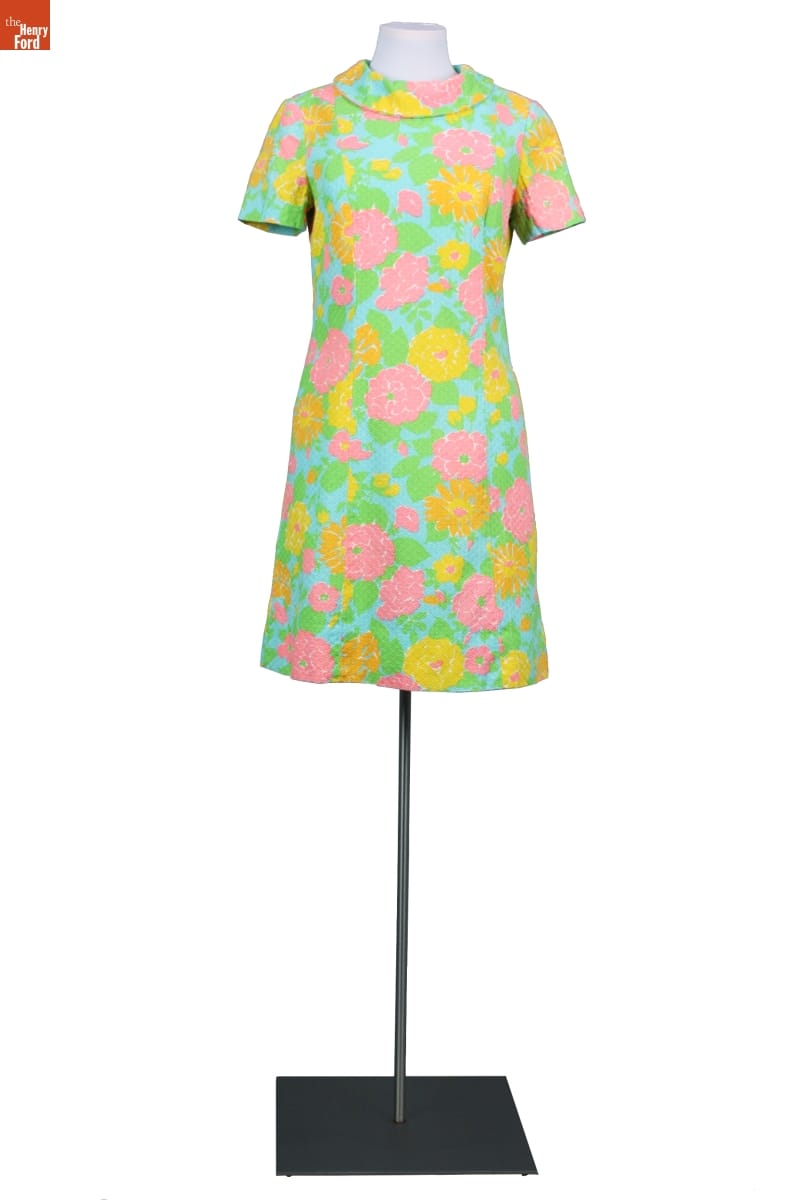
- Dress, 1968 -
- 1968
- Collections - Artifact
Dress, 1968
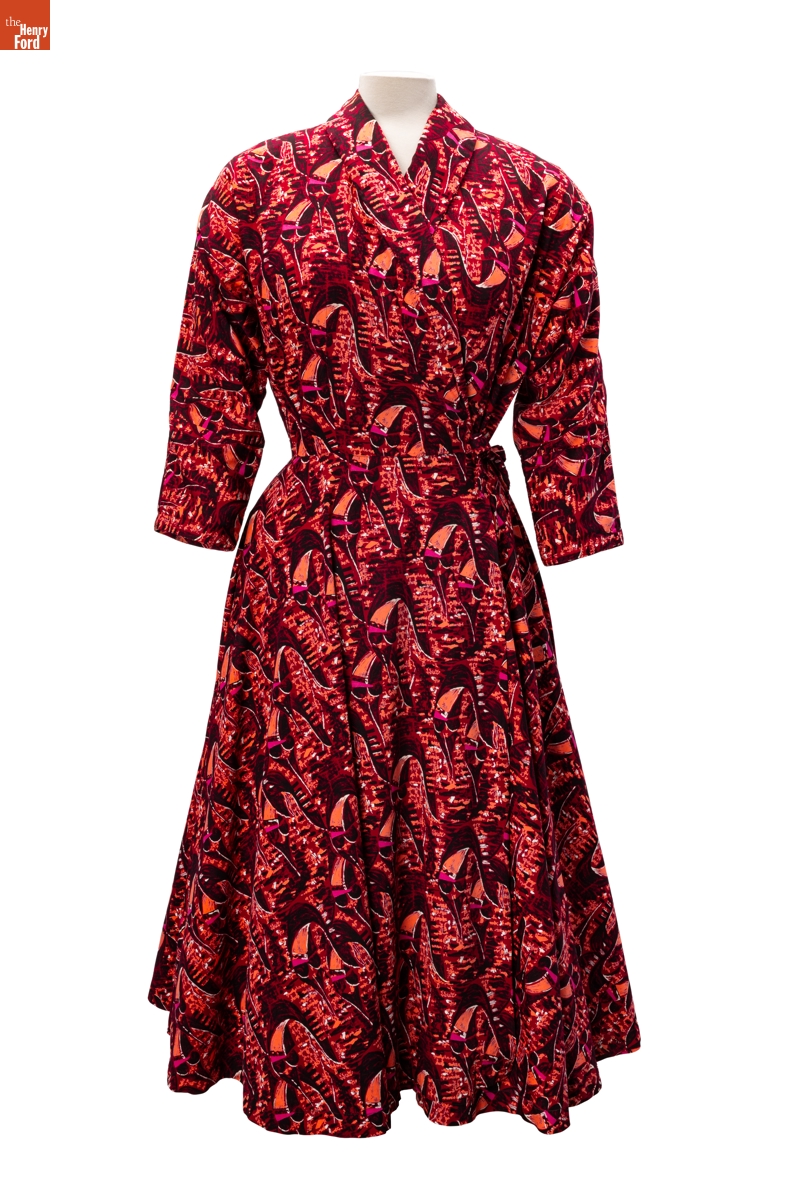
- Dress, 1954 -
- 1954
- Collections - Artifact
Dress, 1954
- Dress, 1953 -
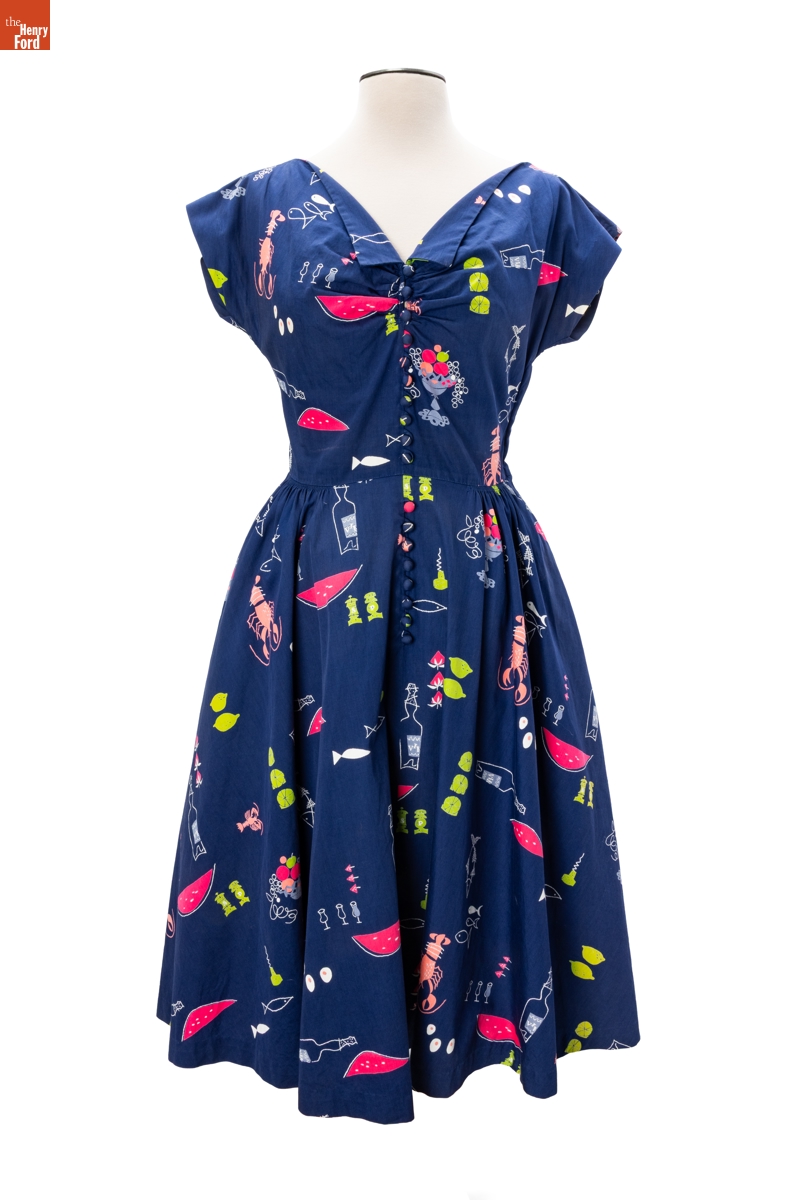
- 1953
- Collections - Artifact
Dress, 1953
- Dress, 1924 -
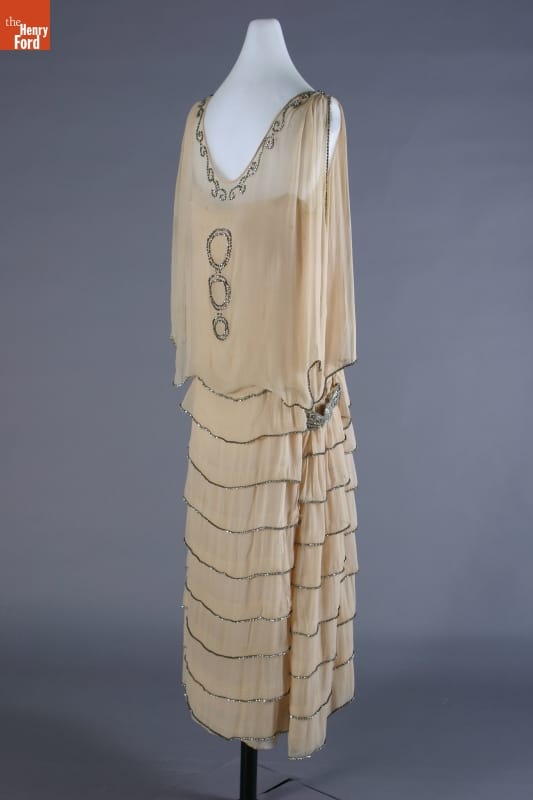
- 1924
- Collections - Artifact
Dress, 1924