
Search
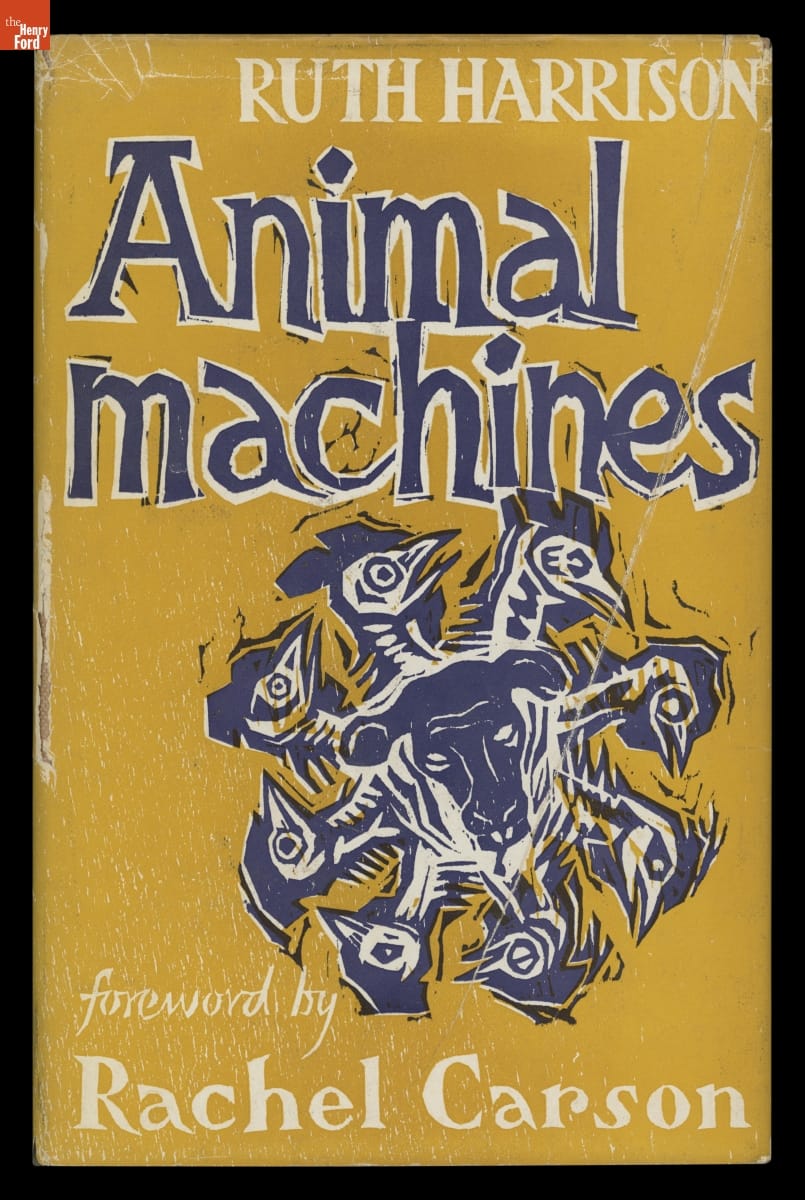
- "Animal Machines: The New Factory Farming Industry," 1964 -
- 1964
- Collections - Artifact
"Animal Machines: The New Factory Farming Industry," 1964
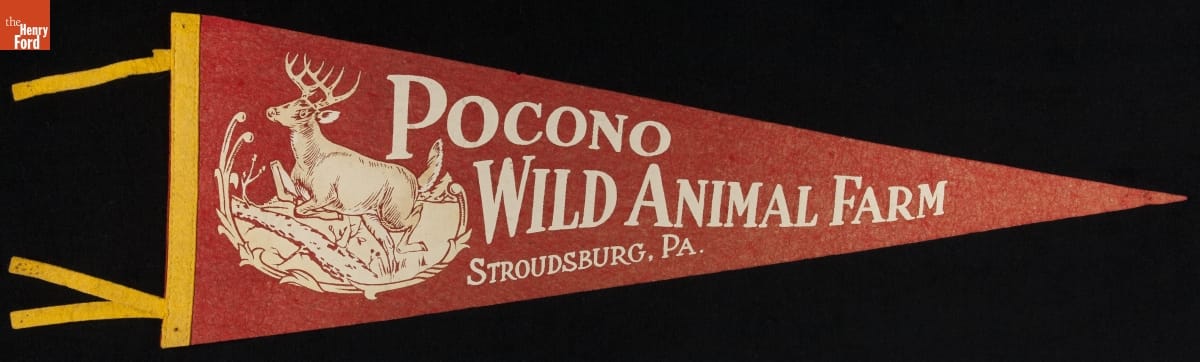
- Pennant, "Pocono Wild Animal Farm, Stroudsburg, Pa., 1948-1965" -
- 1948-1965
- Collections - Artifact
Pennant, "Pocono Wild Animal Farm, Stroudsburg, Pa., 1948-1965"
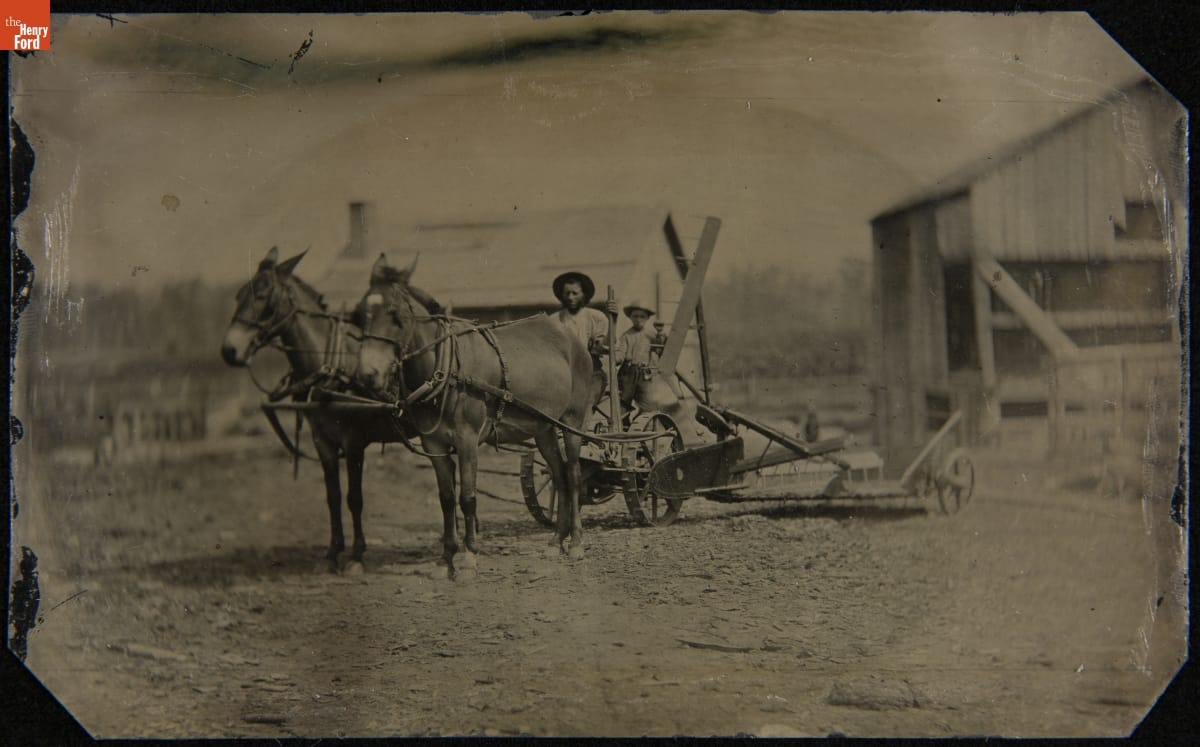
- Farm Animals at Work - Farming is strenuous, tedious, and repetitive, and chronic labor shortages intensify the demands of farm work. Throughout history, farmers have looked for ways to get the job done with less manpower. By the nineteenth century, animals working in many capacities provided most of the power on American farms.
- September 28, 2022
- Collections - Set
Farm Animals at Work
Farming is strenuous, tedious, and repetitive, and chronic labor shortages intensify the demands of farm work. Throughout history, farmers have looked for ways to get the job done with less manpower. By the nineteenth century, animals working in many capacities provided most of the power on American farms.
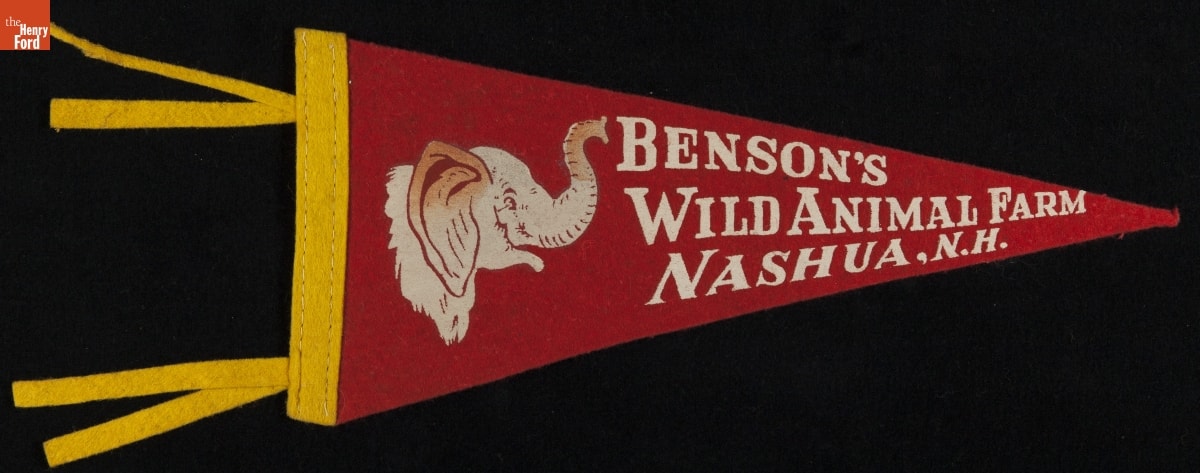
- Pennant, "Benson's Wild Animal Farm, Nashua, N.H.," 1930-1940 - John Benson opened his animal-training center to the public in 1926. The southern New Hampshire attraction let visitors see exotic animals up close. In the 1930s it expanded to include a wild animal circus. Trains from Boston brought visitors, but by the mid-1930s a large parking lot was created to accommodate new auto tourists.
- 1930-1940
- Collections - Artifact
Pennant, "Benson's Wild Animal Farm, Nashua, N.H.," 1930-1940
John Benson opened his animal-training center to the public in 1926. The southern New Hampshire attraction let visitors see exotic animals up close. In the 1930s it expanded to include a wild animal circus. Trains from Boston brought visitors, but by the mid-1930s a large parking lot was created to accommodate new auto tourists.
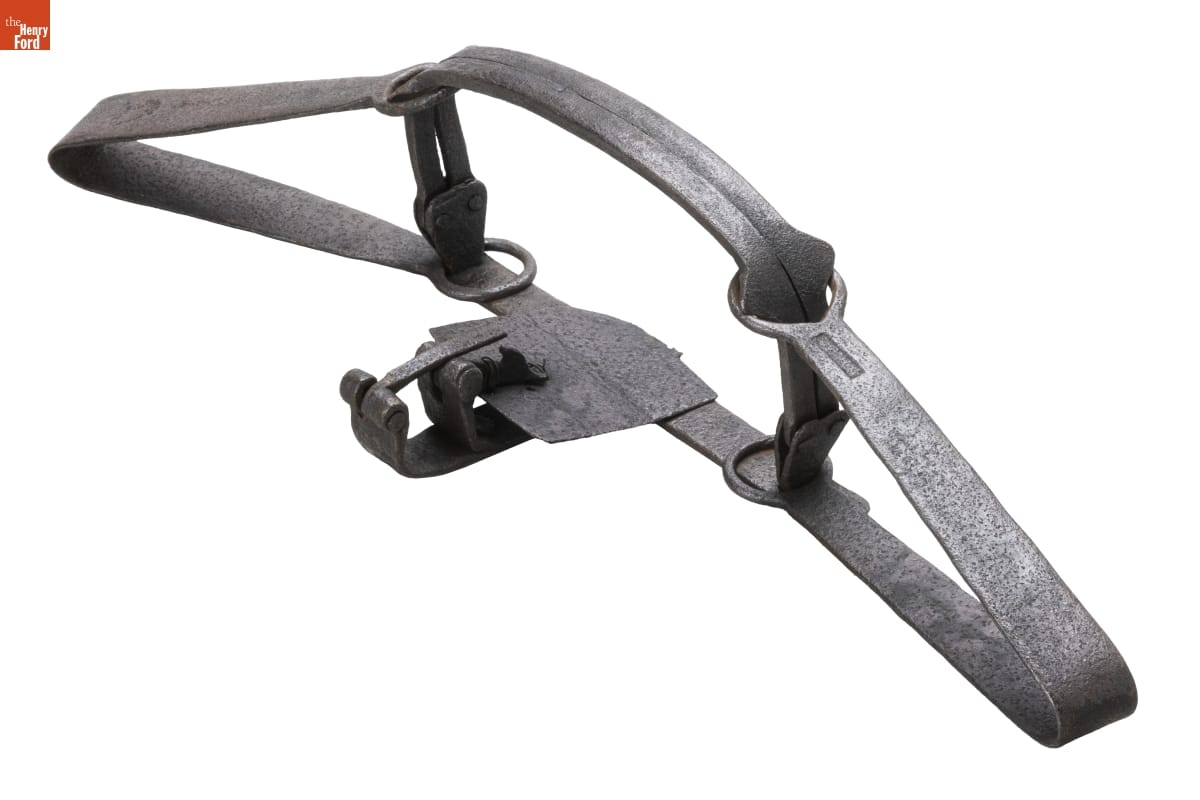
- Animal Trap -
- Collections - Artifact
Animal Trap
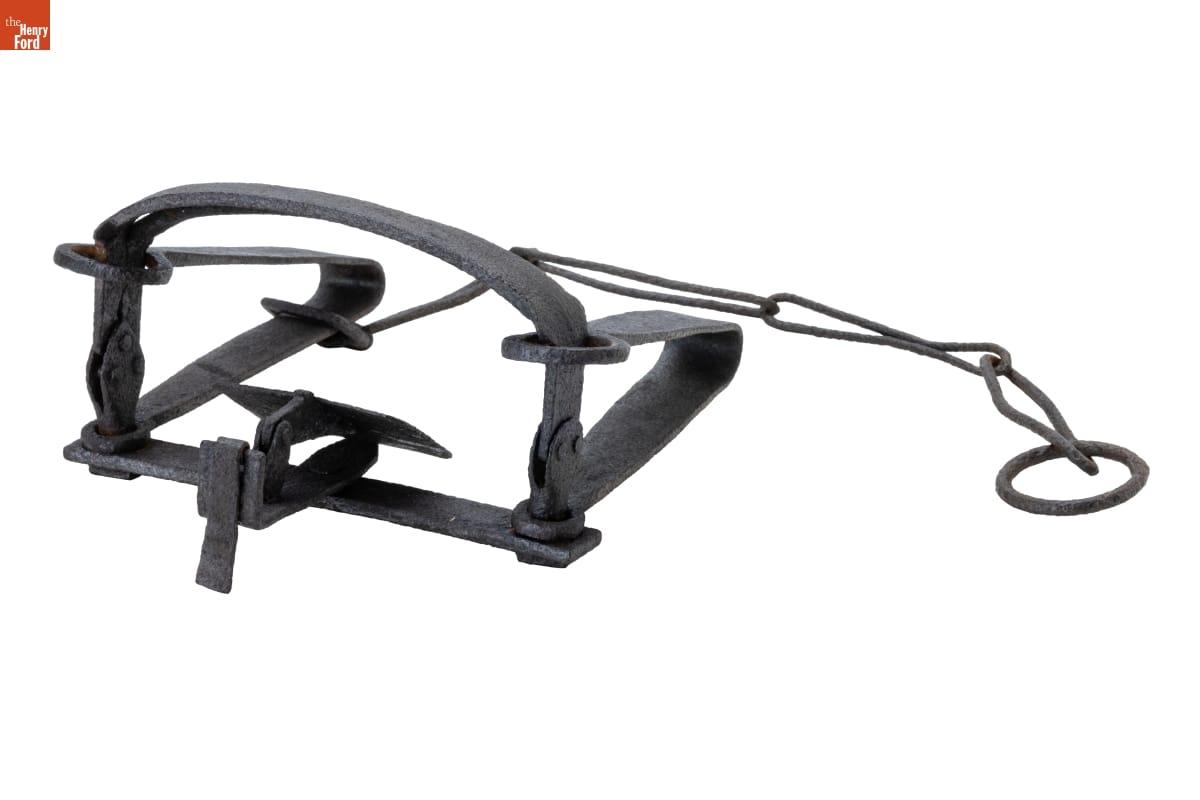
- Animal Trap -
- Collections - Artifact
Animal Trap
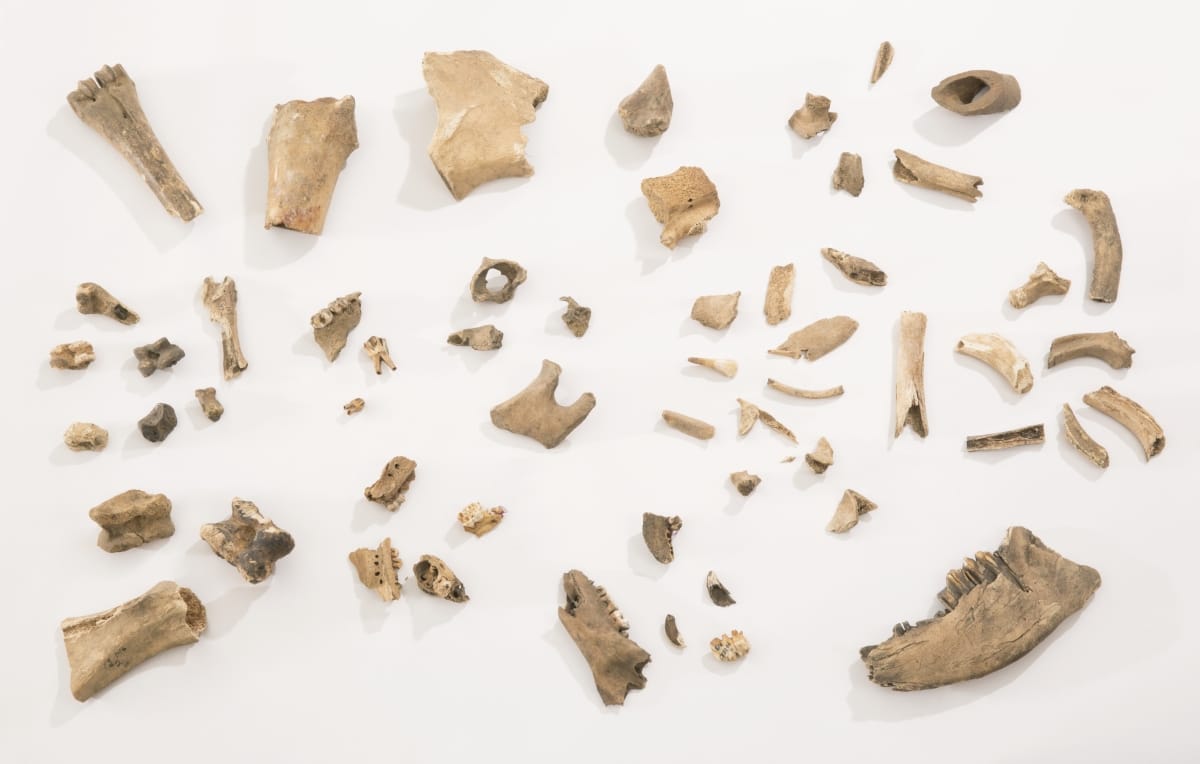
- Collection of Animal Bones and Teeth Excavated from Firestone Farm, Columbiana County, Ohio, 1983 - This group of faunal (nonhuman) skeletal remains was excavated from the grounds of the Firestone Farm near Columbiana, Ohio, when the house and barn were moved to The Henry Ford's Greenfield Village in the early 1980s. Analysis of these bones tells us what the family ate and helps staff interpret the life of the Firestone family in the late nineteenth and early twentieth centuries.
- 1828-1983
- Collections - Artifact
Collection of Animal Bones and Teeth Excavated from Firestone Farm, Columbiana County, Ohio, 1983
This group of faunal (nonhuman) skeletal remains was excavated from the grounds of the Firestone Farm near Columbiana, Ohio, when the house and barn were moved to The Henry Ford's Greenfield Village in the early 1980s. Analysis of these bones tells us what the family ate and helps staff interpret the life of the Firestone family in the late nineteenth and early twentieth centuries.
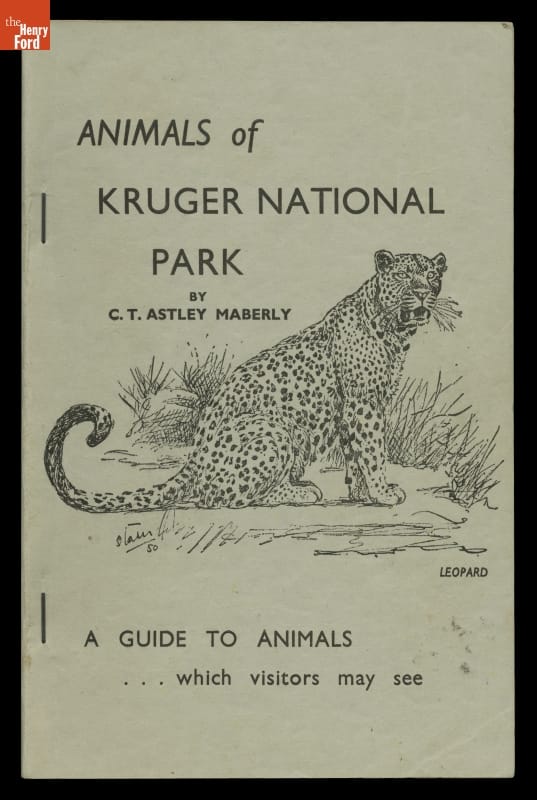
- Animals of Kruger National Park, a Guide to Animals Which Visitors May See, 1951 -
- 1951
- Collections - Artifact
Animals of Kruger National Park, a Guide to Animals Which Visitors May See, 1951
- Watercolor, Various Birds and Animals, 1775-1825 -
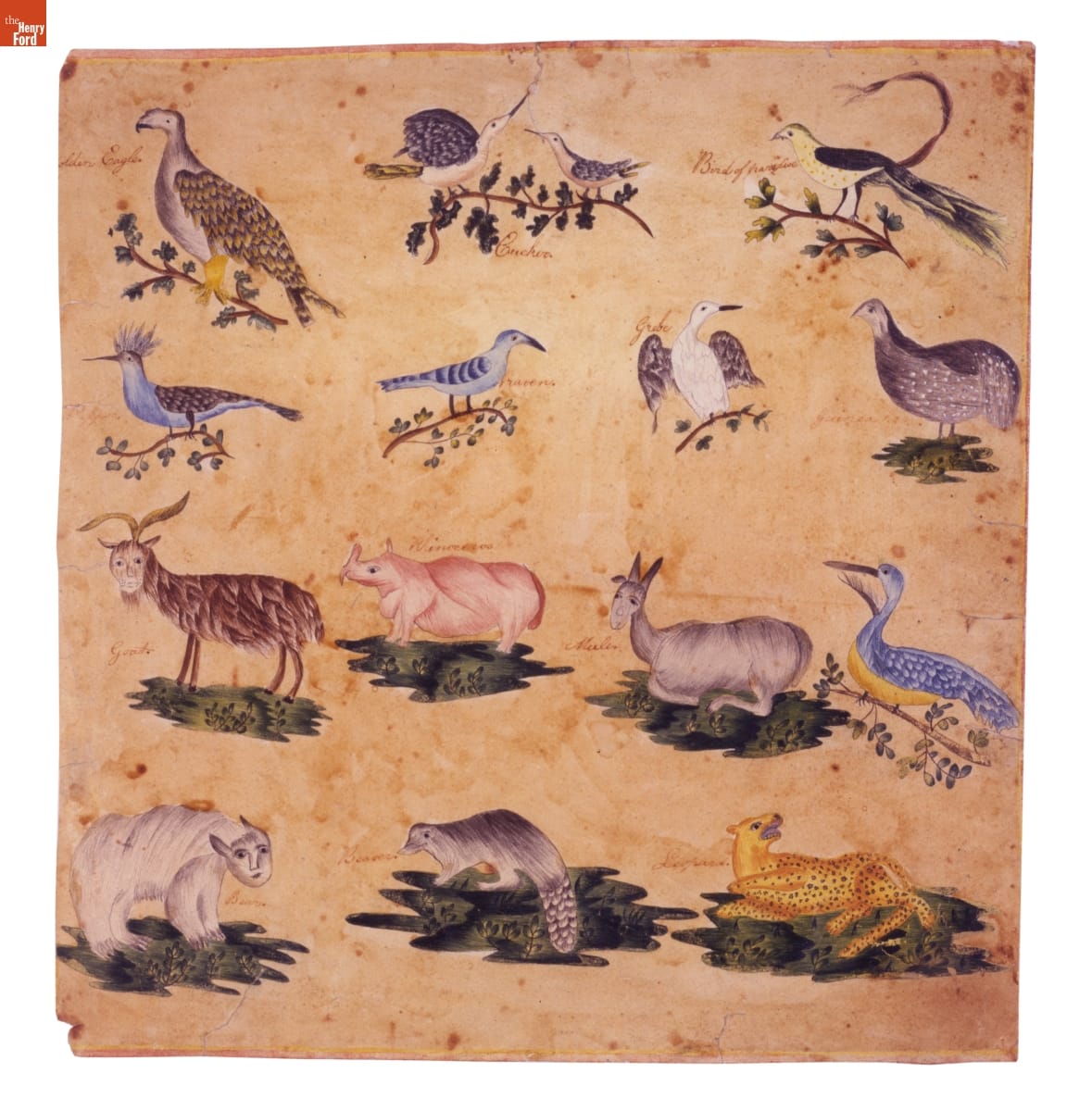
- 1775-1825
- Collections - Artifact
Watercolor, Various Birds and Animals, 1775-1825
- "A Golden Nature Guide: Zoo Animals," 1967 -
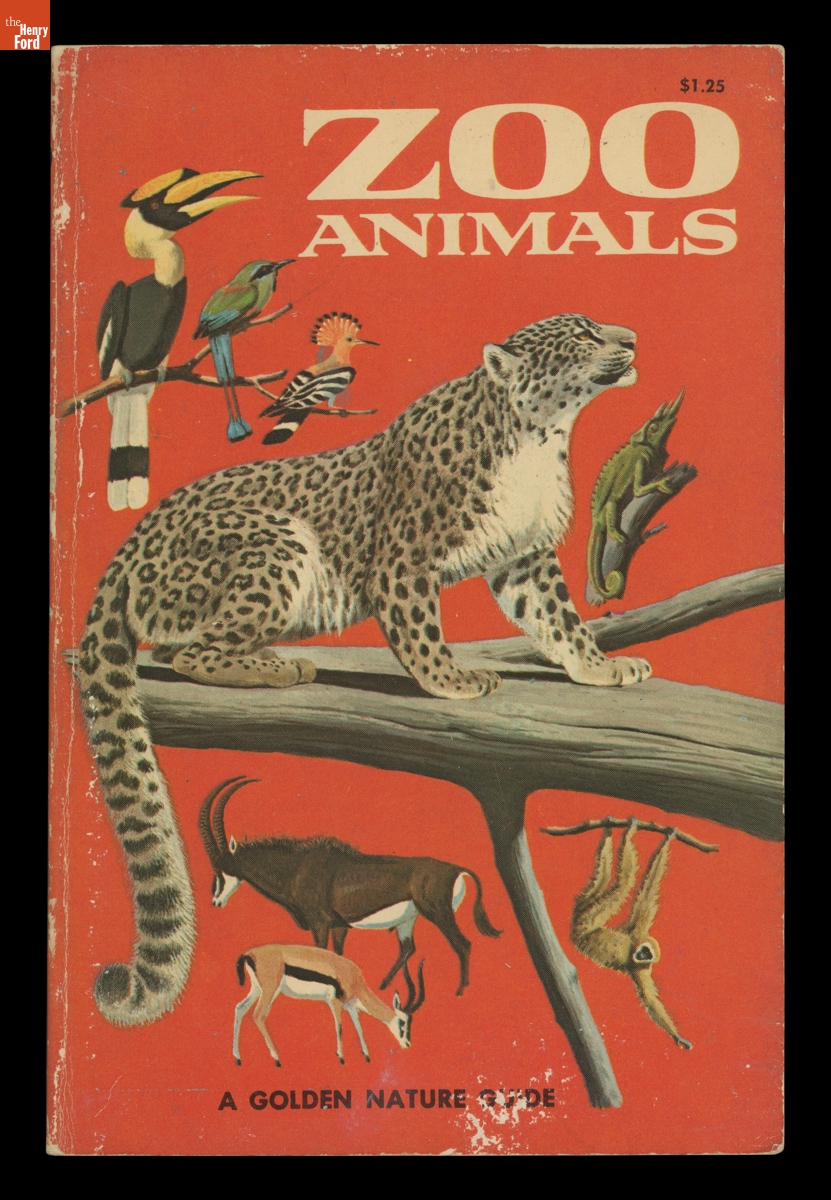
- 1967
- Collections - Artifact
"A Golden Nature Guide: Zoo Animals," 1967