
Search
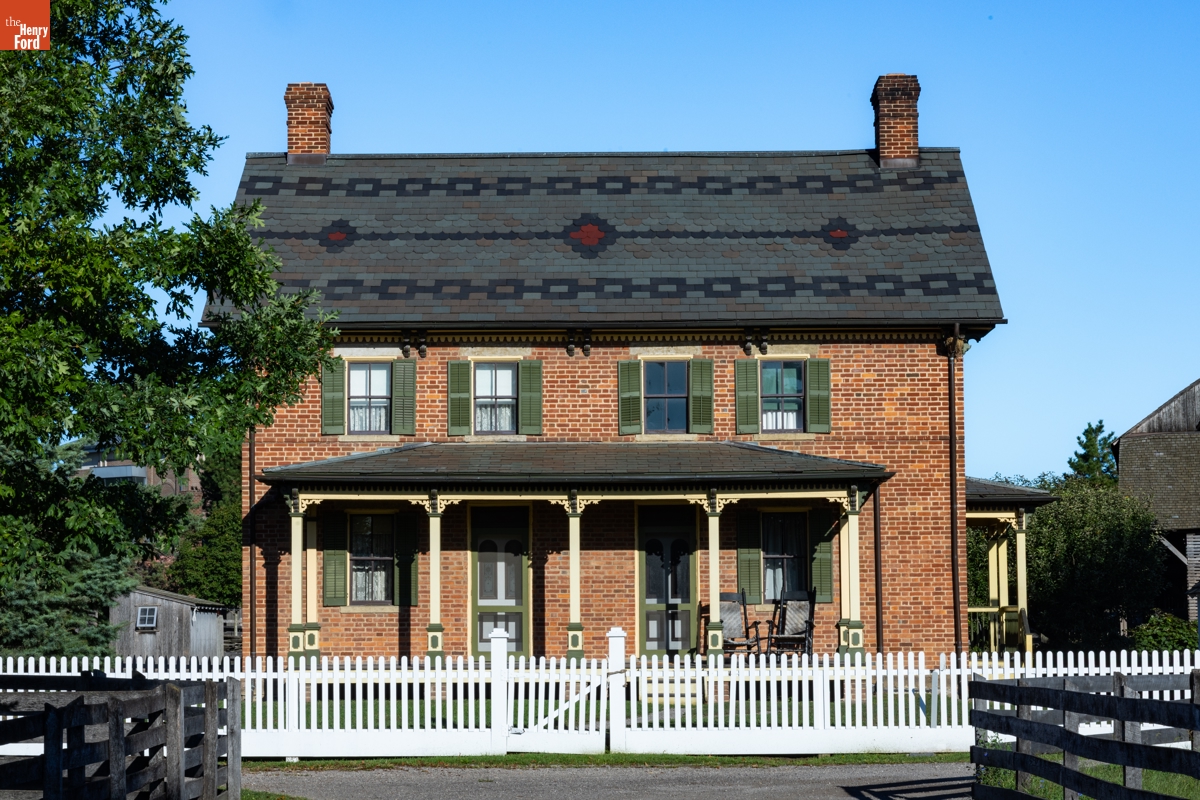
- Firestone Farmhouse - Benjamin and Catherine Firestone raised their three children in this farmhouse, including tire maker Harvey Firestone. Originally located near Columbiana, Ohio, the 1828 house was updated in 1882 to appear more stylish and up-to-date. The traditional Pennsylvania German layout of the Firestone's farmhouse was transformed, with a central foyer, separate dining room and kitchen, a sitting room, closets, wallpaper, and fancy new furniture.
- 1882-1889
- Collections - Artifact
Firestone Farmhouse
Benjamin and Catherine Firestone raised their three children in this farmhouse, including tire maker Harvey Firestone. Originally located near Columbiana, Ohio, the 1828 house was updated in 1882 to appear more stylish and up-to-date. The traditional Pennsylvania German layout of the Firestone's farmhouse was transformed, with a central foyer, separate dining room and kitchen, a sitting room, closets, wallpaper, and fancy new furniture.
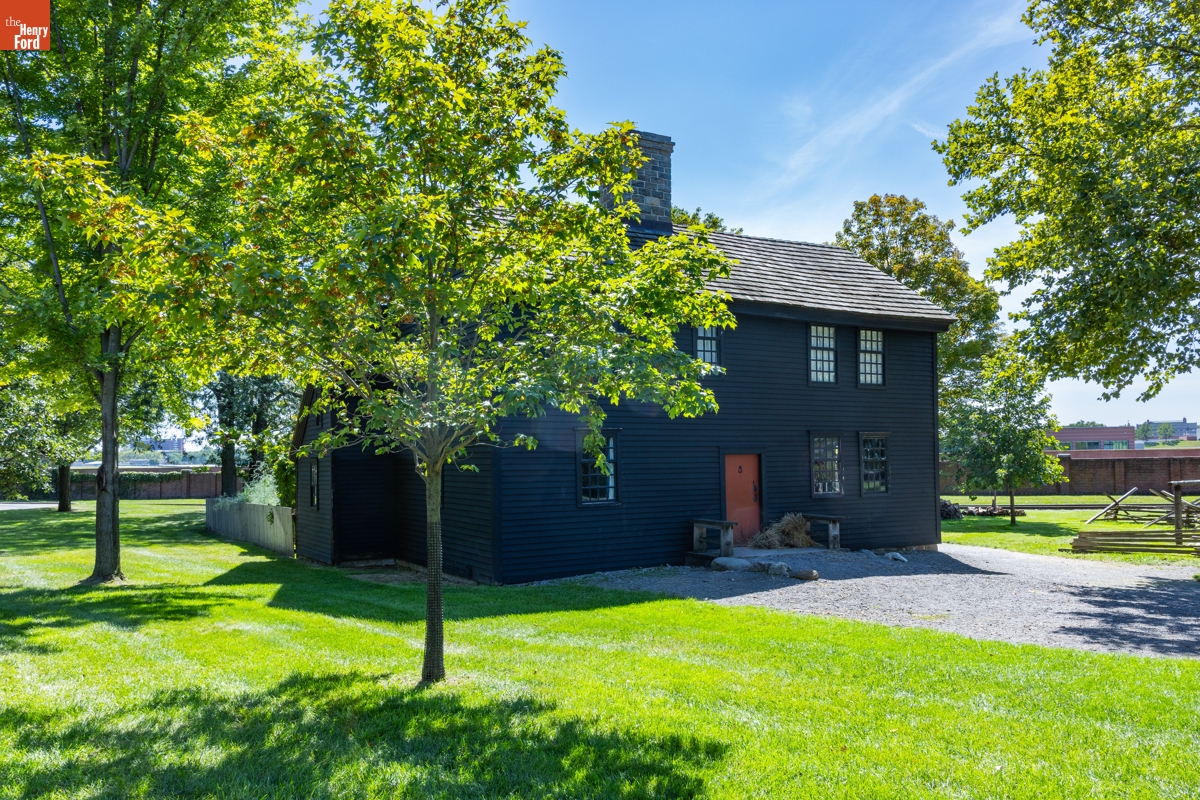
- Daggett Farmhouse - Like other farm families living in northeastern Connecticut in the 1760s, the Daggetts made and grew many of the things they needed. Along with farming, Samuel Daggett was a house builder and furniture maker. The "saltbox" form of this house -- with short roof in front and long in back -- was a typical New England house type of this era.
- circa 1755
- Collections - Artifact
Daggett Farmhouse
Like other farm families living in northeastern Connecticut in the 1760s, the Daggetts made and grew many of the things they needed. Along with farming, Samuel Daggett was a house builder and furniture maker. The "saltbox" form of this house -- with short roof in front and long in back -- was a typical New England house type of this era.
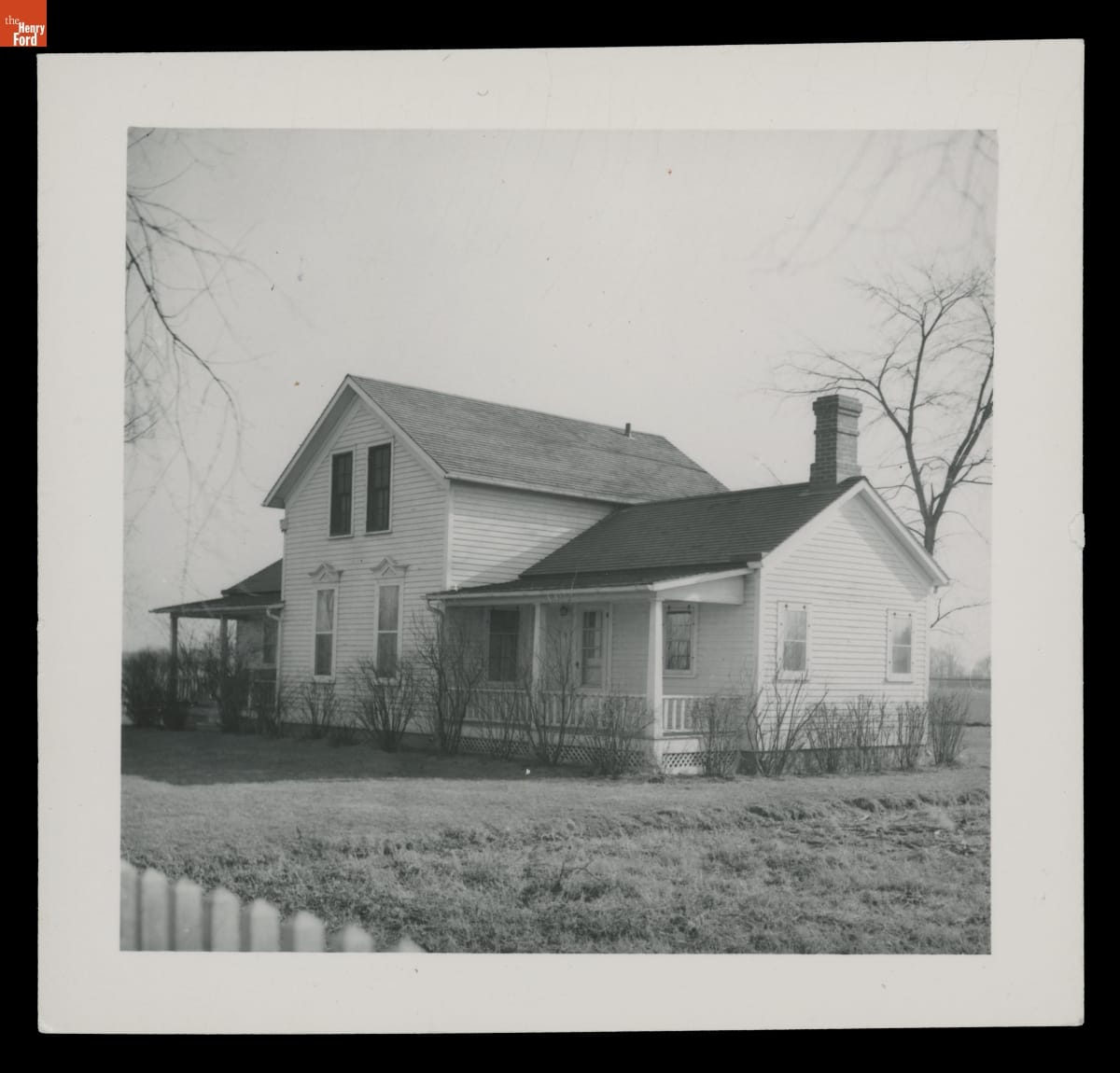
- Farmhouse in Dearborn, Michigan, circa 1925 -
- circa 1925
- Collections - Artifact
Farmhouse in Dearborn, Michigan, circa 1925
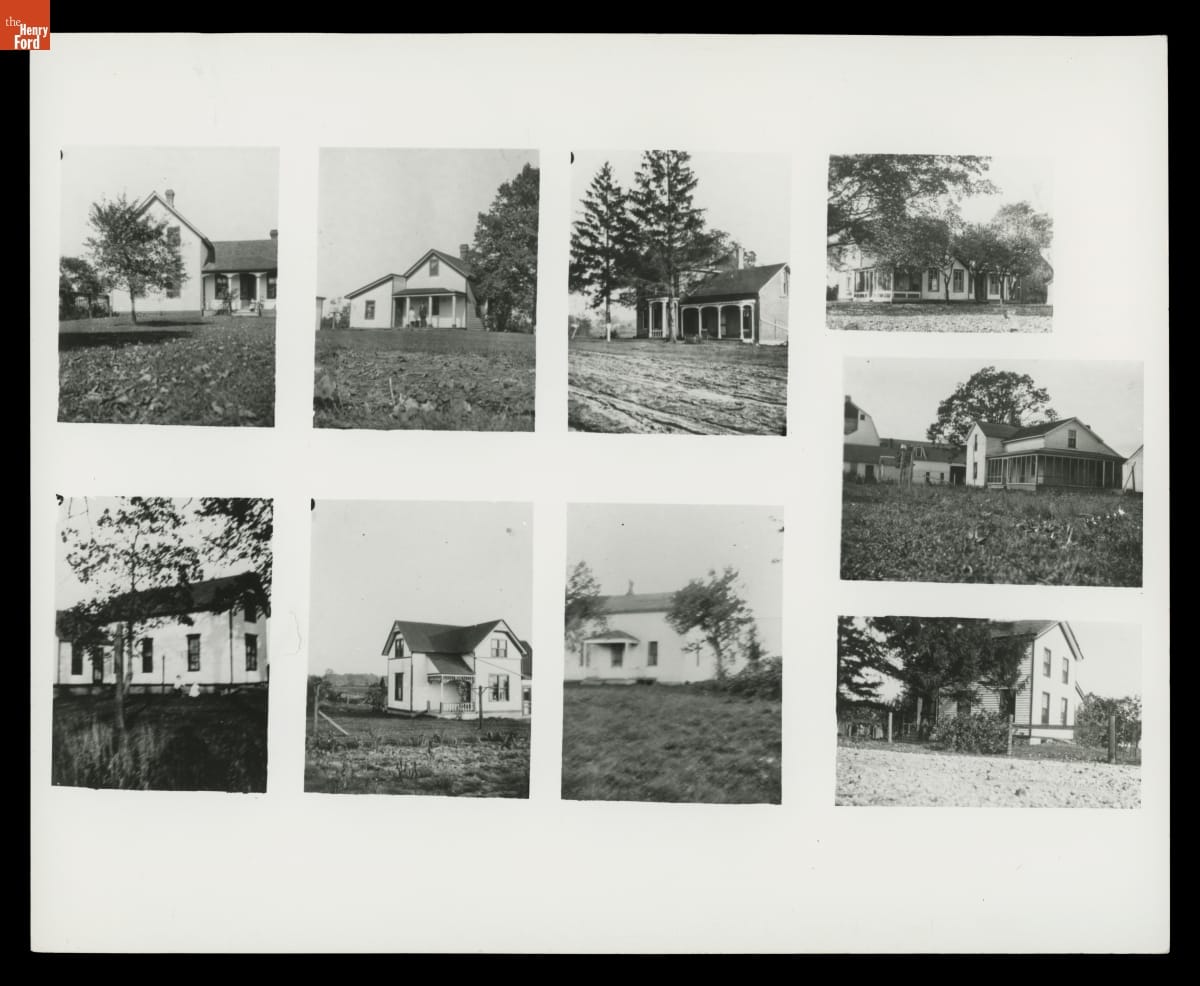
- Farmhouses Near Dearborn, Michigan, circa 1925 -
- circa 1925
- Collections - Artifact
Farmhouses Near Dearborn, Michigan, circa 1925
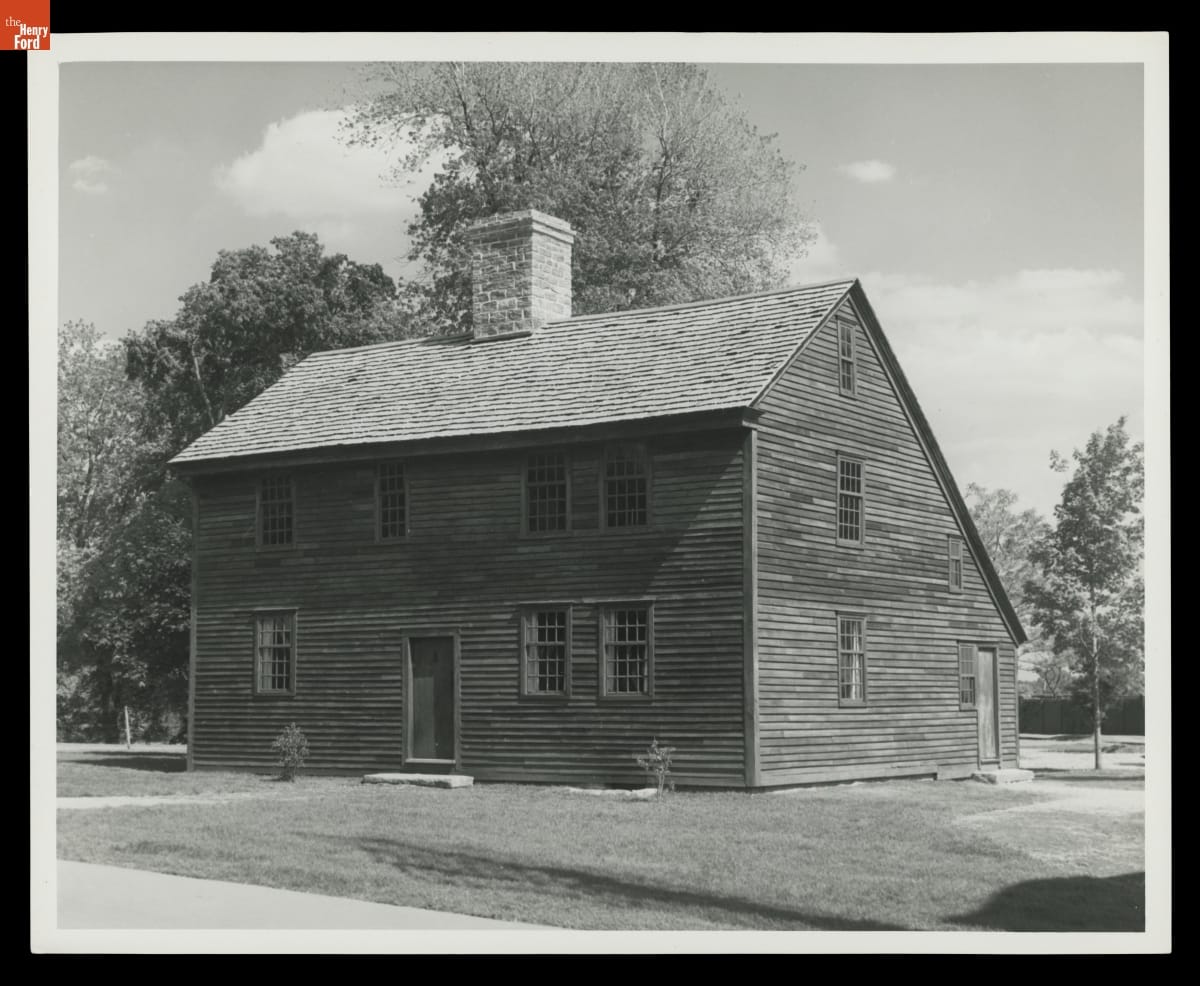
- Daggett Farmhouse in Greenfield Village, 1978 - In 1977, Henry Ford Museum acquired an 18th-century farmhouse from northeastern Connecticut for Greenfield Village. It was originally interpreted with a focus on architecture and antiques, but demonstrations of colonial-era activities enlivened the structure in the 1980s. Later, based on new research, activities more accurately recreated the life of the home's original occupants, the Daggett family, in the 1760s.
- 1978
- Collections - Artifact
Daggett Farmhouse in Greenfield Village, 1978
In 1977, Henry Ford Museum acquired an 18th-century farmhouse from northeastern Connecticut for Greenfield Village. It was originally interpreted with a focus on architecture and antiques, but demonstrations of colonial-era activities enlivened the structure in the 1980s. Later, based on new research, activities more accurately recreated the life of the home's original occupants, the Daggett family, in the 1760s.
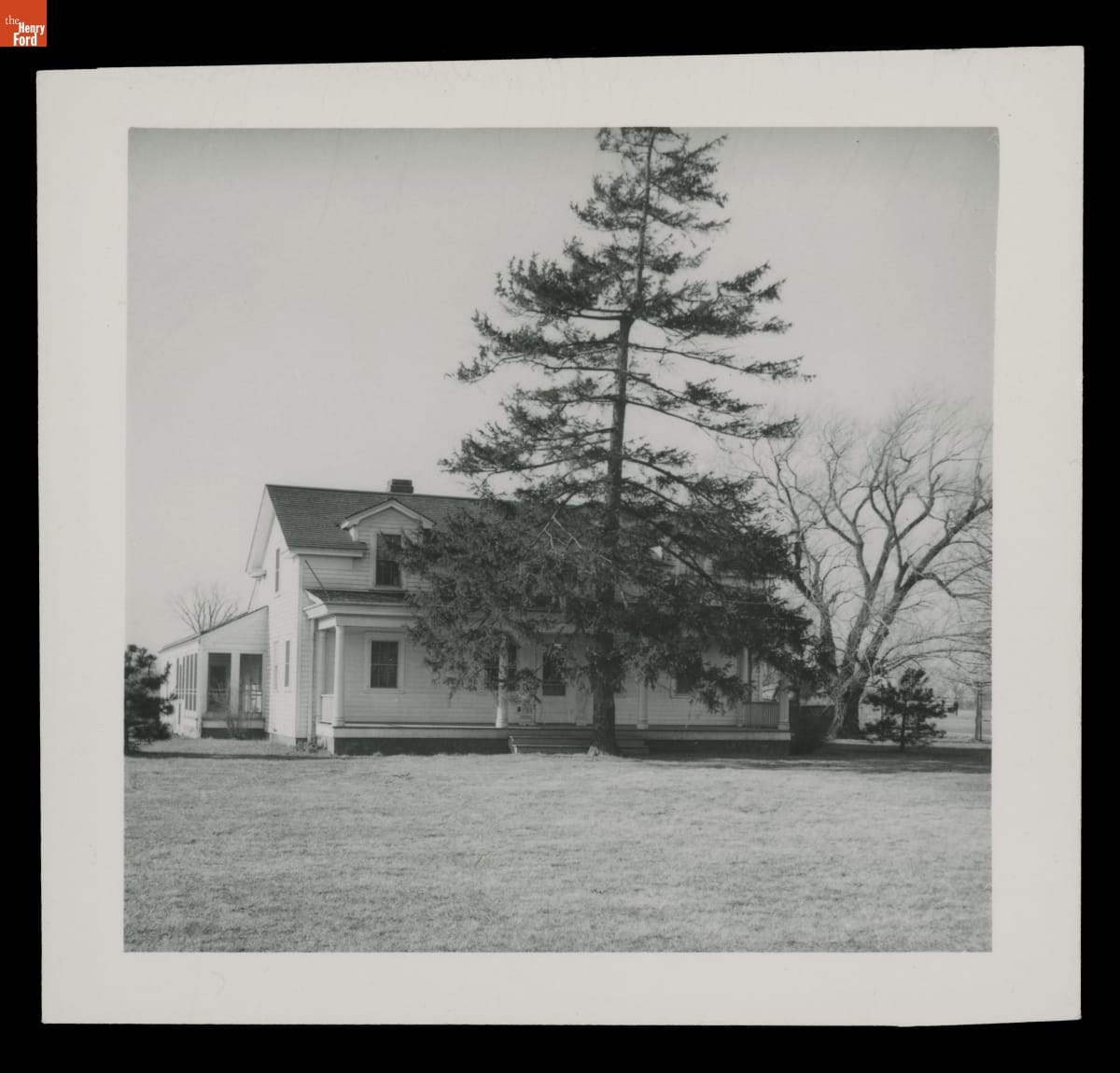
- Farmhouse in Dearborn, Michigan, circa 1925 -
- circa 1925
- Collections - Artifact
Farmhouse in Dearborn, Michigan, circa 1925
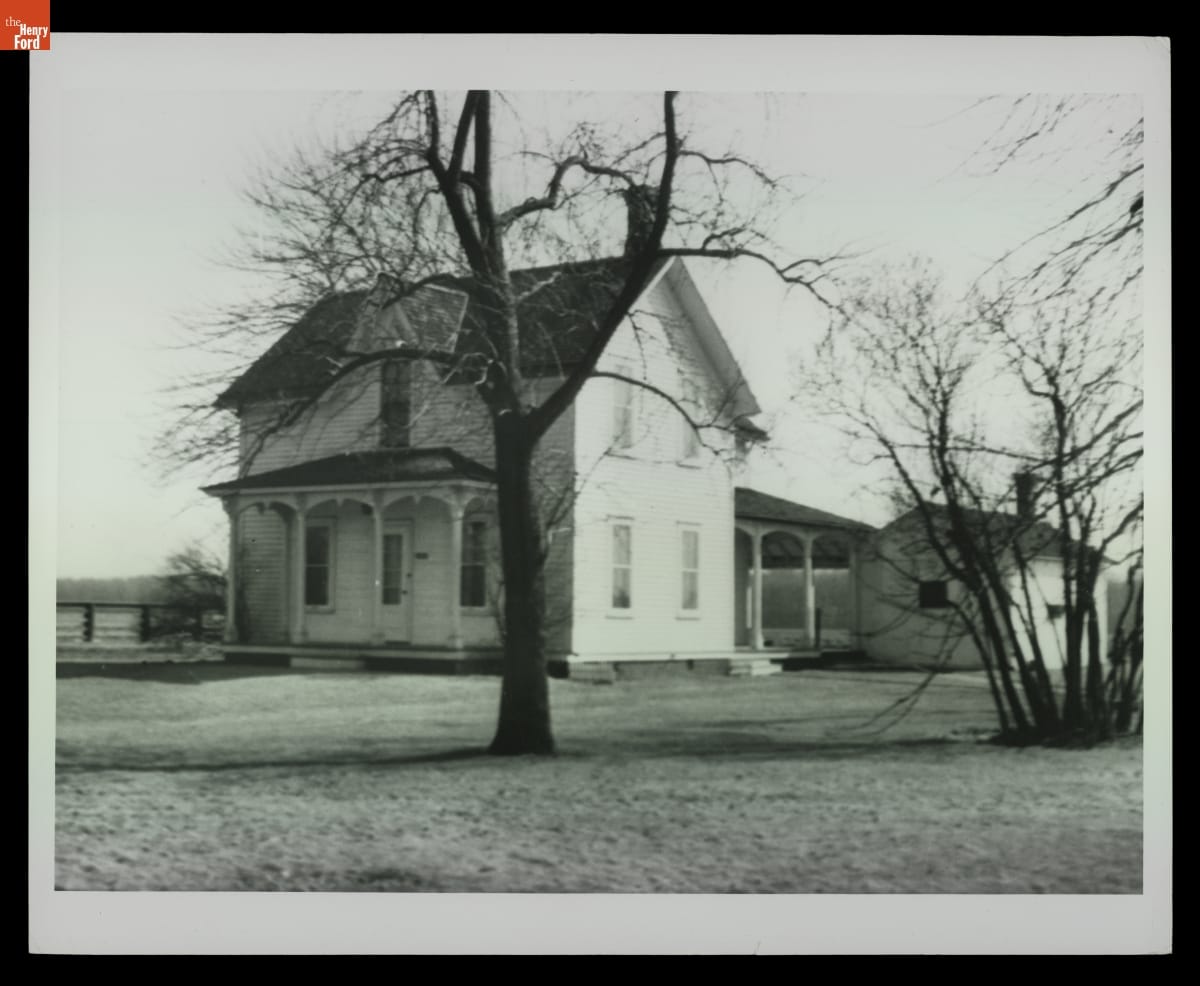
- Farmhouse in Dearborn, Michigan, circa 1920 -
- circa 1920
- Collections - Artifact
Farmhouse in Dearborn, Michigan, circa 1920
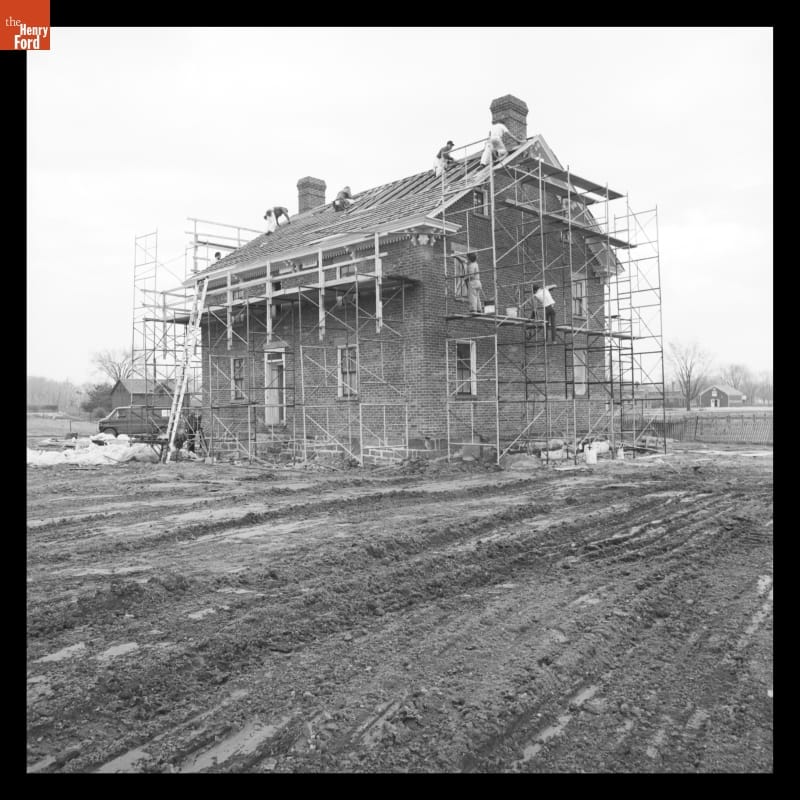
- Rebuilding Firestone Farmhouse in Greenfield Village, 1985 - In 1983, Greenfield Village acquired the Firestone family's 19th-century farmhouse and barn in eastern Ohio. After careful documentation and painstaking disassembly, workers shipped the buildings' original components to Dearborn, Michigan. In May 1984, craftsmen began re-erecting the farmhouse, piece by piece, making repairs and replicating replacements as needed. They completed the structure just ahead of its formal dedication on June 29, 1985.
- April 18, 1985
- Collections - Artifact
Rebuilding Firestone Farmhouse in Greenfield Village, 1985
In 1983, Greenfield Village acquired the Firestone family's 19th-century farmhouse and barn in eastern Ohio. After careful documentation and painstaking disassembly, workers shipped the buildings' original components to Dearborn, Michigan. In May 1984, craftsmen began re-erecting the farmhouse, piece by piece, making repairs and replicating replacements as needed. They completed the structure just ahead of its formal dedication on June 29, 1985.
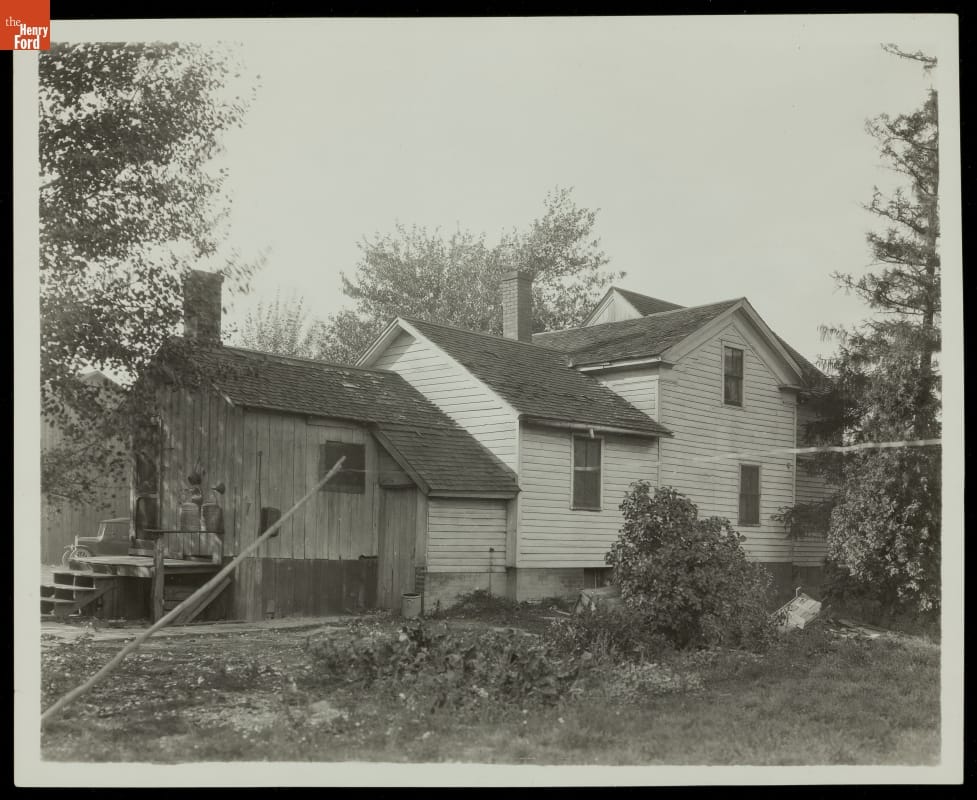
- Back Additions on a Farmhouse, circa 1925 - The Ford Model T (peeking out from behind the back porch) quickly became a common sight on American farms. It was the first automobile big enough, good enough, and cheap enough for most families, and versatile enough and dependable enough for daily farm life. Farmers could convert Model Ts into tractors or use their rear axles to power agricultural machinery.
- circa 1925
- Collections - Artifact
Back Additions on a Farmhouse, circa 1925
The Ford Model T (peeking out from behind the back porch) quickly became a common sight on American farms. It was the first automobile big enough, good enough, and cheap enough for most families, and versatile enough and dependable enough for daily farm life. Farmers could convert Model Ts into tractors or use their rear axles to power agricultural machinery.
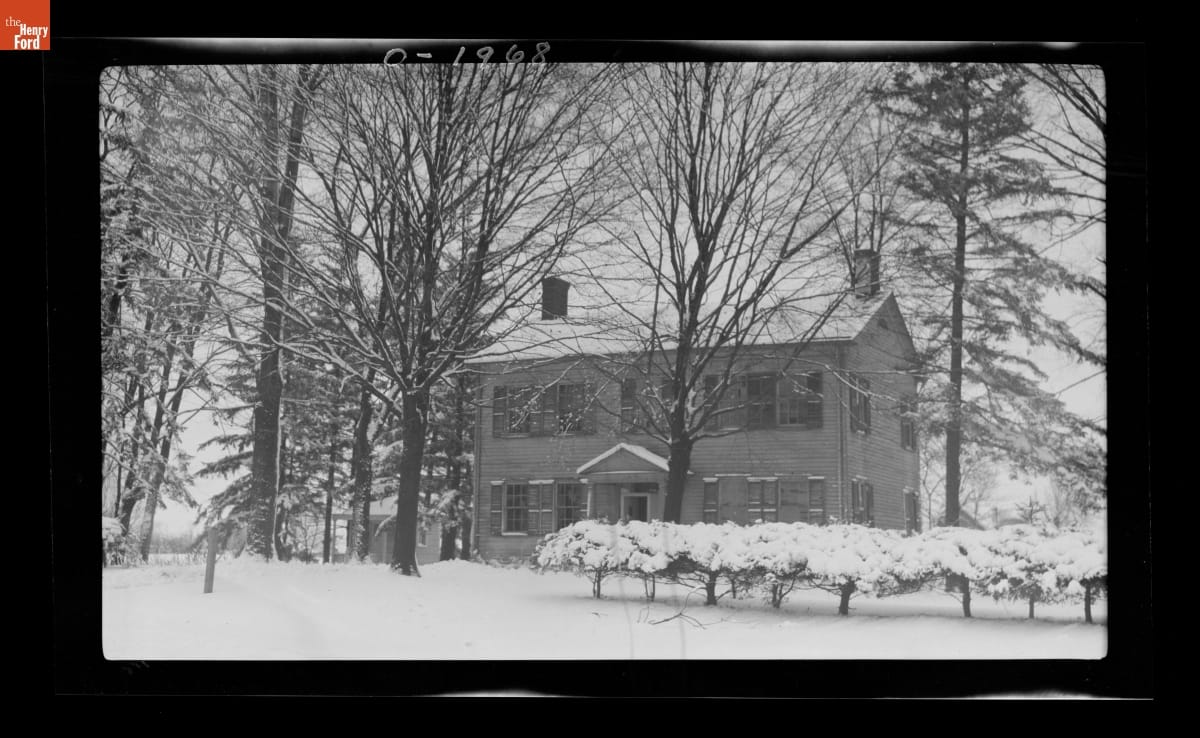
- Ten Eyck Farmhouse, Dearborn, Michigan, circa 1906 - Henry Ford purchased the Ten Eyck farm near Dearborn, Michigan, in 1909. In February 1915, he moved into the Ten Eyck farmhouse with his wife Clara and son Edsel while their new home, Fair Lane, was under construction nearby. Fair Lane was completed in November 1915, and the Ten Eyck farmhouse was demolished two years later.
- circa 1906
- Collections - Artifact
Ten Eyck Farmhouse, Dearborn, Michigan, circa 1906
Henry Ford purchased the Ten Eyck farm near Dearborn, Michigan, in 1909. In February 1915, he moved into the Ten Eyck farmhouse with his wife Clara and son Edsel while their new home, Fair Lane, was under construction nearby. Fair Lane was completed in November 1915, and the Ten Eyck farmhouse was demolished two years later.