
Search
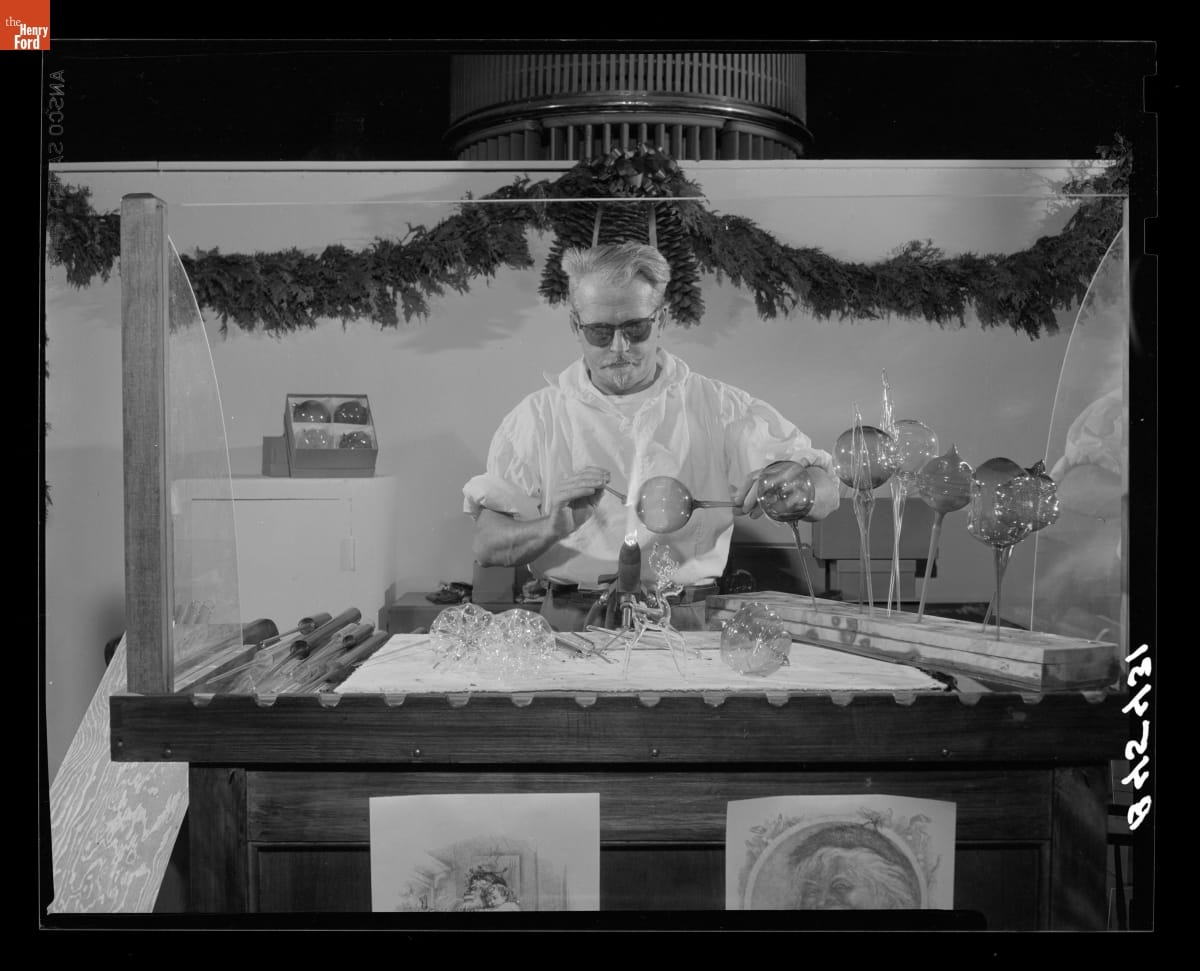
- Nils Carlson Makes Hand-blown Glass Ornaments during the "Crafts at Christmas" Exhibit, December 1966 -
- December 01, 1966
- Collections - Artifact
Nils Carlson Makes Hand-blown Glass Ornaments during the "Crafts at Christmas" Exhibit, December 1966
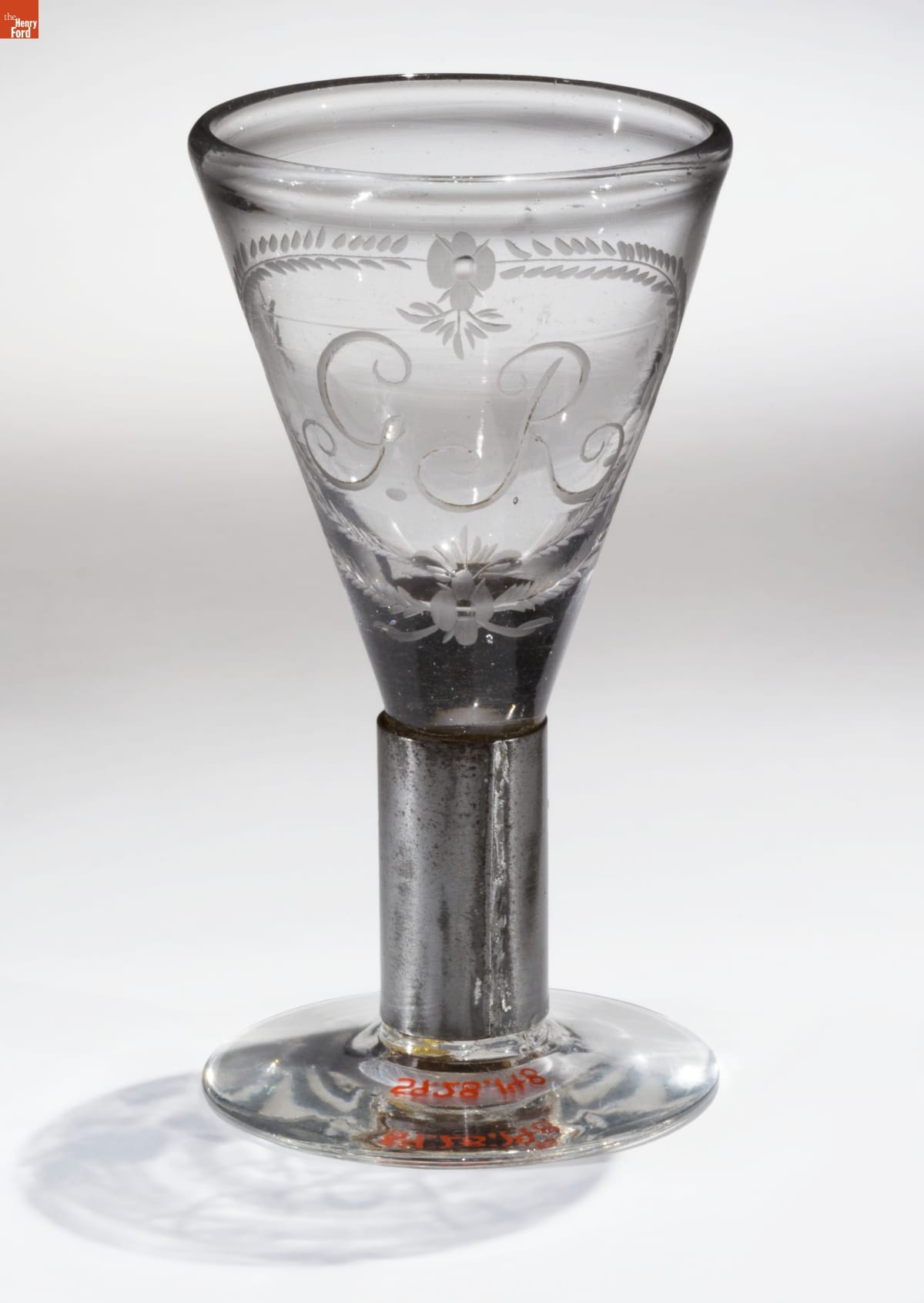
- Cordial Glass, 1785-1795 - Traditional make-dos are useful and precious objects that broke during their working lives. Their owners felt compelled to restore or repurpose these objects in a variety of ways. Someone repaired the stem of this etched cordial glass with a band of tin.
- 1785-1795
- Collections - Artifact
Cordial Glass, 1785-1795
Traditional make-dos are useful and precious objects that broke during their working lives. Their owners felt compelled to restore or repurpose these objects in a variety of ways. Someone repaired the stem of this etched cordial glass with a band of tin.
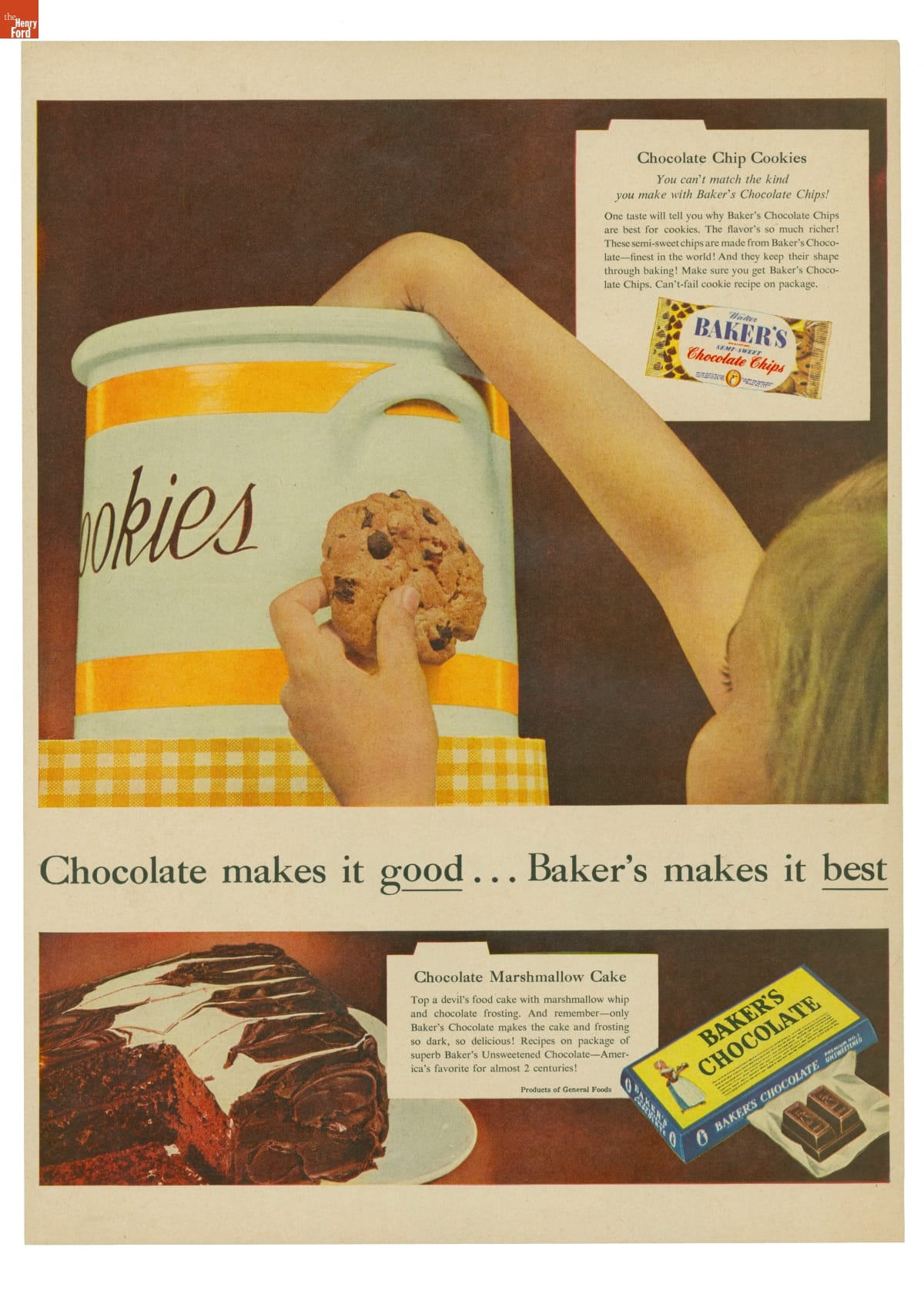
- Chocolate Makes it Good, Baker's Makes it Best, 1954 - Baker's Chocolate Company is the oldest manufacturer of chocolate in the United States, dating back to 1780. It remained within the Baker family for over a century before being purchased by the Forbes Syndicate in 1896. Through advertisements, like this one, found in local and national newspapers as well as magazines, the company became a household name.
- December 01, 1954
- Collections - Artifact
Chocolate Makes it Good, Baker's Makes it Best, 1954
Baker's Chocolate Company is the oldest manufacturer of chocolate in the United States, dating back to 1780. It remained within the Baker family for over a century before being purchased by the Forbes Syndicate in 1896. Through advertisements, like this one, found in local and national newspapers as well as magazines, the company became a household name.
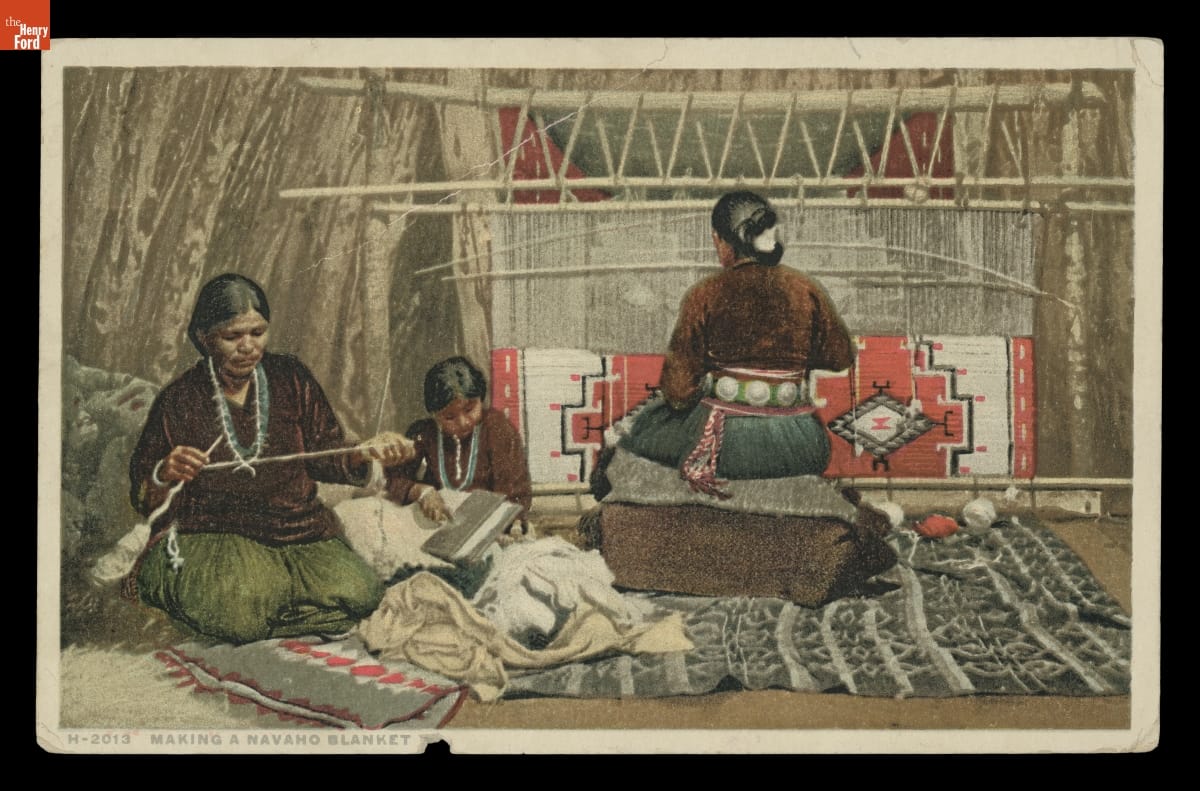
- "Making a Navaho Blanket," 1919 -
- 1919
- Collections - Artifact
"Making a Navaho Blanket," 1919
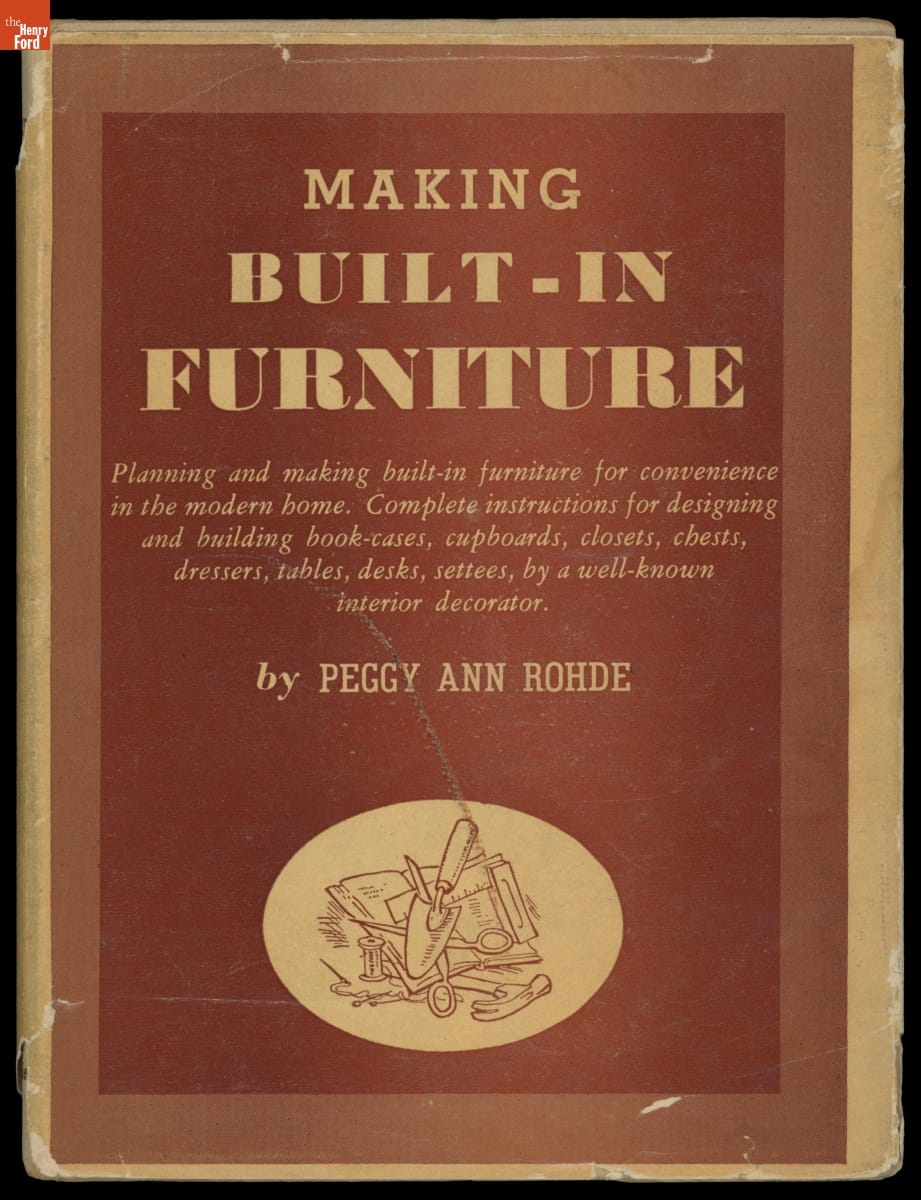
- Making Built-in Furniture, 1950 -
- 1950
- Collections - Artifact
Making Built-in Furniture, 1950
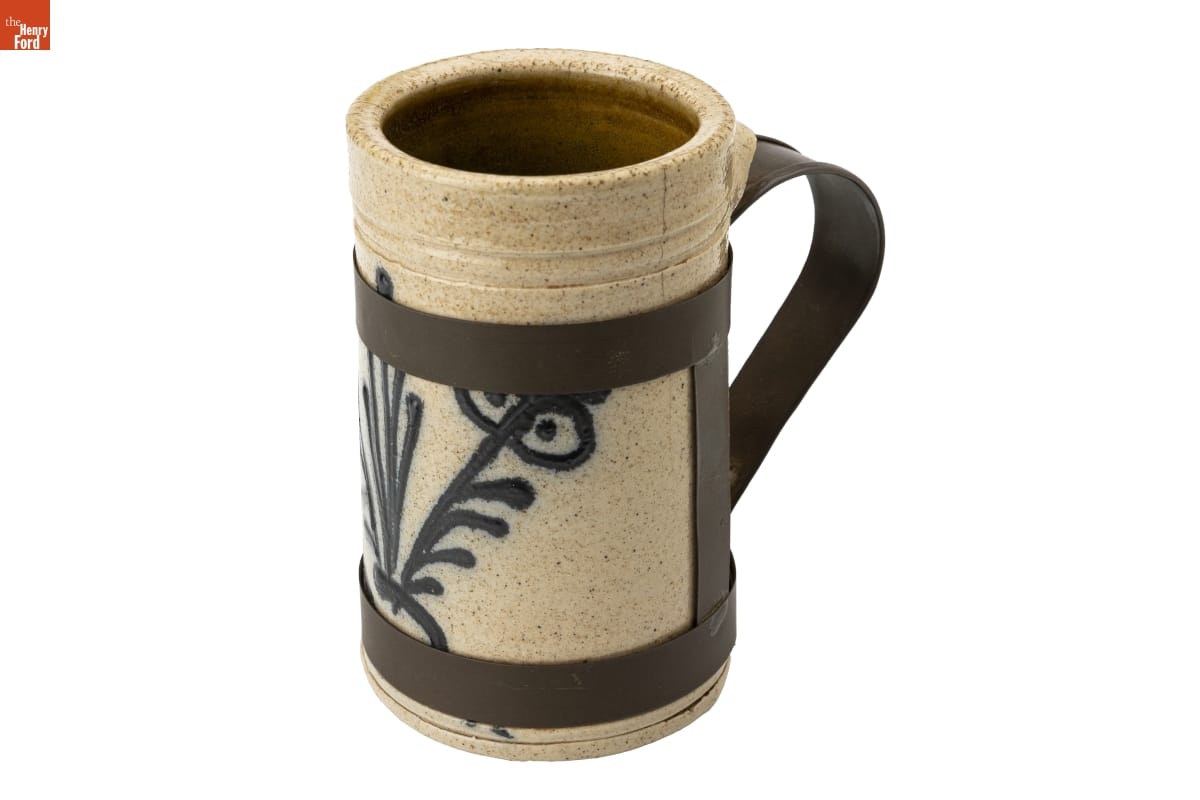
- Make-Do Mug, 1990 - In 19th-century America, local tinsmiths produced new goods and offered repair services. Customers might bring a broken article of tin or another material, such as pottery or glass, to be repaired with a tin replacement part. "Making do" was much less expensive than purchasing a new item. The modern handle seen here was made in the Greenfield Village tin shop using historical tinsmithing techniques.
- 1990
- Collections - Artifact
Make-Do Mug, 1990
In 19th-century America, local tinsmiths produced new goods and offered repair services. Customers might bring a broken article of tin or another material, such as pottery or glass, to be repaired with a tin replacement part. "Making do" was much less expensive than purchasing a new item. The modern handle seen here was made in the Greenfield Village tin shop using historical tinsmithing techniques.
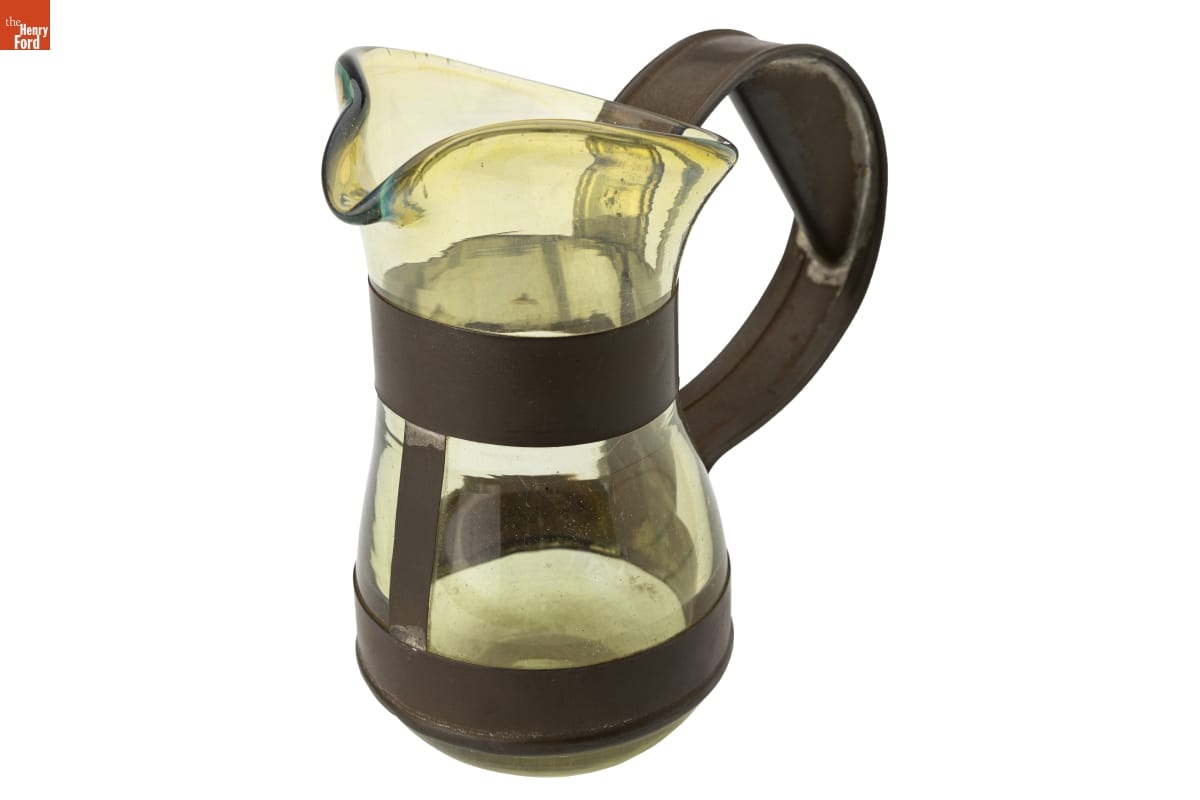
- Make-Do Pitcher, 1973 - In 19th-century America, local tinsmiths produced new goods and offered repair services. Customers might bring a broken article of tin or another material, such as pottery or glass, to be repaired with a tin replacement part. "Making do" was much less expensive than purchasing a new item. The modern handle seen here was made in the Greenfield Village tin shop using historical tinsmithing techniques.
- 1973
- Collections - Artifact
Make-Do Pitcher, 1973
In 19th-century America, local tinsmiths produced new goods and offered repair services. Customers might bring a broken article of tin or another material, such as pottery or glass, to be repaired with a tin replacement part. "Making do" was much less expensive than purchasing a new item. The modern handle seen here was made in the Greenfield Village tin shop using historical tinsmithing techniques.
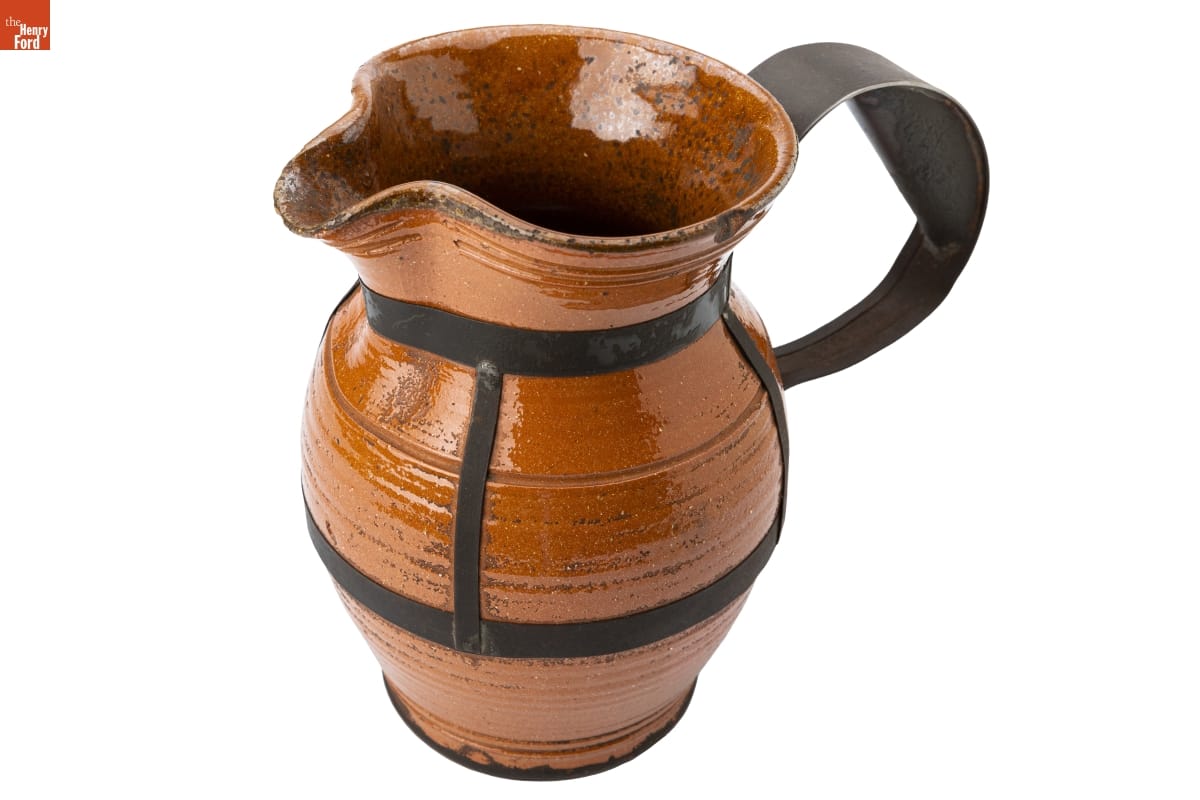
- Make-Do Pitcher, 1990-2010 - In 19th-century America, local tinsmiths produced new goods and offered repair services. Customers might bring a broken article of tin or another material, such as pottery or glass, to be repaired with a tin replacement part. "Making do" was much less expensive than purchasing a new item. The modern handle seen here was made in the Greenfield Village tin shop using historical tinsmithing techniques.
- 1990-2010
- Collections - Artifact
Make-Do Pitcher, 1990-2010
In 19th-century America, local tinsmiths produced new goods and offered repair services. Customers might bring a broken article of tin or another material, such as pottery or glass, to be repaired with a tin replacement part. "Making do" was much less expensive than purchasing a new item. The modern handle seen here was made in the Greenfield Village tin shop using historical tinsmithing techniques.
- Make-Do Mug, 1970-1985 - In 19th-century America, local tinsmiths produced new goods and offered repair services. Customers might bring a broken article of tin or another material, such as pottery or glass, to be repaired with a tin replacement part. "Making do" was much less expensive than purchasing a new item. The modern handle seen here was made in the Greenfield Village tin shop using historical tinsmithing techniques.
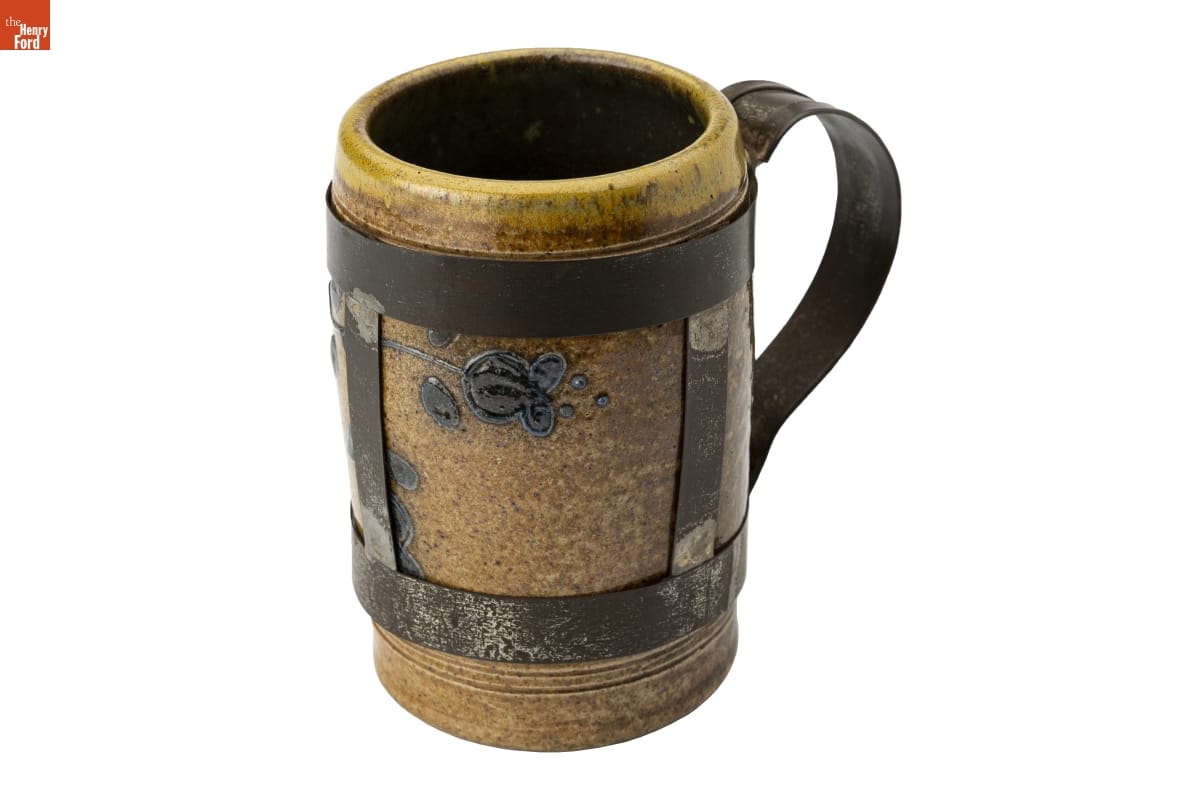
- 1970-1985
- Collections - Artifact
Make-Do Mug, 1970-1985
In 19th-century America, local tinsmiths produced new goods and offered repair services. Customers might bring a broken article of tin or another material, such as pottery or glass, to be repaired with a tin replacement part. "Making do" was much less expensive than purchasing a new item. The modern handle seen here was made in the Greenfield Village tin shop using historical tinsmithing techniques.
- Making Music Your Own, 1965 -

- 1965
- Collections - Artifact
Making Music Your Own, 1965