
Search
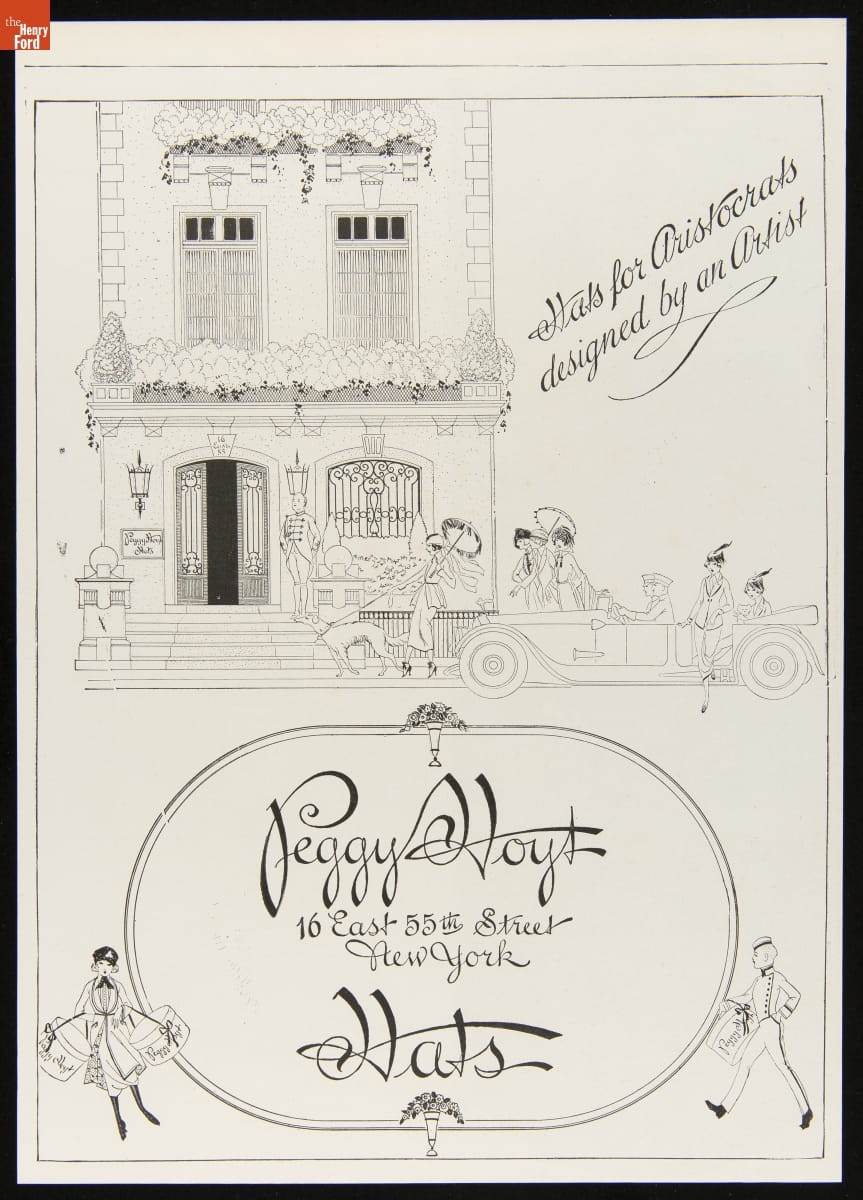
- Advertisement, "Peggy Hoyt Hats: Hats for an Aristocrat Designed by an Artist," 1923 - Peggy Hoyt began her career making hats as a milliner's apprentice--and went on to become a highly successful New York City fashion designer whose creations would rival those of Paris. Her clothing designs were creative and unique, employing her signature pastels, rhinestone ornaments, and handkerchief hems. Hoyt dressed a small, but exclusive, clientele in every large American city.
- 1923
- Collections - Artifact
Advertisement, "Peggy Hoyt Hats: Hats for an Aristocrat Designed by an Artist," 1923
Peggy Hoyt began her career making hats as a milliner's apprentice--and went on to become a highly successful New York City fashion designer whose creations would rival those of Paris. Her clothing designs were creative and unique, employing her signature pastels, rhinestone ornaments, and handkerchief hems. Hoyt dressed a small, but exclusive, clientele in every large American city.
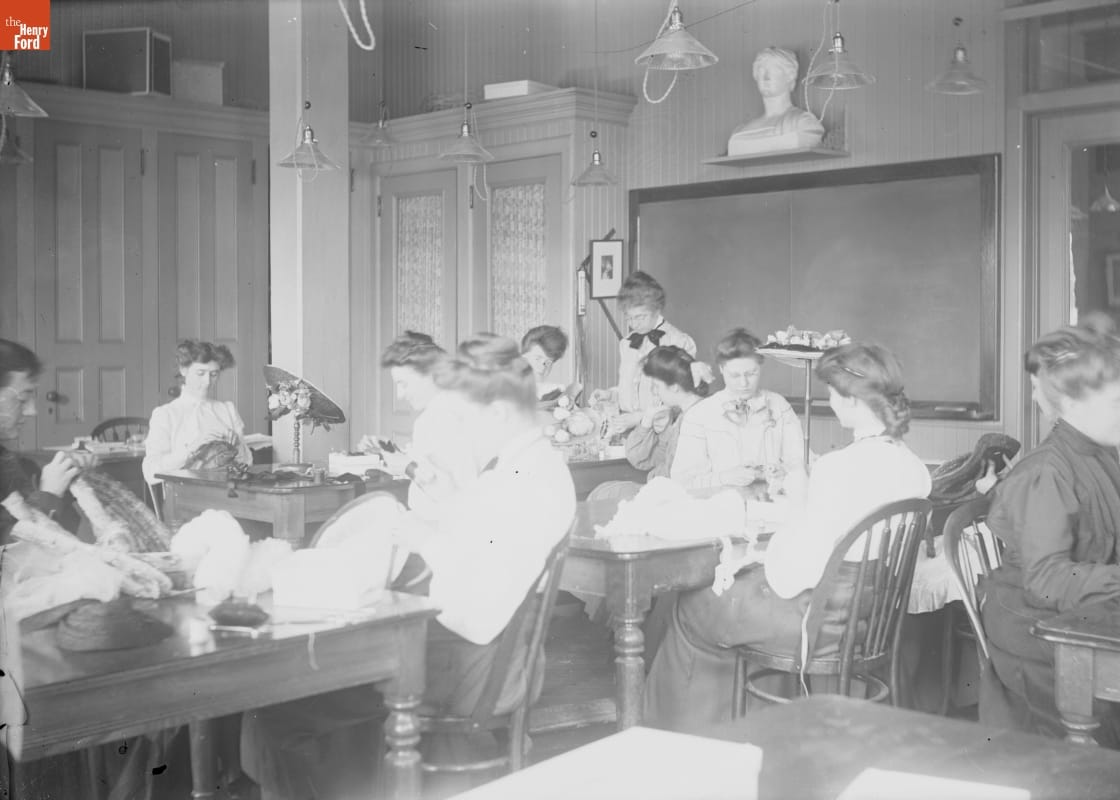
- Women Assembling Hats, circa 1900 - In 1890, Jenny Young Chandler, 25 years old and recently widowed, began working for the <EM>New York Herald</EM>. As a photojournalist and feature writer, Chandler captured life in Brooklyn, New York, and vicinity. By 1922, the time of her death, she had produced over 800 glass plate negatives. Her sensitive, insightful photographs depict people from all walks of life and the world in which they lived.
- circa 1900
- Collections - Artifact
Women Assembling Hats, circa 1900
In 1890, Jenny Young Chandler, 25 years old and recently widowed, began working for the New York Herald. As a photojournalist and feature writer, Chandler captured life in Brooklyn, New York, and vicinity. By 1922, the time of her death, she had produced over 800 glass plate negatives. Her sensitive, insightful photographs depict people from all walks of life and the world in which they lived.
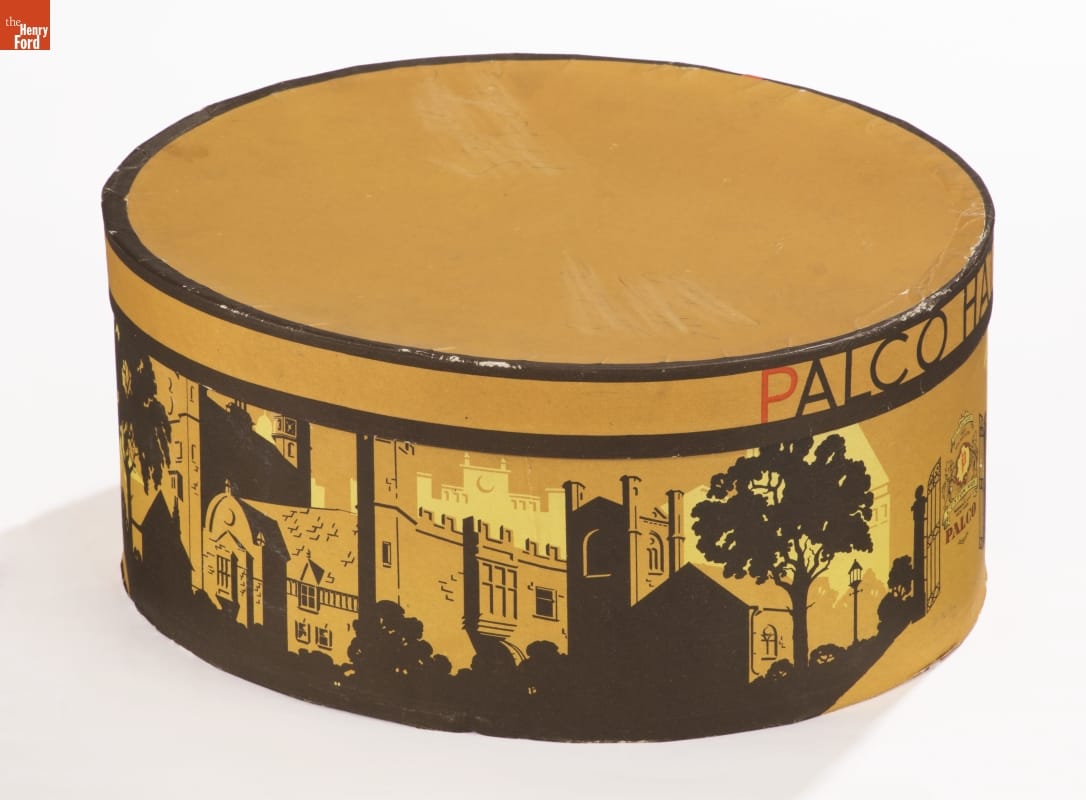
- Palco Hats Hatbox, 1935-1950 -
- 1935-1950
- Collections - Artifact
Palco Hats Hatbox, 1935-1950
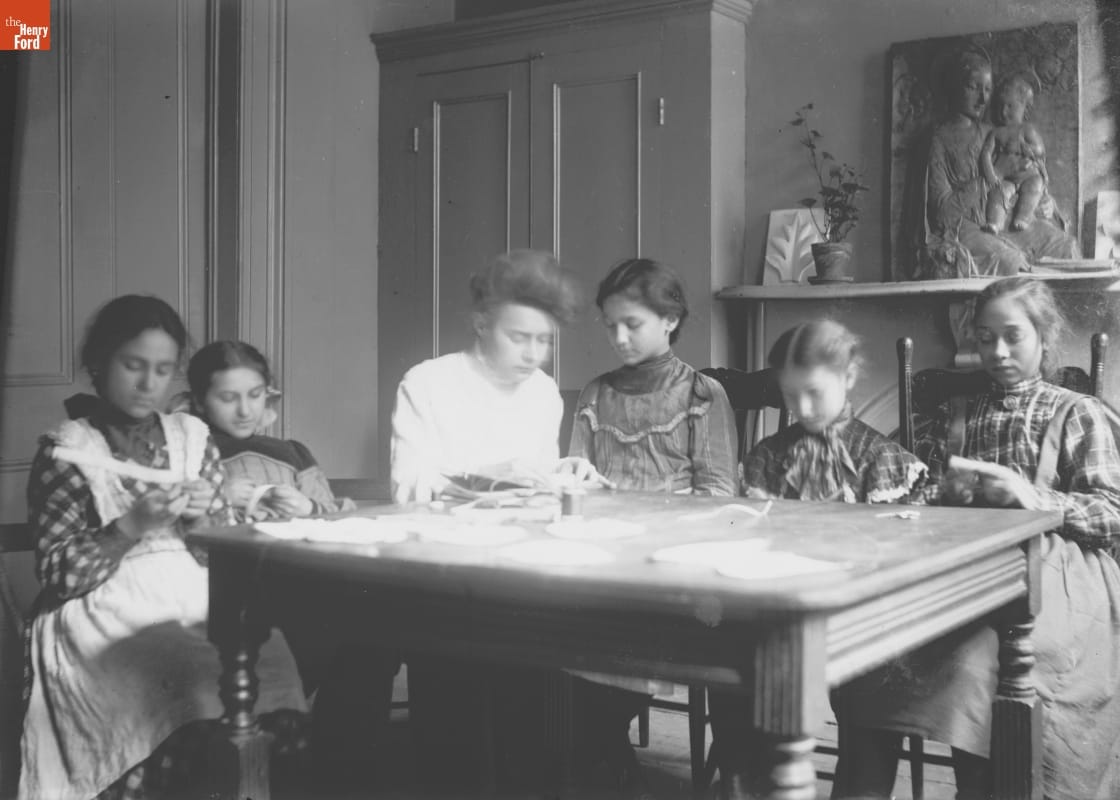
- Little Italy House, Girls Making Hats, 1890-1915 - In 1890, Jenny Young Chandler, 25 years old and recently widowed, began working for the <EM>New York Herald</EM>. As a photojournalist and feature writer, Chandler captured life in Brooklyn, New York, and vicinity. By 1922, the time of her death, she had produced over 800 glass plate negatives. Her sensitive, insightful photographs depict people from all walks of life and the world in which they lived.
- 1890-1915
- Collections - Artifact
Little Italy House, Girls Making Hats, 1890-1915
In 1890, Jenny Young Chandler, 25 years old and recently widowed, began working for the New York Herald. As a photojournalist and feature writer, Chandler captured life in Brooklyn, New York, and vicinity. By 1922, the time of her death, she had produced over 800 glass plate negatives. Her sensitive, insightful photographs depict people from all walks of life and the world in which they lived.
- Hat -
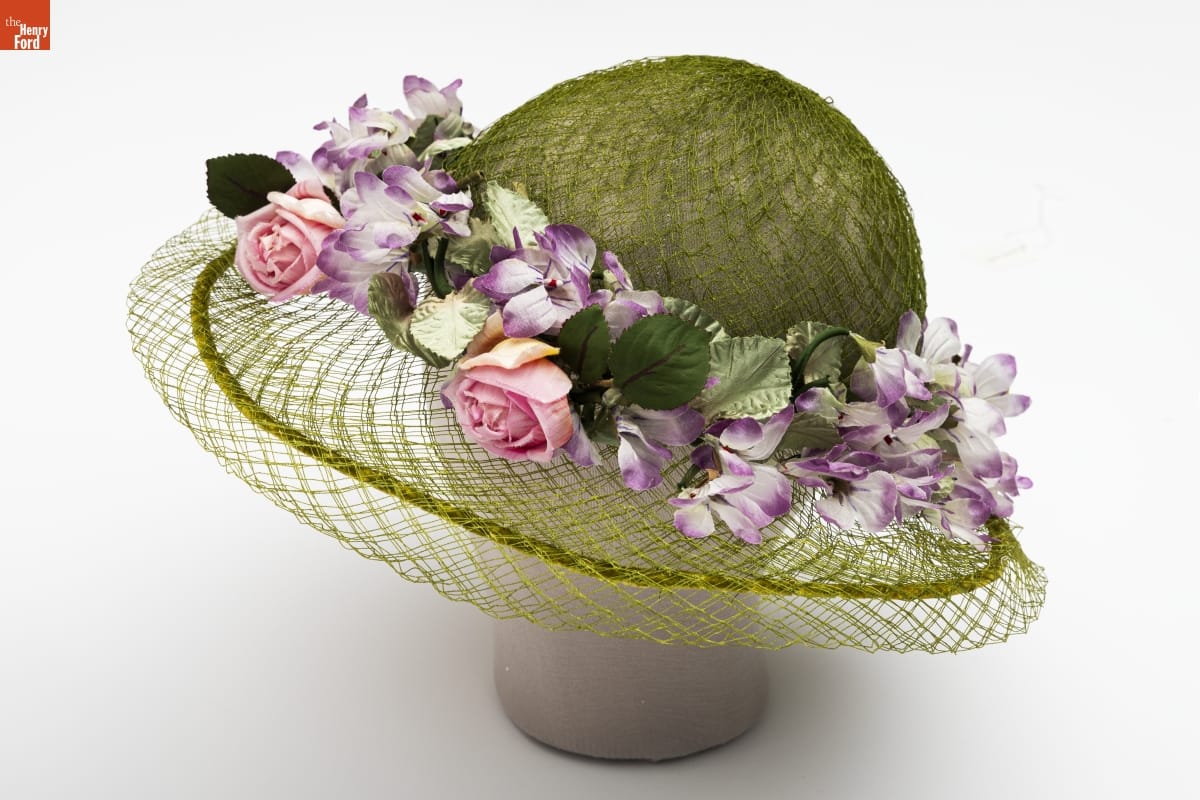
- Collections - Artifact
Hat
- Child's Hat -
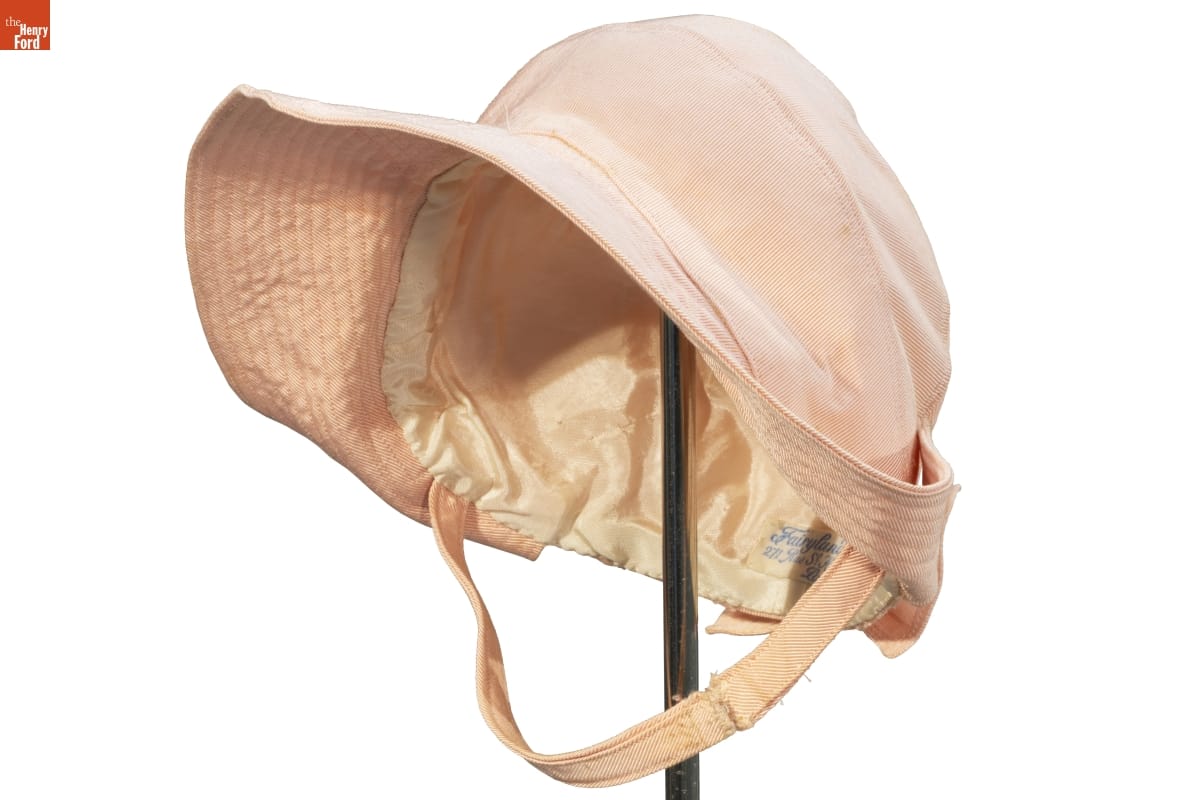
- Collections - Artifact
Child's Hat
- Hat Stand -
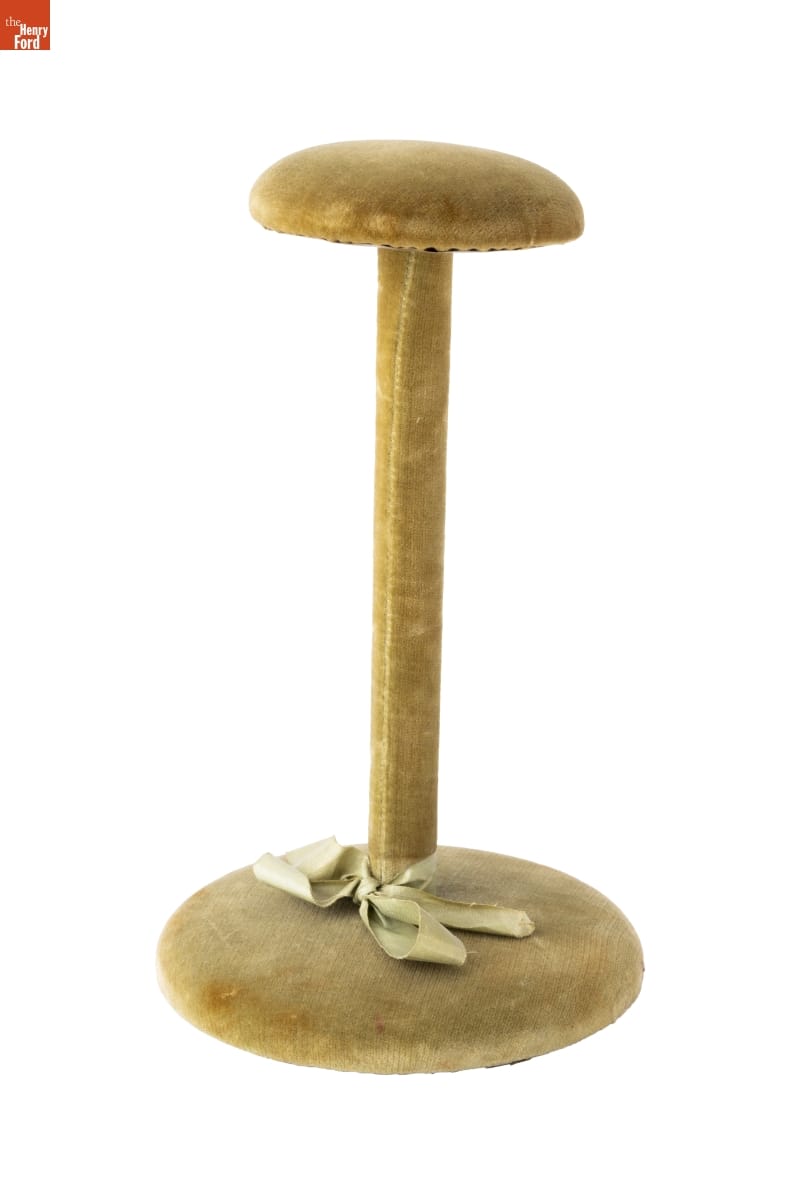
- Collections - Artifact
Hat Stand
- Hat Brush -
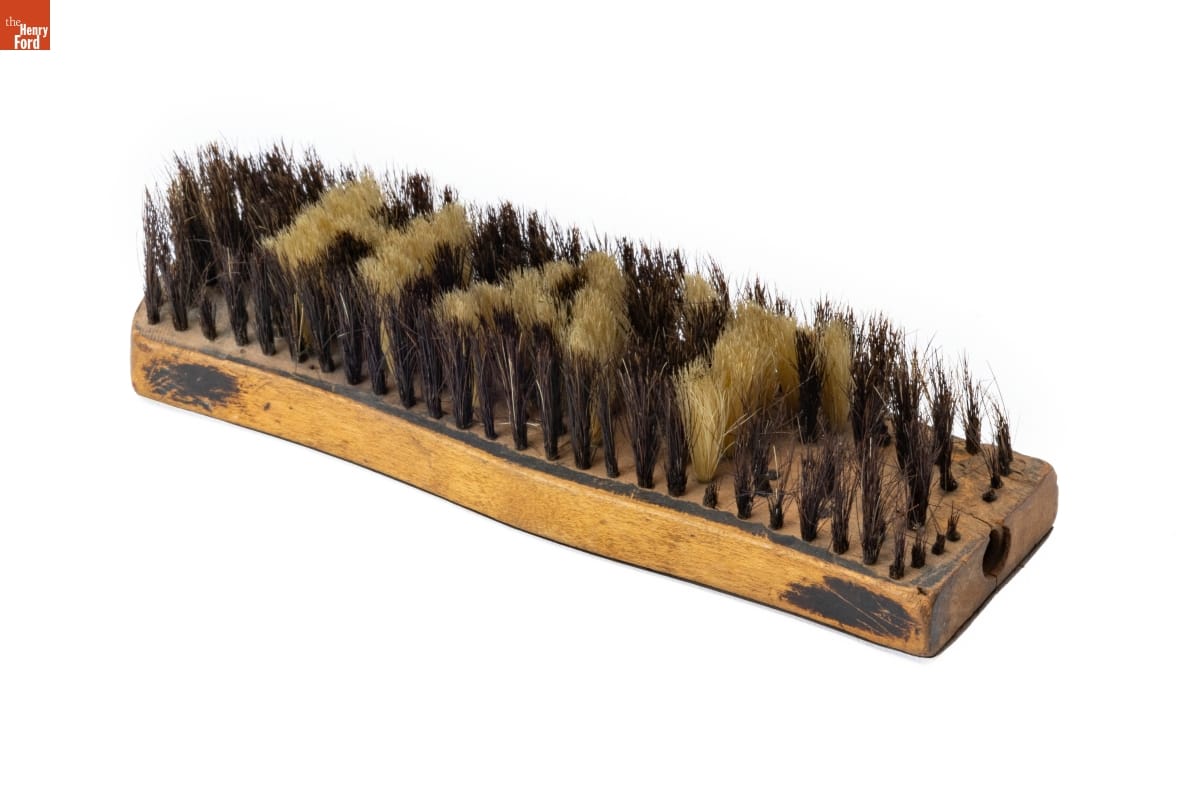
- Collections - Artifact
Hat Brush
- Garden Hat -
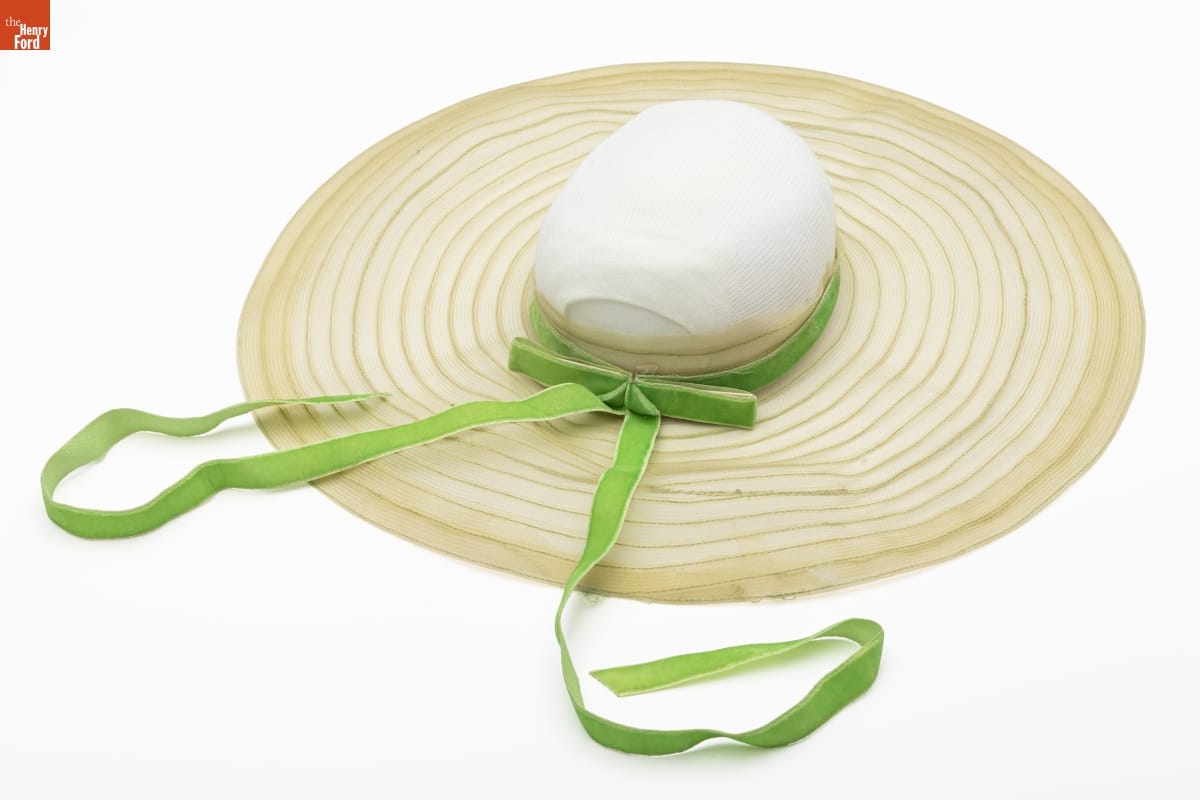
- 1940-1950
- Collections - Artifact
Garden Hat
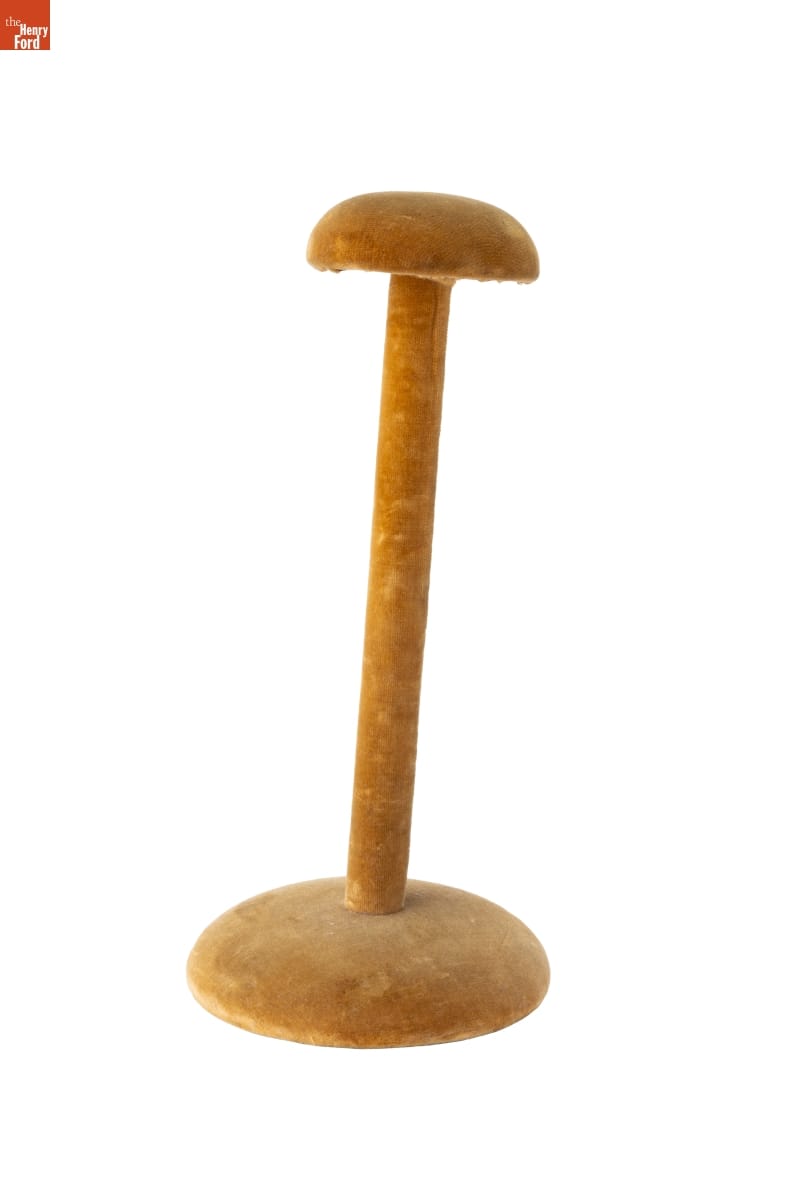
- Hat Stand -
- Collections - Artifact
Hat Stand