
Search
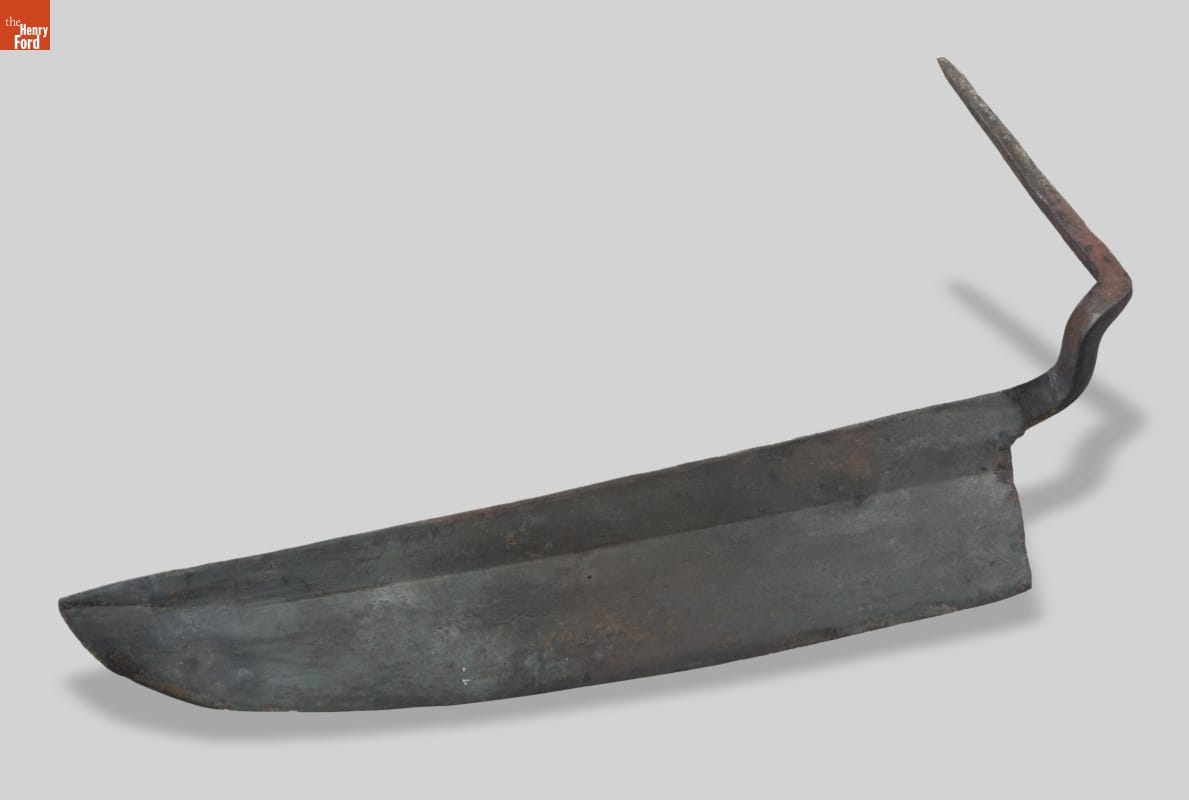
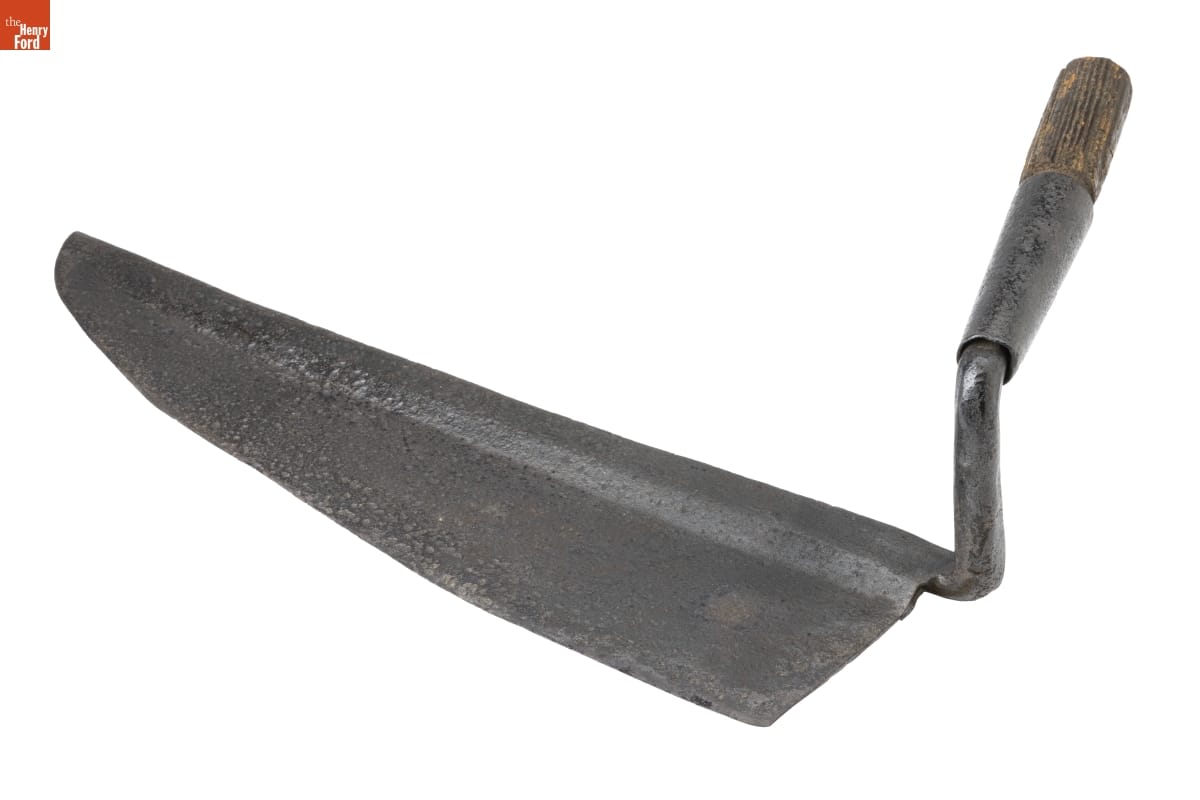
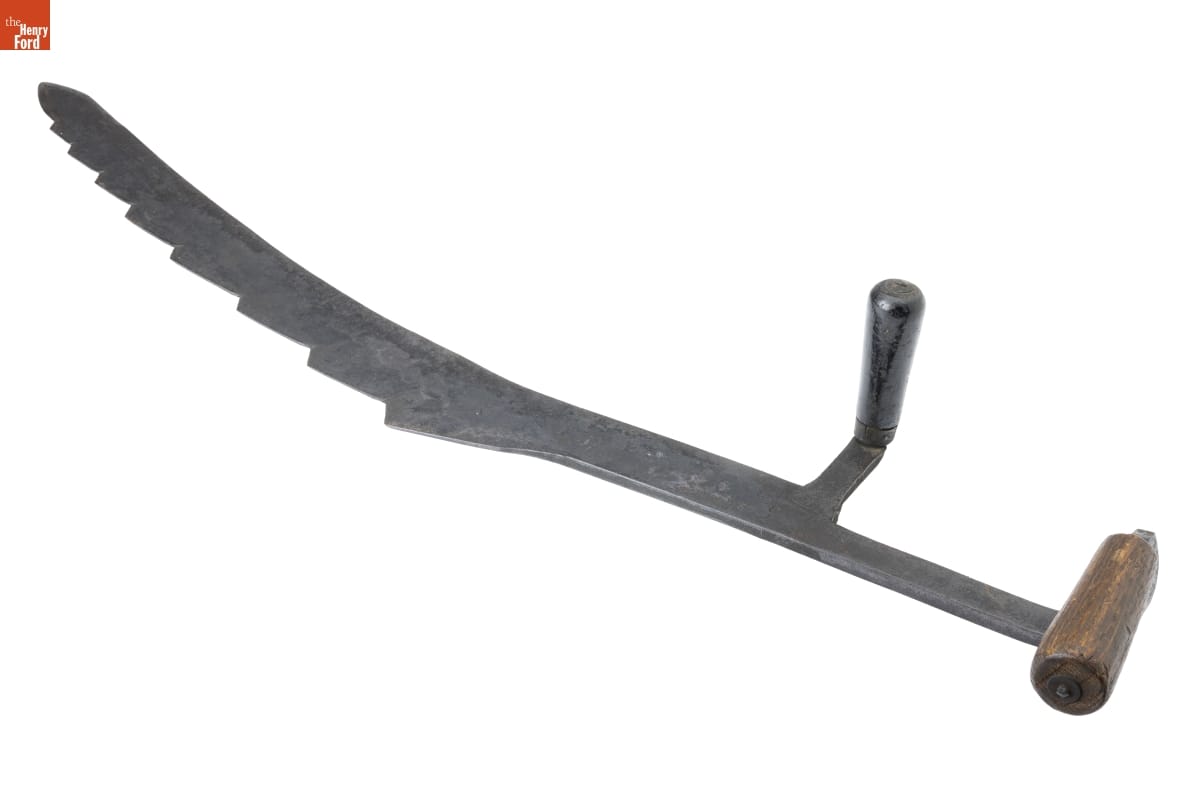
- Hay Knife - Farm families cut and cured enough grass each summer to feed hay to their livestock all winter. Stored hay settled over time and farmers used special knives made by blacksmiths to cut out chunks for feed. The smiths forged wrought-iron blades with a long cutting edge. The wooden handle was set on a tang (a pointed metal extension of the handle) and secured with a metal collar for durability.
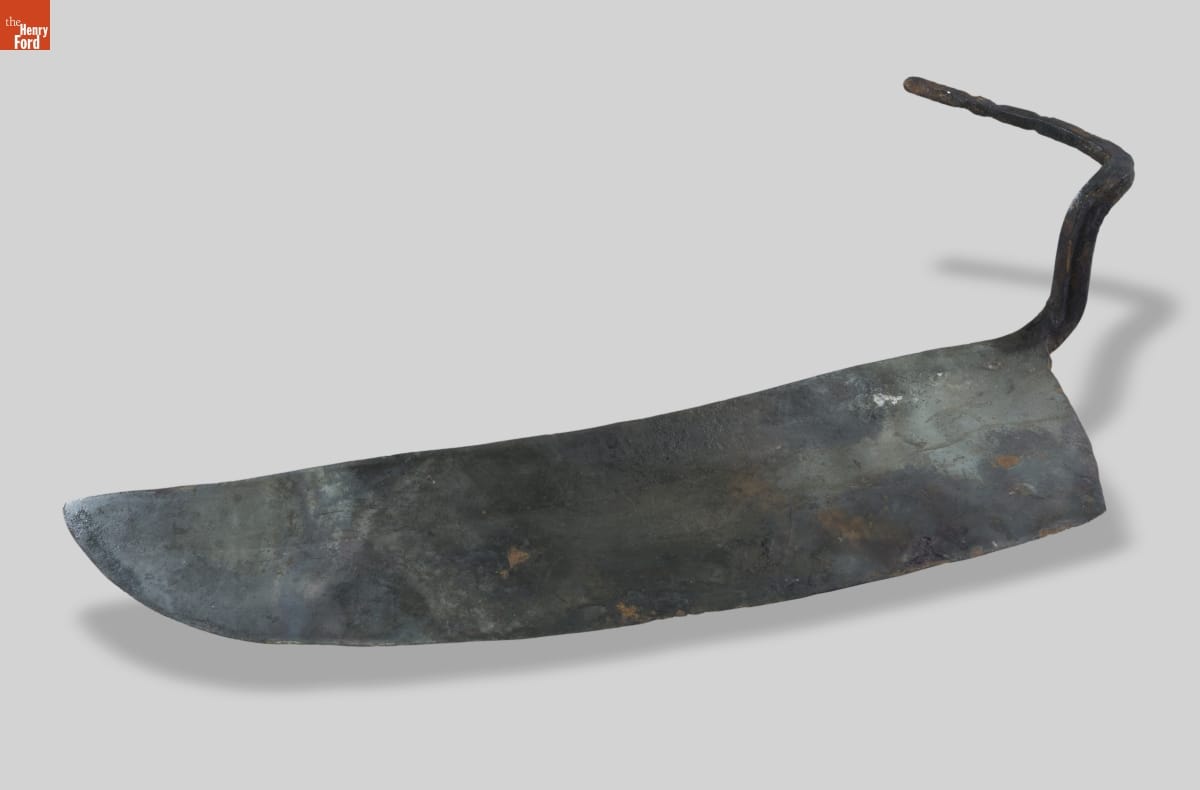
- Collections - Artifact
Hay Knife
Farm families cut and cured enough grass each summer to feed hay to their livestock all winter. Stored hay settled over time and farmers used special knives made by blacksmiths to cut out chunks for feed. The smiths forged wrought-iron blades with a long cutting edge. The wooden handle was set on a tang (a pointed metal extension of the handle) and secured with a metal collar for durability.
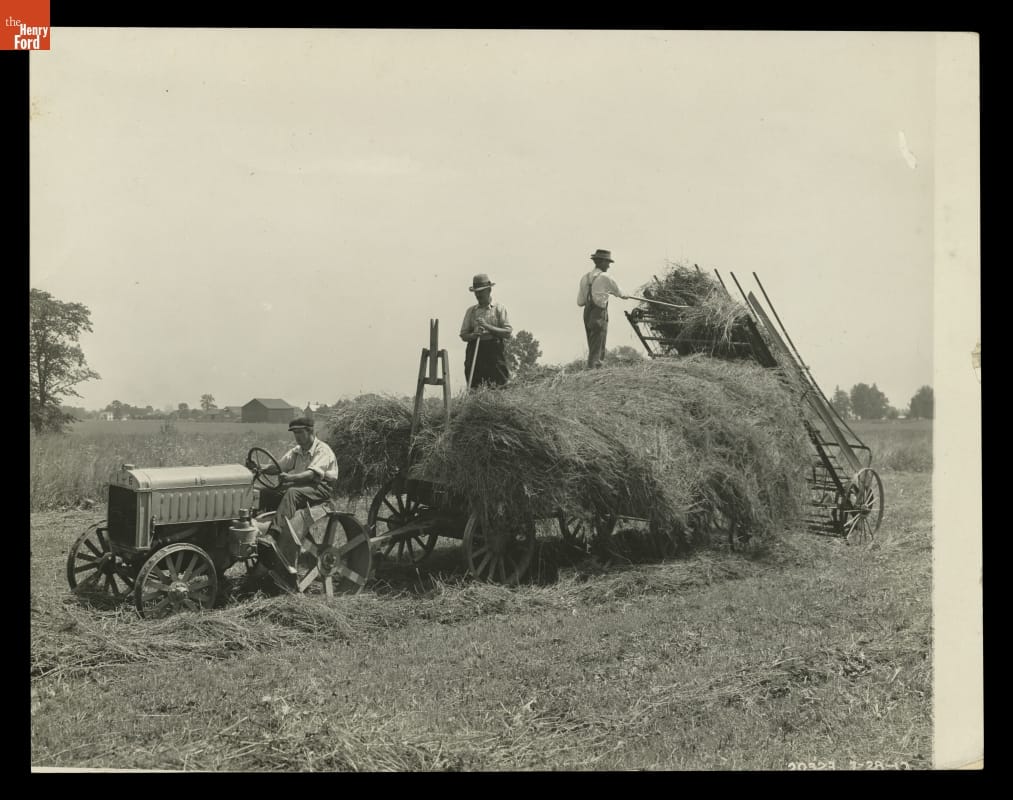
- Hay - Hay is a mixture of cut grasses or crops like alfalfa or clover that keeps farm animals well fed during winter months. Making hay is a labor-intensive and time-consuming process--farmers cut, dry, and store hay all summer long. It is also a race against time--rain damages the crop drying in the fields. Mechanical innovations have reduced the time and labor--but not the urgency--required to complete this essential chore.
- May 22, 2018
- Collections - Set
Hay
Hay is a mixture of cut grasses or crops like alfalfa or clover that keeps farm animals well fed during winter months. Making hay is a labor-intensive and time-consuming process--farmers cut, dry, and store hay all summer long. It is also a race against time--rain damages the crop drying in the fields. Mechanical innovations have reduced the time and labor--but not the urgency--required to complete this essential chore.
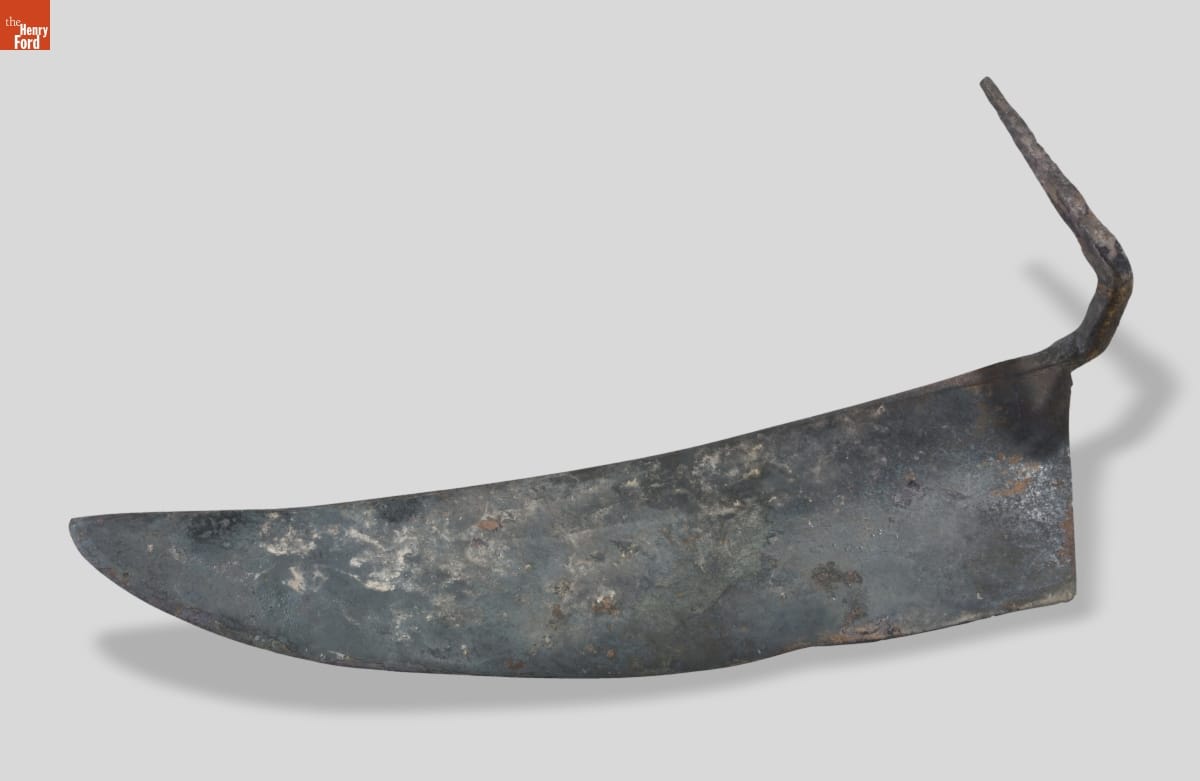
- Hay Knife - Farm families cut and cured enough grass each summer to feed hay to their livestock all winter. Stored hay settled over time and farmers used special knives made by blacksmiths to cut out chunks for feed. The smiths forged wrought-iron blades with a long cutting edge. The wooden handle was set on a tang (a pointed metal extension of the handle) and secured with a metal collar for durability.
- Collections - Artifact
Hay Knife
Farm families cut and cured enough grass each summer to feed hay to their livestock all winter. Stored hay settled over time and farmers used special knives made by blacksmiths to cut out chunks for feed. The smiths forged wrought-iron blades with a long cutting edge. The wooden handle was set on a tang (a pointed metal extension of the handle) and secured with a metal collar for durability.
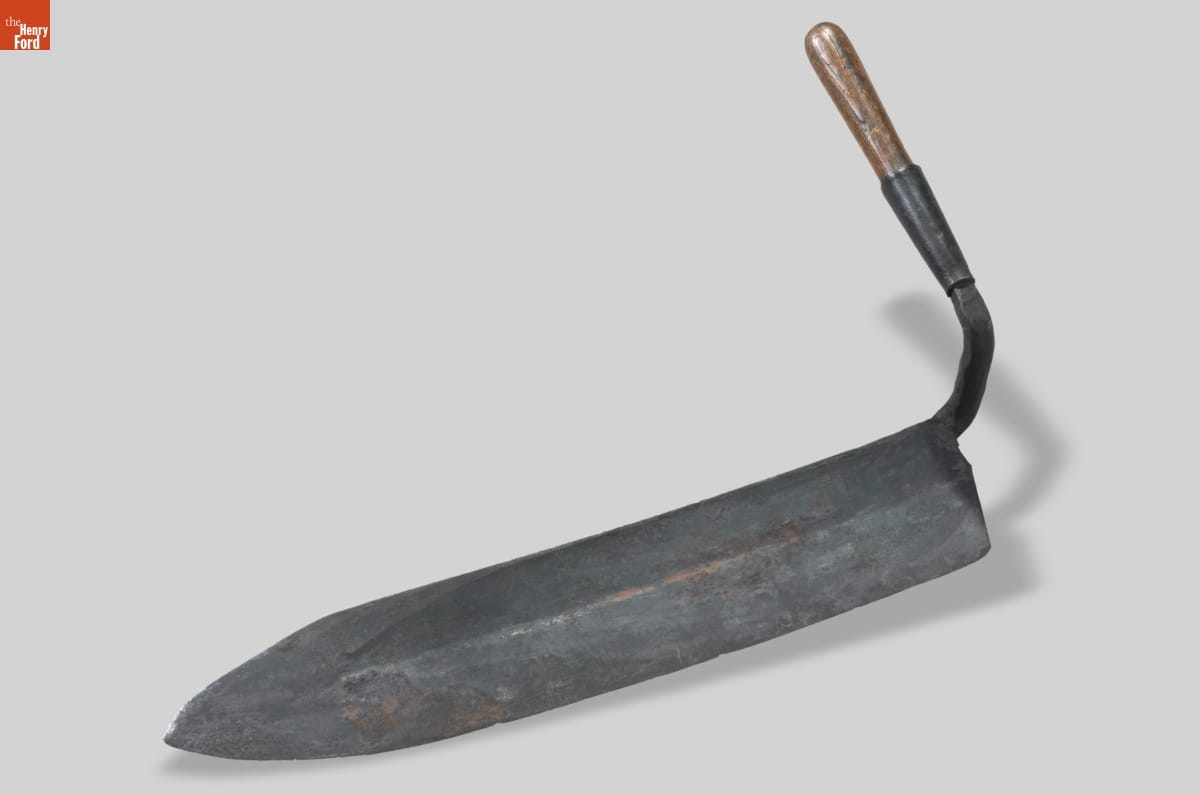
- Hay Knife - Farm families cut and cured enough grass each summer to feed hay to their livestock all winter. Stored hay settled over time and farmers used special knives made by blacksmiths to cut out chunks for feed. The smiths forged wrought-iron blades with a long cutting edge. The wooden handle was set on a tang (a pointed metal extension of the handle) and secured with a metal collar for durability.
- Collections - Artifact
Hay Knife
Farm families cut and cured enough grass each summer to feed hay to their livestock all winter. Stored hay settled over time and farmers used special knives made by blacksmiths to cut out chunks for feed. The smiths forged wrought-iron blades with a long cutting edge. The wooden handle was set on a tang (a pointed metal extension of the handle) and secured with a metal collar for durability.
- Hay Knife - Farm families cut and cured enough grass each summer to feed hay to their livestock all winter. Stored hay settled over time and farmers used special knives made by blacksmiths to cut out chunks for feed. The smiths forged wrought-iron blades with a long cutting edge. The wooden handle was set on a tang (a pointed metal extension of the handle) and secured with a metal collar for durability.
- Collections - Artifact
Hay Knife
Farm families cut and cured enough grass each summer to feed hay to their livestock all winter. Stored hay settled over time and farmers used special knives made by blacksmiths to cut out chunks for feed. The smiths forged wrought-iron blades with a long cutting edge. The wooden handle was set on a tang (a pointed metal extension of the handle) and secured with a metal collar for durability.
- Hay Knife -
- Collections - Artifact
Hay Knife
- Hay Knife -
- Collections - Artifact
Hay Knife
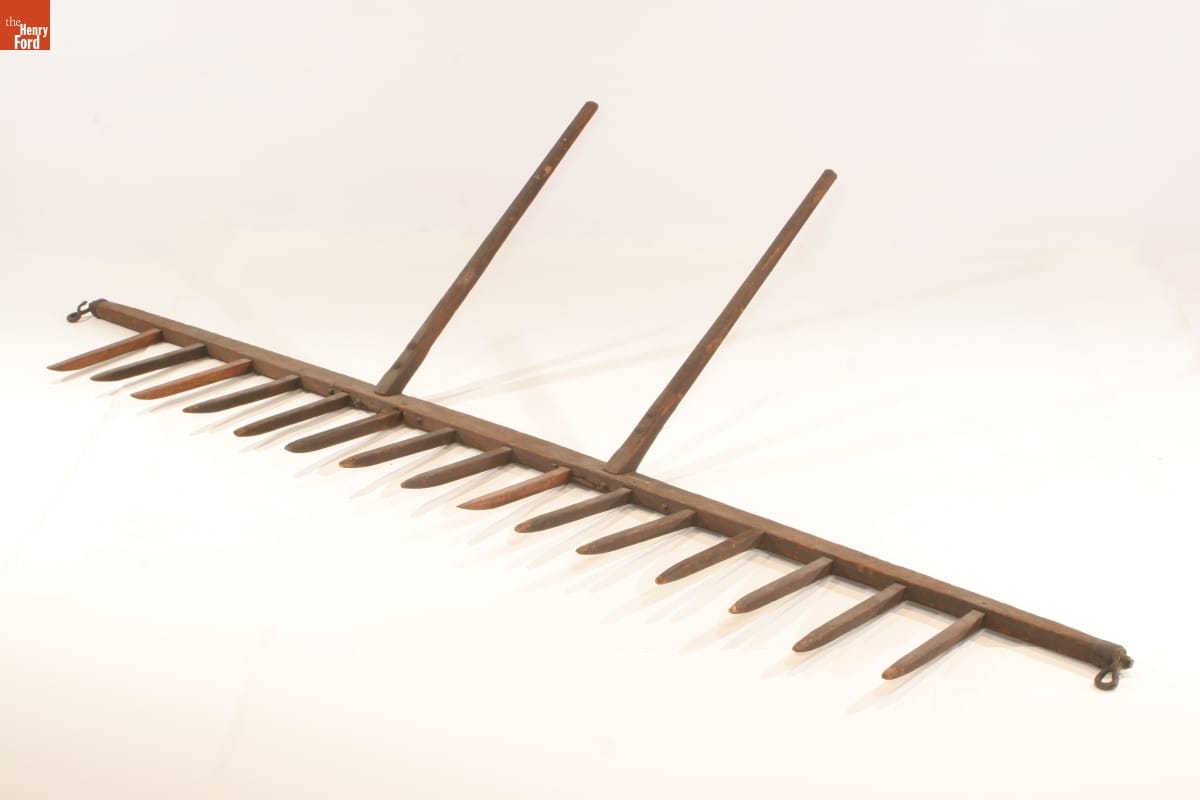
- Hay Rake, 1825-1835 - This rake was common from the 1700s to the 1840s. Two horses dragged the rake over the field, reducing physical labor and time needed to harvest the scythe-cut hay. A farmer or a field hand walked behind holding the two wooden handles to keep the rake's teeth parallel to the ground. The operator stopped periodically and tipped the rake to deposit the hay into windrows.
- 1825-1835
- Collections - Artifact
Hay Rake, 1825-1835
This rake was common from the 1700s to the 1840s. Two horses dragged the rake over the field, reducing physical labor and time needed to harvest the scythe-cut hay. A farmer or a field hand walked behind holding the two wooden handles to keep the rake's teeth parallel to the ground. The operator stopped periodically and tipped the rake to deposit the hay into windrows.
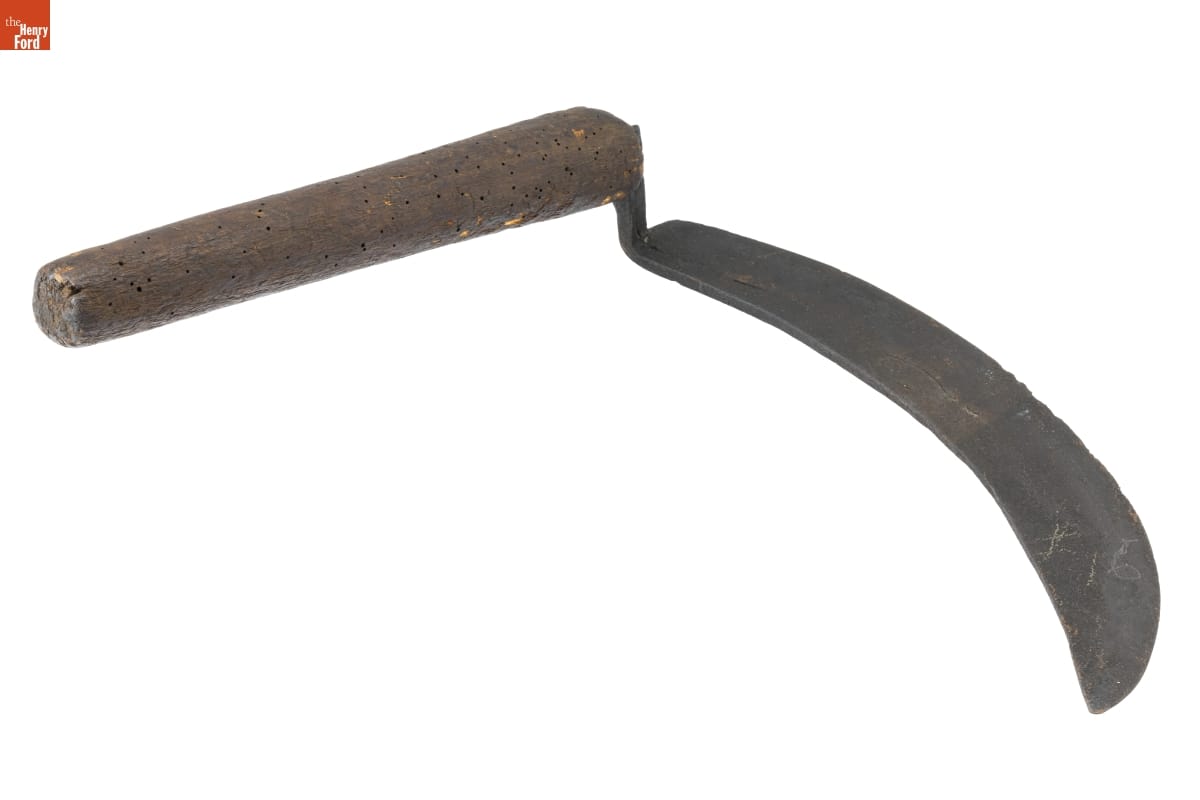
- Hay Knife, circa 1850 -
- circa 1850
- Collections - Artifact
Hay Knife, circa 1850
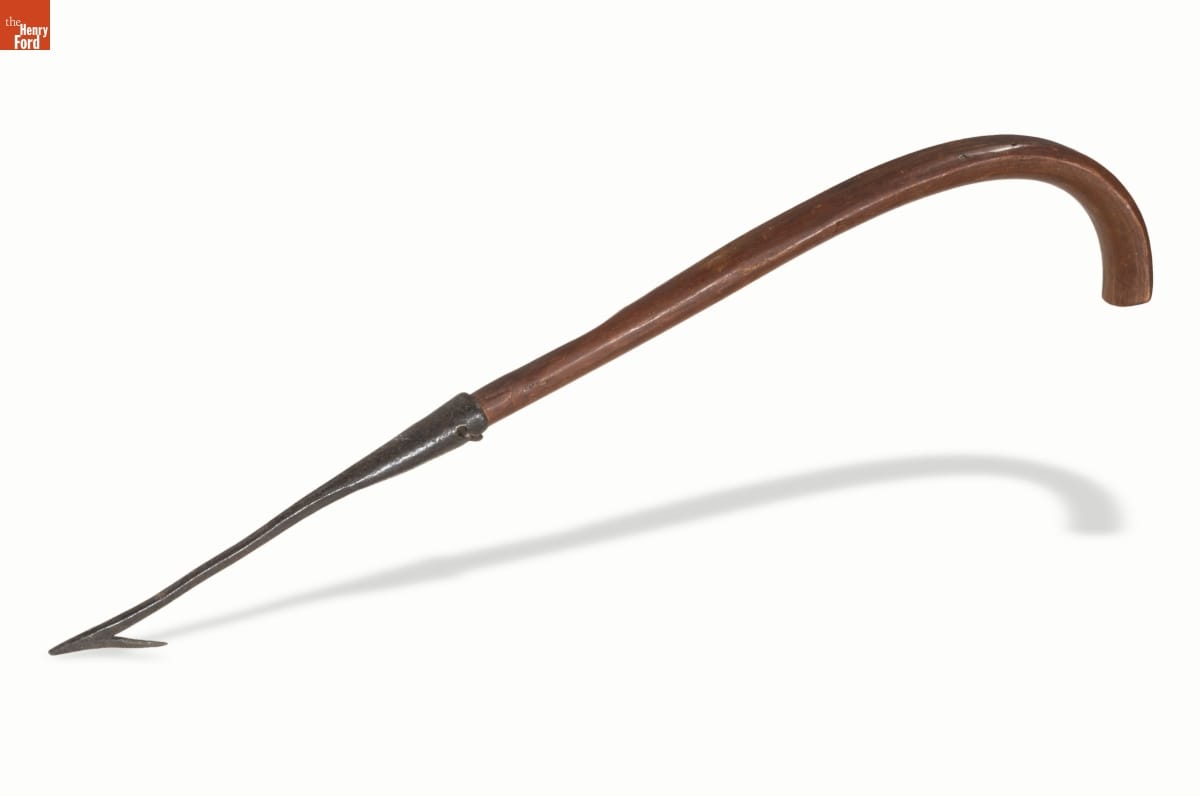
- Hay Hook, circa 1850 -
- circa 1850
- Collections - Artifact
Hay Hook, circa 1850