
Search
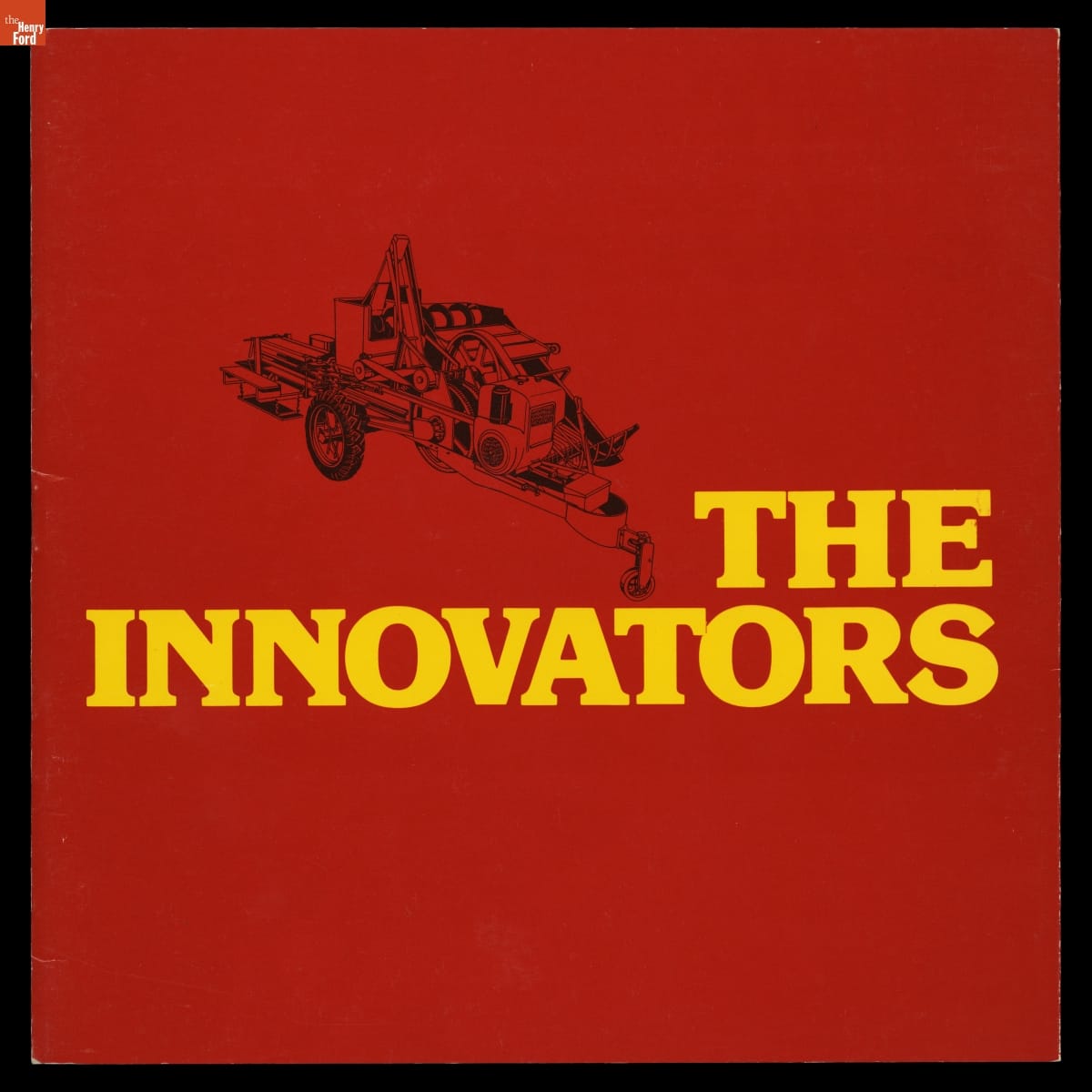
- Sperry-New Holland Catalog, "The Innovators," 1977 - For centuries, manufacturers have worked to perfect machinery that combines the three major steps of harvesting grain: reaping, or cutting the crop; threshing to loosen the grain from the chaff; and disposing of the straw while retaining the grain. Since self-propelled combines were introduced in the 1930s, competitors have produced ever-improving models. This catalog advertised a range of combines from Sperry Rand Corporation's New Holland Division.
- 1977
- Collections - Artifact
Sperry-New Holland Catalog, "The Innovators," 1977
For centuries, manufacturers have worked to perfect machinery that combines the three major steps of harvesting grain: reaping, or cutting the crop; threshing to loosen the grain from the chaff; and disposing of the straw while retaining the grain. Since self-propelled combines were introduced in the 1930s, competitors have produced ever-improving models. This catalog advertised a range of combines from Sperry Rand Corporation's New Holland Division.
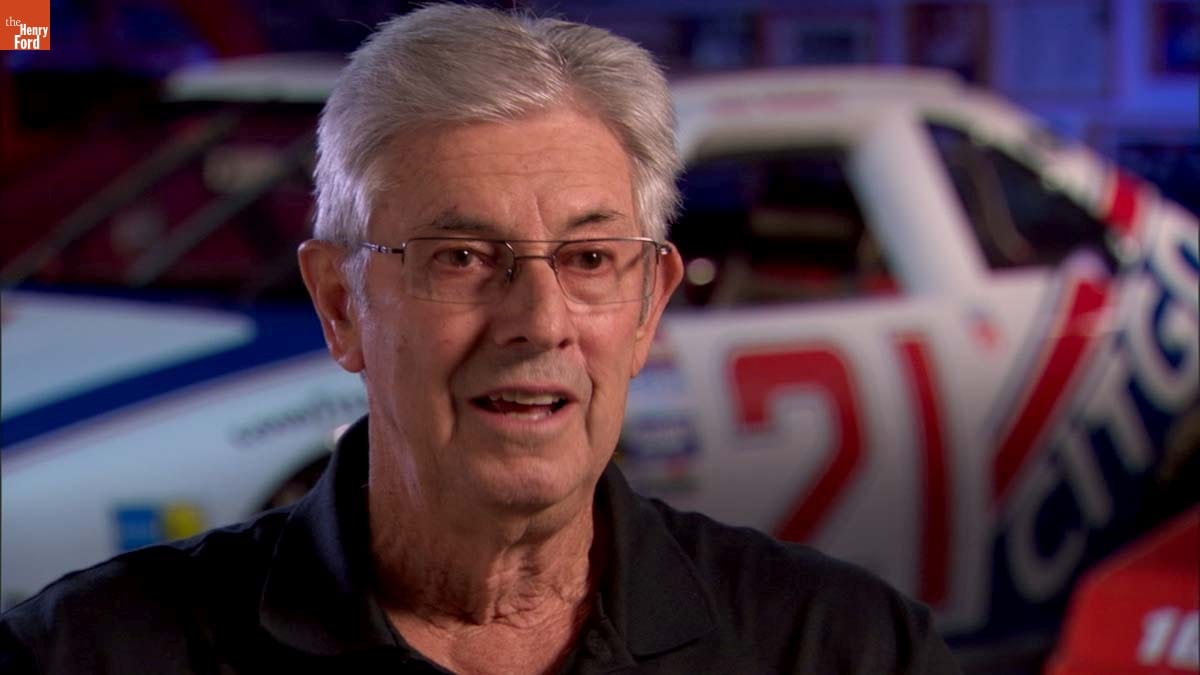
- "Innovations," Clip from Interview with Leonard Wood, October 24, 2010 - Wood Brothers Racing is the oldest active team in NASCAR. While other early teams treated pit stops like leisurely breaks for the driver, the Woods serviced their cars in a fast, choreographed procedure that helped win races and soon became standard. The Henry Ford interviewed members of the Wood family in 2010 at the team's museum in Stuart, Virginia.
- October 24, 2010
- Collections - Artifact
"Innovations," Clip from Interview with Leonard Wood, October 24, 2010
Wood Brothers Racing is the oldest active team in NASCAR. While other early teams treated pit stops like leisurely breaks for the driver, the Woods serviced their cars in a fast, choreographed procedure that helped win races and soon became standard. The Henry Ford interviewed members of the Wood family in 2010 at the team's museum in Stuart, Virginia.
- Innovation Station in Henry Ford Museum, November 1991 -
- November 01, 1991
- Collections - Artifact
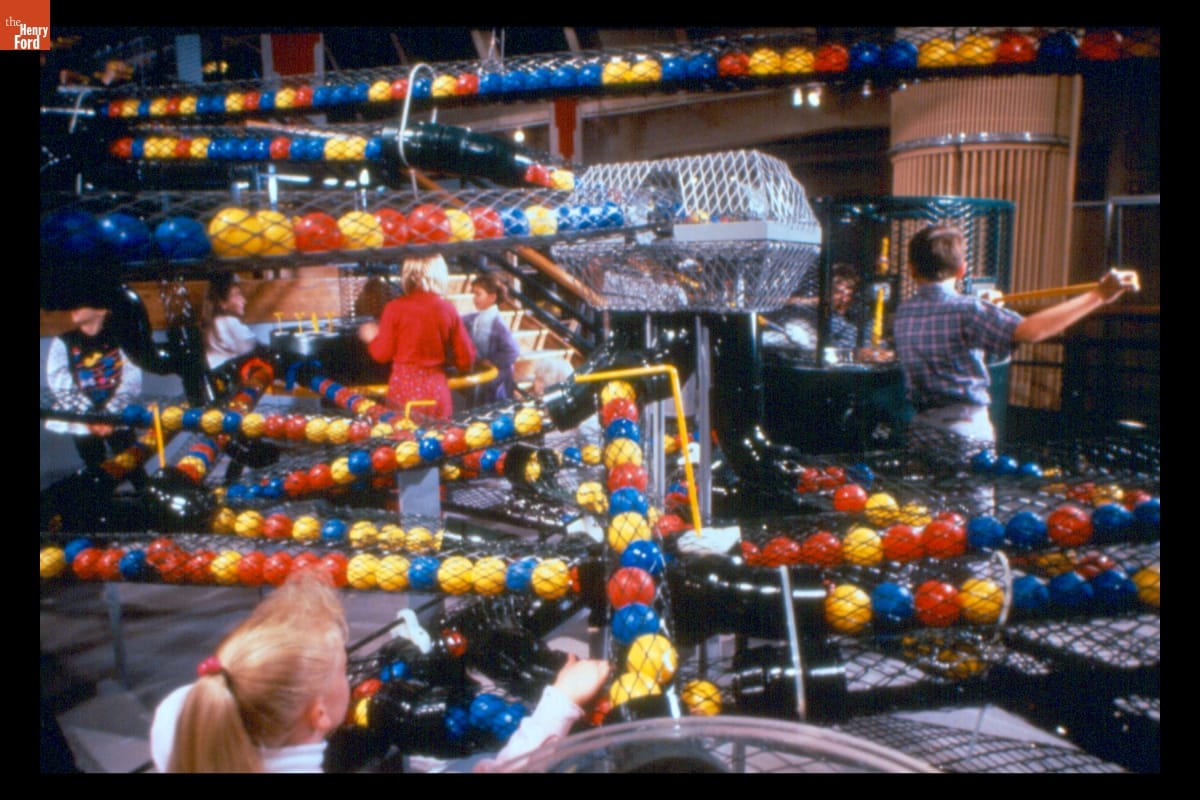
Innovation Station in Henry Ford Museum, November 1991
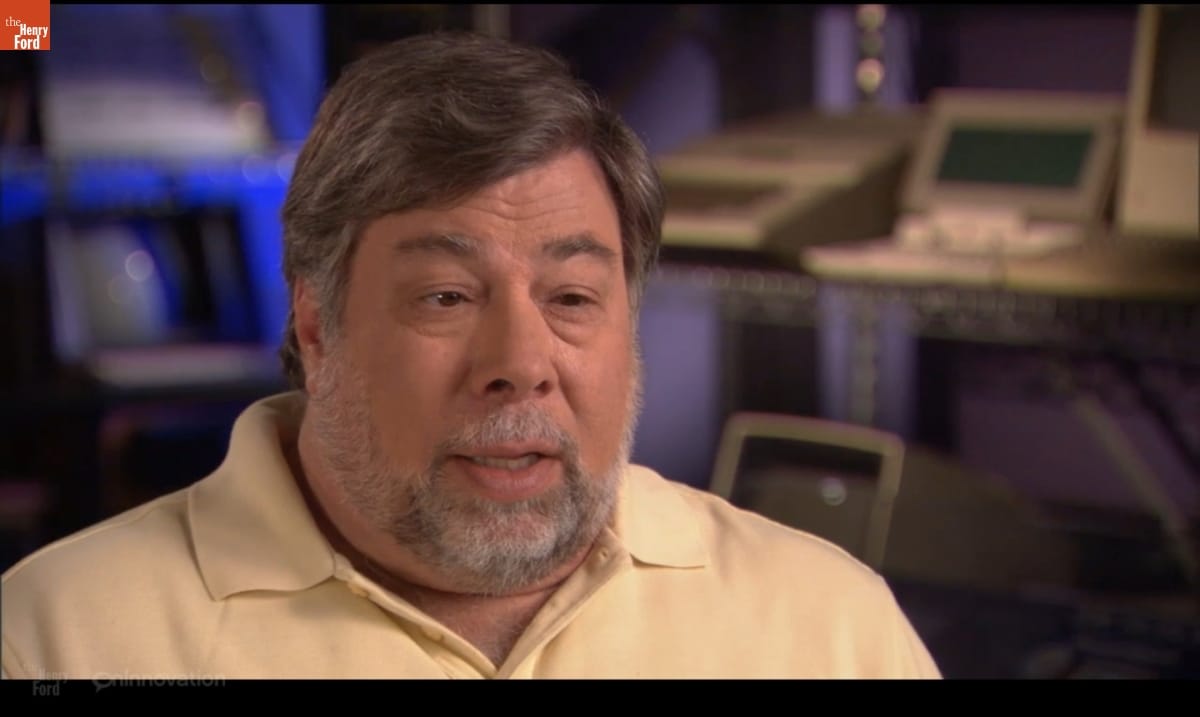
- "Motivation Innovation," Clip from Interview with Steve Wozniak, August 18, 2008 - American computer engineer Stephen Wozniak co-founded Apple Computer (now Apple Inc.) with Steve Jobs in 1976. Wozniak's inventions and machines--he created the Apple 1 and Apple II computers--contributed greatly to the personal computer revolution of the 1970s and 80s. In 2008, staff from The Henry Ford interviewed Wozniak at the Computer History Museum in California as part of the Collecting Innovation Today Oral History Project.
- August 18, 2008
- Collections - Artifact
"Motivation Innovation," Clip from Interview with Steve Wozniak, August 18, 2008
American computer engineer Stephen Wozniak co-founded Apple Computer (now Apple Inc.) with Steve Jobs in 1976. Wozniak's inventions and machines--he created the Apple 1 and Apple II computers--contributed greatly to the personal computer revolution of the 1970s and 80s. In 2008, staff from The Henry Ford interviewed Wozniak at the Computer History Museum in California as part of the Collecting Innovation Today Oral History Project.
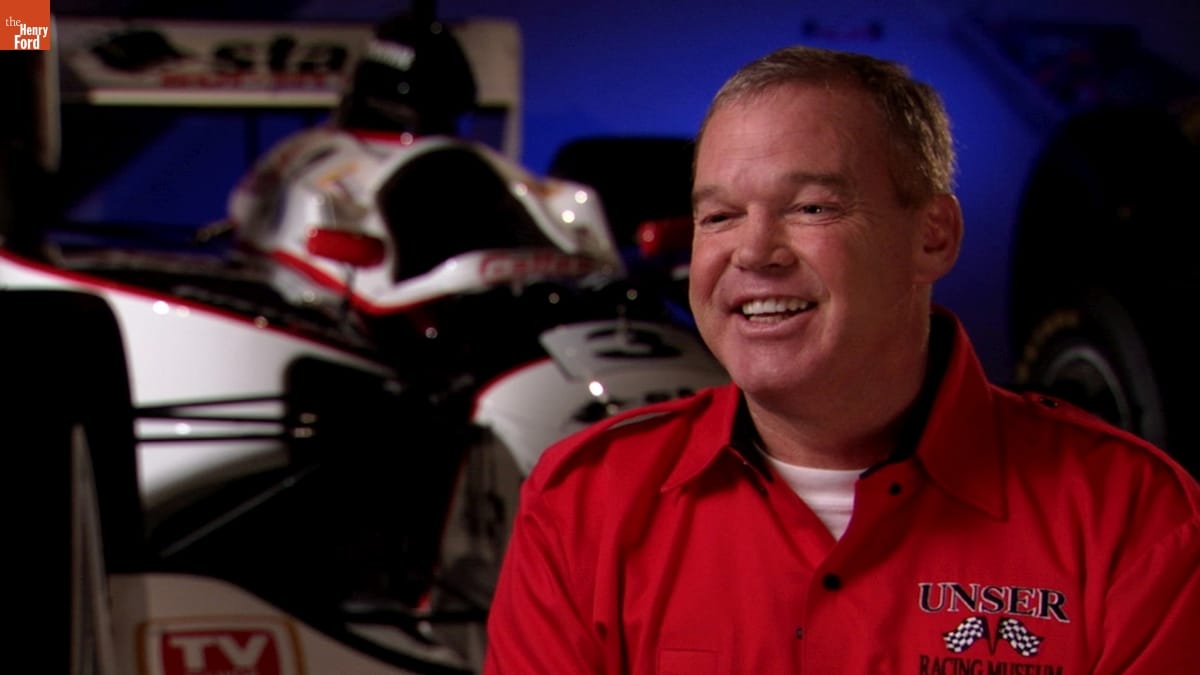
- "Innovations," Clip from Interview with Al Unser Jr., January 6, 2009 - Al Unser, Jr., followed his father, Al, and uncle, Bobby, to Victory Lane at the Indianapolis 500 with wins in 1992 and 1994. Unser also competed in the 1993 Daytona 500. In 2009, staff from The Henry Ford interviewed Al Unser, Jr., at the Unser Racing Museum in Albuquerque, New Mexico, as part of the Collecting Innovation Today Oral History Project.
- January 06, 2009
- Collections - Artifact
"Innovations," Clip from Interview with Al Unser Jr., January 6, 2009
Al Unser, Jr., followed his father, Al, and uncle, Bobby, to Victory Lane at the Indianapolis 500 with wins in 1992 and 1994. Unser also competed in the 1993 Daytona 500. In 2009, staff from The Henry Ford interviewed Al Unser, Jr., at the Unser Racing Museum in Albuquerque, New Mexico, as part of the Collecting Innovation Today Oral History Project.
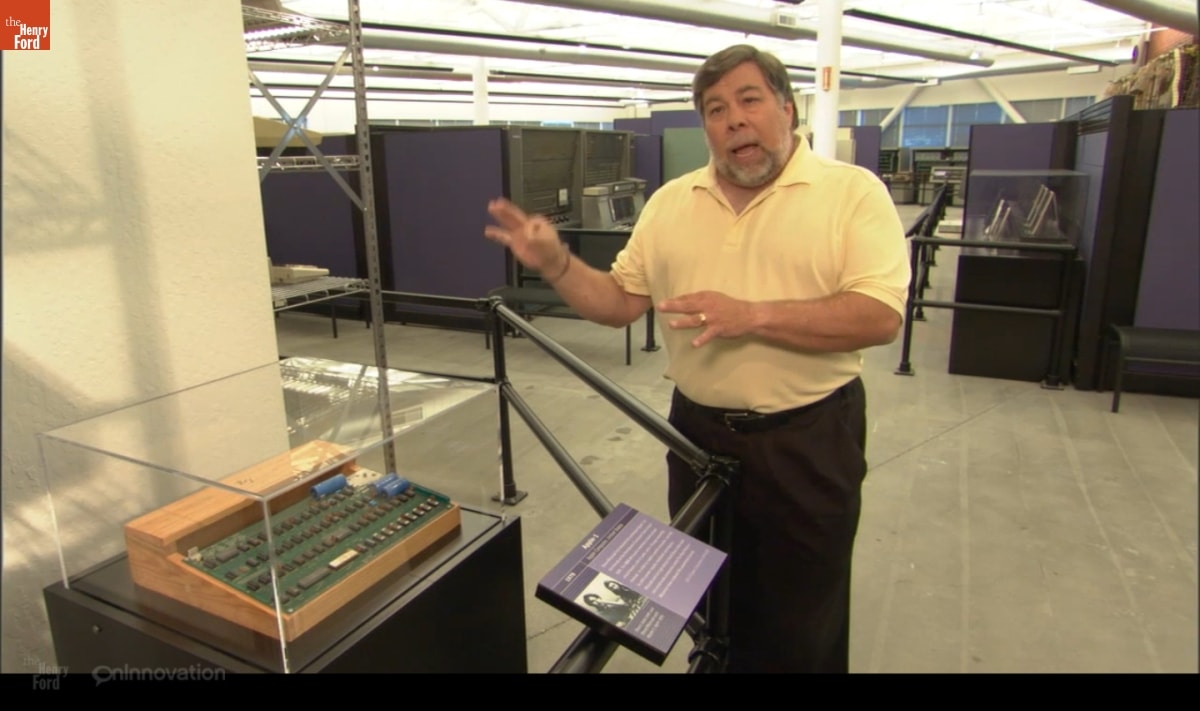
- "Innovation," Clip from Interview with Steve Wozniak, August 18, 2008 - American computer engineer Stephen Wozniak co-founded Apple Computer (now Apple Inc.) with Steve Jobs in 1976. Wozniak's inventions and machines--he created the Apple 1 and Apple II computers--contributed greatly to the personal computer revolution of the 1970s and 80s. In 2008, staff from The Henry Ford interviewed Wozniak at the Computer History Museum in California as part of the Collecting Innovation Today Oral History Project.
- August 18, 2008
- Collections - Artifact
"Innovation," Clip from Interview with Steve Wozniak, August 18, 2008
American computer engineer Stephen Wozniak co-founded Apple Computer (now Apple Inc.) with Steve Jobs in 1976. Wozniak's inventions and machines--he created the Apple 1 and Apple II computers--contributed greatly to the personal computer revolution of the 1970s and 80s. In 2008, staff from The Henry Ford interviewed Wozniak at the Computer History Museum in California as part of the Collecting Innovation Today Oral History Project.
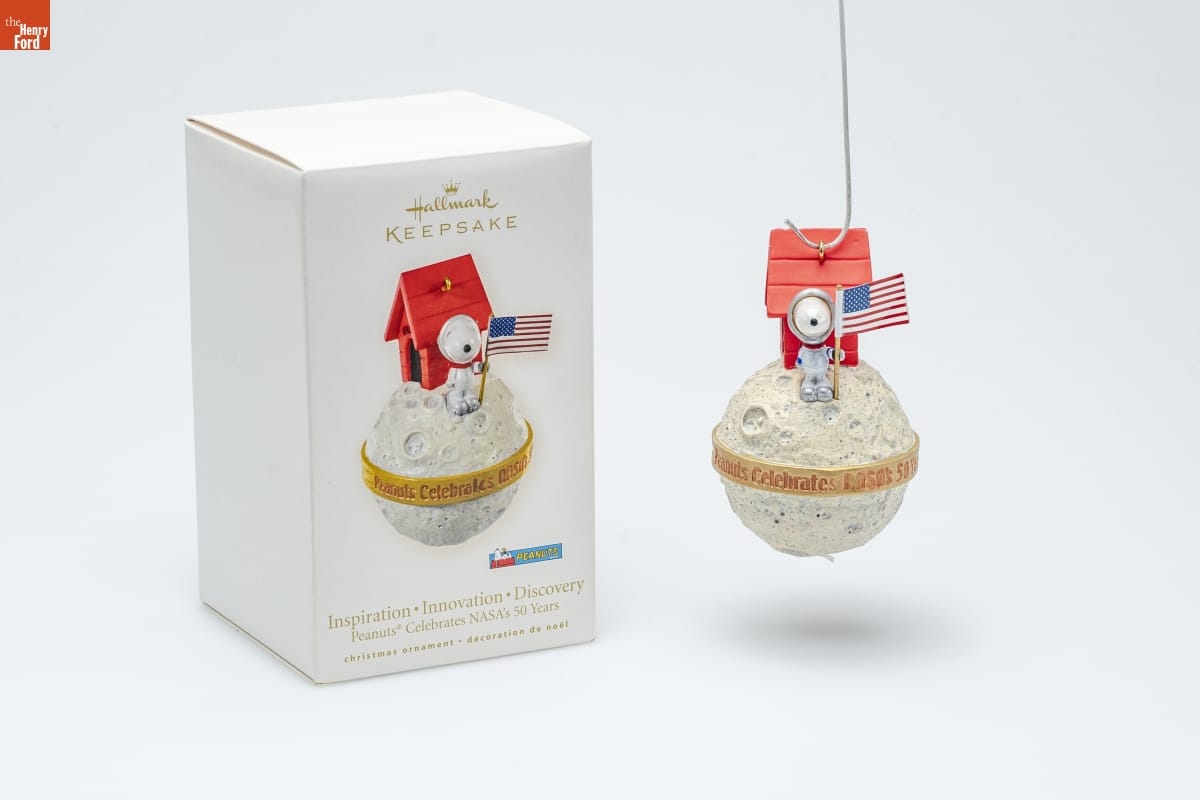
- Hallmark "Peanuts Celebrates NASA's 50 Years: Inspiration Innovation Discovery" Christmas Ornament, 2008 - Already known for greeting cards, Hallmark introduced a line of Christmas ornaments in 1973. The company's annual release of an increasing array of ornaments revolutionized Christmas decorating, appealing to customers' interest in marking memories and milestones as well as expressing one's personality and unique tastes.
- 2008
- Collections - Artifact
Hallmark "Peanuts Celebrates NASA's 50 Years: Inspiration Innovation Discovery" Christmas Ornament, 2008
Already known for greeting cards, Hallmark introduced a line of Christmas ornaments in 1973. The company's annual release of an increasing array of ornaments revolutionized Christmas decorating, appealing to customers' interest in marking memories and milestones as well as expressing one's personality and unique tastes.
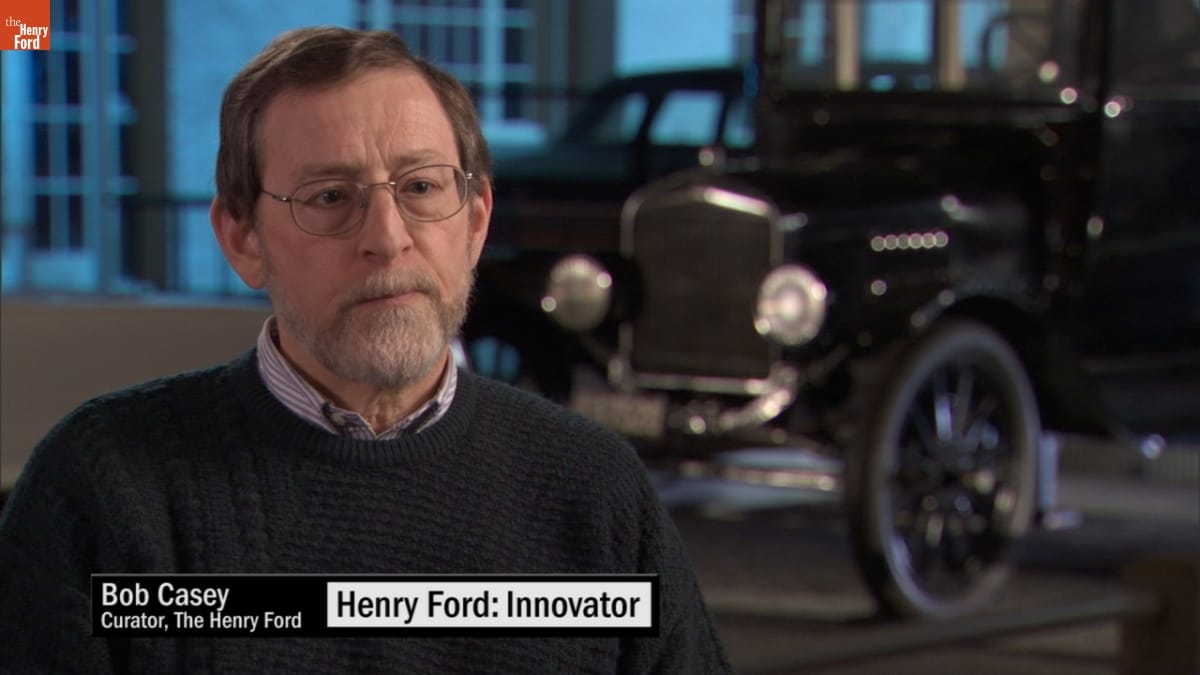
- "Henry Ford: Innovator" Clip from Interview with Bob Casey, 2011 - Bob Casey was the John and Horace Dodge Curator of Transportation at The Henry Ford.
- 2011
- Collections - Artifact
"Henry Ford: Innovator" Clip from Interview with Bob Casey, 2011
Bob Casey was the John and Horace Dodge Curator of Transportation at The Henry Ford.
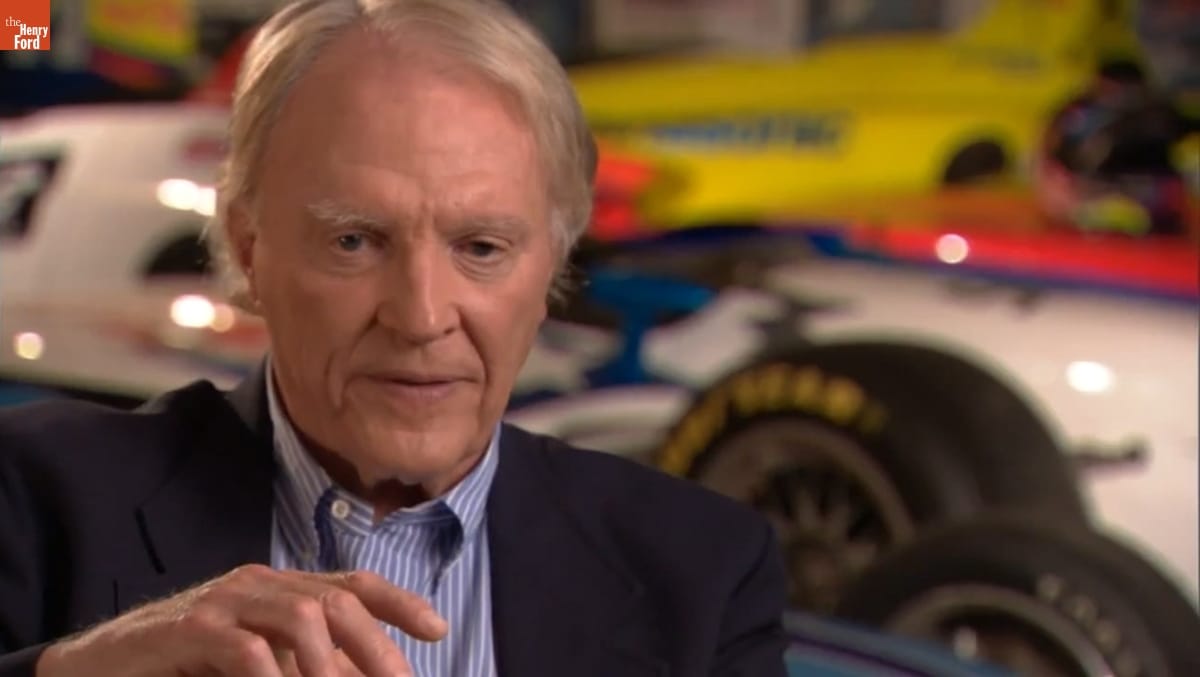
- "Innovations to Get More Force," Interview with Dan Gurney, 2008 - Dan Gurney built one of the most versatile and successful careers in racing. His 51 wins as a driver included Grand Prix, Indy car, NASCAR, and sports car events. His achievements as a designer, builder, and team owner with his All American Racers continue to influence the sport. The Henry Ford interviewed Gurney at his AAR facility in 2008.
- August 20, 2008
- Collections - Artifact
"Innovations to Get More Force," Interview with Dan Gurney, 2008
Dan Gurney built one of the most versatile and successful careers in racing. His 51 wins as a driver included Grand Prix, Indy car, NASCAR, and sports car events. His achievements as a designer, builder, and team owner with his All American Racers continue to influence the sport. The Henry Ford interviewed Gurney at his AAR facility in 2008.
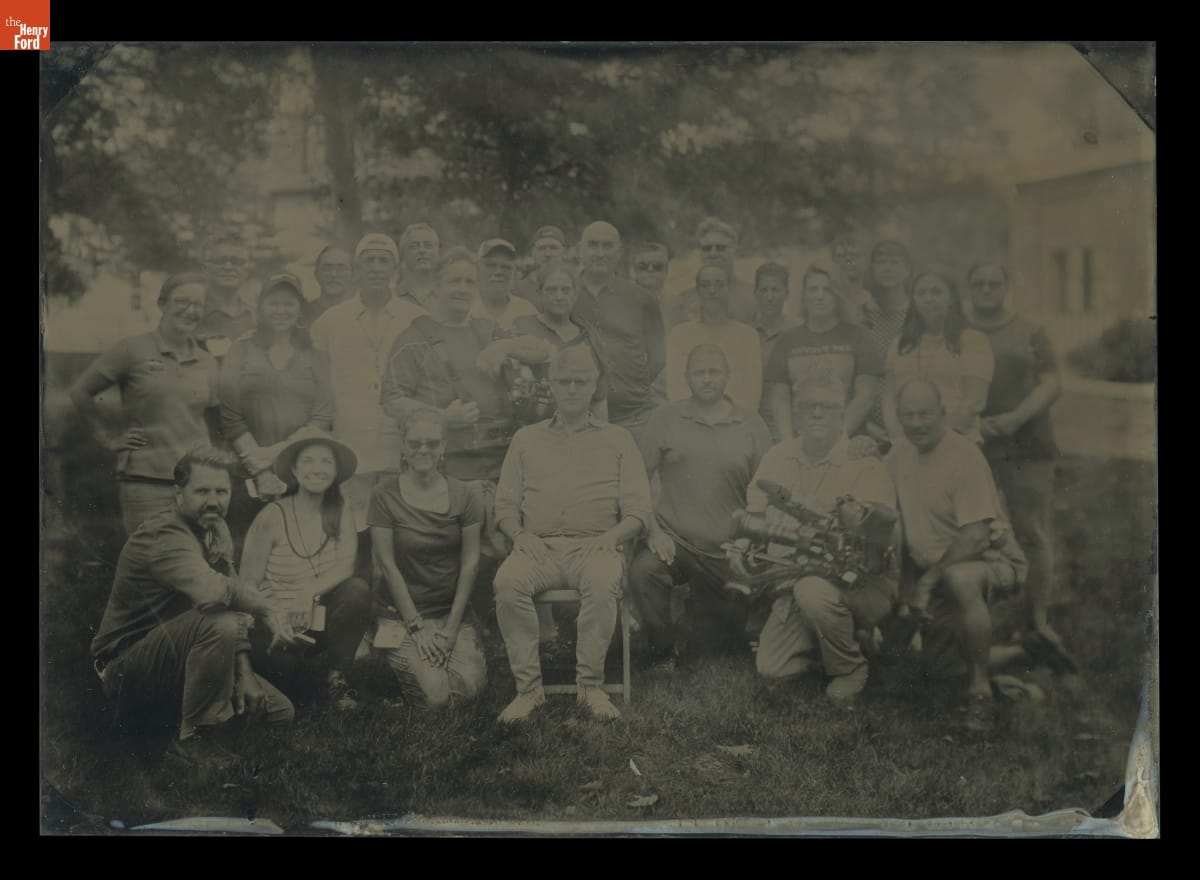
- Film Crew of The Henry Ford's Innovation Nation in Greenfield Village, September 2019 - In 2019, The Henry Ford's staff and production partners filmed a story about tintype photography for the weekly television show, <em>The Henry Ford's Innovation Nation</em>. A modern-day tintypist used traditional methods to create tintype photographs of the cast -- Mo Rocca, the show's host, and Jeanine Head Miller, curator of domestic life -- and film crew outside the Greenfield Village Tintype Studio.
- September 13, 2019
- Collections - Artifact
Film Crew of The Henry Ford's Innovation Nation in Greenfield Village, September 2019
In 2019, The Henry Ford's staff and production partners filmed a story about tintype photography for the weekly television show, The Henry Ford's Innovation Nation. A modern-day tintypist used traditional methods to create tintype photographs of the cast -- Mo Rocca, the show's host, and Jeanine Head Miller, curator of domestic life -- and film crew outside the Greenfield Village Tintype Studio.