
Search
- Menlo Park Library - This building was built in late 1878 as Edison's work on electric lighting expanded. The first floor provided office space for accounting, bookkeeping, and patent applications; upstairs was a superbly stocked technical library. The building also played another key role: as a reception area for journalists and other visitors it provided a disarming first impression of Edison's success and ambition.

- circa 1879
- Collections - Artifact
Menlo Park Library
This building was built in late 1878 as Edison's work on electric lighting expanded. The first floor provided office space for accounting, bookkeeping, and patent applications; upstairs was a superbly stocked technical library. The building also played another key role: as a reception area for journalists and other visitors it provided a disarming first impression of Edison's success and ambition.
- Newark Library, 1901-1915 - In 1890, Jenny Young Chandler, 25 years old and recently widowed, began working for the <EM>New York Herald</EM>. As a photojournalist and feature writer, Chandler captured life in Brooklyn, New York, and vicinity. By 1922, the time of her death, she had produced over 800 glass plate negatives. Her sensitive, insightful photographs depict people from all walks of life and the world in which they lived.
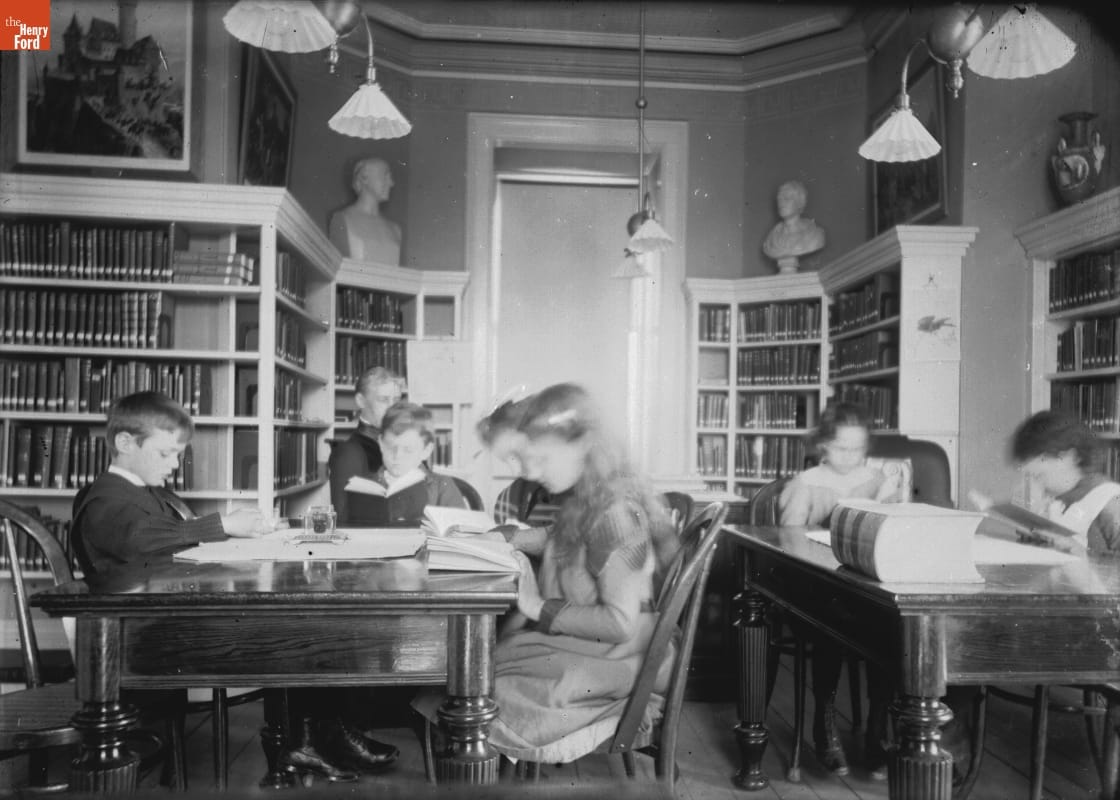
- 1901-1915
- Collections - Artifact
Newark Library, 1901-1915
In 1890, Jenny Young Chandler, 25 years old and recently widowed, began working for the New York Herald. As a photojournalist and feature writer, Chandler captured life in Brooklyn, New York, and vicinity. By 1922, the time of her death, she had produced over 800 glass plate negatives. Her sensitive, insightful photographs depict people from all walks of life and the world in which they lived.
- Newark Library, 1890-1915 - In 1890, Jenny Young Chandler, 25 years old and recently widowed, began working for the <EM>New York Herald</EM>. As a photojournalist and feature writer, Chandler captured life in Brooklyn, New York, and vicinity. By 1922, the time of her death, she had produced over 800 glass plate negatives. Her sensitive, insightful photographs depict people from all walks of life and the world in which they lived.
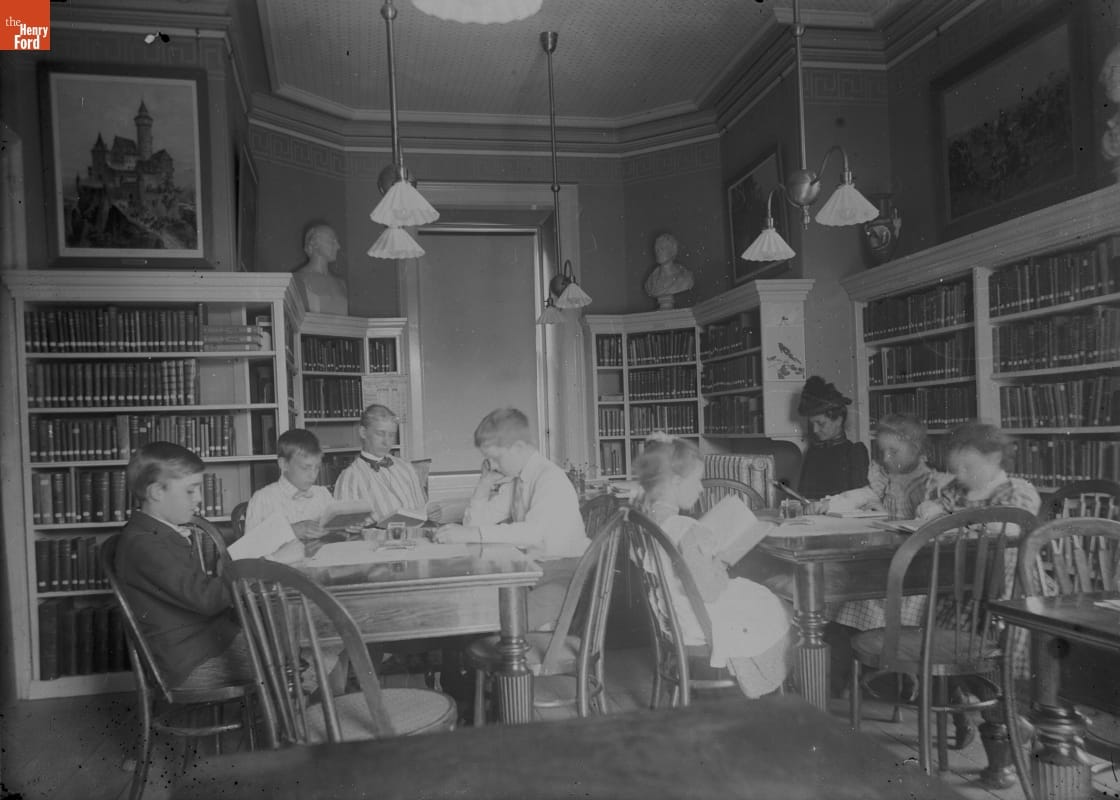
- 1890-1915
- Collections - Artifact
Newark Library, 1890-1915
In 1890, Jenny Young Chandler, 25 years old and recently widowed, began working for the New York Herald. As a photojournalist and feature writer, Chandler captured life in Brooklyn, New York, and vicinity. By 1922, the time of her death, she had produced over 800 glass plate negatives. Her sensitive, insightful photographs depict people from all walks of life and the world in which they lived.
- "Carnegie Library, Pittsburgh, Pa." -
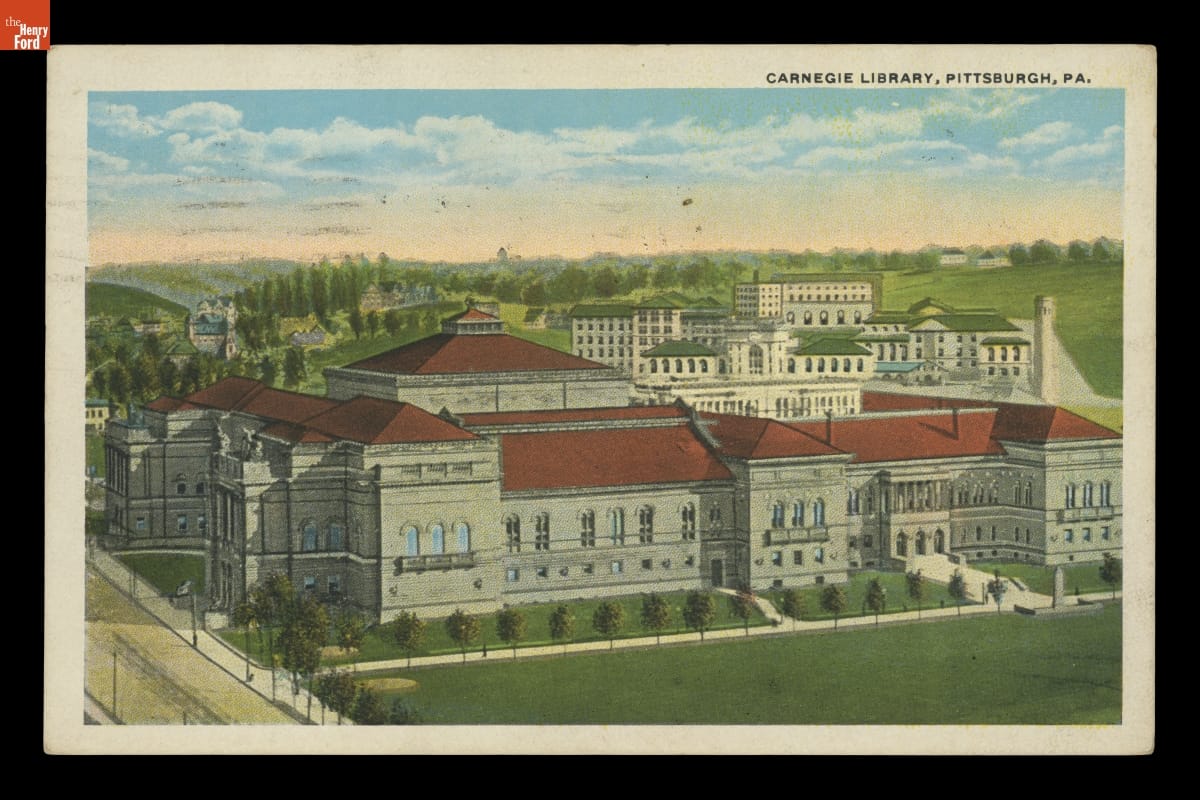
- circa 1920
- Collections - Artifact
"Carnegie Library, Pittsburgh, Pa."
- Detroit Public Library, circa 1910 - Until the 20th century, most book collections were not available to everyday Americans. They were either privately owned, accessible only by paid subscription, or stored away haphazardly. For communities with dedicated public library buildings (often among the most imposing structures in town), they were sources of civic pride. Built to house the Detroit, Michigan, library, this structure opened in 1877.
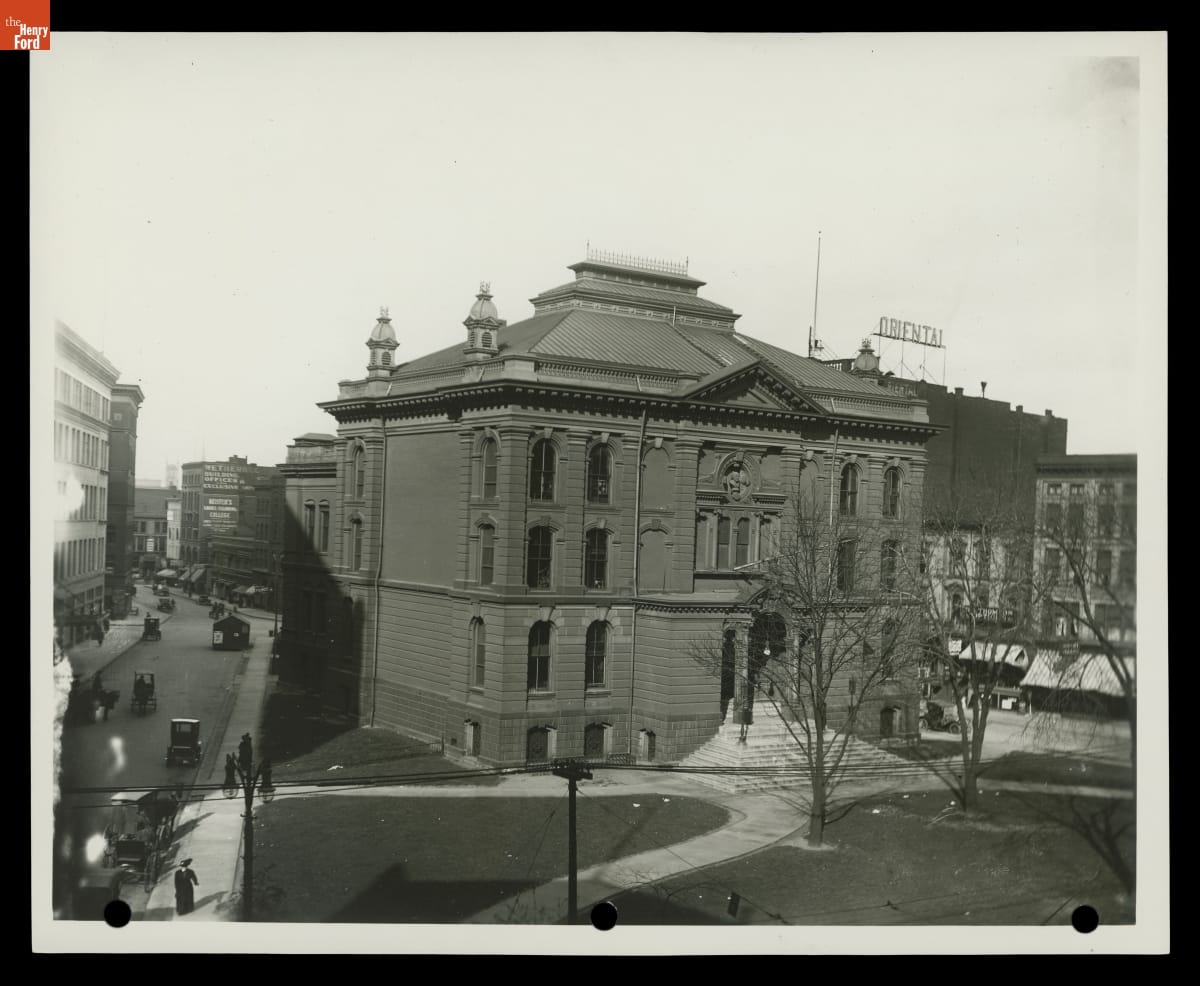
- circa 1910
- Collections - Artifact
Detroit Public Library, circa 1910
Until the 20th century, most book collections were not available to everyday Americans. They were either privately owned, accessible only by paid subscription, or stored away haphazardly. For communities with dedicated public library buildings (often among the most imposing structures in town), they were sources of civic pride. Built to house the Detroit, Michigan, library, this structure opened in 1877.
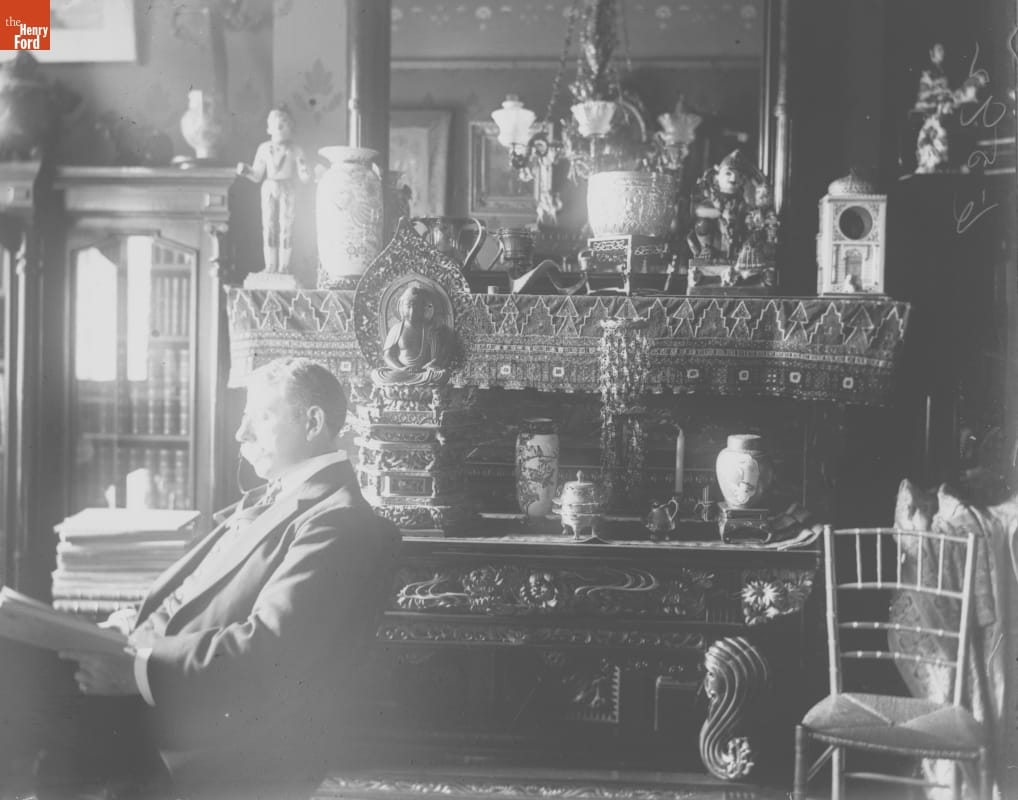
- Library (General Barnes), 1890-1915 - In 1890, Jenny Young Chandler, 25 years old and recently widowed, began working for the <EM>New York Herald</EM>. As a photojournalist and feature writer, Chandler captured life in Brooklyn, New York, and vicinity. By 1922, the time of her death, she had produced over 800 glass plate negatives. Her sensitive, insightful photographs depict people from all walks of life and the world in which they lived.
- 1890-1915
- Collections - Artifact
Library (General Barnes), 1890-1915
In 1890, Jenny Young Chandler, 25 years old and recently widowed, began working for the New York Herald. As a photojournalist and feature writer, Chandler captured life in Brooklyn, New York, and vicinity. By 1922, the time of her death, she had produced over 800 glass plate negatives. Her sensitive, insightful photographs depict people from all walks of life and the world in which they lived.
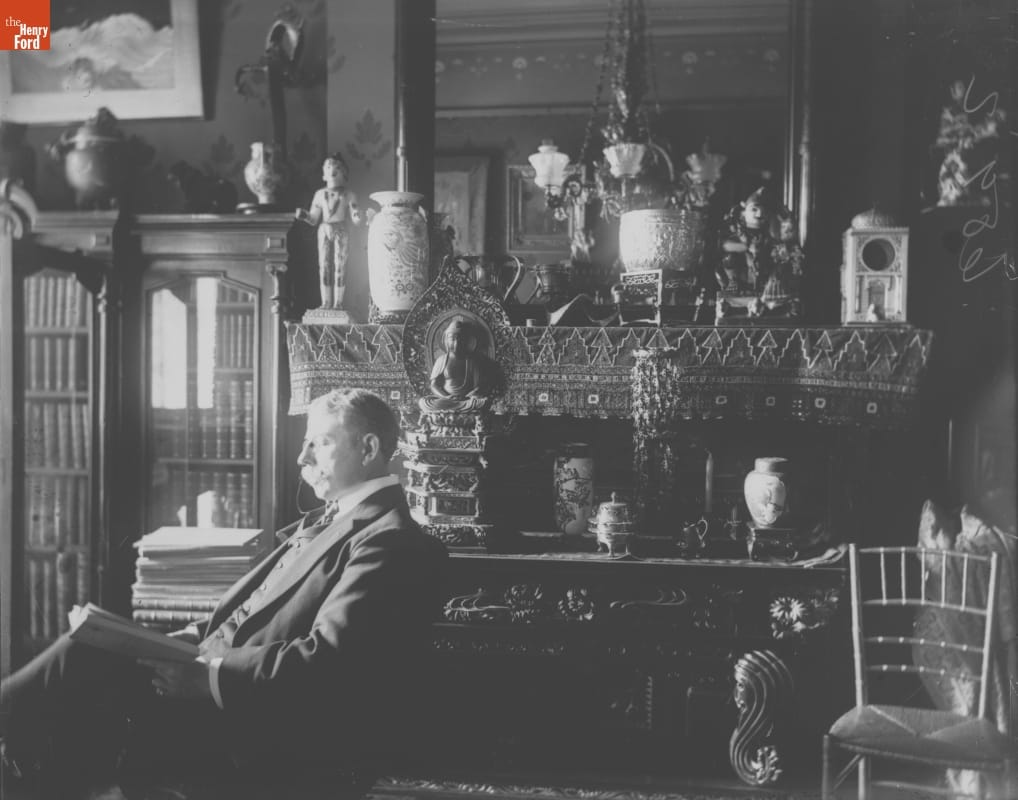
- Library (General Barnes), 1890-1915 - In 1890, Jenny Young Chandler, 25 years old and recently widowed, began working for the <EM>New York Herald</EM>. As a photojournalist and feature writer, Chandler captured life in Brooklyn, New York, and vicinity. By 1922, the time of her death, she had produced over 800 glass plate negatives. Her sensitive, insightful photographs depict people from all walks of life and the world in which they lived.
- 1890-1915
- Collections - Artifact
Library (General Barnes), 1890-1915
In 1890, Jenny Young Chandler, 25 years old and recently widowed, began working for the New York Herald. As a photojournalist and feature writer, Chandler captured life in Brooklyn, New York, and vicinity. By 1922, the time of her death, she had produced over 800 glass plate negatives. Her sensitive, insightful photographs depict people from all walks of life and the world in which they lived.
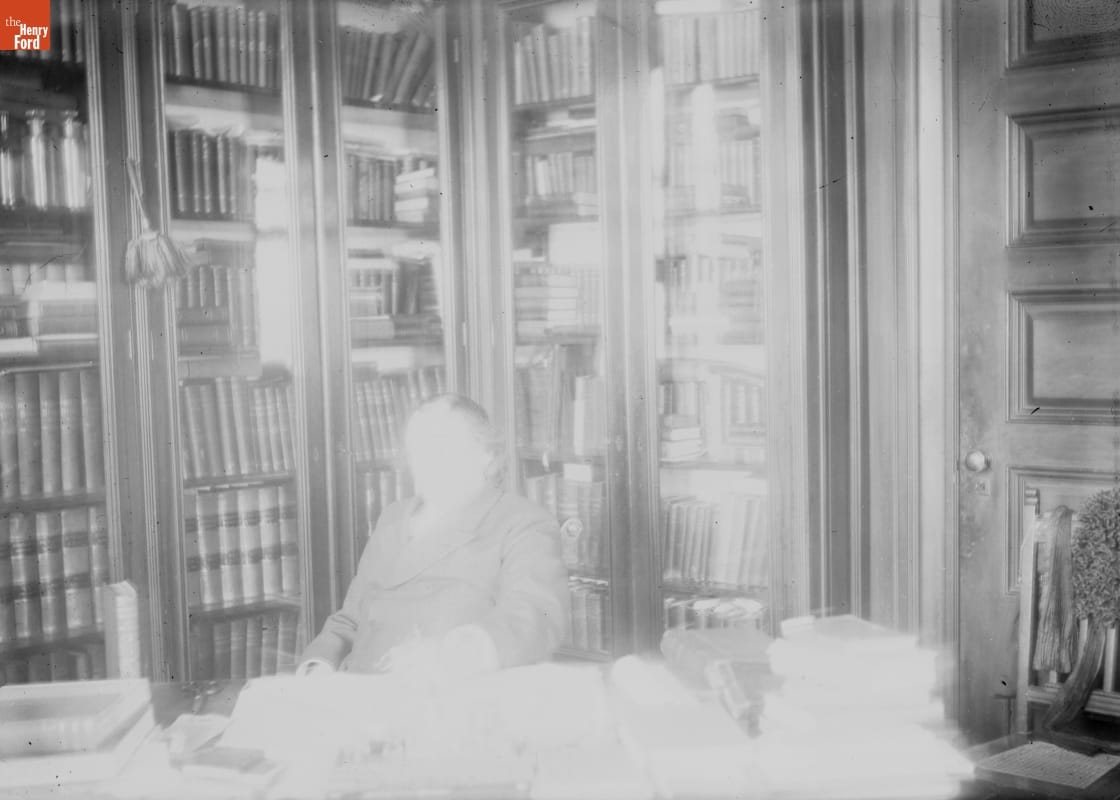
- Library (Dr. Gregg), 1890-1915 - In 1890, Jenny Young Chandler, 25 years old and recently widowed, began working for the <EM>New York Herald</EM>. As a photojournalist and feature writer, Chandler captured life in Brooklyn, New York, and vicinity. By 1922, the time of her death, she had produced over 800 glass plate negatives. Her sensitive, insightful photographs depict people from all walks of life and the world in which they lived.
- 1890-1915
- Collections - Artifact
Library (Dr. Gregg), 1890-1915
In 1890, Jenny Young Chandler, 25 years old and recently widowed, began working for the New York Herald. As a photojournalist and feature writer, Chandler captured life in Brooklyn, New York, and vicinity. By 1922, the time of her death, she had produced over 800 glass plate negatives. Her sensitive, insightful photographs depict people from all walks of life and the world in which they lived.
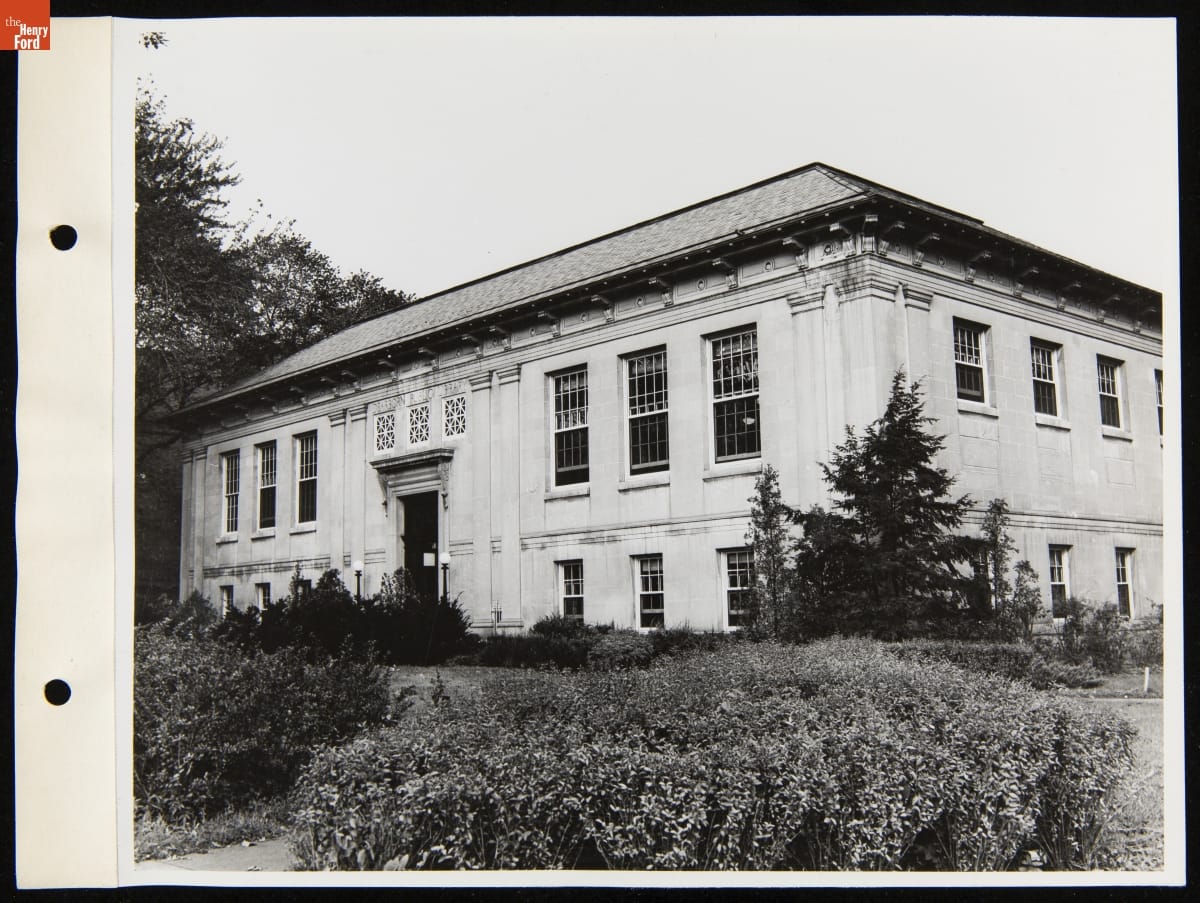
- Dearborn Public Library, September 1945 - Until the 20th century, most book collections were not available to everyday Americans. The concept of free public libraries, often established through the support of wealthy philanthropists, gained traction in the early 1900s. Women of the local garden club funded a public library for Dearborn, Michigan, in 1919. Member Clara Ford (wife of Henry Ford) donated the land for this building, completed in 1924.
- September 21, 1945
- Collections - Artifact
Dearborn Public Library, September 1945
Until the 20th century, most book collections were not available to everyday Americans. The concept of free public libraries, often established through the support of wealthy philanthropists, gained traction in the early 1900s. Women of the local garden club funded a public library for Dearborn, Michigan, in 1919. Member Clara Ford (wife of Henry Ford) donated the land for this building, completed in 1924.
- "Free People Free Libraries" Button, Used by Velma Turman Moody, 1976 - "Free People, Free Libraries" was the slogan for National Library Week in 1976. The slogan -- appropriate for the country's bicentennial -- celebrated the contributions libraries have made to a democratic society and the growth of America. Staff at many public libraries created displays, provided community programs, and encouraged patrons to come in and check out a book.

- 1976
- Collections - Artifact
"Free People Free Libraries" Button, Used by Velma Turman Moody, 1976
"Free People, Free Libraries" was the slogan for National Library Week in 1976. The slogan -- appropriate for the country's bicentennial -- celebrated the contributions libraries have made to a democratic society and the growth of America. Staff at many public libraries created displays, provided community programs, and encouraged patrons to come in and check out a book.