
Search
- "Case Machinery," 1918 -
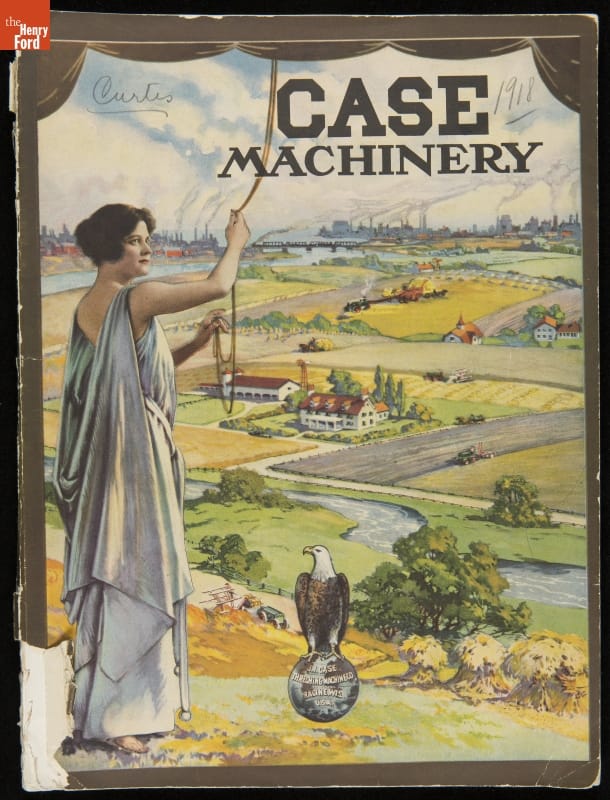
- 1918
- Collections - Artifact
"Case Machinery," 1918
- "Case Machinery," circa 1918 -
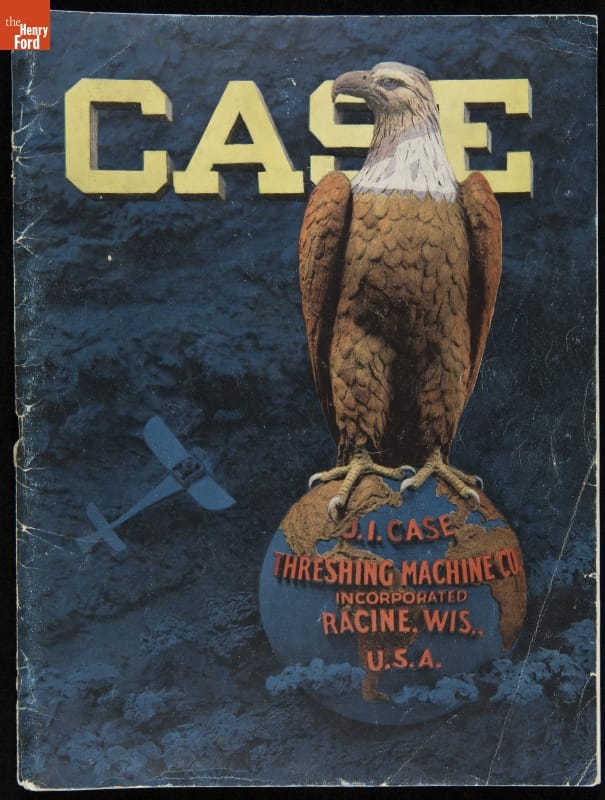
- circa 1918
- Collections - Artifact
"Case Machinery," circa 1918
- Machinery, Remington Rand, Inc., 1953 - George Devol was a problem solver and prolific inventor -- particularly in the area of automation. After the Second World War, Devol patented a magnetic control system -- a memory system for machines. With this reprogrammable system, manufacturers could "teach" a machine to perform repetitive tasks. Devol's innovation led to his most notable invention -- the first industrial robot.
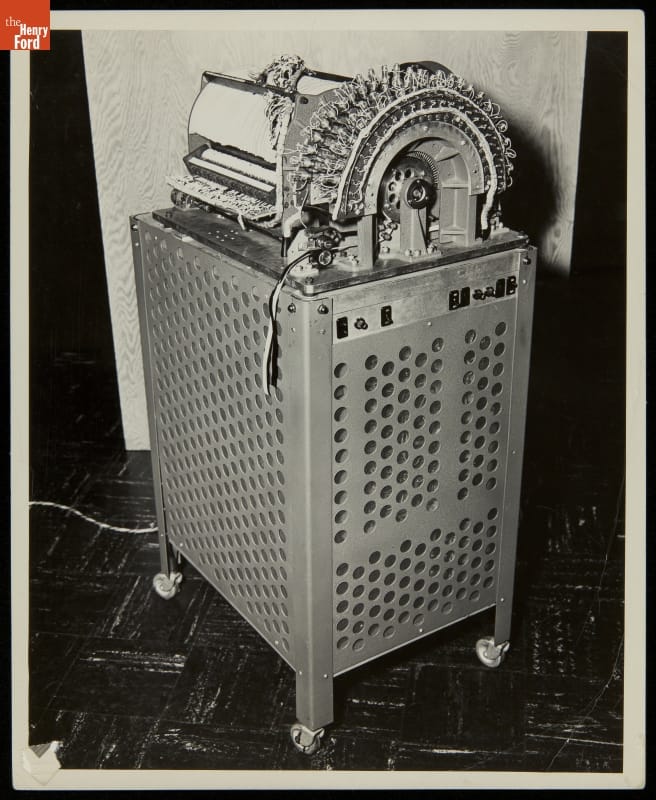
- January 08, 1953
- Collections - Artifact
Machinery, Remington Rand, Inc., 1953
George Devol was a problem solver and prolific inventor -- particularly in the area of automation. After the Second World War, Devol patented a magnetic control system -- a memory system for machines. With this reprogrammable system, manufacturers could "teach" a machine to perform repetitive tasks. Devol's innovation led to his most notable invention -- the first industrial robot.
- Machinery, Remington Rand, Inc., 1953 - George Devol was a problem solver and prolific inventor -- particularly in the area of automation. After the Second World War, Devol patented a magnetic control system -- a memory system for machines. With this reprogrammable system, manufacturers could "teach" a machine to perform repetitive tasks. Devol's innovation led to his most notable invention -- the first industrial robot.
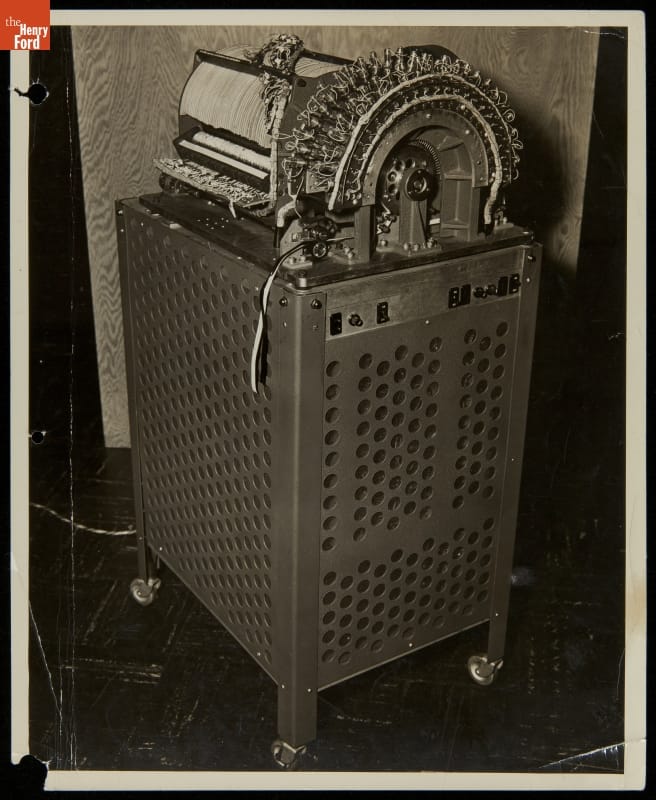
- January 08, 1953
- Collections - Artifact
Machinery, Remington Rand, Inc., 1953
George Devol was a problem solver and prolific inventor -- particularly in the area of automation. After the Second World War, Devol patented a magnetic control system -- a memory system for machines. With this reprogrammable system, manufacturers could "teach" a machine to perform repetitive tasks. Devol's innovation led to his most notable invention -- the first industrial robot.
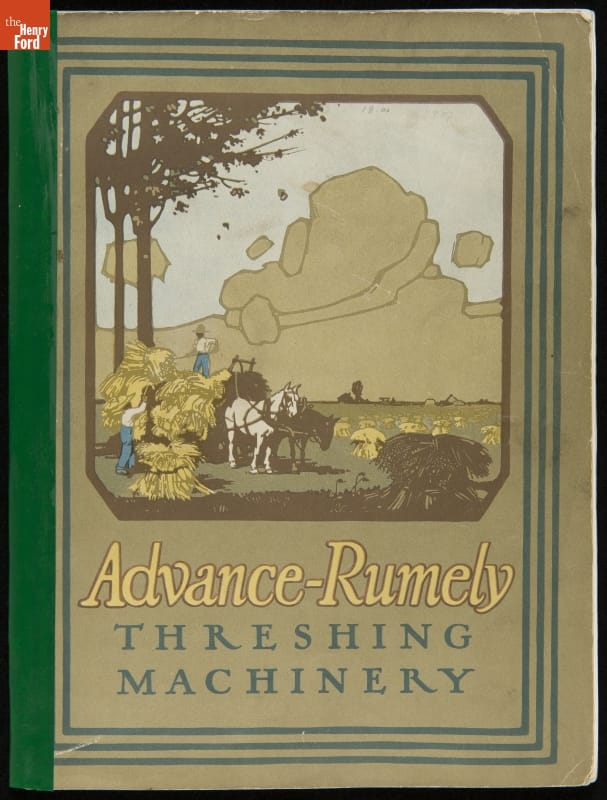
- "Advance-Rumely Threshing Machinery," 1917 -
- 1917
- Collections - Artifact
"Advance-Rumely Threshing Machinery," 1917
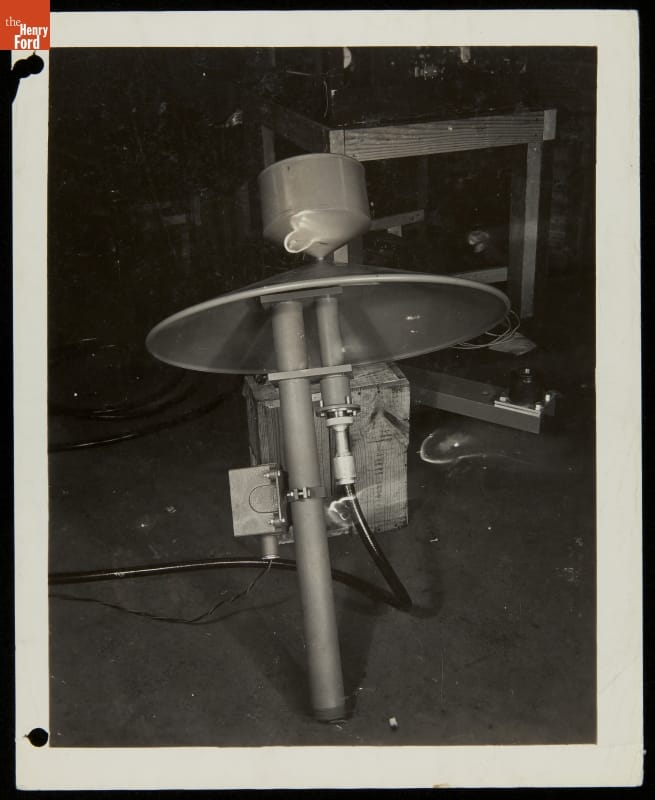
- Machinery, General Electronics Industries, 1943-1945 - Radar technologies developed rapidly during the Second World War. General Electronics Industries (GEI), founded by George Devol in 1943, specialized in anti-radar devices. The company manufactured radar jamming systems for the U. S. Navy and became one of the largest producers of radar countermeasure equipment during the war.
- 1943-1945
- Collections - Artifact
Machinery, General Electronics Industries, 1943-1945
Radar technologies developed rapidly during the Second World War. General Electronics Industries (GEI), founded by George Devol in 1943, specialized in anti-radar devices. The company manufactured radar jamming systems for the U. S. Navy and became one of the largest producers of radar countermeasure equipment during the war.
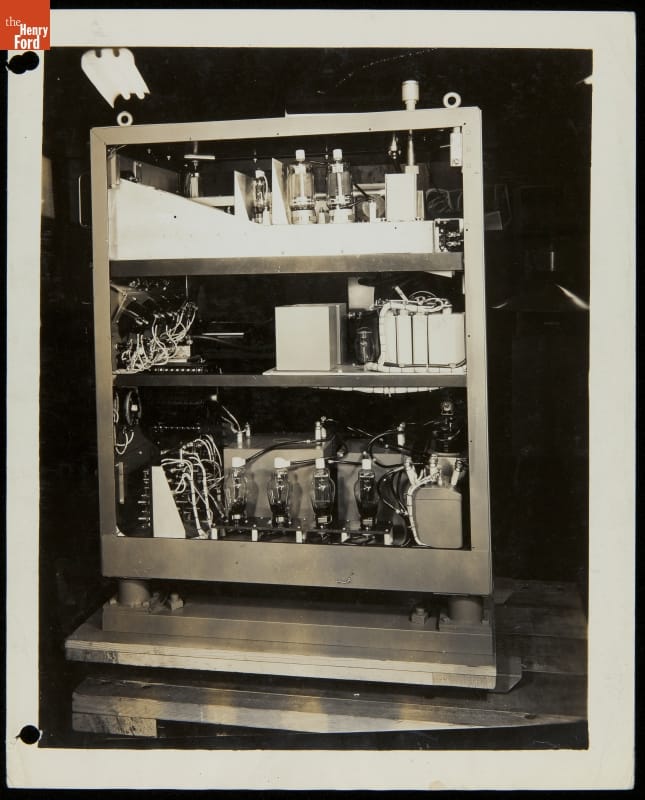
- Machinery Parts, General Electronics Industries, 1943-1945 - Radar technologies developed rapidly during the Second World War. General Electronics Industries (GEI), founded by George Devol in 1943, specialized in anti-radar devices. The company manufactured radar jamming systems for the U. S. Navy and became one of the largest producers of radar countermeasure equipment during the war.
- 1943-1945
- Collections - Artifact
Machinery Parts, General Electronics Industries, 1943-1945
Radar technologies developed rapidly during the Second World War. General Electronics Industries (GEI), founded by George Devol in 1943, specialized in anti-radar devices. The company manufactured radar jamming systems for the U. S. Navy and became one of the largest producers of radar countermeasure equipment during the war.
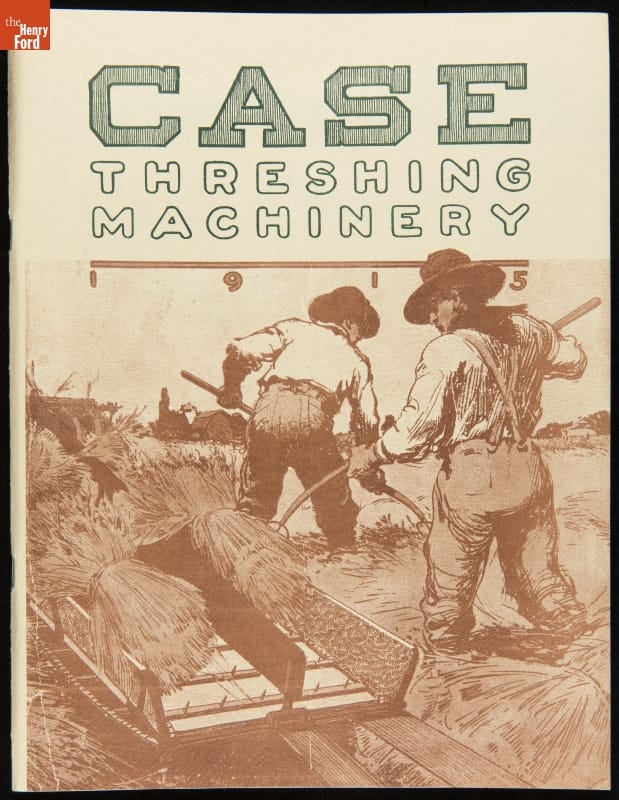
- Reprint of "Case Threshing Machinery," 1915 -
- 1915
- Collections - Artifact
Reprint of "Case Threshing Machinery," 1915
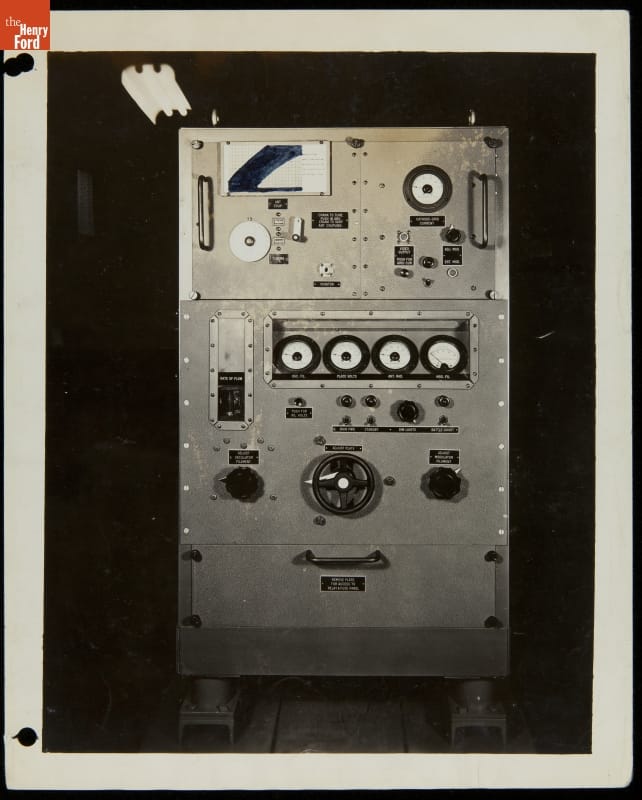
- Machinery, General Electronics Industries, 1943-1945 - Radar technologies developed rapidly during the Second World War. General Electronics Industries (GEI), founded by George Devol in 1943, specialized in anti-radar devices. The company manufactured radar jamming systems for the U. S. Navy and became one of the largest producers of radar countermeasure equipment during the war.
- 1943-1945
- Collections - Artifact
Machinery, General Electronics Industries, 1943-1945
Radar technologies developed rapidly during the Second World War. General Electronics Industries (GEI), founded by George Devol in 1943, specialized in anti-radar devices. The company manufactured radar jamming systems for the U. S. Navy and became one of the largest producers of radar countermeasure equipment during the war.
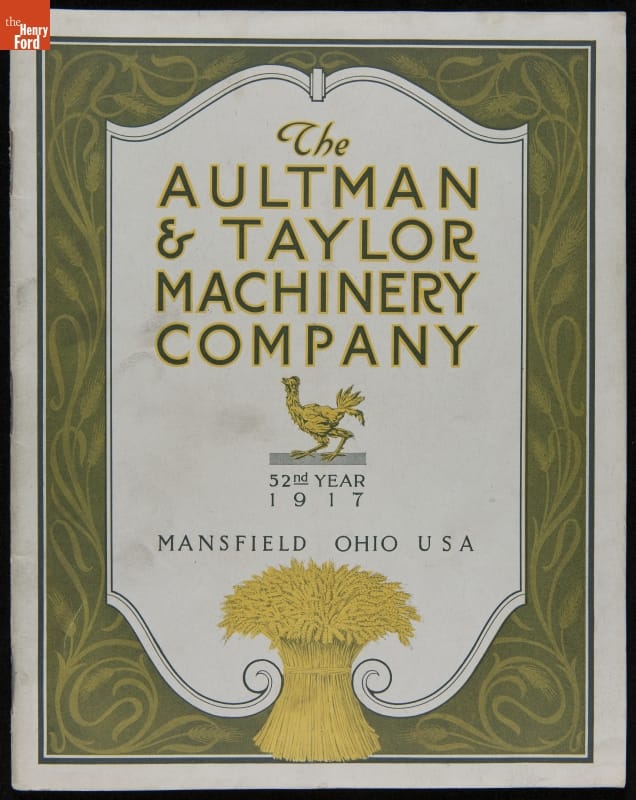
- Aultman & Taylor Machinery Company Trade Catalog, 1917 -
- 1917
- Collections - Artifact
Aultman & Taylor Machinery Company Trade Catalog, 1917