
Search
- Barbed Wire Collection Display, Patents 1874-1894 - Inventors received hundreds of patents for barbed wire during the late 1800s. Some innovators created strands of fencing with sharp metal points cut into the wire; others incorporated small wire spurs twisted and attached to the wire to create a painful barrier. Each inventor believed their variation made the best fencing to keep livestock out of crop fields or confine them to pastures.
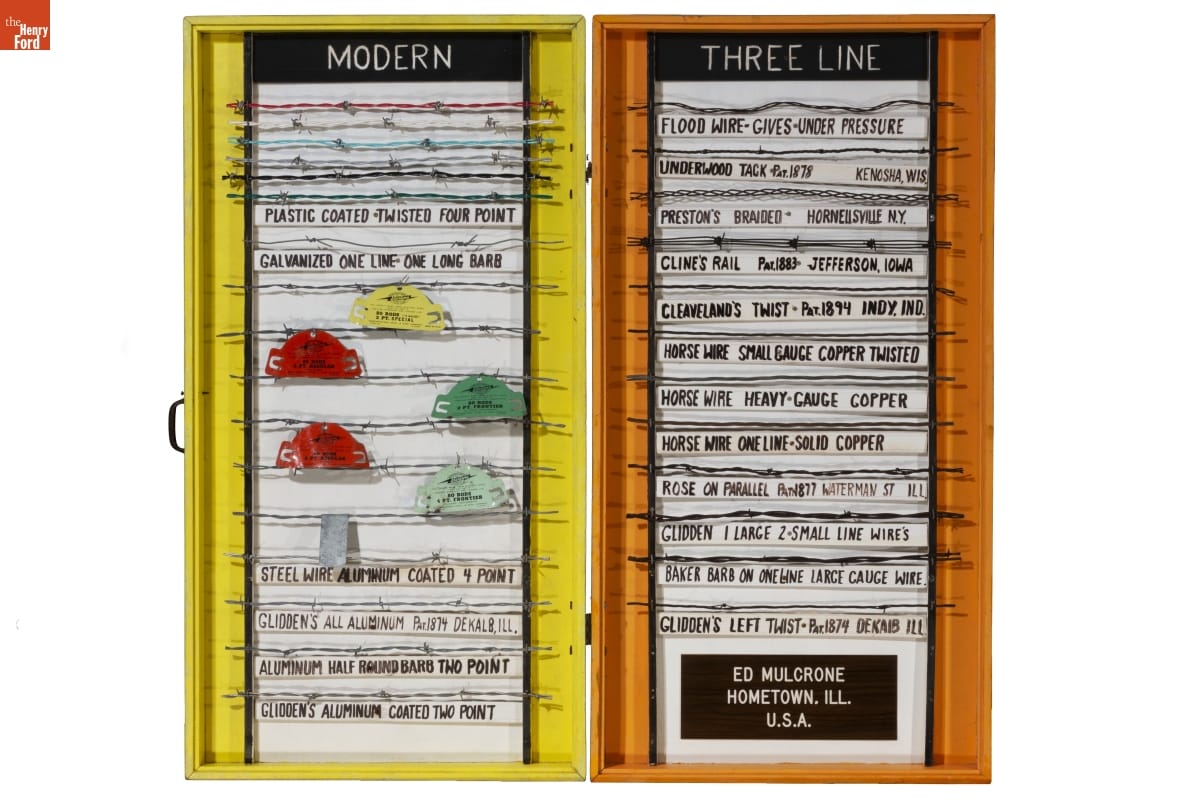
- 1874-1894
- Collections - Artifact
Barbed Wire Collection Display, Patents 1874-1894
Inventors received hundreds of patents for barbed wire during the late 1800s. Some innovators created strands of fencing with sharp metal points cut into the wire; others incorporated small wire spurs twisted and attached to the wire to create a painful barrier. Each inventor believed their variation made the best fencing to keep livestock out of crop fields or confine them to pastures.
- Barbed Wire Collection Display, Patents 1876-1881 - Inventors received hundreds of patents for barbed wire during the late 1800s. Some innovators created strands of fencing with sharp metal points cut into the wire; others incorporated small wire spurs twisted and attached to the wire to create a painful barrier. Each inventor believed their variation made the best fencing to keep livestock out of crop fields or confine them to pastures.
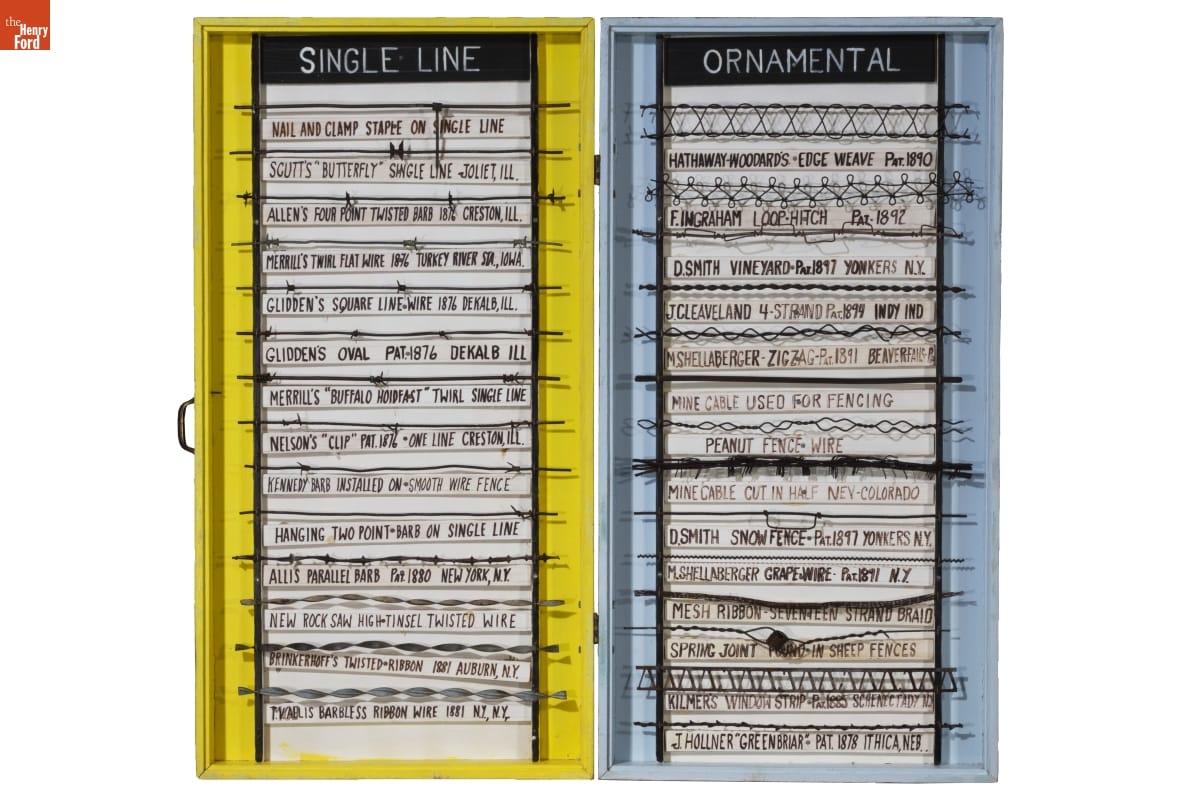
- 1876-1881
- Collections - Artifact
Barbed Wire Collection Display, Patents 1876-1881
Inventors received hundreds of patents for barbed wire during the late 1800s. Some innovators created strands of fencing with sharp metal points cut into the wire; others incorporated small wire spurs twisted and attached to the wire to create a painful barrier. Each inventor believed their variation made the best fencing to keep livestock out of crop fields or confine them to pastures.
- Barbed Wire Collection Display, Patents 1853-1911 - Inventors received hundreds of patents for barbed wire during the late 1800s. Some innovators created strands of fencing with sharp metal points cut into the wire; others incorporated small wire spurs twisted and attached to the wire to create a painful barrier. Each inventor believed their variation made the best fencing to keep livestock out of crop fields or confine them to pastures.
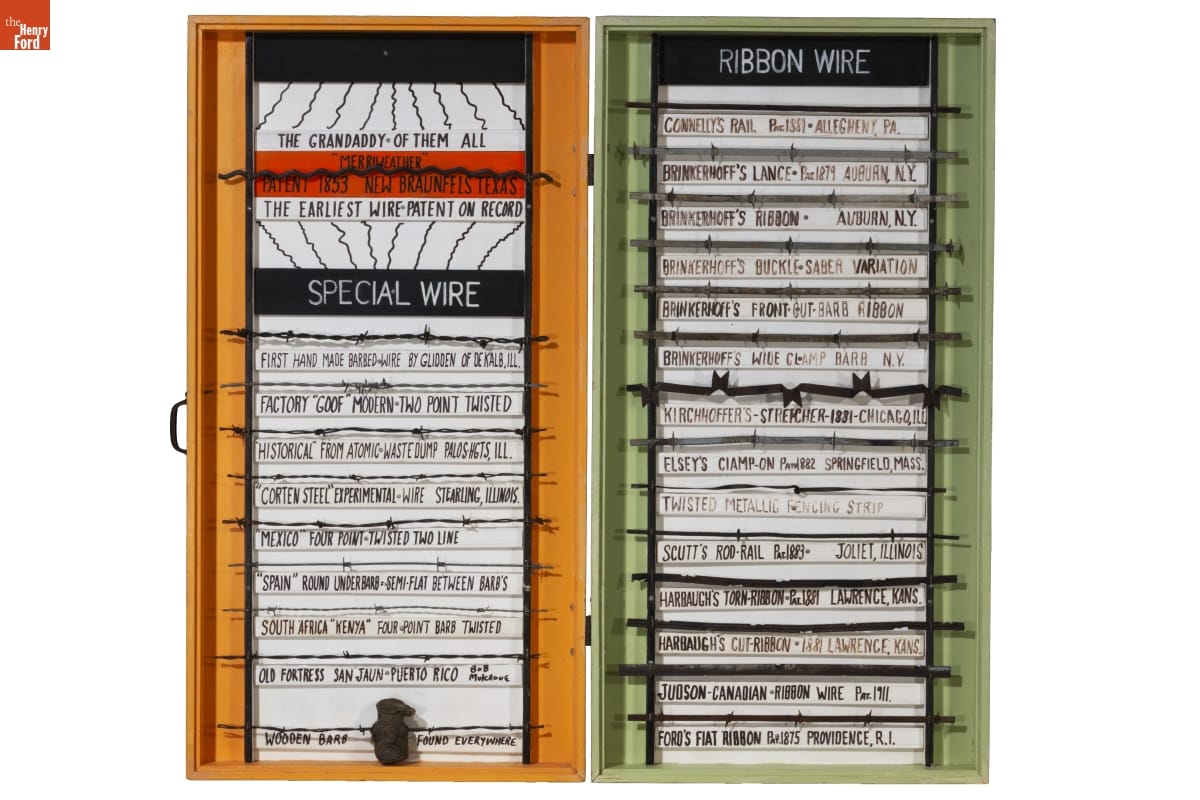
- 1853-1911
- Collections - Artifact
Barbed Wire Collection Display, Patents 1853-1911
Inventors received hundreds of patents for barbed wire during the late 1800s. Some innovators created strands of fencing with sharp metal points cut into the wire; others incorporated small wire spurs twisted and attached to the wire to create a painful barrier. Each inventor believed their variation made the best fencing to keep livestock out of crop fields or confine them to pastures.
- Patent Cradle, 1880-1892 -
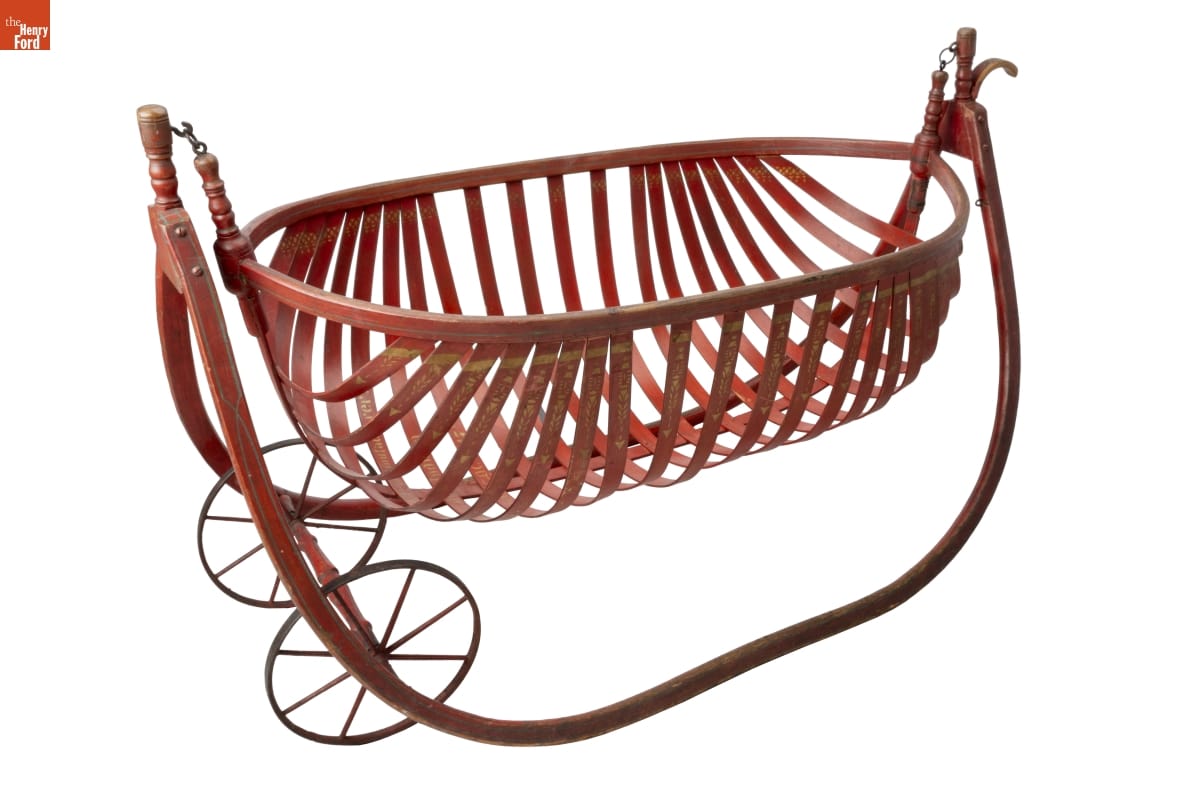
- 1880-1892
- Collections - Artifact
Patent Cradle, 1880-1892
- Patent, "Coincidence Detectors," 1962 -
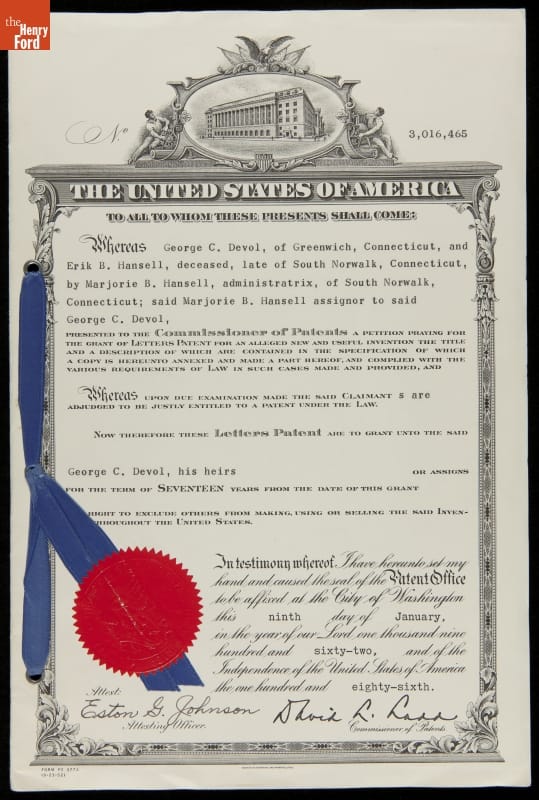
- January 09, 1962
- Collections - Artifact
Patent, "Coincidence Detectors," 1962
- 1895 Selden Patent Plate - George Selden received a patent for an internal combustion automobile in 1895. Those patent rights were enforced by the Association of Licensed Automobile Manufacturers. Carmakers certified by ALAM paid royalties to the group and displayed plates like this on their vehicles. ALAM was dissolved after losing a lengthy legal battle against Henry Ford in 1911.
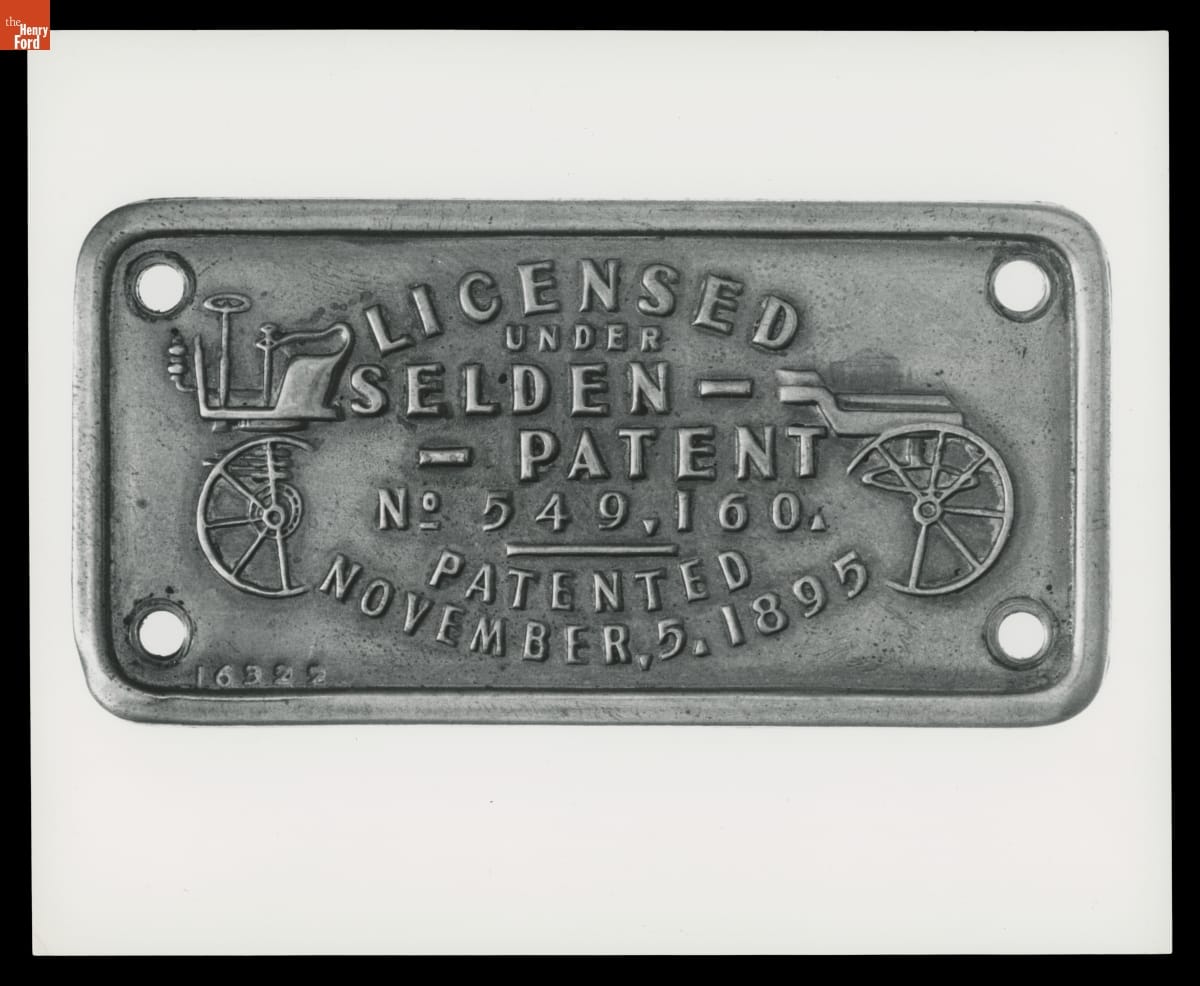
- 1895
- Collections - Artifact
1895 Selden Patent Plate
George Selden received a patent for an internal combustion automobile in 1895. Those patent rights were enforced by the Association of Licensed Automobile Manufacturers. Carmakers certified by ALAM paid royalties to the group and displayed plates like this on their vehicles. ALAM was dissolved after losing a lengthy legal battle against Henry Ford in 1911.
- Patent Cider Mill, 1837 -
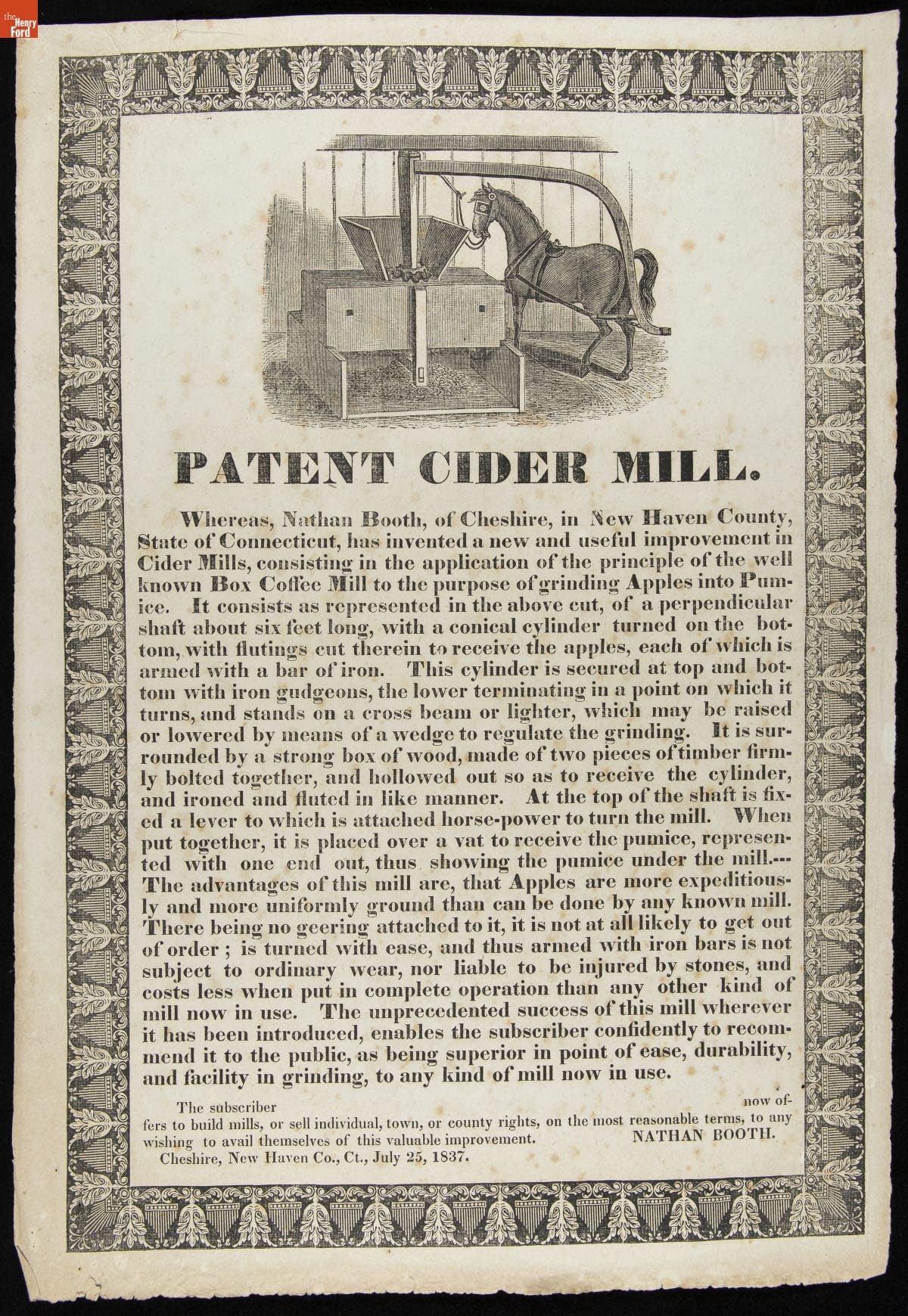
- July 25, 1837
- Collections - Artifact
Patent Cider Mill, 1837
- Patent, "Magnetic Process Control," 1952 -
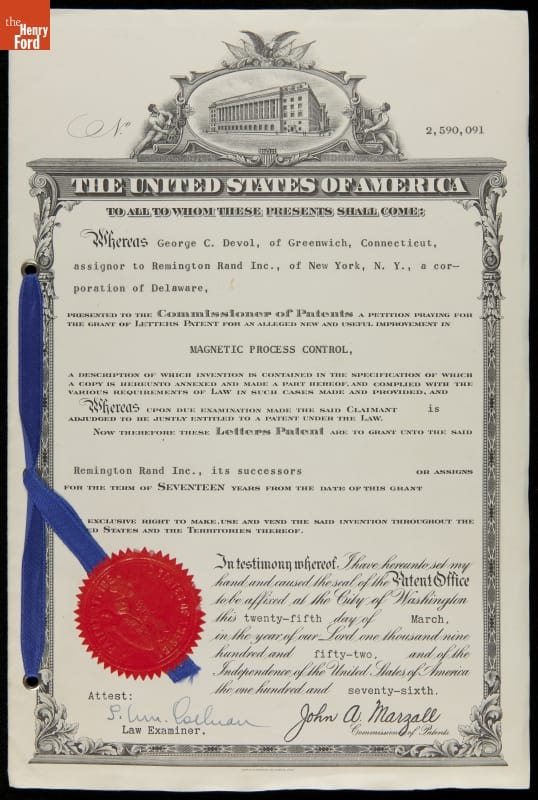
- March 25, 1952
- Collections - Artifact
Patent, "Magnetic Process Control," 1952
- Patent, "Magnetic Storage Devices," 1962 -
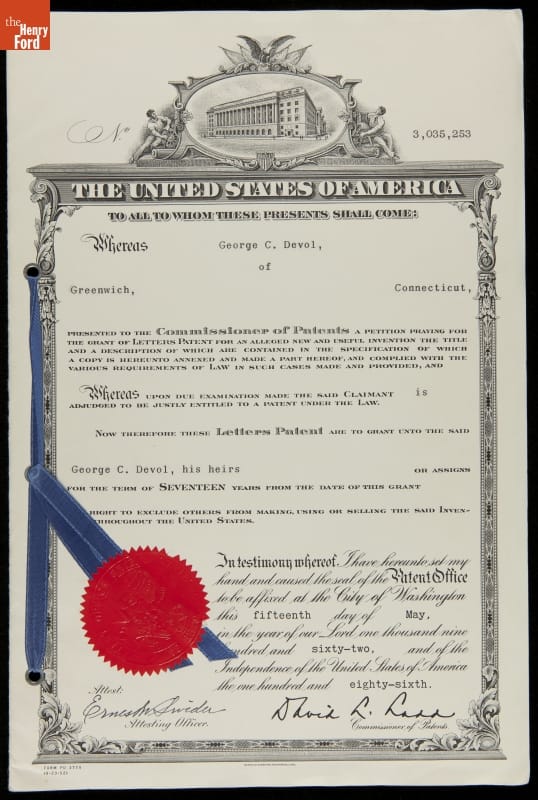
- May 15, 1962
- Collections - Artifact
Patent, "Magnetic Storage Devices," 1962
- Patent Model of Lantern, 1867 - From 1790 to 1880, the U.S. Patent Office required applicants to submit a miniature model along with diagrams and written descriptions detailing the operation of their invention. Patent models could be no larger than 12" by 12" by 12". Though they were usually not operational, these models helped explain an inventor's idea and protect it from competitors.
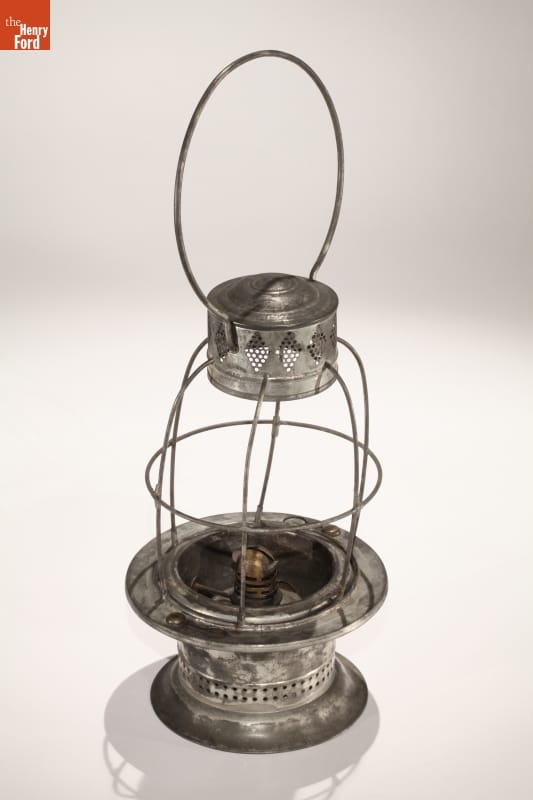
- April 02, 1867
- Collections - Artifact
Patent Model of Lantern, 1867
From 1790 to 1880, the U.S. Patent Office required applicants to submit a miniature model along with diagrams and written descriptions detailing the operation of their invention. Patent models could be no larger than 12" by 12" by 12". Though they were usually not operational, these models helped explain an inventor's idea and protect it from competitors.