
Search
- Interior of a Photography Studio, circa 1900 -
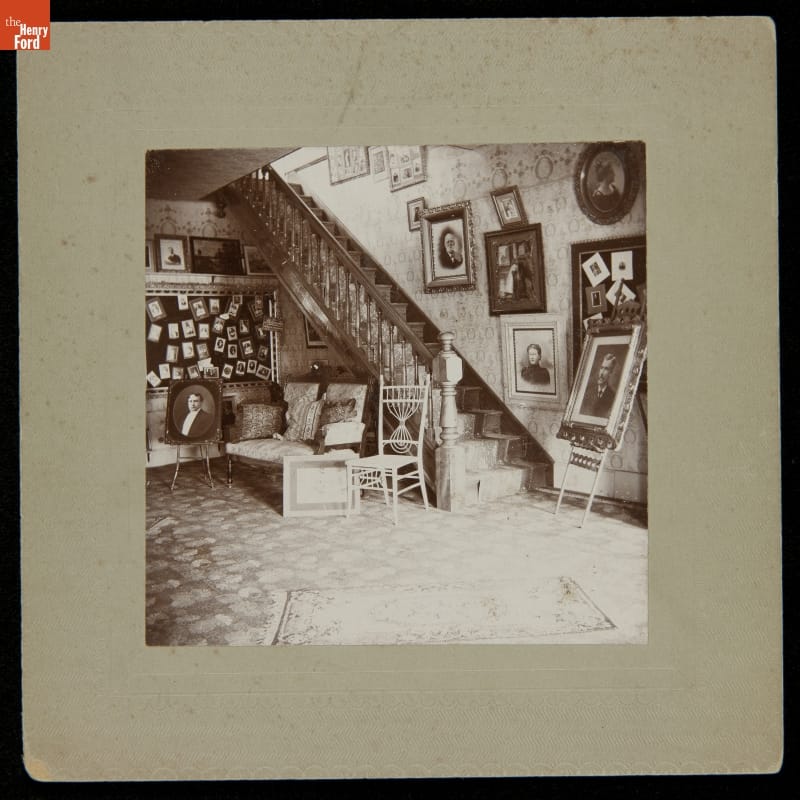
- circa 1900
- Collections - Artifact
Interior of a Photography Studio, circa 1900
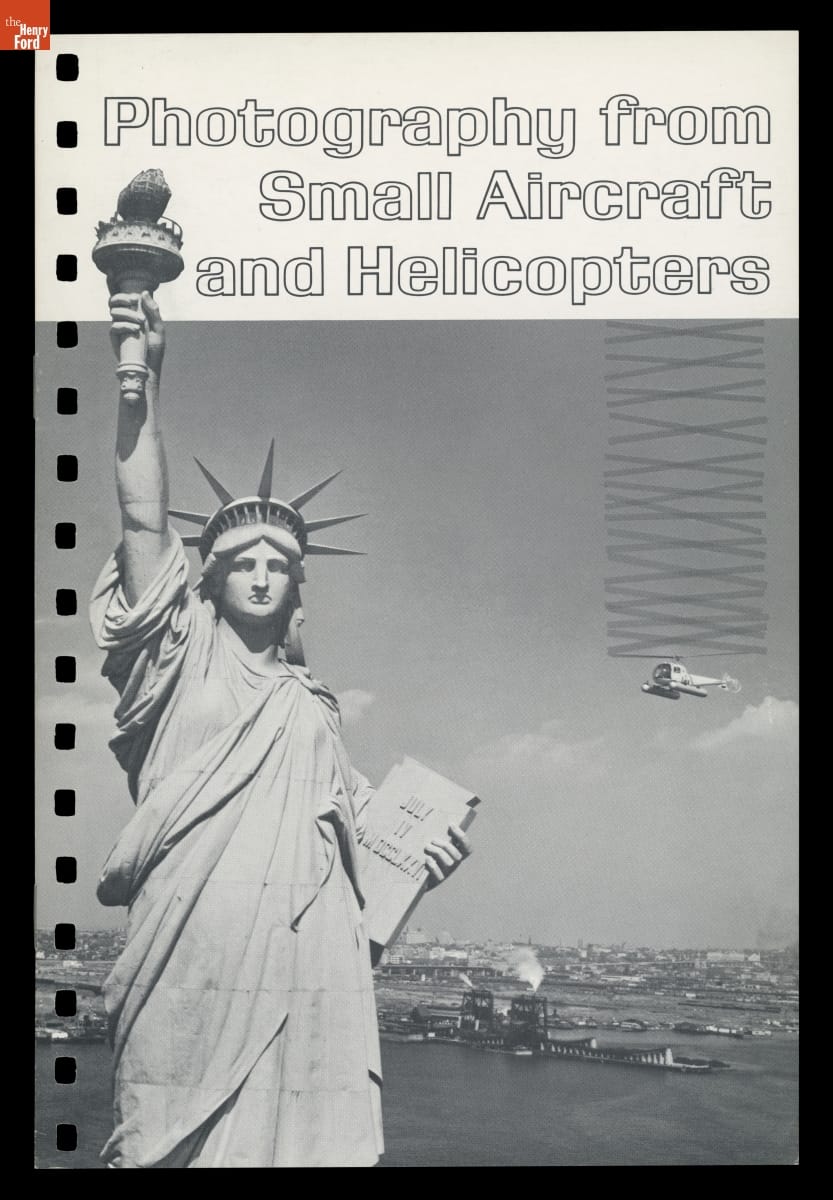
- Photography from Small Aircraft and Helicopters, 1966 - Airplanes and helicopters brought with them greater possibilities for aerial photography, which gave people a new perspective on their surroundings. Eastman Kodak Company published this pamphlet in 1966. It included tips for aerial photography -- everything from recommended types of aircraft to preferred films.
- 1966
- Collections - Artifact
Photography from Small Aircraft and Helicopters, 1966
Airplanes and helicopters brought with them greater possibilities for aerial photography, which gave people a new perspective on their surroundings. Eastman Kodak Company published this pamphlet in 1966. It included tips for aerial photography -- everything from recommended types of aircraft to preferred films.
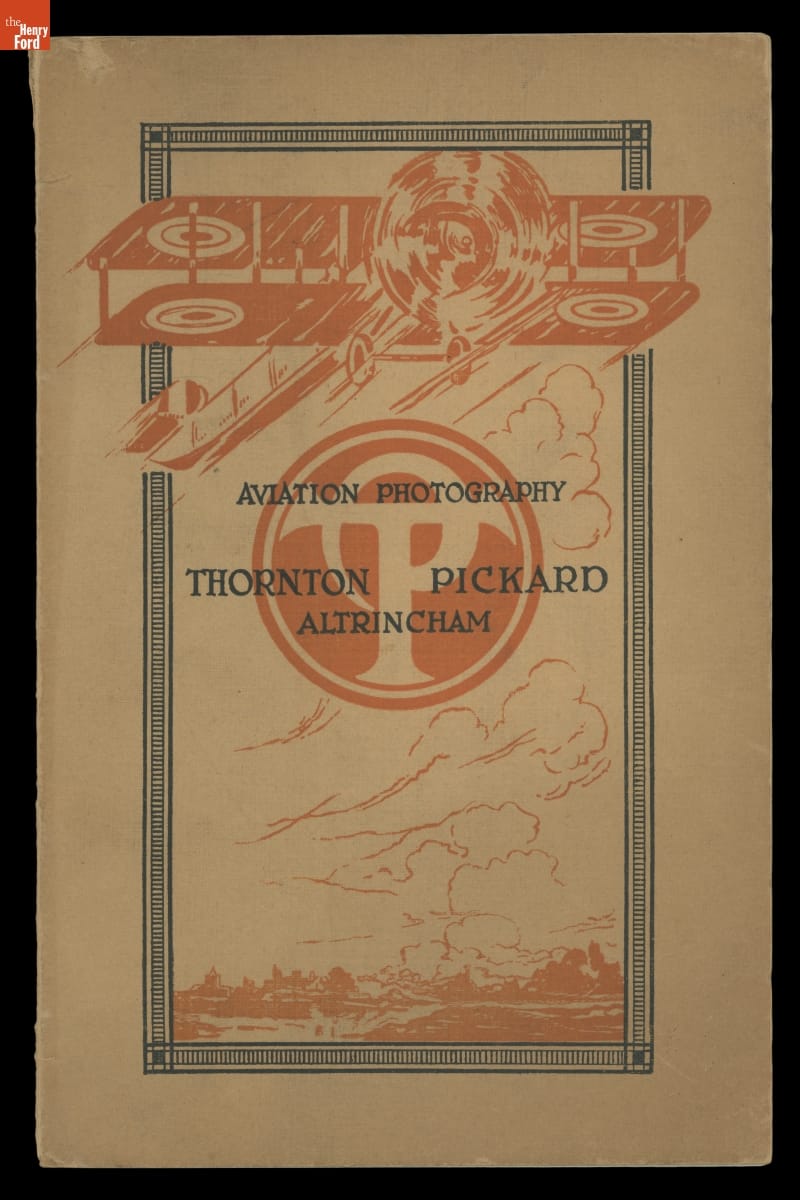
- Aviation Photography, Thornton-Pickard Manufacturing Company, 1918 - This catalog from British camera manufacturer Thornton-Pickard, which features Royal Air Force photographs, touted aerial photography's military advantages. During World War I, military forces on both sides utilized the latest aviation and photographic technology for aerial reconnaissance. Aerial views of enemy troops and equipment changed how militaries looked, moved, and fought. In turn, military research accelerated the evolution of aerial photography.
- 1918
- Collections - Artifact
Aviation Photography, Thornton-Pickard Manufacturing Company, 1918
This catalog from British camera manufacturer Thornton-Pickard, which features Royal Air Force photographs, touted aerial photography's military advantages. During World War I, military forces on both sides utilized the latest aviation and photographic technology for aerial reconnaissance. Aerial views of enemy troops and equipment changed how militaries looked, moved, and fought. In turn, military research accelerated the evolution of aerial photography.
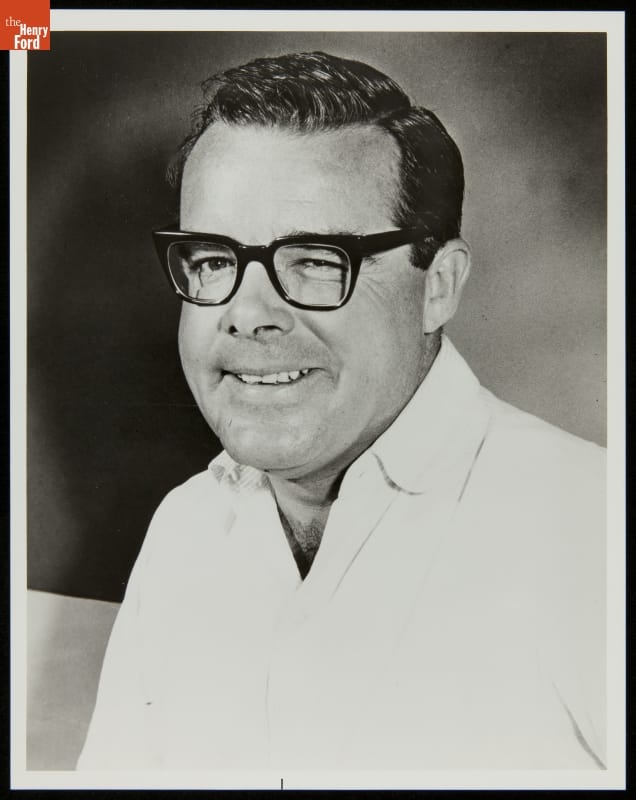
- Ford Motorsports Records--East African Safari--Photography--Item 14 - The East African Safari Rally tested a car's and driver's endurance. During the 1960s, the rally's course covered thousands of miles passing through Kenya, Tanganyika (Tanzania) and Uganda. Drivers could expect punishing road conditions. Mud or dust was commonplace. Many cars that entered did not finish. East African Viscount Mandeville competed on one of the American teams in 1964.
- 1963-1964
- Collections - Artifact
Ford Motorsports Records--East African Safari--Photography--Item 14
The East African Safari Rally tested a car's and driver's endurance. During the 1960s, the rally's course covered thousands of miles passing through Kenya, Tanganyika (Tanzania) and Uganda. Drivers could expect punishing road conditions. Mud or dust was commonplace. Many cars that entered did not finish. East African Viscount Mandeville competed on one of the American teams in 1964.
- Ford Motorsports Records--East African Safari--Photography--Item 5 - The East African Safari Rally tested a car's and driver's endurance. During the 1960s, the rally's course covered thousands of miles passing through Kenya, Tanganyika (Tanzania) and Uganda. Drivers could expect punishing road conditions. Mud or dust was commonplace. And dodging wild animals could be expected. In 1964, the first American teams entered the grueling competition driving Mercury Comet Calientes.
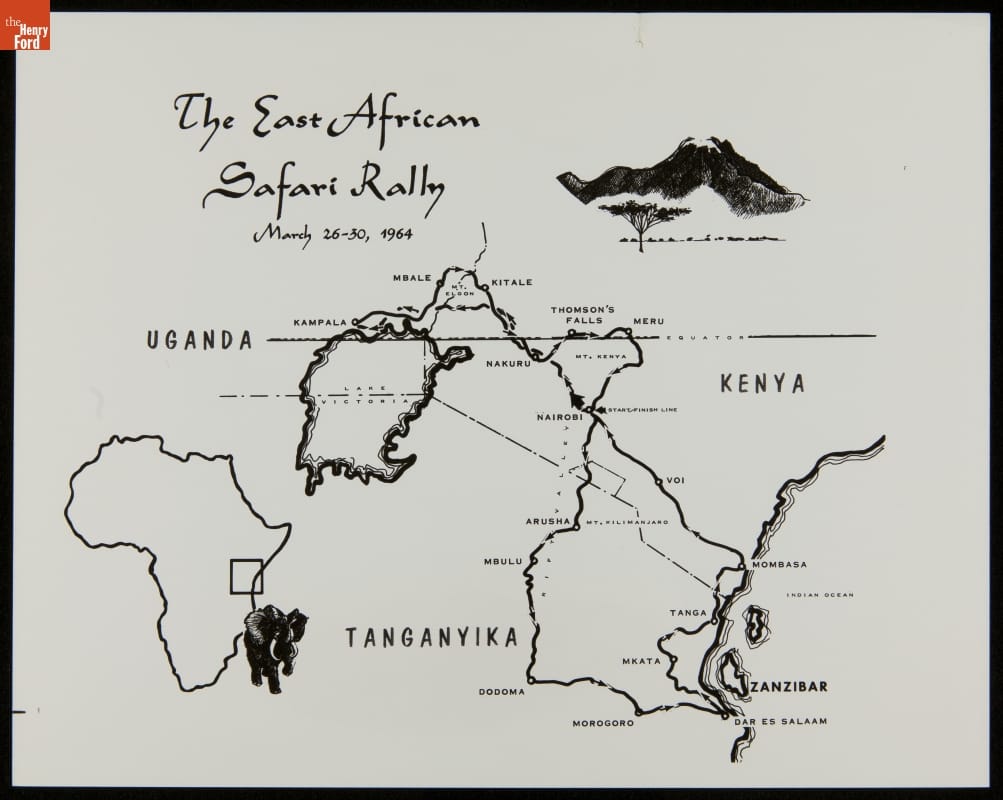
- 1963-1964
- Collections - Artifact
Ford Motorsports Records--East African Safari--Photography--Item 5
The East African Safari Rally tested a car's and driver's endurance. During the 1960s, the rally's course covered thousands of miles passing through Kenya, Tanganyika (Tanzania) and Uganda. Drivers could expect punishing road conditions. Mud or dust was commonplace. And dodging wild animals could be expected. In 1964, the first American teams entered the grueling competition driving Mercury Comet Calientes.
- Ford Motorsports Records--East African Safari--Photography--Item 7 - The East African Safari Rally tested a car's and driver's endurance. During the 1960s, the rally's course covered thousands of miles passing through Kenya, Tanganyika (Tanzania) and Uganda. Drivers could expect punishing road conditions. Mud or dust was commonplace. And dodging wild animals could be expected. In 1964, the first American teams entered the grueling competition driving Mercury Comet Calientes.
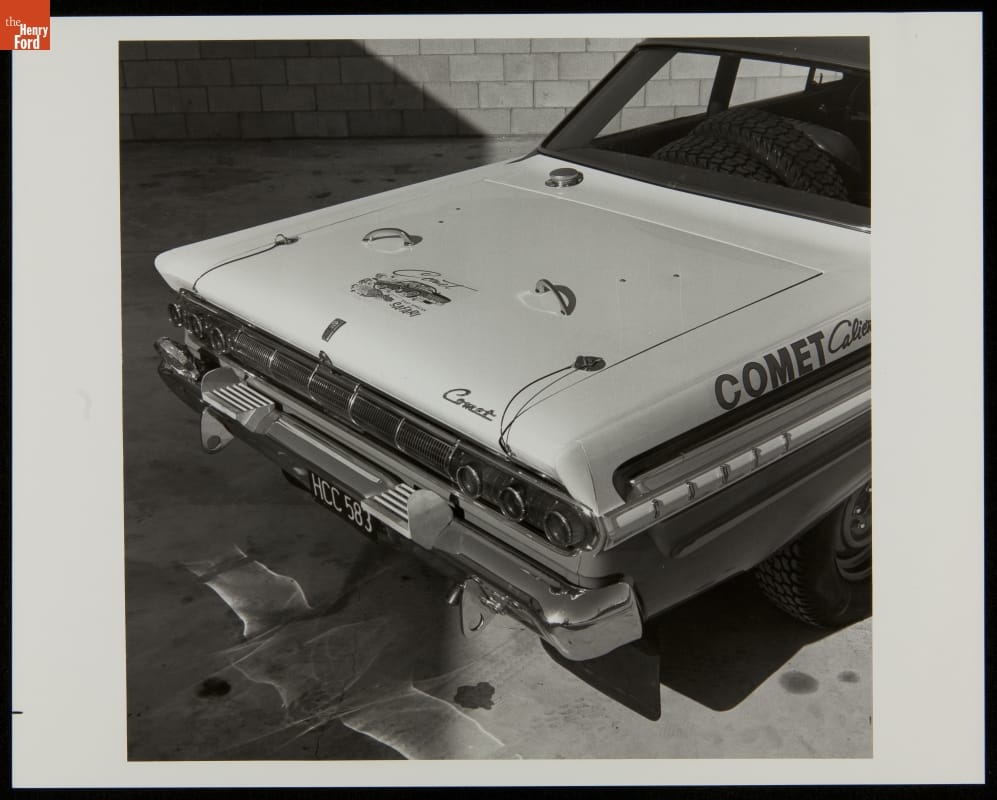
- 1963-1964
- Collections - Artifact
Ford Motorsports Records--East African Safari--Photography--Item 7
The East African Safari Rally tested a car's and driver's endurance. During the 1960s, the rally's course covered thousands of miles passing through Kenya, Tanganyika (Tanzania) and Uganda. Drivers could expect punishing road conditions. Mud or dust was commonplace. And dodging wild animals could be expected. In 1964, the first American teams entered the grueling competition driving Mercury Comet Calientes.
- Ford Motorsports Records--East African Safari--Photography--Item 2 - The East African Safari Rally tested a car's and driver's endurance. During the 1960s, the rally's course covered thousands of miles passing through Kenya, Tanganyika (Tanzania) and Uganda. Drivers could expect punishing road conditions. Mud or dust was commonplace. Many cars that entered did not finish. Ray Brock, pictured here, competed on one of the American teams in 1964.
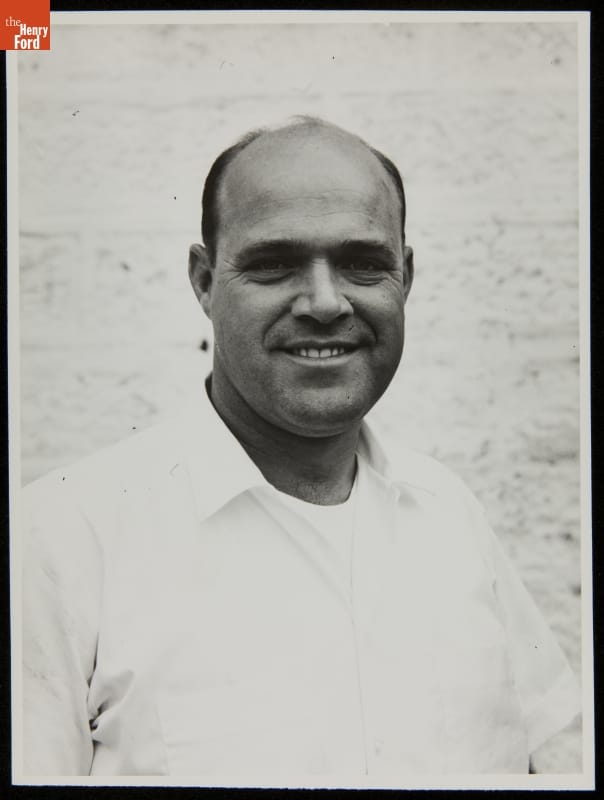
- 1963-1964
- Collections - Artifact
Ford Motorsports Records--East African Safari--Photography--Item 2
The East African Safari Rally tested a car's and driver's endurance. During the 1960s, the rally's course covered thousands of miles passing through Kenya, Tanganyika (Tanzania) and Uganda. Drivers could expect punishing road conditions. Mud or dust was commonplace. Many cars that entered did not finish. Ray Brock, pictured here, competed on one of the American teams in 1964.
- Ford Motorsports Records--East African Safari--Photography--Item 12 - The East African Safari Rally tested a car's and driver's endurance. During the 1960s, the rally's course covered thousands of miles passing through Kenya, Tanganyika (Tanzania) and Uganda. Drivers could expect punishing road conditions. Mud or dust was commonplace. And dodging wild animals could be expected. In 1964, the first American teams entered the grueling competition driving Mercury Comet Calientes.
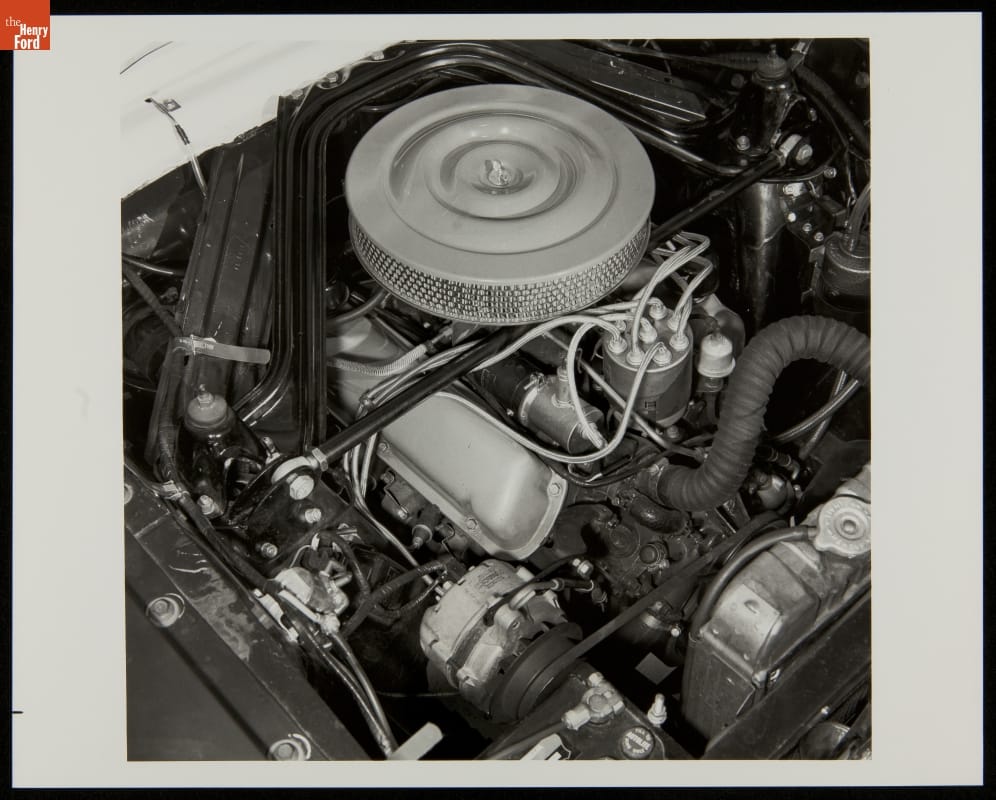
- 1963-1964
- Collections - Artifact
Ford Motorsports Records--East African Safari--Photography--Item 12
The East African Safari Rally tested a car's and driver's endurance. During the 1960s, the rally's course covered thousands of miles passing through Kenya, Tanganyika (Tanzania) and Uganda. Drivers could expect punishing road conditions. Mud or dust was commonplace. And dodging wild animals could be expected. In 1964, the first American teams entered the grueling competition driving Mercury Comet Calientes.
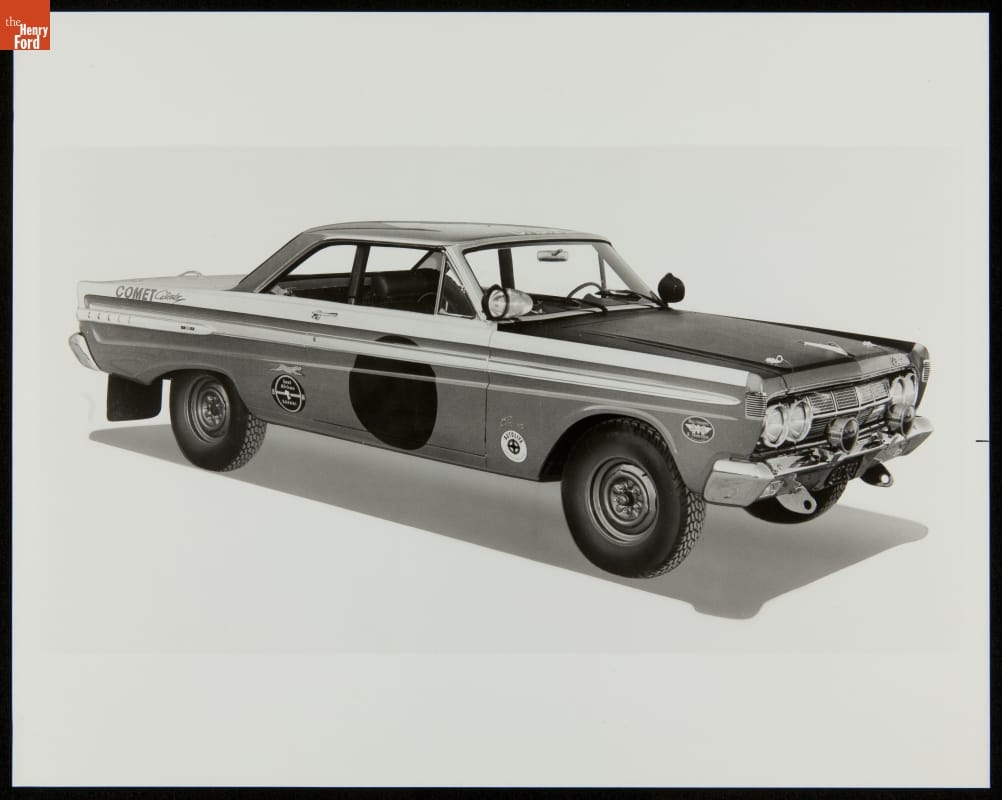
- Ford Motorsports Records--East African Safari--Photography--Item 13 - The East African Safari Rally tested a car's and driver's endurance. During the 1960s, the rally's course covered thousands of miles passing through Kenya, Tanganyika (Tanzania) and Uganda. Drivers could expect punishing road conditions. Mud or dust was commonplace. And dodging wild animals could be expected. In 1964, the first American teams entered the grueling competition driving Mercury Comet Calientes.
- 1963-1964
- Collections - Artifact
Ford Motorsports Records--East African Safari--Photography--Item 13
The East African Safari Rally tested a car's and driver's endurance. During the 1960s, the rally's course covered thousands of miles passing through Kenya, Tanganyika (Tanzania) and Uganda. Drivers could expect punishing road conditions. Mud or dust was commonplace. And dodging wild animals could be expected. In 1964, the first American teams entered the grueling competition driving Mercury Comet Calientes.
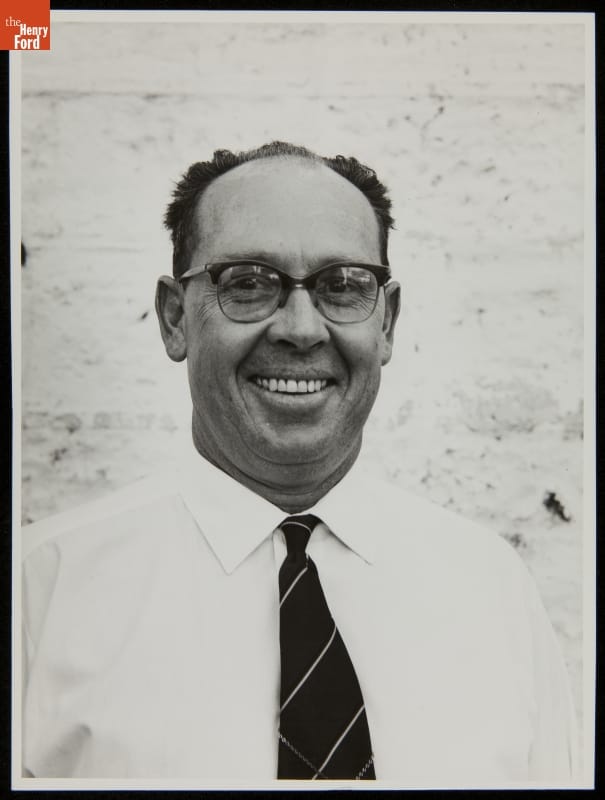
- Ford Motorsports Records--East African Safari--Photography--Item 4 - The East African Safari Rally tested a car's and driver's endurance. During the 1960s, the rally's course covered thousands of miles passing through Kenya, Tanganyika (Tanzania) and Uganda. Drivers could expect punishing road conditions. Mud or dust was commonplace. And dodging wild animals could be expected. In 1964, the first American teams entered the grueling competition driving Mercury Comet Calientes.
- 1963-1964
- Collections - Artifact
Ford Motorsports Records--East African Safari--Photography--Item 4
The East African Safari Rally tested a car's and driver's endurance. During the 1960s, the rally's course covered thousands of miles passing through Kenya, Tanganyika (Tanzania) and Uganda. Drivers could expect punishing road conditions. Mud or dust was commonplace. And dodging wild animals could be expected. In 1964, the first American teams entered the grueling competition driving Mercury Comet Calientes.