
Search
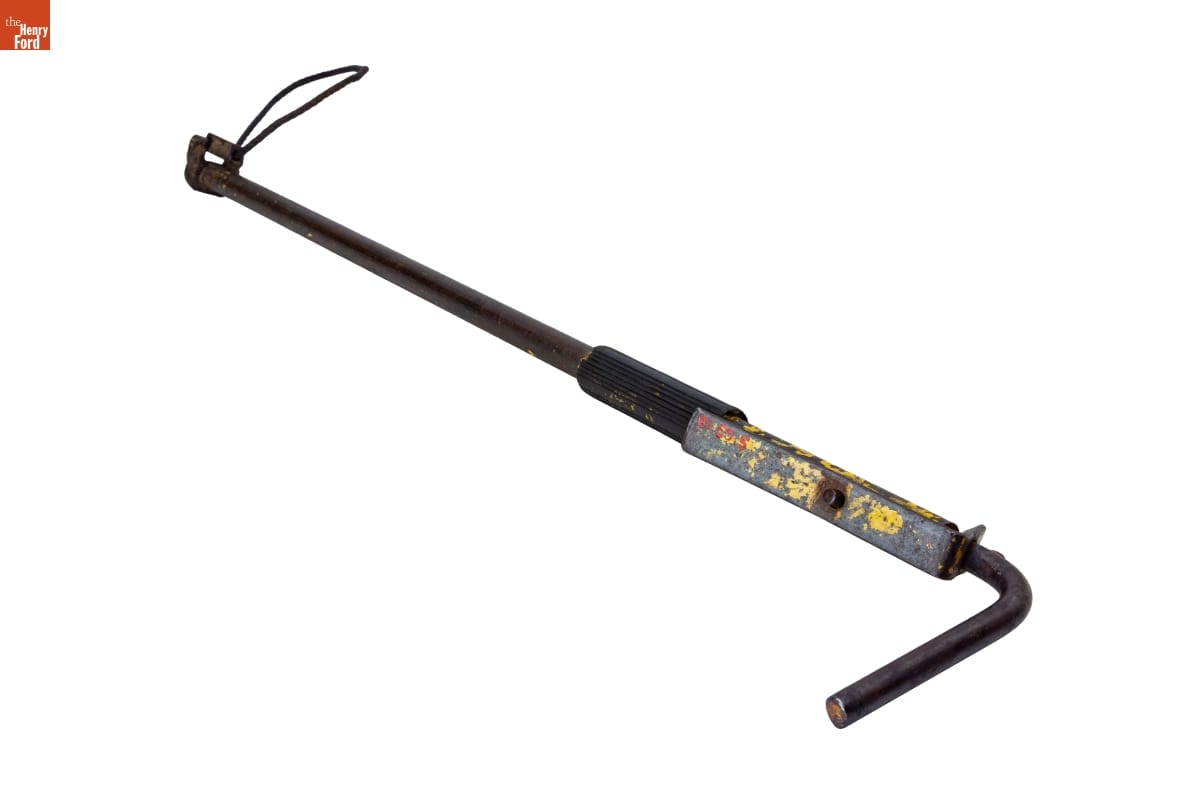
- Pig Snare - Wire snares help restrain pigs for medical treatment. Veterinarians or their assistants maneuver the wire loop around the upper jaw behind the animal's canine teeth and then tighten the wire around its snout. With the pig sufficiently restrained, veterinarians can provide care for the animal.
- Collections - Artifact
Pig Snare
Wire snares help restrain pigs for medical treatment. Veterinarians or their assistants maneuver the wire loop around the upper jaw behind the animal's canine teeth and then tighten the wire around its snout. With the pig sufficiently restrained, veterinarians can provide care for the animal.
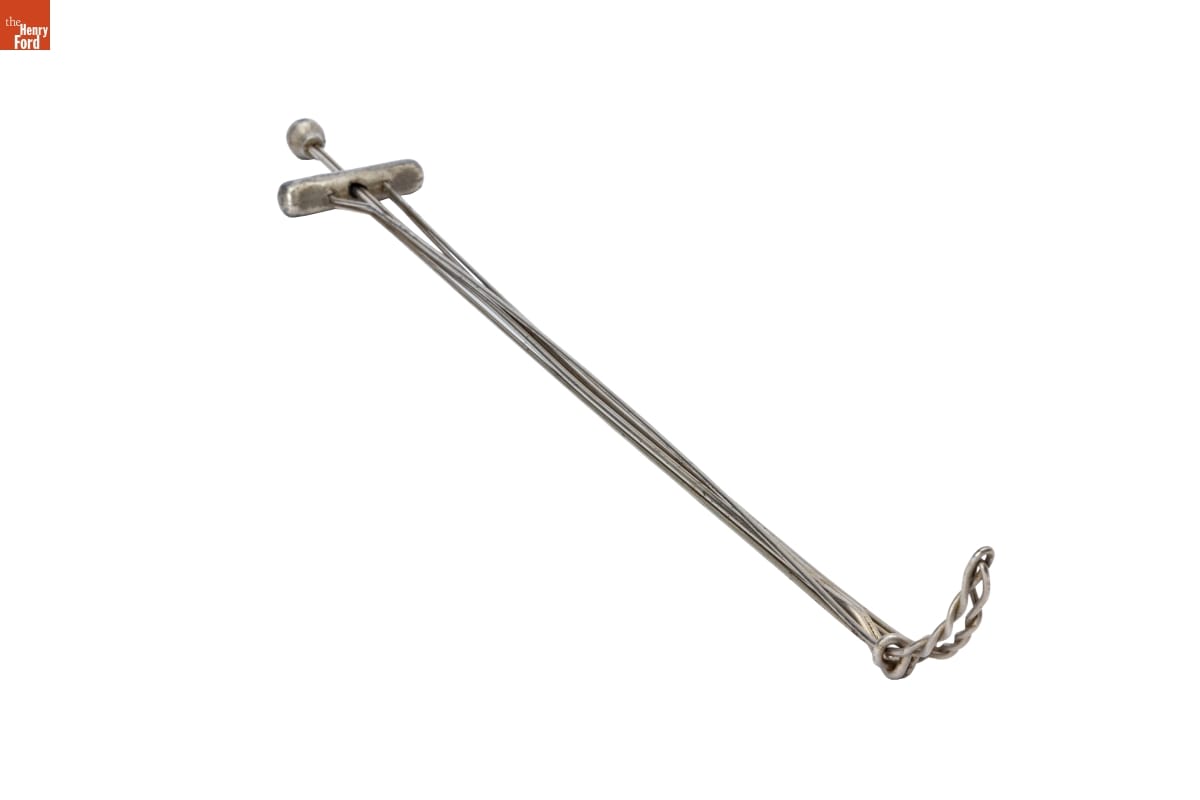
- Pig Puller, circa 1915 - Many domesticated farm animals (such as hogs and sheep) give birth naturally without assistance. However, veterinarians may intervene if the mother is having difficulty or if the piglet (hog) or lamb (sheep) is in an incorrect position or stillborn. Veterinarians use an extractor or "puller" to loop a wire securely around the animal to help guide it through the birth canal.
- circa 1915
- Collections - Artifact
Pig Puller, circa 1915
Many domesticated farm animals (such as hogs and sheep) give birth naturally without assistance. However, veterinarians may intervene if the mother is having difficulty or if the piglet (hog) or lamb (sheep) is in an incorrect position or stillborn. Veterinarians use an extractor or "puller" to loop a wire securely around the animal to help guide it through the birth canal.
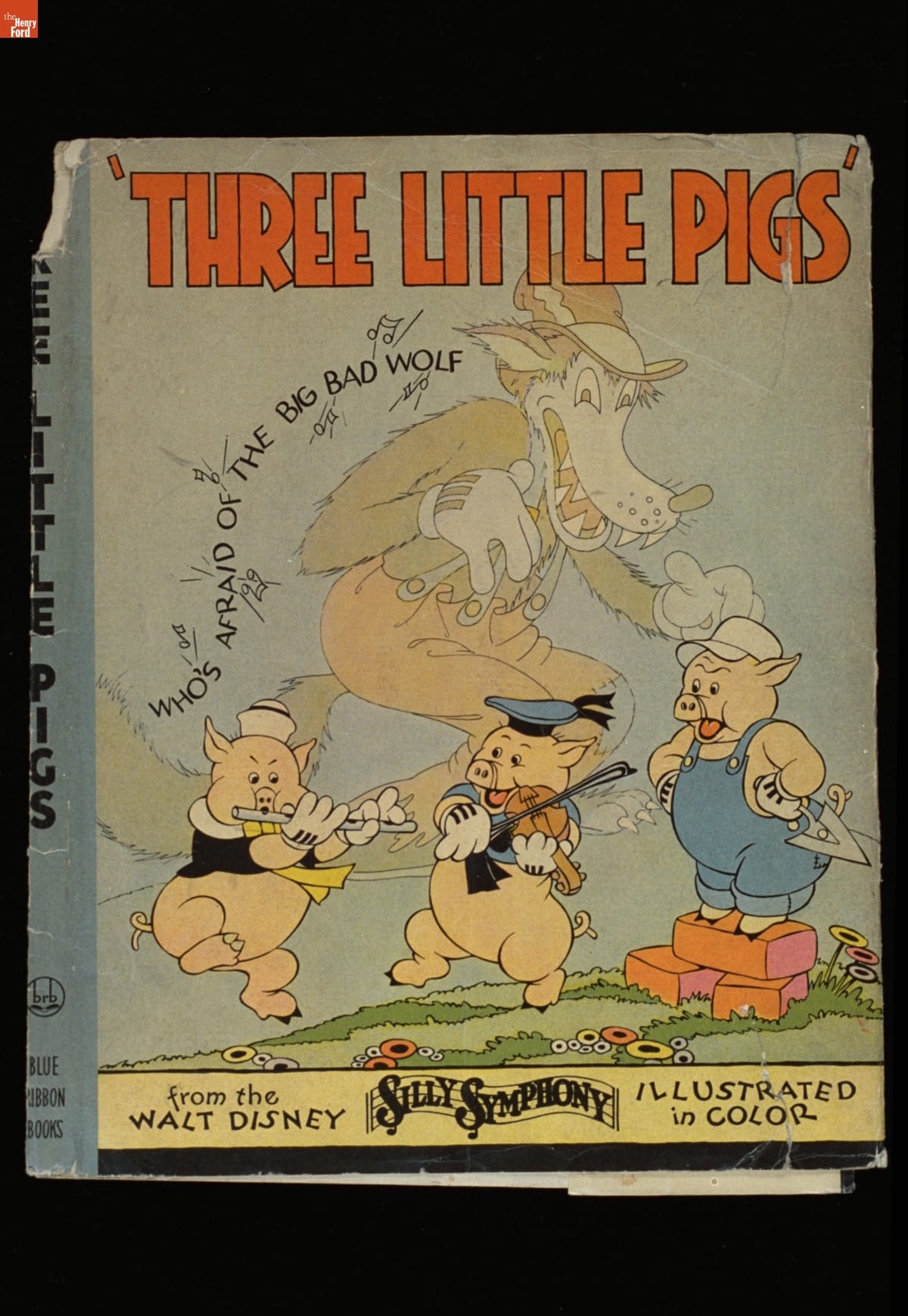
- Three Little Pigs, 1933 -
- 1933
- Collections - Artifact
Three Little Pigs, 1933
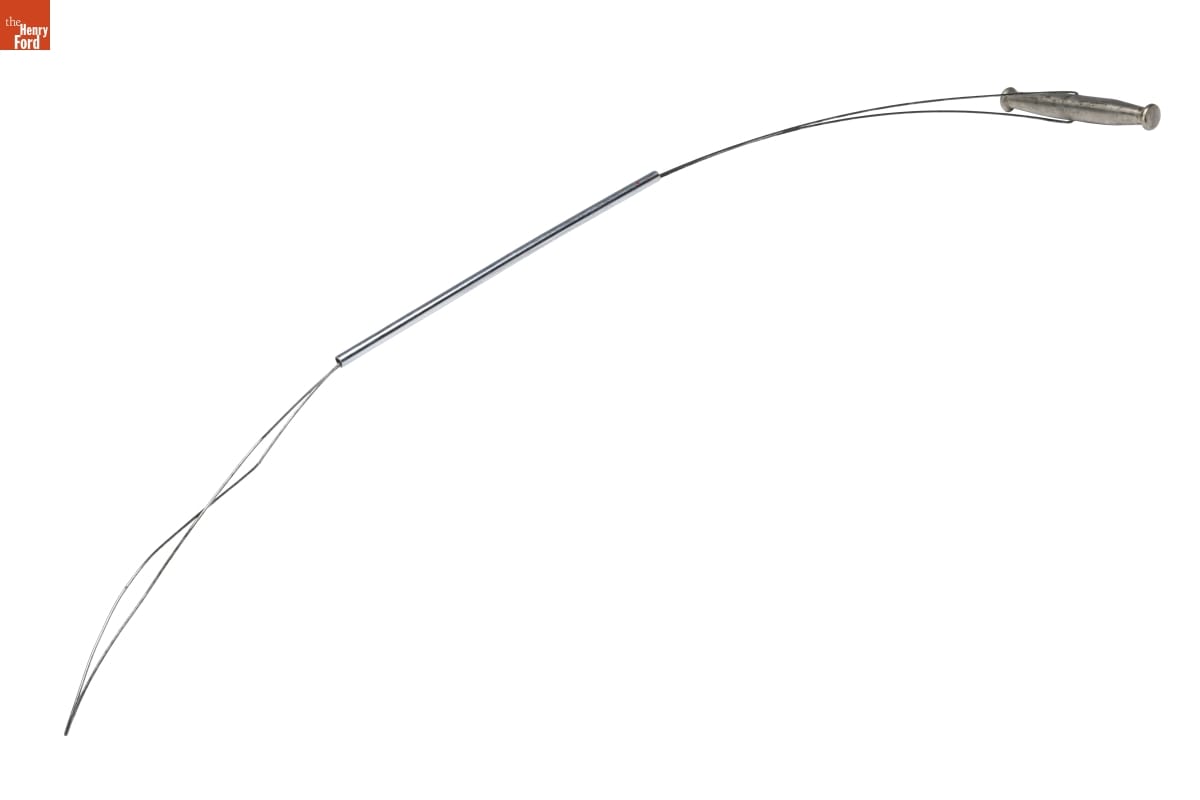
- Pig Puller - Many domesticated farm animals (such as hogs and sheep) give birth naturally without assistance. However, veterinarians may intervene if the mother is having difficulty or if the piglet (hog) or lamb (sheep) is in an incorrect position or stillborn. Veterinarians use an extractor or "puller" to loop a wire securely around the animal to help guide it through the birth canal.
- Collections - Artifact
Pig Puller
Many domesticated farm animals (such as hogs and sheep) give birth naturally without assistance. However, veterinarians may intervene if the mother is having difficulty or if the piglet (hog) or lamb (sheep) is in an incorrect position or stillborn. Veterinarians use an extractor or "puller" to loop a wire securely around the animal to help guide it through the birth canal.
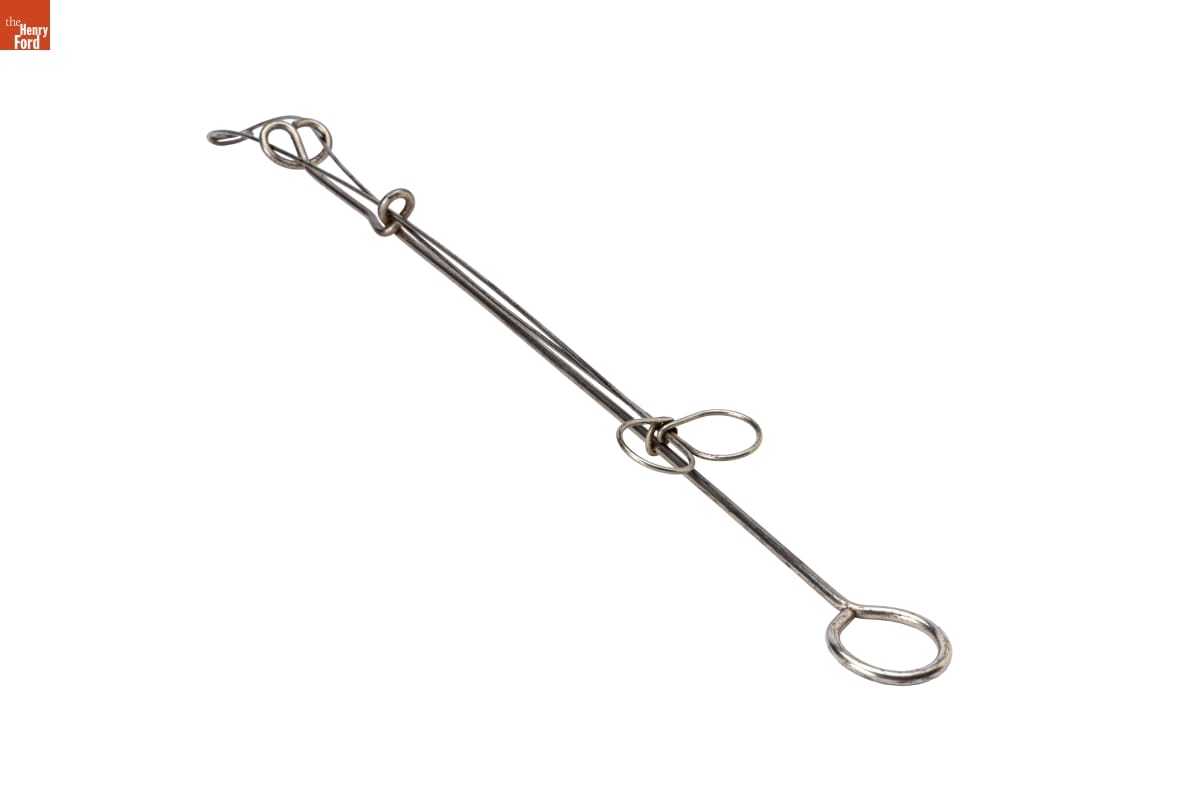
- Pig Puller, circa 1910 - Many domesticated farm animals (such as hogs and sheep) give birth naturally without assistance. However, veterinarians may intervene if the mother is having difficulty or if the piglet (hog) or lamb (sheep) is in an incorrect position or stillborn. Veterinarians use an extractor or "puller" to loop a wire securely around the animal to help guide it through the birth canal.
- circa 1910
- Collections - Artifact
Pig Puller, circa 1910
Many domesticated farm animals (such as hogs and sheep) give birth naturally without assistance. However, veterinarians may intervene if the mother is having difficulty or if the piglet (hog) or lamb (sheep) is in an incorrect position or stillborn. Veterinarians use an extractor or "puller" to loop a wire securely around the animal to help guide it through the birth canal.
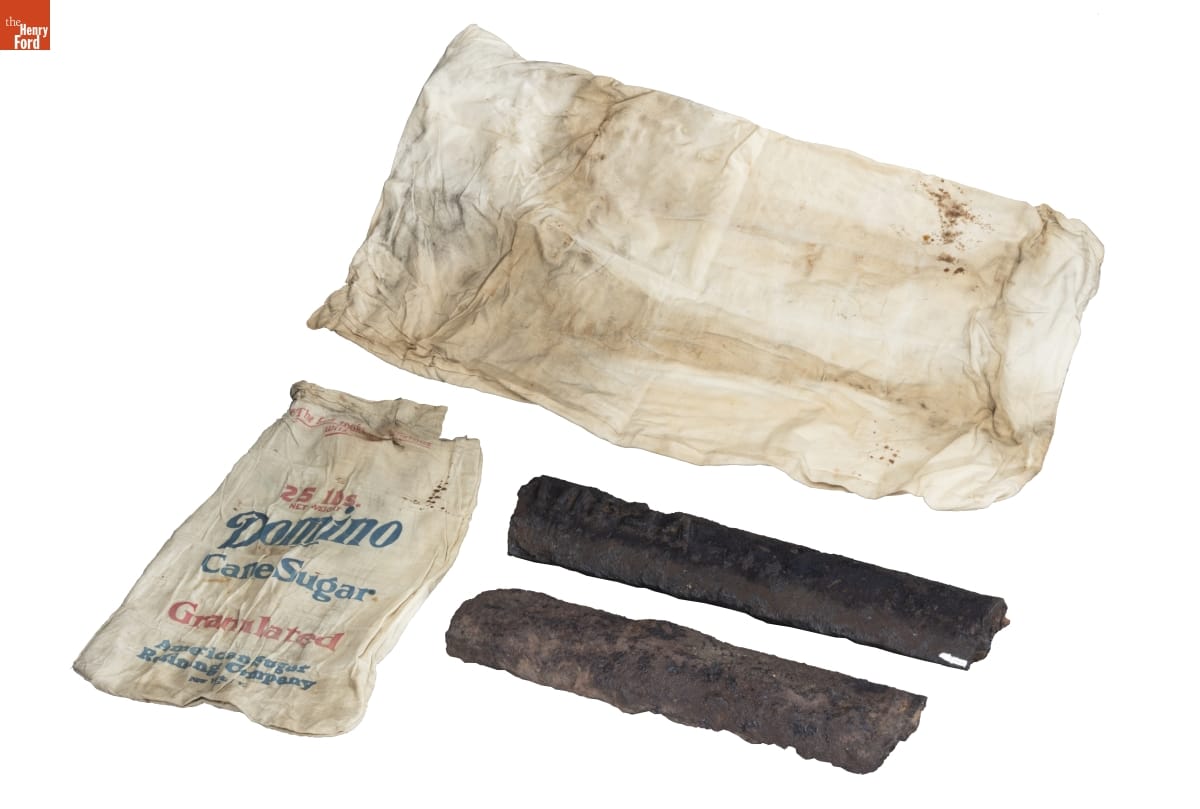
- Pieces of Pig Iron -
- Collections - Artifact
Pieces of Pig Iron
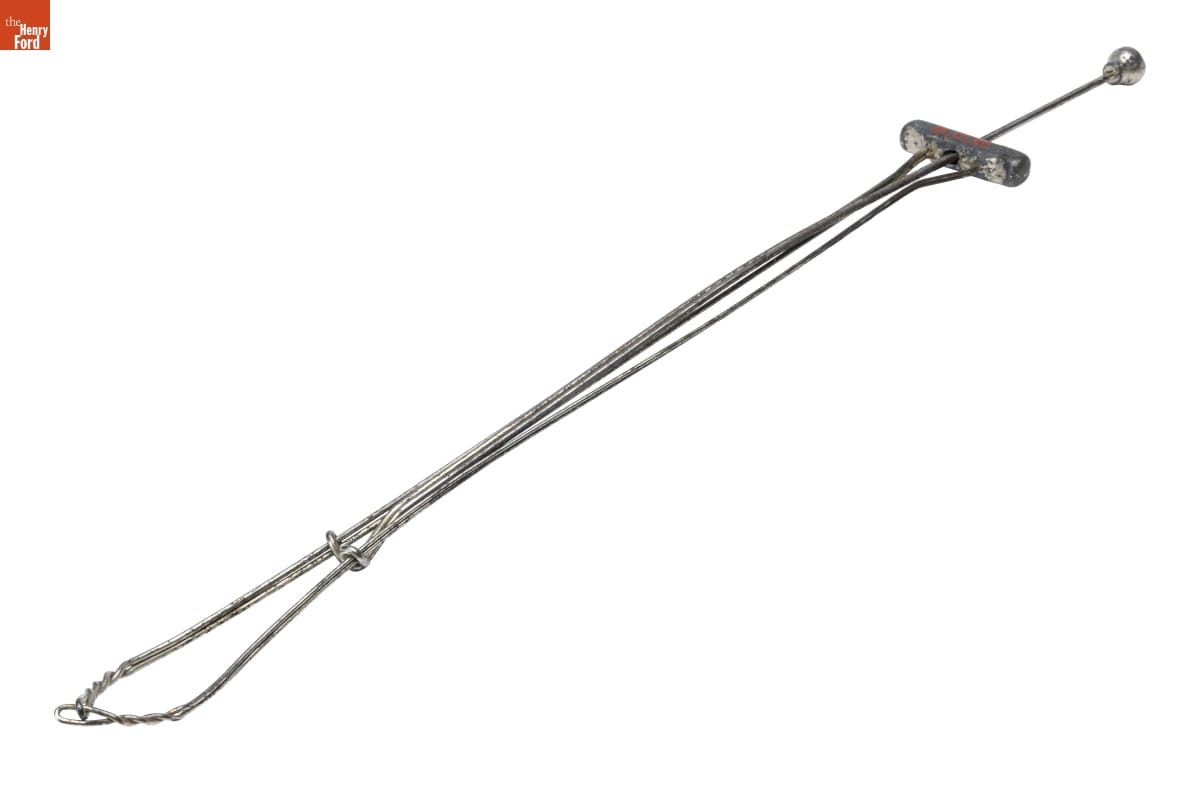
- Pig Puller, circa 1920 - Many domesticated farm animals (such as hogs and sheep) give birth naturally without assistance. However, veterinarians may intervene if the mother is having difficulty or if the piglet (hog) or lamb (sheep) is in an incorrect position or stillborn. Veterinarians use an extractor or "puller" to loop a wire securely around the animal to help guide it through the birth canal.
- circa 1920
- Collections - Artifact
Pig Puller, circa 1920
Many domesticated farm animals (such as hogs and sheep) give birth naturally without assistance. However, veterinarians may intervene if the mother is having difficulty or if the piglet (hog) or lamb (sheep) is in an incorrect position or stillborn. Veterinarians use an extractor or "puller" to loop a wire securely around the animal to help guide it through the birth canal.
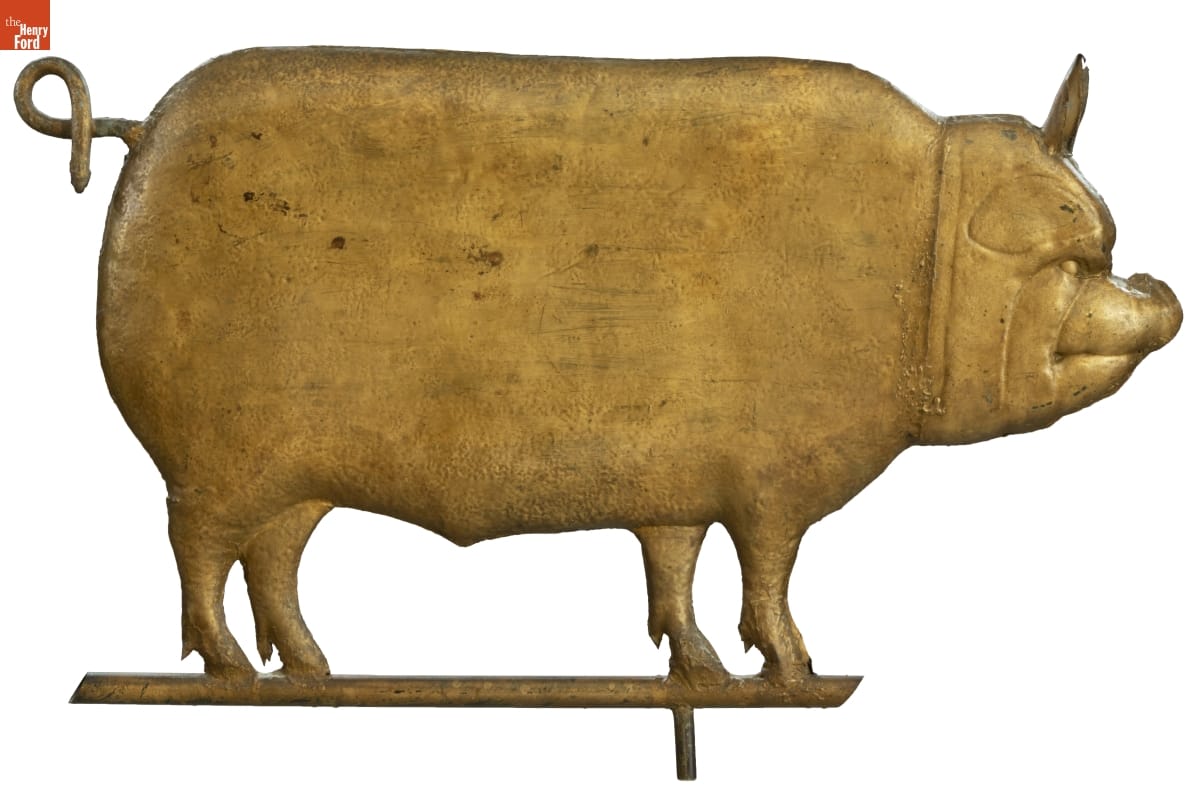
- Pig Weathervane, 1875-1885 - Weathervanes point into the direction of the wind. This helped viewers anticipate weather changes before local forecasts became common after 1920. Functional weathervanes required a basic pointing device and directional arms, but manufacturers added decorative elements, or ornaments, to appeal to consumer interests. Livestock ornaments were popular among farmers eager to promote the business of agriculture.
- 1875-1885
- Collections - Artifact
Pig Weathervane, 1875-1885
Weathervanes point into the direction of the wind. This helped viewers anticipate weather changes before local forecasts became common after 1920. Functional weathervanes required a basic pointing device and directional arms, but manufacturers added decorative elements, or ornaments, to appeal to consumer interests. Livestock ornaments were popular among farmers eager to promote the business of agriculture.
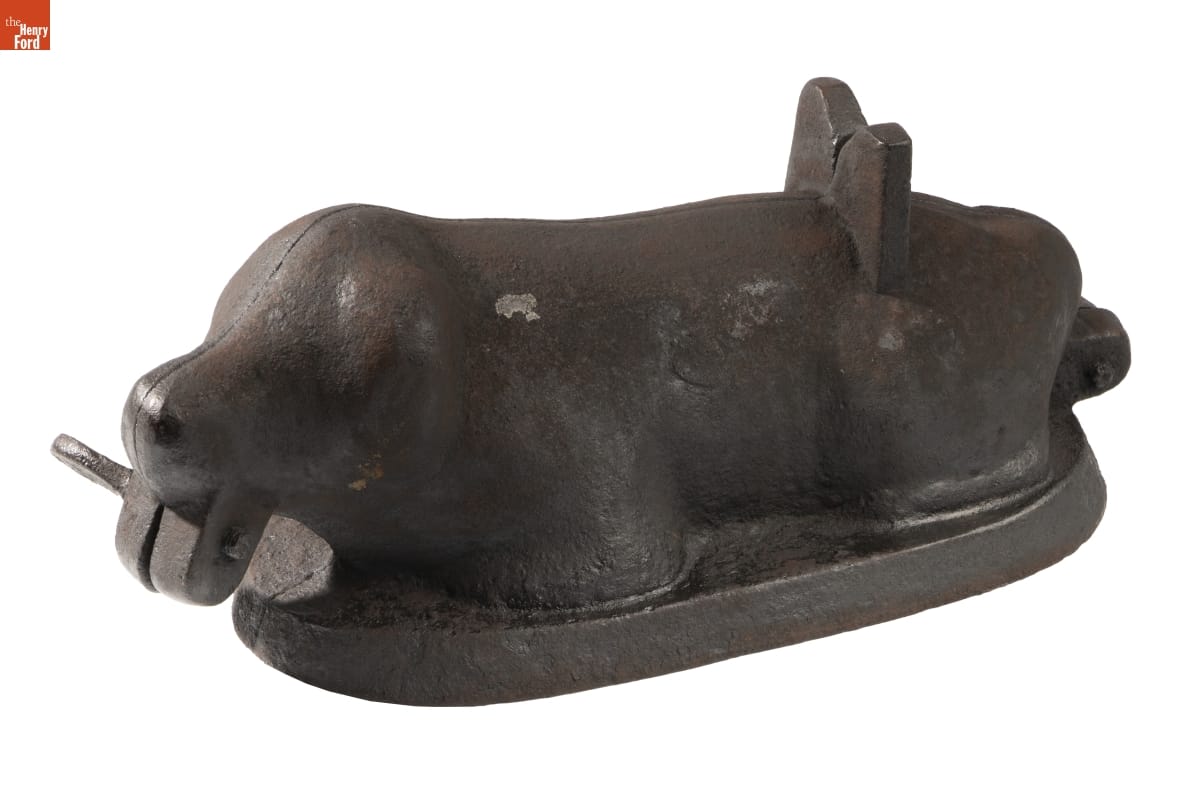
- Pig Shaped Culinary Mold -
- Collections - Artifact
Pig Shaped Culinary Mold
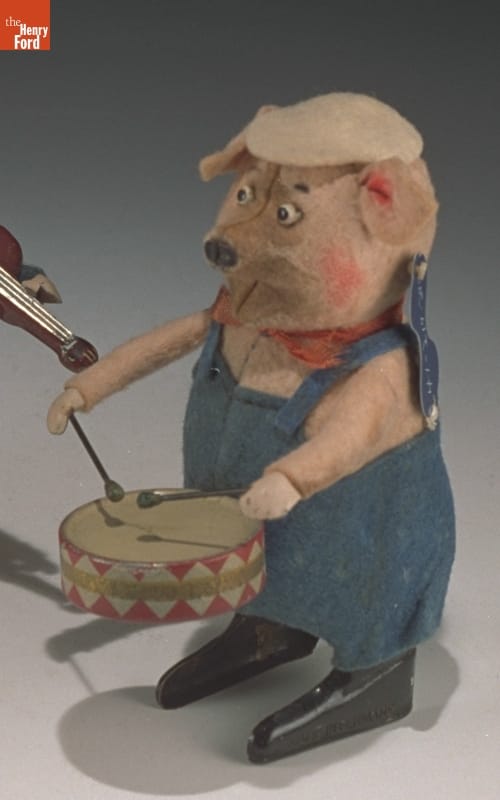
- "Three Little Pigs" Mechanical Toy, 1933-1940 - Key-operated clockwork mechanisms cause the toy pig to walk and play instruments. This company, founded in 1912 by H. Schreyer and Heinrich Muller, produced a variety of toy cars and animals.
- 1933-1940
- Collections - Artifact
"Three Little Pigs" Mechanical Toy, 1933-1940
Key-operated clockwork mechanisms cause the toy pig to walk and play instruments. This company, founded in 1912 by H. Schreyer and Heinrich Muller, produced a variety of toy cars and animals.