
Search
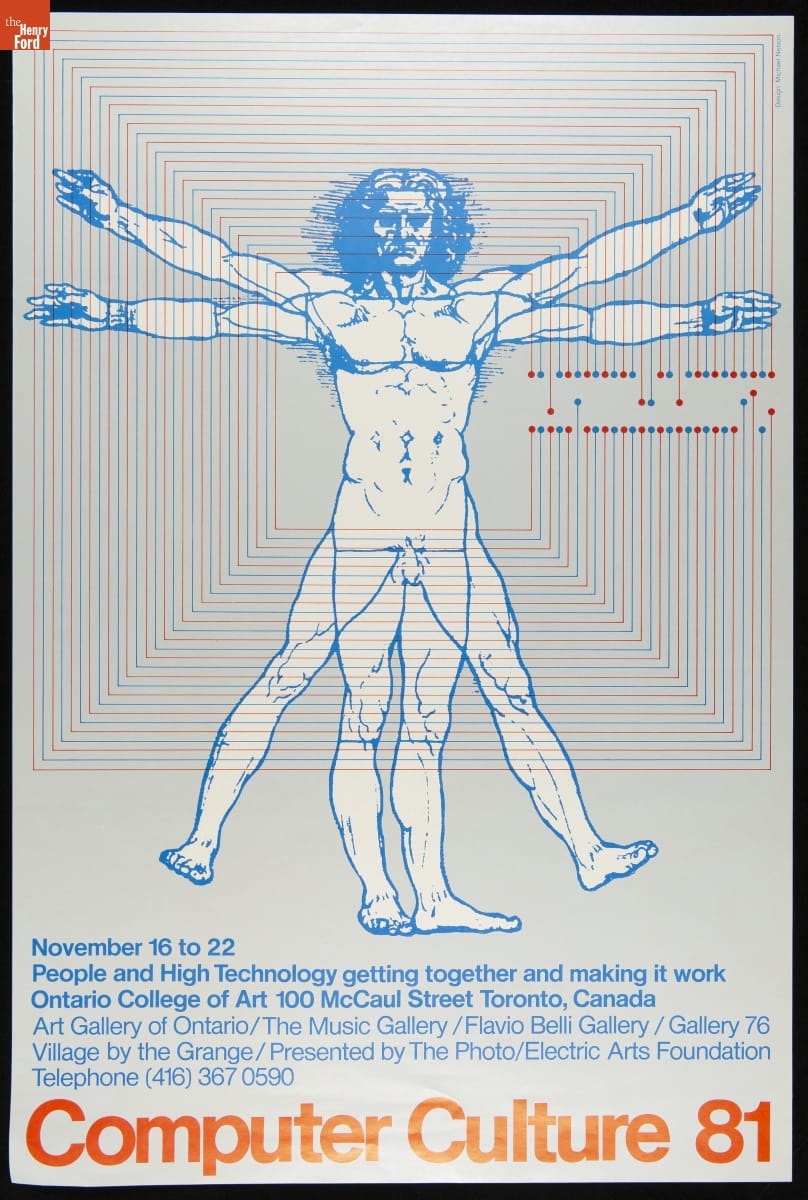
- Poster, "Computer Culture 81," 1981 - Lillian Schwartz is a pioneer of computer-generated art. From 1969-2002, she was a "resident visitor" at Bell Laboratories, producing groundbreaking films, videos, and multimedia works. The Schwartz Collection spans Lillian's childhood into her late career, documenting an expansive mindset, mastery over traditional and experimental mediums alike--and above all--an ability to create inspirational connections between science, art, and technology.
- 1981
- Collections - Artifact
Poster, "Computer Culture 81," 1981
Lillian Schwartz is a pioneer of computer-generated art. From 1969-2002, she was a "resident visitor" at Bell Laboratories, producing groundbreaking films, videos, and multimedia works. The Schwartz Collection spans Lillian's childhood into her late career, documenting an expansive mindset, mastery over traditional and experimental mediums alike--and above all--an ability to create inspirational connections between science, art, and technology.
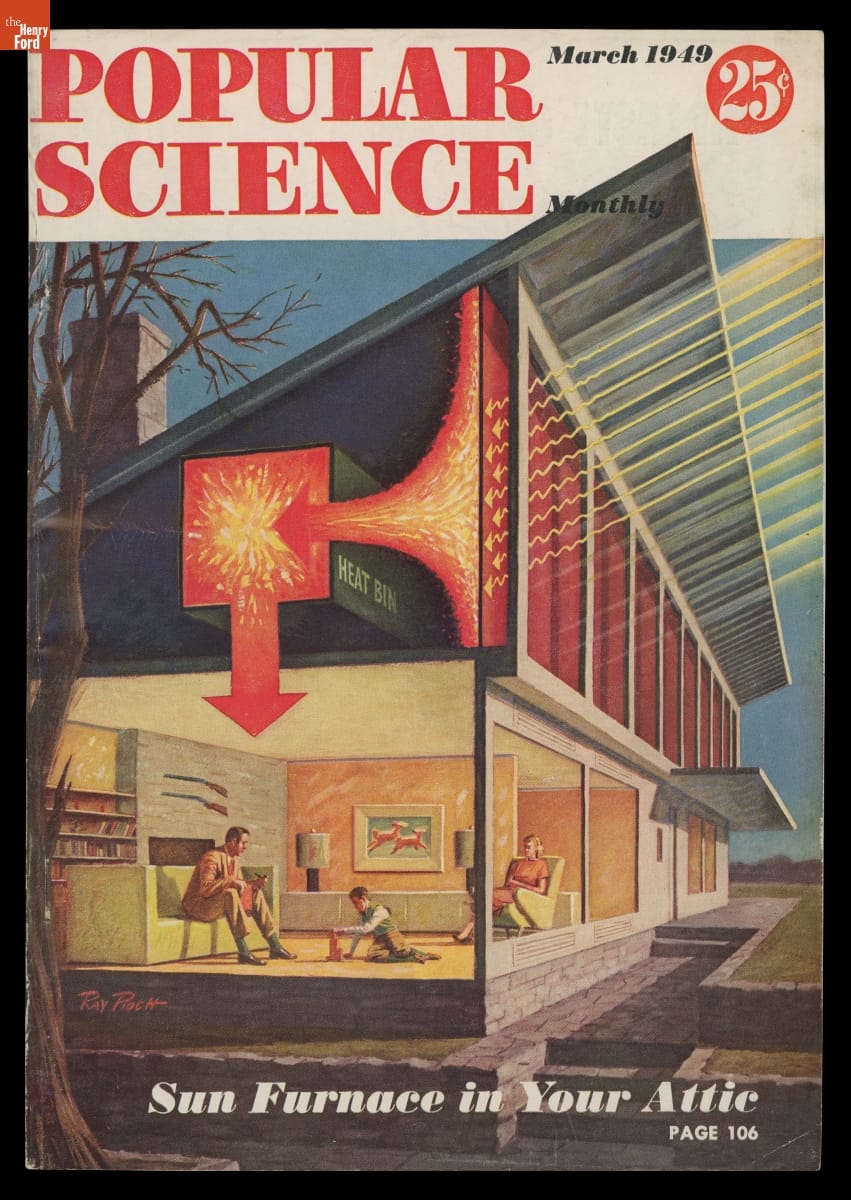
- "Popular Science," March 1949 -
- March 01, 1949
- Collections - Artifact
"Popular Science," March 1949
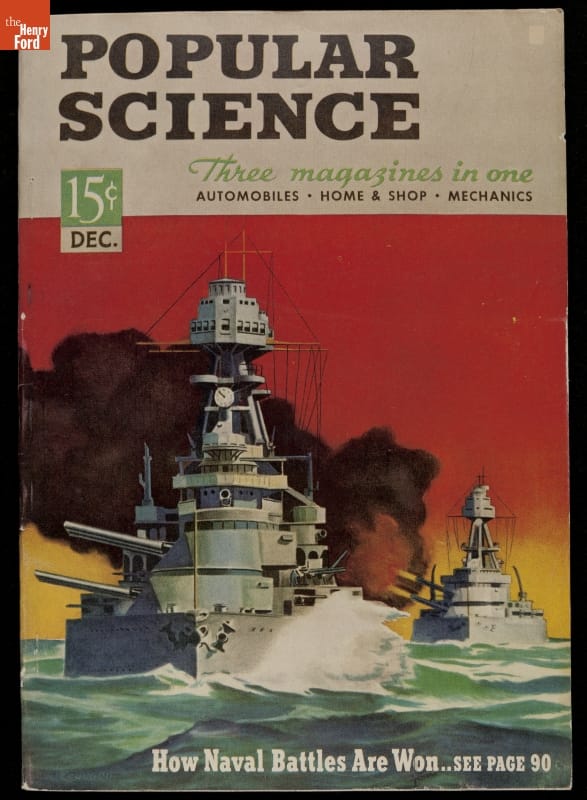
- "Popular Science," December 1940 - <EM>Popular Science</EM> provided information about scientific and technological advancements. In the early 1900s articles about the automobile -- and its driver -- became commonplace in the monthly's pages. In this December 1940 issue, readers learned about new car models, gained maintenance and safety tips, and discovered how drivers cope with 'traffic jitters.'
- December 01, 1940
- Collections - Artifact
"Popular Science," December 1940
Popular Science provided information about scientific and technological advancements. In the early 1900s articles about the automobile -- and its driver -- became commonplace in the monthly's pages. In this December 1940 issue, readers learned about new car models, gained maintenance and safety tips, and discovered how drivers cope with 'traffic jitters.'
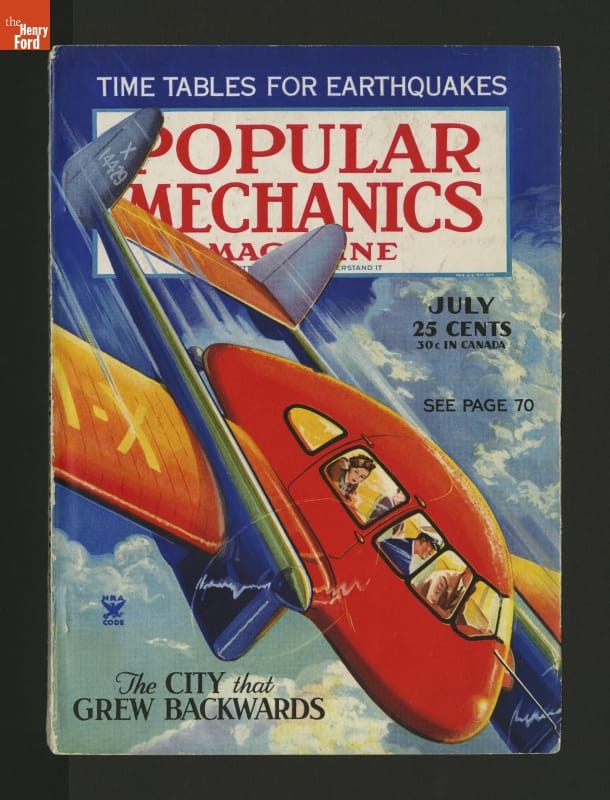
- "Popular Mechanics," July 1935 - <em>Popular Mechanics</em>, first published in 1902, has made information about technology and science understandable to the general public. Do-it-yourself entrepreneurs could learn how to build their own tourist cabins in this July 1935 issue.
- July 01, 1935
- Collections - Artifact
"Popular Mechanics," July 1935
Popular Mechanics, first published in 1902, has made information about technology and science understandable to the general public. Do-it-yourself entrepreneurs could learn how to build their own tourist cabins in this July 1935 issue.
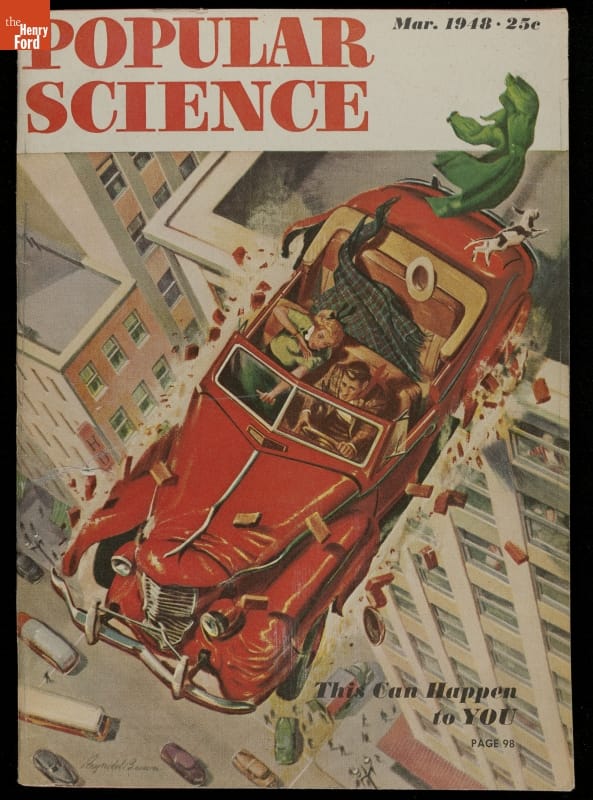
- "Popular Science," March 1948 - The cover of this <EM>Popular Science</EM> magazine probably got people's attention. This March 1948 issue highlighted safe driving habits its readers needed to understand. The magazine had been publishing articles about the automobile--and its driver--for years. More and more, safety concerns shared the pages with other automotive advancements.
- March 01, 1948
- Collections - Artifact
"Popular Science," March 1948
The cover of this Popular Science magazine probably got people's attention. This March 1948 issue highlighted safe driving habits its readers needed to understand. The magazine had been publishing articles about the automobile--and its driver--for years. More and more, safety concerns shared the pages with other automotive advancements.
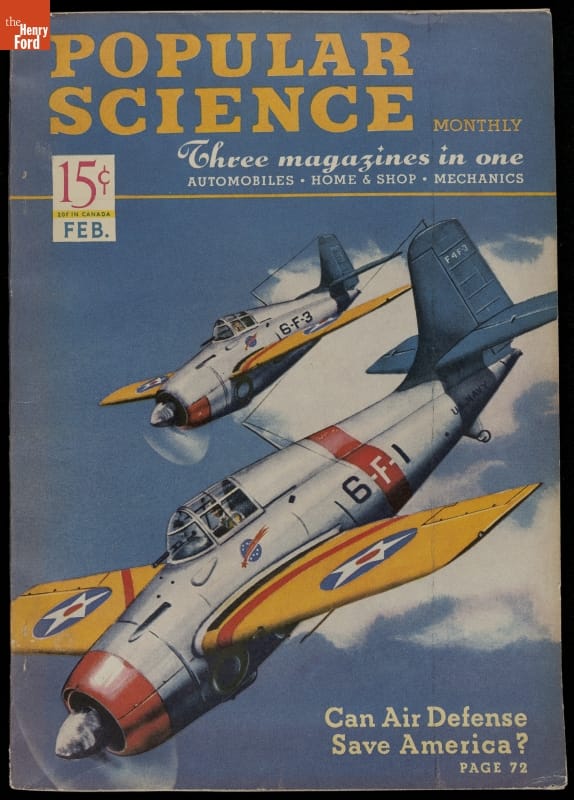
- "Popular Science," February 1941 - <EM>Popular Science</EM> provided information about scientific and technological advancements. In the early 1900s articles about the automobile -- and its driver -- became commonplace in the monthly's pages. Well-known stunt and dare-devil driver, Jimmie Lynch, provided "Seven Rules for Safety" for motorists in this February 1941 issue.
- February 01, 1941
- Collections - Artifact
"Popular Science," February 1941
Popular Science provided information about scientific and technological advancements. In the early 1900s articles about the automobile -- and its driver -- became commonplace in the monthly's pages. Well-known stunt and dare-devil driver, Jimmie Lynch, provided "Seven Rules for Safety" for motorists in this February 1941 issue.
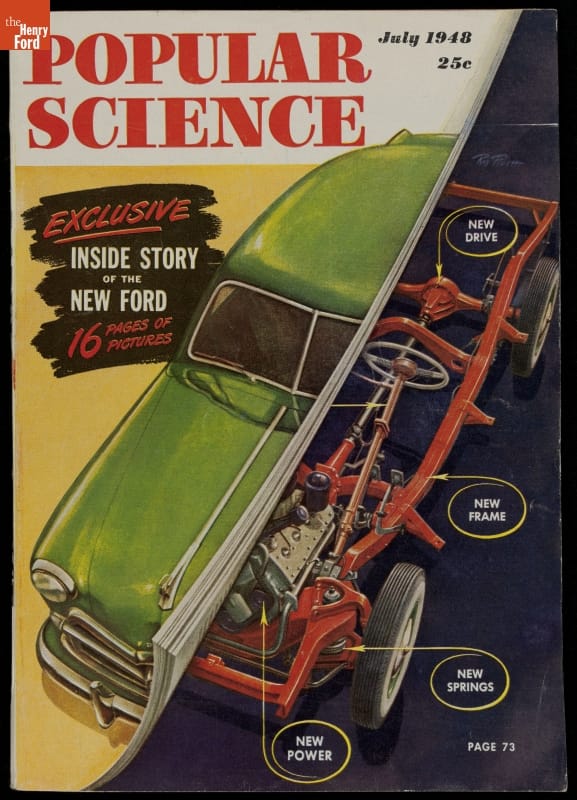
- "Popular Science," July 1948 - <EM>Popular Science</EM> provided information about scientific and technological advancements. In the early 1900s articles about the automobile -- and its driver -- became commonplace in the monthly's pages. This July 1948 issue contains articles about the new Ford, automobile tires, new automotive innovations, and driver safety issues.
- July 01, 1948
- Collections - Artifact
"Popular Science," July 1948
Popular Science provided information about scientific and technological advancements. In the early 1900s articles about the automobile -- and its driver -- became commonplace in the monthly's pages. This July 1948 issue contains articles about the new Ford, automobile tires, new automotive innovations, and driver safety issues.
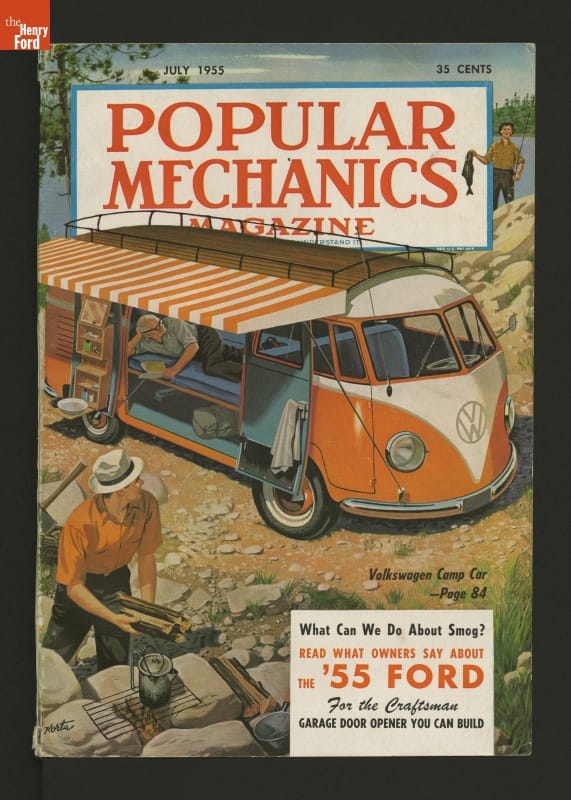
- "Popular Mechanics," July 1955 - <em>Popular Mechanics</em>, first published in 1902, has made information about technology and science understandable to the general public. Readers learned about electronics, heavy industry, craftsmen and home repair projects, transportation, and in this July 1955 issue, camping in a Volkswagen.
- July 01, 1955
- Collections - Artifact
"Popular Mechanics," July 1955
Popular Mechanics, first published in 1902, has made information about technology and science understandable to the general public. Readers learned about electronics, heavy industry, craftsmen and home repair projects, transportation, and in this July 1955 issue, camping in a Volkswagen.
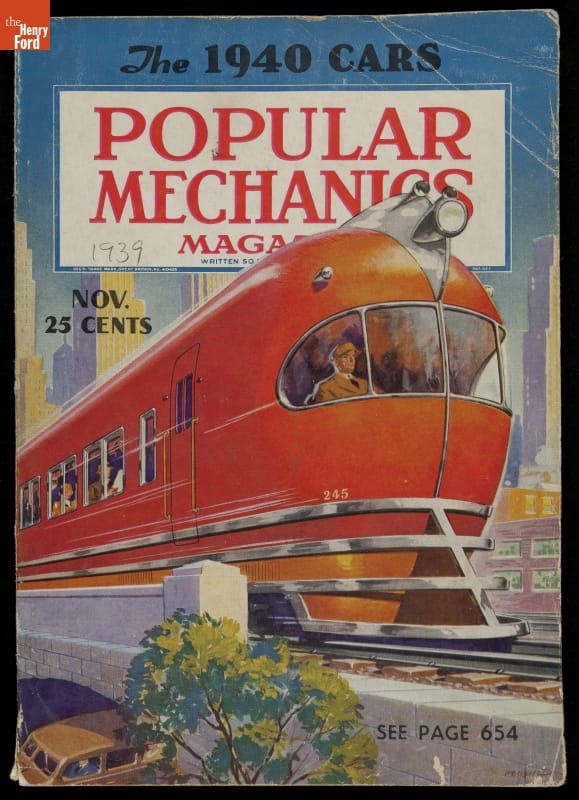
- "Popular Mechanics," November 1939 - <em>Popular Mechanics</em>, first published in 1902, has made information about technology and science understandable to the general public. Readers of this 1939 issue could learn about a variety of subjects from billiards to space exploration to bird watching. Automotive articles included one on an obstacle course for drivers. The course, it was claimed, produced safer drivers.
- November 01, 1939
- Collections - Artifact
"Popular Mechanics," November 1939
Popular Mechanics, first published in 1902, has made information about technology and science understandable to the general public. Readers of this 1939 issue could learn about a variety of subjects from billiards to space exploration to bird watching. Automotive articles included one on an obstacle course for drivers. The course, it was claimed, produced safer drivers.
- "Time, Person of the Year: Taylor Swift," December 25, 2023 - Since 1927, Time Magazine has published an annual "Person of the Year" (previously called "Man of the Year" or "Woman of the Year") issue. In 2023, Taylor Swift -- photographed with her cat Benjamin -- became the first solo entertainer to receive the award. Long a pop culture fixture, the success and ubiquity of Swift's "Eras Tour" (2023-2024) brought her stardom to new heights.

- December 25, 2023
- Collections - Artifact
"Time, Person of the Year: Taylor Swift," December 25, 2023
Since 1927, Time Magazine has published an annual "Person of the Year" (previously called "Man of the Year" or "Woman of the Year") issue. In 2023, Taylor Swift -- photographed with her cat Benjamin -- became the first solo entertainer to receive the award. Long a pop culture fixture, the success and ubiquity of Swift's "Eras Tour" (2023-2024) brought her stardom to new heights.