
Search
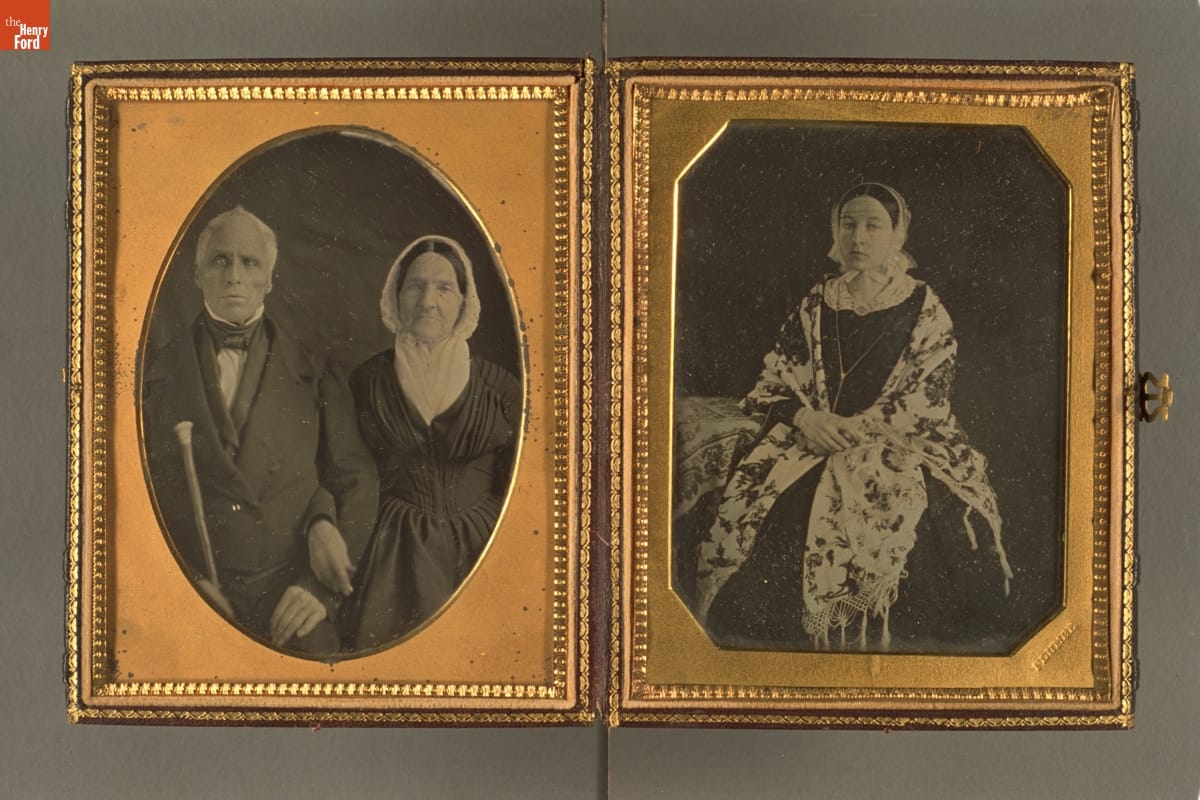
- Family Portraits, circa 1850 - The daguerreotype, popular in the early 1840s-late 1850s, was the first form of photography available to the public. Sheets of silver-plated copper--polished to a mirror finish--were bathed in photosensitive vapors, and exposed in cameras. In formal studios and traveling booths, photographers created affordable portraits. For the first time, people saw their likenesses--fixed permanently in time and place.
- circa 1850
- Collections - Artifact
Family Portraits, circa 1850
The daguerreotype, popular in the early 1840s-late 1850s, was the first form of photography available to the public. Sheets of silver-plated copper--polished to a mirror finish--were bathed in photosensitive vapors, and exposed in cameras. In formal studios and traveling booths, photographers created affordable portraits. For the first time, people saw their likenesses--fixed permanently in time and place.
- Portraits of Robert Propst, 1960 -
- 1960
- Collections - Artifact
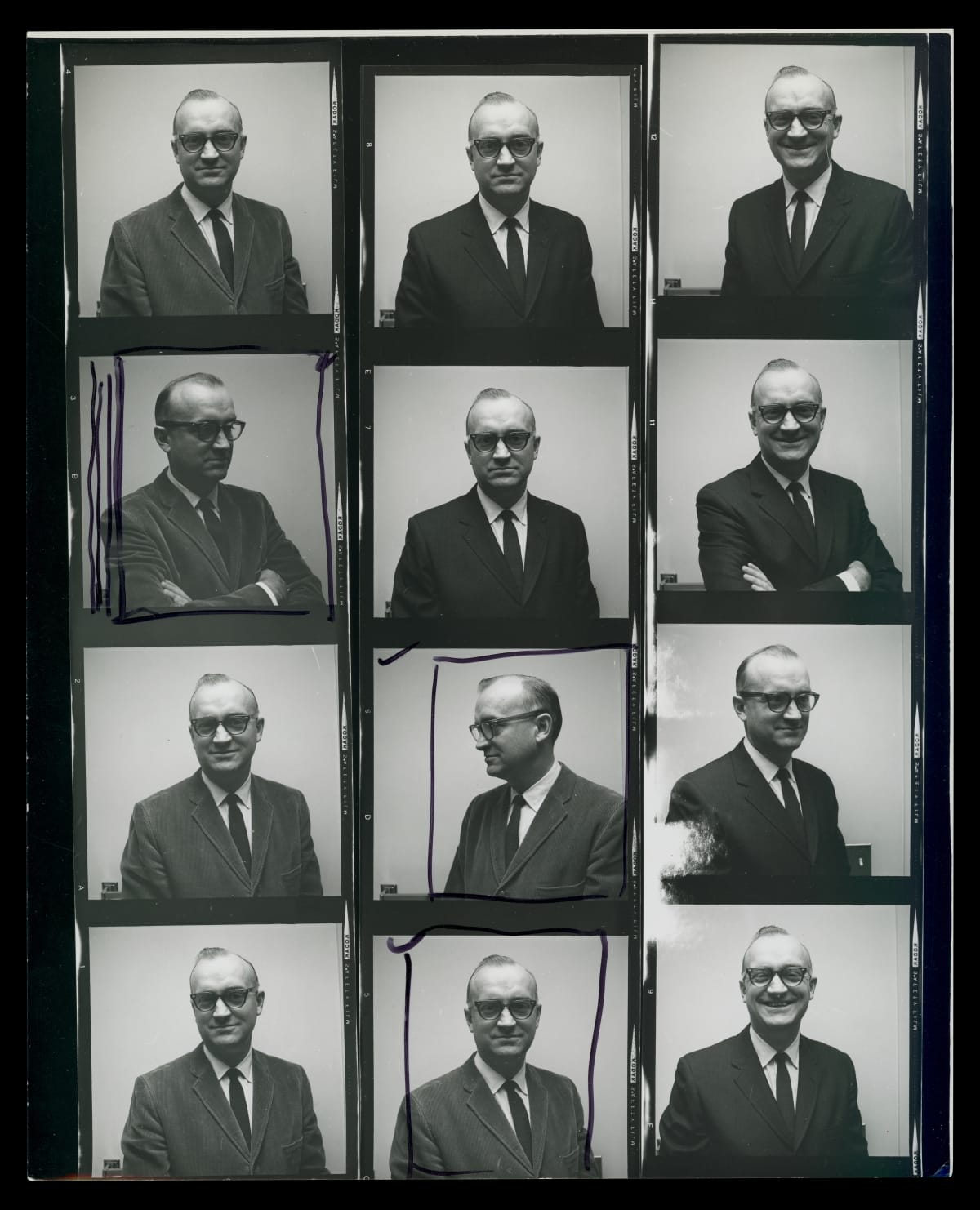
Portraits of Robert Propst, 1960
- Portraits of Anthony Knight Richardson and Mary Ellen Richardson -
- Collections - Artifact
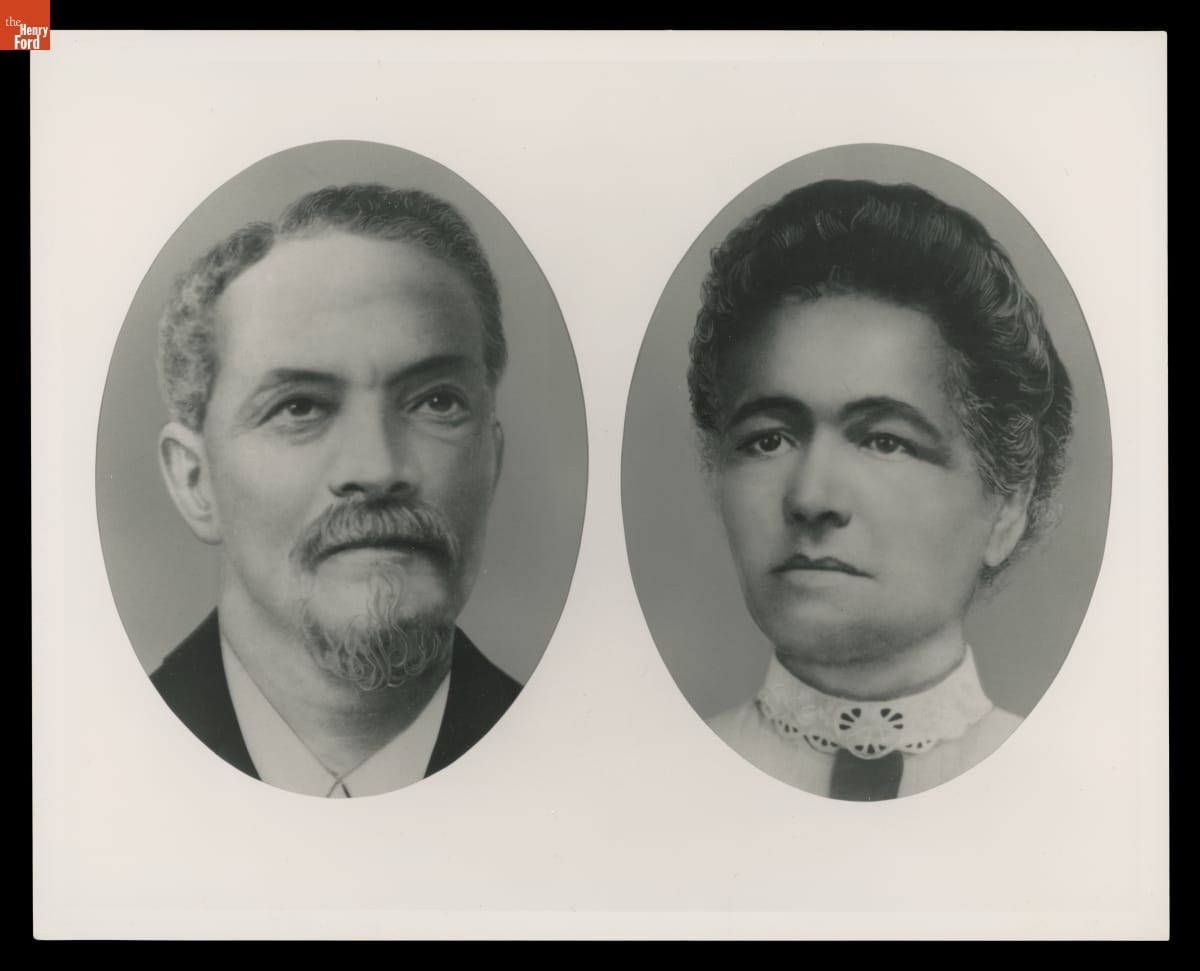
Portraits of Anthony Knight Richardson and Mary Ellen Richardson
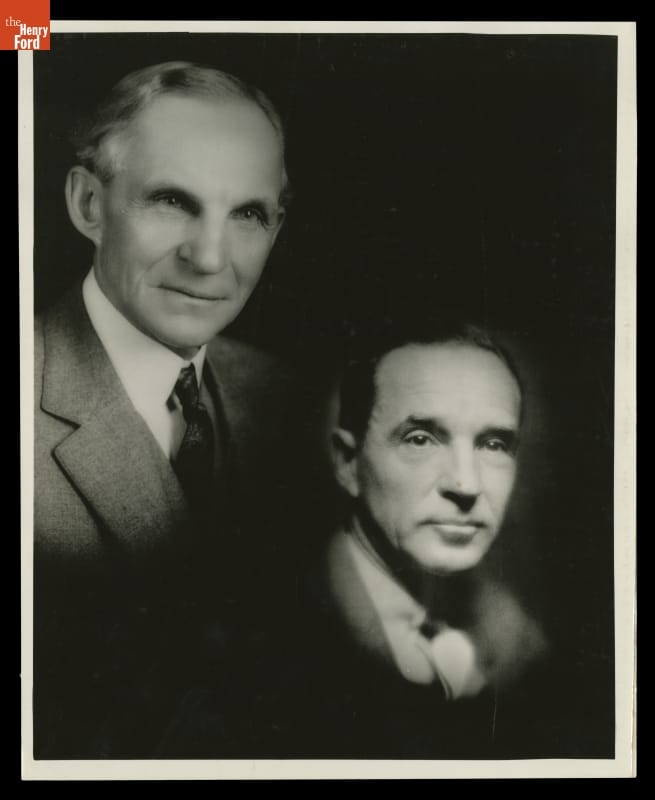
- Portraits of Henry Ford and Edsel Ford, 1936 - The relationship between father Henry Ford and son Edsel Ford, warm and close in Edsel's youth, grew strained as the two men aged. Henry made Edsel president of Ford Motor Company in 1919, but the older Ford never fully relinquished control. Their personalities were very different -- Henry brash and confrontational, Edsel thoughtful and conciliatory.
- October 23, 1936
- Collections - Artifact
Portraits of Henry Ford and Edsel Ford, 1936
The relationship between father Henry Ford and son Edsel Ford, warm and close in Edsel's youth, grew strained as the two men aged. Henry made Edsel president of Ford Motor Company in 1919, but the older Ford never fully relinquished control. Their personalities were very different -- Henry brash and confrontational, Edsel thoughtful and conciliatory.
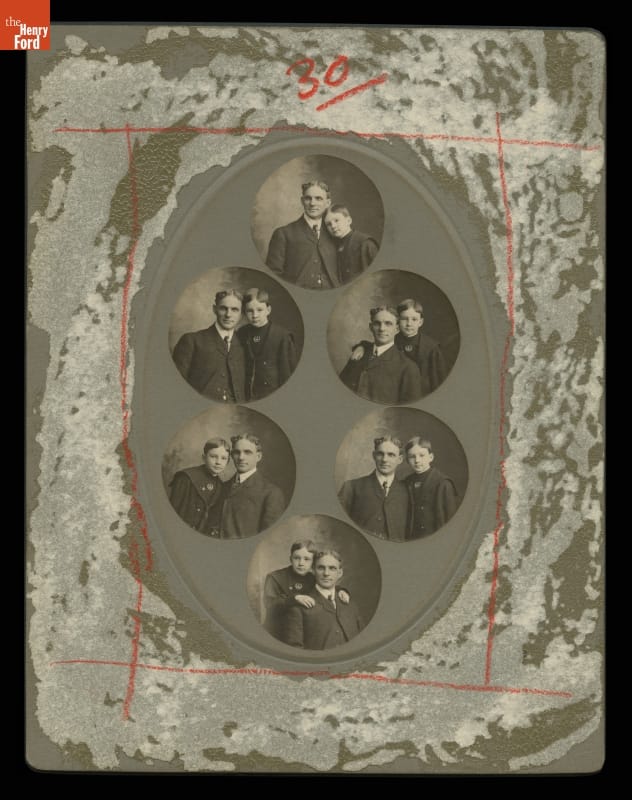
- Portraits of Henry Ford with Edsel Ford, 1902 - Edsel Bryant Ford, only child of Henry Ford and Clara Bryant Ford, was born November 6, 1893. Here eight-year-old Edsel poses with his father in a series of studio portraits. Perhaps not surprisingly, young Edsel was obsessed with automobiles. By age ten he could drive a Model A, the first car built by his father's Ford Motor Company.
- 1902
- Collections - Artifact
Portraits of Henry Ford with Edsel Ford, 1902
Edsel Bryant Ford, only child of Henry Ford and Clara Bryant Ford, was born November 6, 1893. Here eight-year-old Edsel poses with his father in a series of studio portraits. Perhaps not surprisingly, young Edsel was obsessed with automobiles. By age ten he could drive a Model A, the first car built by his father's Ford Motor Company.
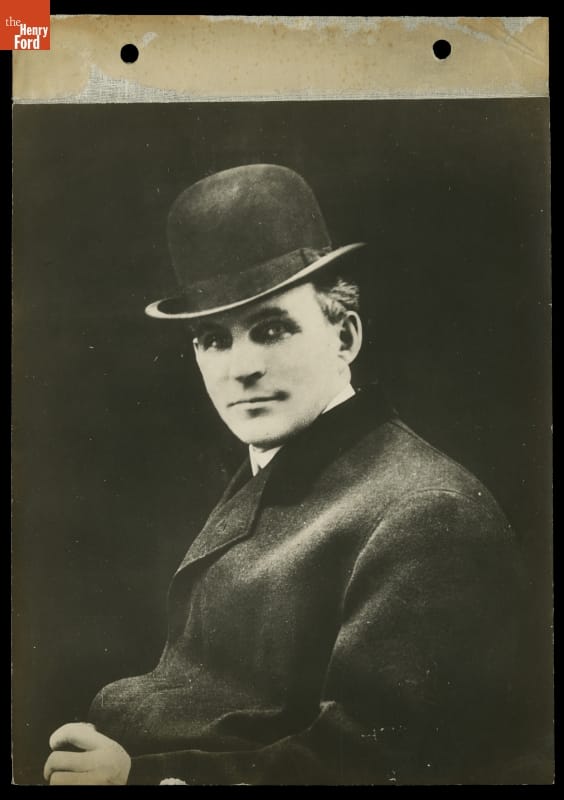
- Henry Ford: Portraits - This was a pivotal time in Henry Ford's life. Ford, in his early 40s, urged his Ford Motor Company partners to support production of a "light, low-priced car," believing higher sales would increase profits. The introduction of the Model N in 1906 proved him right. It was more affordable than previous models and quickly became America's bestselling car.
- April 03, 2013
- Collections - Set
Henry Ford: Portraits
This was a pivotal time in Henry Ford's life. Ford, in his early 40s, urged his Ford Motor Company partners to support production of a "light, low-priced car," believing higher sales would increase profits. The introduction of the Model N in 1906 proved him right. It was more affordable than previous models and quickly became America's bestselling car.
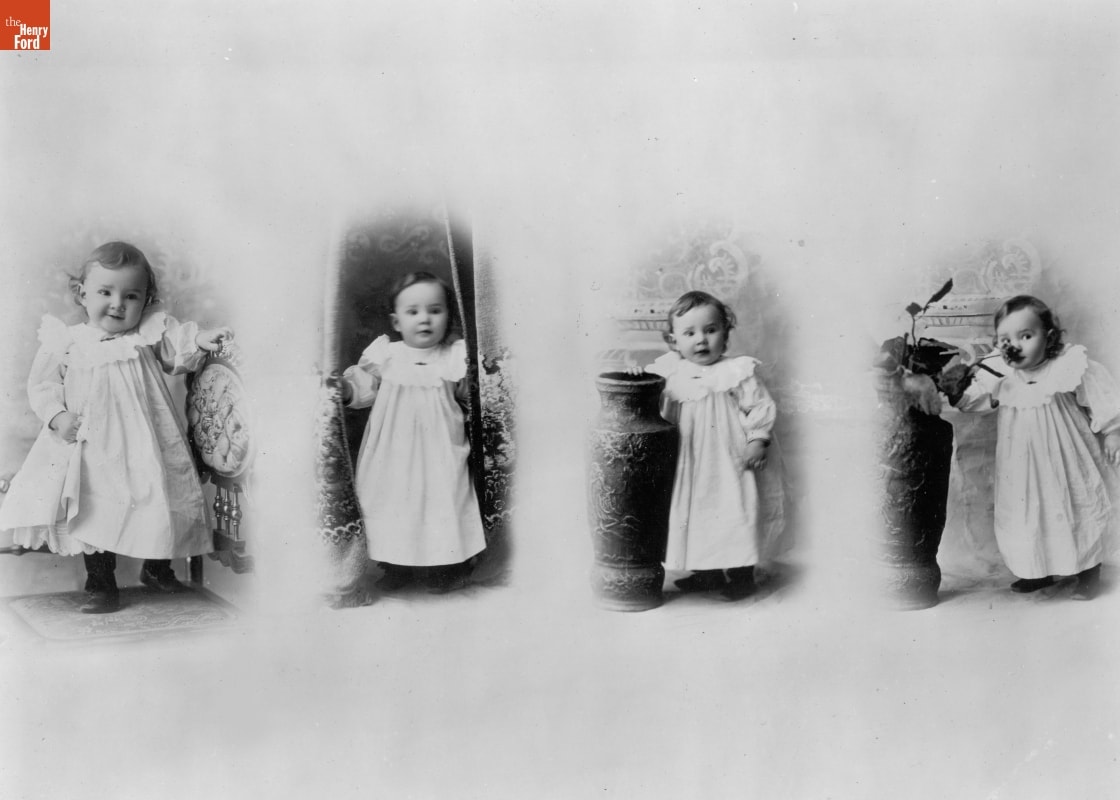
- Portraits of Edsel Ford as a Child, circa 1894 - Edsel Bryant Ford, the only child of Henry and Clara Ford, was born November 6, 1893. The boy's middle name honored Clara's parents, Melvin and Martha Bryant. By all accounts, Edsel was a sweet and good-tempered baby, not inclined to make a fuss. That quiet and steady personality would remain with him throughout his life.
- circa 1894
- Collections - Artifact
Portraits of Edsel Ford as a Child, circa 1894
Edsel Bryant Ford, the only child of Henry and Clara Ford, was born November 6, 1893. The boy's middle name honored Clara's parents, Melvin and Martha Bryant. By all accounts, Edsel was a sweet and good-tempered baby, not inclined to make a fuss. That quiet and steady personality would remain with him throughout his life.
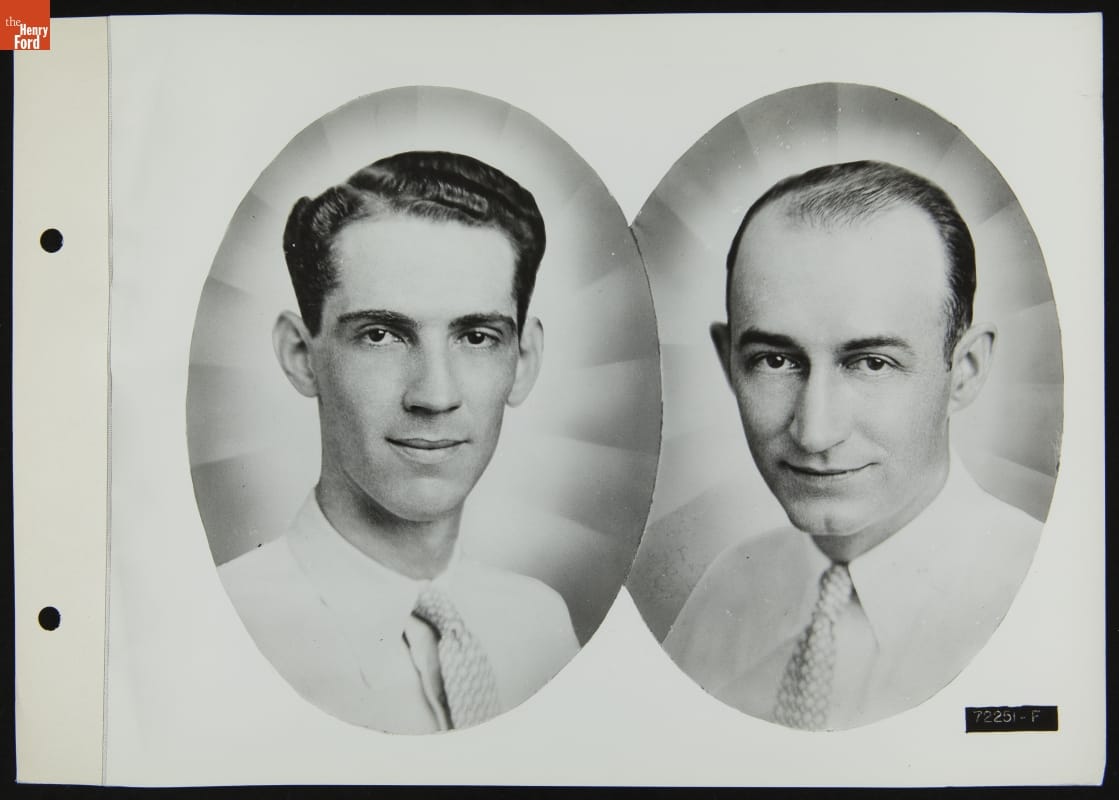
- Portraits, Illustration in the August 1939 Ford Merchandising Bulletin - Ford Motor Company published regular merchandising bulletins to ensure consistent branding, marketing and service throughout its dealer network. Each bulletin provided guidance on topics like showroom displays, sales techniques and strategies, and updates to Ford, Mercury and Lincoln vehicles and accessories. General sales figures were often published, as were profiles of successful dealerships.
- August 15, 1939
- Collections - Artifact
Portraits, Illustration in the August 1939 Ford Merchandising Bulletin
Ford Motor Company published regular merchandising bulletins to ensure consistent branding, marketing and service throughout its dealer network. Each bulletin provided guidance on topics like showroom displays, sales techniques and strategies, and updates to Ford, Mercury and Lincoln vehicles and accessories. General sales figures were often published, as were profiles of successful dealerships.
- Portraits of Heinrich Reimer and Agatha Penner Reimer, circa 1940 -
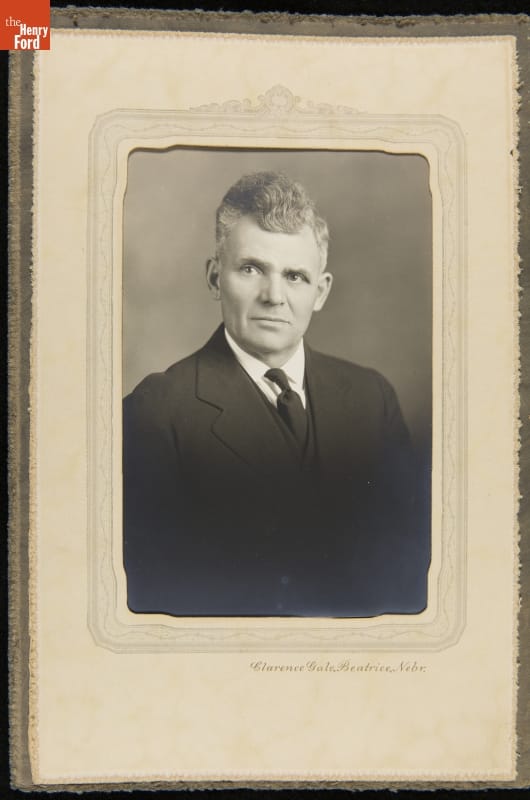
- circa 1940
- Collections - Artifact
Portraits of Heinrich Reimer and Agatha Penner Reimer, circa 1940
- Hallmark "Portraits in Bisque Collection: Mistletoe Kiss" Christmas Ornament, 1993 - Already known for greeting cards, Hallmark introduced a line of Christmas ornaments in 1973. The company's annual release of an increasing array of ornaments revolutionized Christmas decorating, appealing to customers' interest in marking memories and milestones as well as expressing one's personality and unique tastes.
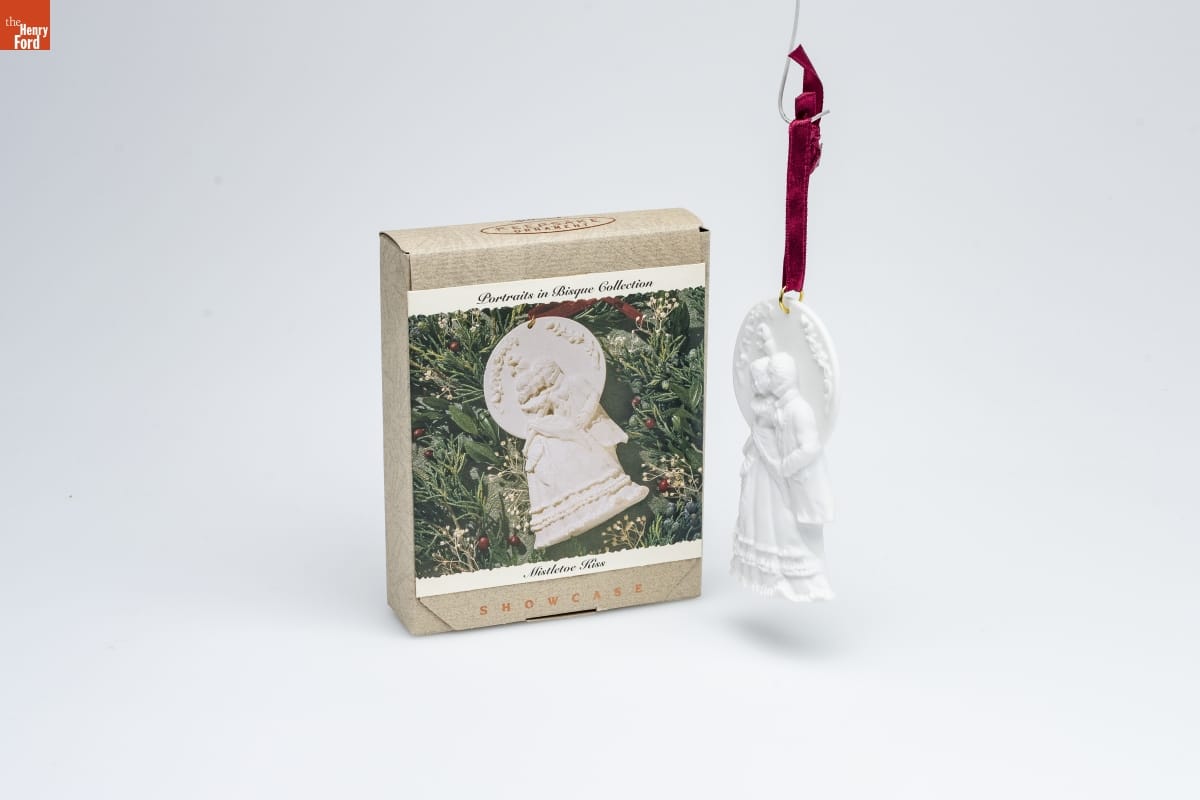
- 1993
- Collections - Artifact
Hallmark "Portraits in Bisque Collection: Mistletoe Kiss" Christmas Ornament, 1993
Already known for greeting cards, Hallmark introduced a line of Christmas ornaments in 1973. The company's annual release of an increasing array of ornaments revolutionized Christmas decorating, appealing to customers' interest in marking memories and milestones as well as expressing one's personality and unique tastes.