
Search
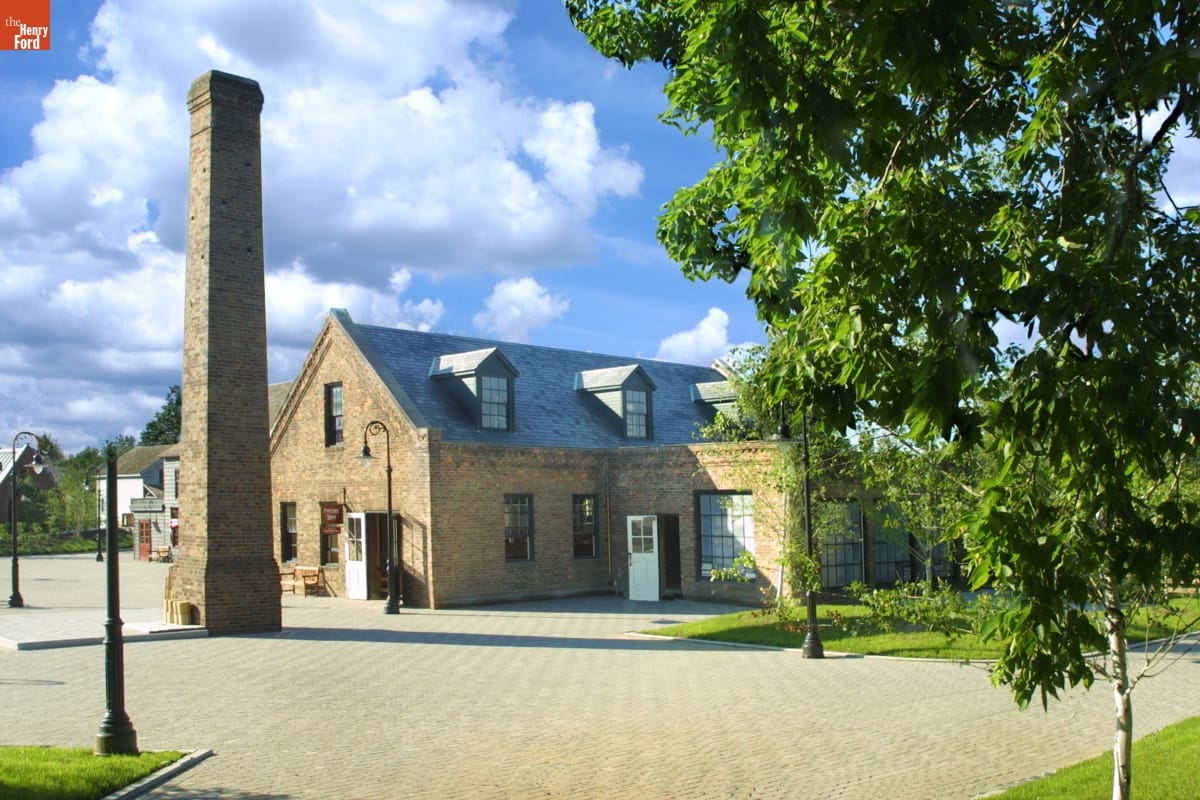
- Pottery Shop - The Pottery Shop was designed in 1939 by Edward L. Cutler, an architect who helped Henry Ford create his historic village. Designed as a reproduction rice mill to house 19th-century threshing machinery from a South Carolina plantation, the building was repurposed as the Pottery Shop in 1984. Today, visitors view demonstrations of hand-made pottery including salt-glaze and slip wares.
- circa 1935
- Collections - Artifact
Pottery Shop
The Pottery Shop was designed in 1939 by Edward L. Cutler, an architect who helped Henry Ford create his historic village. Designed as a reproduction rice mill to house 19th-century threshing machinery from a South Carolina plantation, the building was repurposed as the Pottery Shop in 1984. Today, visitors view demonstrations of hand-made pottery including salt-glaze and slip wares.
- Pottery Tongs -
- Collections - Artifact
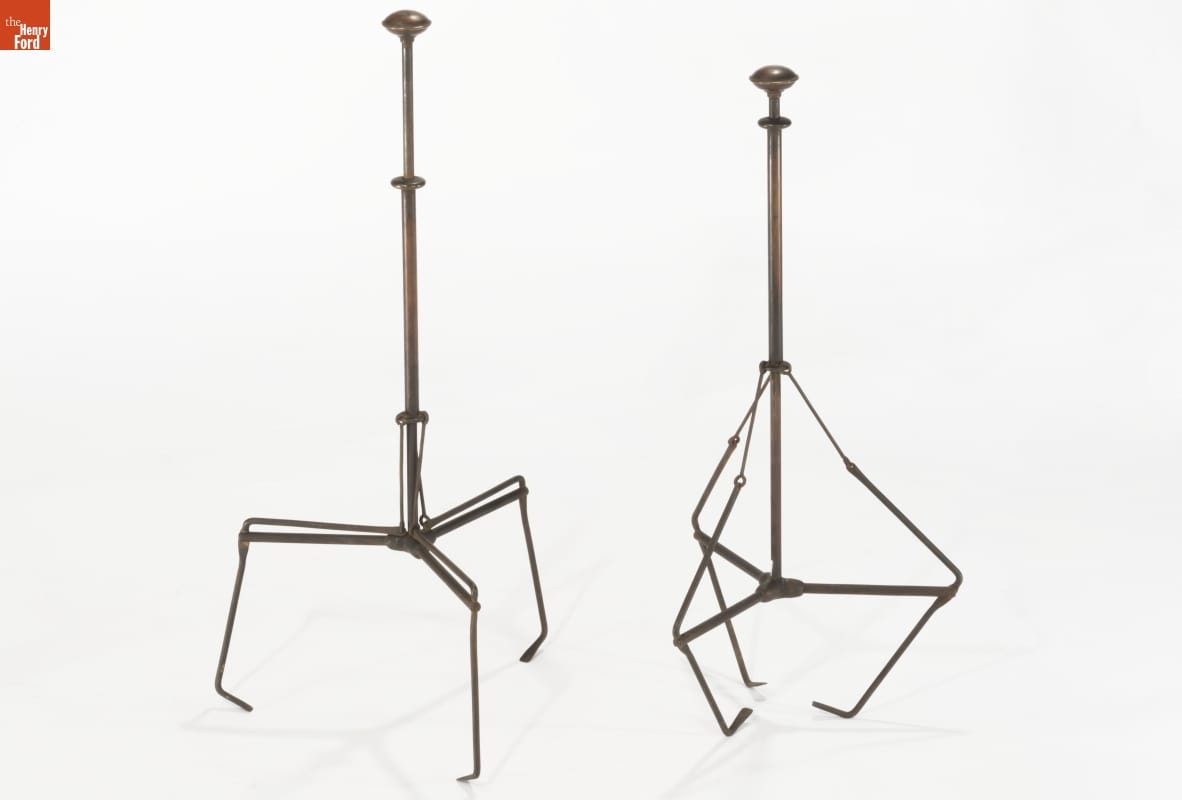
Pottery Tongs
- Pottery Tongs -
- Collections - Artifact
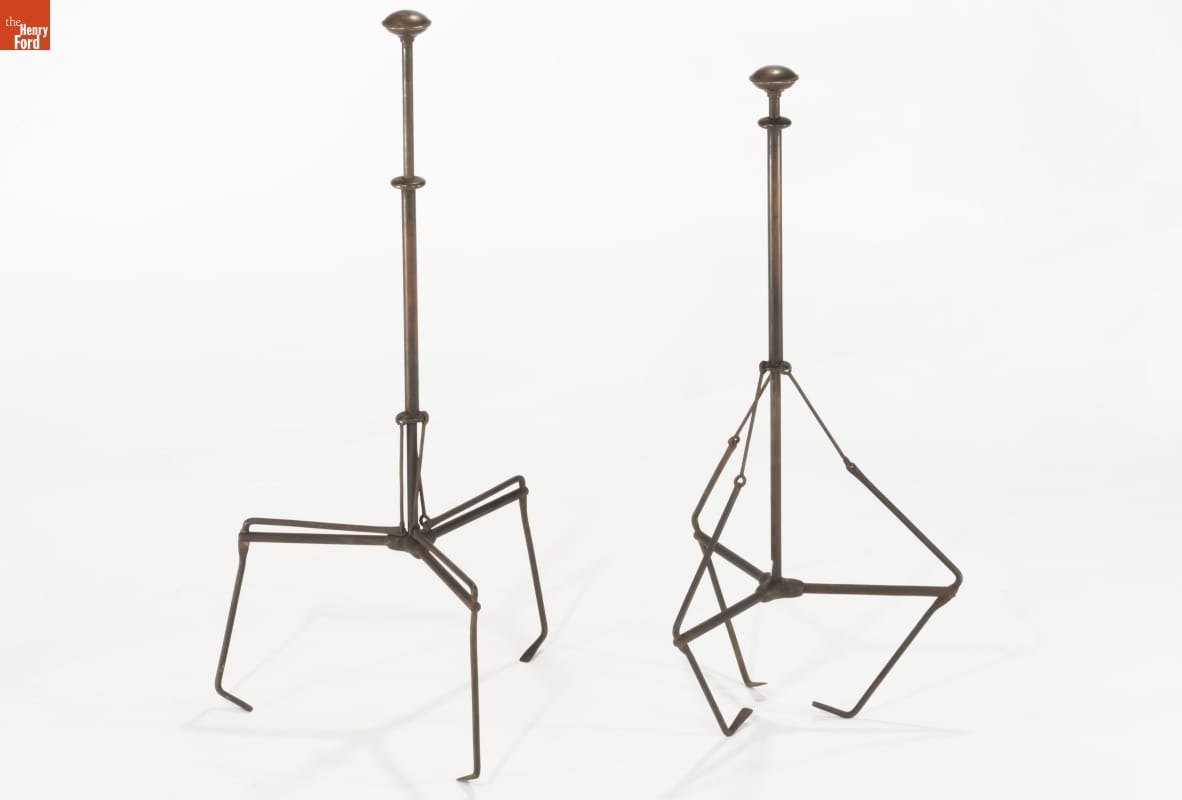
Pottery Tongs
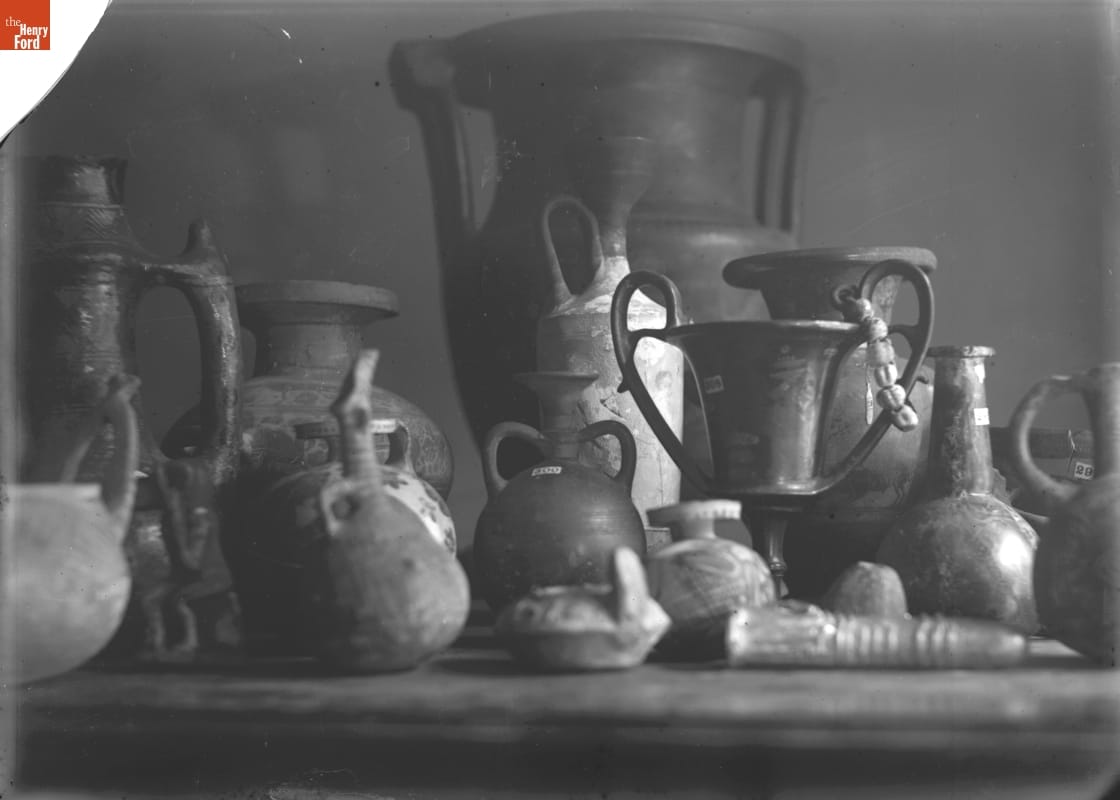
- Pottery, 1890-1915 - In 1890, Jenny Young Chandler, 25 years old and recently widowed, began working for the <EM>New York Herald</EM>. As a photojournalist and feature writer, Chandler captured life in Brooklyn, New York, and vicinity. She also documented collections of private individuals and museums -- some of which were featured in magazine articles for collectors. By 1922, the time of her death, she had produced over 800 glass plate negatives.
- 1890-1915
- Collections - Artifact
Pottery, 1890-1915
In 1890, Jenny Young Chandler, 25 years old and recently widowed, began working for the New York Herald. As a photojournalist and feature writer, Chandler captured life in Brooklyn, New York, and vicinity. She also documented collections of private individuals and museums -- some of which were featured in magazine articles for collectors. By 1922, the time of her death, she had produced over 800 glass plate negatives.
- Glidden Pottery Planter, 1940-1957 -
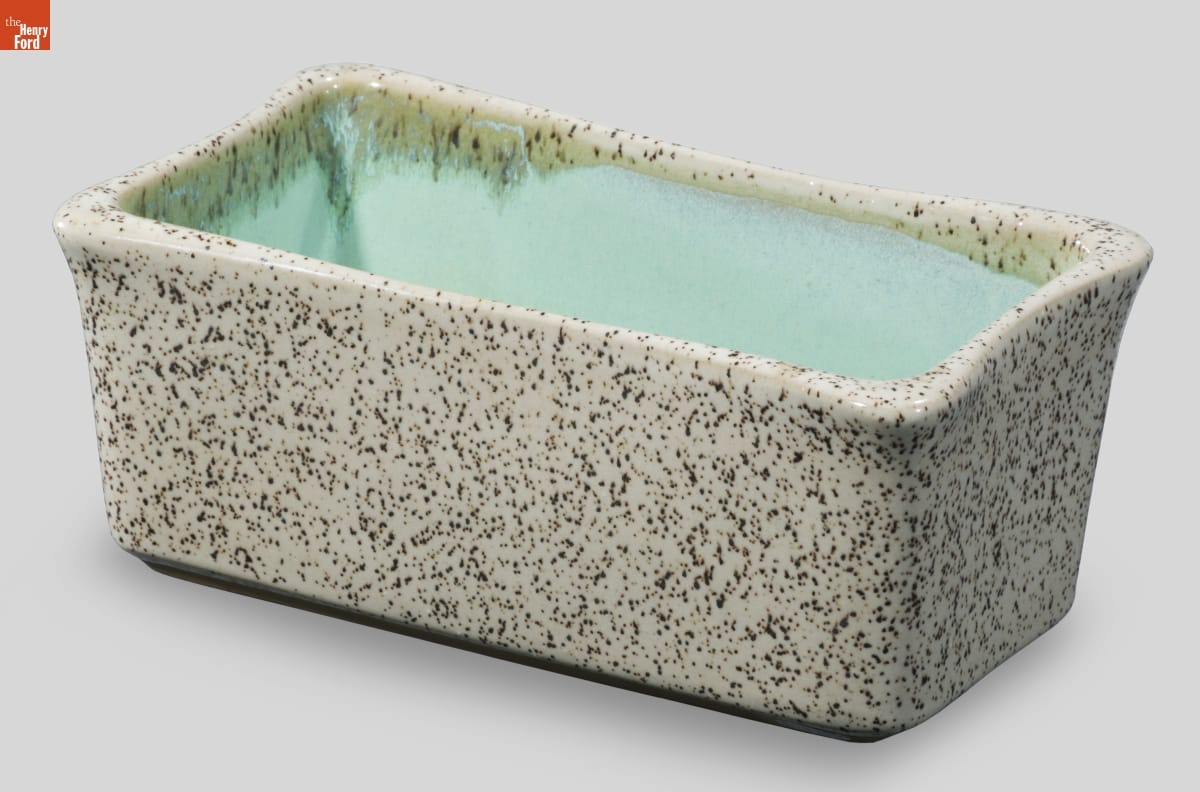
- 1940-1957
- Collections - Artifact
Glidden Pottery Planter, 1940-1957
- Pottery (Prof. West), 1890-1915 - In 1890, Jenny Young Chandler, 25 years old and recently widowed, began working for the <EM>New York Herald</EM>. As a photojournalist and feature writer, Chandler captured life in Brooklyn, New York, and vicinity. She also documented collections of private individuals and museums -- some of which were featured in magazine articles for collectors. By 1922, the time of her death, she had produced over 800 glass plate negatives.
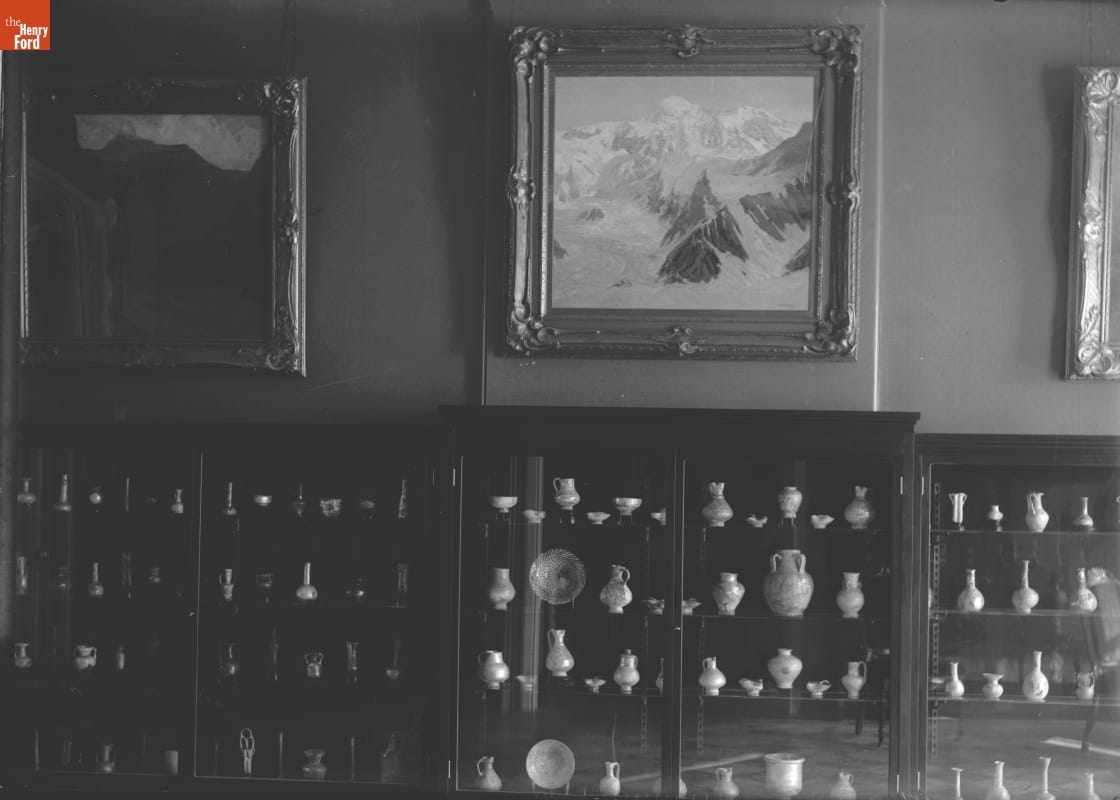
- 1890-1915
- Collections - Artifact
Pottery (Prof. West), 1890-1915
In 1890, Jenny Young Chandler, 25 years old and recently widowed, began working for the New York Herald. As a photojournalist and feature writer, Chandler captured life in Brooklyn, New York, and vicinity. She also documented collections of private individuals and museums -- some of which were featured in magazine articles for collectors. By 1922, the time of her death, she had produced over 800 glass plate negatives.
- Rookwood Pottery, Cincinnati, Ohio, 1900-1906 - Maria Longworth Nichols (1849-1932) founded Rookwood Pottery--the pioneering art pottery company in America--in Cincinnati in 1880. She hired talented young women (who would not have had opportunities elsewhere) as well as men to create innovative ceramic wares. Trendsetting imagery and glazes made Rookwood famous and helped establish the look of art pottery.
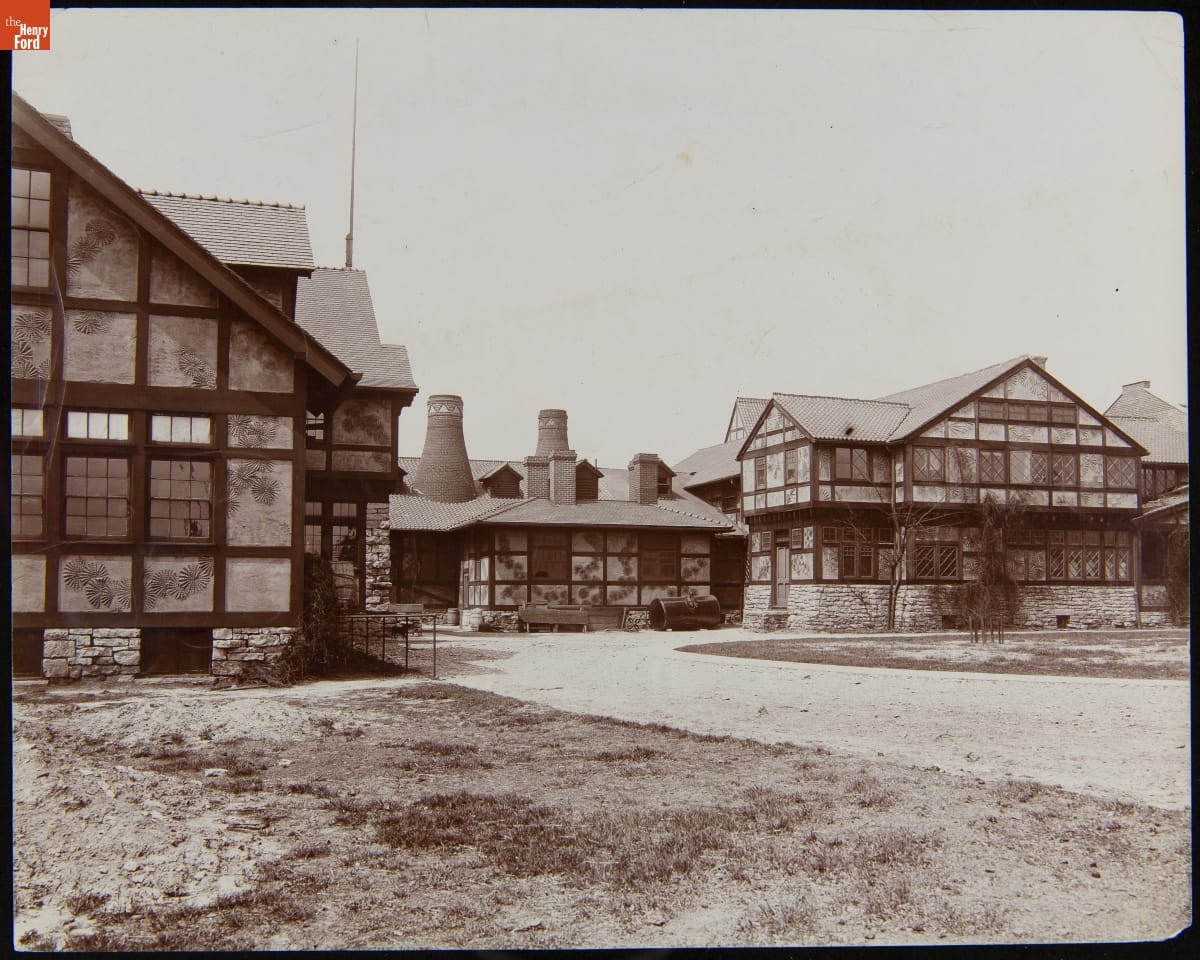
- 1900-1906
- Collections - Artifact
Rookwood Pottery, Cincinnati, Ohio, 1900-1906
Maria Longworth Nichols (1849-1932) founded Rookwood Pottery--the pioneering art pottery company in America--in Cincinnati in 1880. She hired talented young women (who would not have had opportunities elsewhere) as well as men to create innovative ceramic wares. Trendsetting imagery and glazes made Rookwood famous and helped establish the look of art pottery.
- A Woman Paints a Piece of Pottery at the Paul Revere Pottery, 1930-1936 - The Paul Revere Pottery evolved from a settlement house founded in 1899 to help women in Boston's North End immigrant community. Founders Edith Guerrier, a librarian, and Edith Brown, an artist, convinced patron Helen Osborne Storrow to fund the pottery in 1906. The venture proved successful, producing remarkable Arts and Crafts wares through the 1930s.
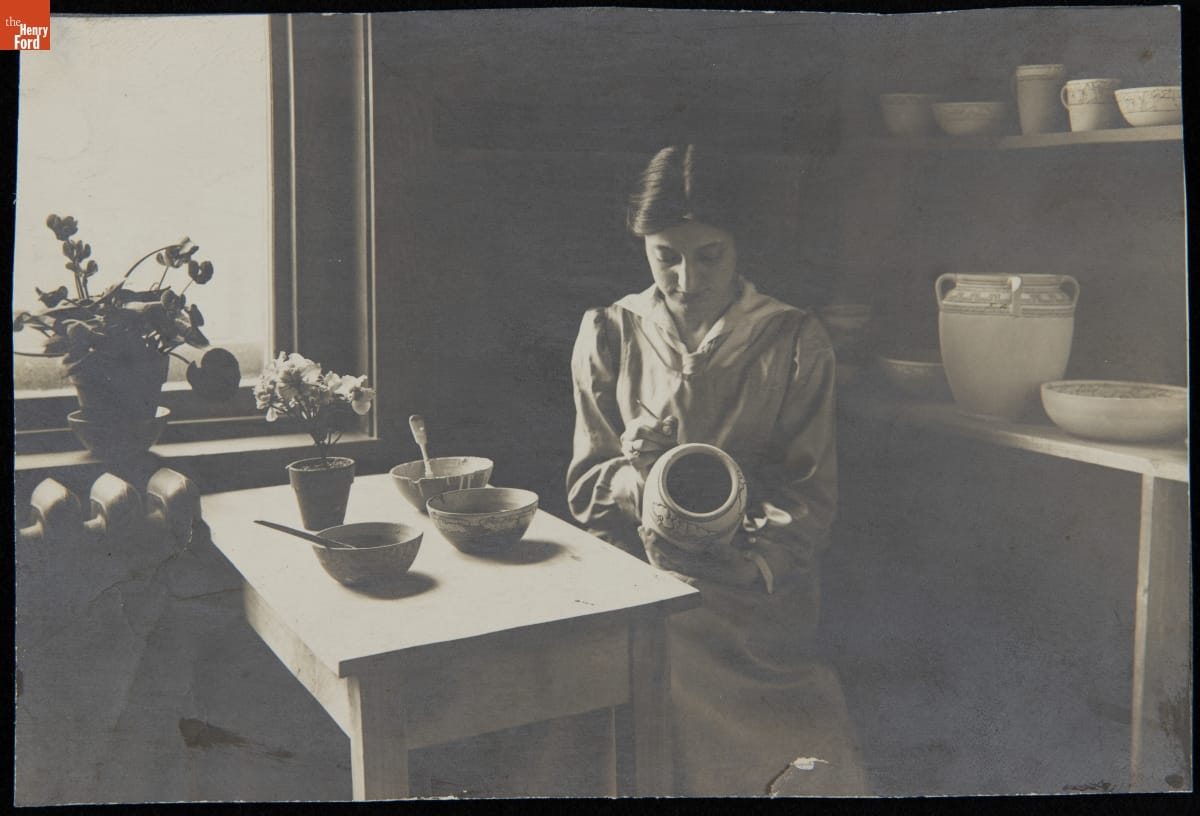
- 1930-1936
- Collections - Artifact
A Woman Paints a Piece of Pottery at the Paul Revere Pottery, 1930-1936
The Paul Revere Pottery evolved from a settlement house founded in 1899 to help women in Boston's North End immigrant community. Founders Edith Guerrier, a librarian, and Edith Brown, an artist, convinced patron Helen Osborne Storrow to fund the pottery in 1906. The venture proved successful, producing remarkable Arts and Crafts wares through the 1930s.
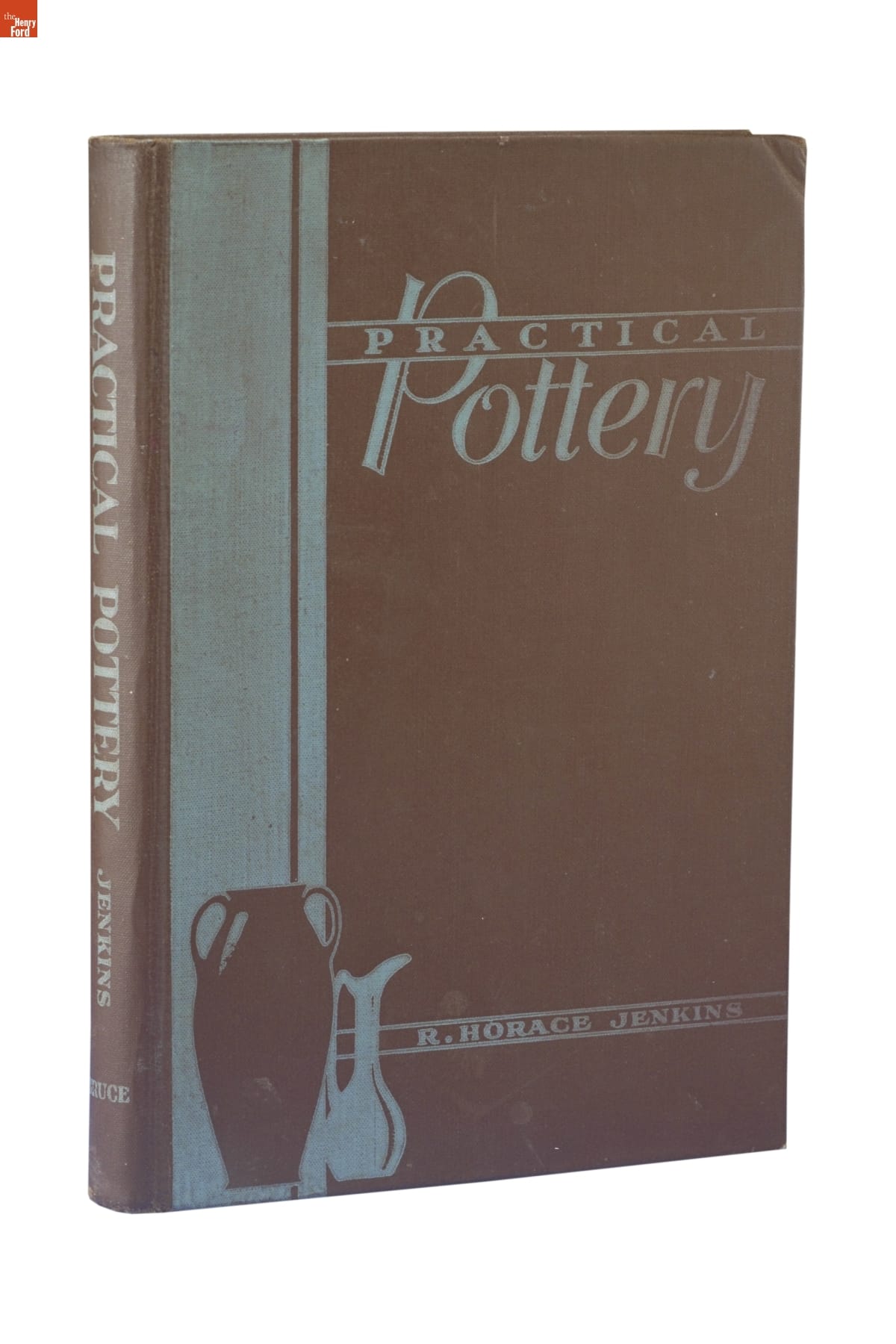
- Practical Pottery for Craftsmen and Students, 1947 -
- 1947
- Collections - Artifact
Practical Pottery for Craftsmen and Students, 1947
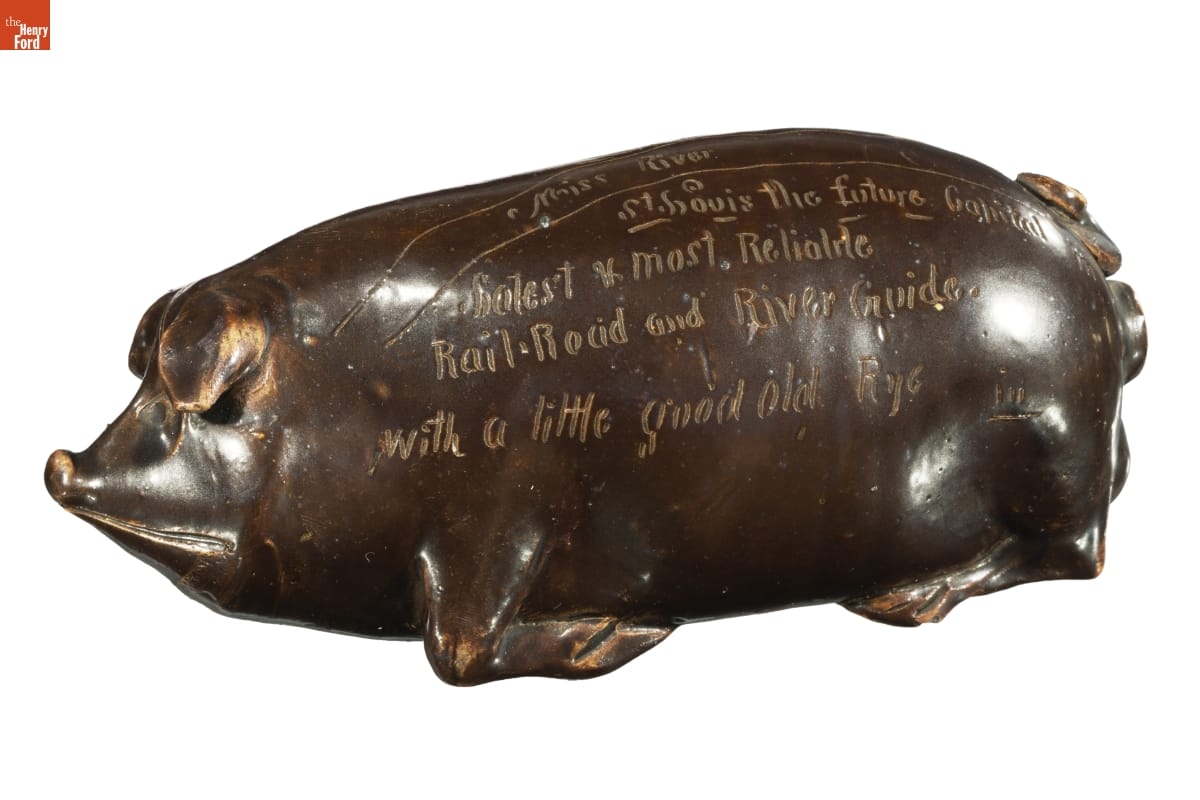
- Anna Pottery Pig Flask, circa 1870 -
- circa 1870
- Collections - Artifact
Anna Pottery Pig Flask, circa 1870