
Search
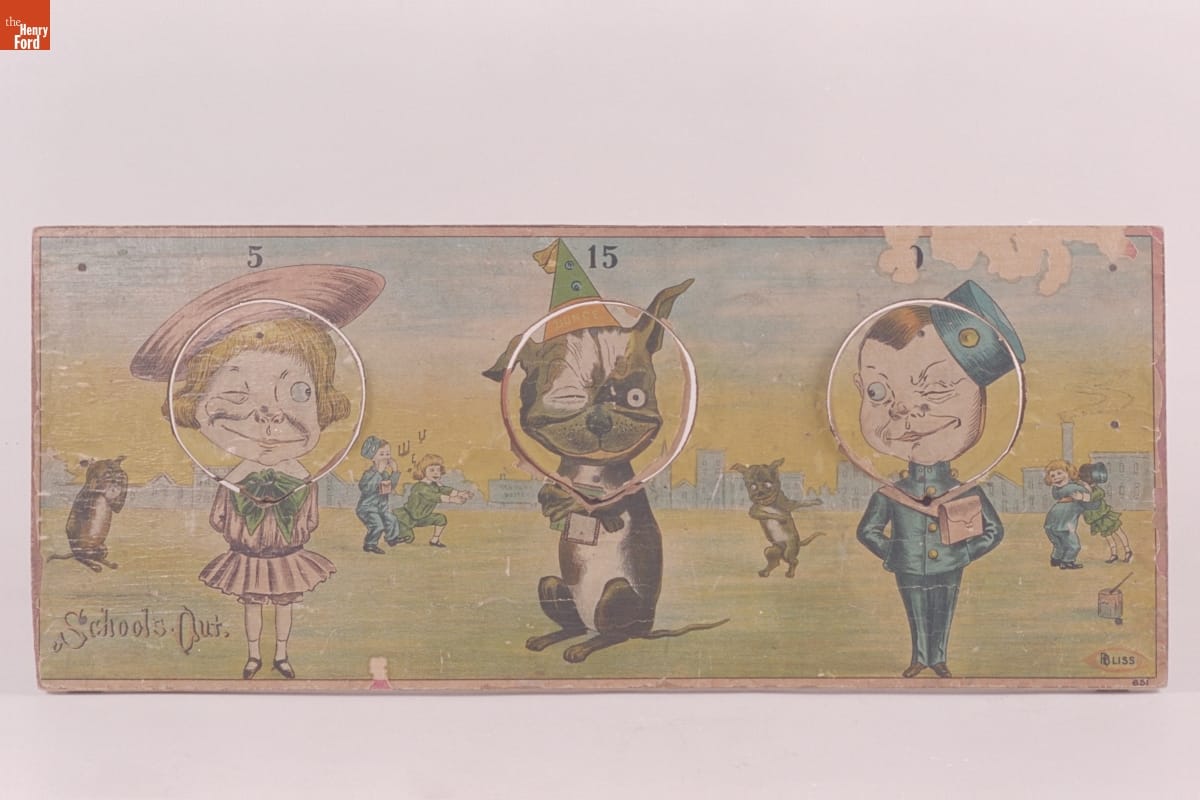
- School's Out Target Game, 1902-1914 - Children in the early 1900s could target one of three characters in this game called "School's Out." By hitting and knocking out a face, the player scored points. The center target gave the player more points. This game, manufactured by R. Bliss Company, used images similar to Buster Brown and his dog Tige -- popular comic strip characters of the time.
- 1902-1914
- Collections - Artifact
School's Out Target Game, 1902-1914
Children in the early 1900s could target one of three characters in this game called "School's Out." By hitting and knocking out a face, the player scored points. The center target gave the player more points. This game, manufactured by R. Bliss Company, used images similar to Buster Brown and his dog Tige -- popular comic strip characters of the time.
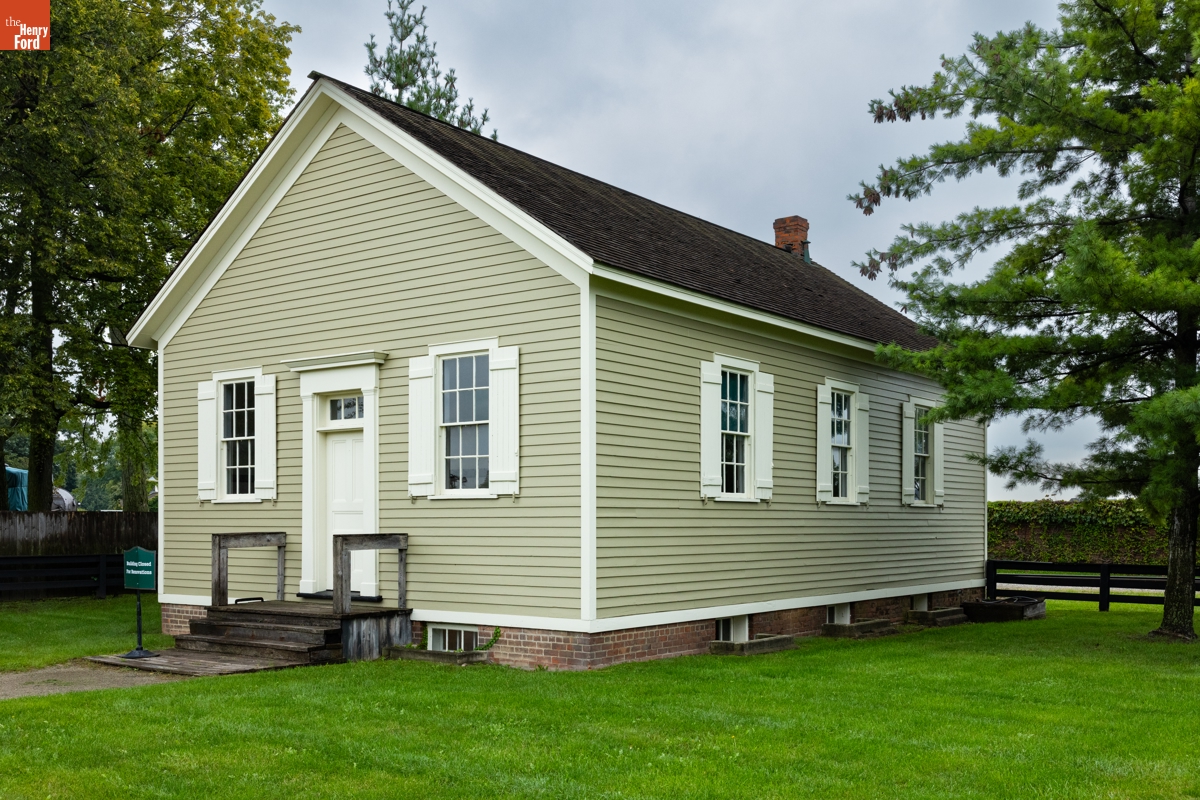
- Miller School - Henry Ford attended Miller School at age nine. He followed a favorite teacher, John Chapman, there from the Scotch Settlement School. The small, one-room building was typical of rural schools throughout the United States in the 1800s. Ford had this replica built in Greenfield Village in the early 1940s.
- circa 1872
- Collections - Artifact
Miller School
Henry Ford attended Miller School at age nine. He followed a favorite teacher, John Chapman, there from the Scotch Settlement School. The small, one-room building was typical of rural schools throughout the United States in the 1800s. Ford had this replica built in Greenfield Village in the early 1940s.
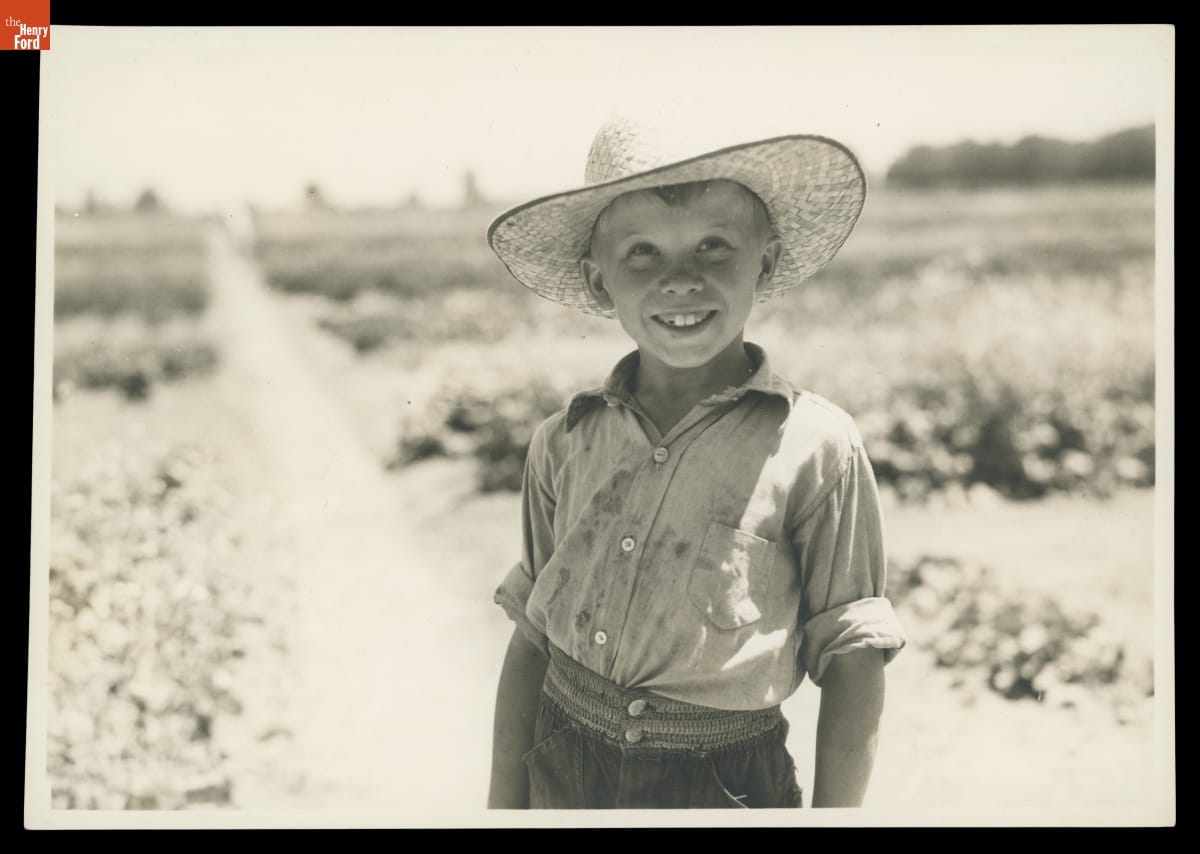
- Student in School Garden at Willow Run School, Michigan -
- 1931-1942
- Collections - Artifact
Student in School Garden at Willow Run School, Michigan
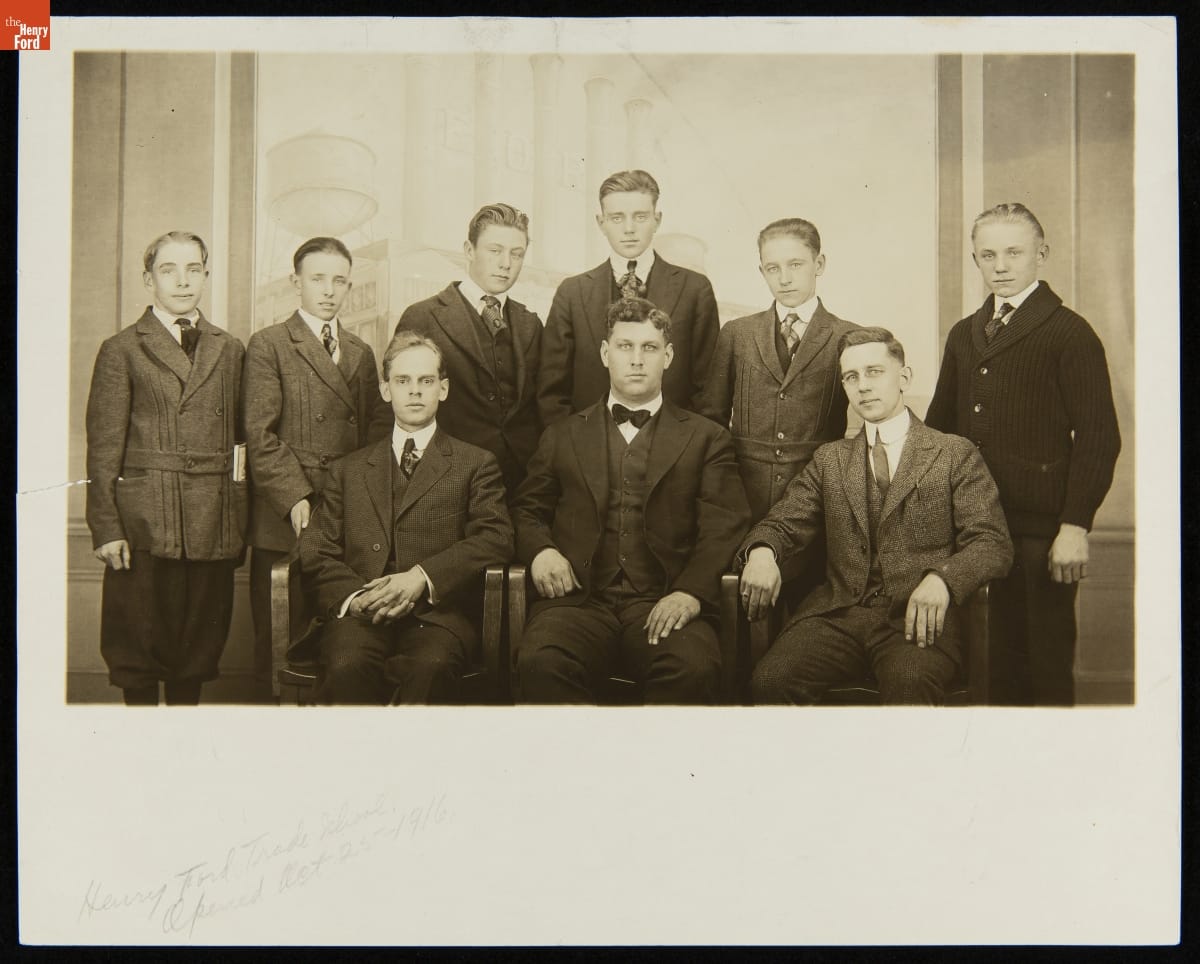
- Henry Ford Trade School Students and Instructors on the School's Opening Day, October 25, 1916 - Boys who attended the Henry Ford Trade School learned by doing. The school, the brainchild of Henry Ford, trained teenage boys in a variety of skilled industrial trade work -- machining, metallurgy, drafting, and engine design, among others. Students created useful components for local factories in hands-on lab and shop classes. In addition to the manual training received, academic classes were required.
- October 25, 1916
- Collections - Artifact
Henry Ford Trade School Students and Instructors on the School's Opening Day, October 25, 1916
Boys who attended the Henry Ford Trade School learned by doing. The school, the brainchild of Henry Ford, trained teenage boys in a variety of skilled industrial trade work -- machining, metallurgy, drafting, and engine design, among others. Students created useful components for local factories in hands-on lab and shop classes. In addition to the manual training received, academic classes were required.
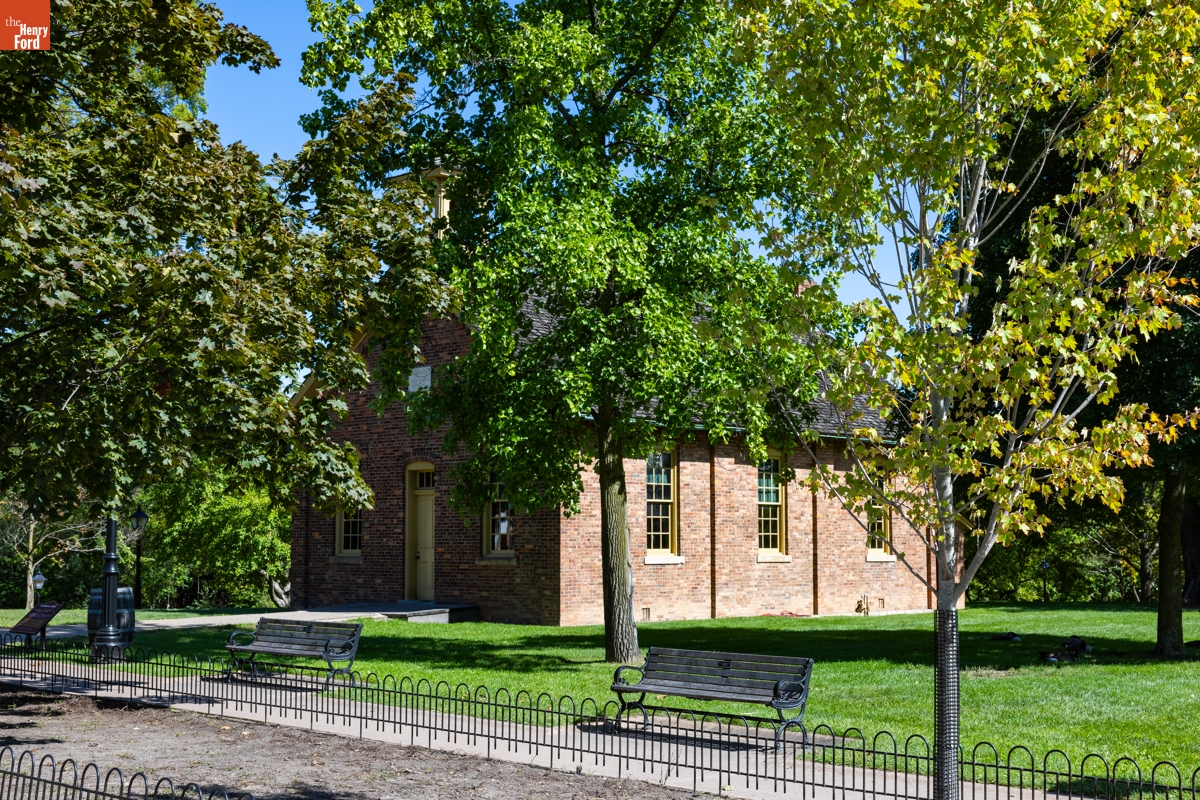
- Scotch Settlement School - Henry Ford attended this one-room schoolhouse from age seven to ten. Because of Ford's fondness for his teacher John Chapman, he not only followed Chapman to Miller School but also brought Chapman's house to Greenfield Village. This school, originally built in 1861 in Dearborn Township, was the first classroom of the Greenfield Village school system Henry Ford started in 1929.
- 1861
- Collections - Artifact
Scotch Settlement School
Henry Ford attended this one-room schoolhouse from age seven to ten. Because of Ford's fondness for his teacher John Chapman, he not only followed Chapman to Miller School but also brought Chapman's house to Greenfield Village. This school, originally built in 1861 in Dearborn Township, was the first classroom of the Greenfield Village school system Henry Ford started in 1929.
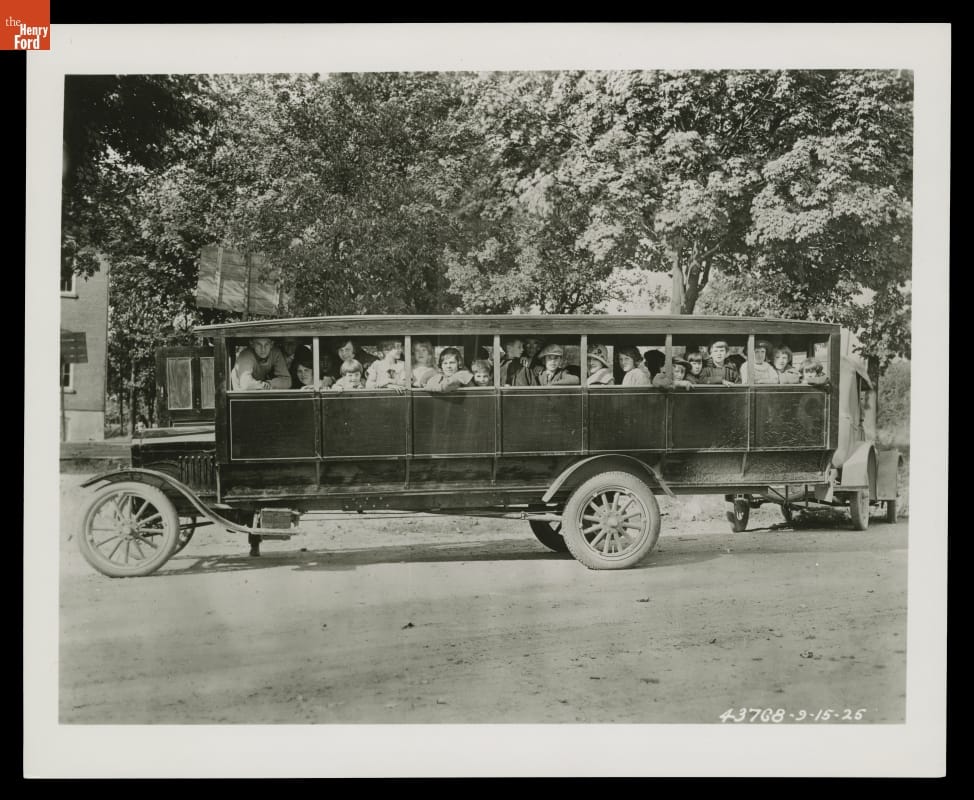
- School Buses - Ford Motor Company's Model TT truck chassis -- made from 1917 until 1927 -- could be mounted with a multitude of body styles. An unknown maker built a passenger school bus body for this 1924 TT. Other Ford trucks carried ice or coal, delivered everything from flowers to furniture, and even fought fires.
- April 10, 2019
- Collections - Set
School Buses
Ford Motor Company's Model TT truck chassis -- made from 1917 until 1927 -- could be mounted with a multitude of body styles. An unknown maker built a passenger school bus body for this 1924 TT. Other Ford trucks carried ice or coal, delivered everything from flowers to furniture, and even fought fires.
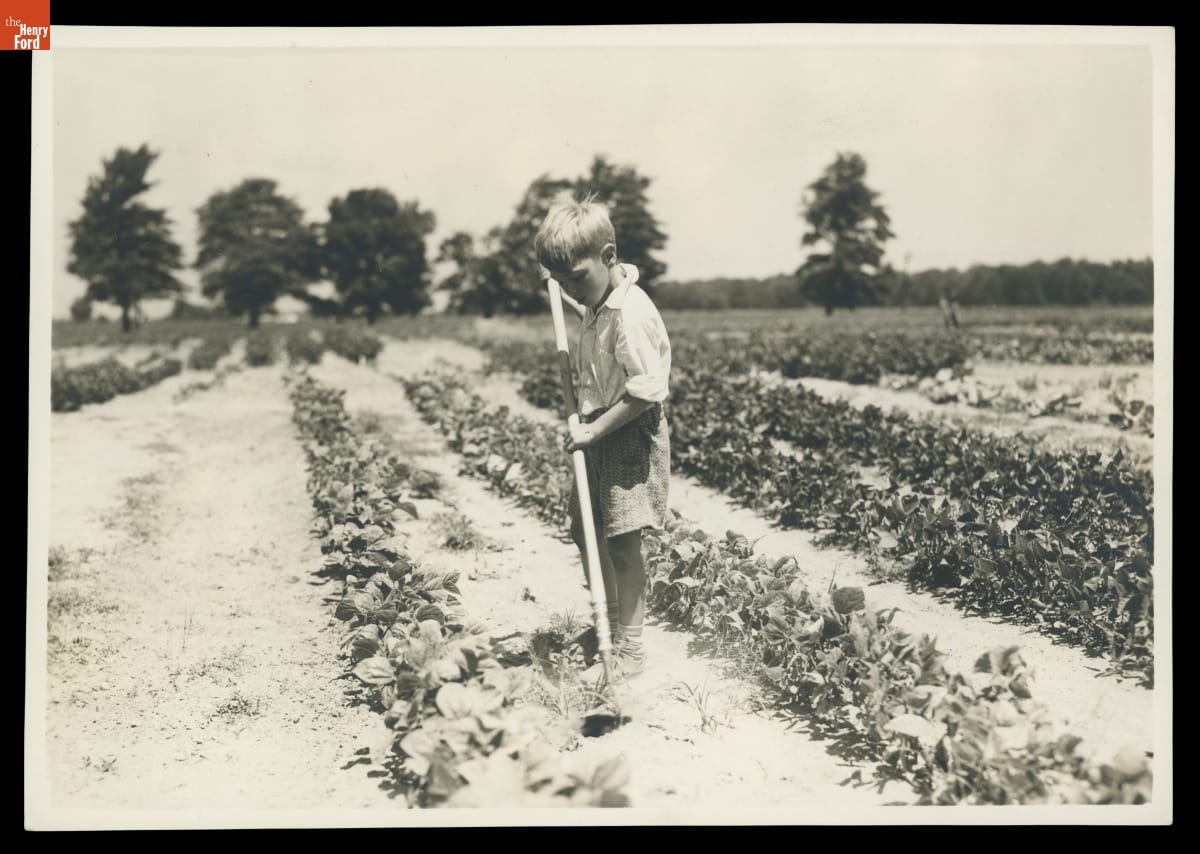
- Student Working in School Garden at Willow Run School, Michigan -
- 1931-1942
- Collections - Artifact
Student Working in School Garden at Willow Run School, Michigan
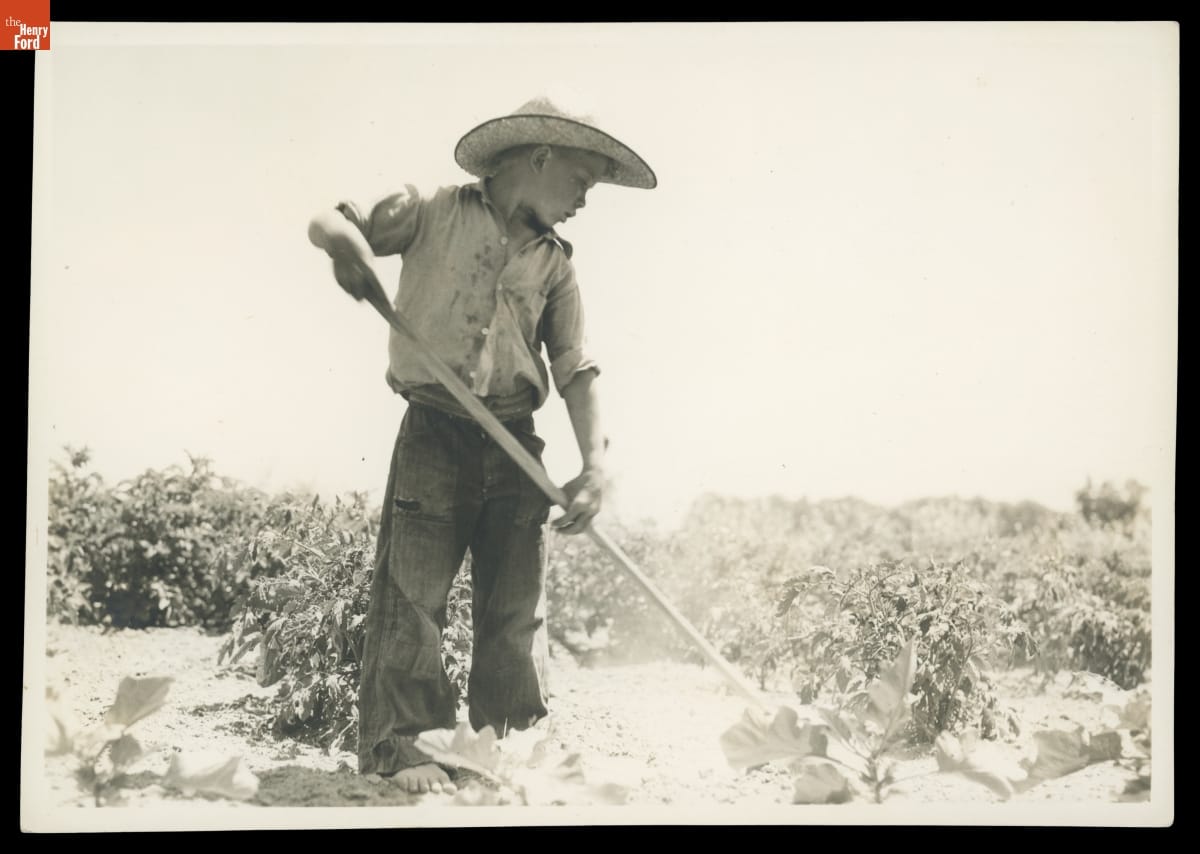
- Student Working in School Garden at Willow Run School, Michigan -
- 1931-1942
- Collections - Artifact
Student Working in School Garden at Willow Run School, Michigan
- Student Working in School Garden at Willow Run School, Michigan -
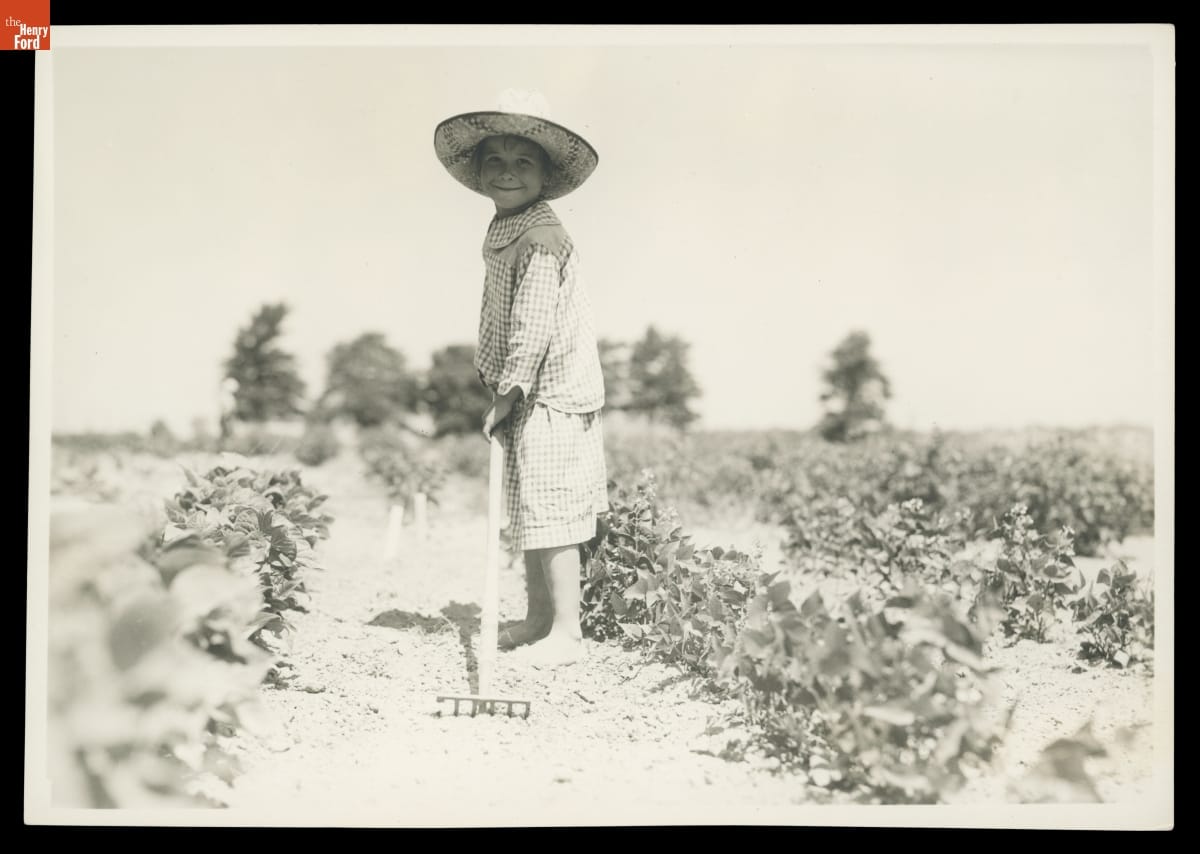
- 1931-1942
- Collections - Artifact
Student Working in School Garden at Willow Run School, Michigan
- Student Working in School Garden at Willow Run School, Michigan -
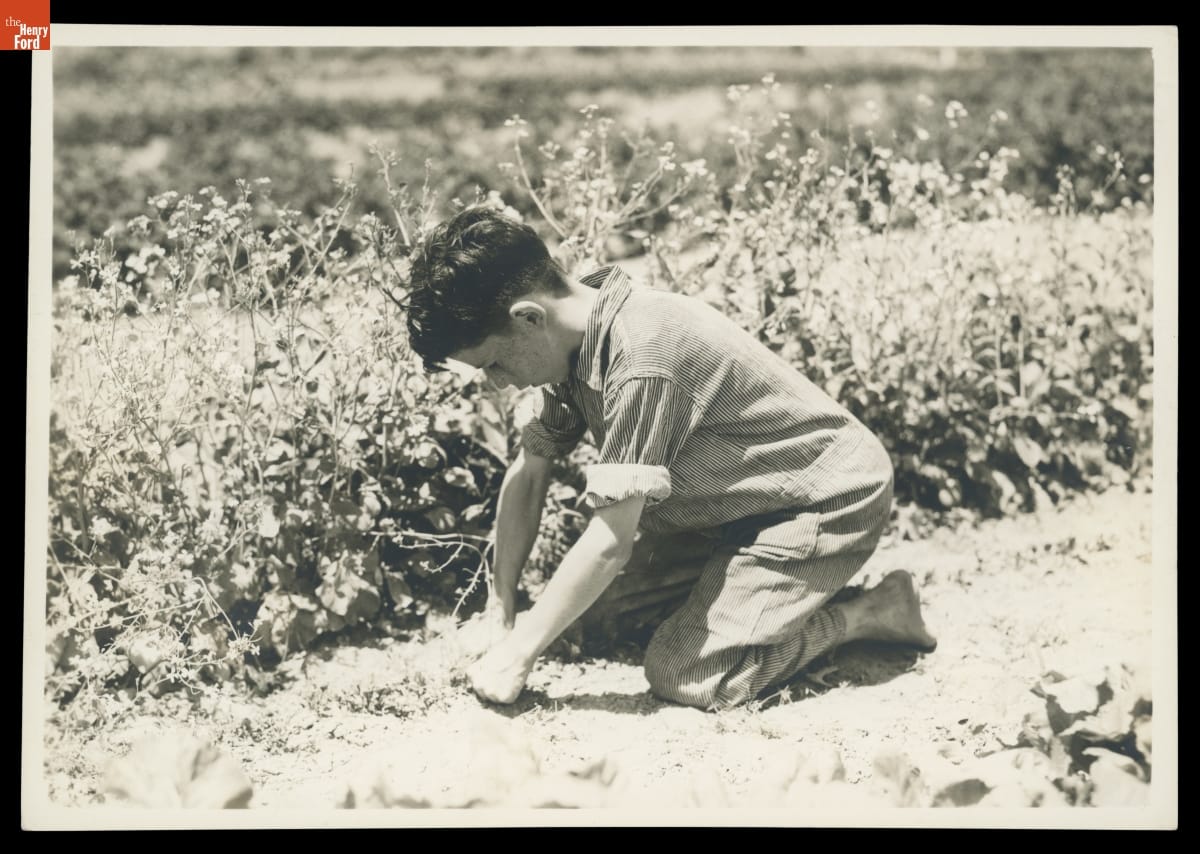
- 1931-1942
- Collections - Artifact
Student Working in School Garden at Willow Run School, Michigan