
Search
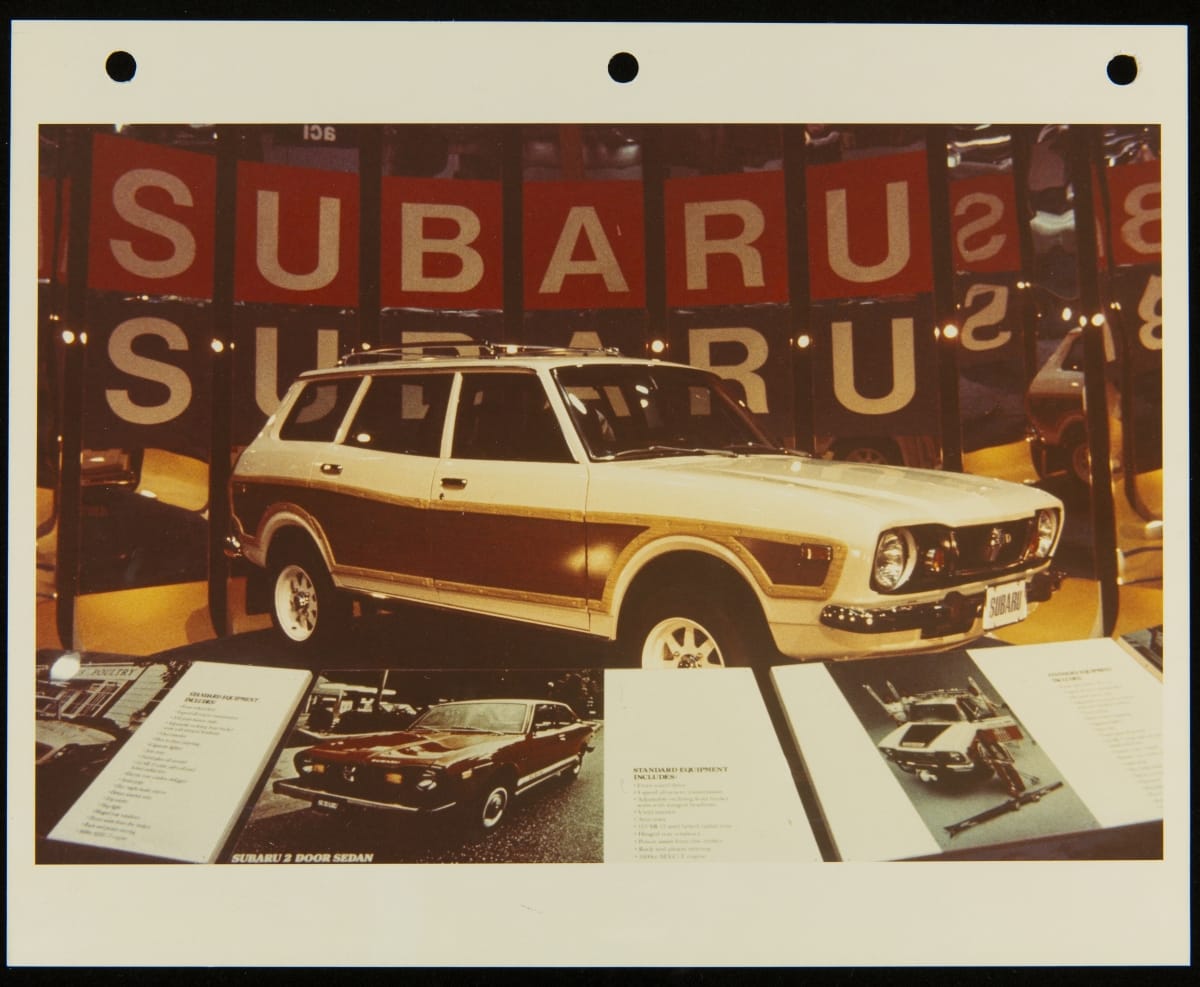
- Subaru Station Wagon, 1977 - Japanese automaker Subaru was founded in 1953 and exported its first cars to the United States in 1968. The company became known for its horizontally opposed boxer engines and its widespread use of all-wheel drive. Subaru's outdoorsy wagons and crossovers attracted a devoted following among American car buyers.
- 1977
- Collections - Artifact
Subaru Station Wagon, 1977
Japanese automaker Subaru was founded in 1953 and exported its first cars to the United States in 1968. The company became known for its horizontally opposed boxer engines and its widespread use of all-wheel drive. Subaru's outdoorsy wagons and crossovers attracted a devoted following among American car buyers.
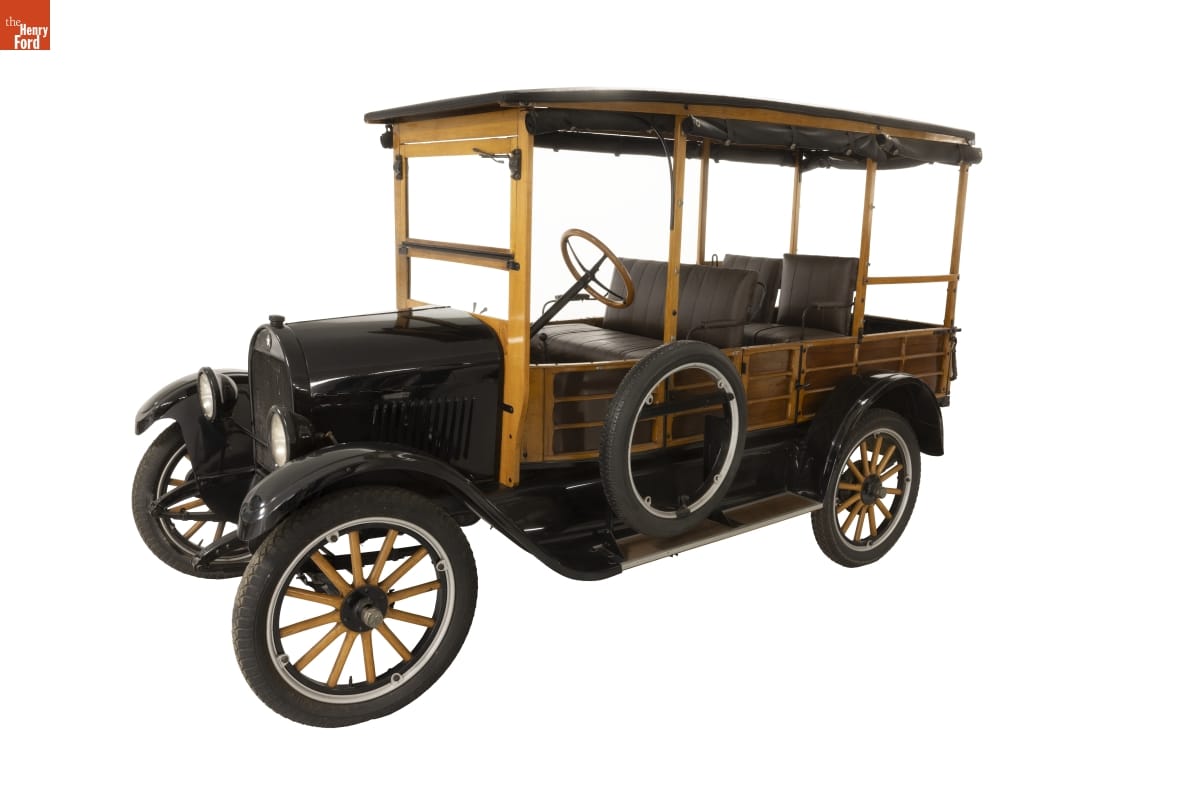
- 1923 Star Station Wagon - Billy Durant, ousted from General Motors for a second time, established Durant Motors in 1921. Durant's Star challenged Ford's Model T in the low-price field. In 1923 Star became the first significant American automobile offered in a factory-built station wagon version. While the Star was a hit, Durant stretched his finances too thin and Durant Motors ended operations in 1932.
- 1923
- Collections - Artifact
1923 Star Station Wagon
Billy Durant, ousted from General Motors for a second time, established Durant Motors in 1921. Durant's Star challenged Ford's Model T in the low-price field. In 1923 Star became the first significant American automobile offered in a factory-built station wagon version. While the Star was a hit, Durant stretched his finances too thin and Durant Motors ended operations in 1932.
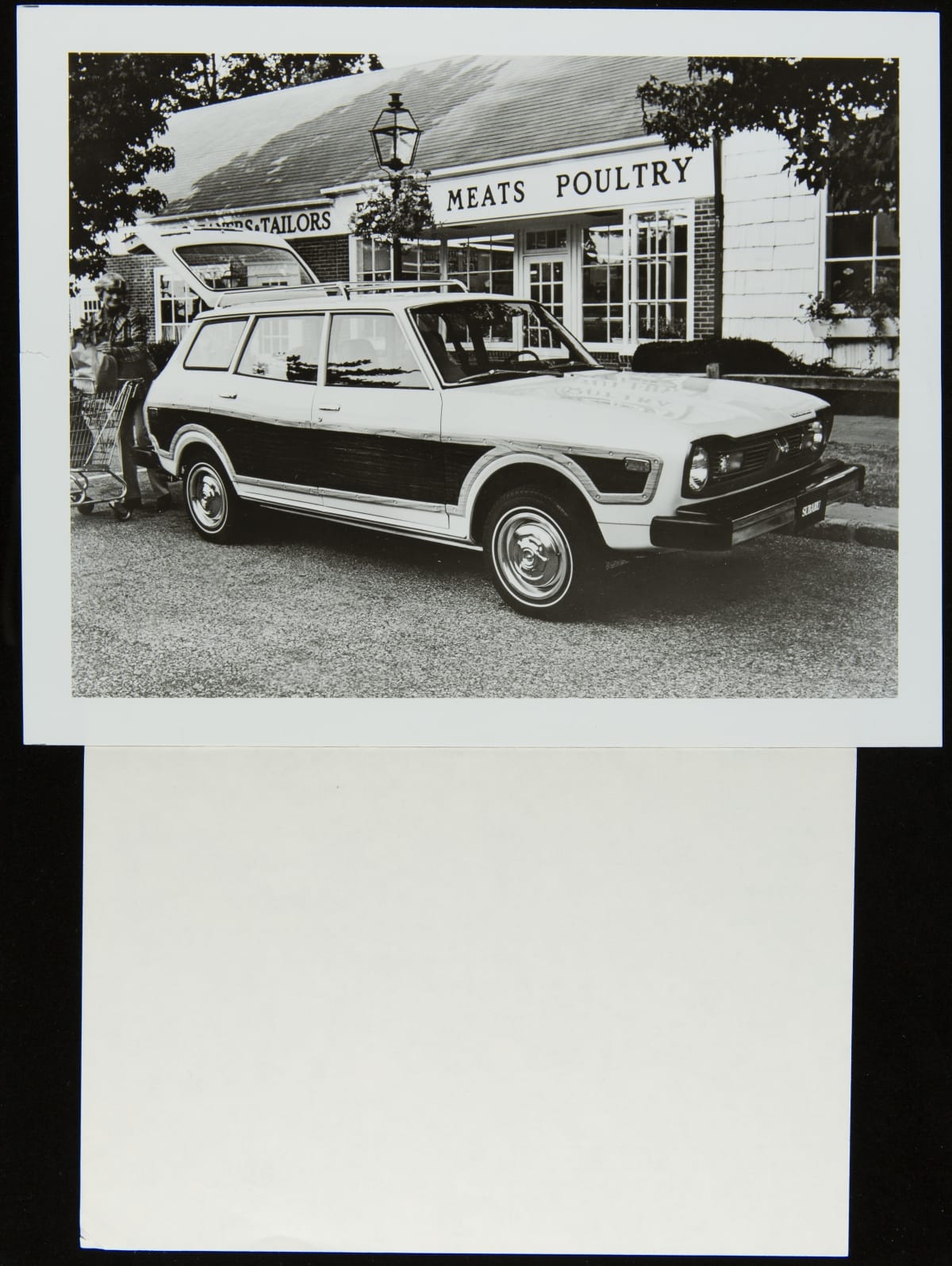
- Subaru DL Station Wagon, 1977 - Japanese automaker Subaru was founded in 1953 and exported its first cars to the United States in 1968. The company became known for its horizontally opposed boxer engines and its widespread use of all-wheel drive. Subaru's outdoorsy wagons and crossovers attracted a devoted following among American car buyers.
- 1977
- Collections - Artifact
Subaru DL Station Wagon, 1977
Japanese automaker Subaru was founded in 1953 and exported its first cars to the United States in 1968. The company became known for its horizontally opposed boxer engines and its widespread use of all-wheel drive. Subaru's outdoorsy wagons and crossovers attracted a devoted following among American car buyers.
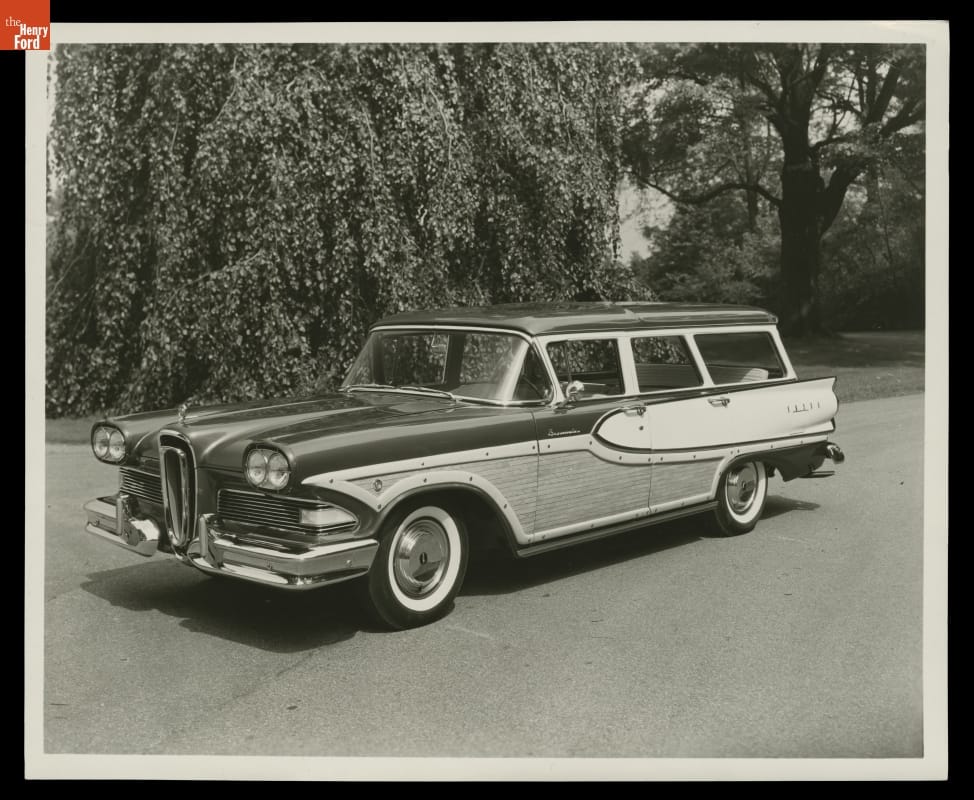
- 1958 Edsel Bermuda Station Wagon - Ford Motor Company launched its new Edsel line for 1958 with considerable fanfare. The Bermuda was Edsel's top-level station wagon, distinguished by faux wood panels and frames. Edsel was not the hit Ford hoped it would be. The Bermuda wagon was discontinued after just one model year. The Edsel line itself lasted only three model years.
- 1957-1958
- Collections - Artifact
1958 Edsel Bermuda Station Wagon
Ford Motor Company launched its new Edsel line for 1958 with considerable fanfare. The Bermuda was Edsel's top-level station wagon, distinguished by faux wood panels and frames. Edsel was not the hit Ford hoped it would be. The Bermuda wagon was discontinued after just one model year. The Edsel line itself lasted only three model years.
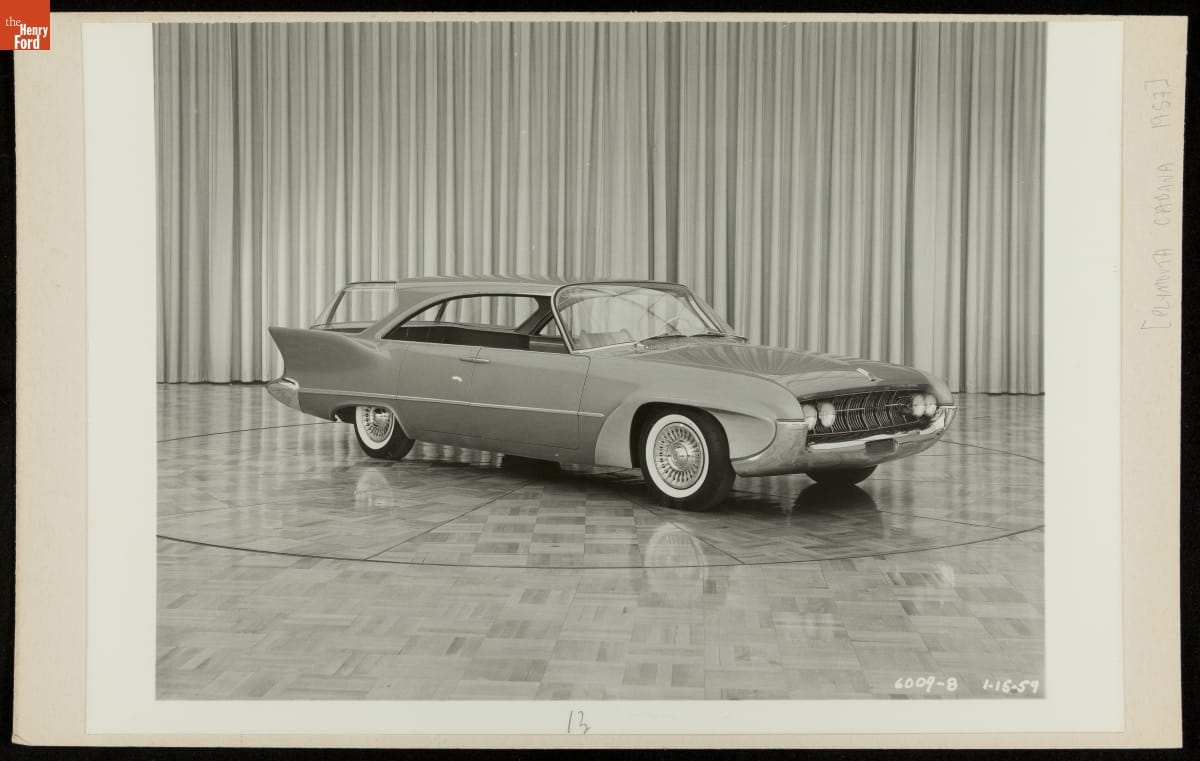
- 1958 Plymouth Cabana Station Wagon - Built by Ghia, the Plymouth Cabana concept car debuted in 1958. The four-door wagon had room for nine passengers. Cabana's hardtop styling, without a B pillar between the doors, provided easier access to the interior -- advantageous for use as an ambulance or a hearse. Cabana was purely for show and lacked a functional powertrain.
- January 15, 1959
- Collections - Artifact
1958 Plymouth Cabana Station Wagon
Built by Ghia, the Plymouth Cabana concept car debuted in 1958. The four-door wagon had room for nine passengers. Cabana's hardtop styling, without a B pillar between the doors, provided easier access to the interior -- advantageous for use as an ambulance or a hearse. Cabana was purely for show and lacked a functional powertrain.
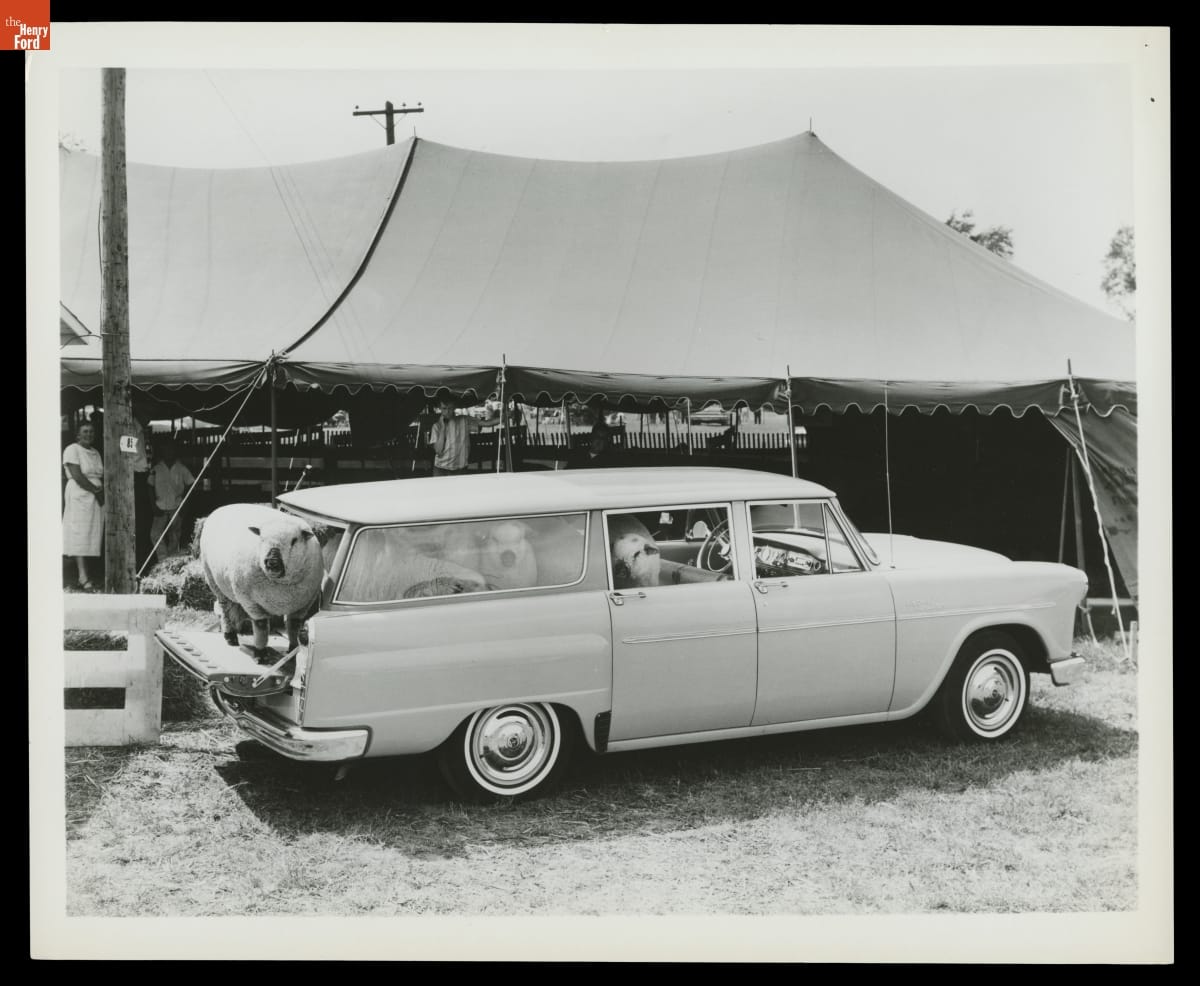
- Checker Station Wagon, April 1964 - Morris Markin formed Checker Motors Corporation in 1922. The company manufactured taxicabs at its plant in Kalamazoo, Michigan, until 1982. Checker began building passenger cars for private owners in 1959. The 1964 Checker Marathon featured a six-cylinder engine and a design based on the company's commercial cabs. The Marathon was available as a sedan or a station wagon.
- April 01, 1964
- Collections - Artifact
Checker Station Wagon, April 1964
Morris Markin formed Checker Motors Corporation in 1922. The company manufactured taxicabs at its plant in Kalamazoo, Michigan, until 1982. Checker began building passenger cars for private owners in 1959. The 1964 Checker Marathon featured a six-cylinder engine and a design based on the company's commercial cabs. The Marathon was available as a sedan or a station wagon.
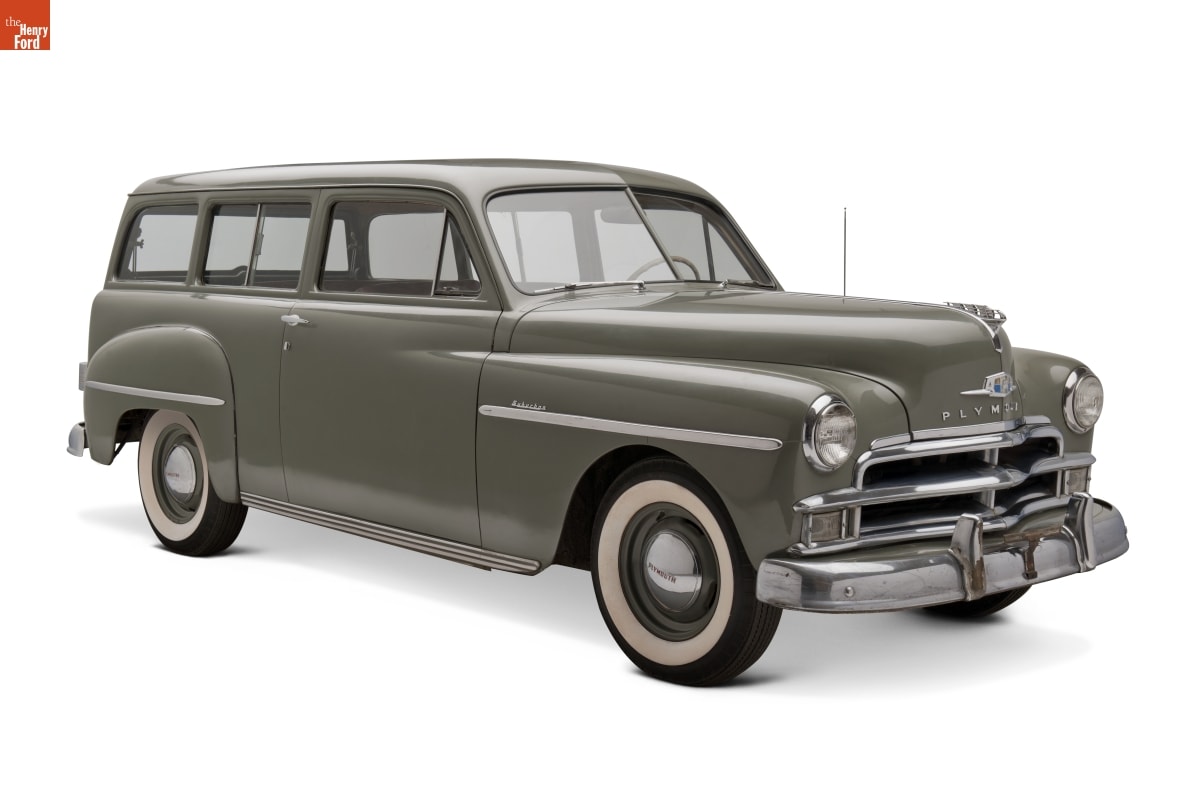
- 1950 Plymouth Deluxe Suburban Station Wagon - The earliest station wagons appeared in the 1910s and actually were used to haul people and luggage between railroad stations and hotels. They featured special wooden bodies installed on standard car chassis. Wood continued to be used in station wagons bodies until after World War II. Plymouth's 1949 Suburban was the first station wagon with an all steel body. It transformed the wagon into a practical family vehicle.
- 1950
- Collections - Artifact
1950 Plymouth Deluxe Suburban Station Wagon
The earliest station wagons appeared in the 1910s and actually were used to haul people and luggage between railroad stations and hotels. They featured special wooden bodies installed on standard car chassis. Wood continued to be used in station wagons bodies until after World War II. Plymouth's 1949 Suburban was the first station wagon with an all steel body. It transformed the wagon into a practical family vehicle.
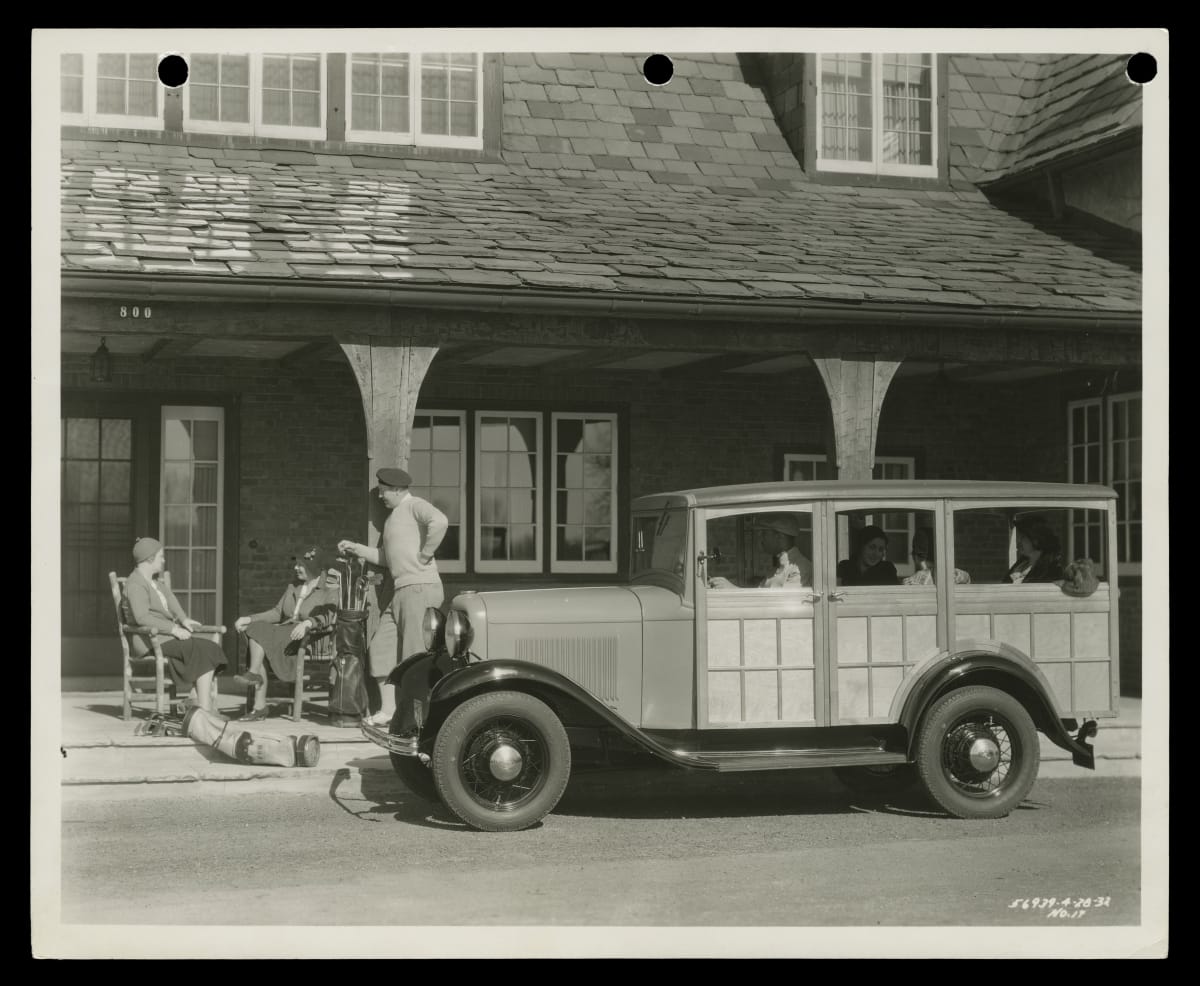
- Ford Model B Station Wagon, 1932 - The 1932 Ford Model B is not as well known as its predecessor, the Model A, or its contemporary, the eight-cylinder Model 18. The Model B featured a 201-cubic-inch, four-cylinder engine rated at 50 horsepower. Even with its low starting price of $410, the Model B was overshadowed by Ford's 1932 V-8 Model 18.
- April 28, 1932
- Collections - Artifact
Ford Model B Station Wagon, 1932
The 1932 Ford Model B is not as well known as its predecessor, the Model A, or its contemporary, the eight-cylinder Model 18. The Model B featured a 201-cubic-inch, four-cylinder engine rated at 50 horsepower. Even with its low starting price of $410, the Model B was overshadowed by Ford's 1932 V-8 Model 18.
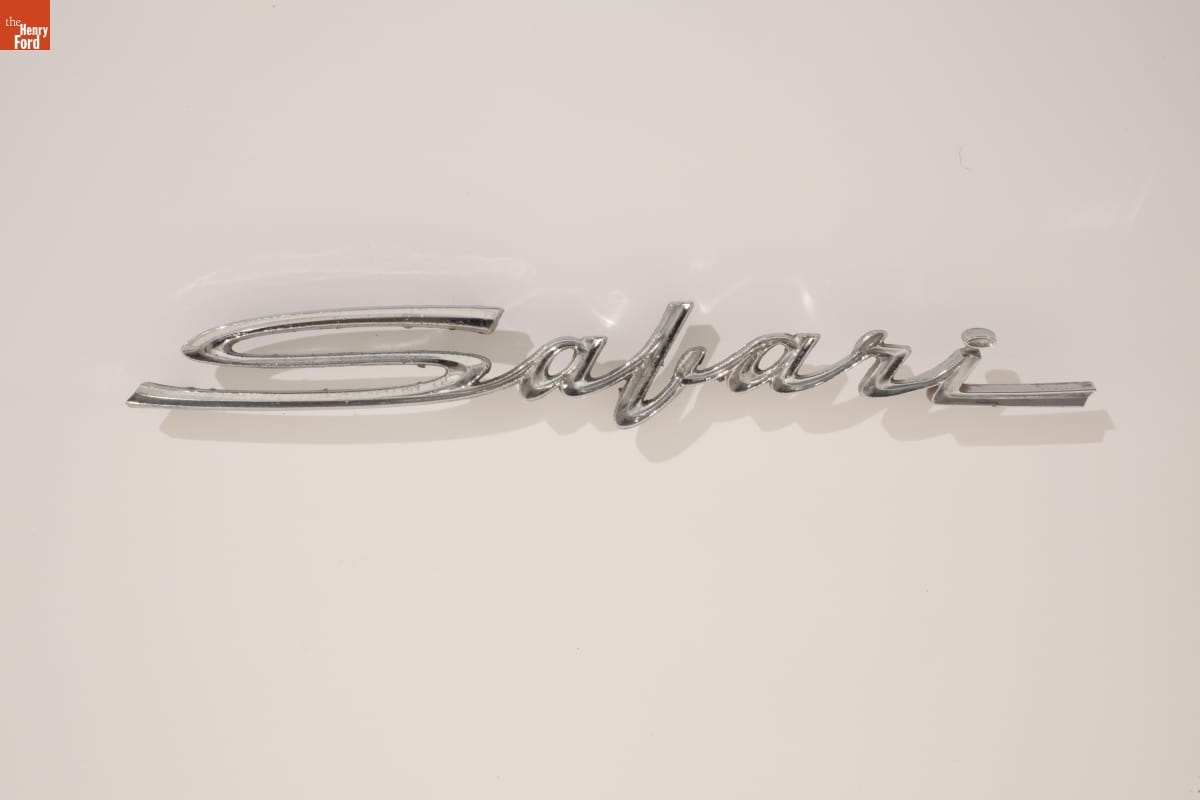
- Pontiac Safari Station Wagon Nameplate, 1967 - Car model names might seem straightforward (especially once they are well-established and familiar) but most are masterpieces of allusion, rife with references to glamorous locations, social rank, rugged environment -- all tied to the self-image and aspirations of potential car buyers. Different styles of lettering -- whether bold, high-tech, freehand, or formal -- offer further reinforcement to the power of a model name.
- 1967
- Collections - Artifact
Pontiac Safari Station Wagon Nameplate, 1967
Car model names might seem straightforward (especially once they are well-established and familiar) but most are masterpieces of allusion, rife with references to glamorous locations, social rank, rugged environment -- all tied to the self-image and aspirations of potential car buyers. Different styles of lettering -- whether bold, high-tech, freehand, or formal -- offer further reinforcement to the power of a model name.
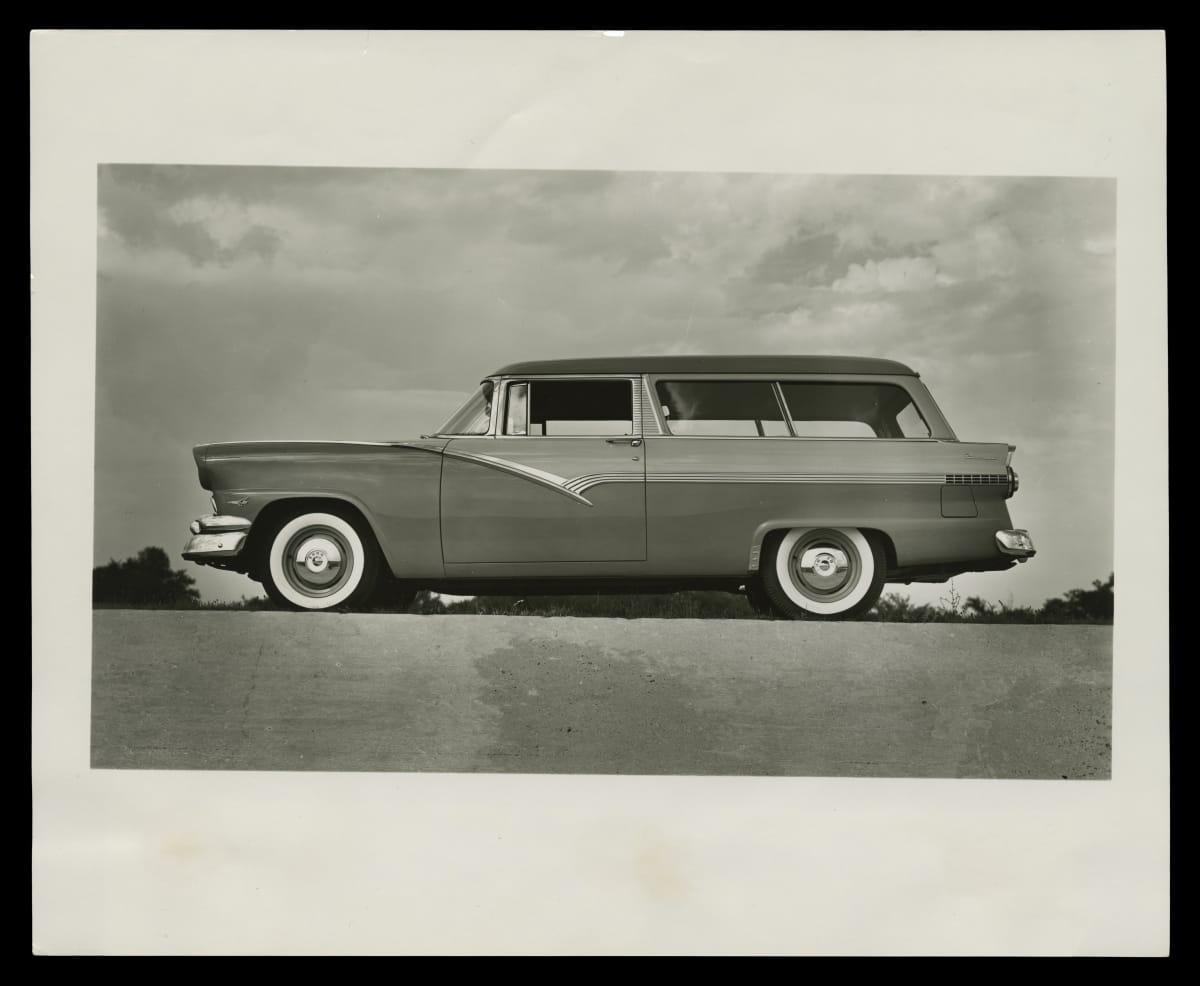
- Ford Parklane Station Wagon, September 1956 - Ford station wagons mostly fit into three trim levels for 1956: the basic Ranch Wagon, the mid-price Country Sedan, and the top-of-the-line Country Squire. All were available with either six-cylinder or V-8 engines. Country Squire wagons only came with four doors. Customers seeking an upscale two-door wagon could choose the Ford Parklane, offered for 1956 only.
- September 20, 1955
- Collections - Artifact
Ford Parklane Station Wagon, September 1956
Ford station wagons mostly fit into three trim levels for 1956: the basic Ranch Wagon, the mid-price Country Sedan, and the top-of-the-line Country Squire. All were available with either six-cylinder or V-8 engines. Country Squire wagons only came with four doors. Customers seeking an upscale two-door wagon could choose the Ford Parklane, offered for 1956 only.