
Search
- Toy Streetcar, 1920-1940 - Toy companies began making small, inexpensive, yet colorful, tin toys in the late 19th century. Over the years, toymakers stamped tin into shapes of animals, airplanes, boats, soldiers and even this streetcar. Children could purchase these low-priced toys from shopkeepers or street vendors. These mass-produced toys -- though not meant to last -- provided fun for just a few pennies.
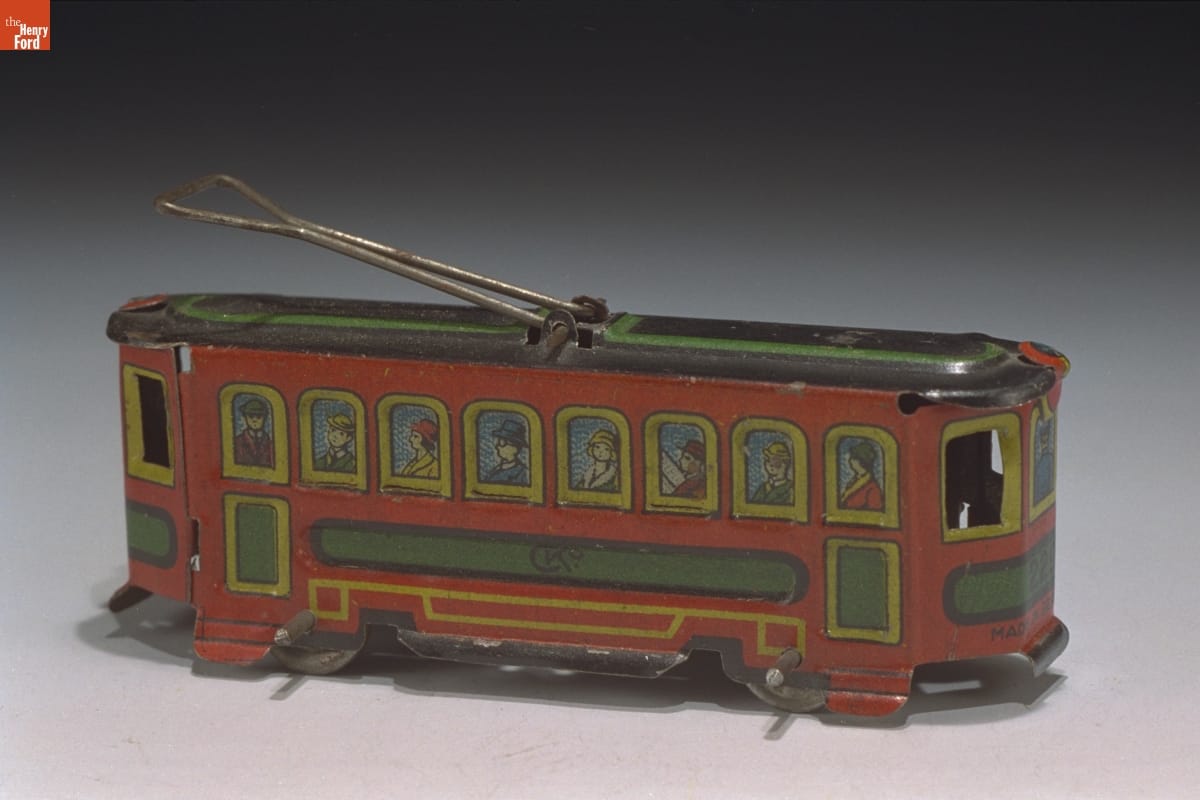
- 1920-1940
- Collections - Artifact
Toy Streetcar, 1920-1940
Toy companies began making small, inexpensive, yet colorful, tin toys in the late 19th century. Over the years, toymakers stamped tin into shapes of animals, airplanes, boats, soldiers and even this streetcar. Children could purchase these low-priced toys from shopkeepers or street vendors. These mass-produced toys -- though not meant to last -- provided fun for just a few pennies.
- Streetcar in Garage, circa 1890 -
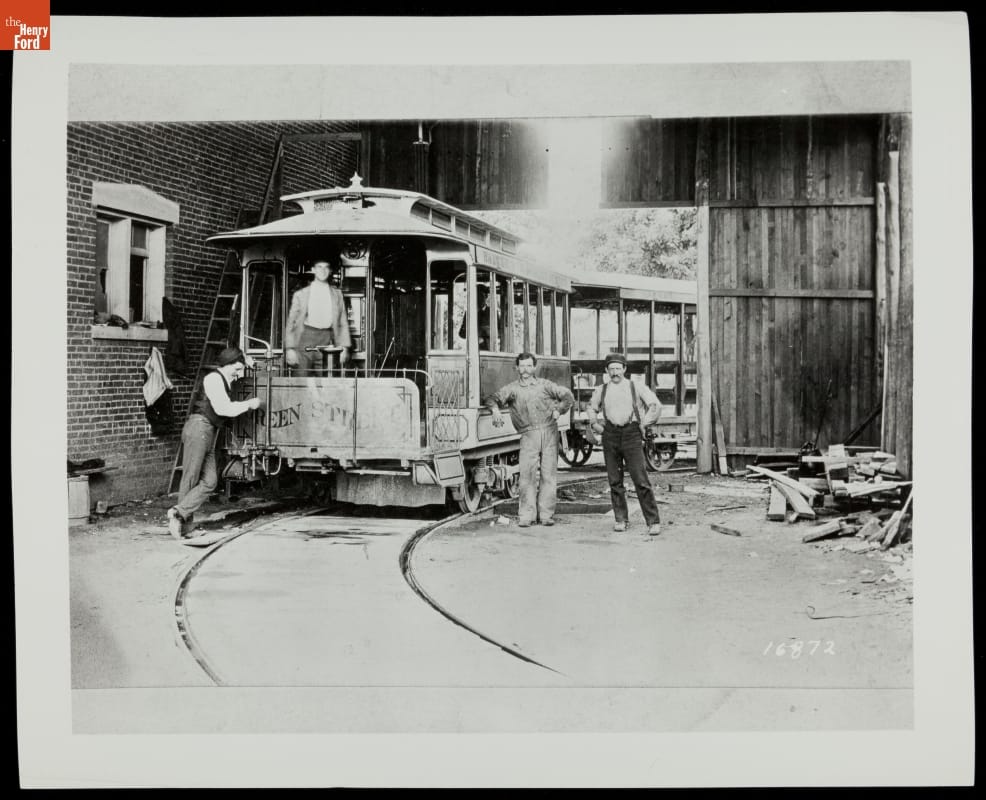
- circa 1890
- Collections - Artifact
Streetcar in Garage, circa 1890
- Streetcar in Winter, circa 1890 - Through the second half of the 19th century, streetcars increasingly joined horse-drawn vehicles on city streets across America. They were affordable, practical, and convenient -- streetcar lines went where riders needed to go.
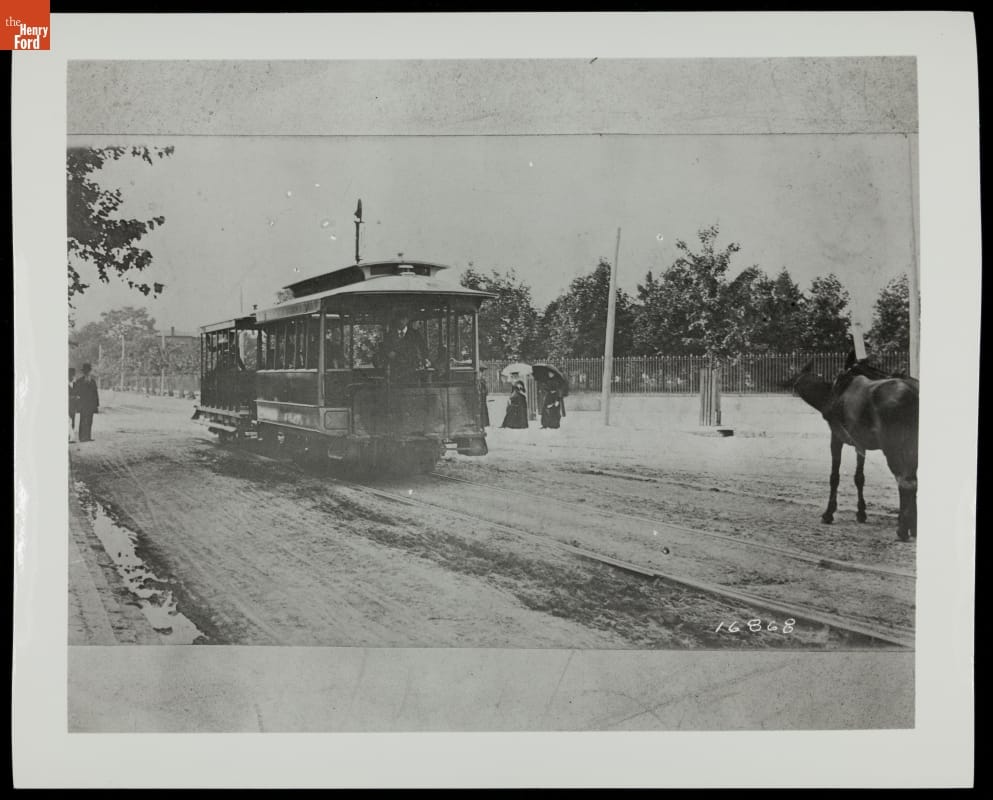
- circa 1890
- Collections - Artifact
Streetcar in Winter, circa 1890
Through the second half of the 19th century, streetcars increasingly joined horse-drawn vehicles on city streets across America. They were affordable, practical, and convenient -- streetcar lines went where riders needed to go.
- Two Story Horse-Drawn Streetcar, circa 1859 - In the mid-1800s, horse-drawn streetcars provided a convenient and affordable way to get around a growing city. These streetcars traveled the main urban thoroughfares and took passengers to their workplaces, local shops and businesses, parks and other destinations. This print shows a double-deck streetcar which could carry more passenger.
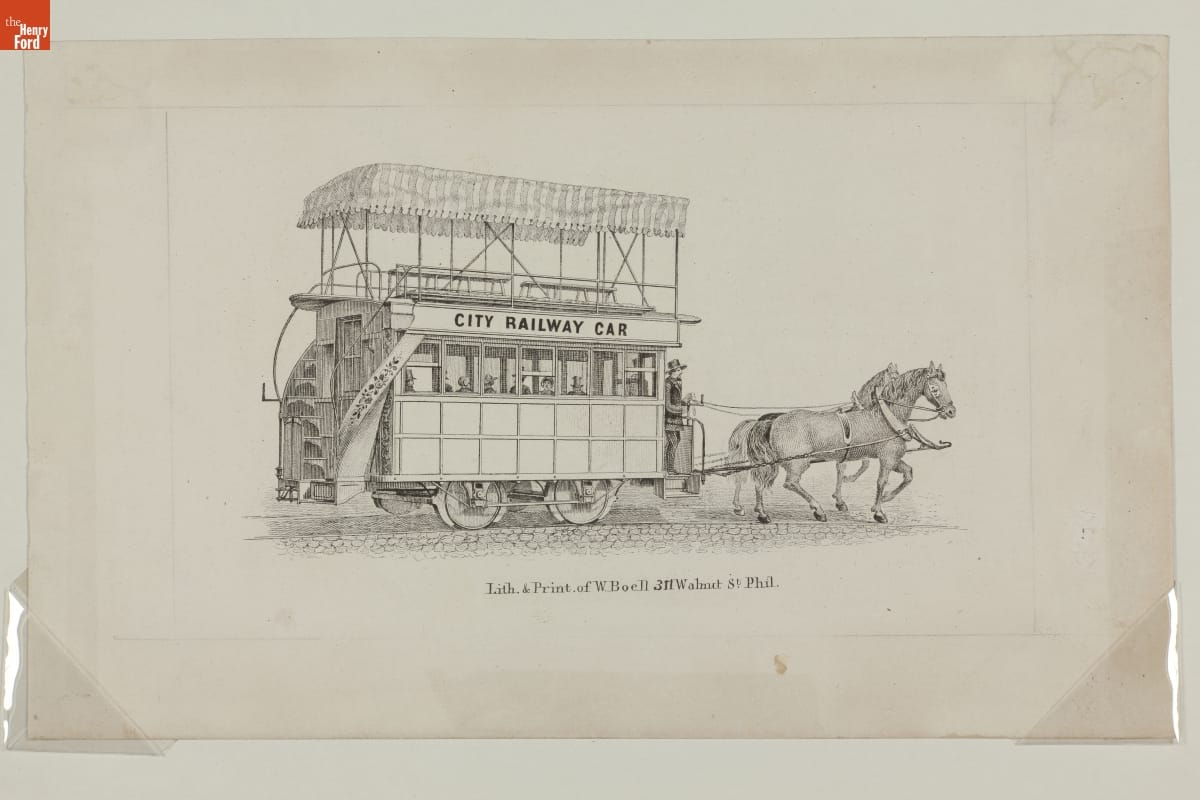
- circa 1859
- Collections - Artifact
Two Story Horse-Drawn Streetcar, circa 1859
In the mid-1800s, horse-drawn streetcars provided a convenient and affordable way to get around a growing city. These streetcars traveled the main urban thoroughfares and took passengers to their workplaces, local shops and businesses, parks and other destinations. This print shows a double-deck streetcar which could carry more passenger.
- Streetcar Tracks through Weissenfels, Germany, circa 1935 - In 1913, Henry Ford established Ford Motor Company's photographic department. Though few internal records describe company photography, remaining photographs reveal a wide range of departmental activity. Over nearly 100 years, Ford photographers documented company ventures, personal affairs, and daily life around the world. This photograph shows people along a city street in Weissenfels, Germany.
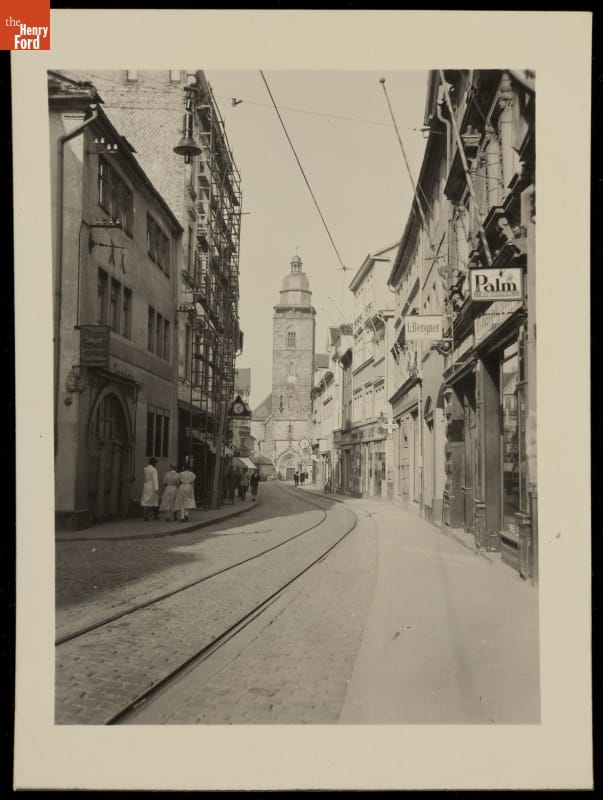
- circa 1935
- Collections - Artifact
Streetcar Tracks through Weissenfels, Germany, circa 1935
In 1913, Henry Ford established Ford Motor Company's photographic department. Though few internal records describe company photography, remaining photographs reveal a wide range of departmental activity. Over nearly 100 years, Ford photographers documented company ventures, personal affairs, and daily life around the world. This photograph shows people along a city street in Weissenfels, Germany.
- American Car Company Streetcar, 1922 - Faced with growing competition from automobiles, streetcar companies economized. Charles O. Birney designed a small, single-truck streetcar that could be operated by one person rather than the usual two-member crew. The Birney Safety Car included a "dead man" controller that stopped the vehicle if the operator unexpectedly let go. This Birney car operated in Fort Collins, Colorado, from 1924-1951.
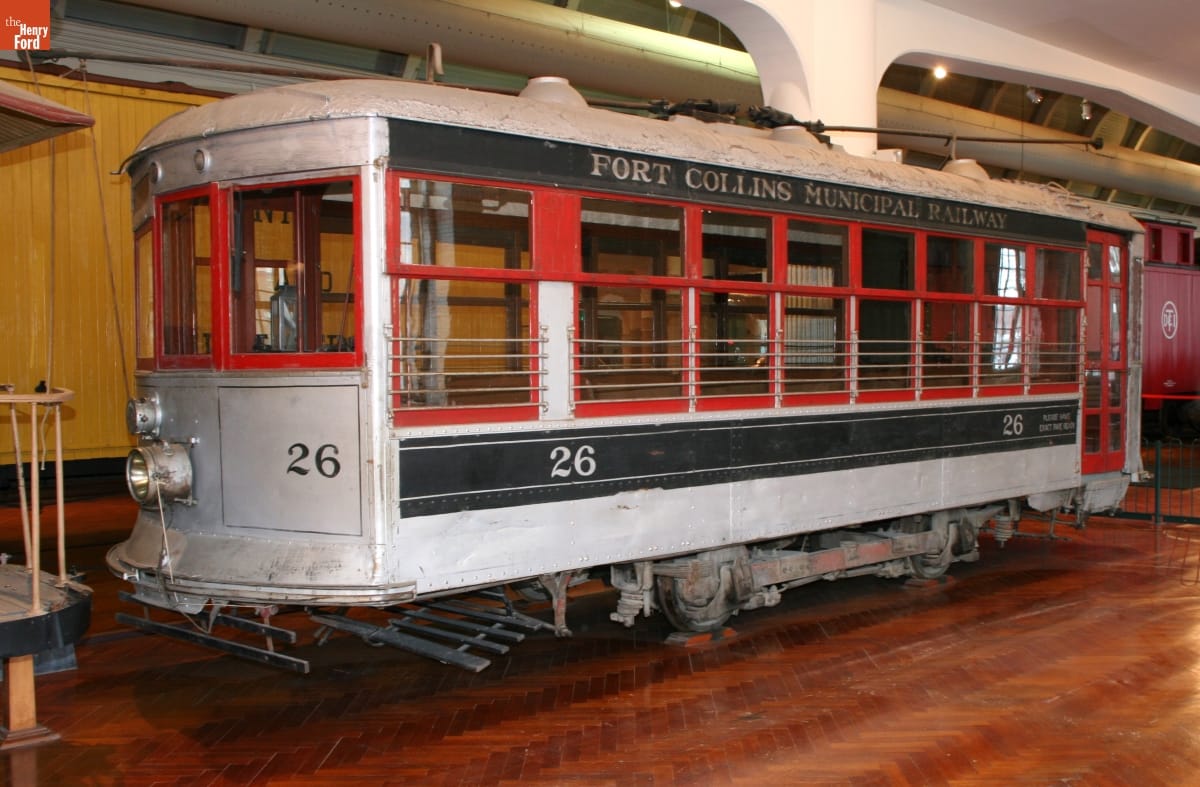
- November 01, 1922
- Collections - Artifact
American Car Company Streetcar, 1922
Faced with growing competition from automobiles, streetcar companies economized. Charles O. Birney designed a small, single-truck streetcar that could be operated by one person rather than the usual two-member crew. The Birney Safety Car included a "dead man" controller that stopped the vehicle if the operator unexpectedly let go. This Birney car operated in Fort Collins, Colorado, from 1924-1951.
- Streetcars, Plymouth, Massachusetts, circa 1890 - Streetcars offered a convenient, practical, and affordable way to get around cities. Electric streetcars like these -- which operated in Plymouth, Massachusetts -- became common as cities built power stations in the late 1800s. They could carry more passengers and were cheaper and cleaner to operate than their horse-drawn predecessors.
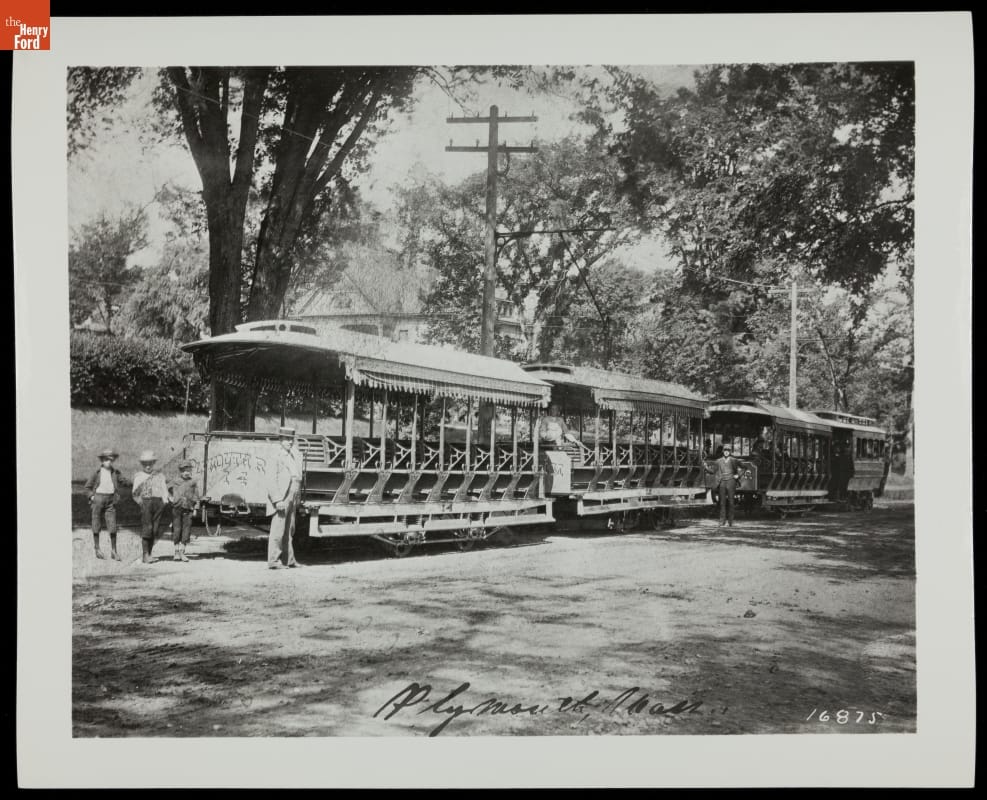
- circa 1890
- Collections - Artifact
Streetcars, Plymouth, Massachusetts, circa 1890
Streetcars offered a convenient, practical, and affordable way to get around cities. Electric streetcars like these -- which operated in Plymouth, Massachusetts -- became common as cities built power stations in the late 1800s. They could carry more passengers and were cheaper and cleaner to operate than their horse-drawn predecessors.
- Streetcar Tracks through Wyandotte, Michigan, circa 1925 - In 1913, Henry Ford established Ford Motor Company's photographic department. Though few internal records describe company photography, remaining photographs reveal a wide range of departmental activity. Over nearly 100 years, Ford photographers documented company ventures, personal affairs, and daily life around the world. This photograph shows streetcar lines and automobiles in downtown Wyandotte, Michigan, around 1925.
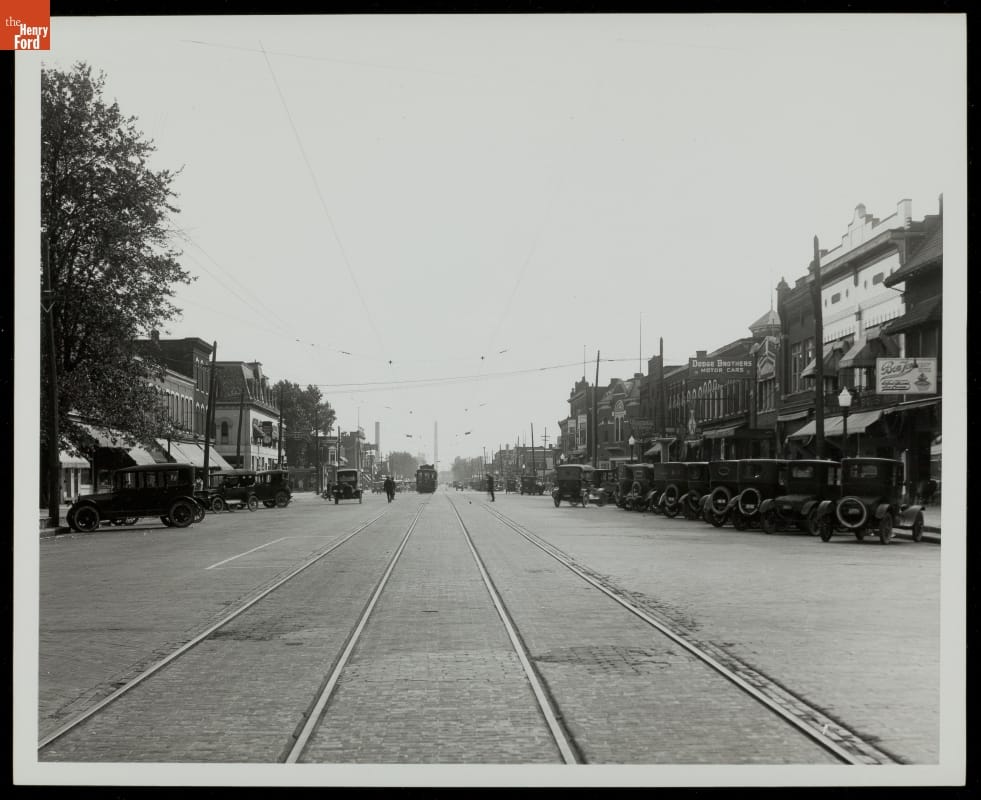
- circa 1925
- Collections - Artifact
Streetcar Tracks through Wyandotte, Michigan, circa 1925
In 1913, Henry Ford established Ford Motor Company's photographic department. Though few internal records describe company photography, remaining photographs reveal a wide range of departmental activity. Over nearly 100 years, Ford photographers documented company ventures, personal affairs, and daily life around the world. This photograph shows streetcar lines and automobiles in downtown Wyandotte, Michigan, around 1925.
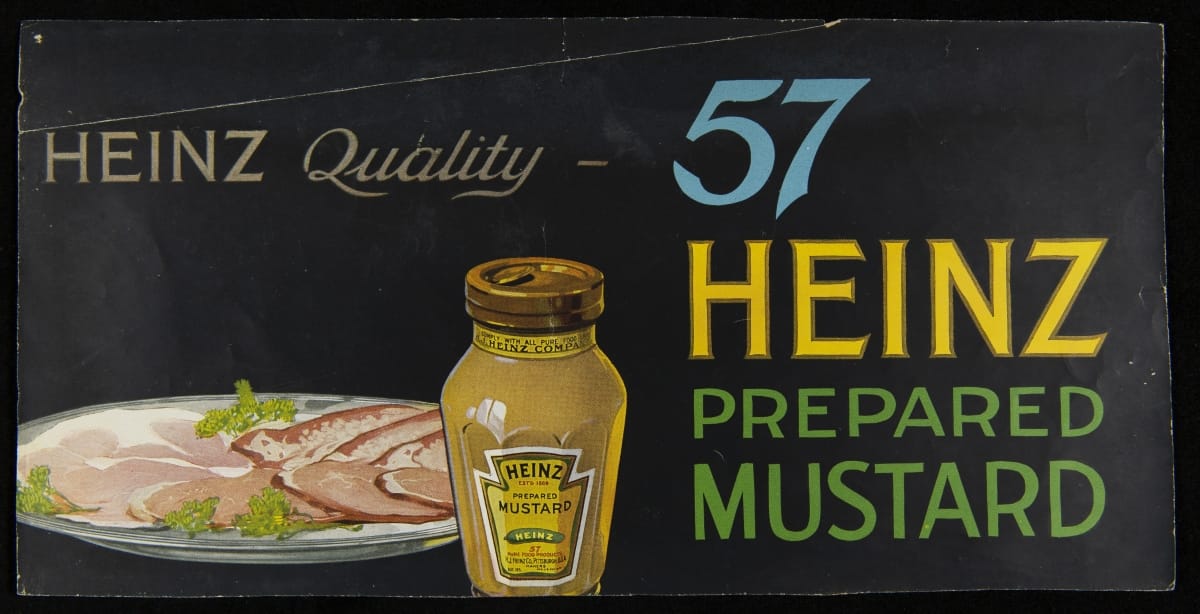
- Streetcar Advertising Poster for Heinz Prepared Mustard, circa 1925 - Henry J. Heinz rarely missed an opportunity to market his "57 Varieties" -- a catchy slogan he created despite offering a line of more than 60 packaged food products. A prolific promoter, Heinz aimed to reach consumers in stores, at home, and everywhere in-between. This colorful poster advertised Heinz Prepared Mustard to passengers riding in a streetcar.
- circa 1925
- Collections - Artifact
Streetcar Advertising Poster for Heinz Prepared Mustard, circa 1925
Henry J. Heinz rarely missed an opportunity to market his "57 Varieties" -- a catchy slogan he created despite offering a line of more than 60 packaged food products. A prolific promoter, Heinz aimed to reach consumers in stores, at home, and everywhere in-between. This colorful poster advertised Heinz Prepared Mustard to passengers riding in a streetcar.
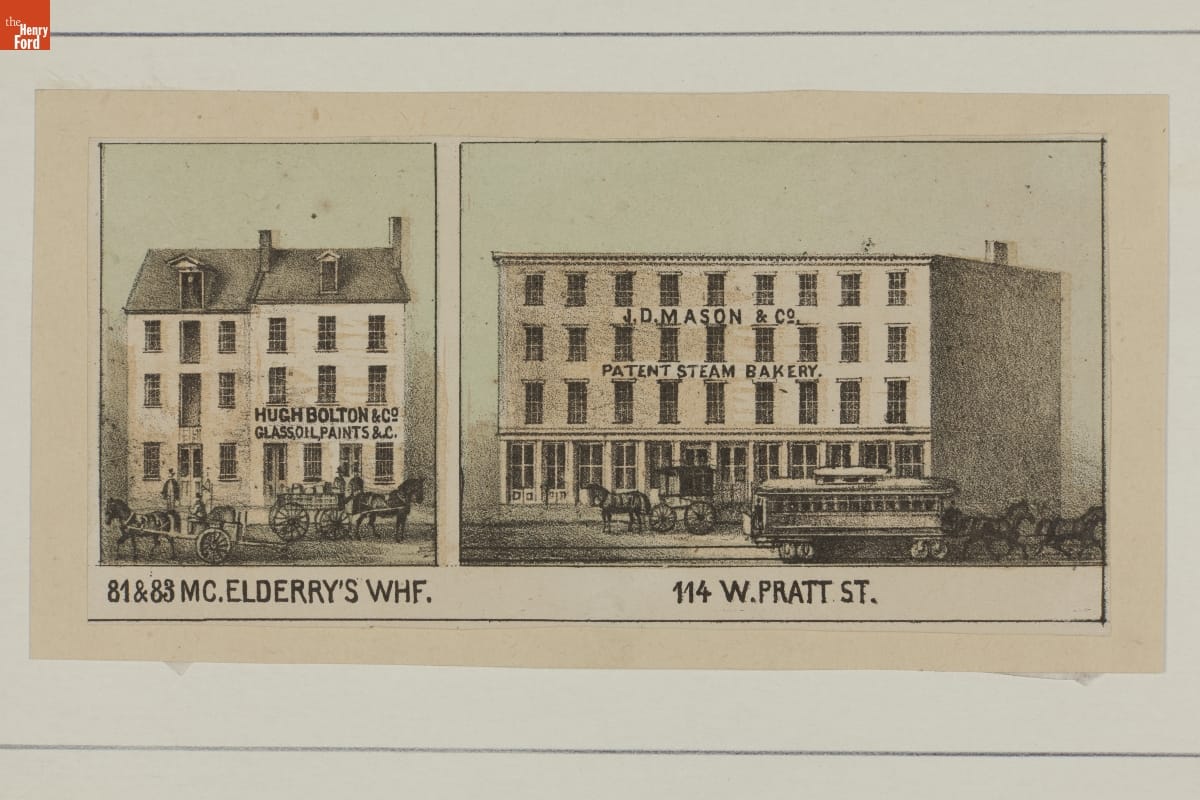
- Baltimore Horse-Drawn Streetcar, circa 1870 - This circa 1870 color lithograph depicts two businesses in Baltimore, Maryland. On the left, two horse-drawn carts are parked in front of Hugh Bolton & Company's glass, oil, and paint establishment, and on the right, a horse-drawn railcar moves swiftly past J.D. Mason & Company's "Patent Steam Bakery."
- circa 1870
- Collections - Artifact
Baltimore Horse-Drawn Streetcar, circa 1870
This circa 1870 color lithograph depicts two businesses in Baltimore, Maryland. On the left, two horse-drawn carts are parked in front of Hugh Bolton & Company's glass, oil, and paint establishment, and on the right, a horse-drawn railcar moves swiftly past J.D. Mason & Company's "Patent Steam Bakery."