
Search
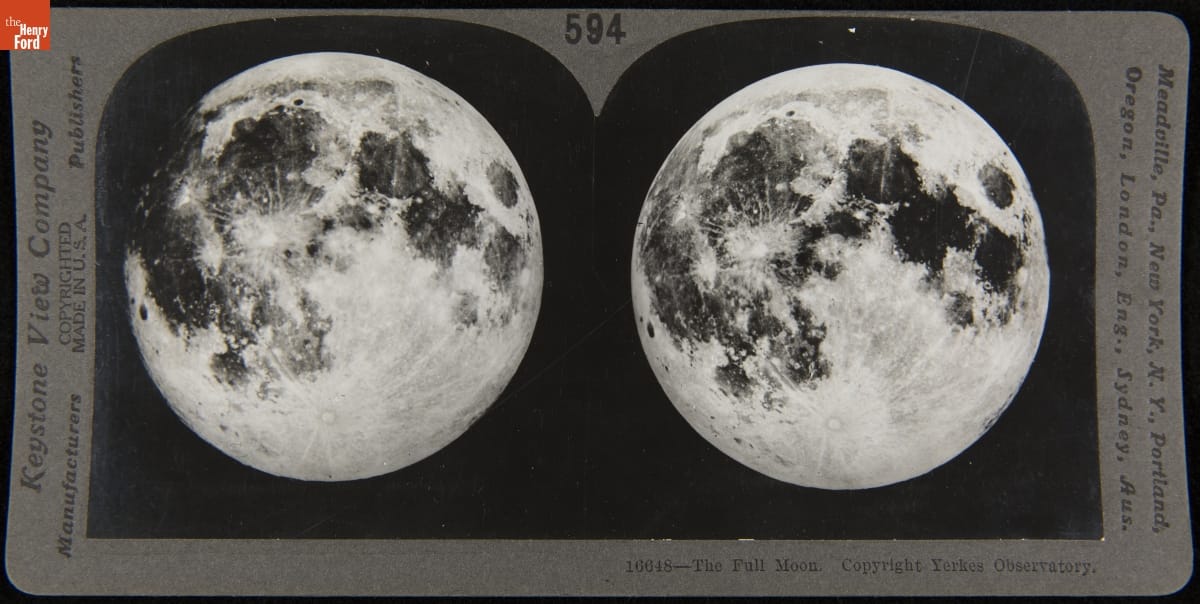
- Stereograph, "The Full Moon," 1904-1908 - Americans loved stereographs -- millions were made from the mid-1800s through the 1930s. A stereograph consists of two offset photos that appear to have three-dimensional depth when viewed through a stereoscope. These images entertained and educated. Stereographs could transport viewers to distant events, exotic places, and even worlds beyond, like this image of the Moon--Earth's only natural satellite.
- 1904-1908
- Collections - Artifact
Stereograph, "The Full Moon," 1904-1908
Americans loved stereographs -- millions were made from the mid-1800s through the 1930s. A stereograph consists of two offset photos that appear to have three-dimensional depth when viewed through a stereoscope. These images entertained and educated. Stereographs could transport viewers to distant events, exotic places, and even worlds beyond, like this image of the Moon--Earth's only natural satellite.
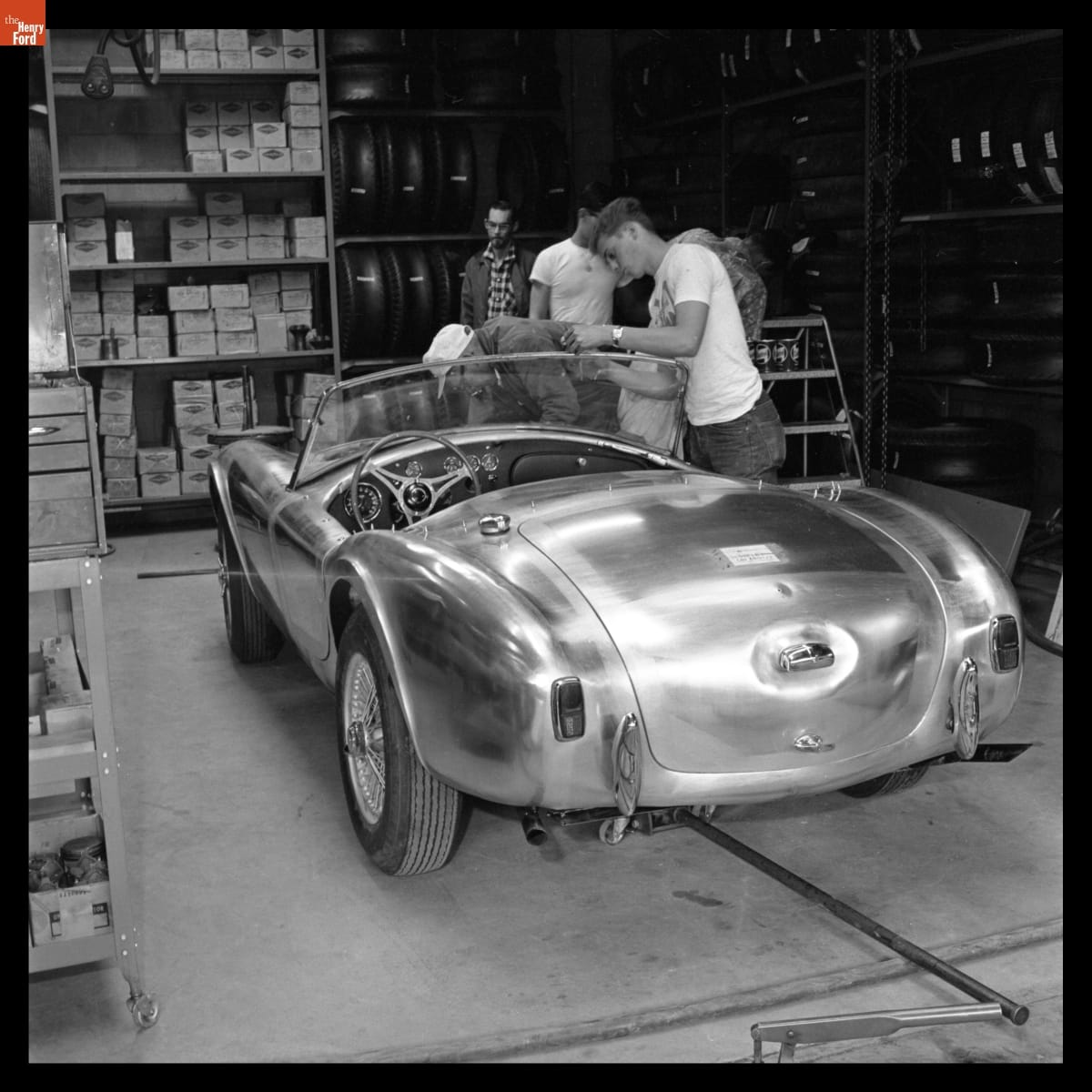
- Assembling the First Shelby Cobra at Dean Moon's Hot Rod Shop in Santa Fe Springs, California, February 1962 - Carroll Shelby took the auto enthusiast world by storm when he pulled the straight-6 engine from a lightweight British AC Ace roadster, replaced it with a Ford V-8, and created the Shelby Cobra. Between the 1962 and 1967 model years, Shelby American produced just under 1,000 Cobras variously equipped with 260-, 289- and 427-cubic-inch Ford engines.
- February 01, 1962
- Collections - Artifact
Assembling the First Shelby Cobra at Dean Moon's Hot Rod Shop in Santa Fe Springs, California, February 1962
Carroll Shelby took the auto enthusiast world by storm when he pulled the straight-6 engine from a lightweight British AC Ace roadster, replaced it with a Ford V-8, and created the Shelby Cobra. Between the 1962 and 1967 model years, Shelby American produced just under 1,000 Cobras variously equipped with 260-, 289- and 427-cubic-inch Ford engines.
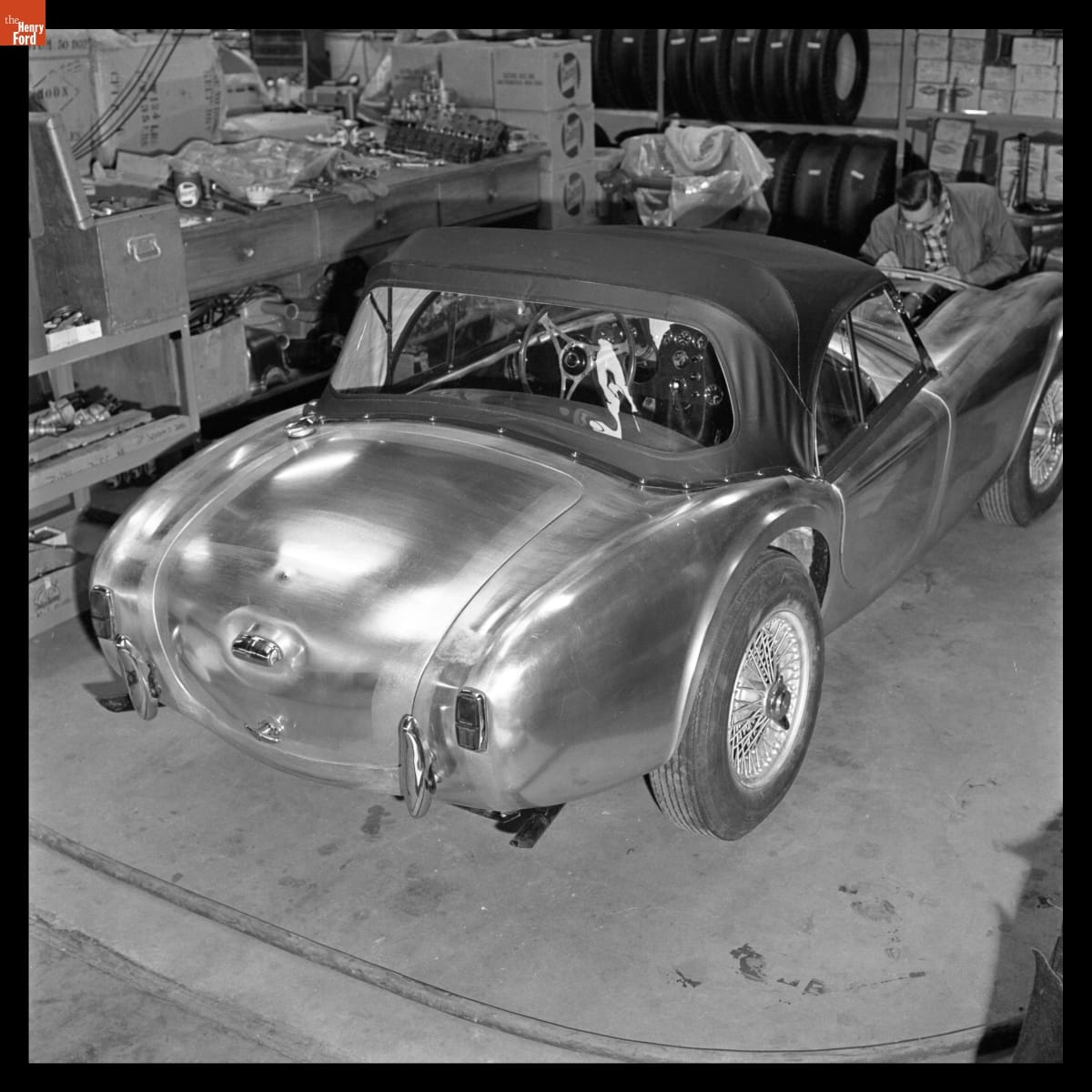
- Assembling the First Shelby Cobra at Dean Moon's Hot Rod Shop in Santa Fe Springs, California, February 1962 - Carroll Shelby took the auto enthusiast world by storm when he pulled the straight-6 engine from a lightweight British AC Ace roadster, replaced it with a Ford V-8, and created the Shelby Cobra. Between the 1962 and 1967 model years, Shelby American produced just under 1,000 Cobras variously equipped with 260-, 289- and 427-cubic-inch Ford engines.
- February 01, 1962
- Collections - Artifact
Assembling the First Shelby Cobra at Dean Moon's Hot Rod Shop in Santa Fe Springs, California, February 1962
Carroll Shelby took the auto enthusiast world by storm when he pulled the straight-6 engine from a lightweight British AC Ace roadster, replaced it with a Ford V-8, and created the Shelby Cobra. Between the 1962 and 1967 model years, Shelby American produced just under 1,000 Cobras variously equipped with 260-, 289- and 427-cubic-inch Ford engines.
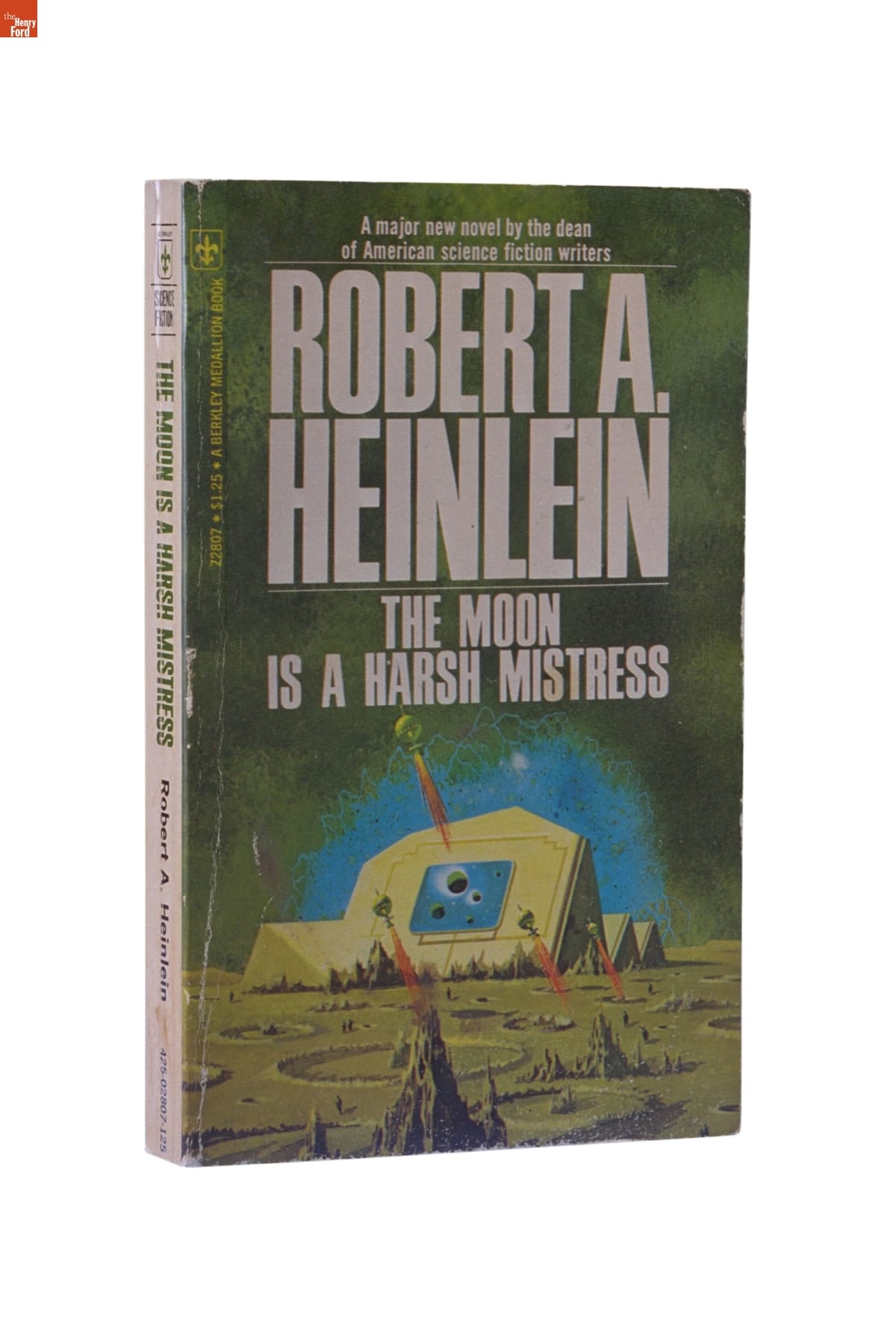
- The Moon Is a Harsh Mistress,1970 -
- 1970
- Collections - Artifact
The Moon Is a Harsh Mistress,1970
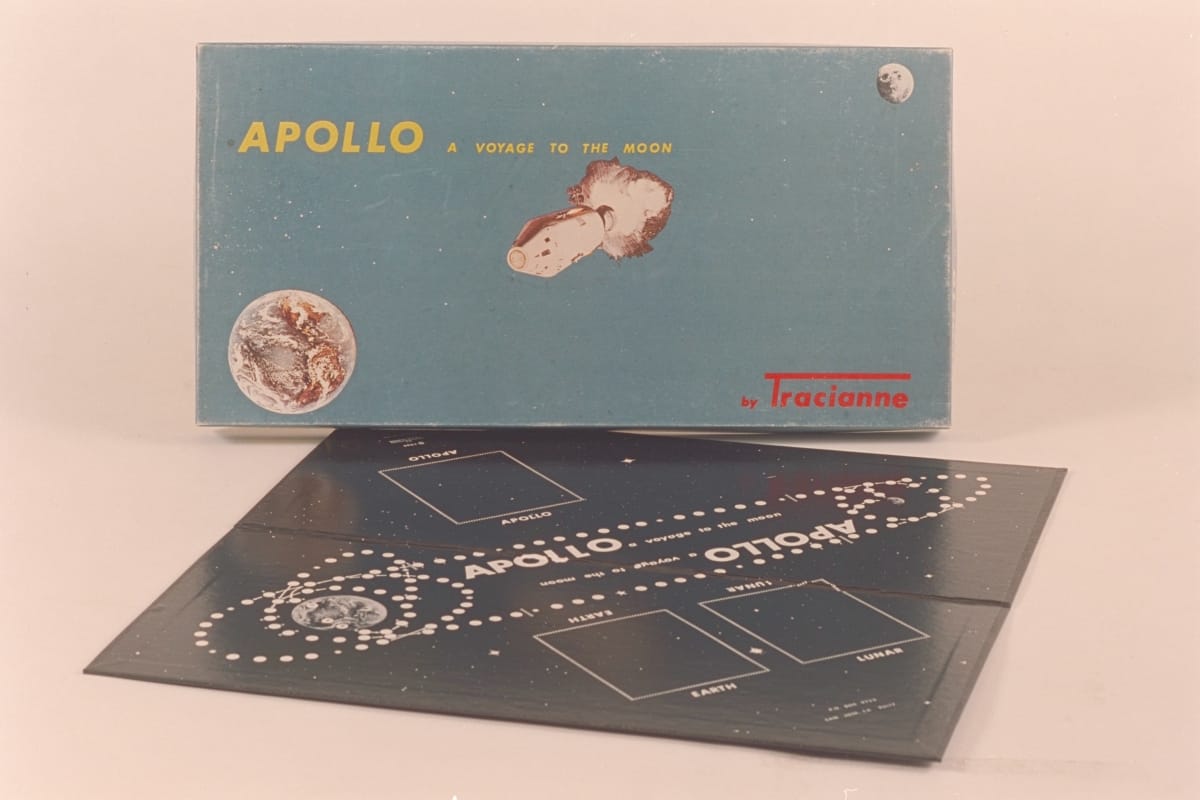
- "Apollo: A Voyage to the Moon" Game, 1969-1975 - On July 20, 1969, American astronauts, Neil Armstrong and Edwin Aldrin, became the first to land on the moon. Players of this moon landing-inspired board game could participate in the extraordinary space adventure of these Apollo 11 astronauts. The object of the game was to be the first to "land" on the moon, collect moon rocks, and return safely to earth.
- 1969-1975
- Collections - Artifact
"Apollo: A Voyage to the Moon" Game, 1969-1975
On July 20, 1969, American astronauts, Neil Armstrong and Edwin Aldrin, became the first to land on the moon. Players of this moon landing-inspired board game could participate in the extraordinary space adventure of these Apollo 11 astronauts. The object of the game was to be the first to "land" on the moon, collect moon rocks, and return safely to earth.
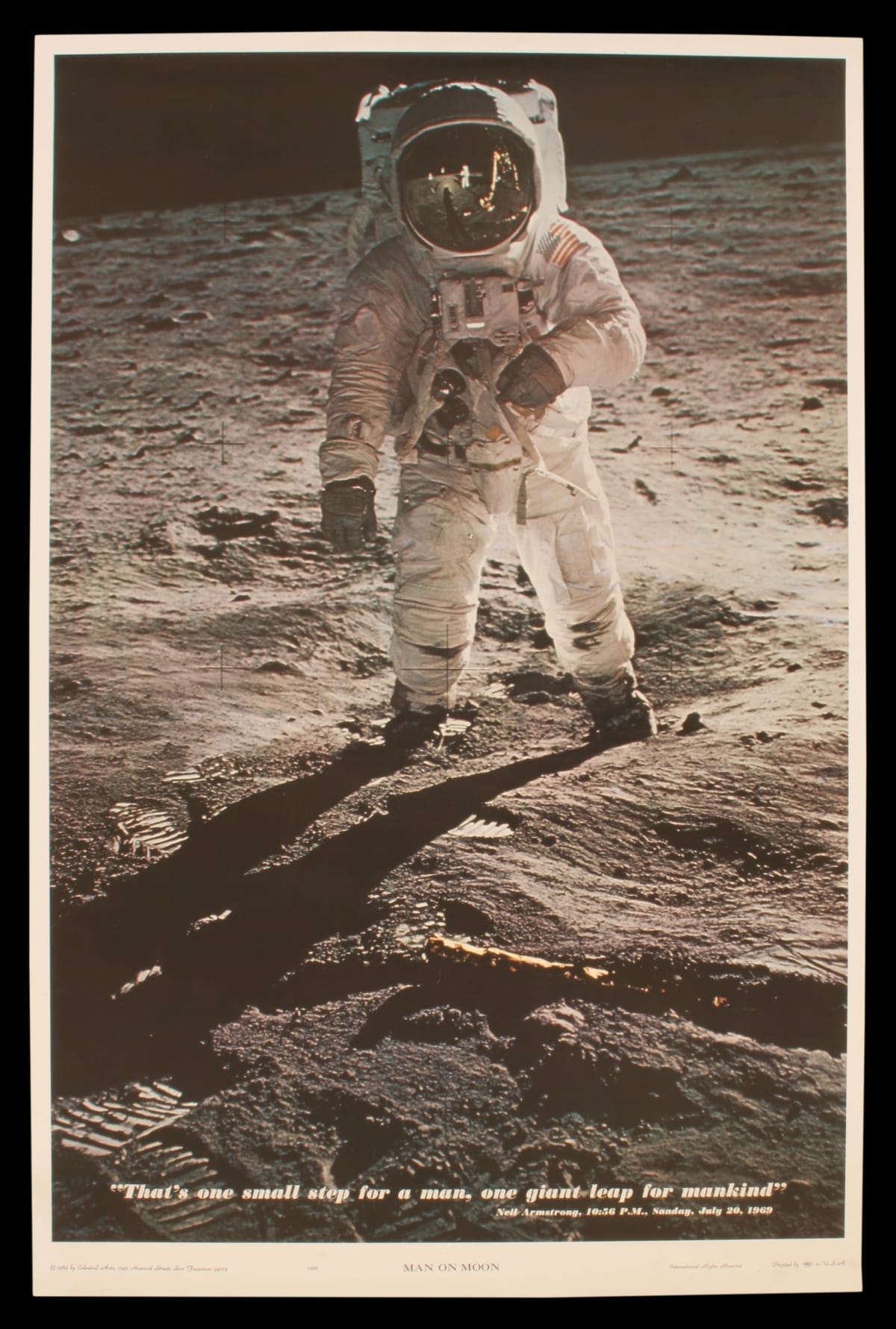
- Commemorative Poster, "That's One Small Step for a Man, One Giant Leap for Mankind," 1969 - This poster depicts Edwin A. "Buzz" Aldrin Jr. walking on the moon's surface, a photo taken by Neil Armstrong. The quote at the bottom contains the line that Armstrong had intended to say on July 20, 1969: "That's one small step for a man, one giant leap for mankind." Instead, his line came out "one small step for man."
- 1969
- Collections - Artifact
Commemorative Poster, "That's One Small Step for a Man, One Giant Leap for Mankind," 1969
This poster depicts Edwin A. "Buzz" Aldrin Jr. walking on the moon's surface, a photo taken by Neil Armstrong. The quote at the bottom contains the line that Armstrong had intended to say on July 20, 1969: "That's one small step for a man, one giant leap for mankind." Instead, his line came out "one small step for man."
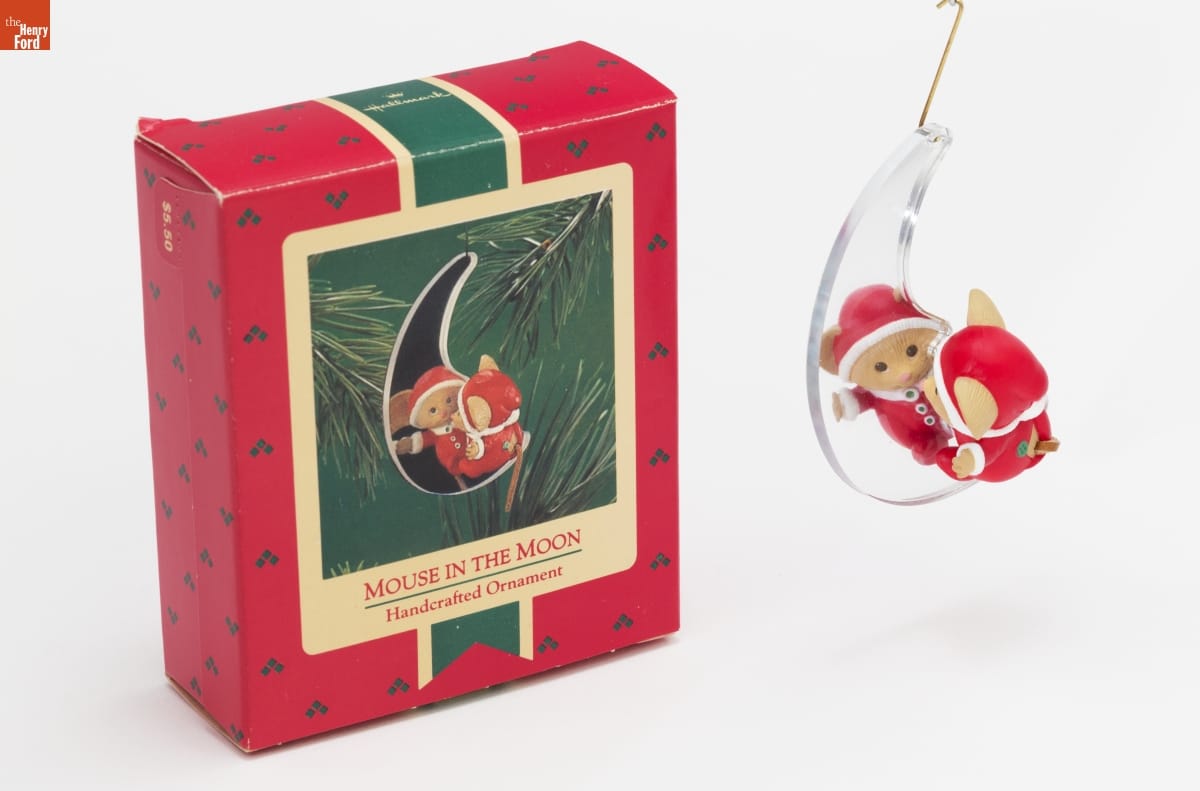
- Hallmark "Mouse in the Moon" Christmas Ornament, 1986 - Already known for greeting cards, Hallmark introduced a line of Christmas ornaments in 1973. The company's annual release of an increasing array of ornaments revolutionized Christmas decorating, appealing to customers' interest in marking memories and milestones as well as expressing one's personality and unique tastes.
- 1986
- Collections - Artifact
Hallmark "Mouse in the Moon" Christmas Ornament, 1986
Already known for greeting cards, Hallmark introduced a line of Christmas ornaments in 1973. The company's annual release of an increasing array of ornaments revolutionized Christmas decorating, appealing to customers' interest in marking memories and milestones as well as expressing one's personality and unique tastes.
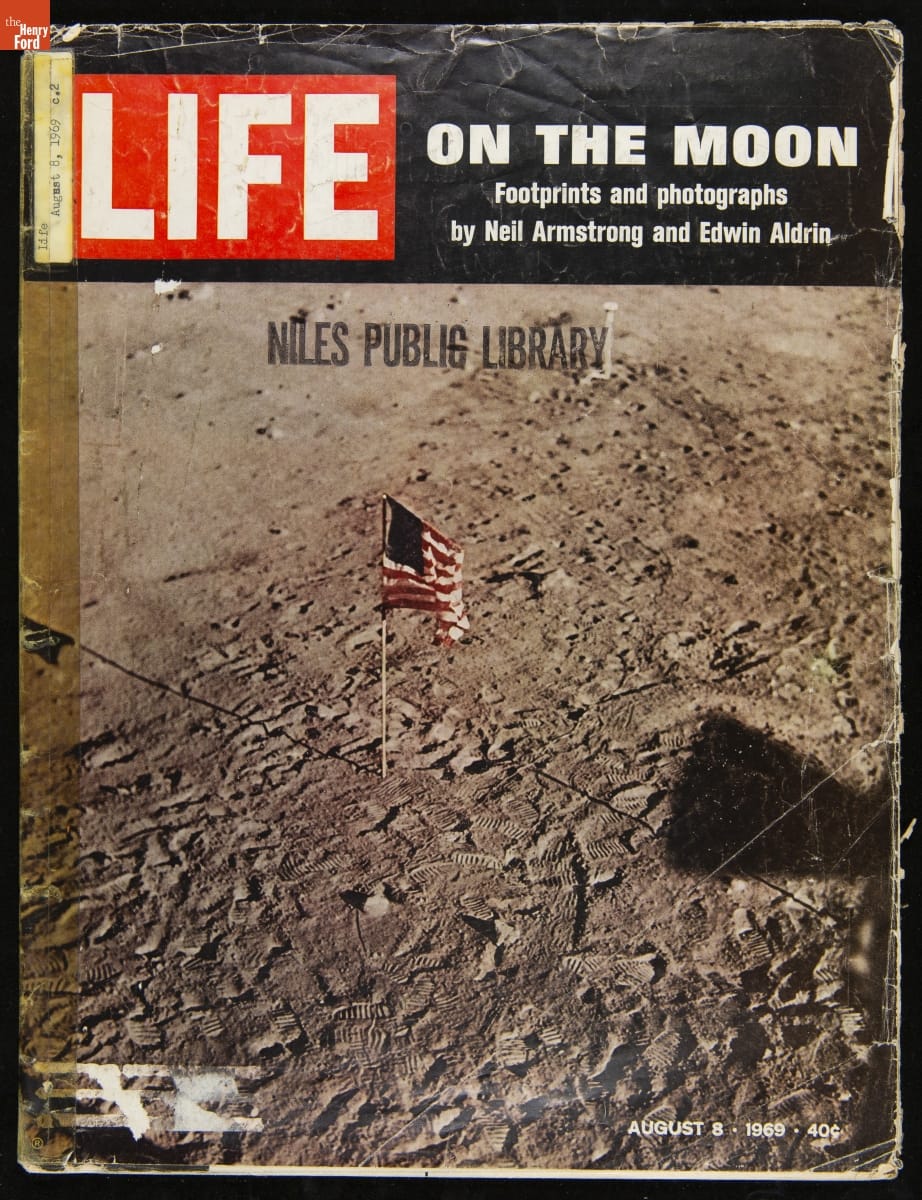
- Life Magazine, "On the Moon," August 8, 1969 - In July 1969, the ambitious plan to land a person on the Moon--laid out by President John F. Kennedy less than a decade earlier--neared reality. Americans eagerly anticipated the Apollo 11 mission, during which astronauts would walk on the Moon. <em>Life</em> magazine produced several issues before and after the event to keep the public informed on this historic undertaking.
- August 08, 1969
- Collections - Artifact
Life Magazine, "On the Moon," August 8, 1969
In July 1969, the ambitious plan to land a person on the Moon--laid out by President John F. Kennedy less than a decade earlier--neared reality. Americans eagerly anticipated the Apollo 11 mission, during which astronauts would walk on the Moon. Life magazine produced several issues before and after the event to keep the public informed on this historic undertaking.
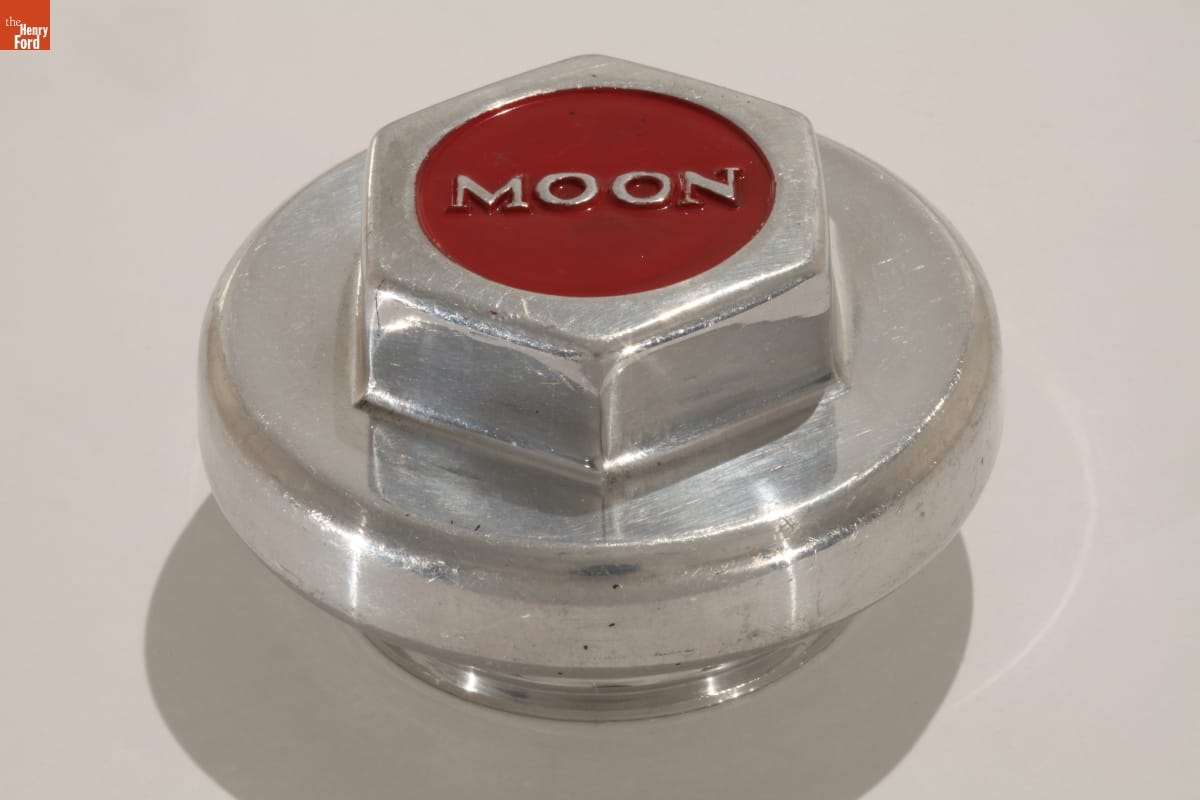
- Moon Hubcap, 1920-1929 - Early automobile wheels had a central hub with a greased wheel bearing. Hub caps kept grease in and dust out. As wheels evolved and hubcaps became functionally unnecessary, they remained important to both manufacturers -- who branded wheel covers with maker names or logos -- and consumers -- who identified with hubcaps as statements about their cars and themselves.
- 1920-1929
- Collections - Artifact
Moon Hubcap, 1920-1929
Early automobile wheels had a central hub with a greased wheel bearing. Hub caps kept grease in and dust out. As wheels evolved and hubcaps became functionally unnecessary, they remained important to both manufacturers -- who branded wheel covers with maker names or logos -- and consumers -- who identified with hubcaps as statements about their cars and themselves.
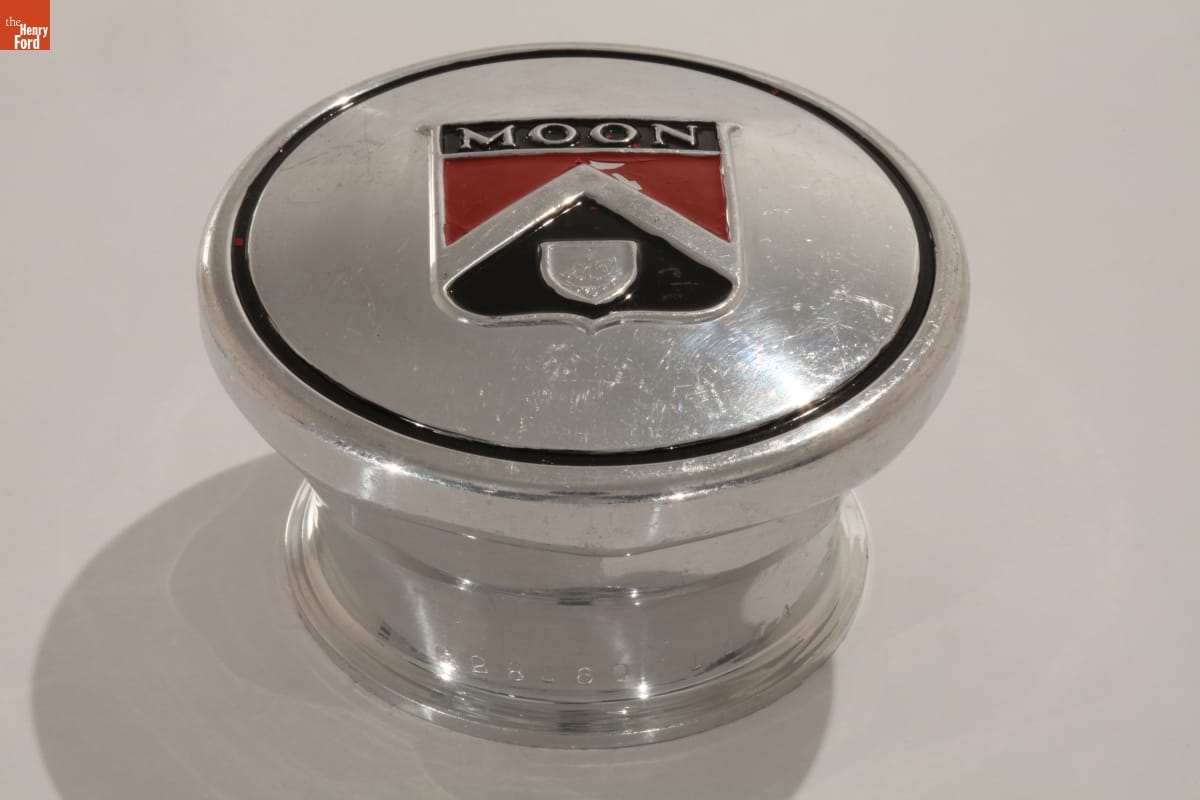
- Moon Hubcap, 1920-1929 - Early automobile wheels had a central hub with a greased wheel bearing. Hub caps kept grease in and dust out. As wheels evolved and hubcaps became functionally unnecessary, they remained important to both manufacturers -- who branded wheel covers with maker names or logos -- and consumers -- who identified with hubcaps as statements about their cars and themselves.
- 1920-1929
- Collections - Artifact
Moon Hubcap, 1920-1929
Early automobile wheels had a central hub with a greased wheel bearing. Hub caps kept grease in and dust out. As wheels evolved and hubcaps became functionally unnecessary, they remained important to both manufacturers -- who branded wheel covers with maker names or logos -- and consumers -- who identified with hubcaps as statements about their cars and themselves.