
Search
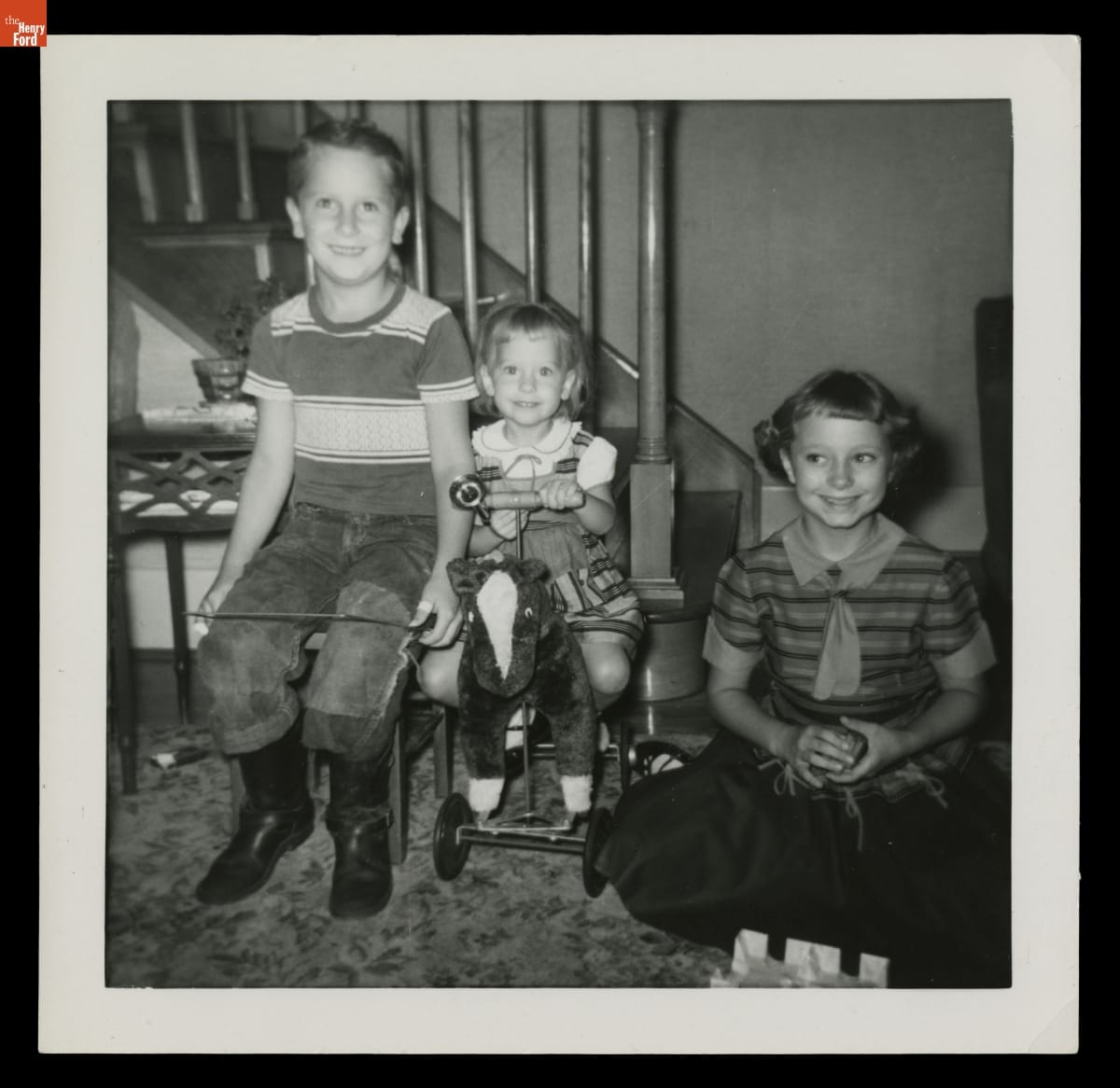
- Children and Their Toys, circa 1955 -
- circa 1955
- Collections - Artifact
Children and Their Toys, circa 1955
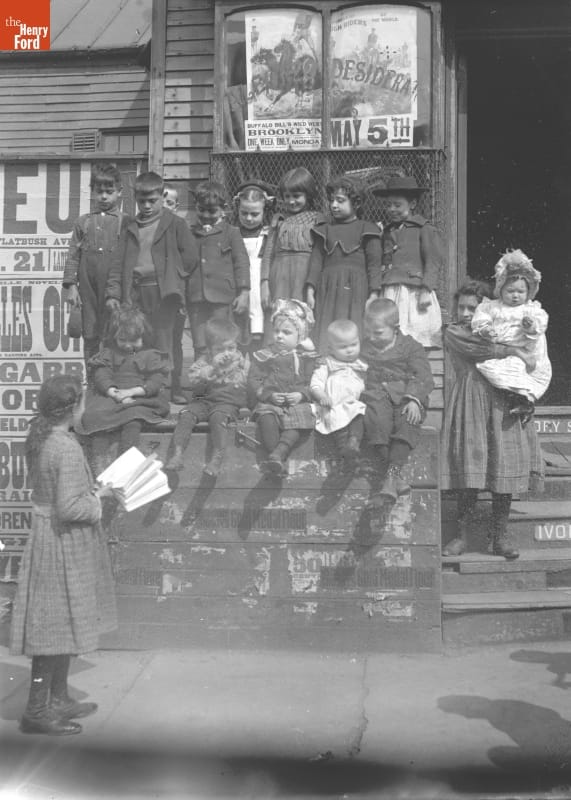
- Children's Games, School, 1902 - In 1890, Jenny Young Chandler, 25 years old and recently widowed, began working for the <EM>New York Herald</EM>. As a photojournalist and feature writer, Chandler captured life in Brooklyn, New York, and vicinity. By 1922, the time of her death, she had produced over 800 glass plate negatives. Her sensitive, insightful photographs depict people from all walks of life and the world in which they lived.
- 1902
- Collections - Artifact
Children's Games, School, 1902
In 1890, Jenny Young Chandler, 25 years old and recently widowed, began working for the New York Herald. As a photojournalist and feature writer, Chandler captured life in Brooklyn, New York, and vicinity. By 1922, the time of her death, she had produced over 800 glass plate negatives. Her sensitive, insightful photographs depict people from all walks of life and the world in which they lived.
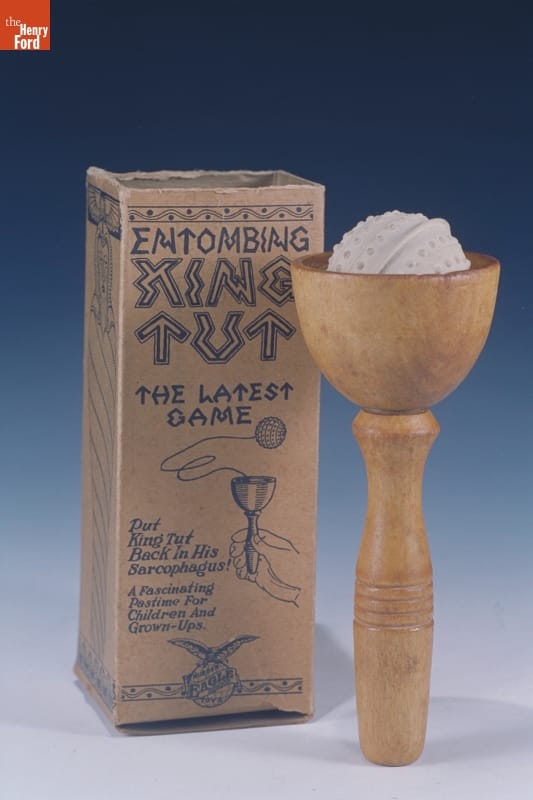
- "Entombing King Tut" Cup & Ball Game, 1920-1940 - The cup and ball is a classic toy that has been played for hundreds of years. Players swing a ball tied to a string and try to catch it in the cup. Clever marketers produced this version housed in a box decorated with Egyptian motifs. The company sought to capitalize on archaeologists' discovery of the tomb of King Tutankhamun in 1922.
- 1920-1940
- Collections - Artifact
"Entombing King Tut" Cup & Ball Game, 1920-1940
The cup and ball is a classic toy that has been played for hundreds of years. Players swing a ball tied to a string and try to catch it in the cup. Clever marketers produced this version housed in a box decorated with Egyptian motifs. The company sought to capitalize on archaeologists' discovery of the tomb of King Tutankhamun in 1922.
- "Park and Shop" Board Game, 1960 - The striking cover on this game shows a typical suburban shopping center of the era, complete with large parking lot. The game contains a game board, 12 markers (6 cars and 6 people), toy money, cards, and dice. The original price, from Gilbert's Hobby Shop, was $2.98.

- 1960
- Collections - Artifact
"Park and Shop" Board Game, 1960
The striking cover on this game shows a typical suburban shopping center of the era, complete with large parking lot. The game contains a game board, 12 markers (6 cars and 6 people), toy money, cards, and dice. The original price, from Gilbert's Hobby Shop, was $2.98.
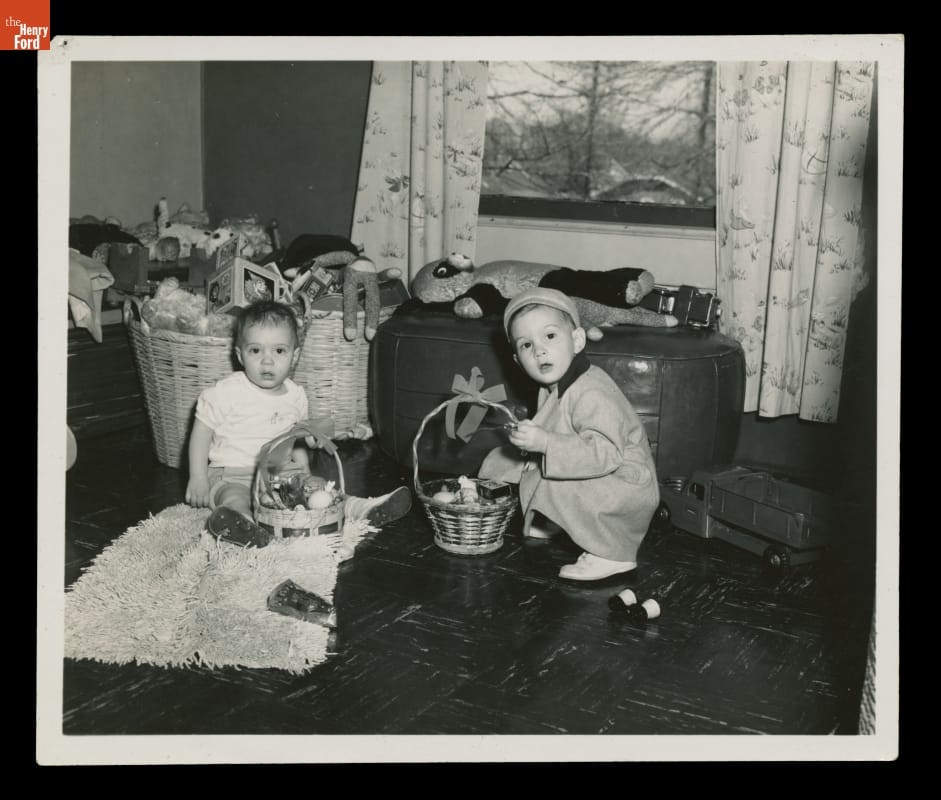
- Two Boys with Easter Baskets and Toys, circa 1955 -
- circa 1955
- Collections - Artifact
Two Boys with Easter Baskets and Toys, circa 1955
- Children's Games, Roly Poly, 1890-1915 - In 1890, Jenny Young Chandler, 25 years old and recently widowed, began working for the <EM>New York Herald</EM>. As a photojournalist and feature writer, Chandler captured life in Brooklyn, New York, and vicinity. By 1922, the time of her death, she had produced over 800 glass plate negatives. Her sensitive, insightful photographs depict people from all walks of life and the world in which they lived.
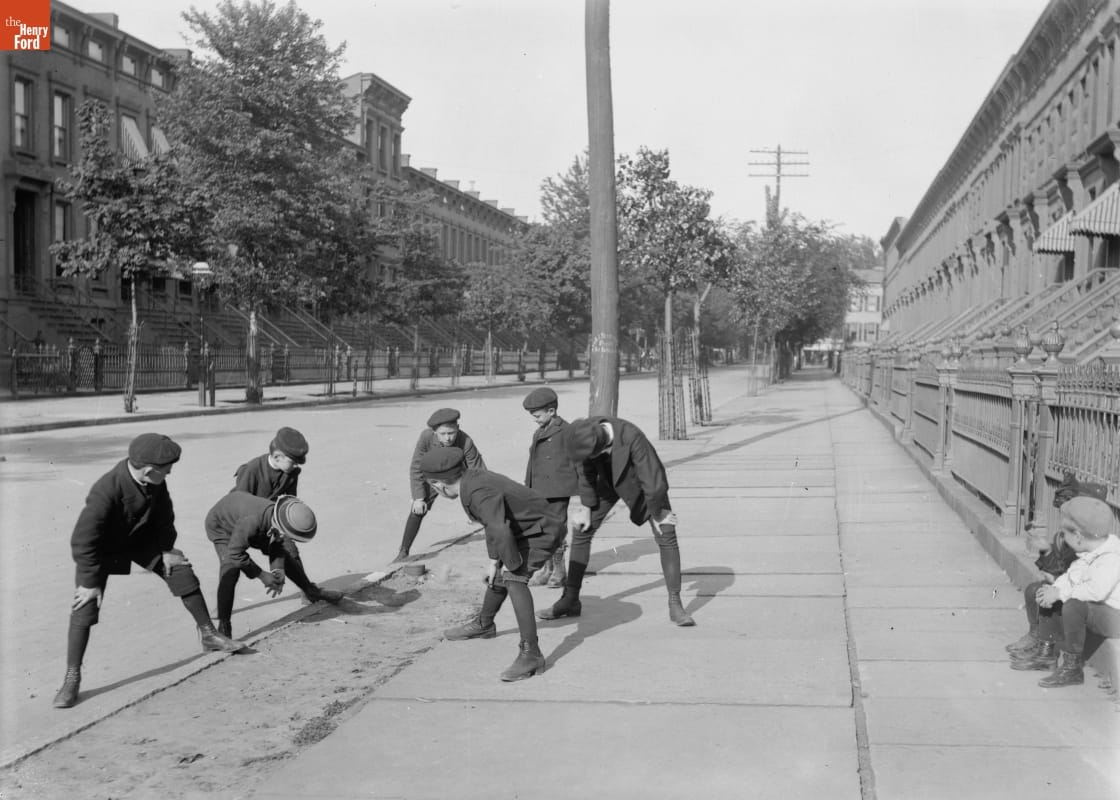
- 1890-1915
- Collections - Artifact
Children's Games, Roly Poly, 1890-1915
In 1890, Jenny Young Chandler, 25 years old and recently widowed, began working for the New York Herald. As a photojournalist and feature writer, Chandler captured life in Brooklyn, New York, and vicinity. By 1922, the time of her death, she had produced over 800 glass plate negatives. Her sensitive, insightful photographs depict people from all walks of life and the world in which they lived.
- Toy Cart and Horse, 1870-1880 -
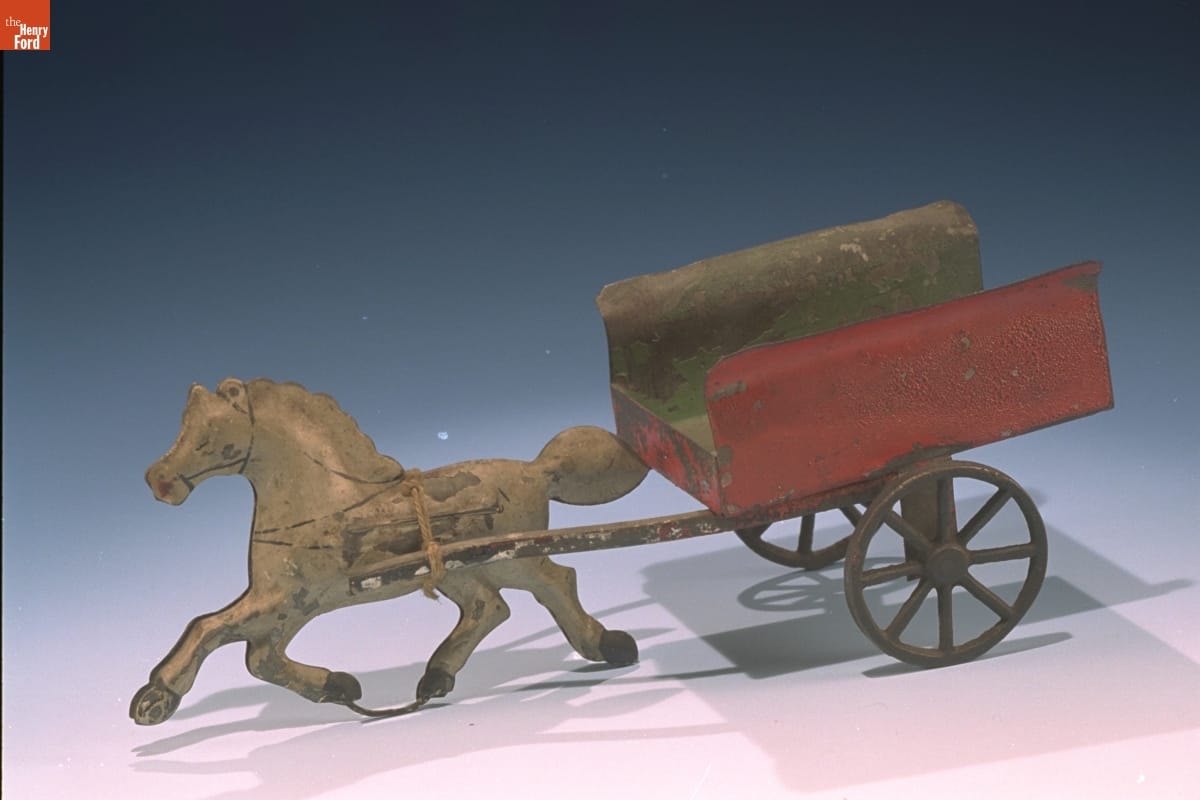
- 1870-1880
- Collections - Artifact
Toy Cart and Horse, 1870-1880
- Fox and Geese Game, 1870-1890 - This marble game poses one fox against 13 geese. The geese move one space at a time, with the goal of surrounding the fox. The fox can capture geese by jumping them one at a time, with the goal of removing enough so he cannot be surrounded.
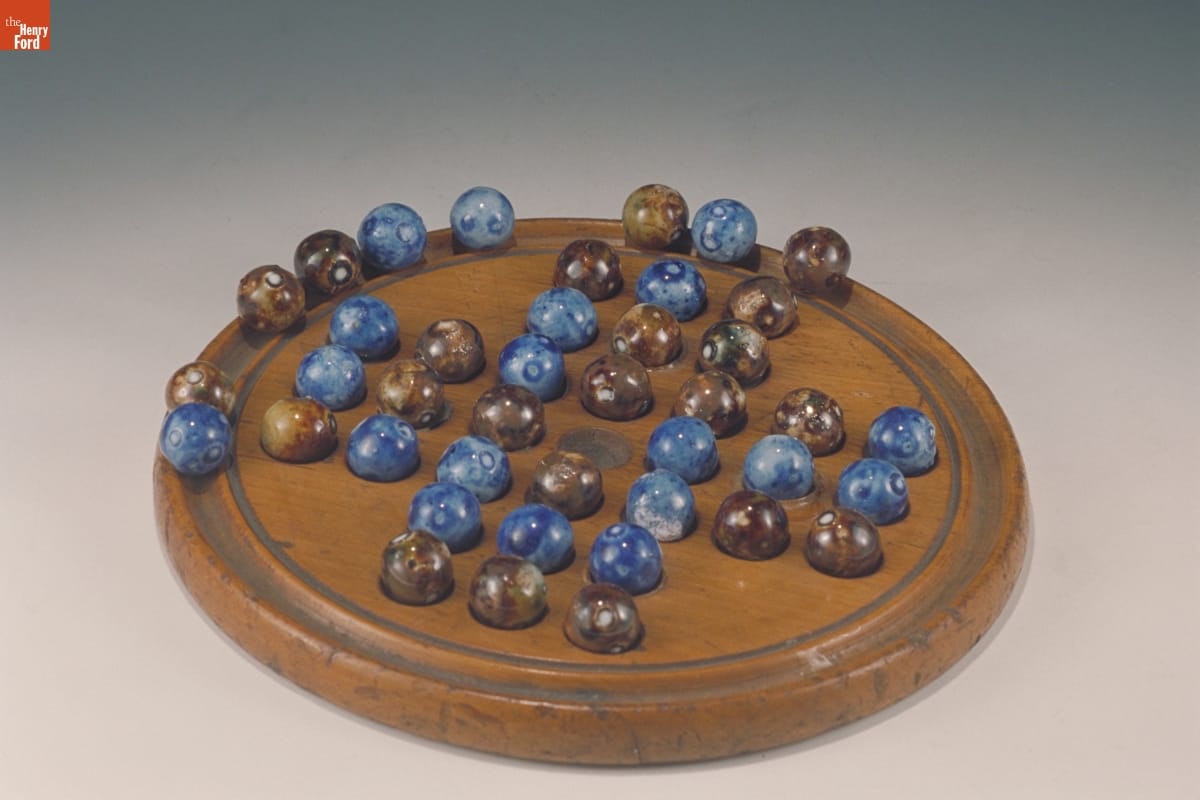
- 1870-1890
- Collections - Artifact
Fox and Geese Game, 1870-1890
This marble game poses one fox against 13 geese. The geese move one space at a time, with the goal of surrounding the fox. The fox can capture geese by jumping them one at a time, with the goal of removing enough so he cannot be surrounded.
- Spill and Spell Dice Game, 1957 - Spill and Spell is competitive. Players take turns spilling fifteen lettered cubes and spelling out words from the upturned letters. Complex scoring requires addition and multiplication skills. The longer the word, the more points, and words that intersect like a crossword puzzle double the score. The first player to earn 300 points wins!
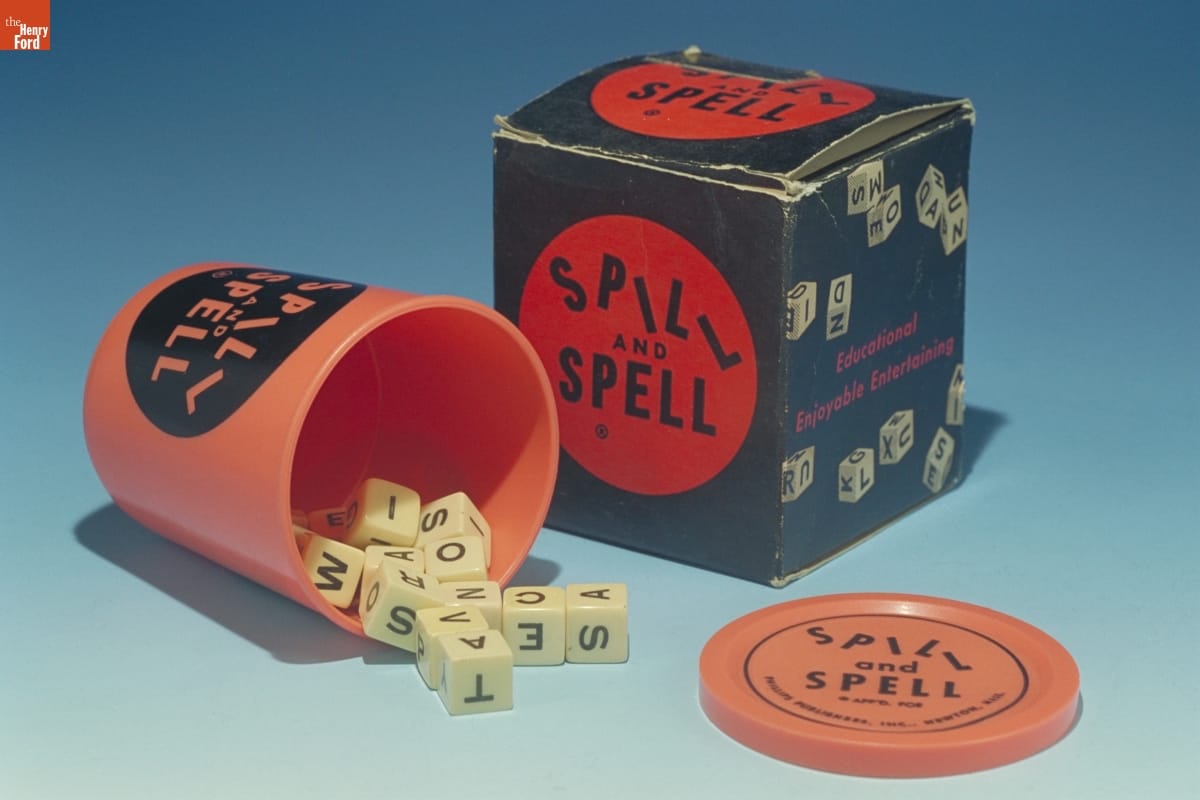
- 1957
- Collections - Artifact
Spill and Spell Dice Game, 1957
Spill and Spell is competitive. Players take turns spilling fifteen lettered cubes and spelling out words from the upturned letters. Complex scoring requires addition and multiplication skills. The longer the word, the more points, and words that intersect like a crossword puzzle double the score. The first player to earn 300 points wins!
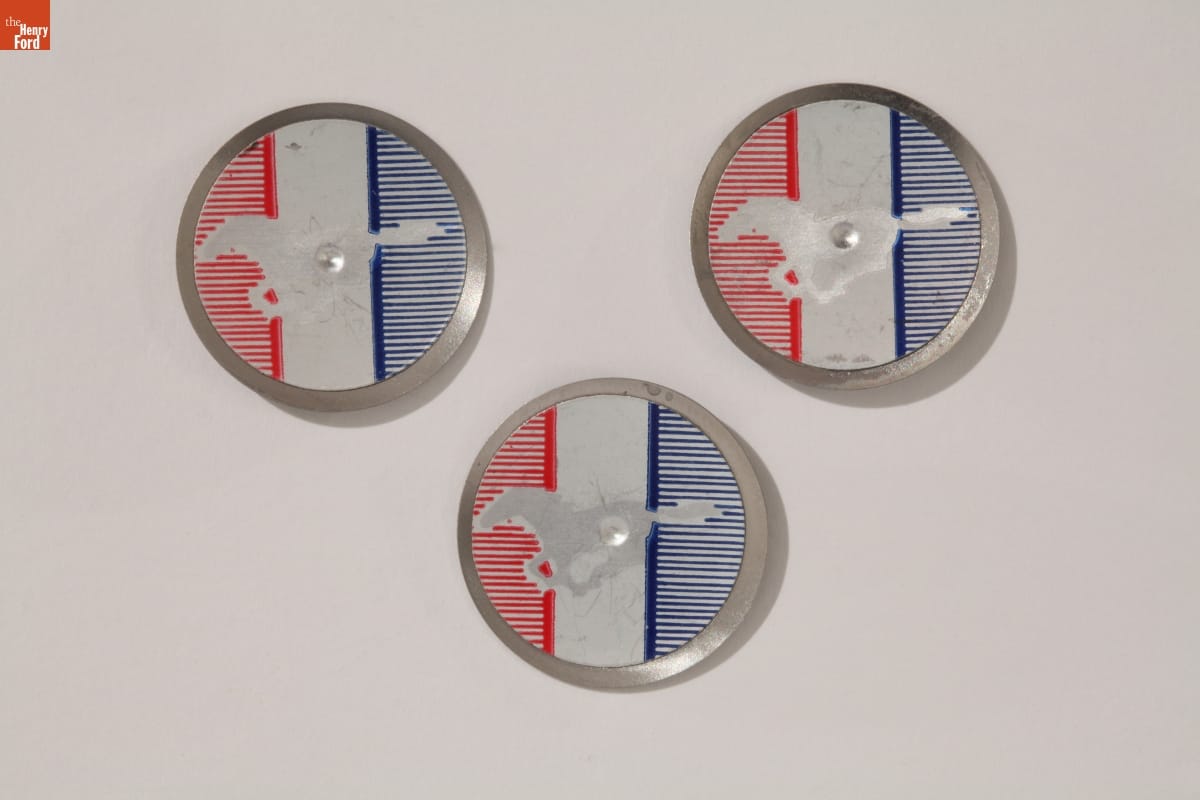
- Ford Mustang Clicker Toys, 1965 - Promotional giveaways can place advertising messages deeper into people's lives than billboards or magazine ads. These noisemakers featuring the Mustang's running horse logo suggest the exhilarating freedom of a wild horse galloping across the plains. Ford dealers handed out the toys to entertain children and entice their parents to purchase one of the brand new Mustangs.
- 1965
- Collections - Artifact
Ford Mustang Clicker Toys, 1965
Promotional giveaways can place advertising messages deeper into people's lives than billboards or magazine ads. These noisemakers featuring the Mustang's running horse logo suggest the exhilarating freedom of a wild horse galloping across the plains. Ford dealers handed out the toys to entertain children and entice their parents to purchase one of the brand new Mustangs.