
Search
- Veterans for Romney Bumper Sticker, 2012 - In the 2012 presidential election, military veterans were a key Republican voting bloc. Mitt Romney, the Republican nominee, targeted the group, citing President Obama's policies that failed to help veterans find employment and Obama's failure to enact needed reforms in the Veteran's Administration. Many veterans agreed. Romney outpolled Obama by 20 percentage points among veterans, though it was not enough to win the White House.

- 2012
- Collections - Artifact
Veterans for Romney Bumper Sticker, 2012
In the 2012 presidential election, military veterans were a key Republican voting bloc. Mitt Romney, the Republican nominee, targeted the group, citing President Obama's policies that failed to help veterans find employment and Obama's failure to enact needed reforms in the Veteran's Administration. Many veterans agreed. Romney outpolled Obama by 20 percentage points among veterans, though it was not enough to win the White House.
- Veterans for Romney Bumper Sticker, 2012 - In the 2012 presidential election, military veterans were a key Republican voting bloc. Mitt Romney, the Republican nominee, targeted the group, citing President Obama's policies that failed to help veterans find employment and Obama's failure to enact needed reforms in the Veteran's Administration. Many veterans agreed. Romney outpolled Obama by 20 percentage points among veterans, though it was not enough to win the White House.

- 2012
- Collections - Artifact
Veterans for Romney Bumper Sticker, 2012
In the 2012 presidential election, military veterans were a key Republican voting bloc. Mitt Romney, the Republican nominee, targeted the group, citing President Obama's policies that failed to help veterans find employment and Obama's failure to enact needed reforms in the Veteran's Administration. Many veterans agreed. Romney outpolled Obama by 20 percentage points among veterans, though it was not enough to win the White House.
- Michigan Disabled Veteran Lighting a Cigarette, 1944 -
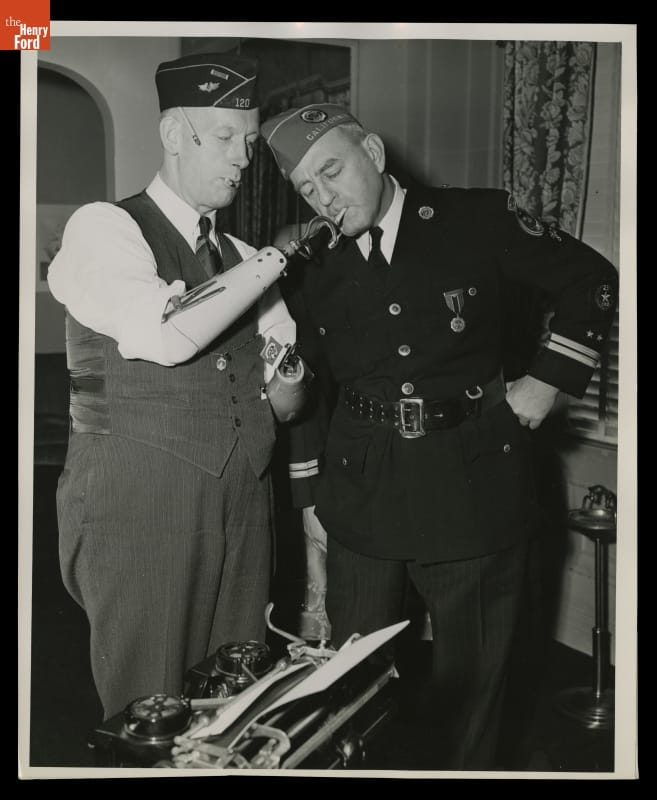
- February 16, 1944
- Collections - Artifact
Michigan Disabled Veteran Lighting a Cigarette, 1944
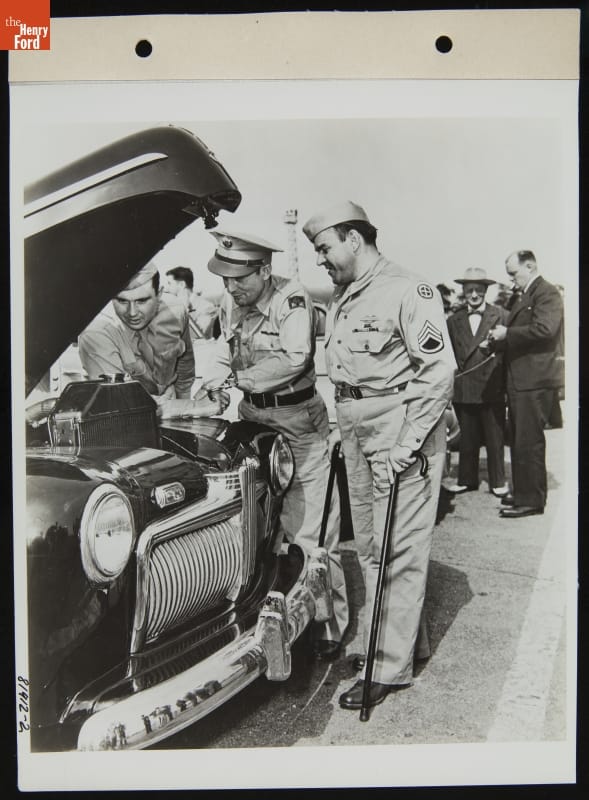
- Disabled Veterans Inspecting Automobile Engine, July 1945 - More than 670,000 American soldiers were wounded in World War II. Many of them returned home with lasting injuries. Ford Motor Company adapted this car with special controls that could be operated by drivers with disabilities.
- July 03, 1945
- Collections - Artifact
Disabled Veterans Inspecting Automobile Engine, July 1945
More than 670,000 American soldiers were wounded in World War II. Many of them returned home with lasting injuries. Ford Motor Company adapted this car with special controls that could be operated by drivers with disabilities.
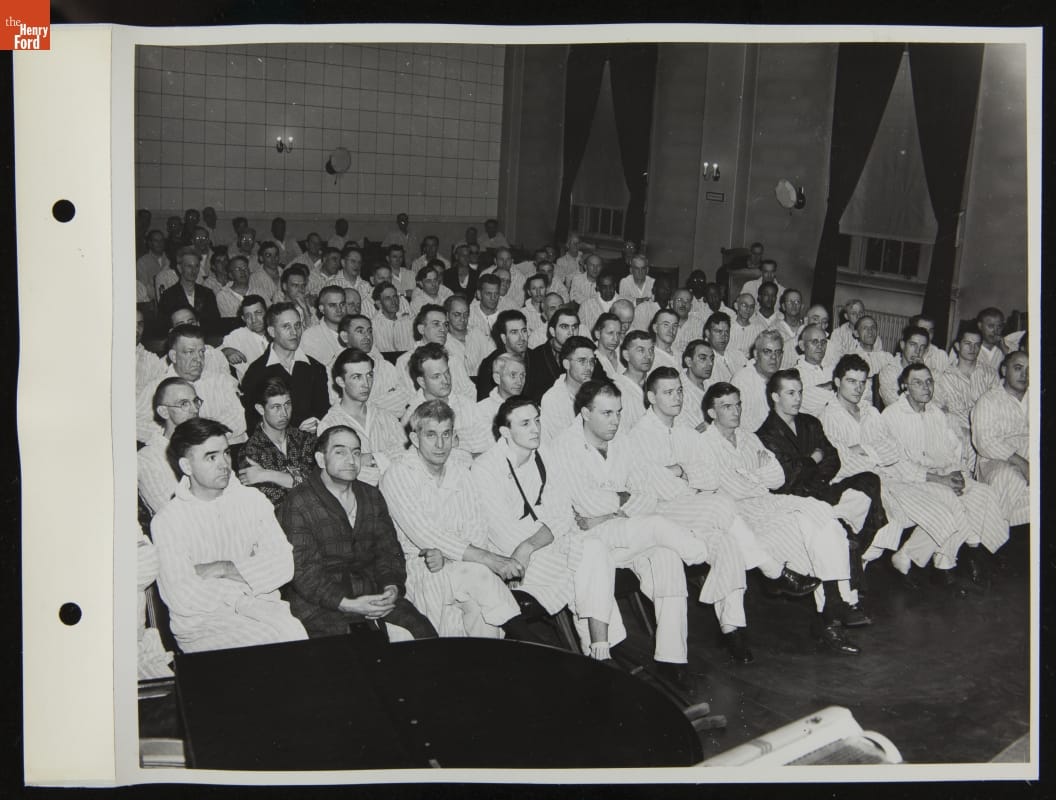
- Assembly of Patients at Veterans Hospital, February 1944 -
- February 16, 1944
- Collections - Artifact
Assembly of Patients at Veterans Hospital, February 1944
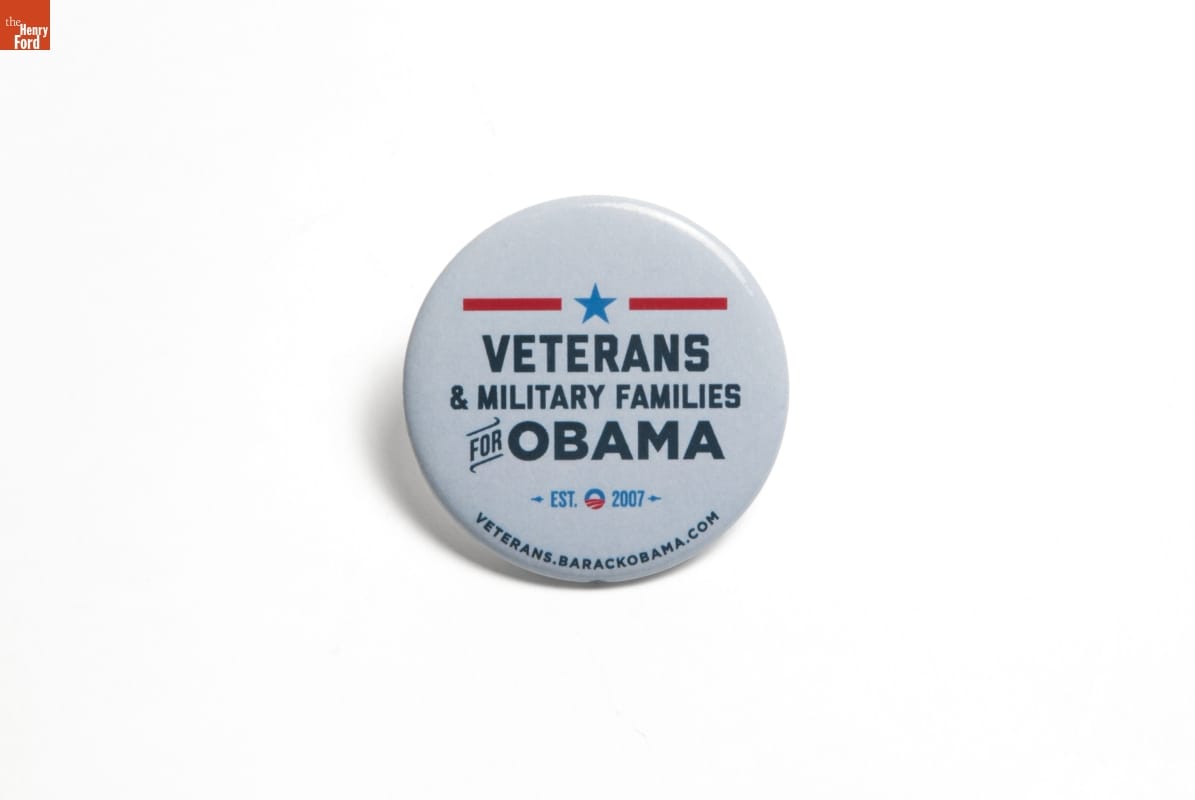
- Veterans & Military Families for Obama Button, 2012 - President Barack Obama was reelected to a second term in 2012. Obama assembled a coalition of African Americans, Latinos, women, blue-collar progressives and other ethnic and economic groups to defeat Mitt Romney, his Republican challenger. Obama's campaign organization created a multitude of buttons to appeal to his diverse political supporters.
- 2012
- Collections - Artifact
Veterans & Military Families for Obama Button, 2012
President Barack Obama was reelected to a second term in 2012. Obama assembled a coalition of African Americans, Latinos, women, blue-collar progressives and other ethnic and economic groups to defeat Mitt Romney, his Republican challenger. Obama's campaign organization created a multitude of buttons to appeal to his diverse political supporters.
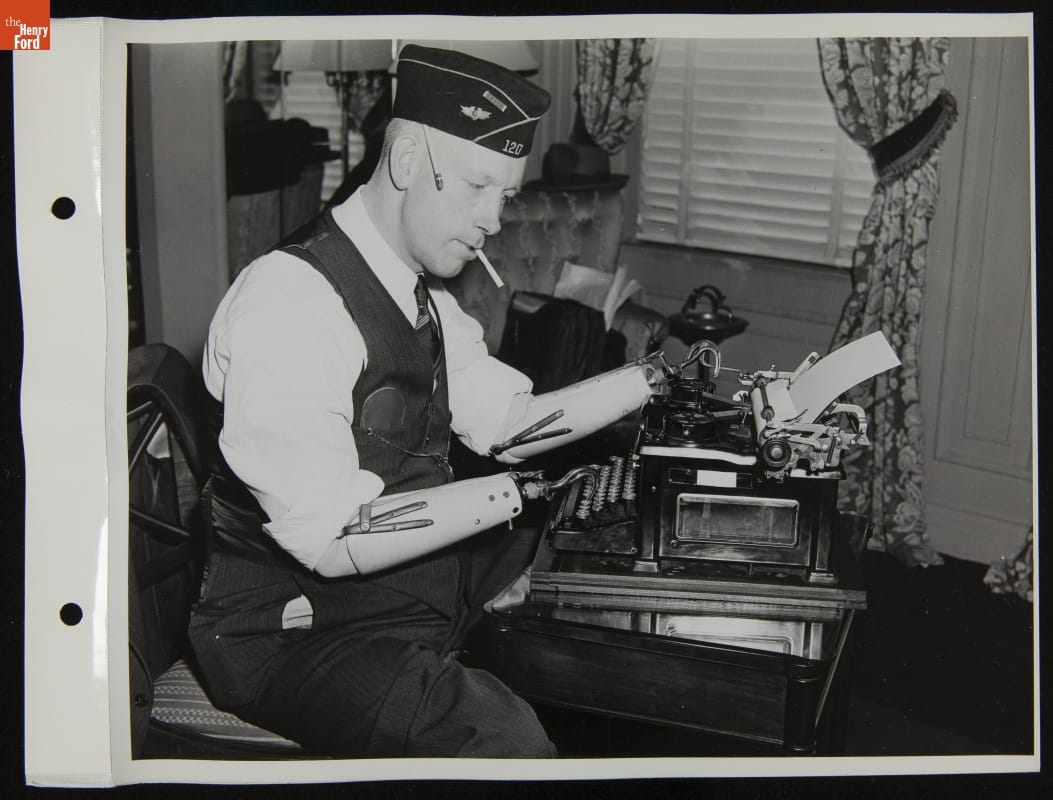
- Disabled Veteran Using a Typewriter, February 1944 -
- February 16, 1944
- Collections - Artifact
Disabled Veteran Using a Typewriter, February 1944
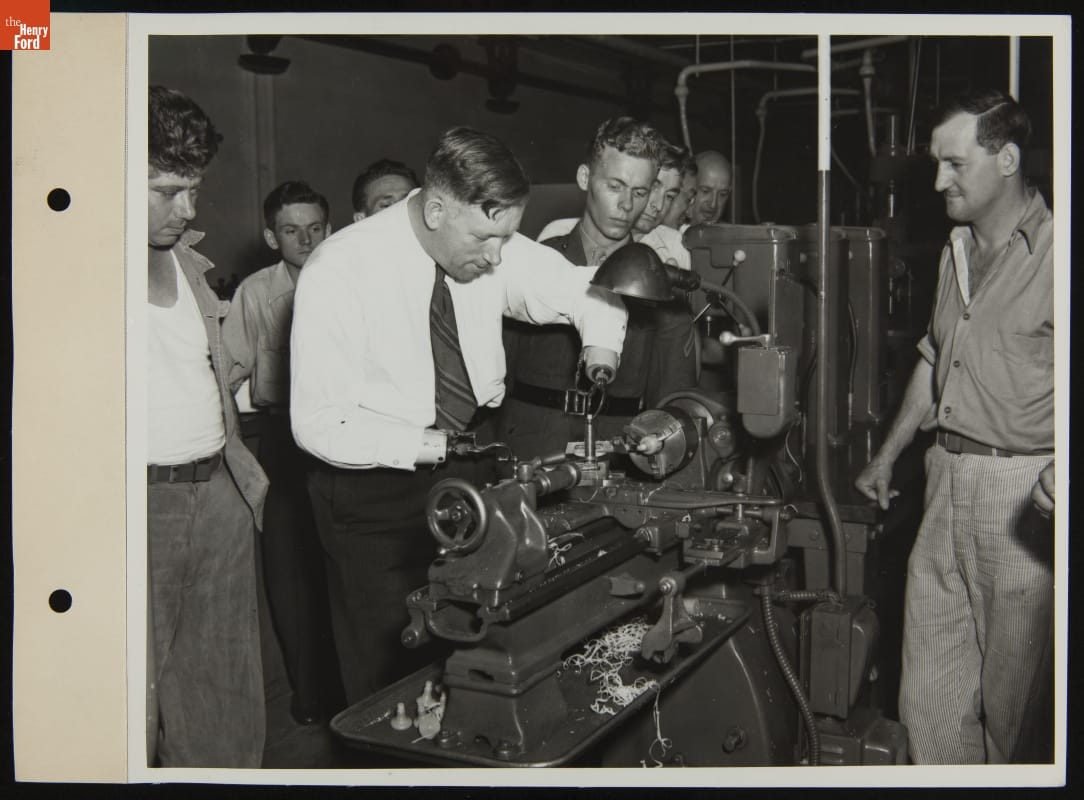
- World War I Veterans Demonstrate Use of Their Artificial Limbs to World War II Veterans at Camp Legion, July 1944 - Henry Ford opened Camp Legion, near Dearborn, Michigan, in 1938 for sons of dead or disabled World War I veterans. The young men earned steady wages working there seasonally from April-November. The camp's mission was modified in 1944 to include rehabilitation of World War II veterans with disabilities. Veterans learned new skills to help them reenter the workforce.
- July 18, 1944
- Collections - Artifact
World War I Veterans Demonstrate Use of Their Artificial Limbs to World War II Veterans at Camp Legion, July 1944
Henry Ford opened Camp Legion, near Dearborn, Michigan, in 1938 for sons of dead or disabled World War I veterans. The young men earned steady wages working there seasonally from April-November. The camp's mission was modified in 1944 to include rehabilitation of World War II veterans with disabilities. Veterans learned new skills to help them reenter the workforce.
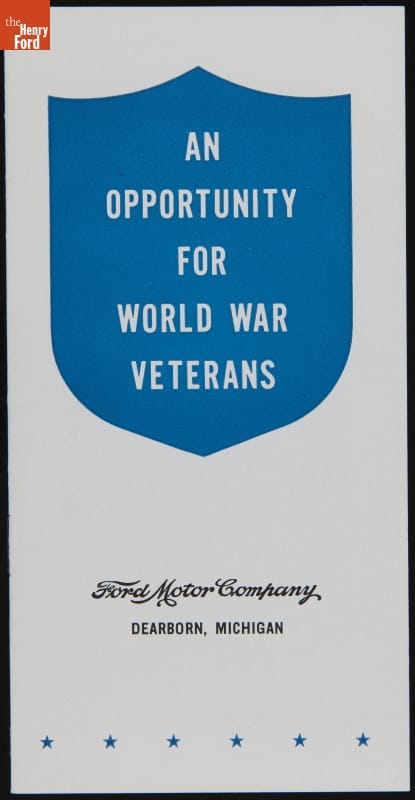
- An Opportunity for World War Veterans, circa 1945 - Following the end of World War II in 1945, hundreds of thousands of men were discharged from the armed forces and ready to reenter the American workforce. Ford Motor Company, in cooperation with its network of dealers and the American Legion, established a recruitment and training program for veterans interested in working at Ford dealerships.
- circa 1945
- Collections - Artifact
An Opportunity for World War Veterans, circa 1945
Following the end of World War II in 1945, hundreds of thousands of men were discharged from the armed forces and ready to reenter the American workforce. Ford Motor Company, in cooperation with its network of dealers and the American Legion, established a recruitment and training program for veterans interested in working at Ford dealerships.
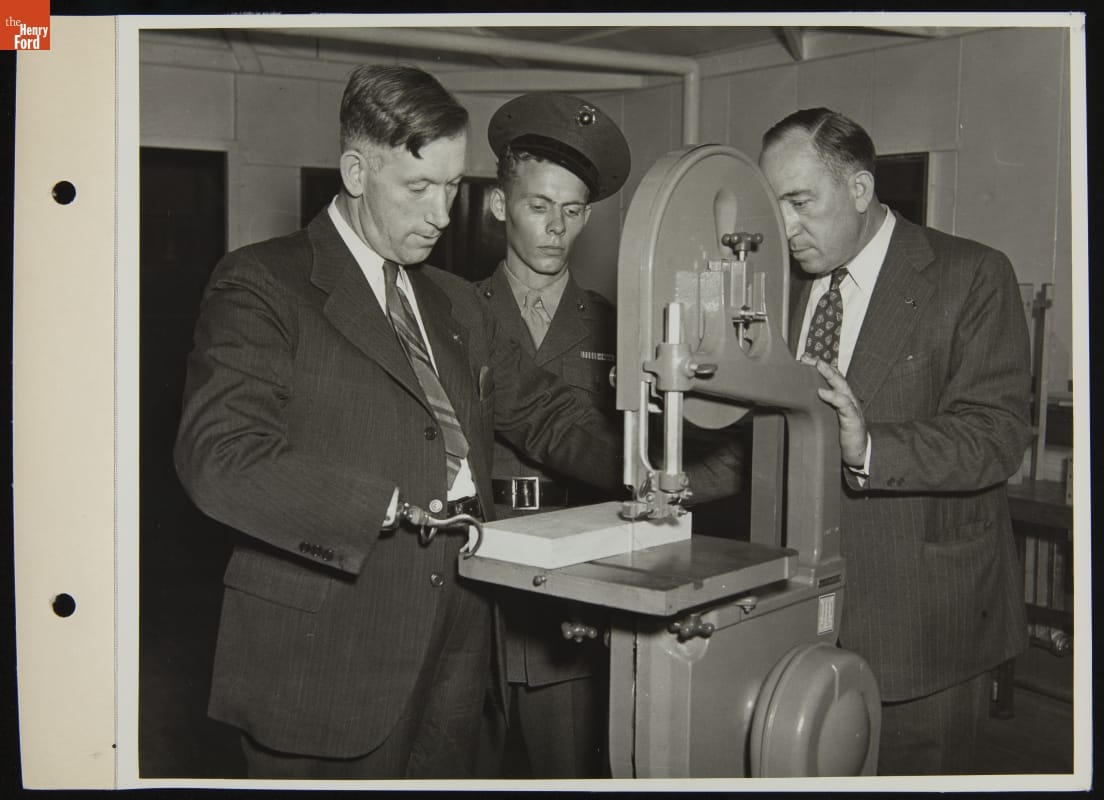
- World War I Veterans Demonstrate Use of Their Artificial Limbs to World War II Veterans at Camp Legion, July 1944 - Henry Ford opened Camp Legion, near Dearborn, Michigan, in 1938 for sons of dead or disabled World War I veterans. The young men earned steady wages working there seasonally from April-November. The camp's mission was modified in 1944 to include rehabilitation of World War II veterans with disabilities. Veterans learned new skills to help them reenter the workforce.
- July 18, 1944
- Collections - Artifact
World War I Veterans Demonstrate Use of Their Artificial Limbs to World War II Veterans at Camp Legion, July 1944
Henry Ford opened Camp Legion, near Dearborn, Michigan, in 1938 for sons of dead or disabled World War I veterans. The young men earned steady wages working there seasonally from April-November. The camp's mission was modified in 1944 to include rehabilitation of World War II veterans with disabilities. Veterans learned new skills to help them reenter the workforce.