
Search
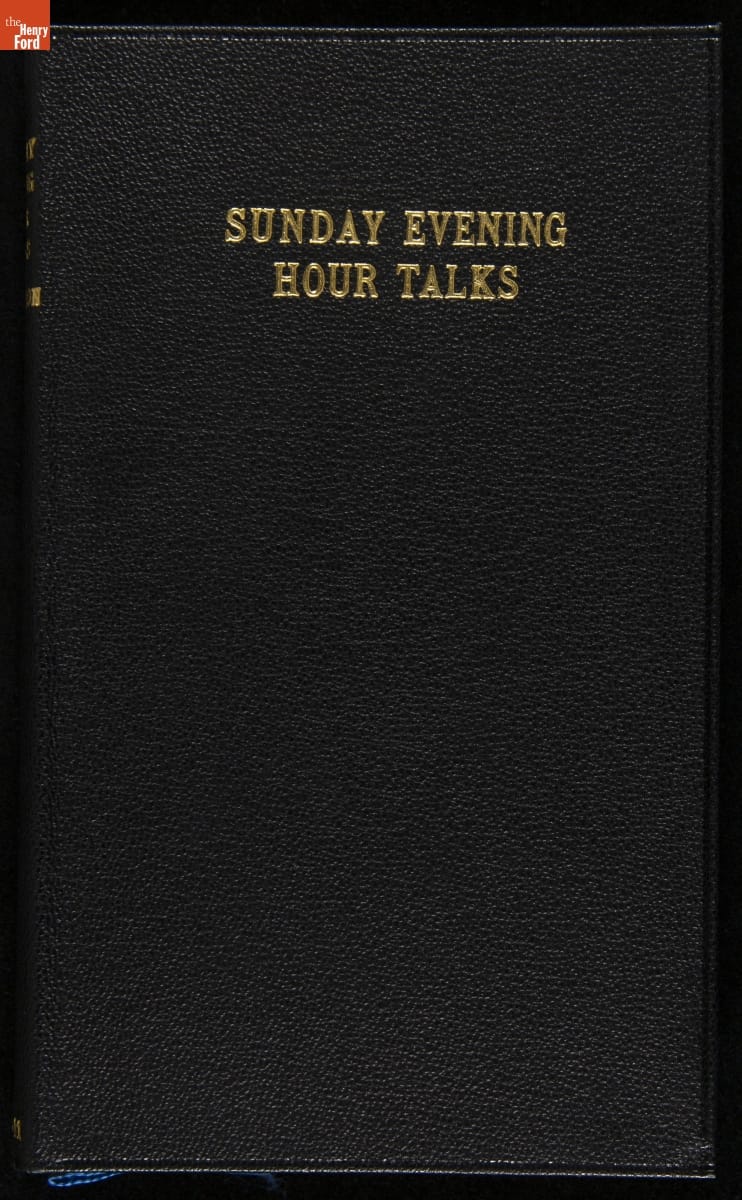
- Talks Given on The Ford Sunday Evening Hour, September 1940-May 1941 - Launched in 1934, the <em>Ford Sunday Evening Hour</em> radio program featured classical music, guest soloists and conductors, and a weekly talk during intermission. Henry Ford asked his friend and advisor William J. Cameron to write and deliver these messages. Cameron, who composed the anti-Semitic articles for <em>The Dearborn Independent</em>, now peddled softer populist views--avoiding extremes and any direct attacks on politicians, ethnic groups, or Wall Street financiers.
- June 01, 1941
- Collections - Artifact
Talks Given on The Ford Sunday Evening Hour, September 1940-May 1941
Launched in 1934, the Ford Sunday Evening Hour radio program featured classical music, guest soloists and conductors, and a weekly talk during intermission. Henry Ford asked his friend and advisor William J. Cameron to write and deliver these messages. Cameron, who composed the anti-Semitic articles for The Dearborn Independent, now peddled softer populist views--avoiding extremes and any direct attacks on politicians, ethnic groups, or Wall Street financiers.
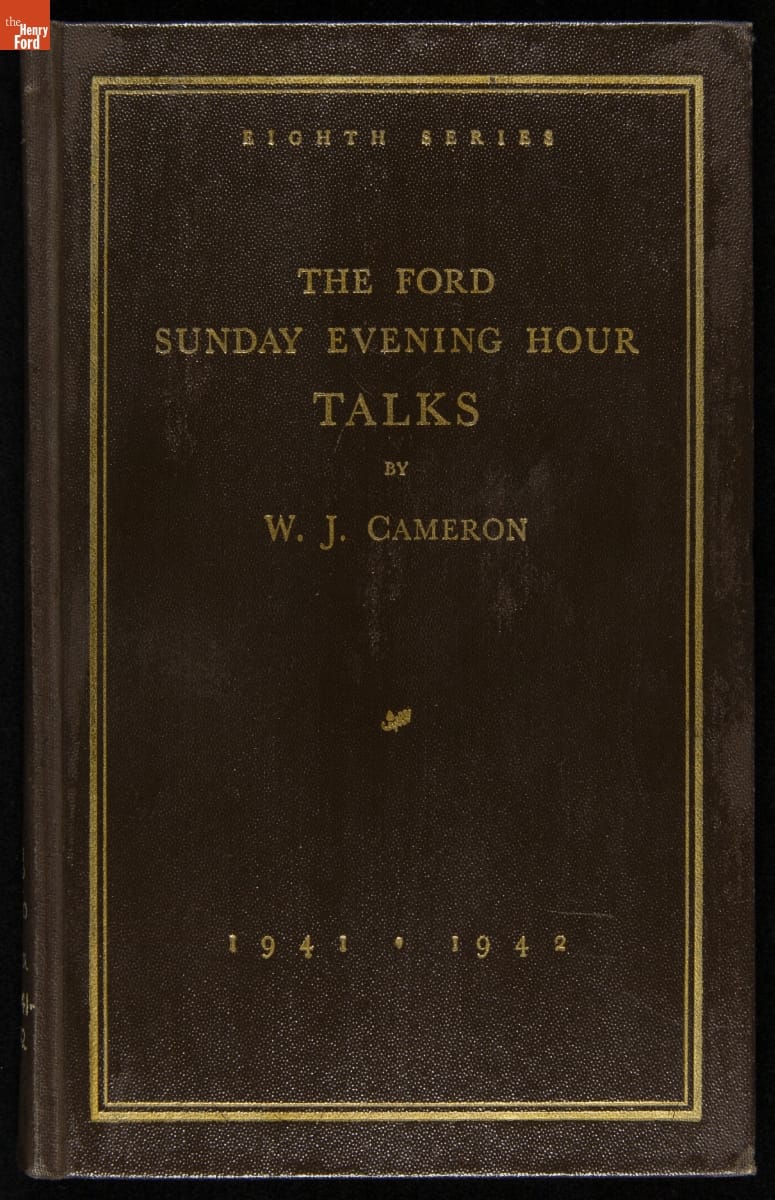
- Talks Given on The Ford Sunday Evening Hour, September 1941-March 1942 - Launched in 1934, the <em>Ford Sunday Evening Hour</em> radio program featured classical music, guest soloists and conductors, and a weekly talk during intermission. Henry Ford asked his friend and advisor William J. Cameron to write and deliver these messages. Cameron, who composed the anti-Semitic articles for <em>The Dearborn Independent</em>, now peddled softer populist views--avoiding extremes and any direct attacks on politicians, ethnic groups, or Wall Street financiers.
- April 01, 1942
- Collections - Artifact
Talks Given on The Ford Sunday Evening Hour, September 1941-March 1942
Launched in 1934, the Ford Sunday Evening Hour radio program featured classical music, guest soloists and conductors, and a weekly talk during intermission. Henry Ford asked his friend and advisor William J. Cameron to write and deliver these messages. Cameron, who composed the anti-Semitic articles for The Dearborn Independent, now peddled softer populist views--avoiding extremes and any direct attacks on politicians, ethnic groups, or Wall Street financiers.
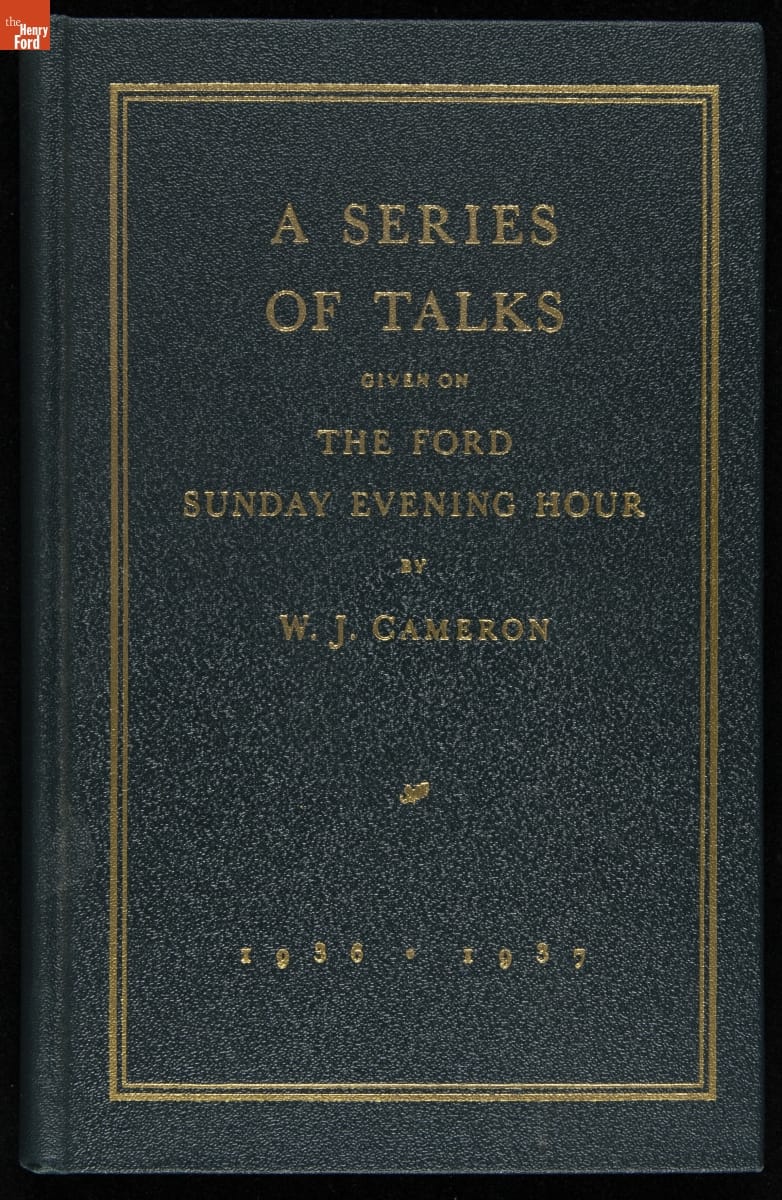
- Talks Given on The Ford Sunday Evening Hour, September 1936-June 1937 - Launched in 1934, the <em>Ford Sunday Evening Hour</em> radio program featured classical music, guest soloists and conductors, and a weekly talk during intermission. Henry Ford asked his friend and advisor William J. Cameron to write and deliver these messages. Cameron, who composed the anti-Semitic articles for <em>The Dearborn Independent</em>, now peddled softer populist views--avoiding extremes and any direct attacks on politicians, ethnic groups, or Wall Street financiers.
- July 01, 1937
- Collections - Artifact
Talks Given on The Ford Sunday Evening Hour, September 1936-June 1937
Launched in 1934, the Ford Sunday Evening Hour radio program featured classical music, guest soloists and conductors, and a weekly talk during intermission. Henry Ford asked his friend and advisor William J. Cameron to write and deliver these messages. Cameron, who composed the anti-Semitic articles for The Dearborn Independent, now peddled softer populist views--avoiding extremes and any direct attacks on politicians, ethnic groups, or Wall Street financiers.
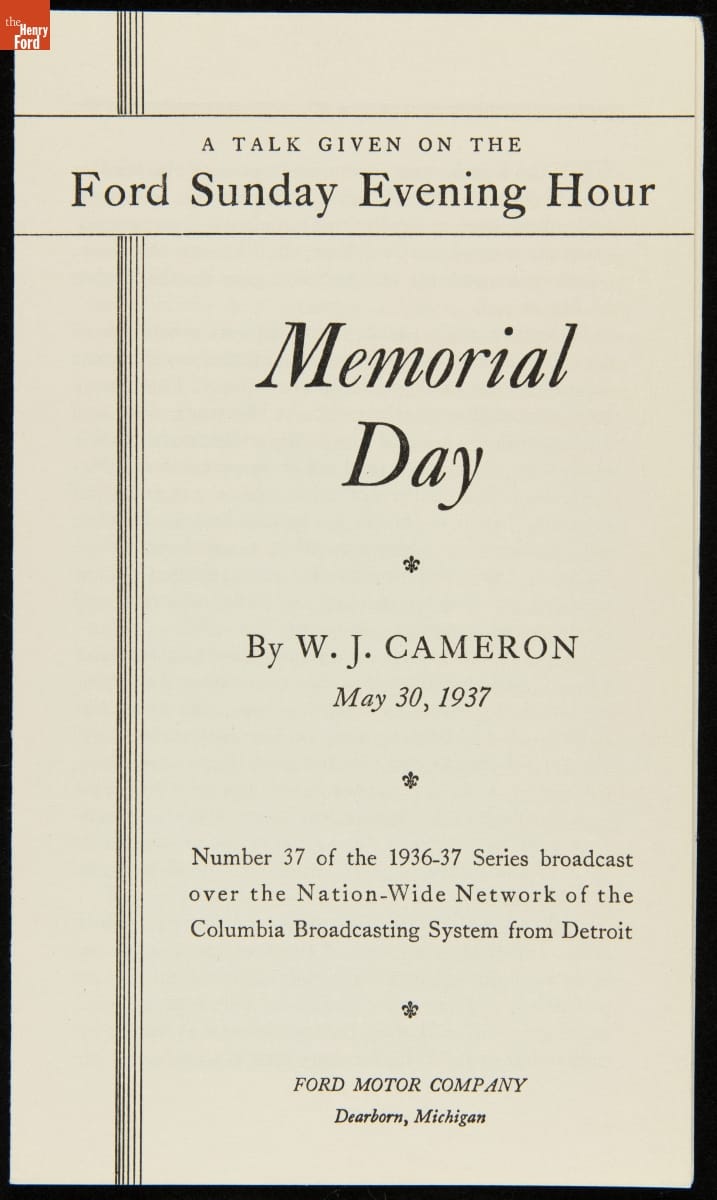
- A Talk Given on the Ford Sunday Evening Hour, "Memorial Day," May 30, 1937 - Launched in 1934, the <em>Ford Sunday Evening Hour</em> radio program featured classical music, guest soloists and conductors, and a weekly talk during intermission. Henry Ford asked his friend and advisor William J. Cameron to write and deliver these messages. Cameron, who composed the anti-Semitic articles for <em>The Dearborn Independent</em>, now peddled softer populist views--avoiding extremes and any direct attacks on politicians, ethnic groups, or Wall Street financiers.
- May 30, 1937
- Collections - Artifact
A Talk Given on the Ford Sunday Evening Hour, "Memorial Day," May 30, 1937
Launched in 1934, the Ford Sunday Evening Hour radio program featured classical music, guest soloists and conductors, and a weekly talk during intermission. Henry Ford asked his friend and advisor William J. Cameron to write and deliver these messages. Cameron, who composed the anti-Semitic articles for The Dearborn Independent, now peddled softer populist views--avoiding extremes and any direct attacks on politicians, ethnic groups, or Wall Street financiers.
- Talks Given on The Ford Sunday Evening Hour, September 1937-June 1938 - Launched in 1934, the <em>Ford Sunday Evening Hour</em> radio program featured classical music, guest soloists and conductors, and a weekly talk during intermission. Henry Ford asked his friend and advisor William J. Cameron to write and deliver these messages. Cameron, who composed the anti-Semitic articles for <em>The Dearborn Independent</em>, now peddled softer populist views--avoiding extremes and any direct attacks on politicians, ethnic groups, or Wall Street financiers.
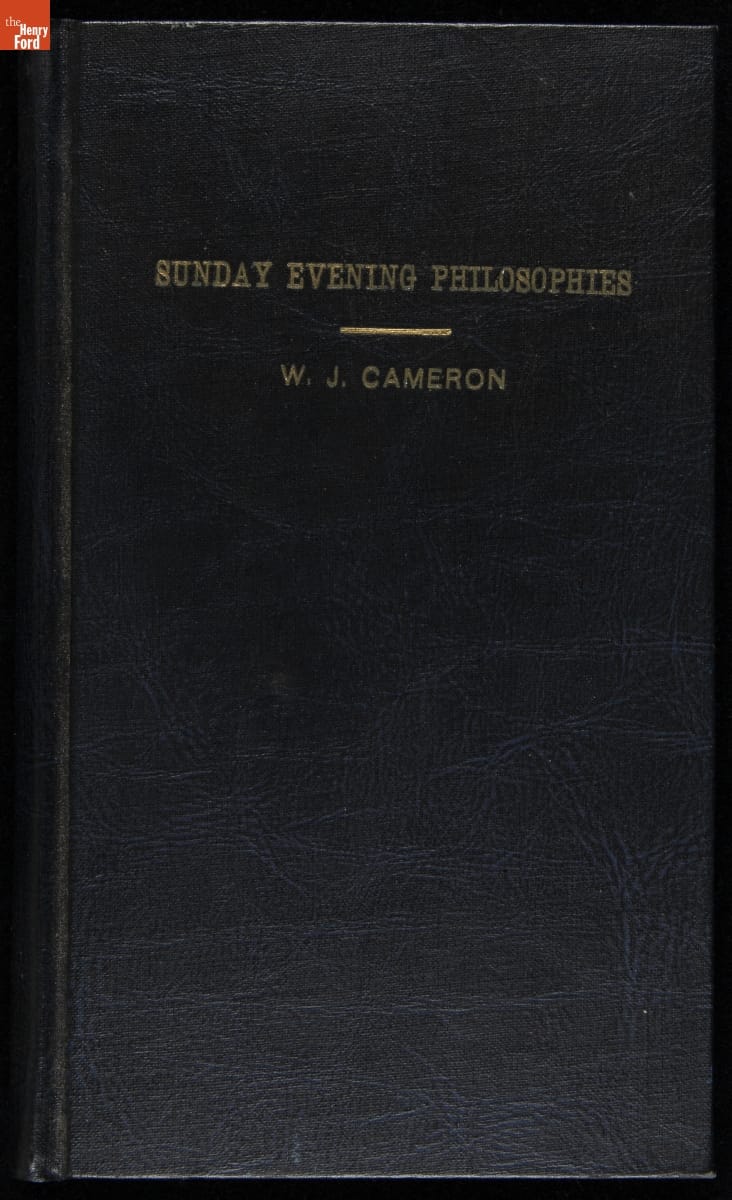
- July 01, 1938
- Collections - Artifact
Talks Given on The Ford Sunday Evening Hour, September 1937-June 1938
Launched in 1934, the Ford Sunday Evening Hour radio program featured classical music, guest soloists and conductors, and a weekly talk during intermission. Henry Ford asked his friend and advisor William J. Cameron to write and deliver these messages. Cameron, who composed the anti-Semitic articles for The Dearborn Independent, now peddled softer populist views--avoiding extremes and any direct attacks on politicians, ethnic groups, or Wall Street financiers.
- Talks Given on The Ford Sunday Evening Hour, September 1939-May 1940 - Launched in 1934, the <em>Ford Sunday Evening Hour</em> radio program featured classical music, guest soloists and conductors, and a weekly talk during intermission. Henry Ford asked his friend and advisor William J. Cameron to write and deliver these messages. Cameron, who composed the anti-Semitic articles for <em>The Dearborn Independent</em>, now peddled softer populist views--avoiding extremes and any direct attacks on politicians, ethnic groups, or Wall Street financiers.
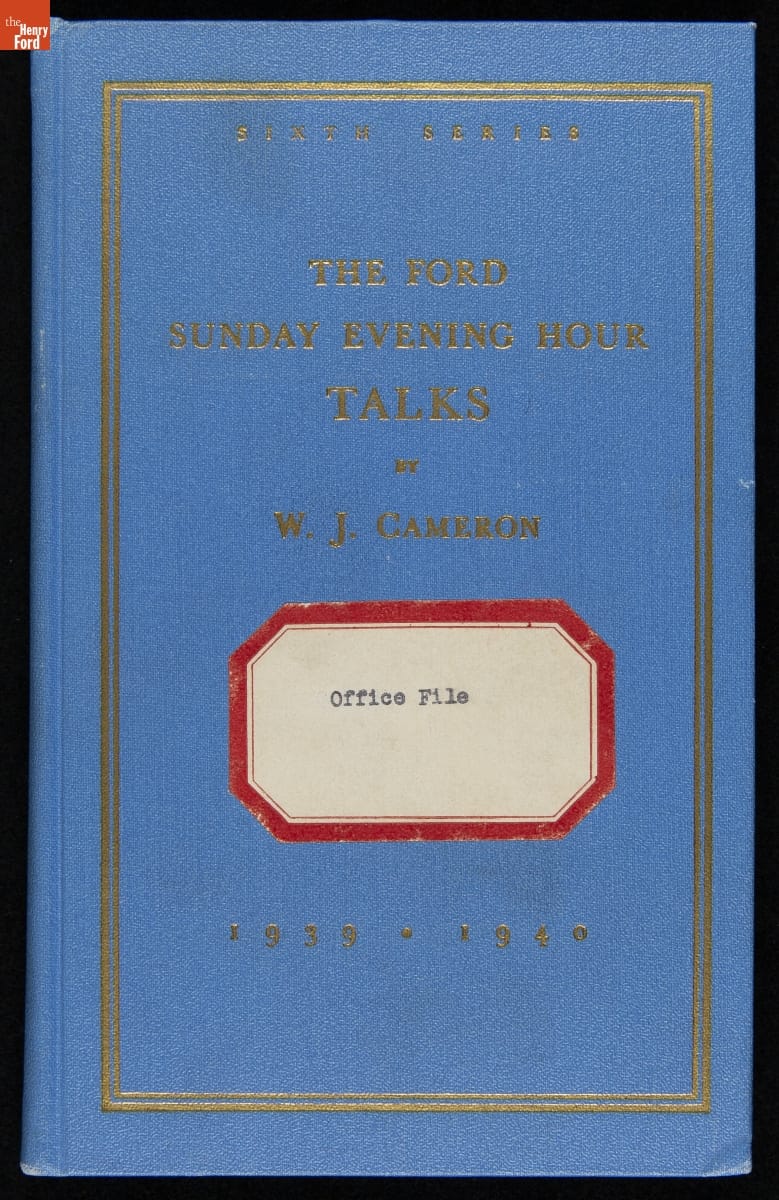
- June 01, 1940
- Collections - Artifact
Talks Given on The Ford Sunday Evening Hour, September 1939-May 1940
Launched in 1934, the Ford Sunday Evening Hour radio program featured classical music, guest soloists and conductors, and a weekly talk during intermission. Henry Ford asked his friend and advisor William J. Cameron to write and deliver these messages. Cameron, who composed the anti-Semitic articles for The Dearborn Independent, now peddled softer populist views--avoiding extremes and any direct attacks on politicians, ethnic groups, or Wall Street financiers.
- Talks Given on the Ford Sunday Evening Hour, October 1934-June 1935 - Launched in 1934, the <em>Ford Sunday Evening Hour</em> radio program featured classical music, guest soloists and conductors, and a weekly talk during intermission. Henry Ford asked his friend and advisor William J. Cameron to write and deliver these messages. Cameron, who composed the anti-Semitic articles for <em>The Dearborn Independent</em>, now peddled softer populist views--avoiding extremes and any direct attacks on politicians, ethnic groups, or Wall Street financiers.
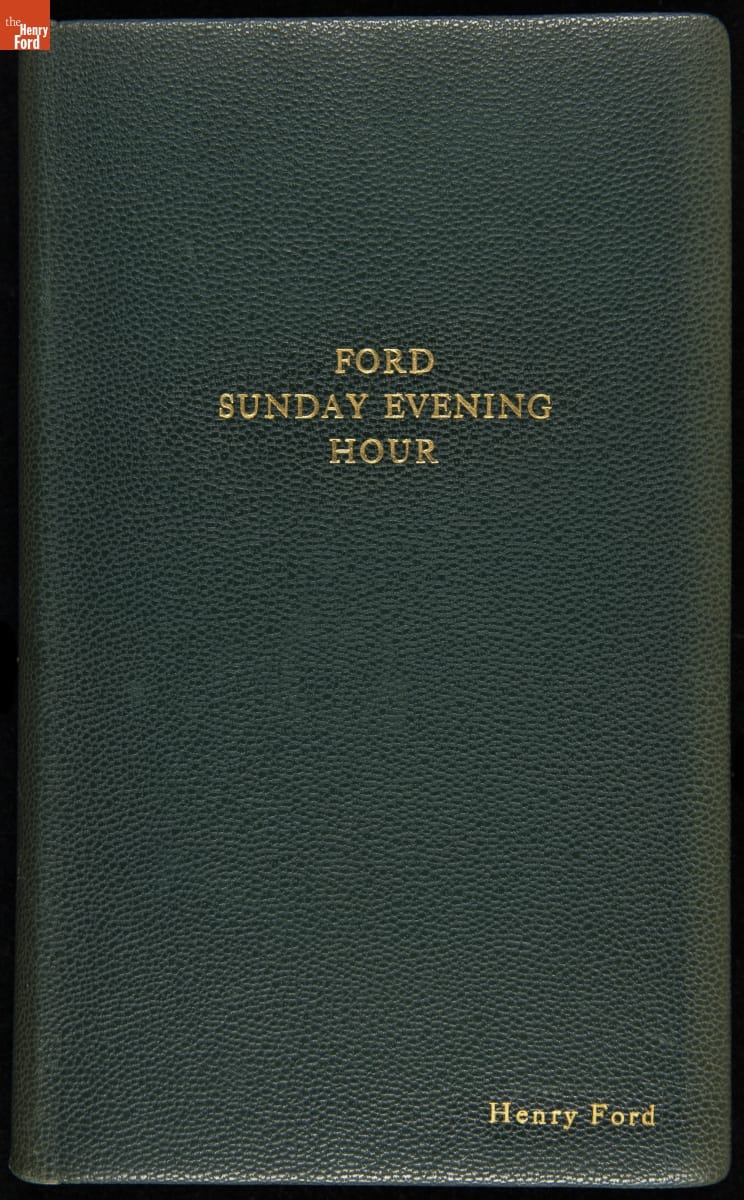
- July 01, 1935
- Collections - Artifact
Talks Given on the Ford Sunday Evening Hour, October 1934-June 1935
Launched in 1934, the Ford Sunday Evening Hour radio program featured classical music, guest soloists and conductors, and a weekly talk during intermission. Henry Ford asked his friend and advisor William J. Cameron to write and deliver these messages. Cameron, who composed the anti-Semitic articles for The Dearborn Independent, now peddled softer populist views--avoiding extremes and any direct attacks on politicians, ethnic groups, or Wall Street financiers.
- Talks Given on The Ford Sunday Evening Hour, September 1935-June 1936 - Launched in 1934, the <em>Ford Sunday Evening Hour</em> radio program featured classical music, guest soloists and conductors, and a weekly talk during intermission. Henry Ford asked his friend and advisor William J. Cameron to write and deliver these messages. Cameron, who composed the anti-Semitic articles for <em>The Dearborn Independent</em>, now peddled softer populist views--avoiding extremes and any direct attacks on politicians, ethnic groups, or Wall Street financiers.
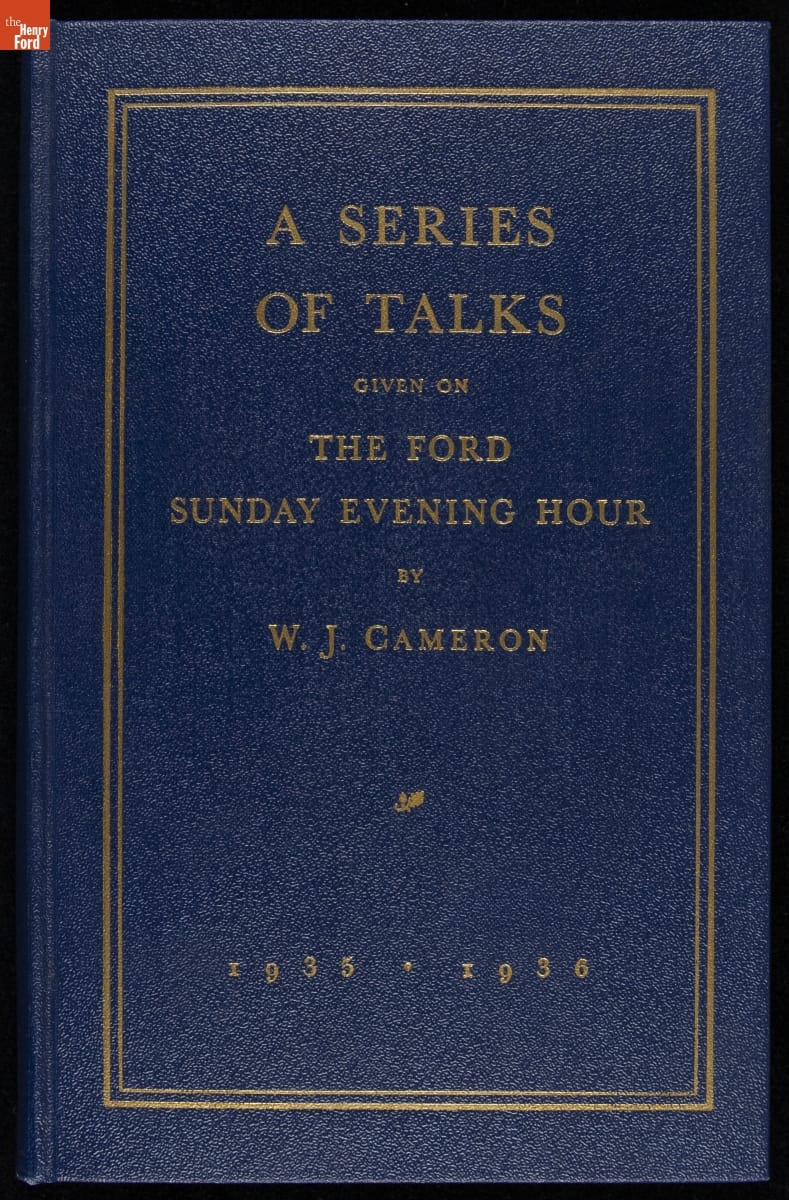
- July 01, 1936
- Collections - Artifact
Talks Given on The Ford Sunday Evening Hour, September 1935-June 1936
Launched in 1934, the Ford Sunday Evening Hour radio program featured classical music, guest soloists and conductors, and a weekly talk during intermission. Henry Ford asked his friend and advisor William J. Cameron to write and deliver these messages. Cameron, who composed the anti-Semitic articles for The Dearborn Independent, now peddled softer populist views--avoiding extremes and any direct attacks on politicians, ethnic groups, or Wall Street financiers.
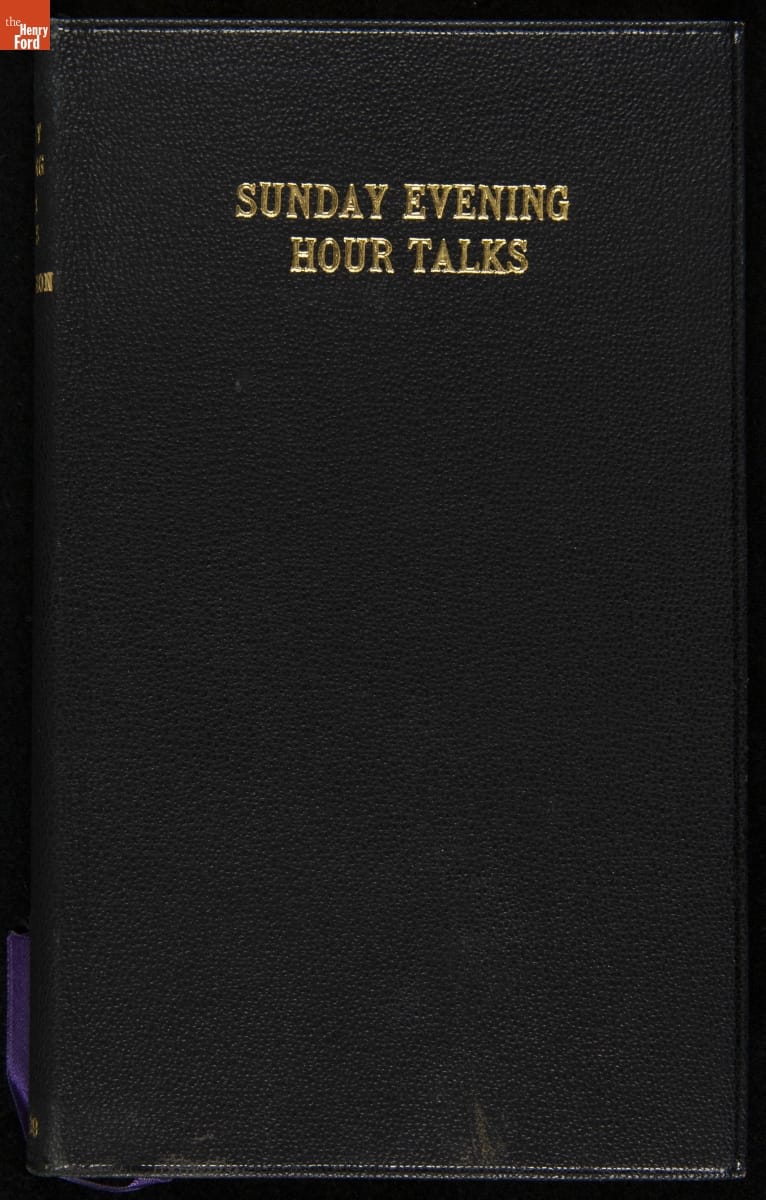
- Talks Given on The Ford Sunday Evening Hour, September 1938-June 1939 - Launched in 1934, the <em>Ford Sunday Evening Hour</em> radio program featured classical music, guest soloists and conductors, and a weekly talk during intermission. Henry Ford asked his friend and advisor William J. Cameron to write and deliver these messages. Cameron, who composed the anti-Semitic articles for <em>The Dearborn Independent</em>, now peddled softer populist views--avoiding extremes and any direct attacks on politicians, ethnic groups, or Wall Street financiers.
- July 01, 1939
- Collections - Artifact
Talks Given on The Ford Sunday Evening Hour, September 1938-June 1939
Launched in 1934, the Ford Sunday Evening Hour radio program featured classical music, guest soloists and conductors, and a weekly talk during intermission. Henry Ford asked his friend and advisor William J. Cameron to write and deliver these messages. Cameron, who composed the anti-Semitic articles for The Dearborn Independent, now peddled softer populist views--avoiding extremes and any direct attacks on politicians, ethnic groups, or Wall Street financiers.