
Search
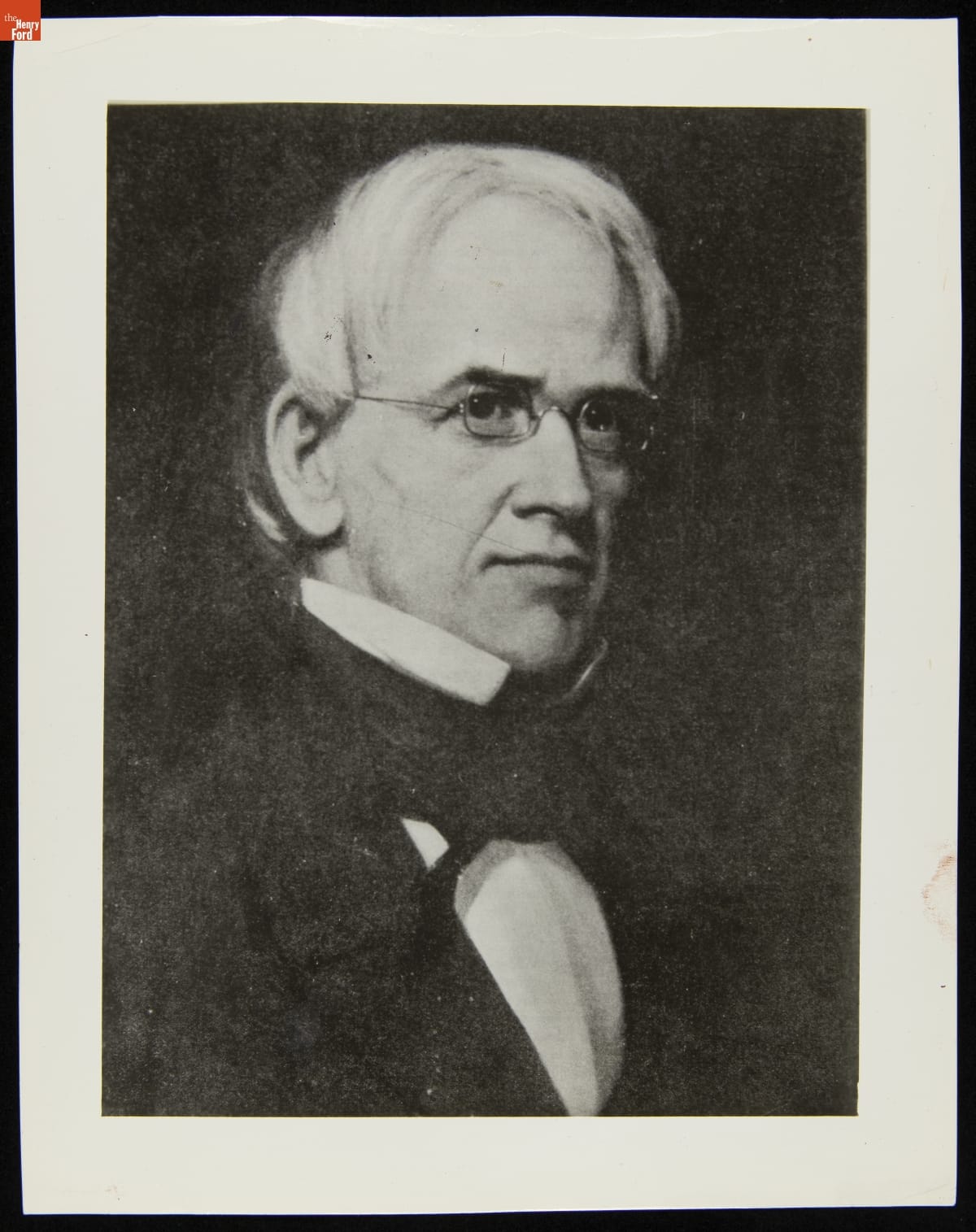
- Portrait of Horace Mann - Horace Mann (1796-1859) was an influential education reformer from Massachusetts from the 1830s to the 1850s. He advocated for free, universal public education (supported by the state) and professional teacher training. Mann believed these and other ground-breaking reforms offered all students the same body of knowledge and an equal opportunity in life, as well as instilling a greater feeling of unity among American citizens.
- December 17, 1934
- Collections - Artifact
Portrait of Horace Mann
Horace Mann (1796-1859) was an influential education reformer from Massachusetts from the 1830s to the 1850s. He advocated for free, universal public education (supported by the state) and professional teacher training. Mann believed these and other ground-breaking reforms offered all students the same body of knowledge and an equal opportunity in life, as well as instilling a greater feeling of unity among American citizens.
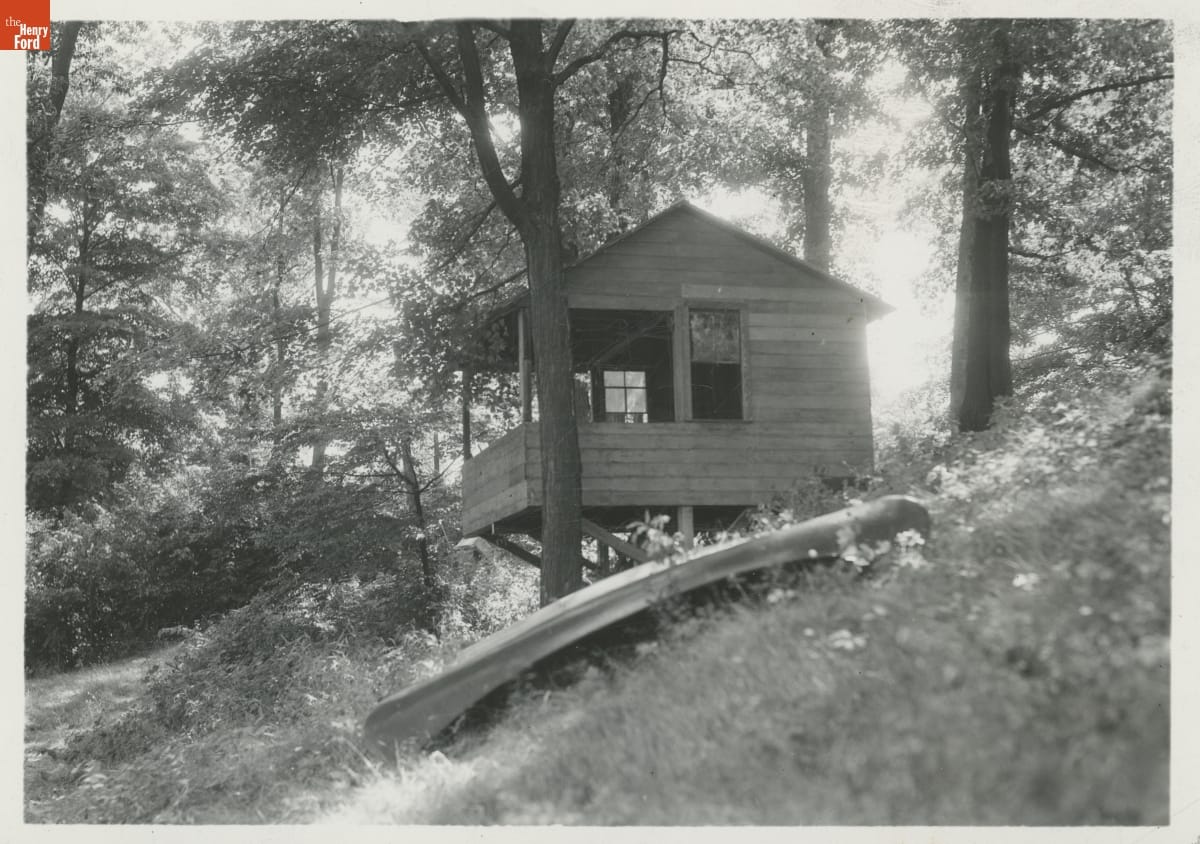
- Charles Steinmetz Cabin in Greenfield Village, circa 1933 -
- circa 1933
- Collections - Artifact
Charles Steinmetz Cabin in Greenfield Village, circa 1933
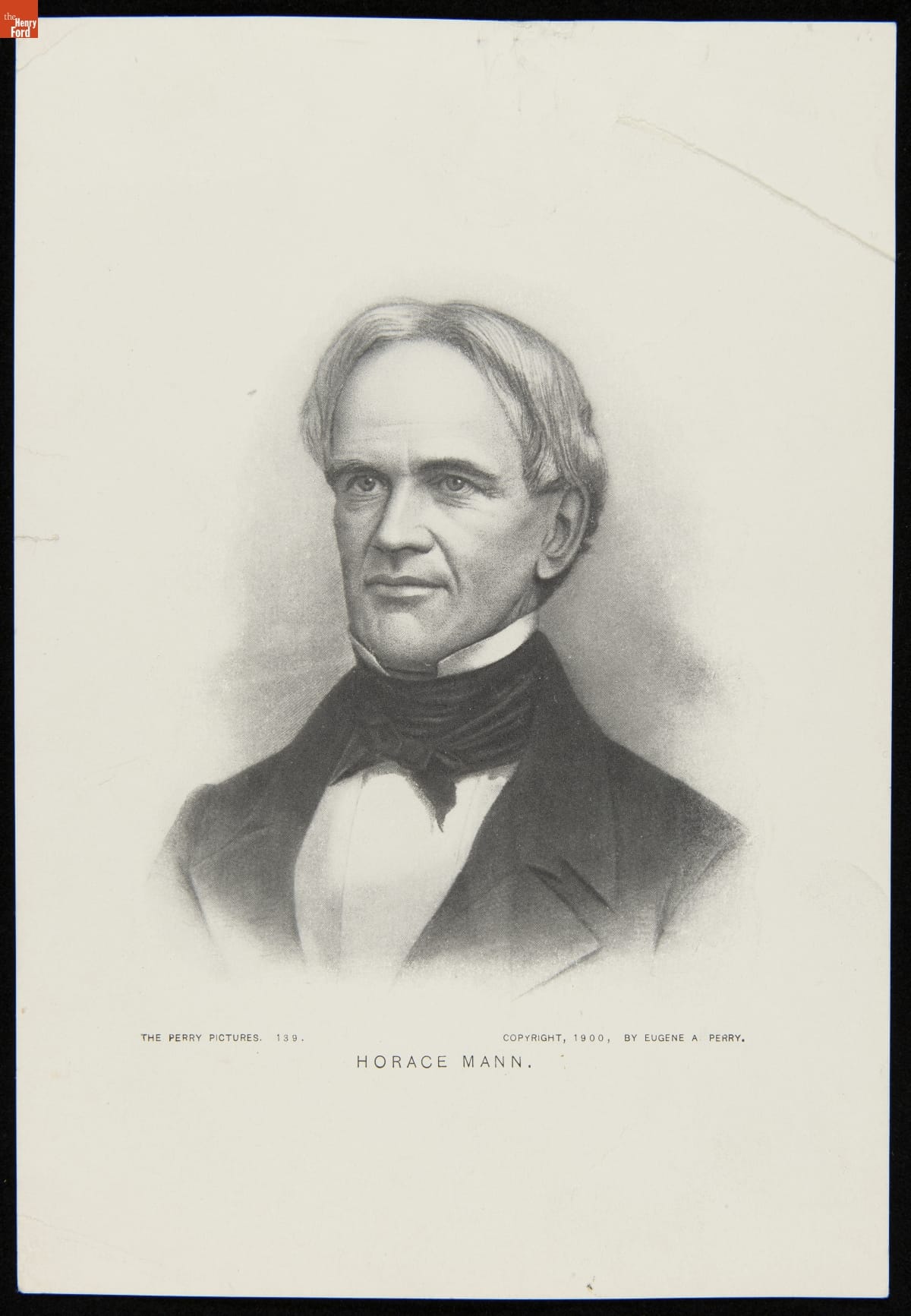
- Portrait of Horace Mann - Horace Mann (1796-1859) was an influential education reformer from Massachusetts from the 1830s to the 1850s. He advocated for free, universal public education (supported by the state) and professional teacher training. Mann believed these and other ground-breaking reforms offered all students the same body of knowledge and an equal opportunity in life, as well as instilling a greater feeling of unity among American citizens.
- 1900
- Collections - Artifact
Portrait of Horace Mann
Horace Mann (1796-1859) was an influential education reformer from Massachusetts from the 1830s to the 1850s. He advocated for free, universal public education (supported by the state) and professional teacher training. Mann believed these and other ground-breaking reforms offered all students the same body of knowledge and an equal opportunity in life, as well as instilling a greater feeling of unity among American citizens.
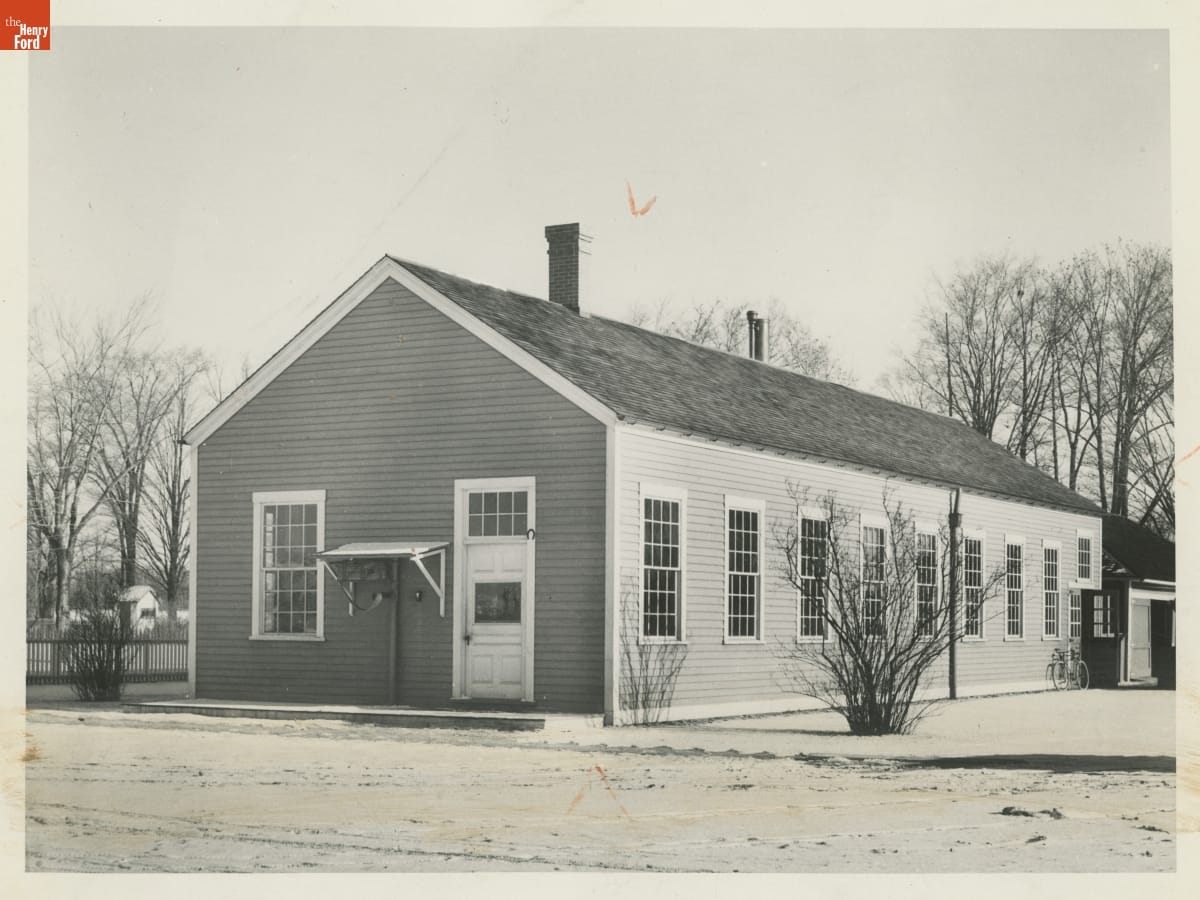
- Thomas Edison's Fort Myers Laboratory in Greenfield Village, circa 1934 -
- circa 1934
- Collections - Artifact
Thomas Edison's Fort Myers Laboratory in Greenfield Village, circa 1934
- Glass Shop in Greenfield Village, circa 1933 -
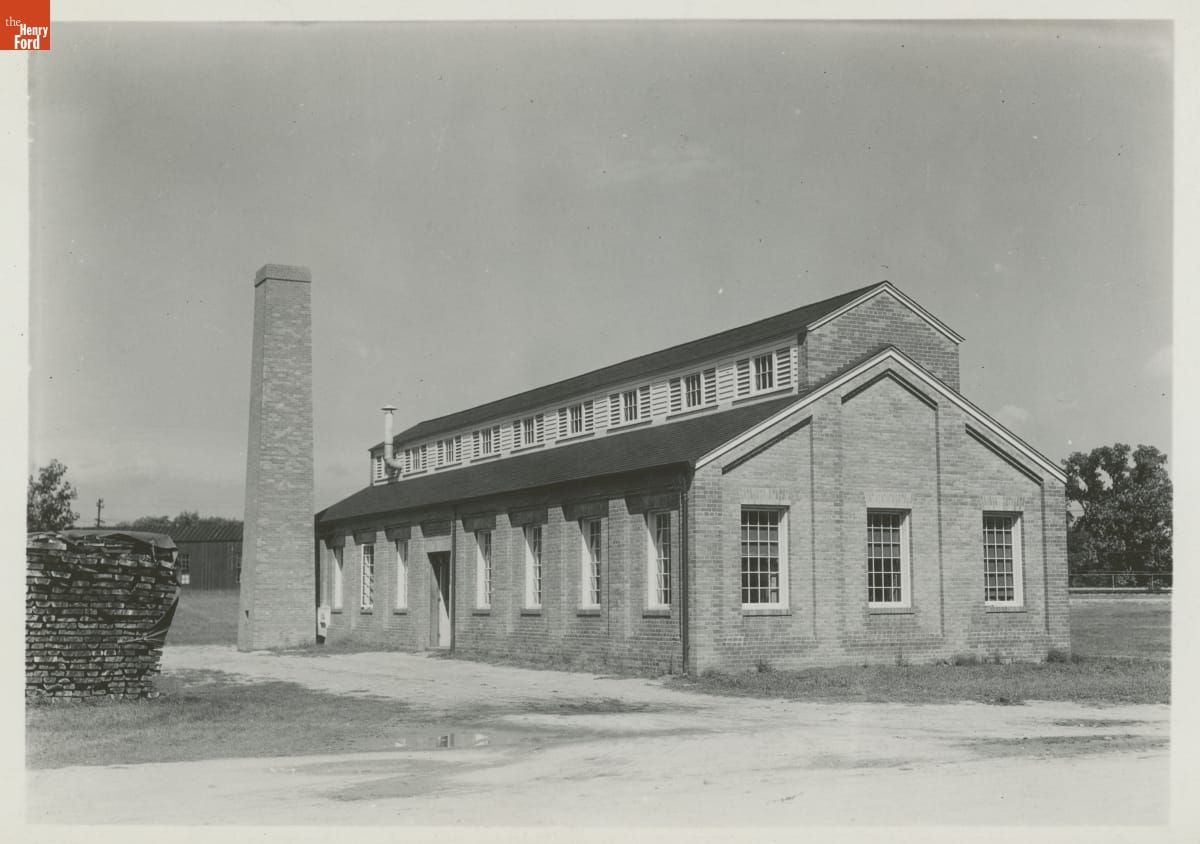
- circa 1933
- Collections - Artifact
Glass Shop in Greenfield Village, circa 1933
- Farris Windmill in Greenfield Village, January 1937 - The Farris windmill is said to be the oldest windmill in the United States. It was built in the mid-1600s and operated in Cape Cod, Massachusetts. The Farris family ran it for three generations, starting in 1782. The wind moved the sails of this windmill to operate the grain milling machinery inside. The stone first floor was added at Greenfield Village.
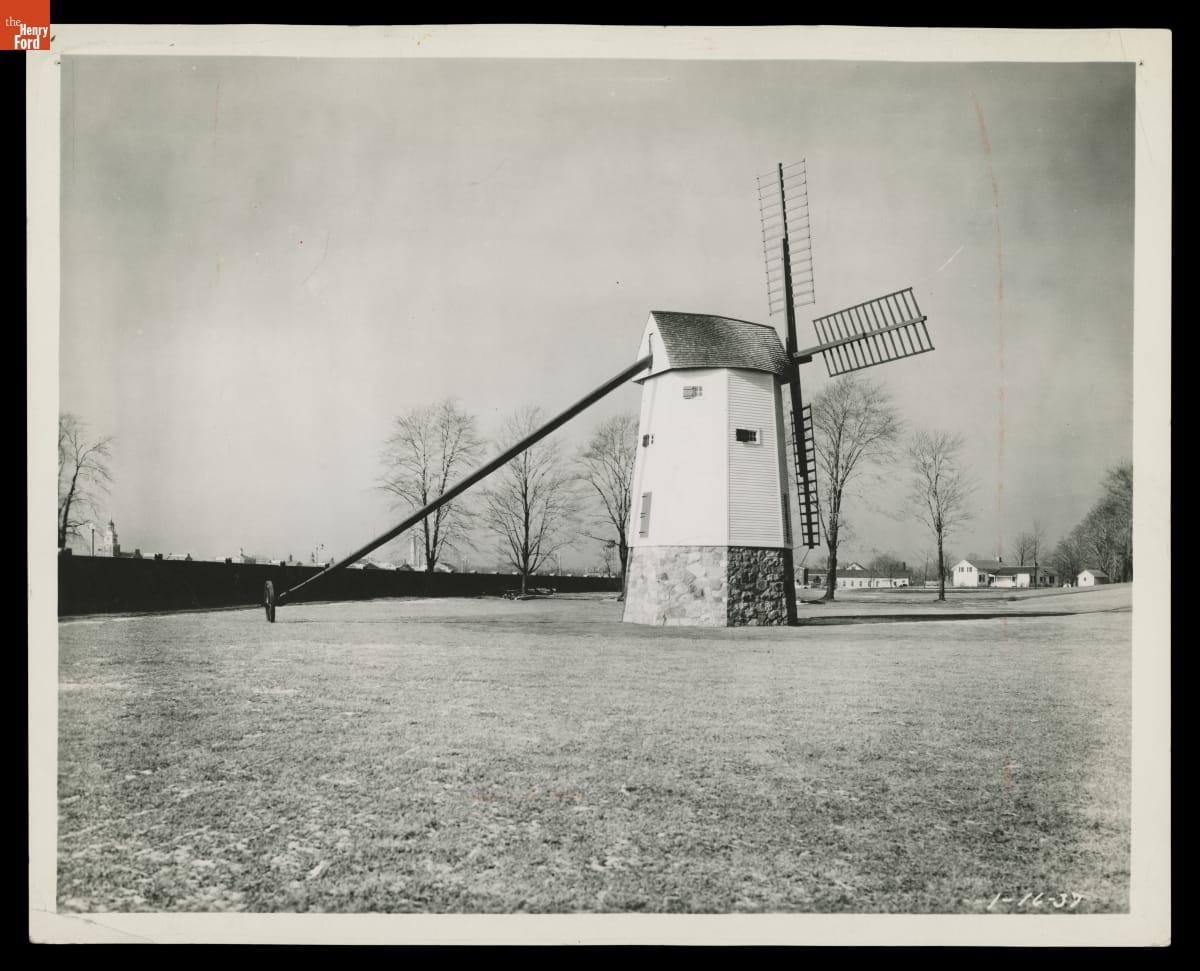
- January 16, 1937
- Collections - Artifact
Farris Windmill in Greenfield Village, January 1937
The Farris windmill is said to be the oldest windmill in the United States. It was built in the mid-1600s and operated in Cape Cod, Massachusetts. The Farris family ran it for three generations, starting in 1782. The wind moved the sails of this windmill to operate the grain milling machinery inside. The stone first floor was added at Greenfield Village.
- Swiss Chalet in Greenfield Village, circa 1934 -
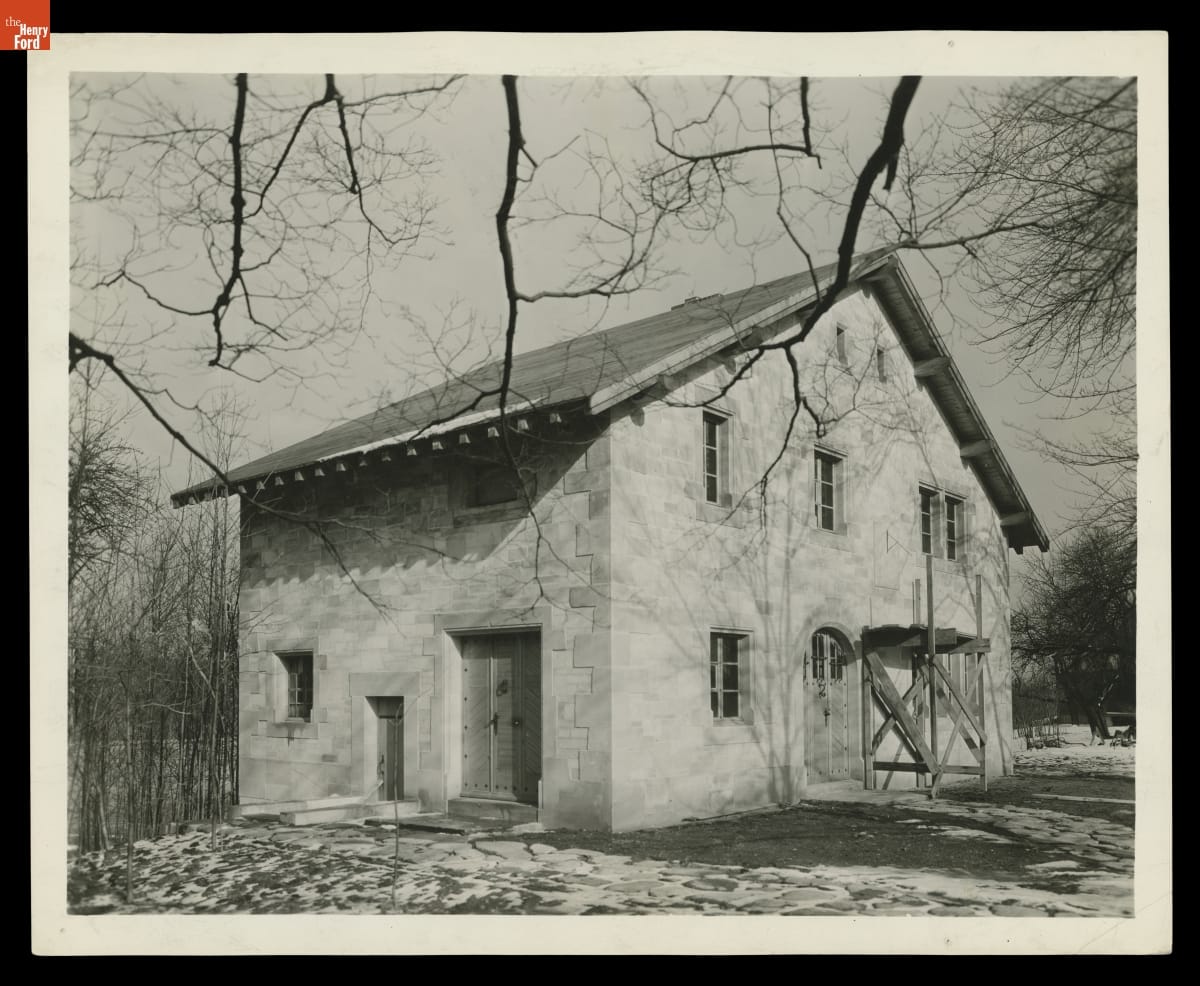
- circa 1934
- Collections - Artifact
Swiss Chalet in Greenfield Village, circa 1934
- Henry Ford Museum, 1933 -
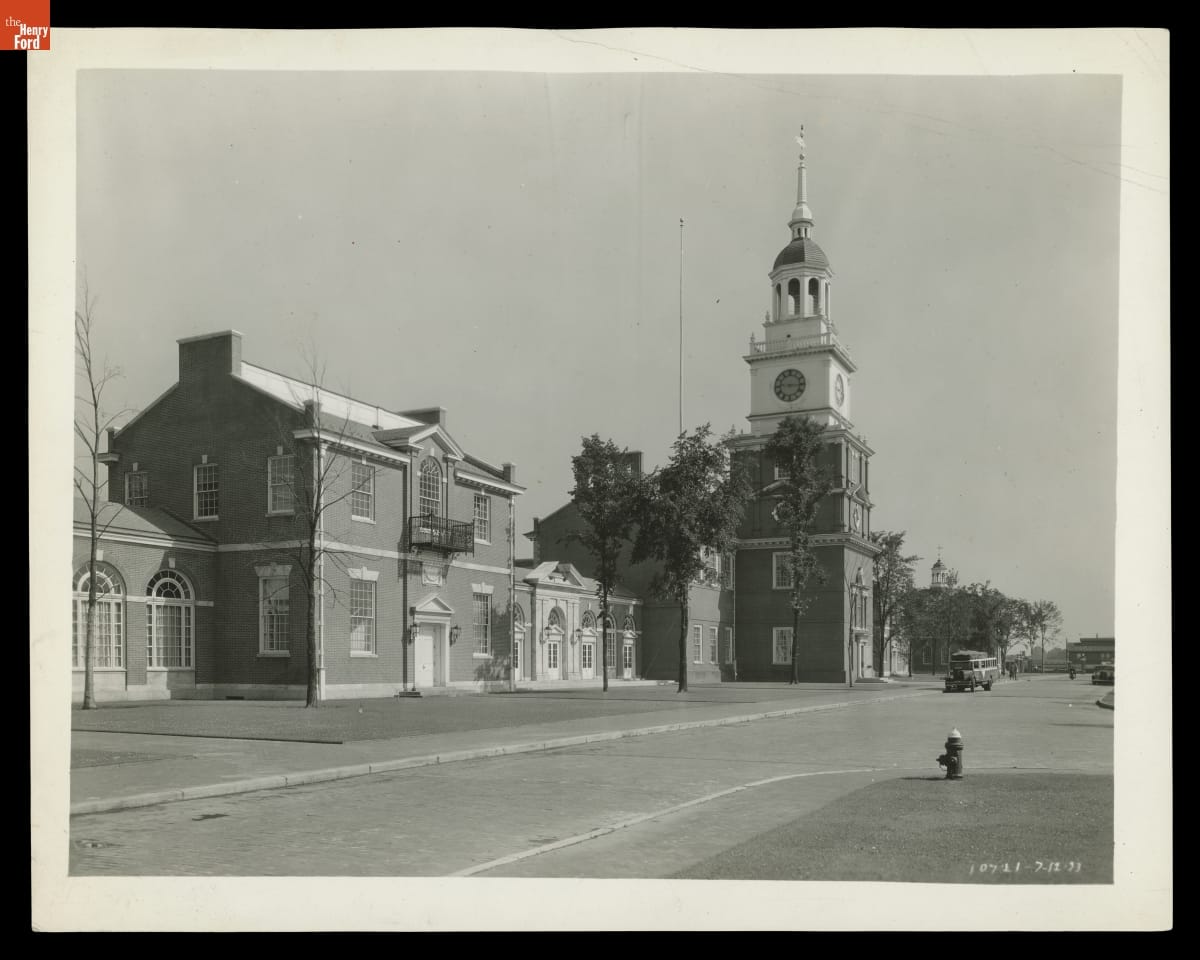
- July 12, 1933
- Collections - Artifact
Henry Ford Museum, 1933
- Floral Clock in Greenfield Village, July 1935 -
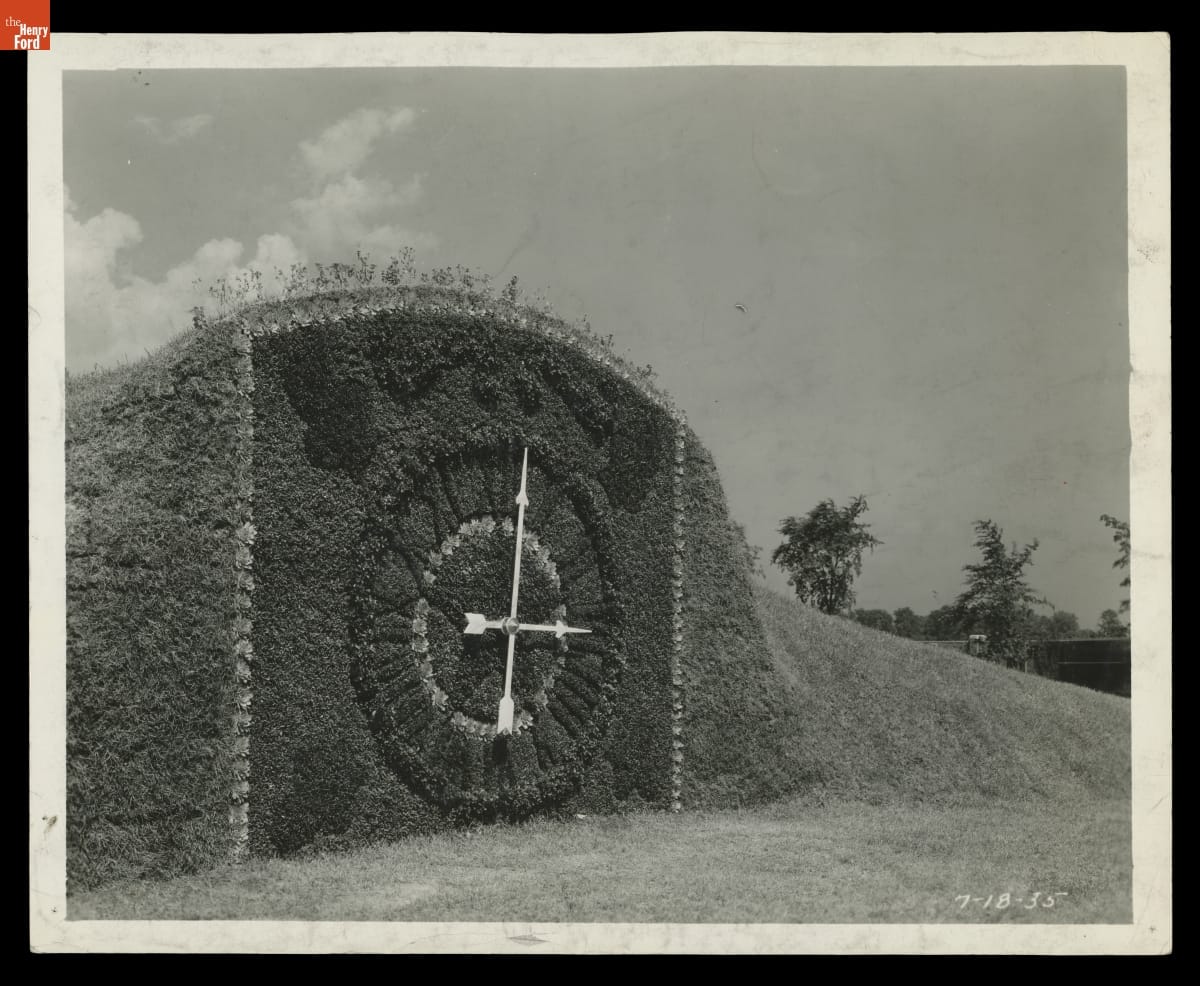
- July 18, 1935
- Collections - Artifact
Floral Clock in Greenfield Village, July 1935
- Correspondence between E.G. Liebold and P.E. Martin regarding Light's Golden Jubilee Banquet Painting - In the mid-1930s, more than six years after the Light's Golden Jubilee celebration, Henry Ford commissioned a panoramic painting of that evening's banquet. Letters were sent to attendees asking them to indicate on an enclosed diagram where they sat and for a photograph so that their image could be included in the painting. P.E. Martin tried to remember his exact location, but only gave an approximation.
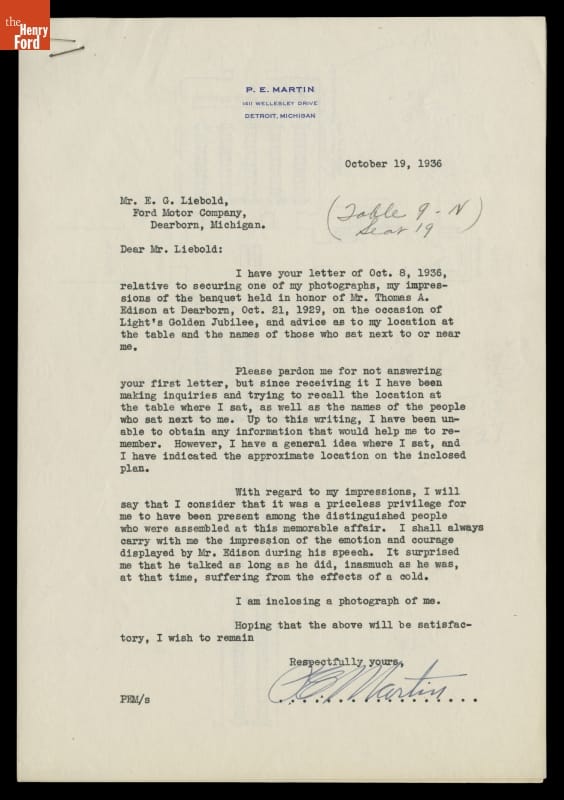
- October 21, 1929
- Collections - Artifact
Correspondence between E.G. Liebold and P.E. Martin regarding Light's Golden Jubilee Banquet Painting
In the mid-1930s, more than six years after the Light's Golden Jubilee celebration, Henry Ford commissioned a panoramic painting of that evening's banquet. Letters were sent to attendees asking them to indicate on an enclosed diagram where they sat and for a photograph so that their image could be included in the painting. P.E. Martin tried to remember his exact location, but only gave an approximation.