
Search
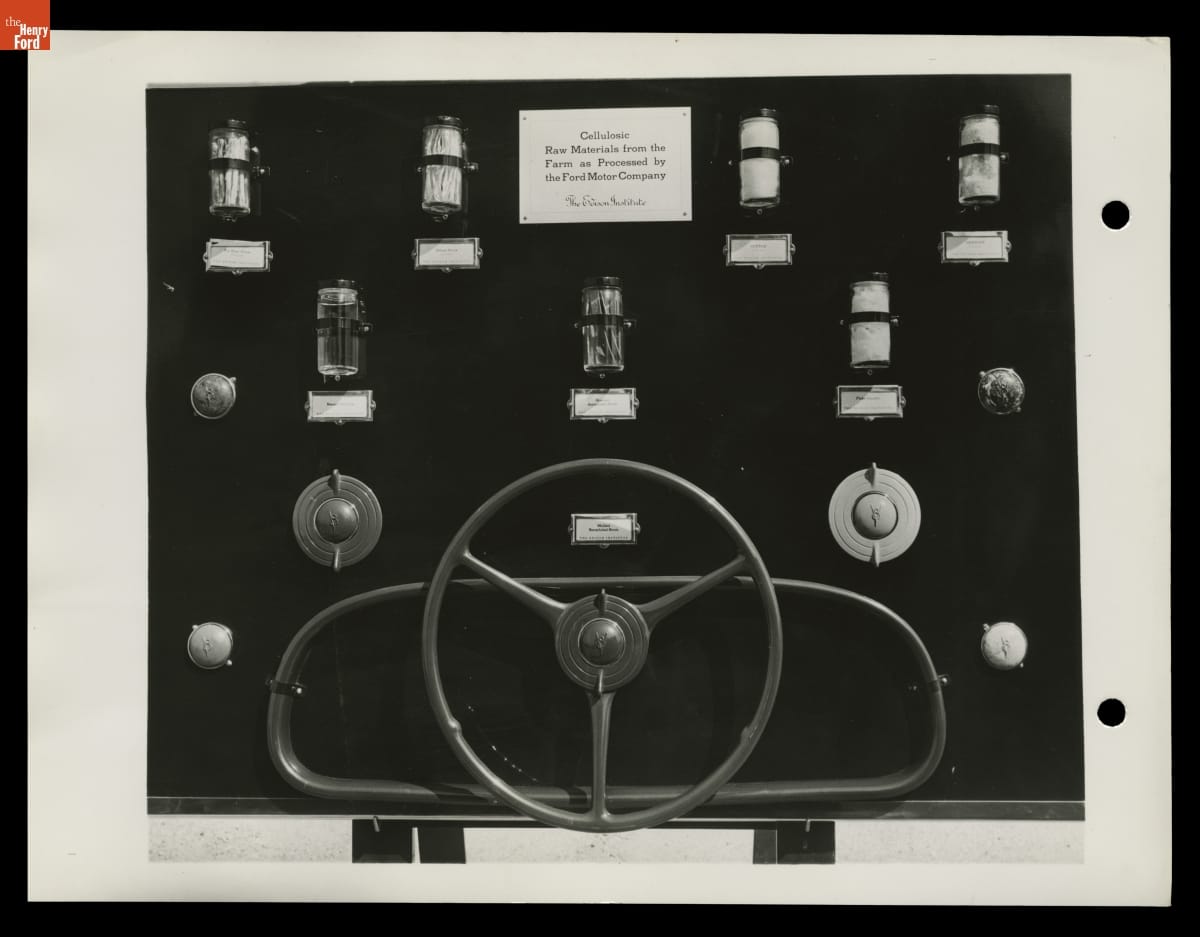
- Soybean Display Board, April 13, 1937 -
- April 13, 1937
- Collections - Artifact
Soybean Display Board, April 13, 1937
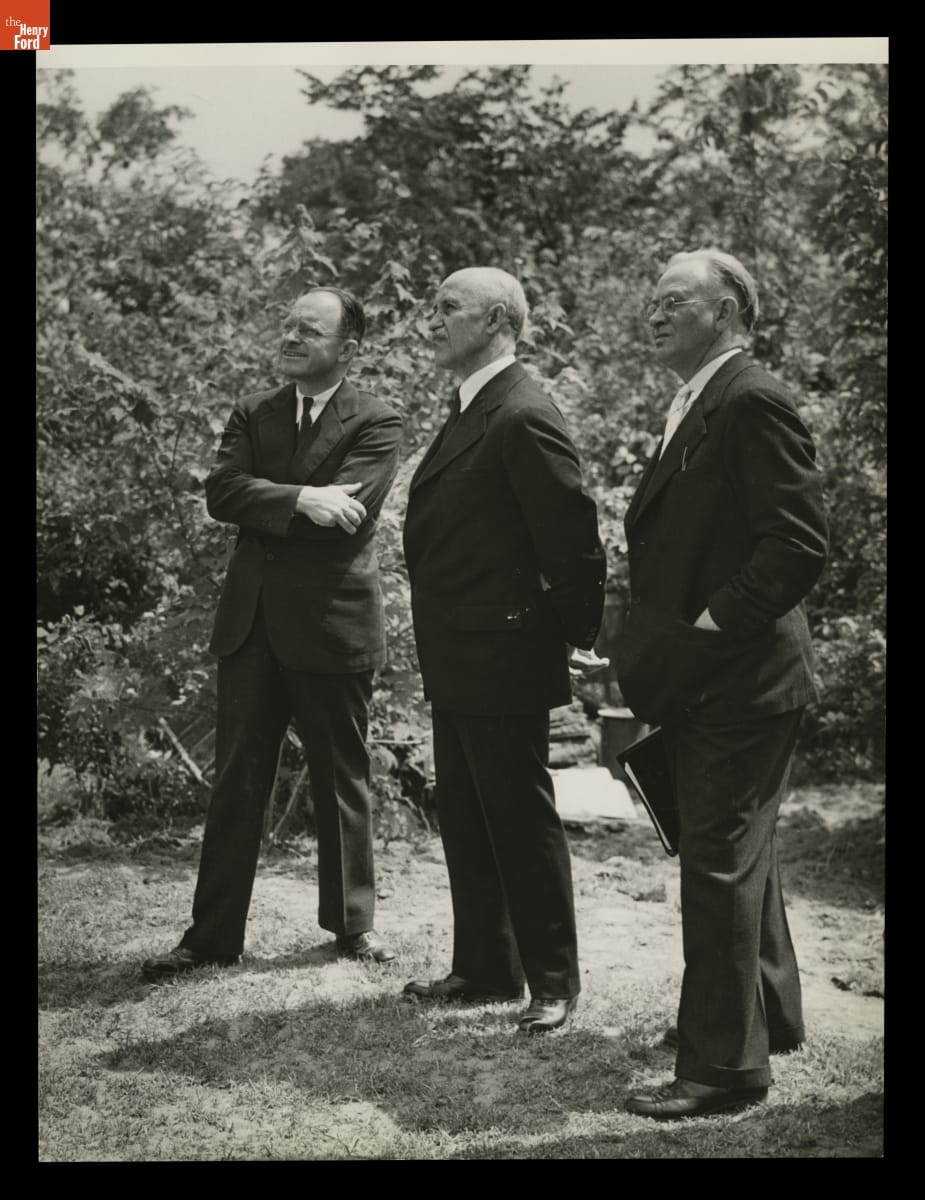
- Fred Black, Orville Wright, and Edward Cutler during Reconstruction of Wright Home in Greenfield Village, June 1937 - Fred Black headed Ford Motor Company's advertising department. As a pilot and aviation enthusiast, Black coordinated relocation of Wright Cycle Shop and the Wright Home from Dayton, Ohio, to Henry Ford's Greenfield Village in Dearborn, Michigan. Architect Edward Cutler oversaw reassembly of the buildings. Orville Wright shared his own unique insights to ensure the project's accuracy.
- June 26, 1937
- Collections - Artifact
Fred Black, Orville Wright, and Edward Cutler during Reconstruction of Wright Home in Greenfield Village, June 1937
Fred Black headed Ford Motor Company's advertising department. As a pilot and aviation enthusiast, Black coordinated relocation of Wright Cycle Shop and the Wright Home from Dayton, Ohio, to Henry Ford's Greenfield Village in Dearborn, Michigan. Architect Edward Cutler oversaw reassembly of the buildings. Orville Wright shared his own unique insights to ensure the project's accuracy.
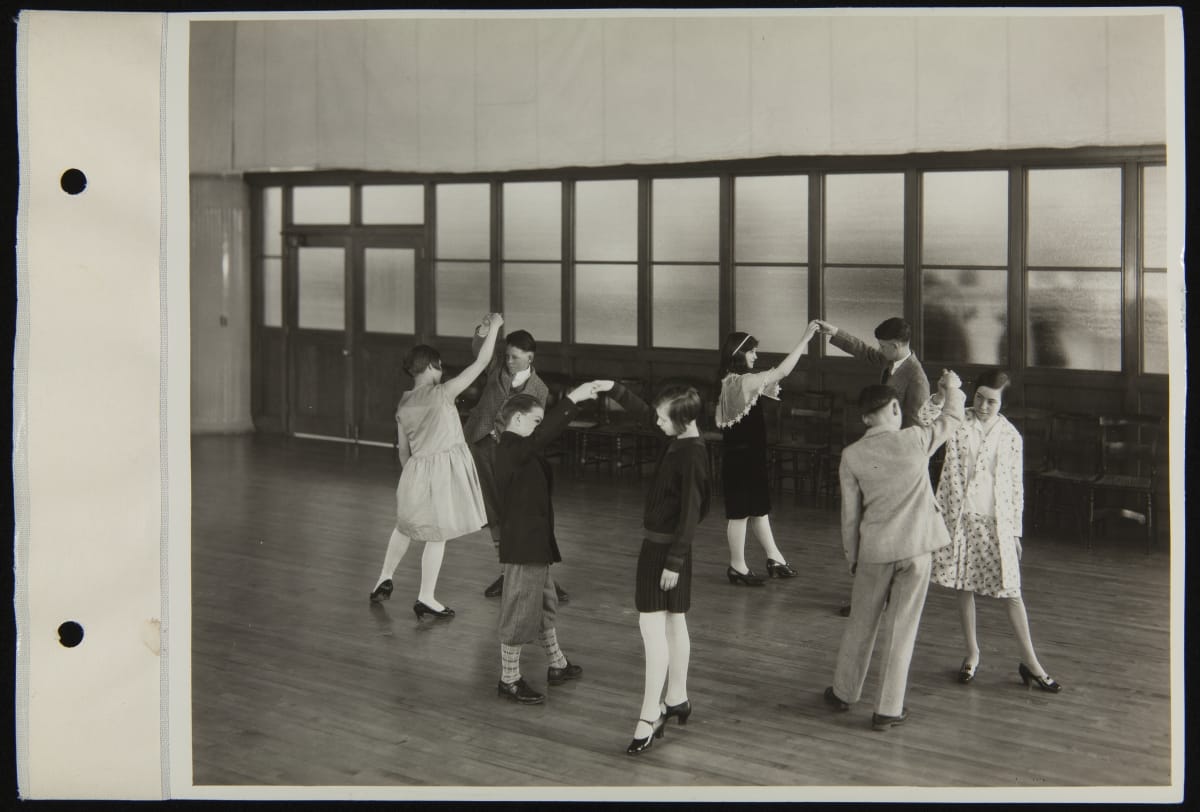
- Edison Institute School Students in the Dance Room of Ford Engineering Laboratory, May 1929 - Henry Ford created a room for dancing at Ford Motor Company's Engineering Lab, where his office and the company's engineering activities were located. These students are learning the traditional American dances of Henry Ford's youth -- along with dance etiquette. Later, Ford built Lovett Hall, an elegant ballroom named for his dancing master.
- May 11, 1929
- Collections - Artifact
Edison Institute School Students in the Dance Room of Ford Engineering Laboratory, May 1929
Henry Ford created a room for dancing at Ford Motor Company's Engineering Lab, where his office and the company's engineering activities were located. These students are learning the traditional American dances of Henry Ford's youth -- along with dance etiquette. Later, Ford built Lovett Hall, an elegant ballroom named for his dancing master.
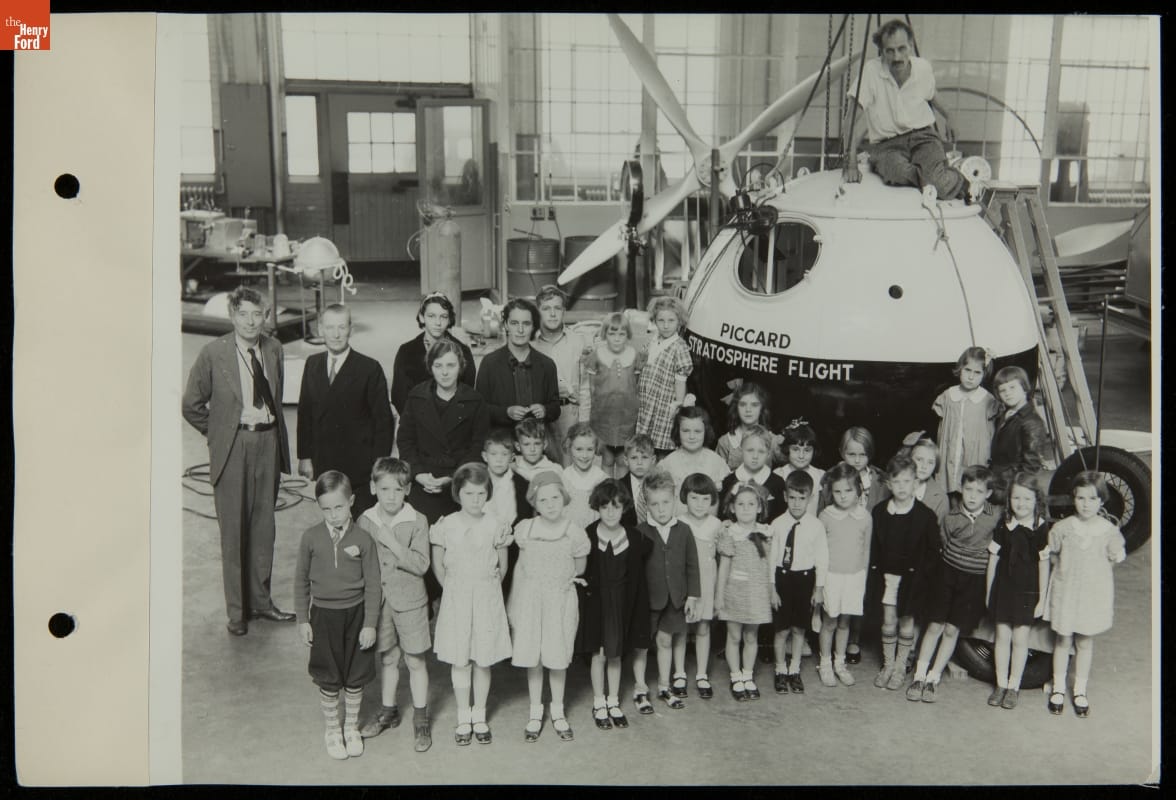
- Group from Edison Institute Schools Visit the Piccard Stratosphere Flight Balloon at Ford Airport, September 1934 - The Piccard stratosphere flight departed from Ford Airport field on October 23, 1934. Spouses Jean and Jeannette Piccard ascended 10.9 miles in a metal gondola carried by a hydrogen balloon. This image was taken at one of the airport's hangars in September of 1934, and depicts the Piccards with a group of visiting children from the Edison Institute School.
- September 17, 1934
- Collections - Artifact
Group from Edison Institute Schools Visit the Piccard Stratosphere Flight Balloon at Ford Airport, September 1934
The Piccard stratosphere flight departed from Ford Airport field on October 23, 1934. Spouses Jean and Jeannette Piccard ascended 10.9 miles in a metal gondola carried by a hydrogen balloon. This image was taken at one of the airport's hangars in September of 1934, and depicts the Piccards with a group of visiting children from the Edison Institute School.
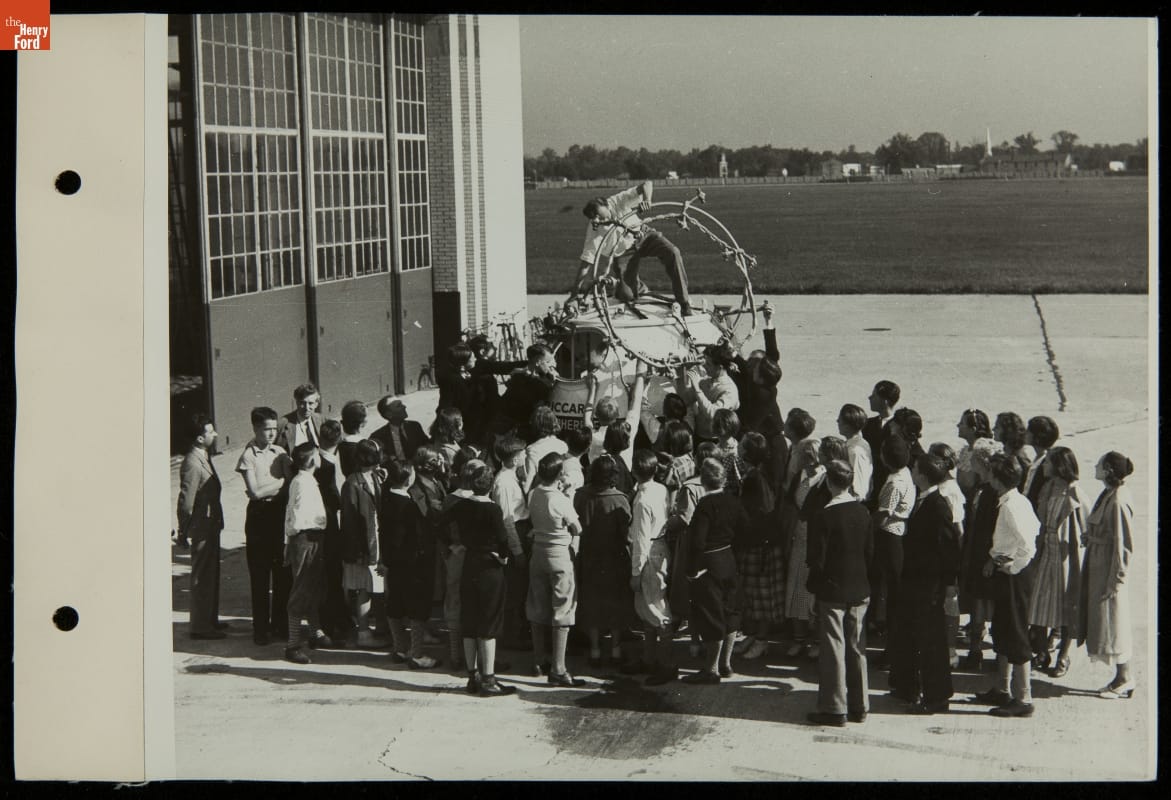
- Group from Edison Institute Schools Visit the Piccard Stratosphere Flight Balloon at Ford Airport, September 1934 - The Piccard stratosphere flight departed from Ford Airport field on October 23, 1934. Spouses Jean and Jeannette Piccard ascended 10.9 miles in a metal gondola carried by a hydrogen balloon. This image was taken at one of the airport's hangars in September of 1934, and depicts the Piccards with a group of visiting children from the Edison Institute School.
- September 20, 1934
- Collections - Artifact
Group from Edison Institute Schools Visit the Piccard Stratosphere Flight Balloon at Ford Airport, September 1934
The Piccard stratosphere flight departed from Ford Airport field on October 23, 1934. Spouses Jean and Jeannette Piccard ascended 10.9 miles in a metal gondola carried by a hydrogen balloon. This image was taken at one of the airport's hangars in September of 1934, and depicts the Piccards with a group of visiting children from the Edison Institute School.
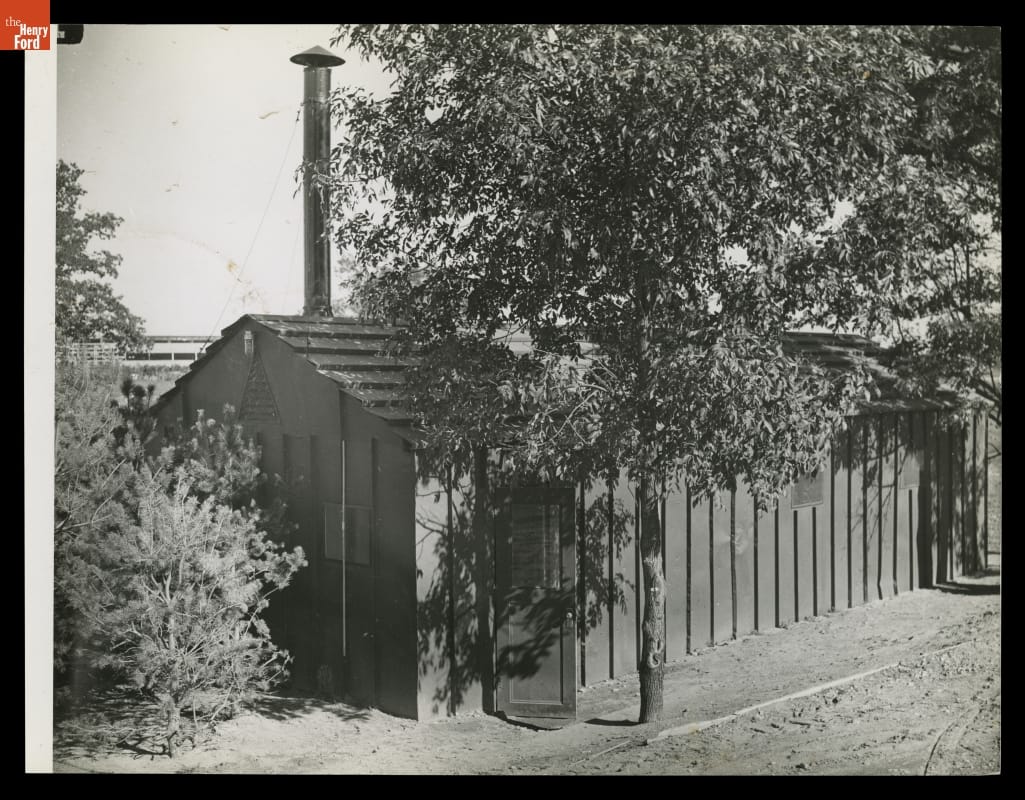
- Camp Legion, Dearborn, Michigan, September 1941 - In 1938, Henry Ford opened Camp Legion for the sons of World War I veterans. Groups of young men lived and worked here from April until November, sleeping in tents and earning $2 for each eight-hour workday. The camp was designed to provide income to otherwise unemployed teenagers while teaching vocational skills, instilling a strong work ethic, and fostering good health.
- September 17, 1941
- Collections - Artifact
Camp Legion, Dearborn, Michigan, September 1941
In 1938, Henry Ford opened Camp Legion for the sons of World War I veterans. Groups of young men lived and worked here from April until November, sleeping in tents and earning $2 for each eight-hour workday. The camp was designed to provide income to otherwise unemployed teenagers while teaching vocational skills, instilling a strong work ethic, and fostering good health.
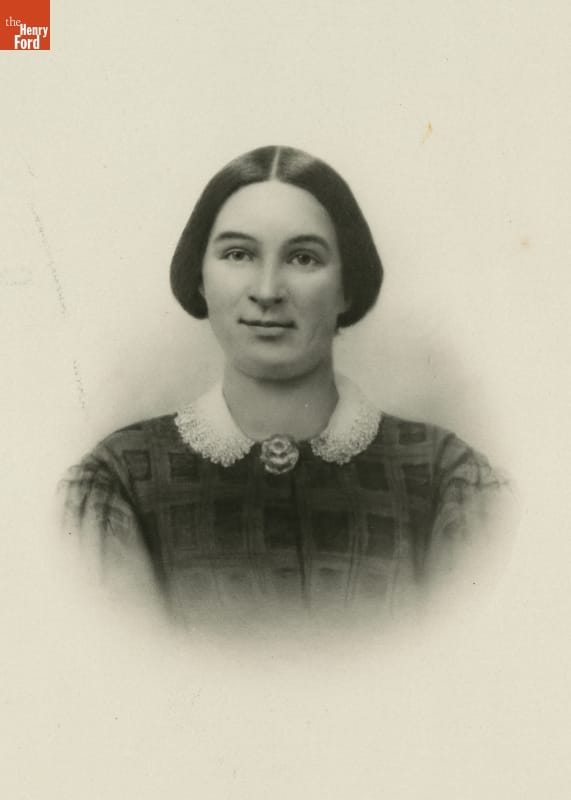
- Portrait of Mary Litogot Ford, Mother of Henry Ford, circa 1865 - William Ford and Mary Litogot married in 1861 and gave birth to a son, Henry, two years later. Henry Ford's mother taught him to read and encouraged many of his lasting characteristics. Mary had a profound effect on her eldest child, who remarked after her death during childbirth in 1876 that their house "was like a watch without a mainspring."
- July 08, 1930
- Collections - Artifact
Portrait of Mary Litogot Ford, Mother of Henry Ford, circa 1865
William Ford and Mary Litogot married in 1861 and gave birth to a son, Henry, two years later. Henry Ford's mother taught him to read and encouraged many of his lasting characteristics. Mary had a profound effect on her eldest child, who remarked after her death during childbirth in 1876 that their house "was like a watch without a mainspring."
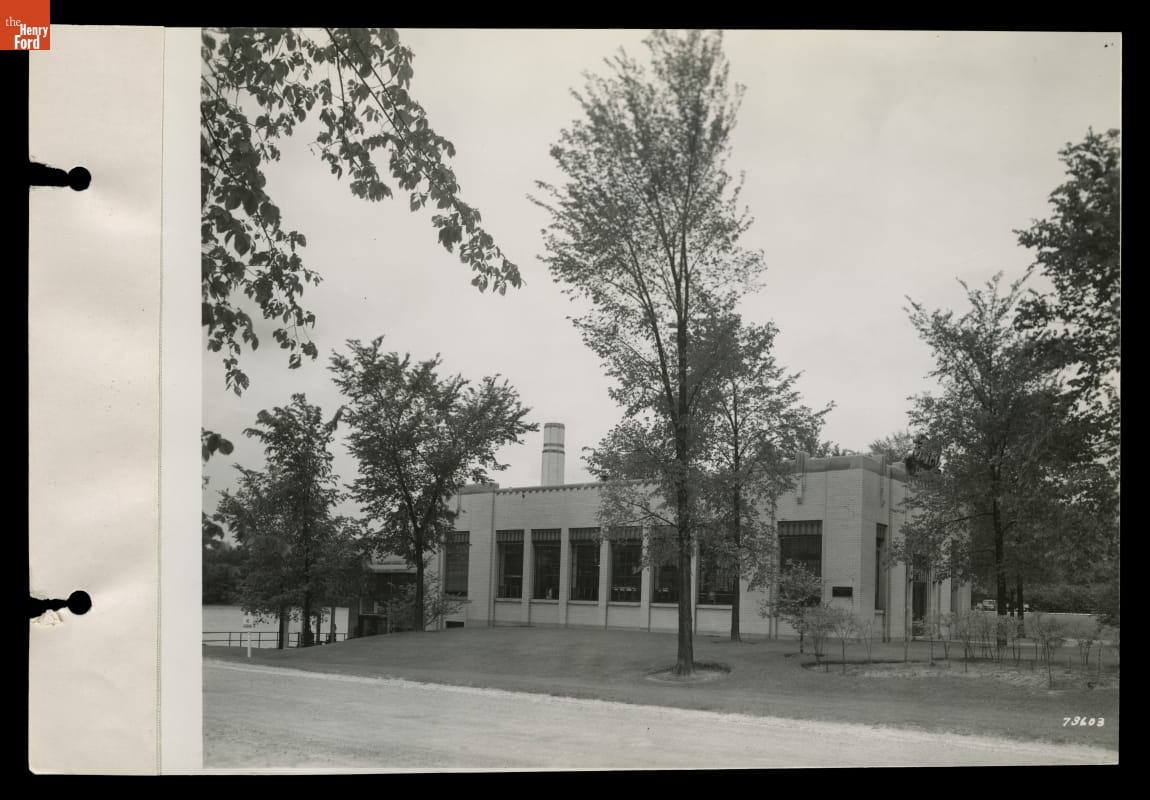
- Ford Village Industries Newburgh Drill Plant, Livonia, Michigan, 1945 - Henry Ford began setting up small-scale factories in towns throughout southeast Michigan in the 1920s. These "Village Industries" -- usually located at the site of an old mill -- employed local residents and supplied Ford with parts, tools and equipment. Newburgh Mill -- situated along the Middle Rouge River -- opened in 1935 and made most of the twist drills used in Ford's operations.
- May 29, 1945
- Collections - Artifact
Ford Village Industries Newburgh Drill Plant, Livonia, Michigan, 1945
Henry Ford began setting up small-scale factories in towns throughout southeast Michigan in the 1920s. These "Village Industries" -- usually located at the site of an old mill -- employed local residents and supplied Ford with parts, tools and equipment. Newburgh Mill -- situated along the Middle Rouge River -- opened in 1935 and made most of the twist drills used in Ford's operations.
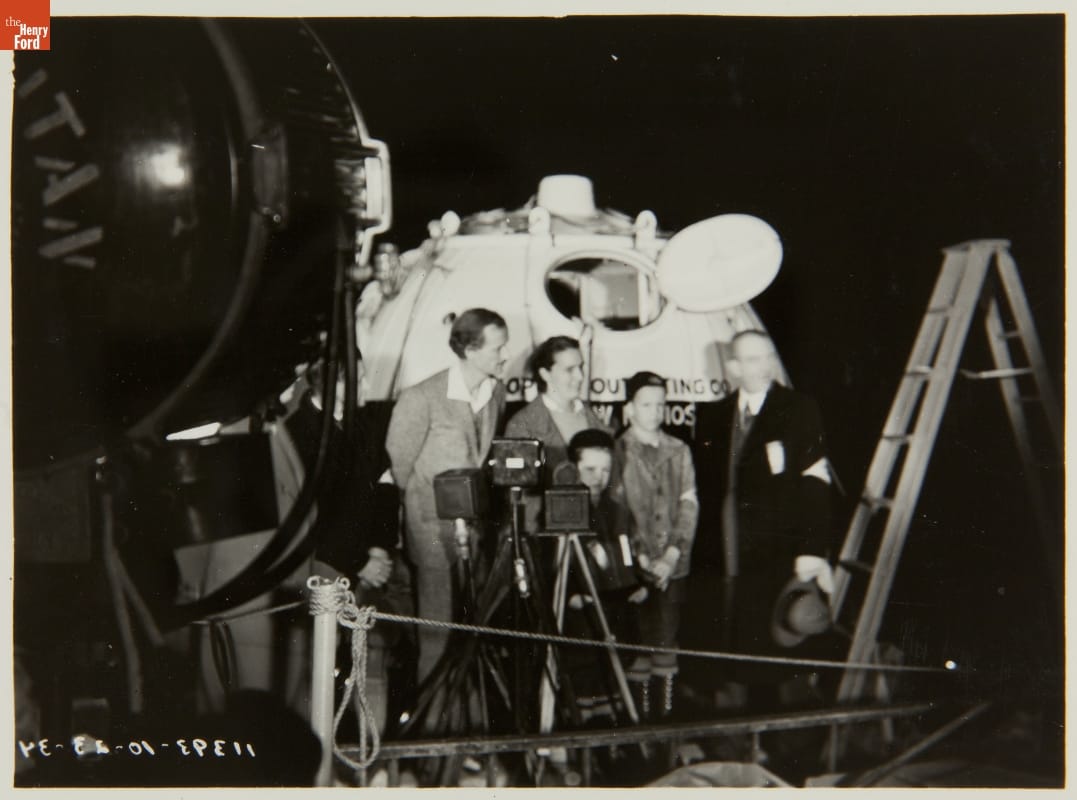
- Jean and Jeannette Piccard and Others with Balloon Gondola before the Stratosphere Flight, Ford Airport, October 23, 1934 - The Piccard stratosphere flight departed Ford Airport field on October 23, 1934. Spouses Jean and Jeannette Piccard ascended 10.9 miles in a lightweight magnesium gondola carried by a hydrogen balloon. The explorers are shown here in the early morning hours just before their launch from Ford Airport, in the midst of media fanfare.
- October 23, 1934
- Collections - Artifact
Jean and Jeannette Piccard and Others with Balloon Gondola before the Stratosphere Flight, Ford Airport, October 23, 1934
The Piccard stratosphere flight departed Ford Airport field on October 23, 1934. Spouses Jean and Jeannette Piccard ascended 10.9 miles in a lightweight magnesium gondola carried by a hydrogen balloon. The explorers are shown here in the early morning hours just before their launch from Ford Airport, in the midst of media fanfare.
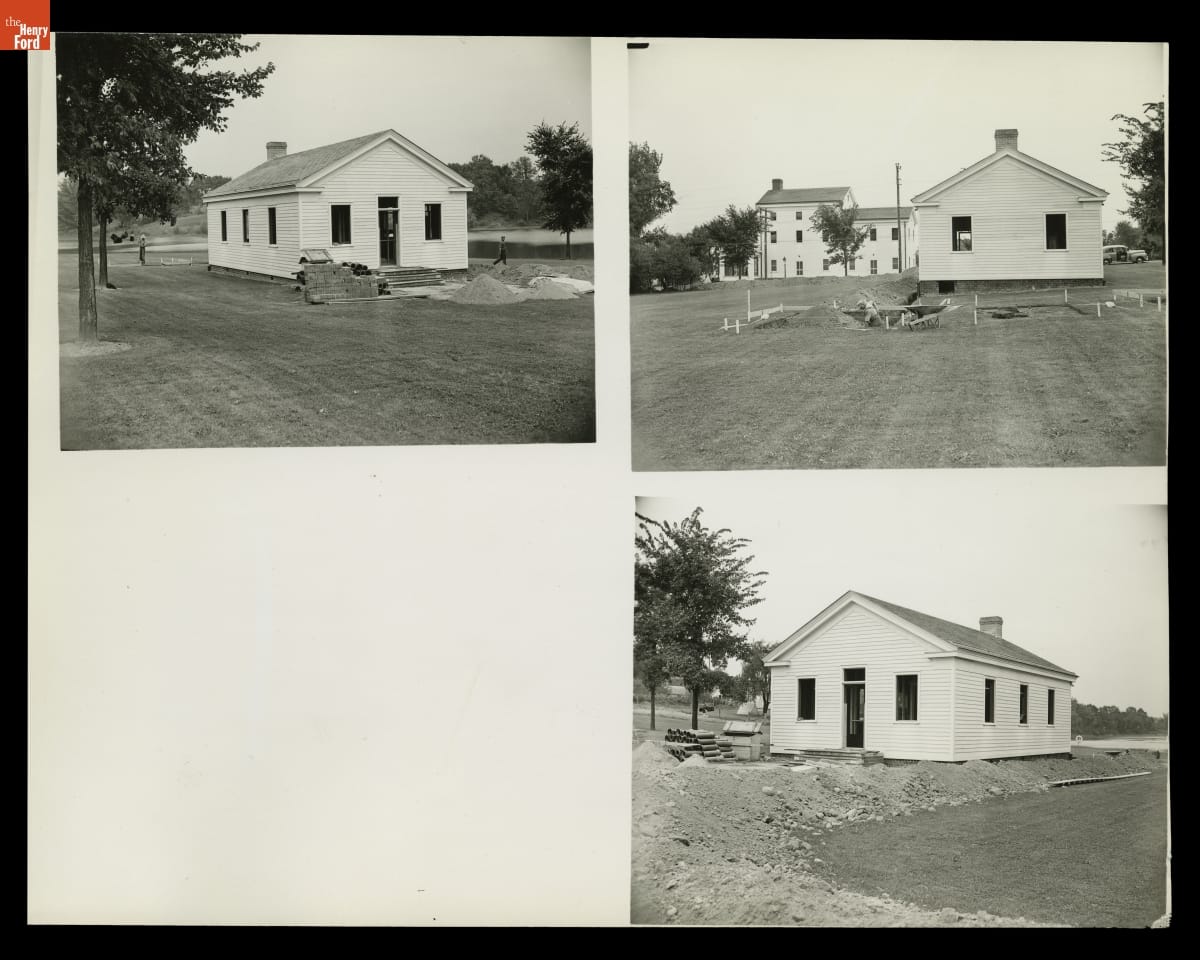
- Restoration of One-Room Schoolhouse, Saline, Michigan, August 1943 -
- August 10, 1943
- Collections - Artifact
Restoration of One-Room Schoolhouse, Saline, Michigan, August 1943