
Search
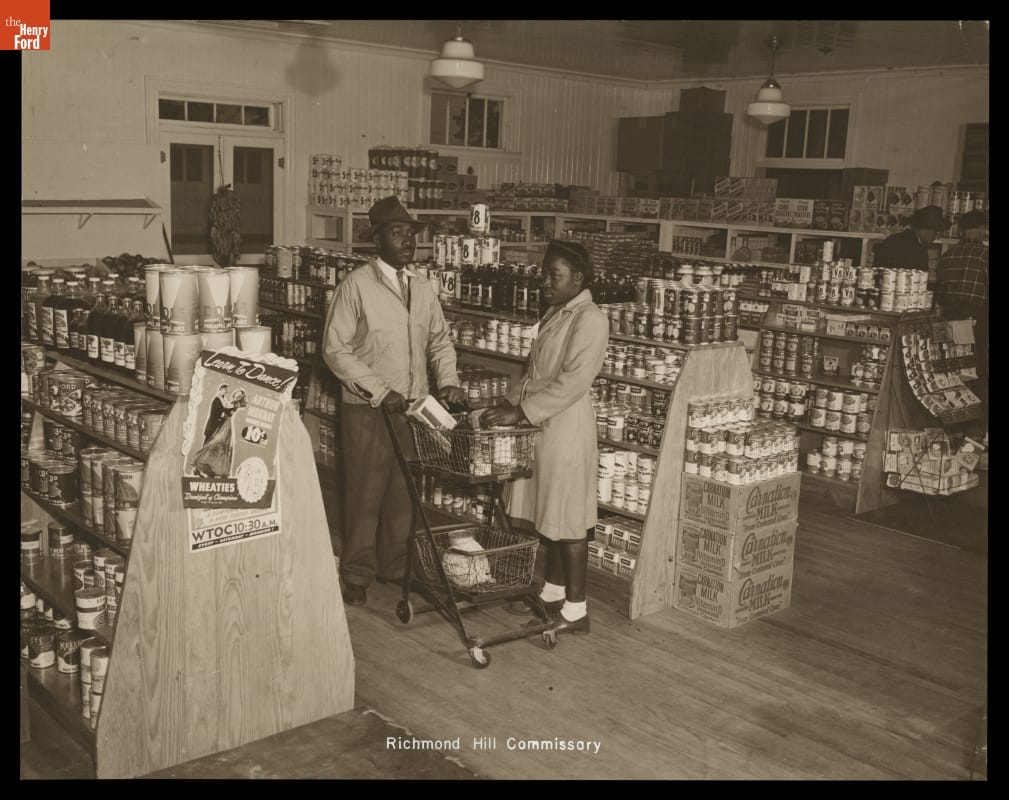
- Interior of Commissary, Richmond Hill, Georgia, circa 1947 - Henry Ford purchased vast amounts of land around present-day Richmond Hill, Georgia, beginning in the 1920s. Here, Ford dabbled in agricultural experimentation and in the late 1930s he built a winter residence. Ford also built other buildings to support his farming operations and the surrounding community. The commissary with a bakery and post office nearby was an important shopping facility for area residents.
- circa 1947
- Collections - Artifact
Interior of Commissary, Richmond Hill, Georgia, circa 1947
Henry Ford purchased vast amounts of land around present-day Richmond Hill, Georgia, beginning in the 1920s. Here, Ford dabbled in agricultural experimentation and in the late 1930s he built a winter residence. Ford also built other buildings to support his farming operations and the surrounding community. The commissary with a bakery and post office nearby was an important shopping facility for area residents.
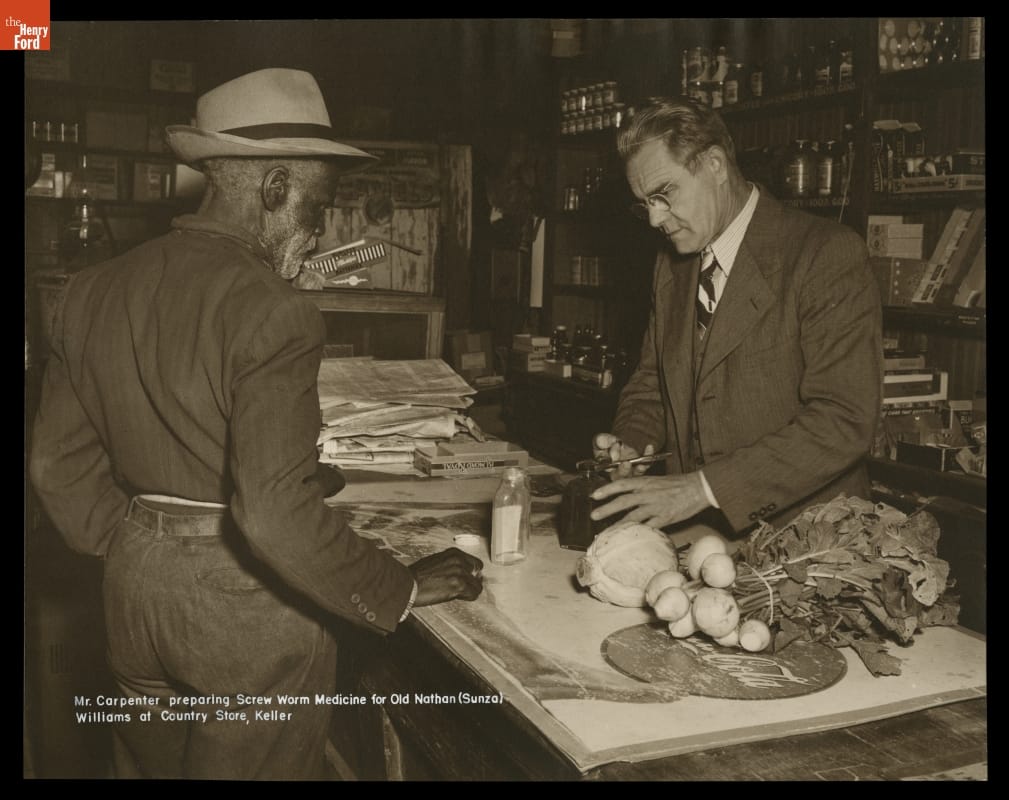
- Interior of J.D. Carpenter's Country Store near Richmond Hill, Georgia, circa 1947 - Henry Ford purchased vast amounts of land around present-day Richmond Hill, Georgia, beginning in the 1920s. Here, Ford dabbled in agricultural experimentation and in the late 1930s he built a winter residence. Though Ford acquired 85,000 acres, there were still privately owned parcels located in the area. The Carpenter family operated a small country store that served local residents east of Richmond Hill.
- circa 1947
- Collections - Artifact
Interior of J.D. Carpenter's Country Store near Richmond Hill, Georgia, circa 1947
Henry Ford purchased vast amounts of land around present-day Richmond Hill, Georgia, beginning in the 1920s. Here, Ford dabbled in agricultural experimentation and in the late 1930s he built a winter residence. Though Ford acquired 85,000 acres, there were still privately owned parcels located in the area. The Carpenter family operated a small country store that served local residents east of Richmond Hill.
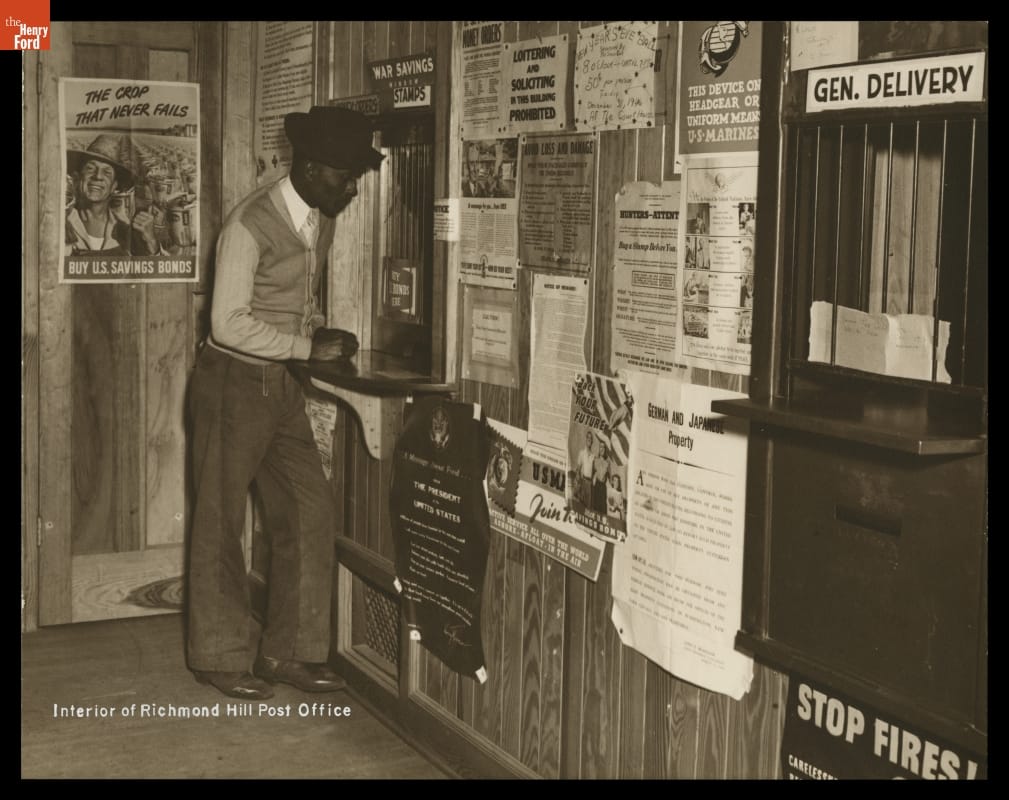
- Interior of Post Office, Richmond Hill, Georgia, circa 1947 - Henry Ford purchased vast amounts of land around Ways Station, Georgia, beginning in the 1920s. Ford poured money into the community and in the late 1930s he built a winter residence there. In 1941, citizens wanted to honor Ford and rename the town, but Ford refused to have it named after him. They chose Richmond Hill -- the name of Ford's estate.
- circa 1947
- Collections - Artifact
Interior of Post Office, Richmond Hill, Georgia, circa 1947
Henry Ford purchased vast amounts of land around Ways Station, Georgia, beginning in the 1920s. Ford poured money into the community and in the late 1930s he built a winter residence there. In 1941, citizens wanted to honor Ford and rename the town, but Ford refused to have it named after him. They chose Richmond Hill -- the name of Ford's estate.
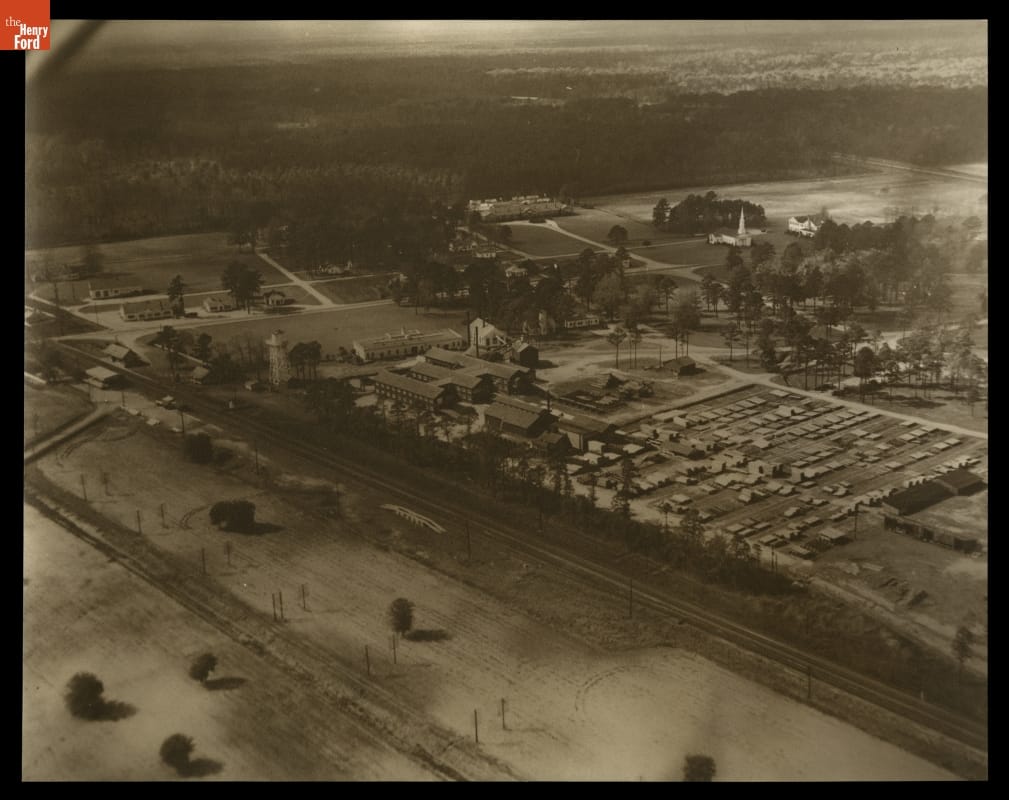
- Aerial View, Richmond Hill, Georgia, circa 1947 - Henry Ford purchased vast amounts of land around present-day Richmond Hill, Georgia, beginning in the 1920s. Here, Ford dabbled in agricultural experimentation. He also became interested in the civic improvement of the area -- building schools, churches and community centers. In the late 1930s, Henry and Clara built a large home as a winter residence.
- circa 1947
- Collections - Artifact
Aerial View, Richmond Hill, Georgia, circa 1947
Henry Ford purchased vast amounts of land around present-day Richmond Hill, Georgia, beginning in the 1920s. Here, Ford dabbled in agricultural experimentation. He also became interested in the civic improvement of the area -- building schools, churches and community centers. In the late 1930s, Henry and Clara built a large home as a winter residence.
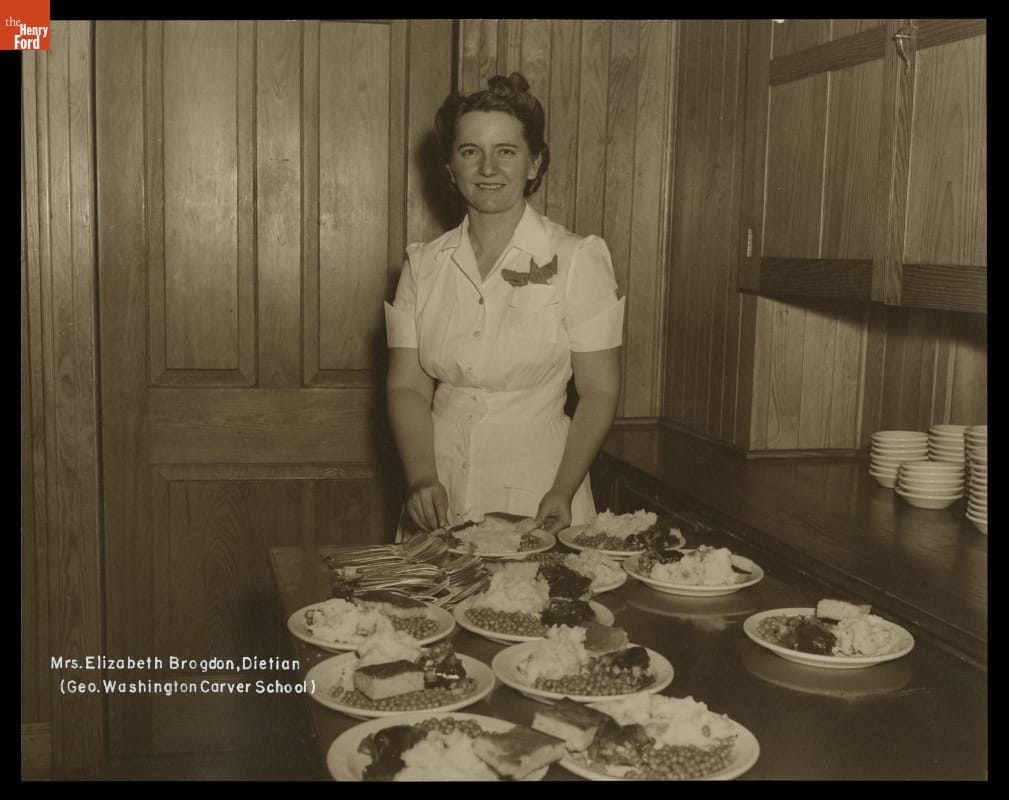
- Elizabeth Brogdon, Dietitian at George Washington Carver School, Richmond Hill, Georgia, circa 1947 - Henry Ford purchased vast amounts of land around present-day Richmond Hill, Georgia, beginning in the 1920s. After acquiring the property, Ford became interested in the economic and civic improvement of the area. In 1939, Ford built a school for African-American children -- one of many local projects. He named the school in honor of his friend and famed educator and agricultural scientist George Washington Carver.
- circa 1947
- Collections - Artifact
Elizabeth Brogdon, Dietitian at George Washington Carver School, Richmond Hill, Georgia, circa 1947
Henry Ford purchased vast amounts of land around present-day Richmond Hill, Georgia, beginning in the 1920s. After acquiring the property, Ford became interested in the economic and civic improvement of the area. In 1939, Ford built a school for African-American children -- one of many local projects. He named the school in honor of his friend and famed educator and agricultural scientist George Washington Carver.
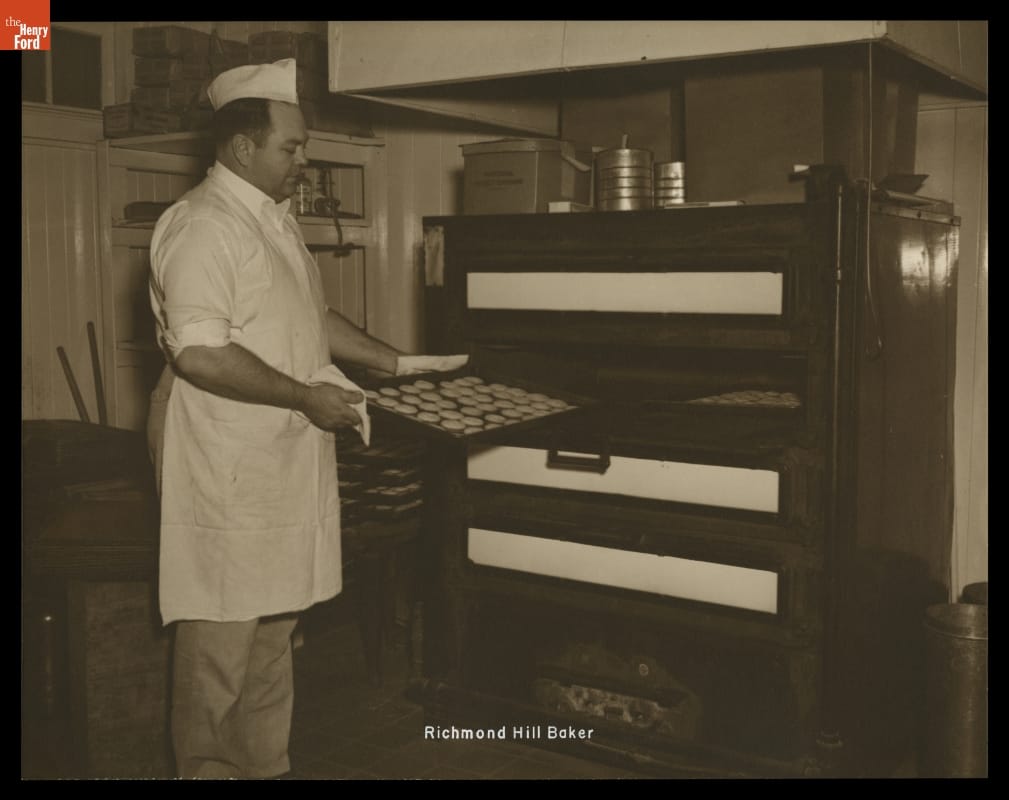
- Interior of Bakery, Richmond Hill, Georgia, circa 1947 - Henry Ford purchased vast amounts of land around present-day Richmond Hill, Georgia, beginning in the 1920s. Here, Ford dabbled in agricultural experimentation and in the late 1930s he built a winter residence. Ford also built other buildings to support his farming operations and the surrounding community. A three-room bakery was located near the commissary and post office.
- circa 1947
- Collections - Artifact
Interior of Bakery, Richmond Hill, Georgia, circa 1947
Henry Ford purchased vast amounts of land around present-day Richmond Hill, Georgia, beginning in the 1920s. Here, Ford dabbled in agricultural experimentation and in the late 1930s he built a winter residence. Ford also built other buildings to support his farming operations and the surrounding community. A three-room bakery was located near the commissary and post office.
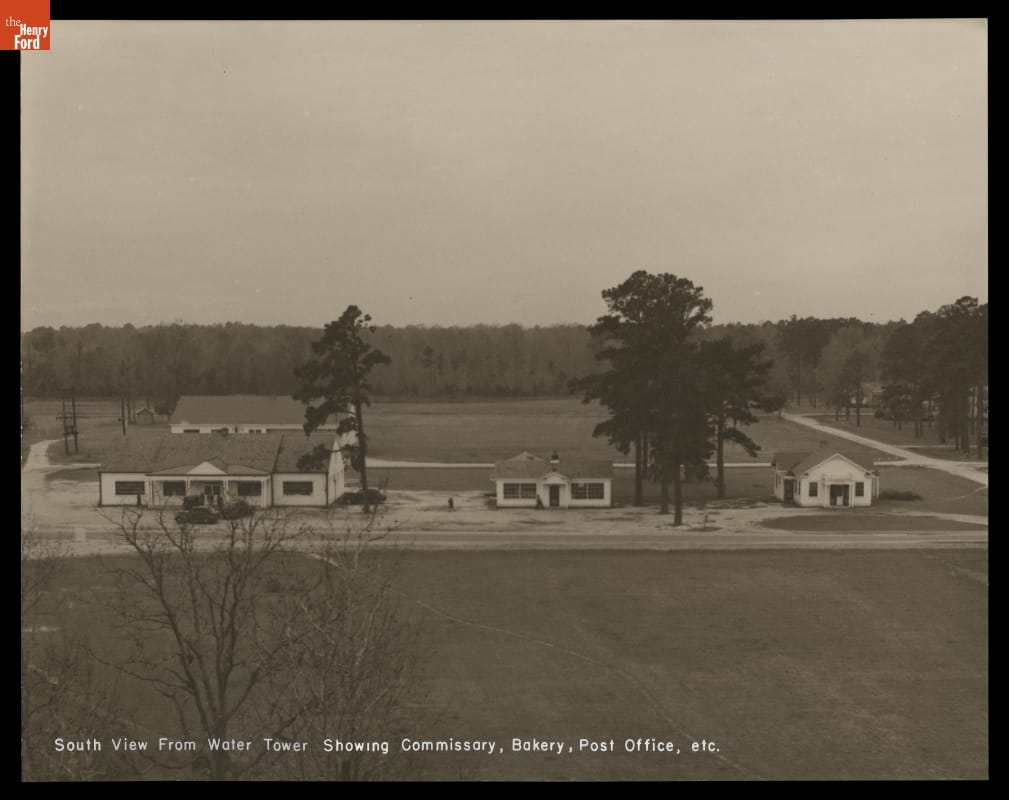
- Commissary, Bakery, and Post Office, Richmond Hill, Georgia, circa 1947 - Henry Ford purchased vast amounts of land around present-day Richmond Hill, Georgia, beginning in the 1920s. Here, Ford dabbled in agricultural experimentation and in the late 1930s he built a winter residence. Ford also built other buildings to support his farming operations and the surrounding community. The commissary with a bakery and post office nearby was an important shopping facility for area residents.
- circa 1947
- Collections - Artifact
Commissary, Bakery, and Post Office, Richmond Hill, Georgia, circa 1947
Henry Ford purchased vast amounts of land around present-day Richmond Hill, Georgia, beginning in the 1920s. Here, Ford dabbled in agricultural experimentation and in the late 1930s he built a winter residence. Ford also built other buildings to support his farming operations and the surrounding community. The commissary with a bakery and post office nearby was an important shopping facility for area residents.
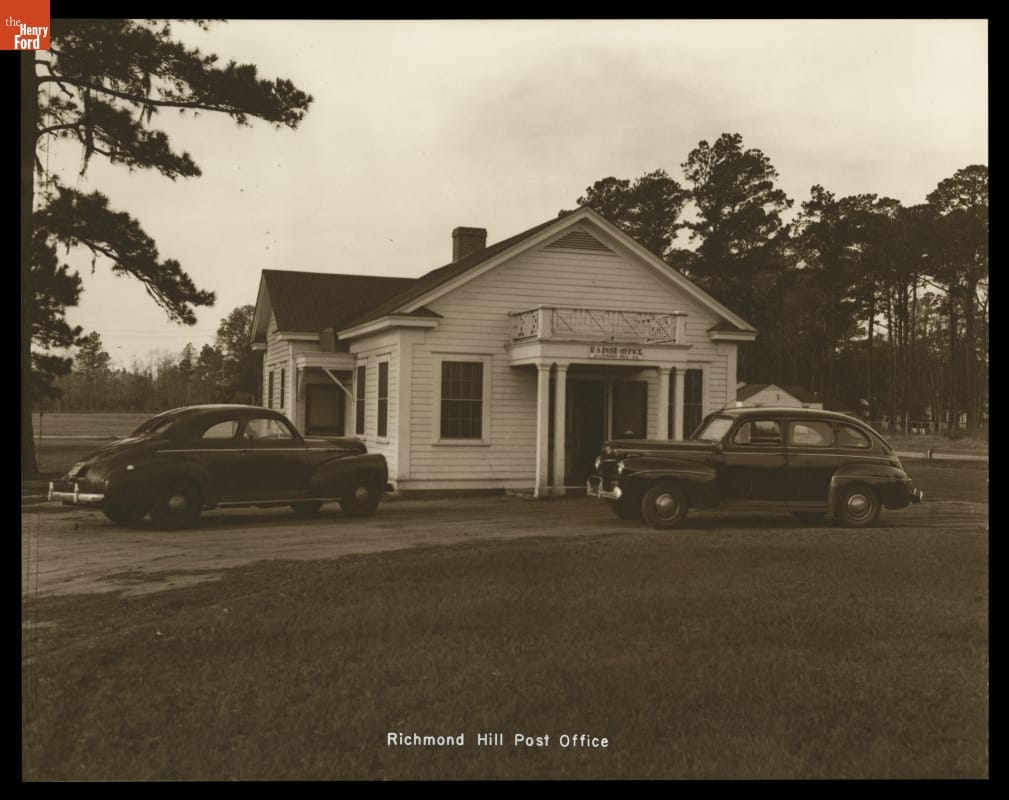
- Post Office, Richmond Hill, Georgia, circa 1947 - Henry Ford purchased vast amounts of land around Ways Station, Georgia, beginning in the 1920s. Ford poured money into the community and in the late 1930s he built a winter residence there. In 1941, citizens wanted to honor Ford and rename the town, but Ford refused to have it named after him. They chose Richmond Hill -- the name of Ford's estate.
- circa 1947
- Collections - Artifact
Post Office, Richmond Hill, Georgia, circa 1947
Henry Ford purchased vast amounts of land around Ways Station, Georgia, beginning in the 1920s. Ford poured money into the community and in the late 1930s he built a winter residence there. In 1941, citizens wanted to honor Ford and rename the town, but Ford refused to have it named after him. They chose Richmond Hill -- the name of Ford's estate.
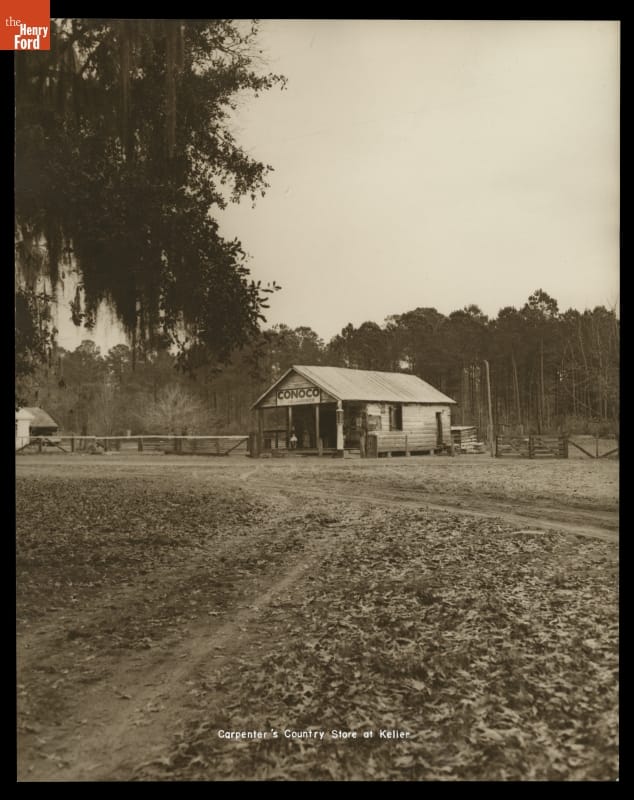
- J.D. Carpenter's Conoco Station and Country Store near Richmond Hill, Georgia, circa 1947 - Henry Ford purchased vast amounts of land around present-day Richmond Hill, Georgia, beginning in the 1920s. Here, Ford dabbled in agricultural experimentation and in the late 1930s he built a winter residence. Though Ford acquired 85,000 acres, there were still privately owned parcels located in the area. The Carpenter family operated a small country store that served local residents east of Richmond Hill.
- circa 1947
- Collections - Artifact
J.D. Carpenter's Conoco Station and Country Store near Richmond Hill, Georgia, circa 1947
Henry Ford purchased vast amounts of land around present-day Richmond Hill, Georgia, beginning in the 1920s. Here, Ford dabbled in agricultural experimentation and in the late 1930s he built a winter residence. Though Ford acquired 85,000 acres, there were still privately owned parcels located in the area. The Carpenter family operated a small country store that served local residents east of Richmond Hill.
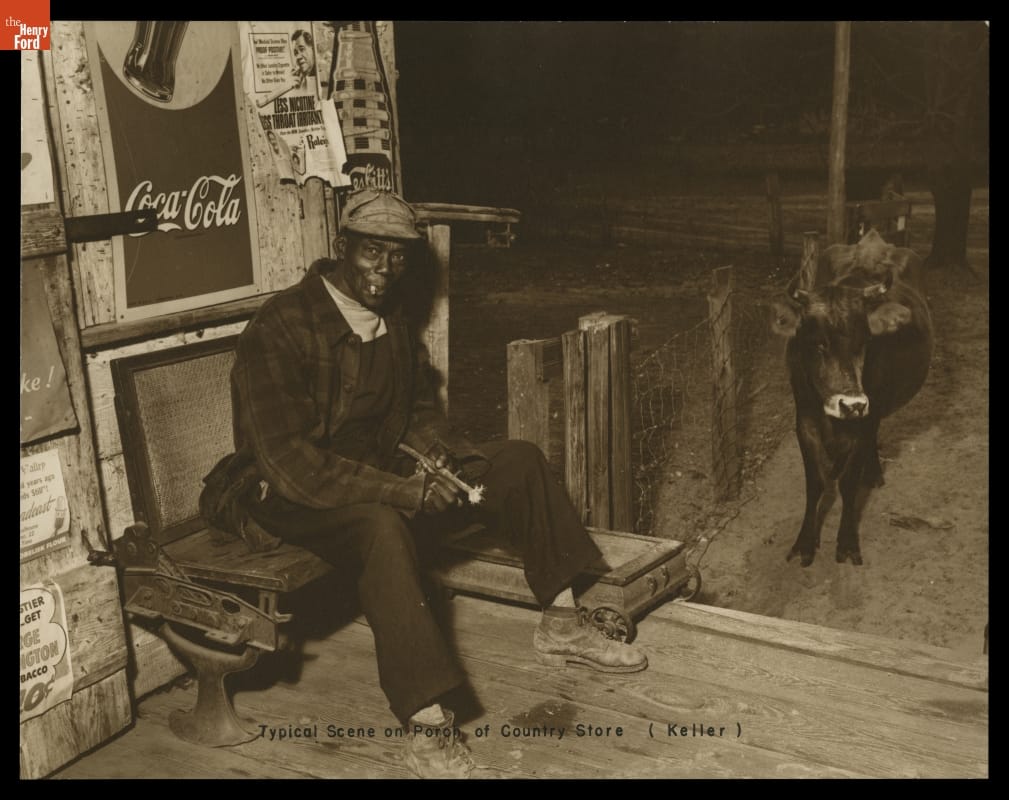
- J.D. Carpenter's Country Store near Richmond Hill, Georgia, circa 1947 - Henry Ford purchased vast amounts of land around present-day Richmond Hill, Georgia, beginning in the 1920s. Here, Ford dabbled in agricultural experimentation and in the late 1930s he built a winter residence. Though Ford acquired 85,000 acres, there were still privately owned parcels located in the area. The Carpenter family operated a small country store that served local residents east of Richmond Hill.
- circa 1947
- Collections - Artifact
J.D. Carpenter's Country Store near Richmond Hill, Georgia, circa 1947
Henry Ford purchased vast amounts of land around present-day Richmond Hill, Georgia, beginning in the 1920s. Here, Ford dabbled in agricultural experimentation and in the late 1930s he built a winter residence. Though Ford acquired 85,000 acres, there were still privately owned parcels located in the area. The Carpenter family operated a small country store that served local residents east of Richmond Hill.