
Search
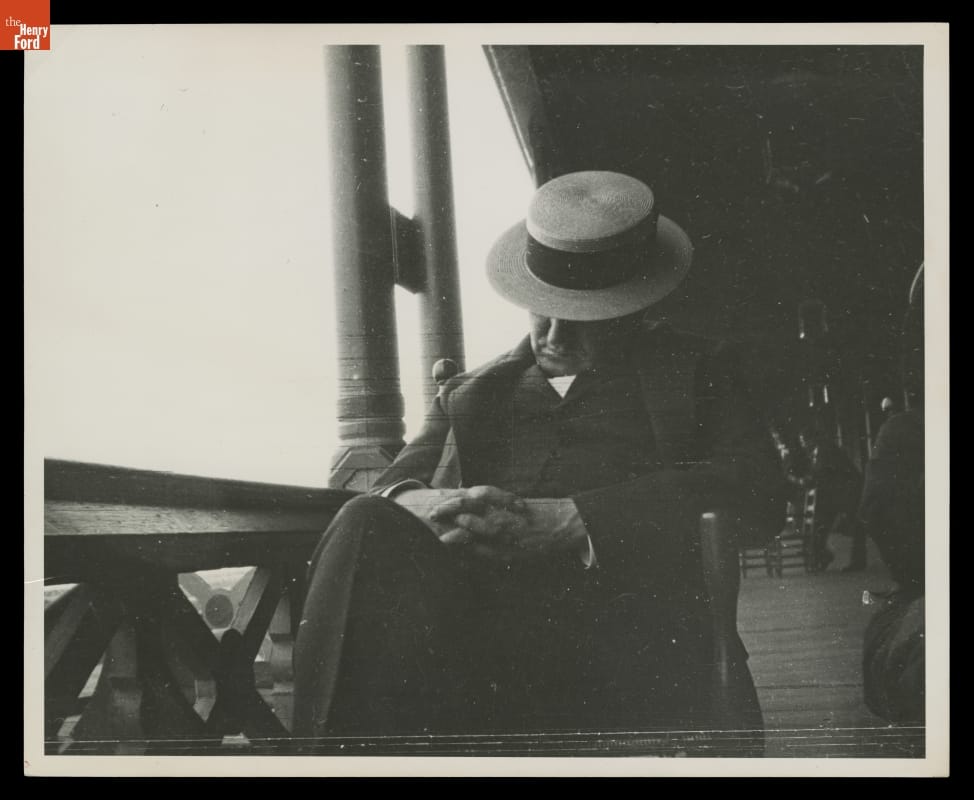
- Thomas Edison Asleep at the Oriental Hotel, Manhattan Beach, Snapshot by Henry Ford, 1896 - Henry Ford attended the 1896 meeting of the Association of Edison Illuminating Companies in Brooklyn, New York, with camera in tow. During the convention, Ford captured several candid shots of his boyhood hero, Thomas Edison. He also had a personal encounter with Edison at a banquet -- a brief but encouraging landmark in the ambitious engineer's life.
- 1896
- Collections - Artifact
Thomas Edison Asleep at the Oriental Hotel, Manhattan Beach, Snapshot by Henry Ford, 1896
Henry Ford attended the 1896 meeting of the Association of Edison Illuminating Companies in Brooklyn, New York, with camera in tow. During the convention, Ford captured several candid shots of his boyhood hero, Thomas Edison. He also had a personal encounter with Edison at a banquet -- a brief but encouraging landmark in the ambitious engineer's life.
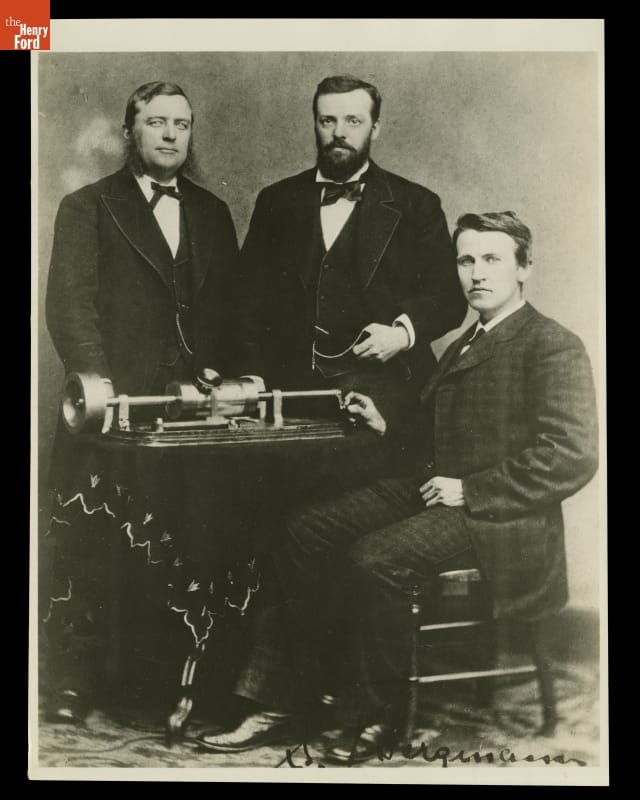
- Thomas Edison, Charles Batchelor, and Uriah Painter with Edison's Phonograph, April 18, 1878 - While in Washington, D.C., for an 1878 presentation to the National Academy of Sciences, inventor Thomas Edison, his lab assistant Charles Batchelor, and Philadelphia Inquirer correspondent Uriah Painter sat for famed Civil War photographer Mathew Brady. They posed with Edison's phonograph, a new invention that could, for the first time, record and reproduce sound. The machine made Edison an overnight celebrity.
- April 18, 1878
- Collections - Artifact
Thomas Edison, Charles Batchelor, and Uriah Painter with Edison's Phonograph, April 18, 1878
While in Washington, D.C., for an 1878 presentation to the National Academy of Sciences, inventor Thomas Edison, his lab assistant Charles Batchelor, and Philadelphia Inquirer correspondent Uriah Painter sat for famed Civil War photographer Mathew Brady. They posed with Edison's phonograph, a new invention that could, for the first time, record and reproduce sound. The machine made Edison an overnight celebrity.
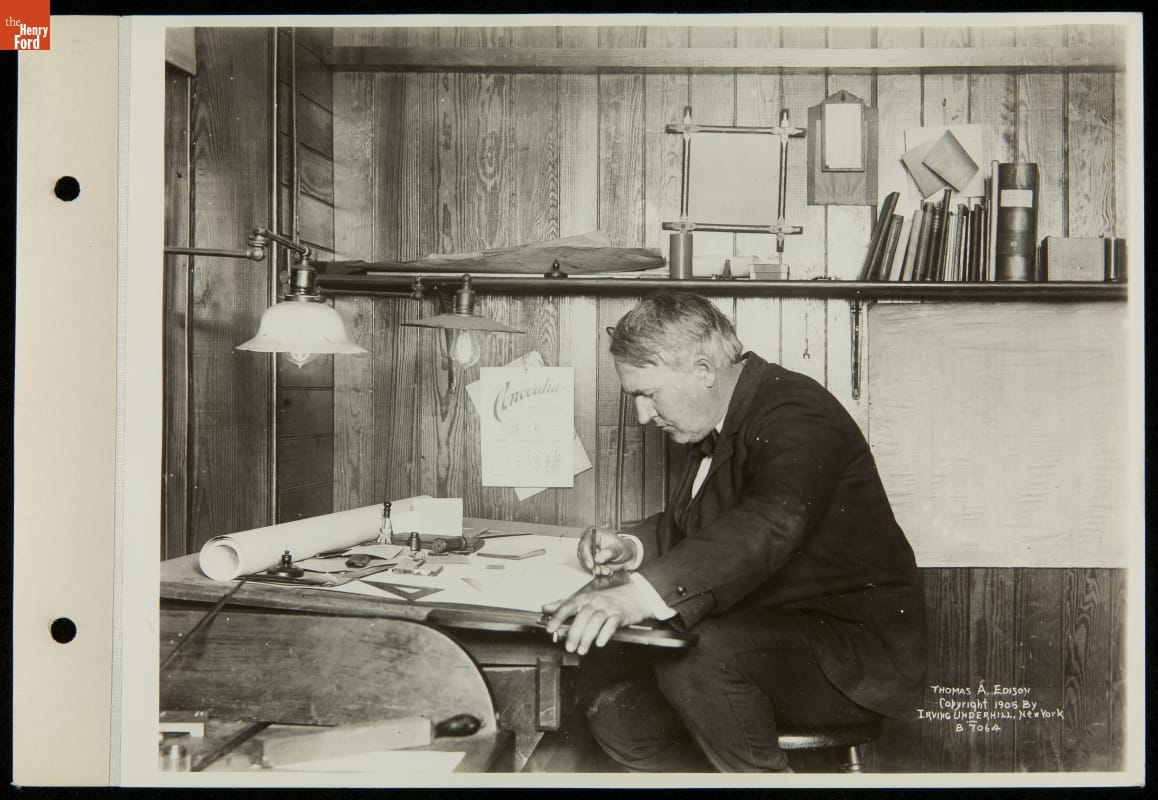
- Thomas Edison at His Laboratory in West Orange, New Jersey, 1898 - This photograph shows inventor Thomas Alva Edison at work in his West Orange, New Jersey, laboratory. Edison directed teams of research assistants here for nearly fifty years -- from 1887 until his death in 1931. More than half of Edison's 1,093 patents resulted from the collaborative work done in this complex, which became a model for modern research and development laboratories.
- November 05, 1929
- Collections - Artifact
Thomas Edison at His Laboratory in West Orange, New Jersey, 1898
This photograph shows inventor Thomas Alva Edison at work in his West Orange, New Jersey, laboratory. Edison directed teams of research assistants here for nearly fifty years -- from 1887 until his death in 1931. More than half of Edison's 1,093 patents resulted from the collaborative work done in this complex, which became a model for modern research and development laboratories.
- Thomas Edison Napping at His West Orange Laboratory, New Jersey, circa 1924 -
- circa 1924
- Collections - Artifact
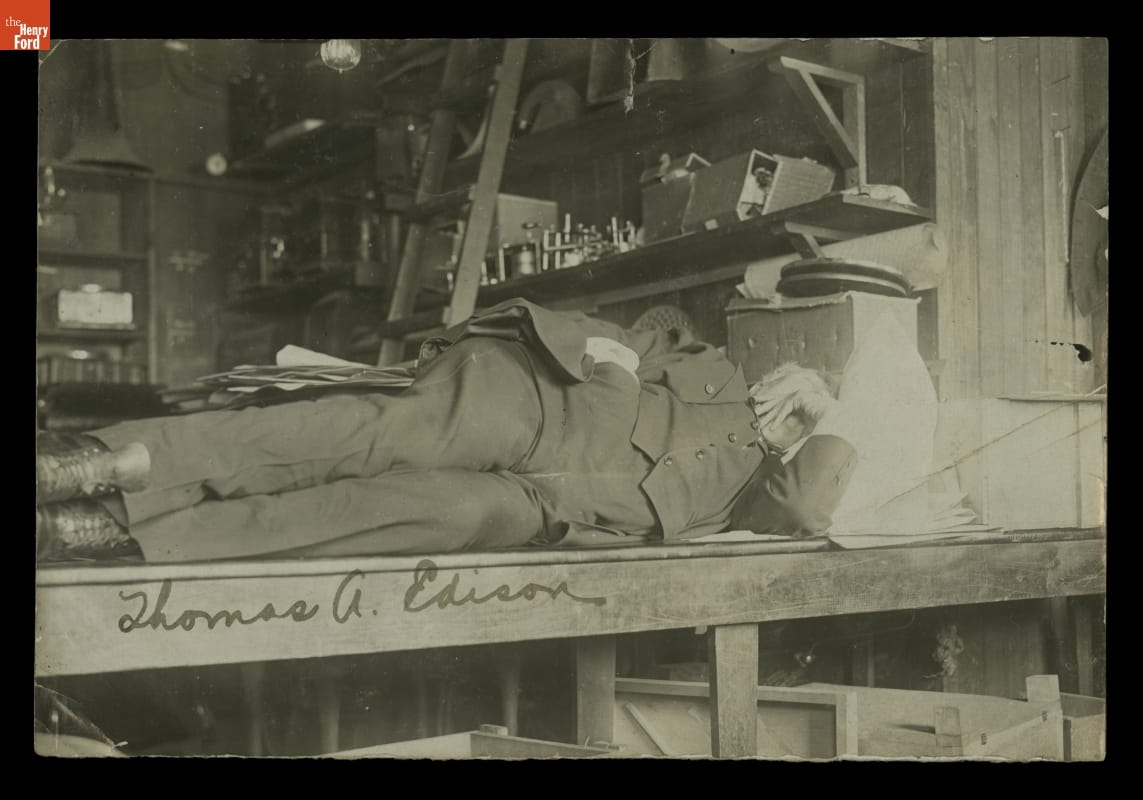
Thomas Edison Napping at His West Orange Laboratory, New Jersey, circa 1924
- Thomas Edison at West Orange Laboratory, New Jersey, 1887-1888 -
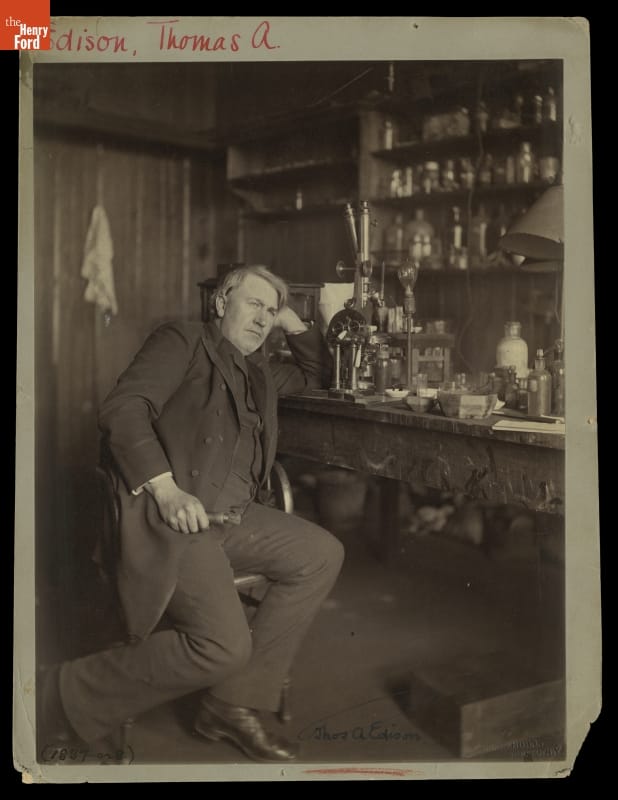
- 1887-1888
- Collections - Artifact
Thomas Edison at West Orange Laboratory, New Jersey, 1887-1888
- Cover of The Daily Graphic Newspaper for January 3, 1880, "Edison and His Electric Light" -
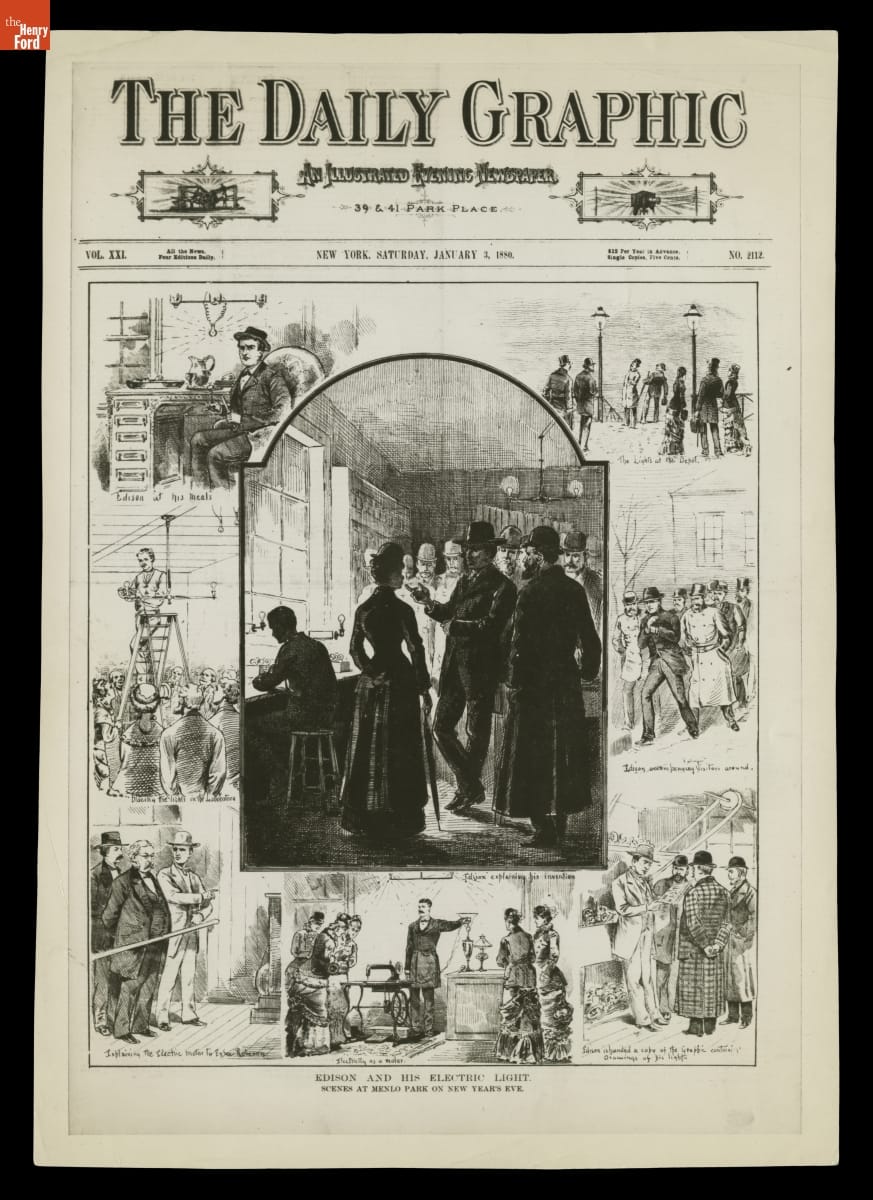
- December 31, 1879
- Collections - Artifact
Cover of The Daily Graphic Newspaper for January 3, 1880, "Edison and His Electric Light"
- Thomas Edison Punching the Time Clock on His 74th Birthday, February 11, 1921 -
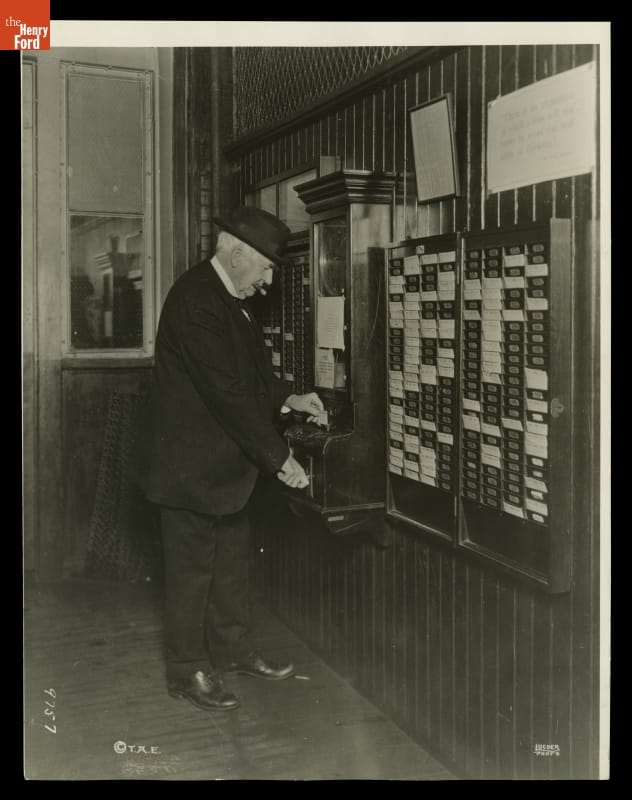
- February 11, 1921
- Collections - Artifact
Thomas Edison Punching the Time Clock on His 74th Birthday, February 11, 1921
- Thomas Edison and His Phonograph, 1878 - In 1877, Thomas Edison and his laboratory assistants created a machine that could - for the first time - record and reproduce sound. Called the phonograph, it made Edison an overnight celebrity. While in Washington, D.C., to present to the National Academy of Sciences in 1878, Edison sat with his phonograph for well-known Civil War photographer Mathew Brady.
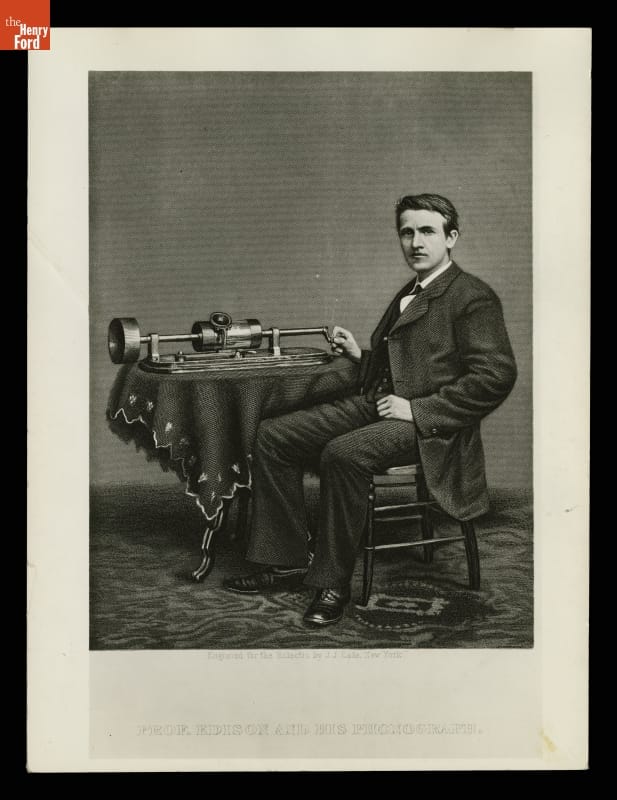
- April 01, 1878
- Collections - Artifact
Thomas Edison and His Phonograph, 1878
In 1877, Thomas Edison and his laboratory assistants created a machine that could - for the first time - record and reproduce sound. Called the phonograph, it made Edison an overnight celebrity. While in Washington, D.C., to present to the National Academy of Sciences in 1878, Edison sat with his phonograph for well-known Civil War photographer Mathew Brady.
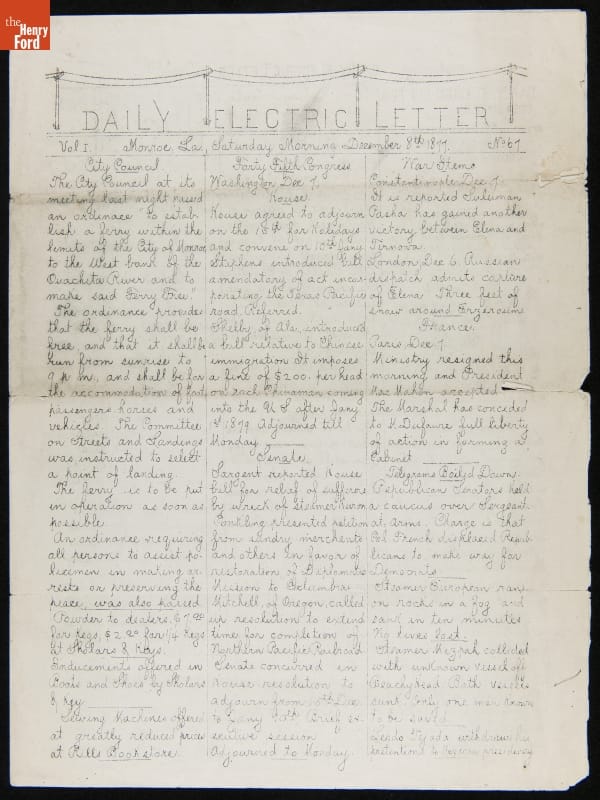
- "Daily Electric Letter" Newspaper for December 8, 1877, Vol. 1, No. 69, Made with the Edison Electric Pen and Duplicating Press -
- December 08, 1877
- Collections - Artifact
"Daily Electric Letter" Newspaper for December 8, 1877, Vol. 1, No. 69, Made with the Edison Electric Pen and Duplicating Press
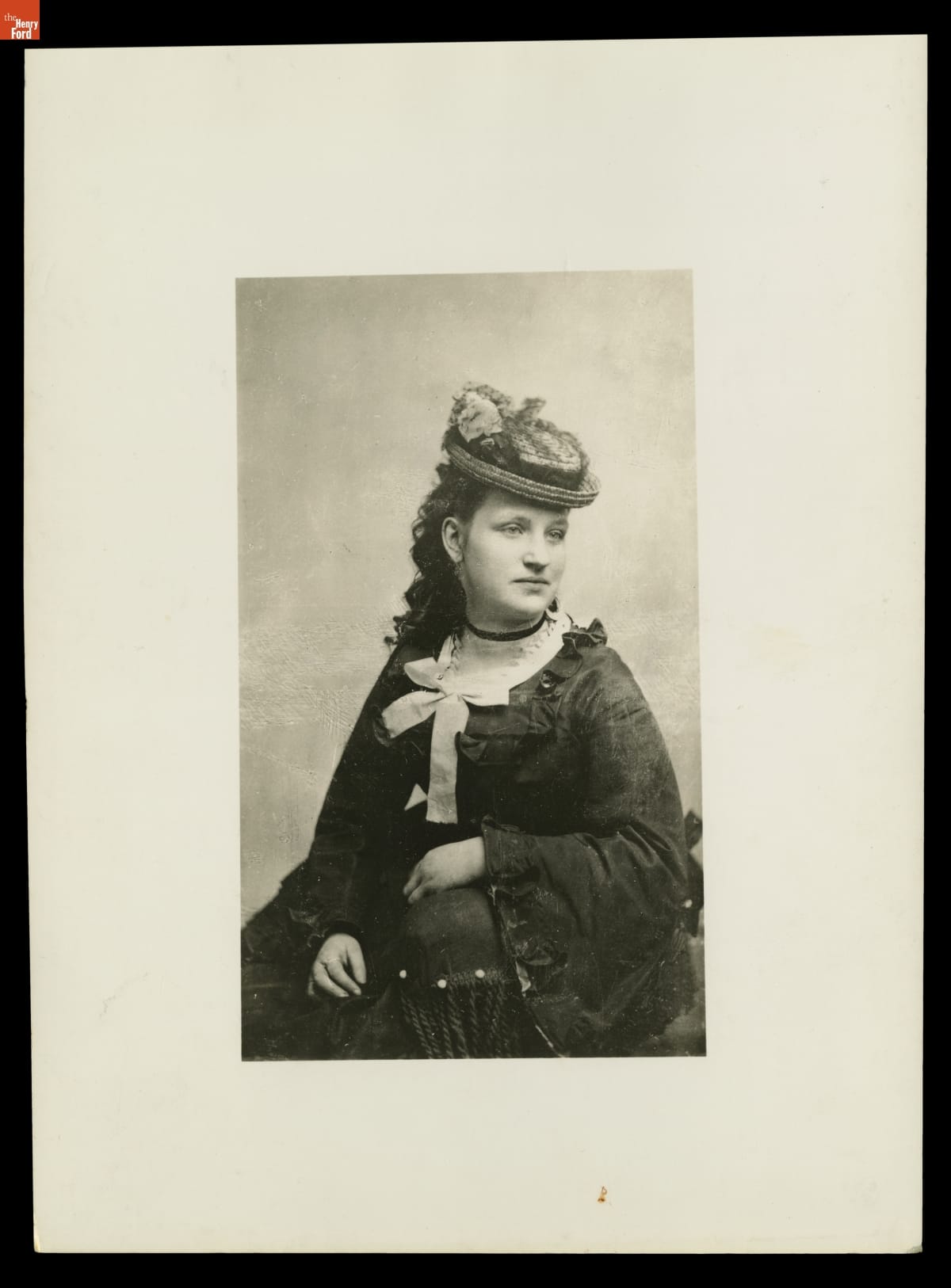
- Mary Stilwell Edison, circa 1876 -
- circa 1876
- Collections - Artifact
Mary Stilwell Edison, circa 1876