
Search
- Tree Bark and Wood Pulp Samples from Brazil, Sample #12, 1925-1928 - In 1928, Henry Ford established rubber tree plantations in the Brazilian rainforest to supply rubber for automobile production. He also explored how to profit from the native plants already growing on his land holdings. Samples of Brazilian plants like this were sent to Ford's Rouge factory in Dearborn, Michigan, to determine if they could be used to make commercially viable products.
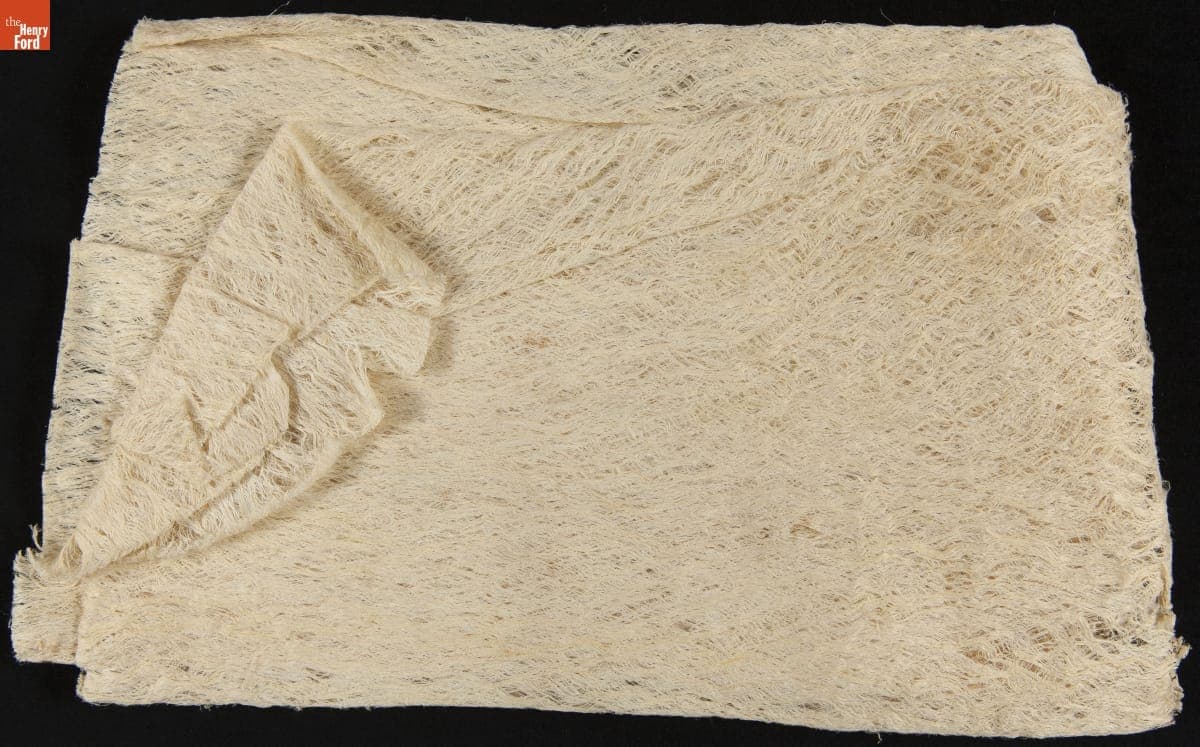
- 1925-1928
- Collections - Artifact
Tree Bark and Wood Pulp Samples from Brazil, Sample #12, 1925-1928
In 1928, Henry Ford established rubber tree plantations in the Brazilian rainforest to supply rubber for automobile production. He also explored how to profit from the native plants already growing on his land holdings. Samples of Brazilian plants like this were sent to Ford's Rouge factory in Dearborn, Michigan, to determine if they could be used to make commercially viable products.
- "Plant Samples--Sample #73--Java Sisal, Red Sisal and Current Sisal, 1931" - In 1928, Henry Ford established rubber tree plantations in the Brazilian rainforest to supply rubber for automobile production. He also explored how to profit from the native plants already growing on his land holdings. Samples of Brazilian plants like this were sent to Ford's Rouge factory in Dearborn, Michigan, to determine if they could be used to make commercially viable products.
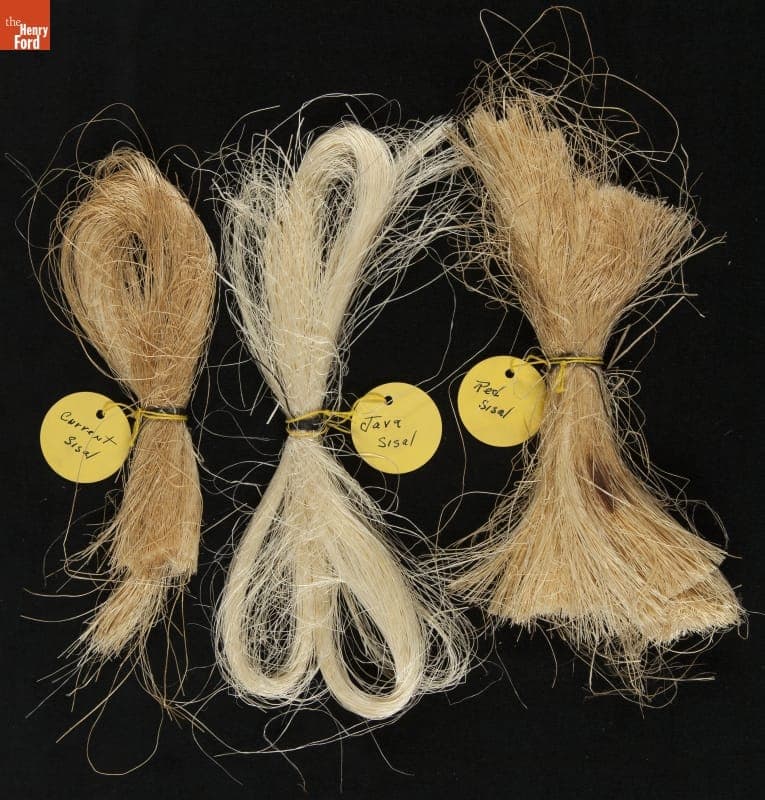
- June 04, 1931
- Collections - Artifact
"Plant Samples--Sample #73--Java Sisal, Red Sisal and Current Sisal, 1931"
In 1928, Henry Ford established rubber tree plantations in the Brazilian rainforest to supply rubber for automobile production. He also explored how to profit from the native plants already growing on his land holdings. Samples of Brazilian plants like this were sent to Ford's Rouge factory in Dearborn, Michigan, to determine if they could be used to make commercially viable products.
- Tree Bark and Wood Pulp Samples from Brazil, Sample #1, Timbo Assu, 1925-1928 - In 1928, Henry Ford established rubber tree plantations in the Brazilian rainforest to supply rubber for automobile production. He also explored how to profit from the native plants already growing on his land holdings. Samples of Brazilian plants like this were sent to Ford's Rouge factory in Dearborn, Michigan, to determine if they could be used to make commercially viable products.
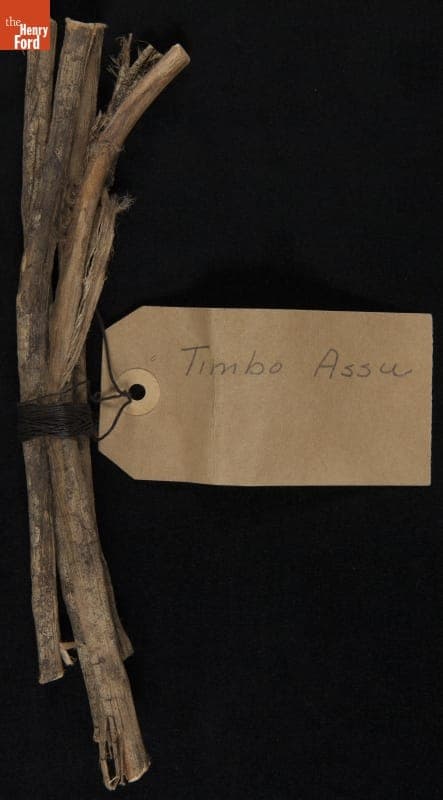
- 1925-1928
- Collections - Artifact
Tree Bark and Wood Pulp Samples from Brazil, Sample #1, Timbo Assu, 1925-1928
In 1928, Henry Ford established rubber tree plantations in the Brazilian rainforest to supply rubber for automobile production. He also explored how to profit from the native plants already growing on his land holdings. Samples of Brazilian plants like this were sent to Ford's Rouge factory in Dearborn, Michigan, to determine if they could be used to make commercially viable products.
- Tree Bark and Wood Pulp Samples from Brazil, Sample #14, 1925-1928 - In 1928, Henry Ford established rubber tree plantations in the Brazilian rainforest to supply rubber for automobile production. He also explored how to profit from the native plants already growing on his land holdings. Samples of Brazilian plants like this were sent to Ford's Rouge factory in Dearborn, Michigan, to determine if they could be used to make commercially viable products.
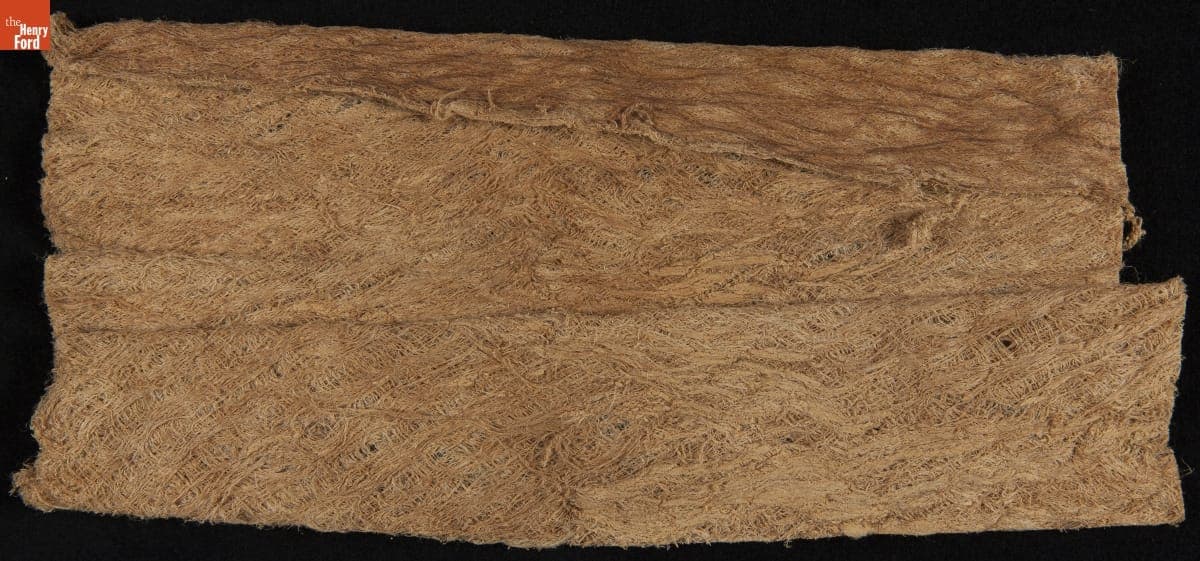
- 1925-1928
- Collections - Artifact
Tree Bark and Wood Pulp Samples from Brazil, Sample #14, 1925-1928
In 1928, Henry Ford established rubber tree plantations in the Brazilian rainforest to supply rubber for automobile production. He also explored how to profit from the native plants already growing on his land holdings. Samples of Brazilian plants like this were sent to Ford's Rouge factory in Dearborn, Michigan, to determine if they could be used to make commercially viable products.
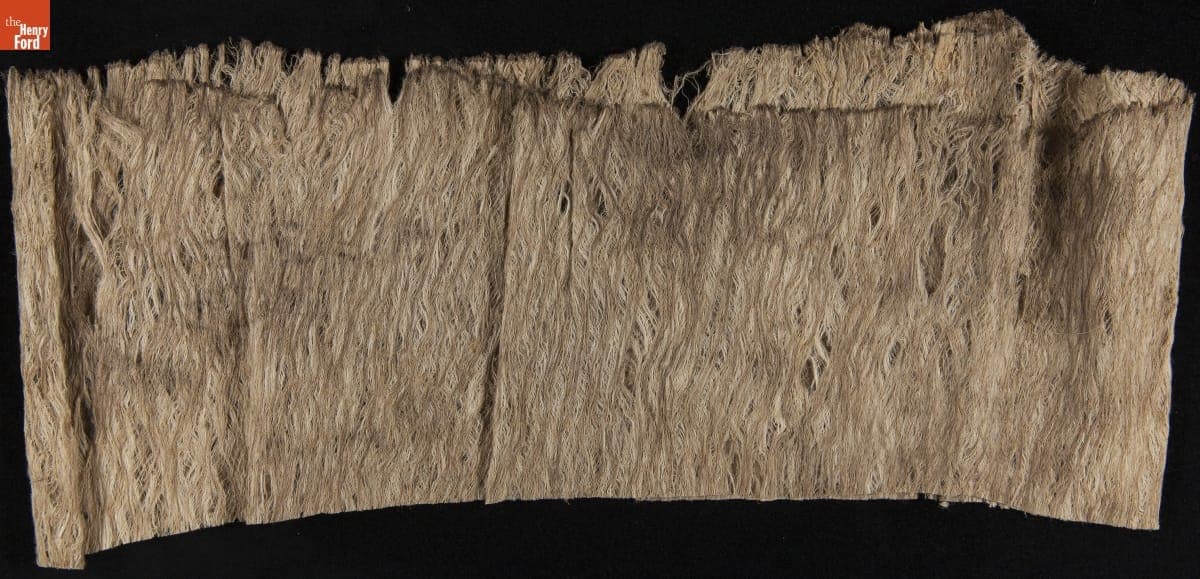
- Tree Bark and Wood Pulp Samples from Brazil, Sample #10, 1925-1928 - In 1928, Henry Ford established rubber tree plantations in the Brazilian rainforest to supply rubber for automobile production. He also explored how to profit from the native plants already growing on his land holdings. Samples of Brazilian plants like this were sent to Ford's Rouge factory in Dearborn, Michigan, to determine if they could be used to make commercially viable products.
- 1925-1928
- Collections - Artifact
Tree Bark and Wood Pulp Samples from Brazil, Sample #10, 1925-1928
In 1928, Henry Ford established rubber tree plantations in the Brazilian rainforest to supply rubber for automobile production. He also explored how to profit from the native plants already growing on his land holdings. Samples of Brazilian plants like this were sent to Ford's Rouge factory in Dearborn, Michigan, to determine if they could be used to make commercially viable products.
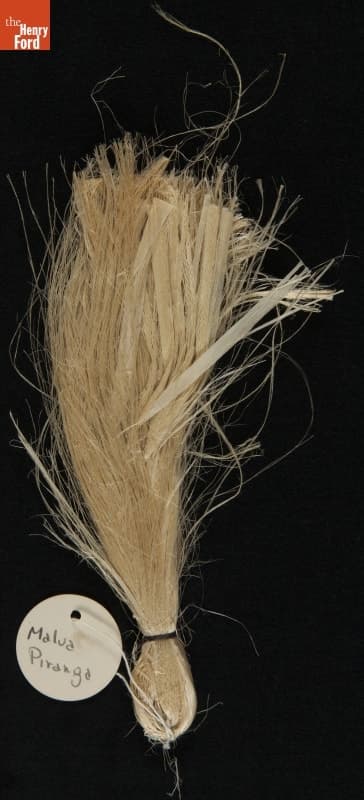
- "Plant Samples--Sample #49--Malva Pirango, 1931" - In 1928, Henry Ford established rubber tree plantations in the Brazilian rainforest to supply rubber for automobile production. He also explored how to profit from the native plants already growing on his land holdings. Samples of Brazilian plants like this were sent to Ford's Rouge factory in Dearborn, Michigan, to determine if they could be used to make commercially viable products.
- May 01, 1931
- Collections - Artifact
"Plant Samples--Sample #49--Malva Pirango, 1931"
In 1928, Henry Ford established rubber tree plantations in the Brazilian rainforest to supply rubber for automobile production. He also explored how to profit from the native plants already growing on his land holdings. Samples of Brazilian plants like this were sent to Ford's Rouge factory in Dearborn, Michigan, to determine if they could be used to make commercially viable products.
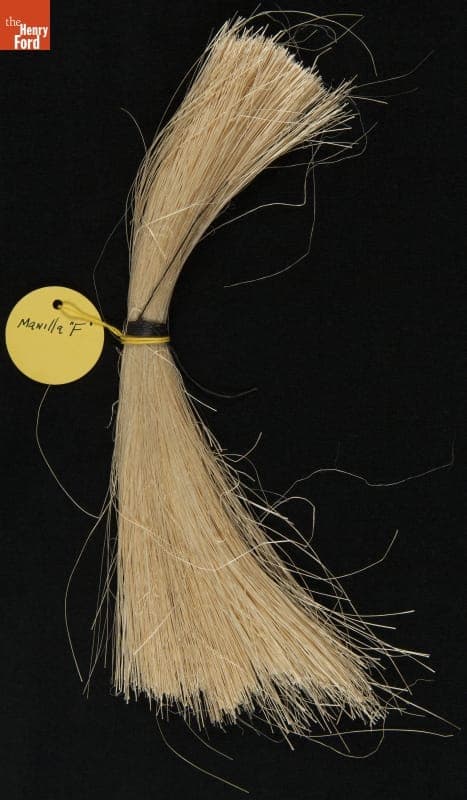
- "Plant Samples--Sample #9--Manilla String, 1931" - In 1928, Henry Ford established rubber tree plantations in the Brazilian rainforest to supply rubber for automobile production. He also explored how to profit from the native plants already growing on his land holdings. Samples of Brazilian plants like this were sent to Ford's Rouge factory in Dearborn, Michigan, to determine if they could be used to make commercially viable products.
- 1931
- Collections - Artifact
"Plant Samples--Sample #9--Manilla String, 1931"
In 1928, Henry Ford established rubber tree plantations in the Brazilian rainforest to supply rubber for automobile production. He also explored how to profit from the native plants already growing on his land holdings. Samples of Brazilian plants like this were sent to Ford's Rouge factory in Dearborn, Michigan, to determine if they could be used to make commercially viable products.
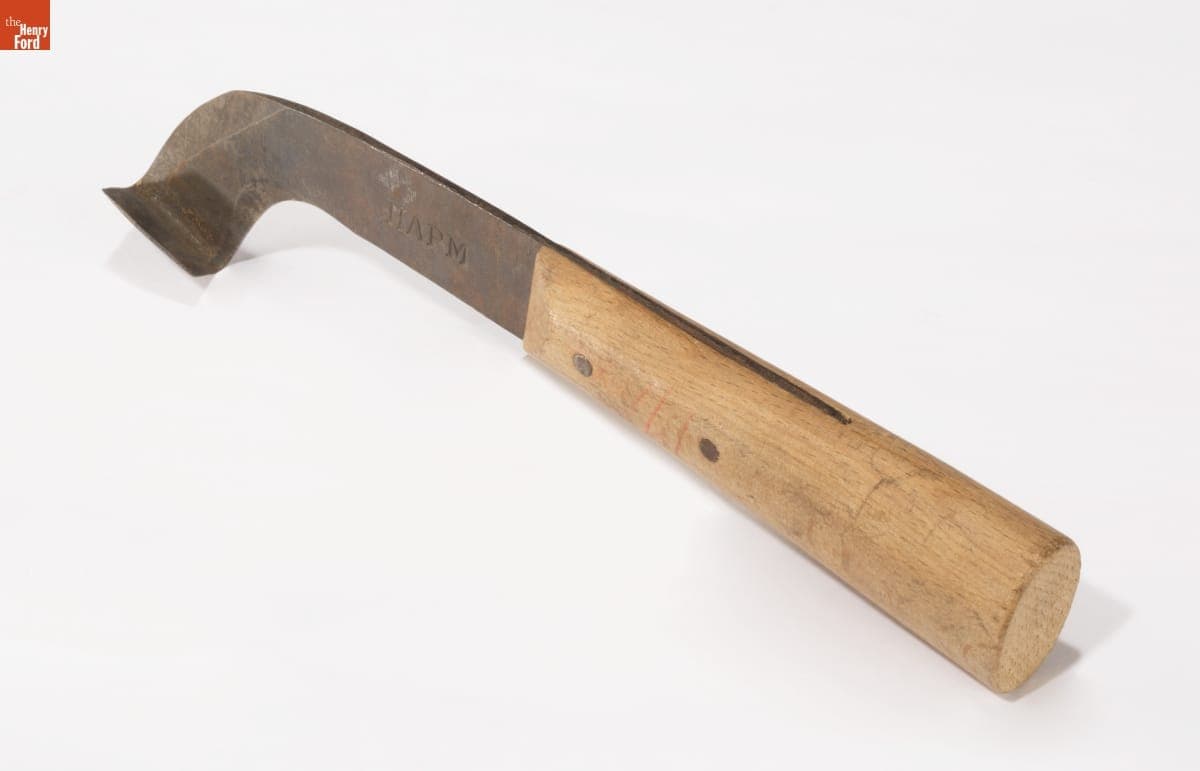
- Harvesting Knife Used during Ford Motor Company's Brazilian Rubber Plantations Venture, 1928-1945 - From 1928 to 1945 Henry Ford tried, unsuccessfully, to establish productive rubber plantations on Brazil's Tapajos River. Rubber was an important component in Ford's automobiles, and he wanted a source that he controlled. W.L. Reeves Blakely, one of Ford's agents, selected the site for the Fordlandia plantation and used this harvesting knife during his explorations.
- 1928-1945
- Collections - Artifact
Harvesting Knife Used during Ford Motor Company's Brazilian Rubber Plantations Venture, 1928-1945
From 1928 to 1945 Henry Ford tried, unsuccessfully, to establish productive rubber plantations on Brazil's Tapajos River. Rubber was an important component in Ford's automobiles, and he wanted a source that he controlled. W.L. Reeves Blakely, one of Ford's agents, selected the site for the Fordlandia plantation and used this harvesting knife during his explorations.
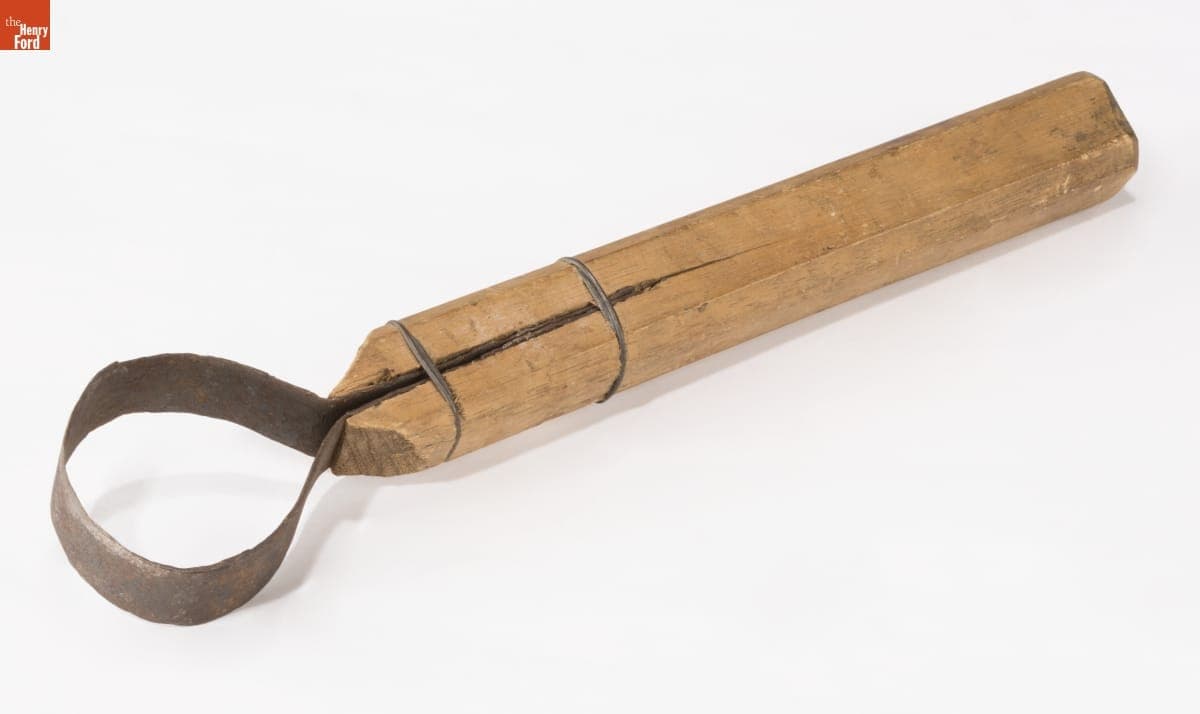
- Circle Hoe Used during Ford Motor Company's Brazilian Rubber Plantations Venture, 1928-1945 - From 1928 to 1945 Henry Ford tried, unsuccessfully, to establish productive rubber plantations on Brazil's Tapajos River. Rubber was an important component in Ford's automobiles, and he wanted a source that he controlled. W.L. Reeves Blakely, one of Ford's agents, selected the site for the Fordlandia plantation and used this weeding hoe during his explorations.
- 1928-1945
- Collections - Artifact
Circle Hoe Used during Ford Motor Company's Brazilian Rubber Plantations Venture, 1928-1945
From 1928 to 1945 Henry Ford tried, unsuccessfully, to establish productive rubber plantations on Brazil's Tapajos River. Rubber was an important component in Ford's automobiles, and he wanted a source that he controlled. W.L. Reeves Blakely, one of Ford's agents, selected the site for the Fordlandia plantation and used this weeding hoe during his explorations.
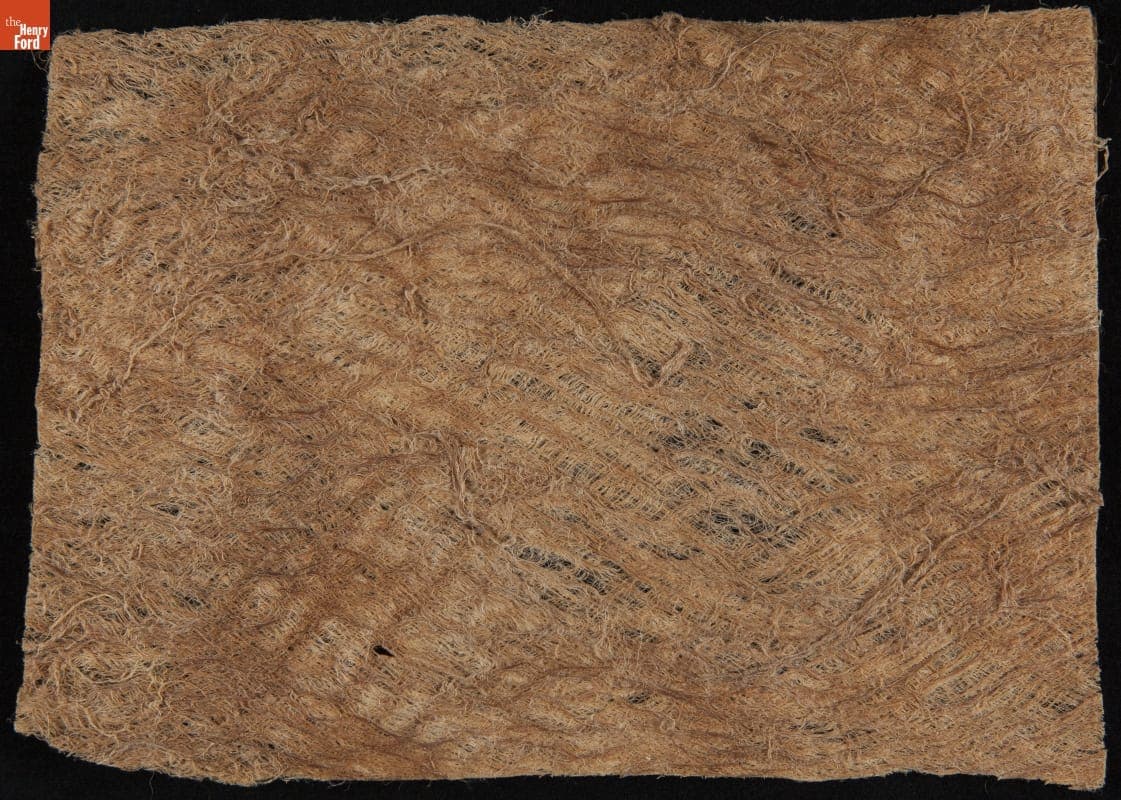
- Tree Bark and Wood Pulp Samples from Brazil, Sample #6, Apuhy, 1925-1928 - In 1928, Henry Ford established rubber tree plantations in the Brazilian rainforest to supply rubber for automobile production. He also explored how to profit from the native plants already growing on his land holdings. Samples of Brazilian plants like this were sent to Ford's Rouge factory in Dearborn, Michigan, to determine if they could be used to make commercially viable products.
- 1925-1928
- Collections - Artifact
Tree Bark and Wood Pulp Samples from Brazil, Sample #6, Apuhy, 1925-1928
In 1928, Henry Ford established rubber tree plantations in the Brazilian rainforest to supply rubber for automobile production. He also explored how to profit from the native plants already growing on his land holdings. Samples of Brazilian plants like this were sent to Ford's Rouge factory in Dearborn, Michigan, to determine if they could be used to make commercially viable products.