
Search
- Scythe Blade -
- Collections - Artifact
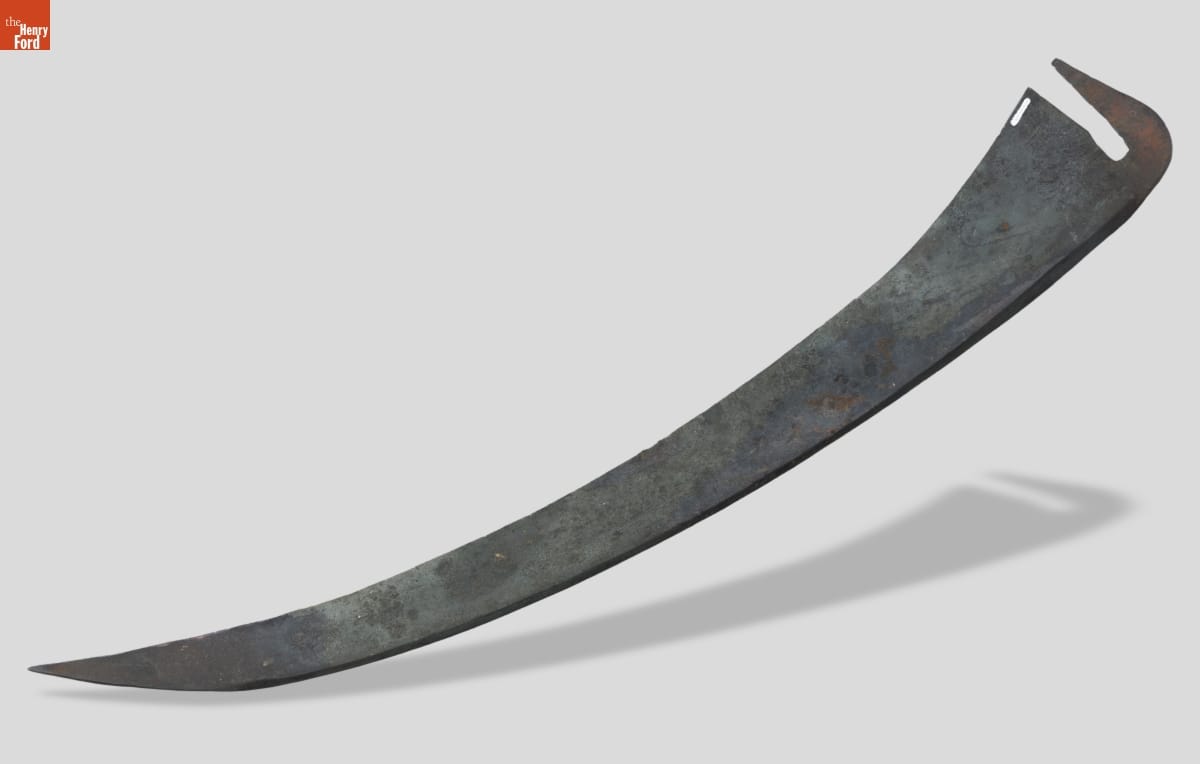
Scythe Blade
- Blau & Co. Bench Machine -
- Collections - Artifact
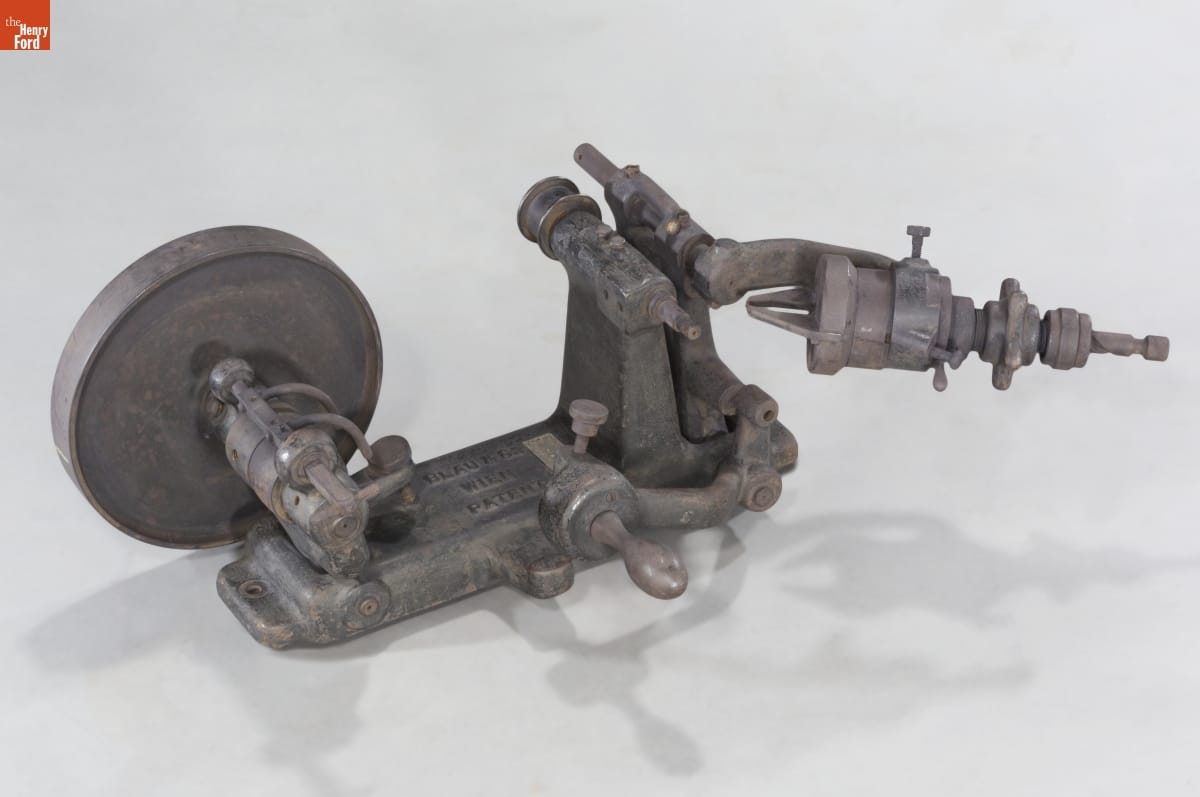
Blau & Co. Bench Machine
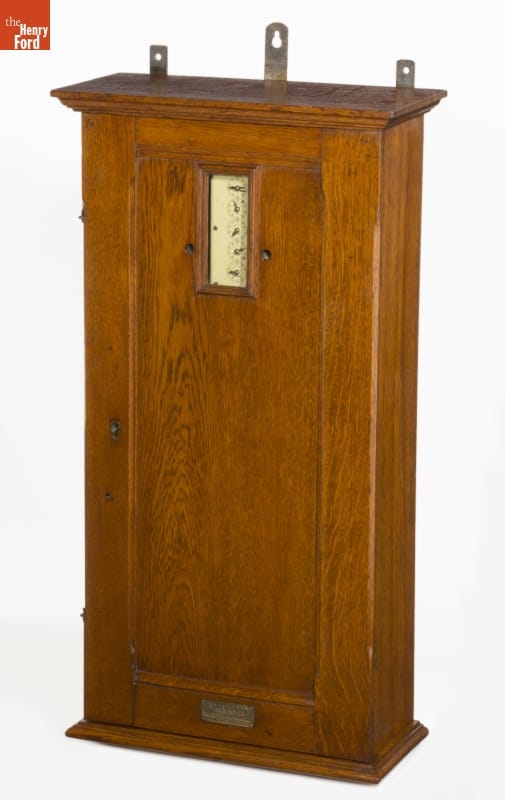
- H. Aron Meter, Used by Budapest General Electric Company, 1898 - Hermann Aron, a German physicist and lecturer-turned-manufacturer, developed a pendulum watt-hour meter in the 1880s for companies that supplied electricity to consumers in Europe's growing urban areas. Swinging pendulums turned hands on dials that accurately registered how much electricity customers used--so companies could charge appropriate rates. Aron's pendulum meters remained practical until less expensive motor meters became standard.
- 1898
- Collections - Artifact
H. Aron Meter, Used by Budapest General Electric Company, 1898
Hermann Aron, a German physicist and lecturer-turned-manufacturer, developed a pendulum watt-hour meter in the 1880s for companies that supplied electricity to consumers in Europe's growing urban areas. Swinging pendulums turned hands on dials that accurately registered how much electricity customers used--so companies could charge appropriate rates. Aron's pendulum meters remained practical until less expensive motor meters became standard.
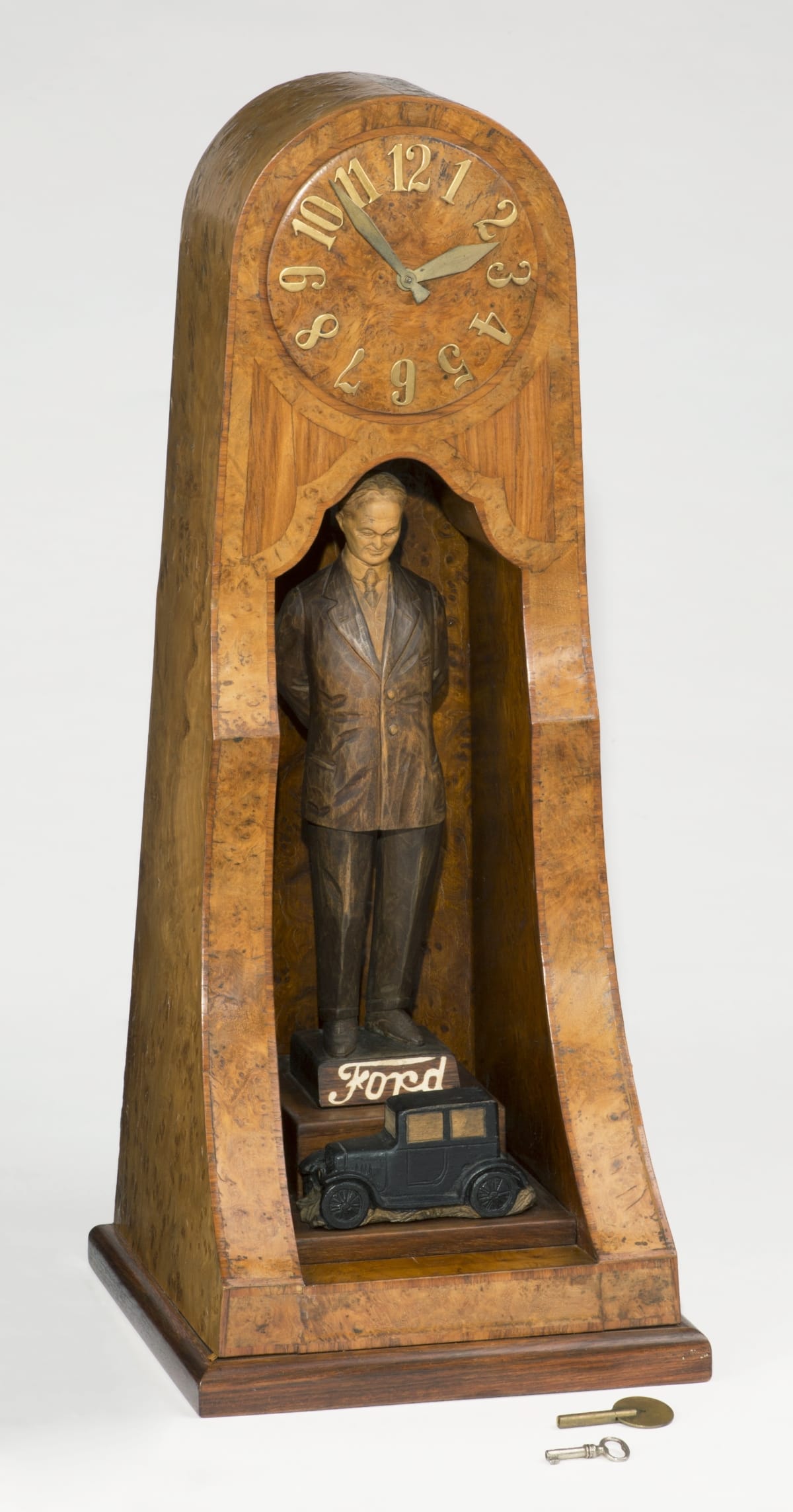
- Hand Carved Shelf Clock, Gift to Henry Ford, 1928 - Acknowledging Henry Ford's innovative spirit, individuals employing their own original and imaginative efforts bestowed hundreds of handmade gifts upon him. Sometimes there was an ulterior motive; correspondence accompanying this object reveals the donor's hope that Mr. Ford would be so impressed with his work, the woodworker might be offered a position in one of Ford's North American factories.
- 1928
- Collections - Artifact
Hand Carved Shelf Clock, Gift to Henry Ford, 1928
Acknowledging Henry Ford's innovative spirit, individuals employing their own original and imaginative efforts bestowed hundreds of handmade gifts upon him. Sometimes there was an ulterior motive; correspondence accompanying this object reveals the donor's hope that Mr. Ford would be so impressed with his work, the woodworker might be offered a position in one of Ford's North American factories.
- European Recovery Program Poster, "Einges Europa Tragt Wohlstand," circa 1950 -
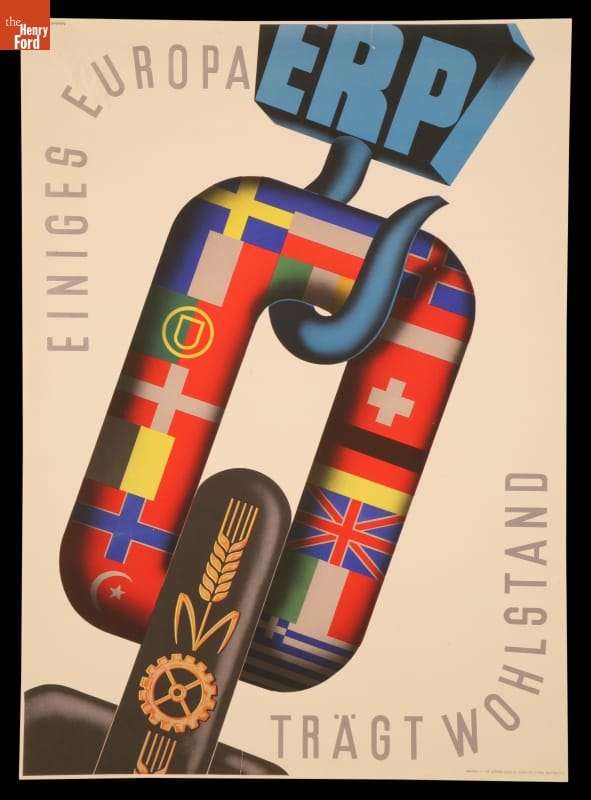
- circa 1950
- Collections - Artifact
European Recovery Program Poster, "Einges Europa Tragt Wohlstand," circa 1950
- Austrian Physician and Writer Jakob Eduard Polak, circa 1870 - The interestingly dressed man in this carte-de-visite is Jakob Eduard Polak. Born into a Jewish family in what is now the Czech Republic, Polak received his medical degree at Vienna, Austria in the 1840s. From 1851 to 1860, he taught medicine at a college in Iran and became the personal physician to the shah. He returned to Austria in the early 1860s.
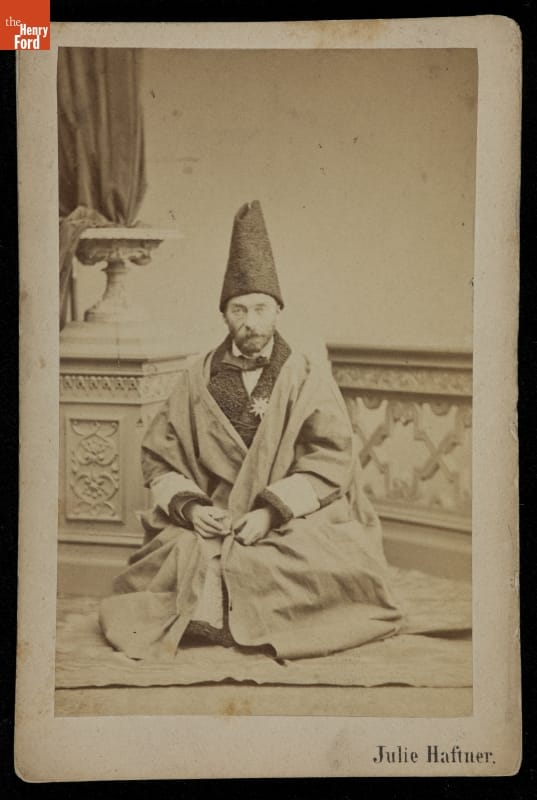
- circa 1870
- Collections - Artifact
Austrian Physician and Writer Jakob Eduard Polak, circa 1870
The interestingly dressed man in this carte-de-visite is Jakob Eduard Polak. Born into a Jewish family in what is now the Czech Republic, Polak received his medical degree at Vienna, Austria in the 1840s. From 1851 to 1860, he taught medicine at a college in Iran and became the personal physician to the shah. He returned to Austria in the early 1860s.
- Hand-painted Salt and Pepper Set, 1911-1912 - China painting was an important pastime for many American women. They painted over the glaze of fired, undecorated pieces of white porcelain called "blanks." In preparation for her 1912 wedding to Leon Gardner, recent college graduate Helen Marie Eichele purchased a set of blank china and decorated it with the help of some friends.
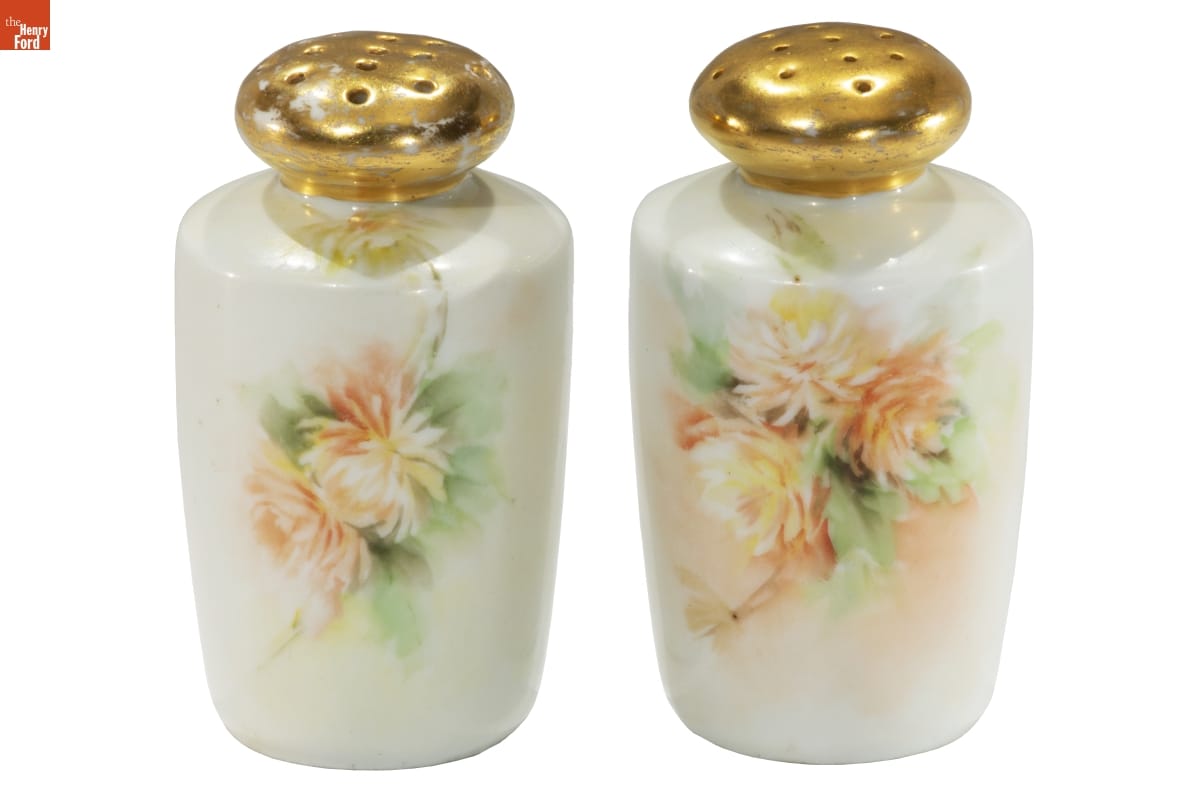
- 1911-1912
- Collections - Artifact
Hand-painted Salt and Pepper Set, 1911-1912
China painting was an important pastime for many American women. They painted over the glaze of fired, undecorated pieces of white porcelain called "blanks." In preparation for her 1912 wedding to Leon Gardner, recent college graduate Helen Marie Eichele purchased a set of blank china and decorated it with the help of some friends.
- Portrait of an Austrian Military Officer, circa 1875 - Photographer Fritz Luckhardt (1843-1894) was a meticulous craftsman in his vocation. The German-born photographer moved to Vienna, Austria, in 1865 and opened a studio two years later. He specialized in portrait photography, especially for celebrities and artists, establishing himself as the premier society photographer in the city.
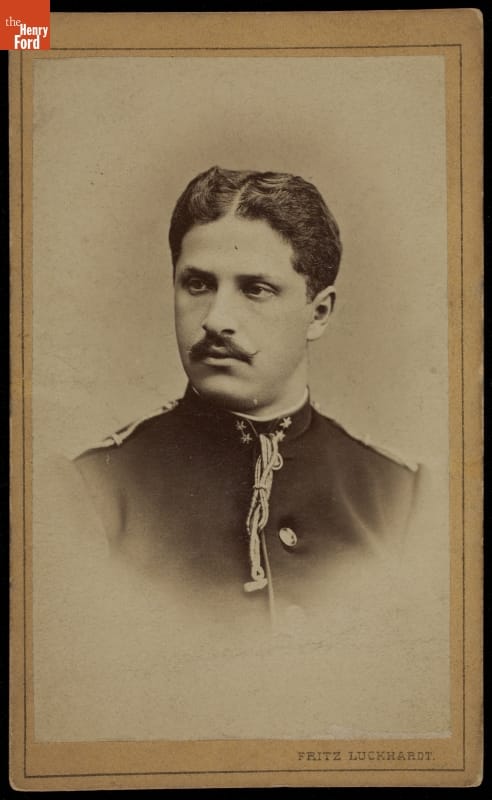
- circa 1875
- Collections - Artifact
Portrait of an Austrian Military Officer, circa 1875
Photographer Fritz Luckhardt (1843-1894) was a meticulous craftsman in his vocation. The German-born photographer moved to Vienna, Austria, in 1865 and opened a studio two years later. He specialized in portrait photography, especially for celebrities and artists, establishing himself as the premier society photographer in the city.
- Female Opera Singer. circa 1875 - Photographer Fritz Luckhardt (1843-1894) was a meticulous craftsman in his vocation. The German-born photographer moved to Vienna, Austria, in 1865 and opened a studio two years later. He specialized in portrait photography, especially for celebrities and artists, establishing himself as the premier society photographer in the city.
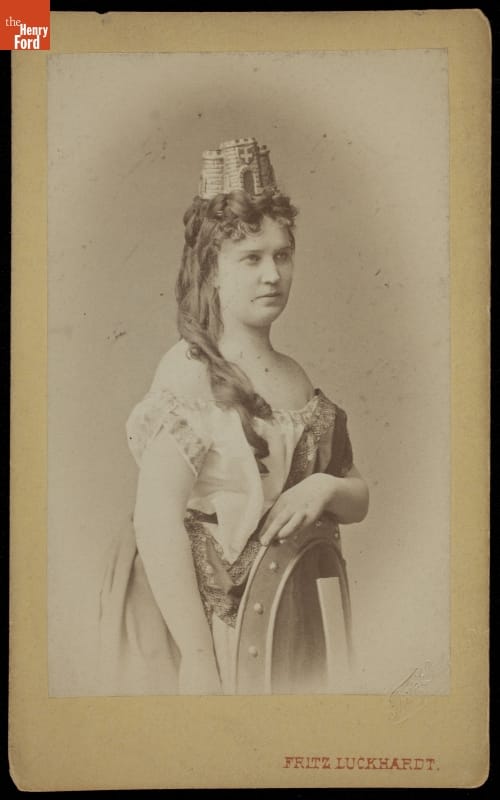
- circa 1875
- Collections - Artifact
Female Opera Singer. circa 1875
Photographer Fritz Luckhardt (1843-1894) was a meticulous craftsman in his vocation. The German-born photographer moved to Vienna, Austria, in 1865 and opened a studio two years later. He specialized in portrait photography, especially for celebrities and artists, establishing himself as the premier society photographer in the city.
- European Recovery Program Poster, "Wir Bauen Ein Neues Europa," circa 1950 -
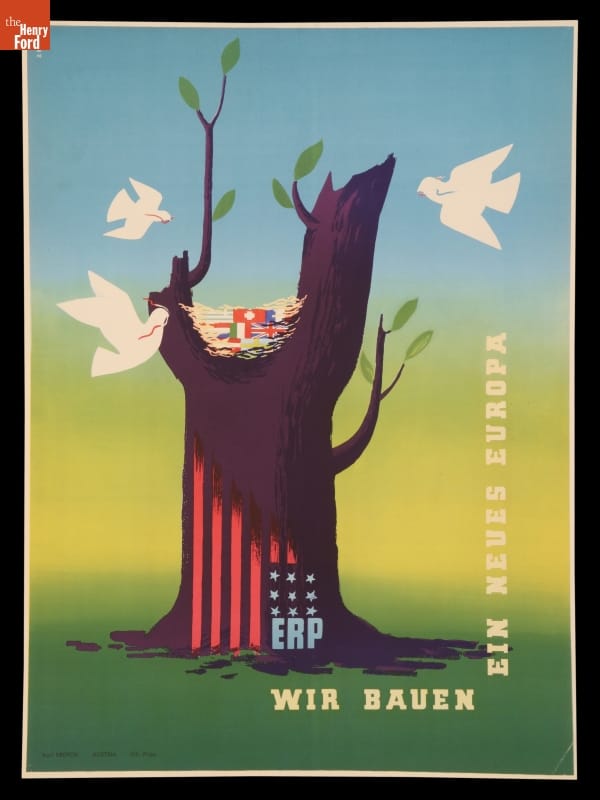
- circa 1950
- Collections - Artifact
European Recovery Program Poster, "Wir Bauen Ein Neues Europa," circa 1950