
Search
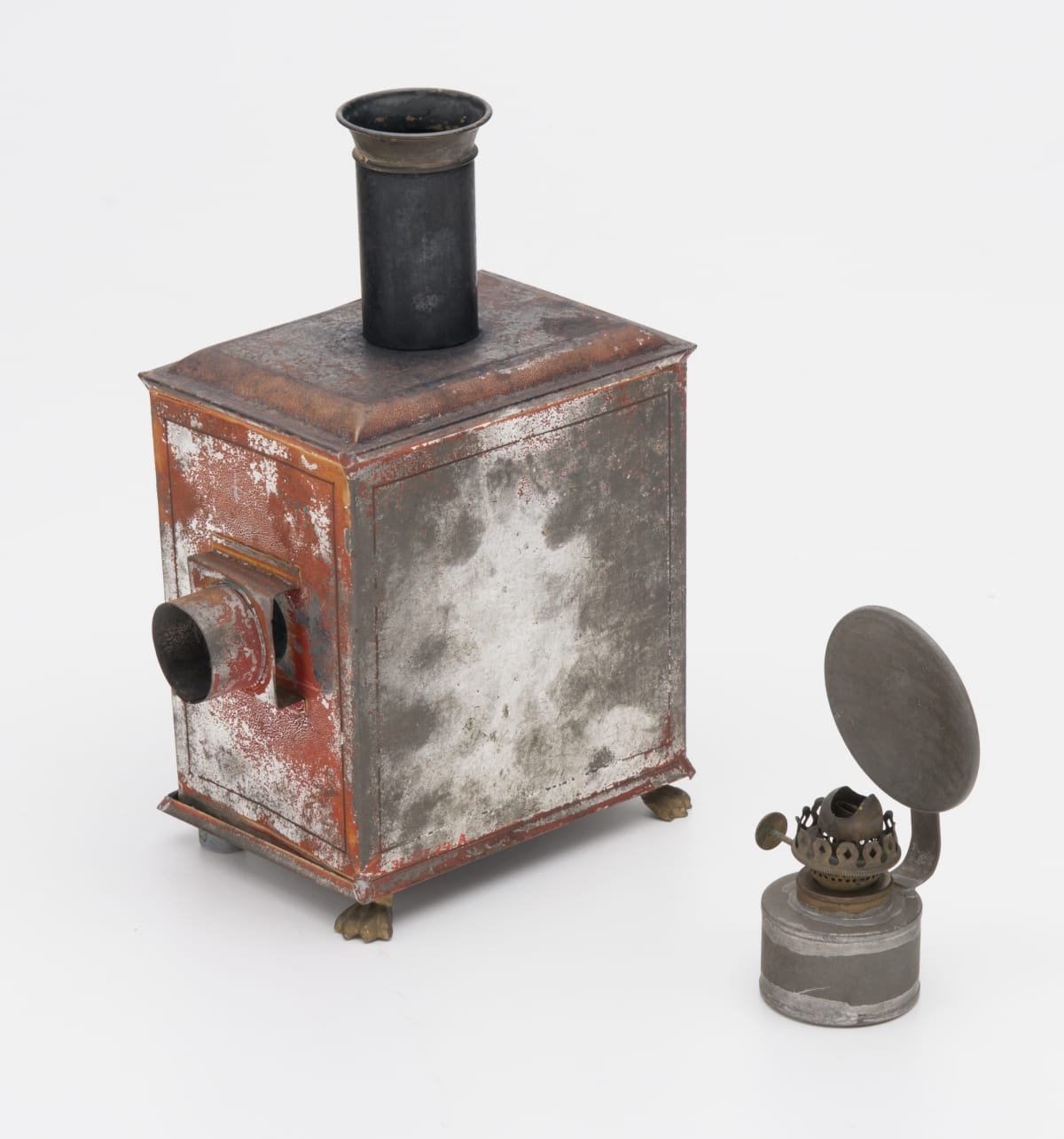
- Ernst Plank Company Toy Magic Lantern, 1870-1900 - Magic lanterns use a concave mirror and light source to project images on glass slides with painted or photographic scenes. Developed in the 17th century, magic lanterns predate slide projectors and motion pictures. In the hands of magicians, they became "lanterns of fright," projecting wondrous images and apparitions. Slide themes ranged widely: exotic travel, folklore, advertising, history, science, and art.
- 1870-1900
- Collections - Artifact
Ernst Plank Company Toy Magic Lantern, 1870-1900
Magic lanterns use a concave mirror and light source to project images on glass slides with painted or photographic scenes. Developed in the 17th century, magic lanterns predate slide projectors and motion pictures. In the hands of magicians, they became "lanterns of fright," projecting wondrous images and apparitions. Slide themes ranged widely: exotic travel, folklore, advertising, history, science, and art.
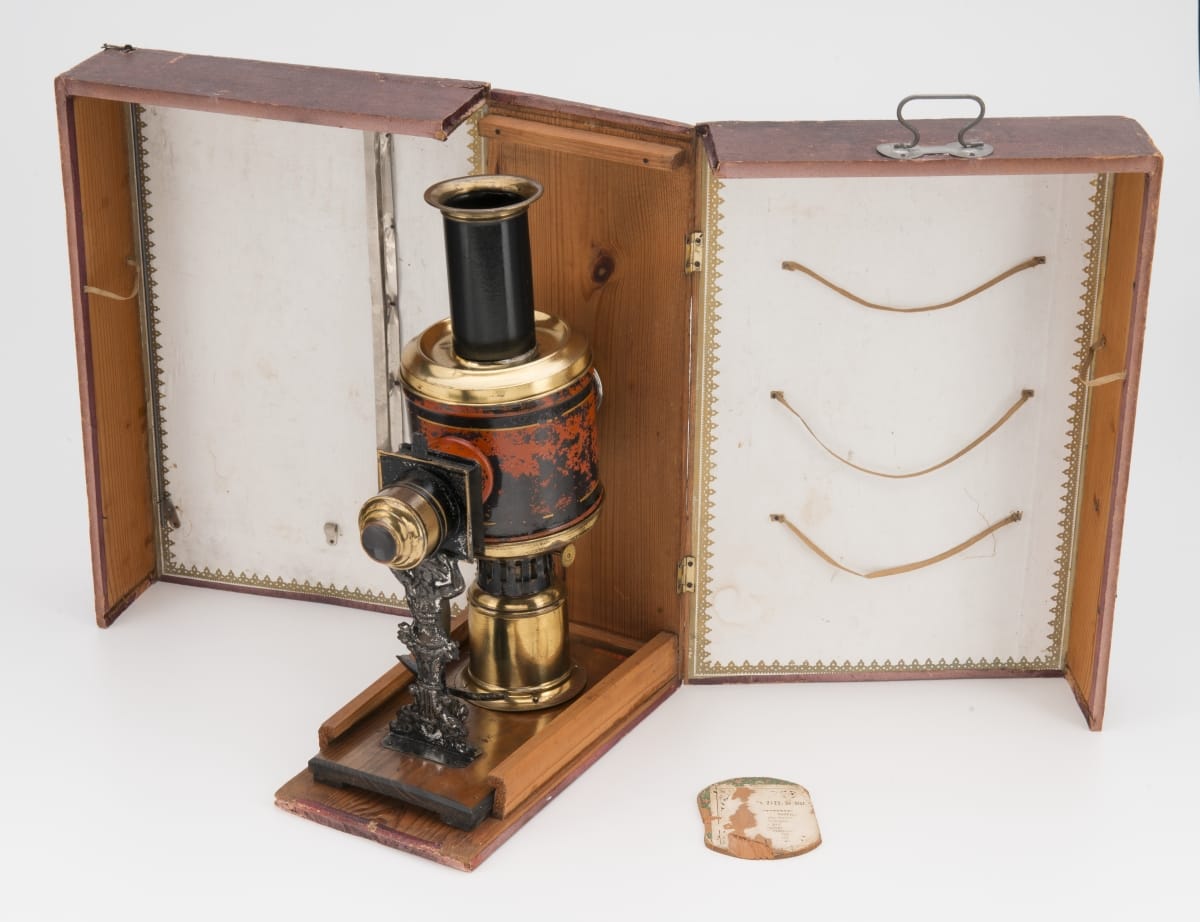
- Ernst Plank Company Magic Lantern, 1870-1900 - Magic lanterns use a concave mirror and light source to project images on glass slides with painted or photographic scenes. Developed in the 17th century, magic lanterns predate slide projectors and motion pictures. In the hands of magicians, they became "lanterns of fright," projecting wondrous images and apparitions. Slide themes ranged widely: exotic travel, folklore, advertising, history, science, and art.
- 1870-1900
- Collections - Artifact
Ernst Plank Company Magic Lantern, 1870-1900
Magic lanterns use a concave mirror and light source to project images on glass slides with painted or photographic scenes. Developed in the 17th century, magic lanterns predate slide projectors and motion pictures. In the hands of magicians, they became "lanterns of fright," projecting wondrous images and apparitions. Slide themes ranged widely: exotic travel, folklore, advertising, history, science, and art.
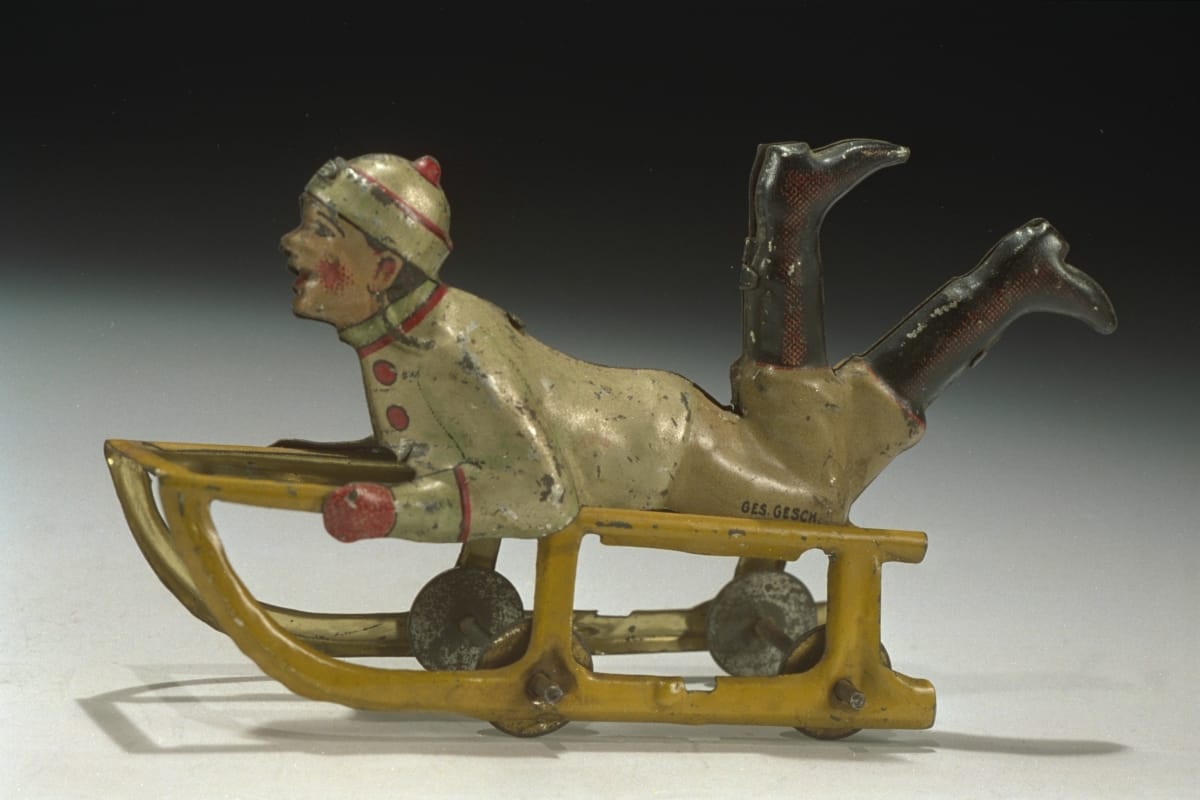
- Boy on Sled Toy, 1900-1940 - Toy companies began making small, inexpensive, yet colorful, tin toys in the late 19th century. Over the years, toymakers stamped tin into shapes of animals, trains, boats, soldiers and even this boy on his sled. Children could purchase these low-priced toys from shopkeepers or street vendors. These mass-produced toys -- though not meant to last -- provided fun for just a few pennies.
- 1900-1940
- Collections - Artifact
Boy on Sled Toy, 1900-1940
Toy companies began making small, inexpensive, yet colorful, tin toys in the late 19th century. Over the years, toymakers stamped tin into shapes of animals, trains, boats, soldiers and even this boy on his sled. Children could purchase these low-priced toys from shopkeepers or street vendors. These mass-produced toys -- though not meant to last -- provided fun for just a few pennies.
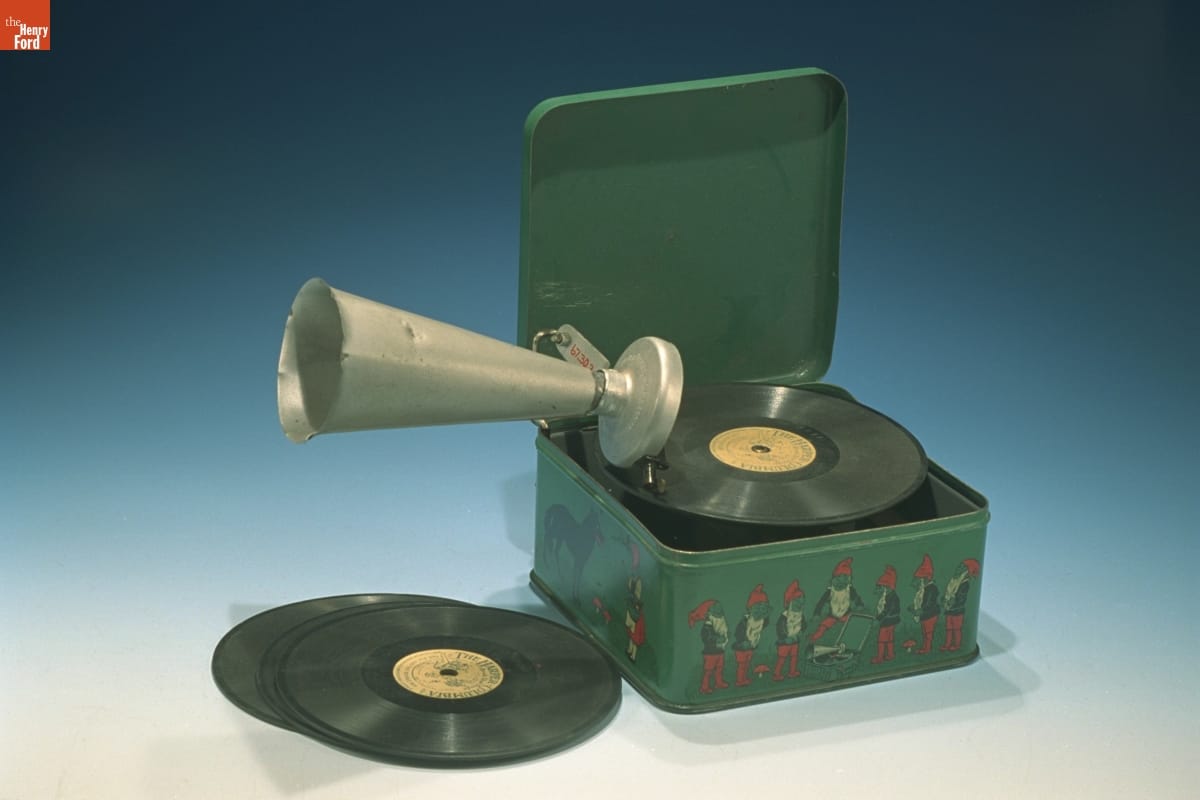
- "Pygmyphone" Phonograph and Records, 1925-1932 - Toys that make sounds have always delighted children. During the 1900s, child-oriented music boxes, phonographs, and other mechanical music devices became popular. This prominent German toy company, founded in 1863, had a department that made children's phonographs between 1925 and 1932.
- 1925-1932
- Collections - Artifact
"Pygmyphone" Phonograph and Records, 1925-1932
Toys that make sounds have always delighted children. During the 1900s, child-oriented music boxes, phonographs, and other mechanical music devices became popular. This prominent German toy company, founded in 1863, had a department that made children's phonographs between 1925 and 1932.
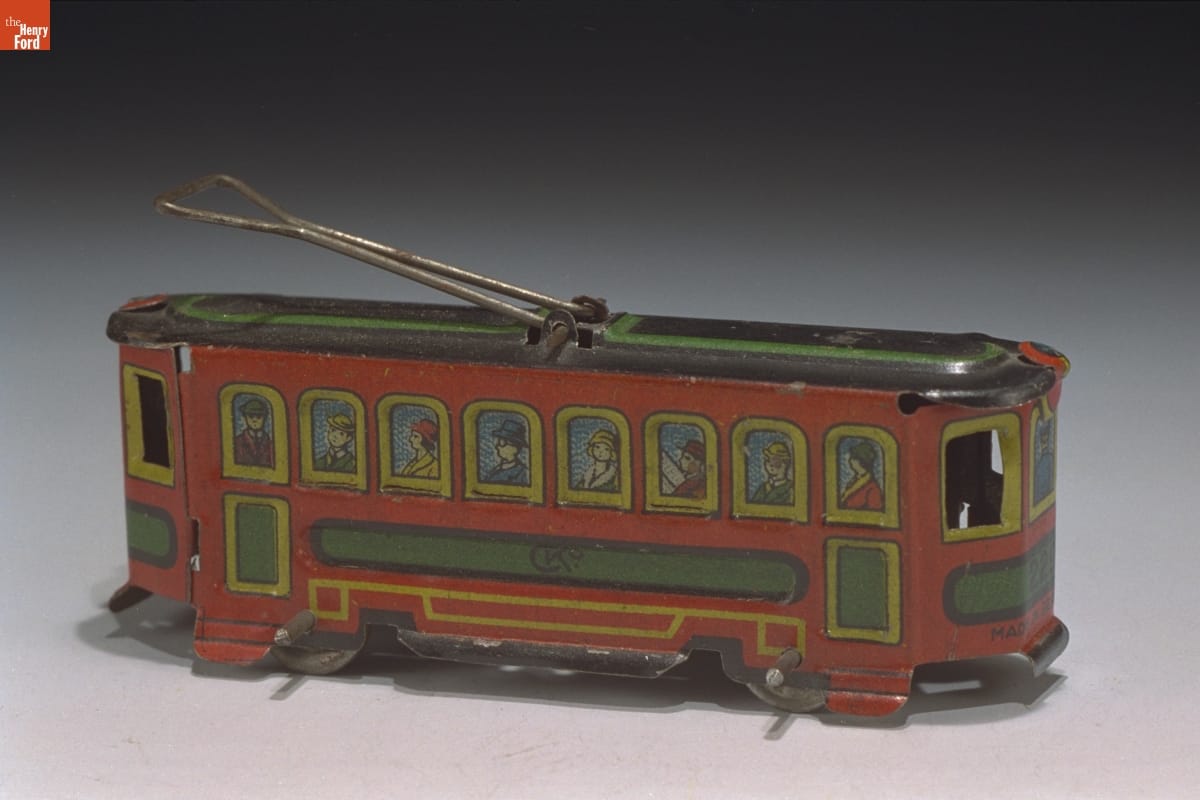
- Toy Streetcar, 1920-1940 - Toy companies began making small, inexpensive, yet colorful, tin toys in the late 19th century. Over the years, toymakers stamped tin into shapes of animals, airplanes, boats, soldiers and even this streetcar. Children could purchase these low-priced toys from shopkeepers or street vendors. These mass-produced toys -- though not meant to last -- provided fun for just a few pennies.
- 1920-1940
- Collections - Artifact
Toy Streetcar, 1920-1940
Toy companies began making small, inexpensive, yet colorful, tin toys in the late 19th century. Over the years, toymakers stamped tin into shapes of animals, airplanes, boats, soldiers and even this streetcar. Children could purchase these low-priced toys from shopkeepers or street vendors. These mass-produced toys -- though not meant to last -- provided fun for just a few pennies.
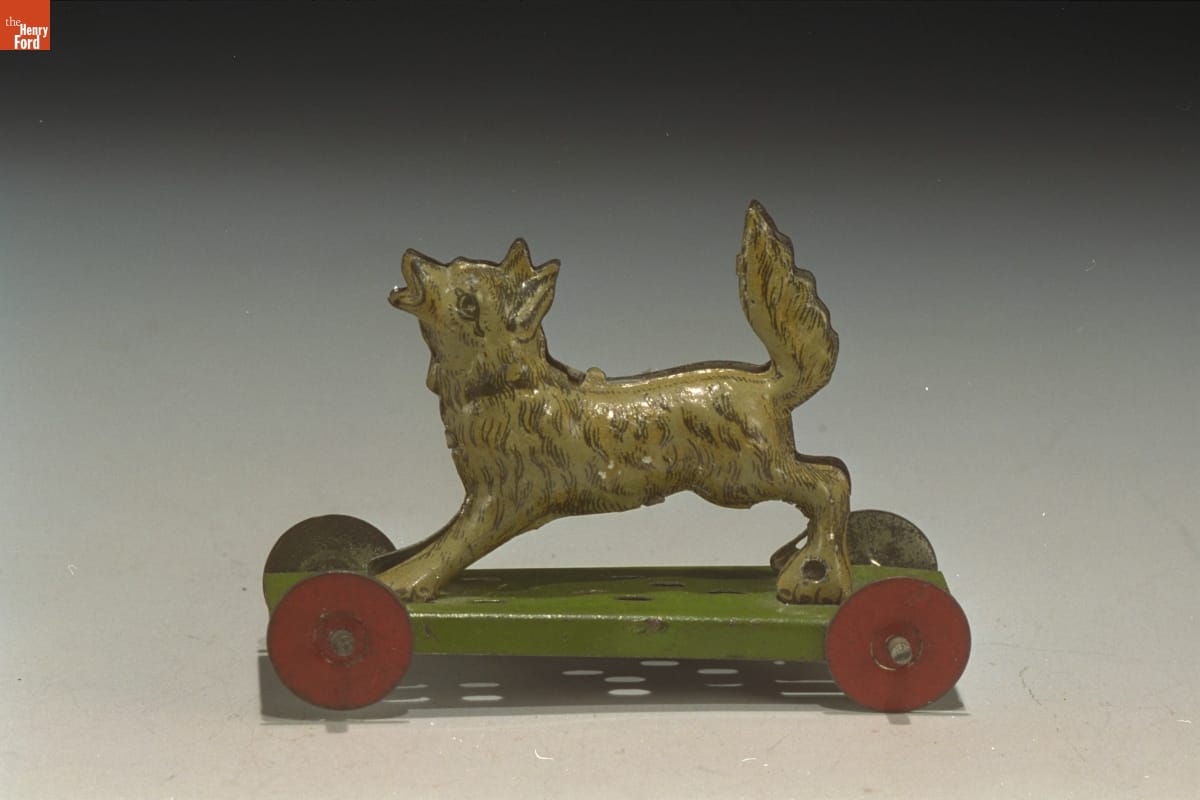
- Toy Fox, circa 1900 - Toy companies began making small, inexpensive, yet colorful, tin toys in the late 19th century. Over the years, toymakers stamped tin into shapes of soldiers, boats, trains, cars and even animals -- like this fox. Children could purchase these low-priced toys from shopkeepers or street vendors. These mass-produced toys -- though not meant to last -- provided fun for just a few pennies.
- circa 1900
- Collections - Artifact
Toy Fox, circa 1900
Toy companies began making small, inexpensive, yet colorful, tin toys in the late 19th century. Over the years, toymakers stamped tin into shapes of soldiers, boats, trains, cars and even animals -- like this fox. Children could purchase these low-priced toys from shopkeepers or street vendors. These mass-produced toys -- though not meant to last -- provided fun for just a few pennies.
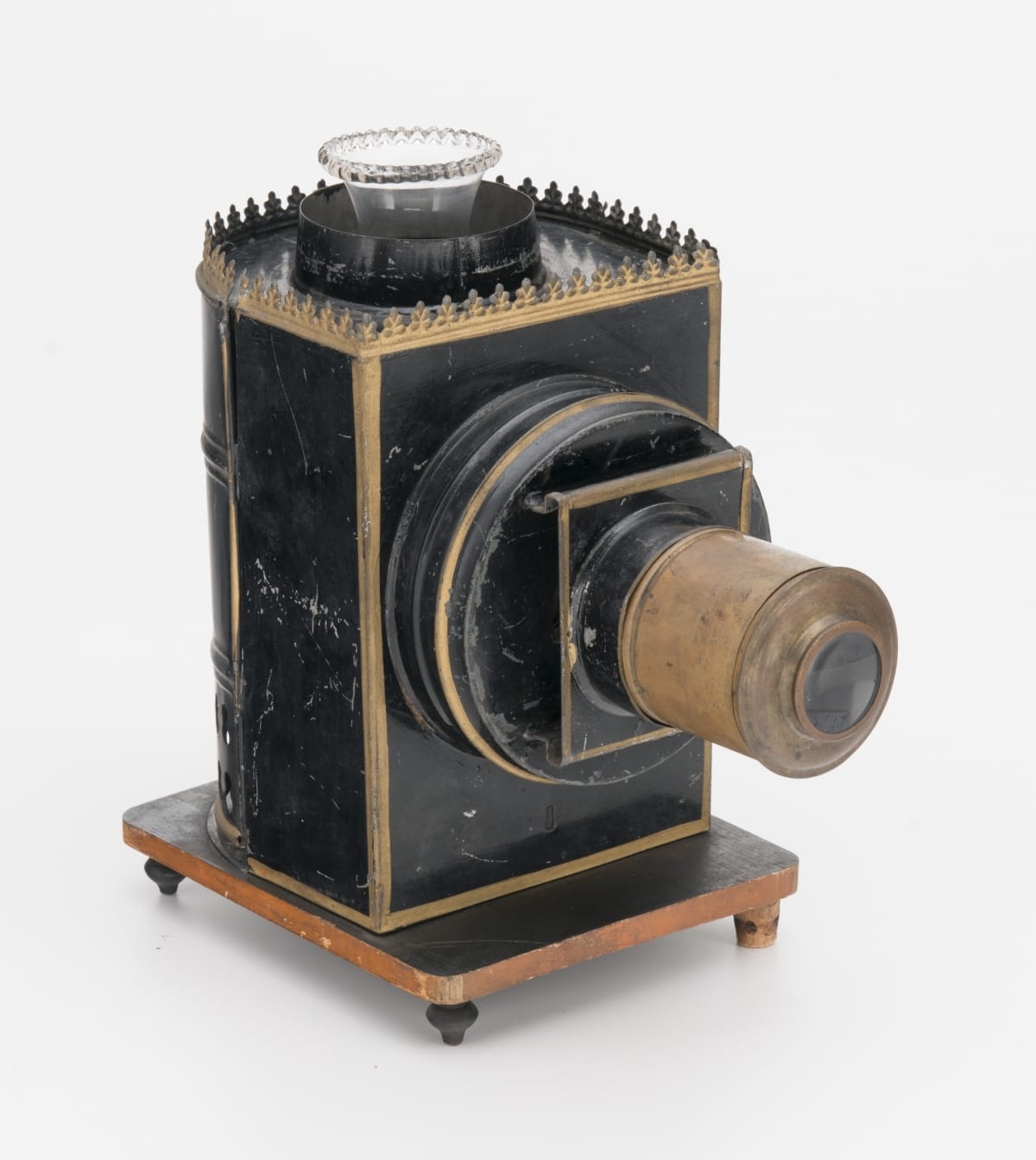
- Ernst Plank Company Magic Lantern, 1870-1900 - Magic lanterns use a concave mirror and light source to project images on glass slides with painted or photographic scenes. Developed in the 17th century, magic lanterns predate slide projectors and motion pictures. In the hands of magicians, they became "lanterns of fright," projecting wondrous images and apparitions. Slide themes ranged widely: exotic travel, folklore, advertising, history, science, and art.
- 1870-1900
- Collections - Artifact
Ernst Plank Company Magic Lantern, 1870-1900
Magic lanterns use a concave mirror and light source to project images on glass slides with painted or photographic scenes. Developed in the 17th century, magic lanterns predate slide projectors and motion pictures. In the hands of magicians, they became "lanterns of fright," projecting wondrous images and apparitions. Slide themes ranged widely: exotic travel, folklore, advertising, history, science, and art.
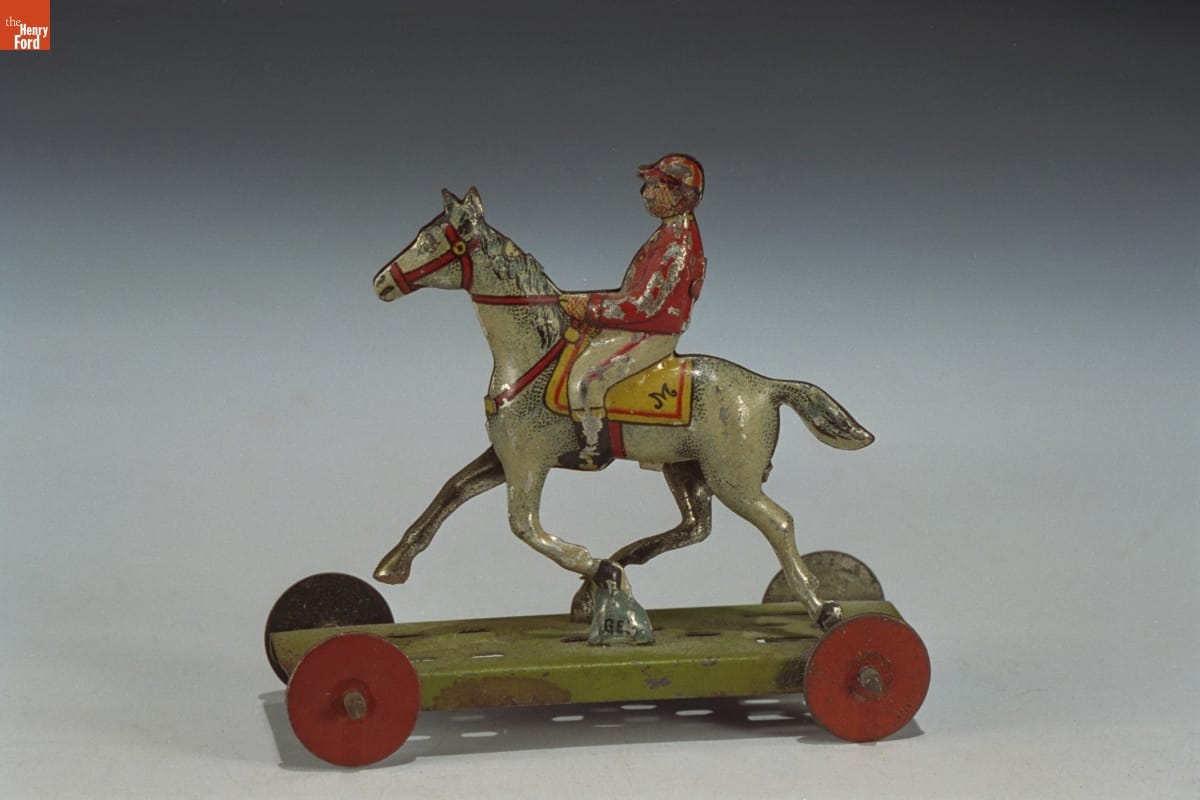
- Horse and Rider Penny Toy, 1890-1930 - Toy companies began making small, inexpensive, yet colorful, tin toys in the late 19th century. Over the years, toymakers stamped tin into shapes of animals, trains, boats, soldiers and even this horse and rider. Children could purchase these low-priced toys from shopkeepers or street vendors. These mass-produced toys -- though not meant to last -- provided fun for just a few pennies.
- 1890-1930
- Collections - Artifact
Horse and Rider Penny Toy, 1890-1930
Toy companies began making small, inexpensive, yet colorful, tin toys in the late 19th century. Over the years, toymakers stamped tin into shapes of animals, trains, boats, soldiers and even this horse and rider. Children could purchase these low-priced toys from shopkeepers or street vendors. These mass-produced toys -- though not meant to last -- provided fun for just a few pennies.
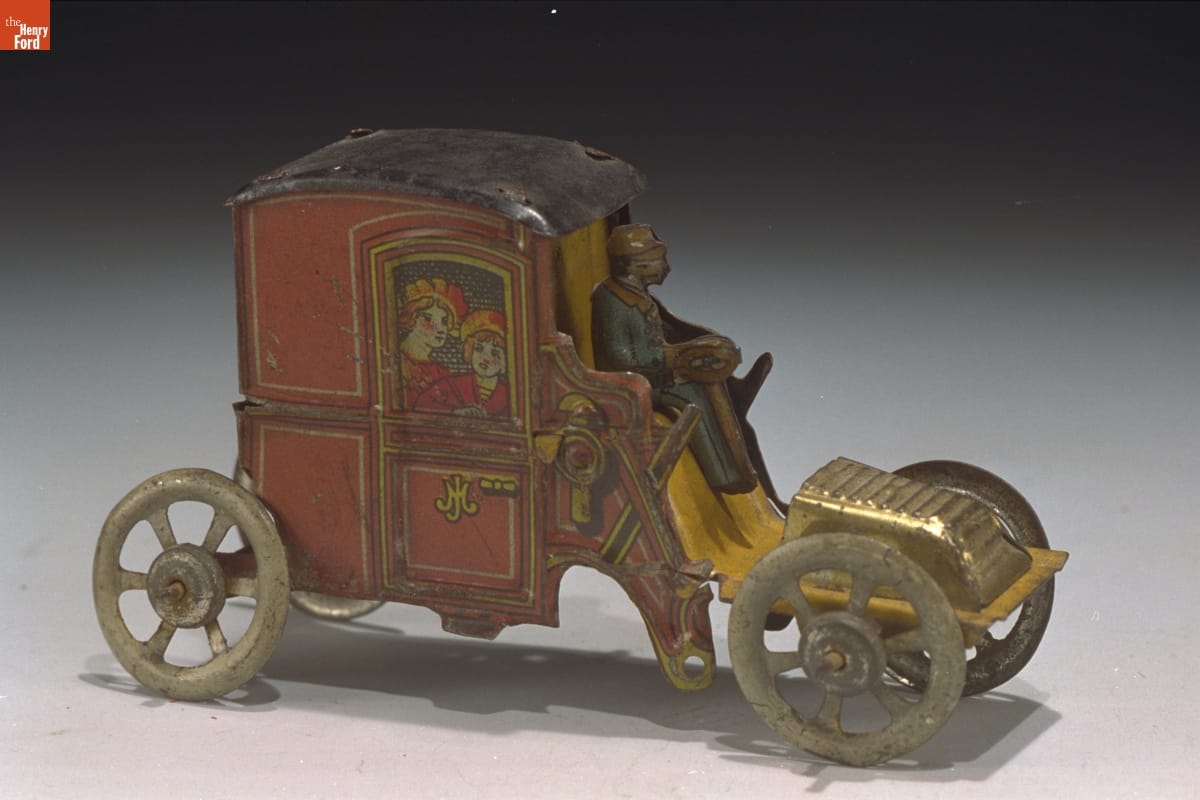
- Toy Limousine, 1910-1930 - Toy companies began making small, inexpensive, yet colorful, tin toys in the late 19th century. Over the years, toymakers stamped tin into shapes of animals, soldiers, boats, trains and even automobiles -- like this coach-like limousine. Children could purchase these low-priced toys from shopkeepers or street vendors. These mass-produced toys -- though not meant to last -- provided fun for just a few pennies.
- 1910-1930
- Collections - Artifact
Toy Limousine, 1910-1930
Toy companies began making small, inexpensive, yet colorful, tin toys in the late 19th century. Over the years, toymakers stamped tin into shapes of animals, soldiers, boats, trains and even automobiles -- like this coach-like limousine. Children could purchase these low-priced toys from shopkeepers or street vendors. These mass-produced toys -- though not meant to last -- provided fun for just a few pennies.
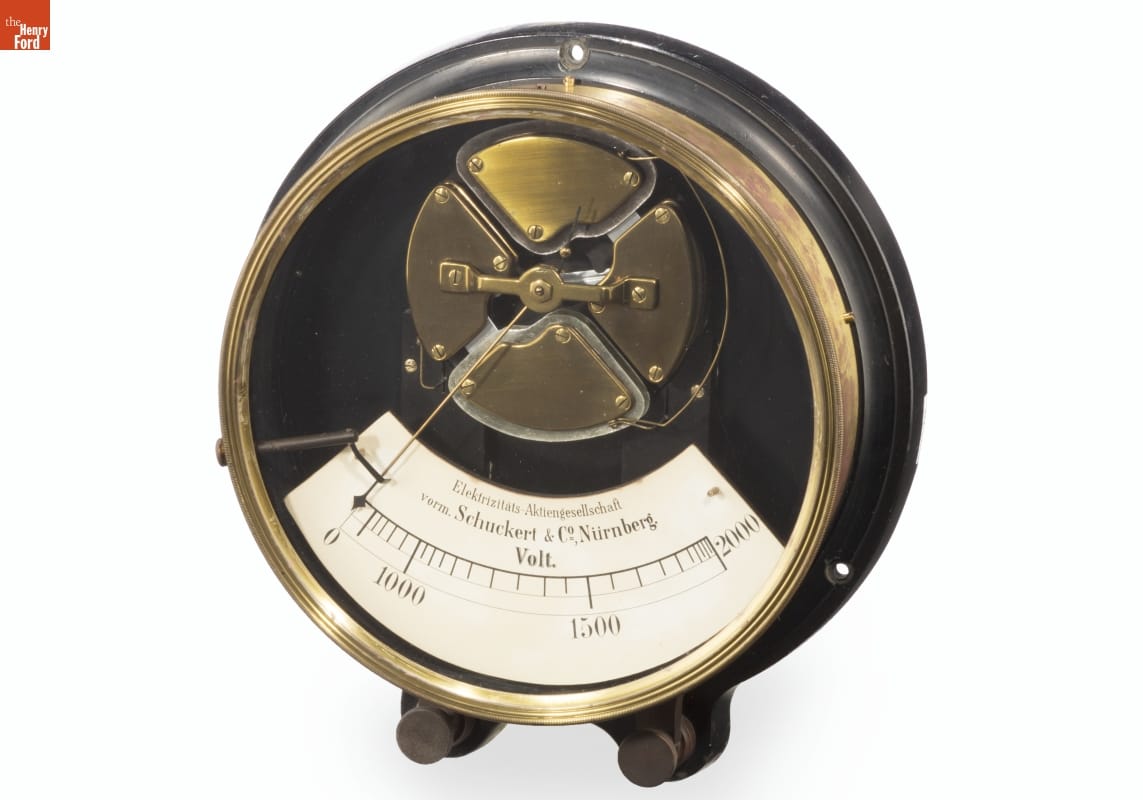
- Schuckert & Company Voltmeter, 1894-1903 -
- 1894-1903
- Collections - Artifact
Schuckert & Company Voltmeter, 1894-1903