
Search
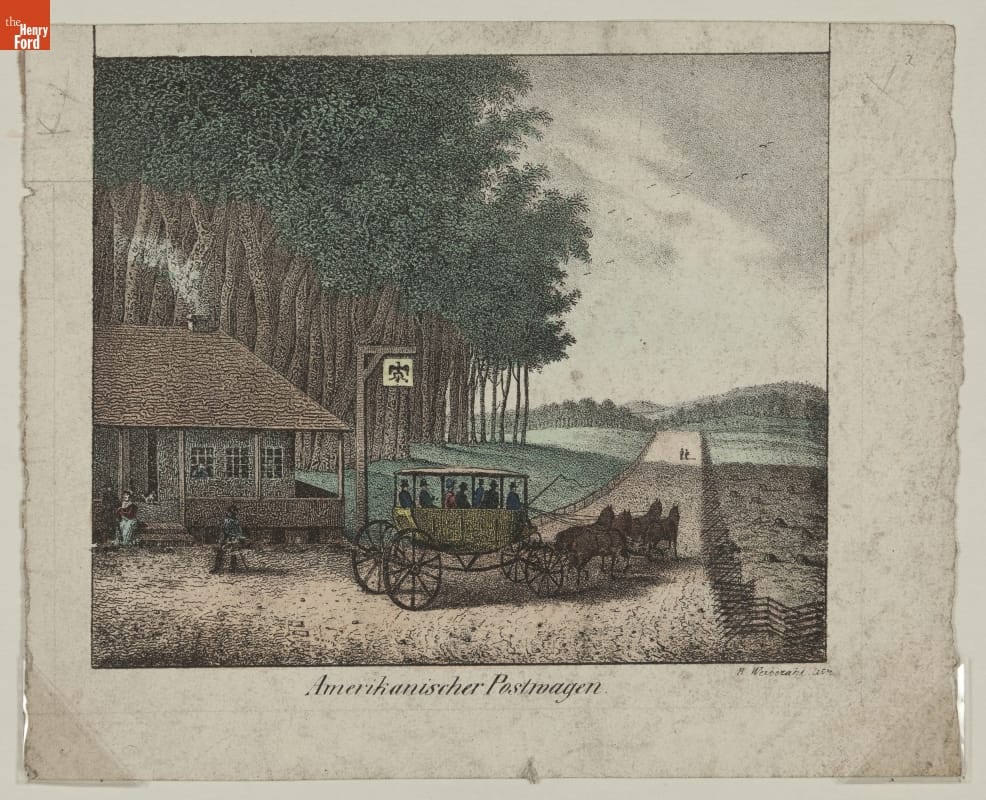
- "Amerikanischen Postwagen" (American Stage Coach, 1800-1810), Lithograph, circa 1815 - Stage wagons were light and open, though not as comfortable as later Concord stagecoaches. They could go about five miles per hour, barring bad weather or road obstructions. The gaily painted signboards of roadside taverns beckoned weary travelers, promising rest, meals, and a chance to catch up on news. Stage wagon drivers used the stop to care for their horses.
- 1800-1810
- Collections - Artifact
"Amerikanischen Postwagen" (American Stage Coach, 1800-1810), Lithograph, circa 1815
Stage wagons were light and open, though not as comfortable as later Concord stagecoaches. They could go about five miles per hour, barring bad weather or road obstructions. The gaily painted signboards of roadside taverns beckoned weary travelers, promising rest, meals, and a chance to catch up on news. Stage wagon drivers used the stop to care for their horses.
- Jug, 1760-1770 -
- 1765
- Collections - Artifact
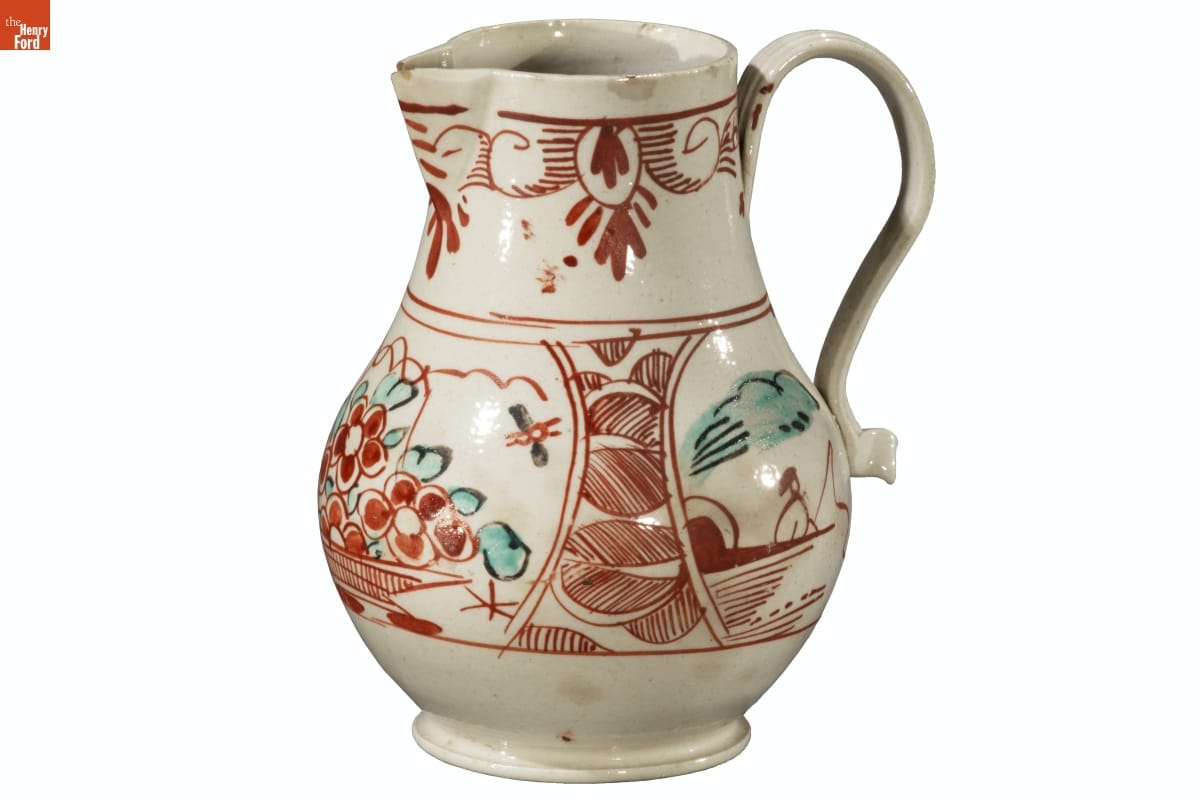
Jug, 1760-1770
- Milk Can -
- Collections - Artifact
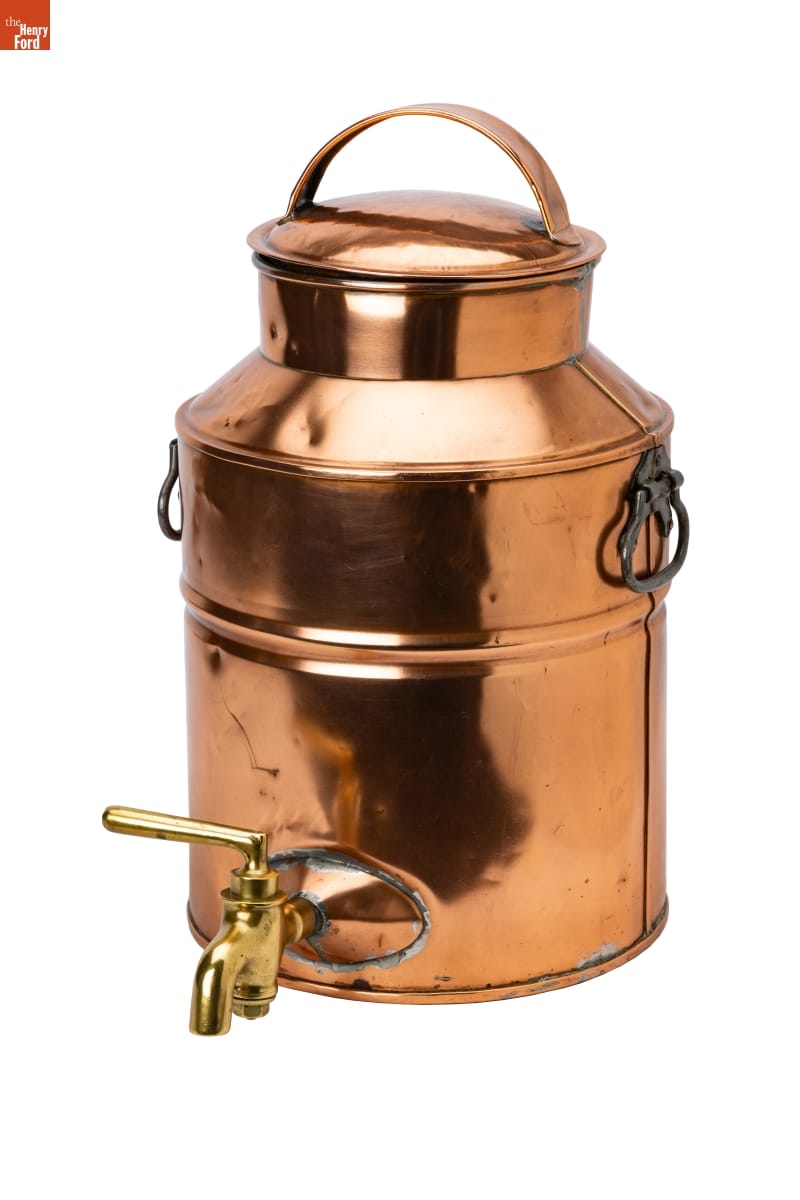
Milk Can
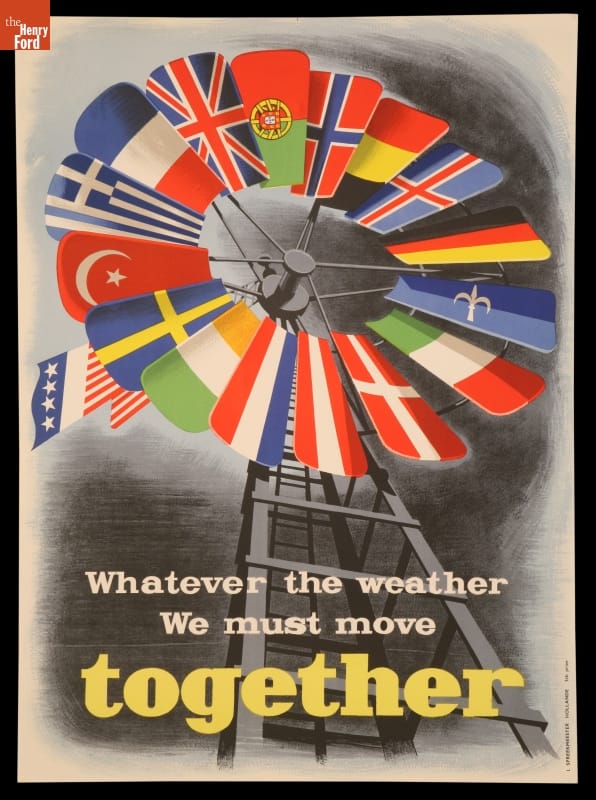
- European Recovery Program Poster, "Whatever the Weather, We must move together," circa 1950 -
- circa 1950
- Collections - Artifact
European Recovery Program Poster, "Whatever the Weather, We must move together," circa 1950
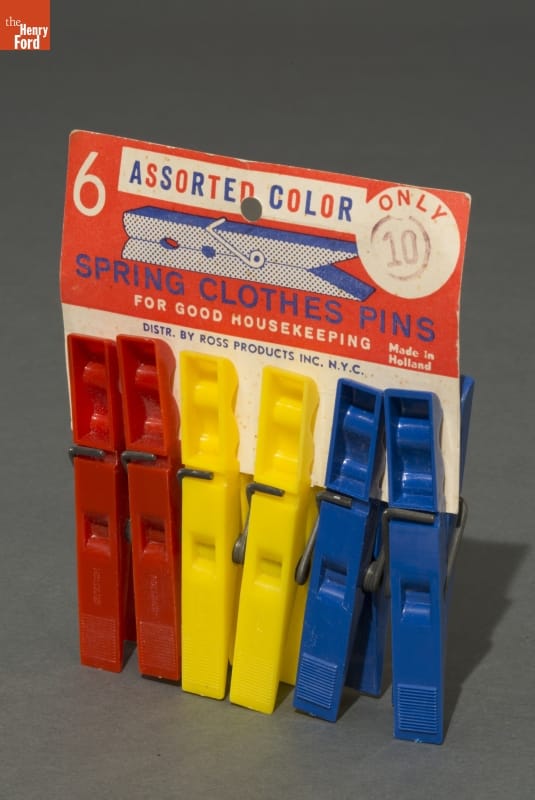
- Package of Spring Clothespins by Ross Products Inc., 1960-1969 -
- 1960-1960
- Collections - Artifact
Package of Spring Clothespins by Ross Products Inc., 1960-1969
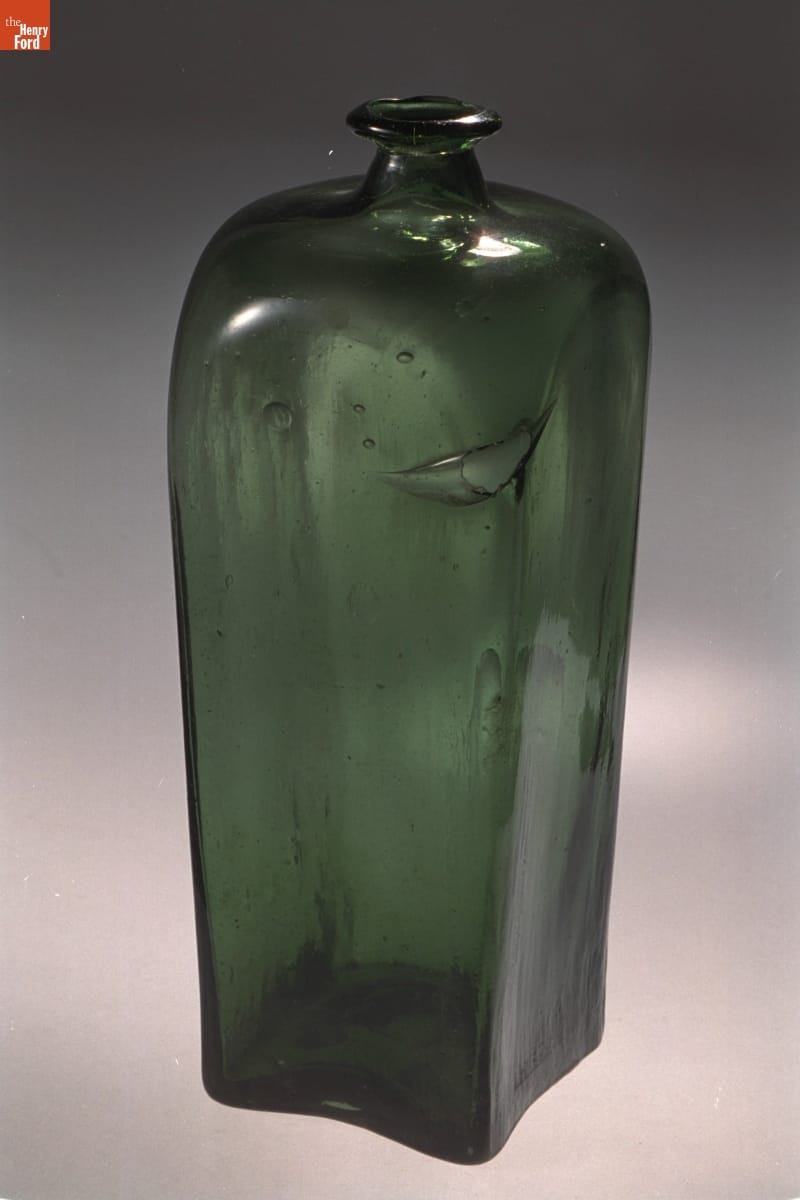
- Case Bottle, 1760-1850 - Case bottles were designed for easy and efficient transportation. Their square bodies with flat, rectangular sides packed neatly into wooden boxes or cases. Case bottles were common from the 1600s into the 1900s and usually held gin or other alcoholic or medicinal spirits.
- 1760-1850
- Collections - Artifact
Case Bottle, 1760-1850
Case bottles were designed for easy and efficient transportation. Their square bodies with flat, rectangular sides packed neatly into wooden boxes or cases. Case bottles were common from the 1600s into the 1900s and usually held gin or other alcoholic or medicinal spirits.
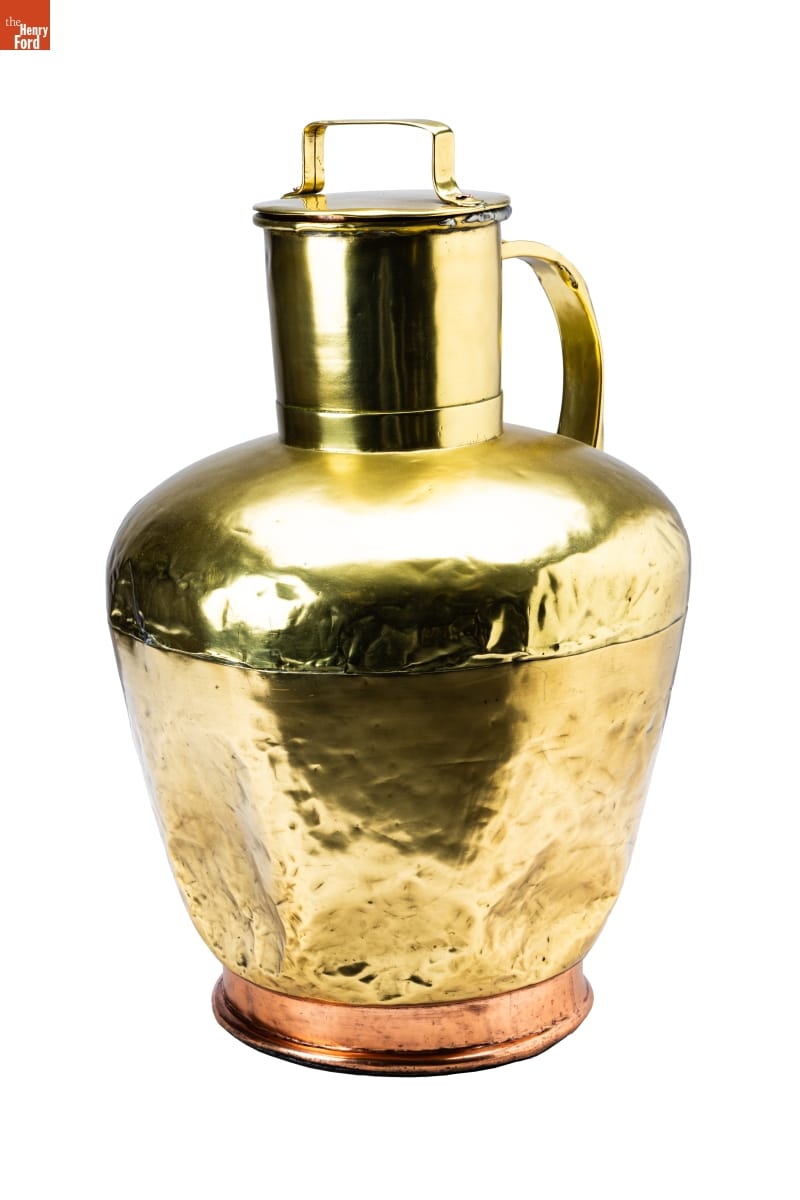
- Milk Can -
- Collections - Artifact
Milk Can
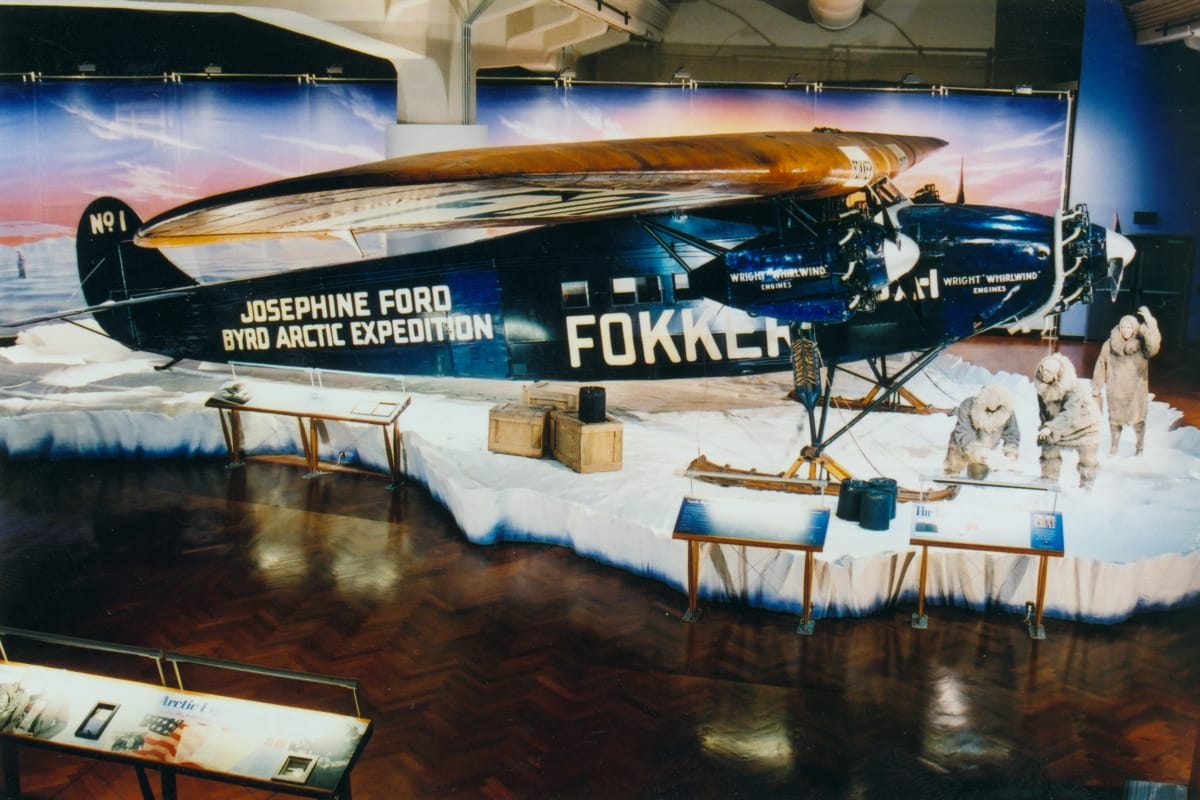
- 1925 Fokker F.VII Tri-Motor Airplane, "Josephine Ford," Flown Over the North Pole by Richard Byrd - Explorer Richard Byrd and pilot Floyd Bennett flew this Fokker F.VII Tri-Motor airplane toward the North Pole on May 9, 1926. Though Byrd is generally credited with reaching the pole, controversy remains. Edsel Ford financed the expedition, and Byrd acknowledged his patron by naming the plane <em>Josephine Ford</em>, after Ford's daughter.
- 1926
- Collections - Artifact
1925 Fokker F.VII Tri-Motor Airplane, "Josephine Ford," Flown Over the North Pole by Richard Byrd
Explorer Richard Byrd and pilot Floyd Bennett flew this Fokker F.VII Tri-Motor airplane toward the North Pole on May 9, 1926. Though Byrd is generally credited with reaching the pole, controversy remains. Edsel Ford financed the expedition, and Byrd acknowledged his patron by naming the plane Josephine Ford, after Ford's daughter.
- Errtee Button Tintype Camera, circa 1912 -
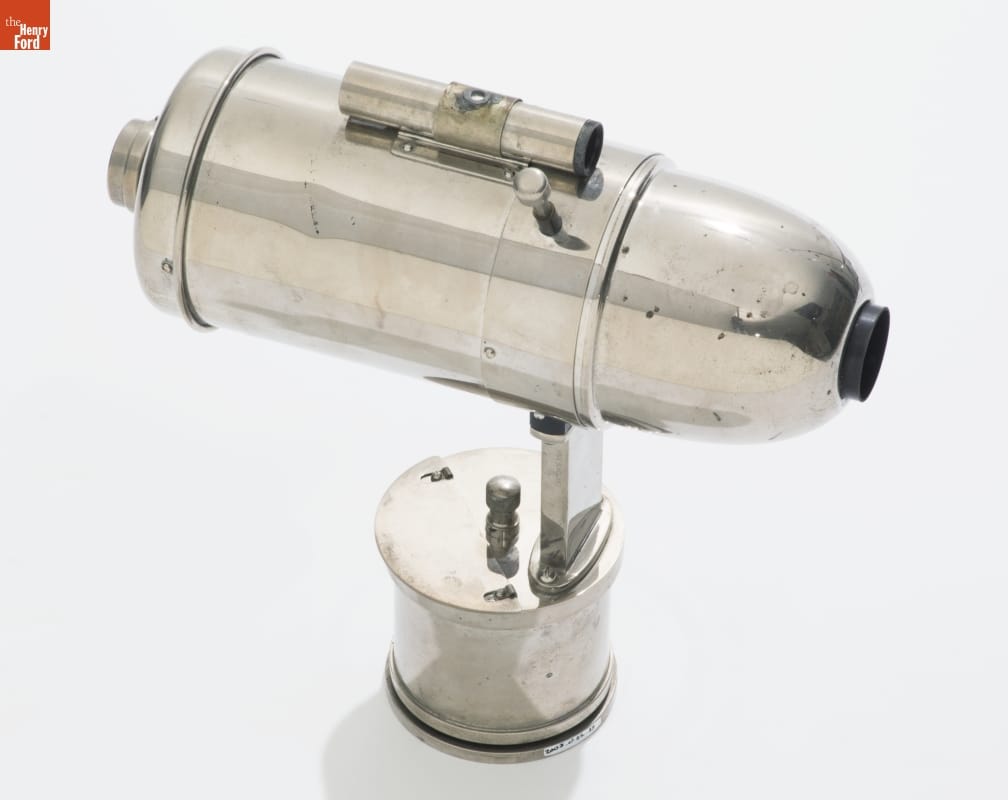
- circa 1912
- Collections - Artifact
Errtee Button Tintype Camera, circa 1912