
Search
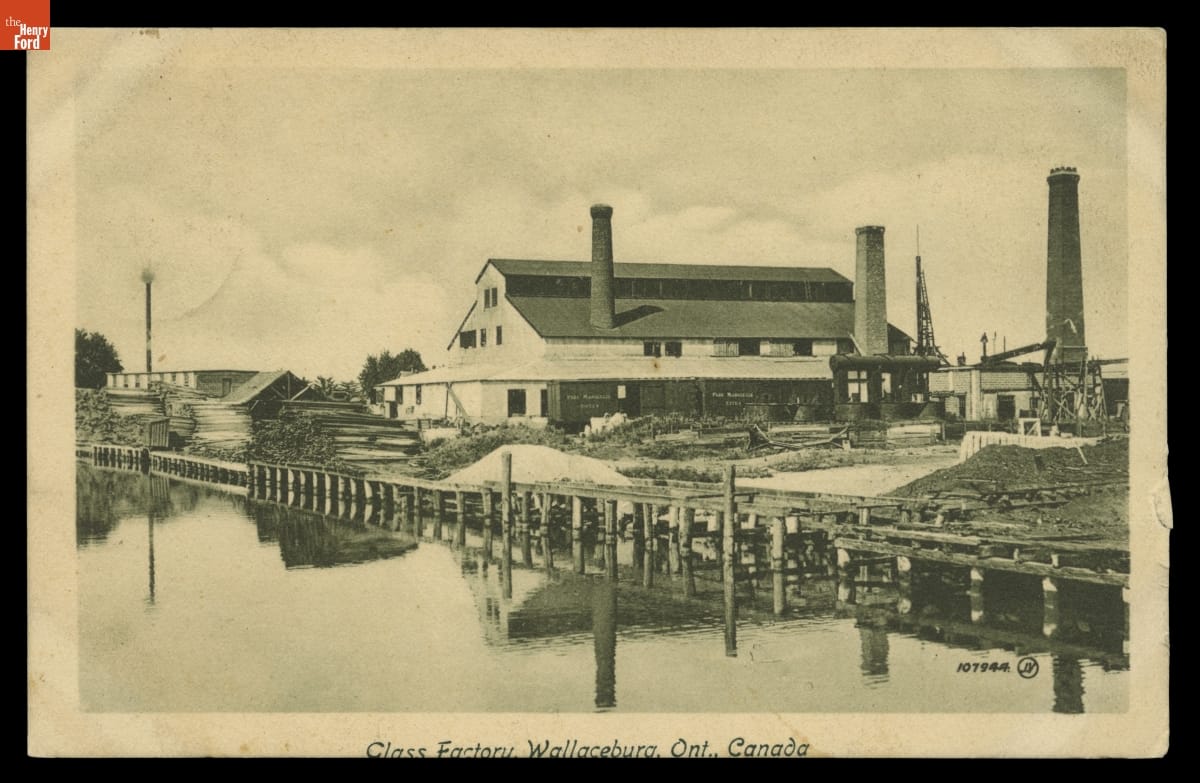
- Glass Factory, Wallaceburg, Ontario, Canada, circa 1910 - By the early 1890s, the lumber industry around Wallaceburg, Ontario, Canada was in decline. Local businessmen believed glass manufacturing would revive the area's failing economy. They formed the Sydenham Glass Company (later Dominion Glass Company Limited), built a factory and by 1895 produced their first glass product. The factory burned in 1901, but investors rebuilt. Their new glassworks is shown in this postcard.
- circa 1910
- Collections - Artifact
Glass Factory, Wallaceburg, Ontario, Canada, circa 1910
By the early 1890s, the lumber industry around Wallaceburg, Ontario, Canada was in decline. Local businessmen believed glass manufacturing would revive the area's failing economy. They formed the Sydenham Glass Company (later Dominion Glass Company Limited), built a factory and by 1895 produced their first glass product. The factory burned in 1901, but investors rebuilt. Their new glassworks is shown in this postcard.
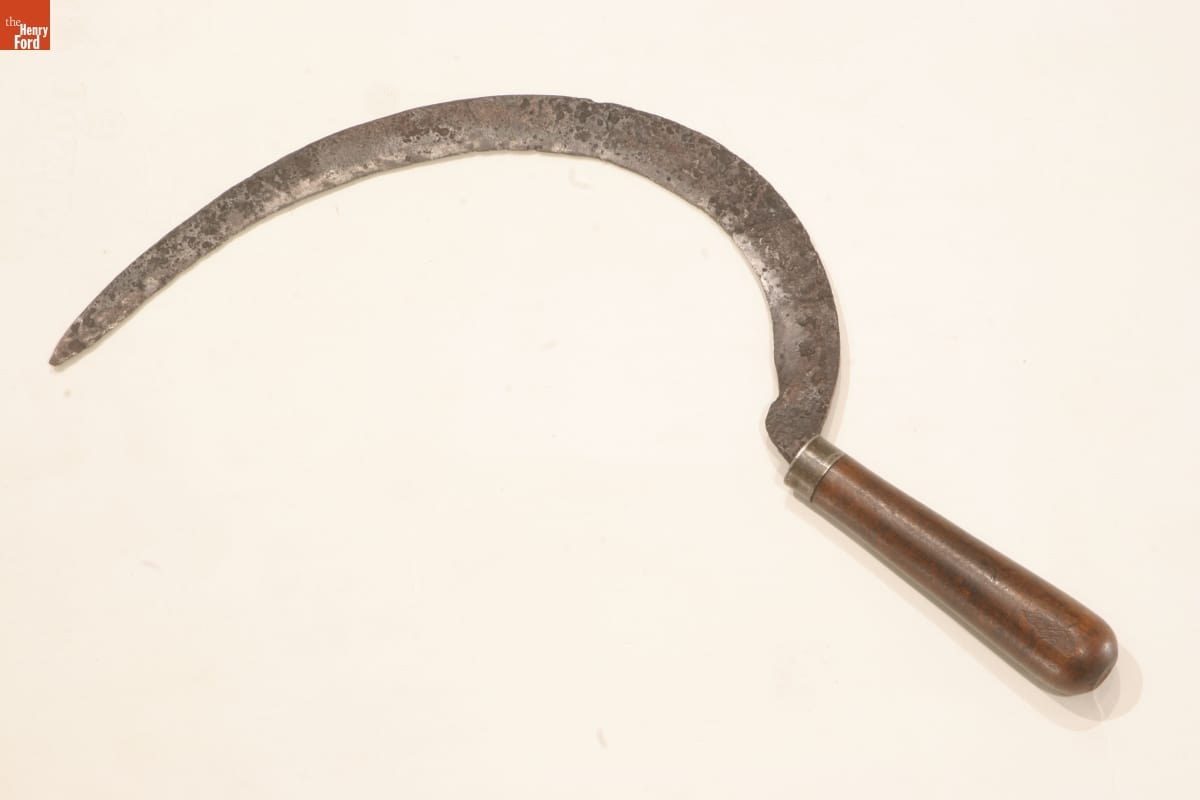
- Grass Sickle, circa 1825 - Sickles helped farmers harvest grasses and grains. Using this age-old tool, however, was backbreaking work. Laborers constantly had to stoop over to cut and gather the crops. The invention of mid-nineteenth-century mechanized equipment -- reapers and mowers -- made this handheld harvesting tool nearly obsolete. Still, the sickle remained useful on smaller farms or for work around the yard or garden.
- circa 1825
- Collections - Artifact
Grass Sickle, circa 1825
Sickles helped farmers harvest grasses and grains. Using this age-old tool, however, was backbreaking work. Laborers constantly had to stoop over to cut and gather the crops. The invention of mid-nineteenth-century mechanized equipment -- reapers and mowers -- made this handheld harvesting tool nearly obsolete. Still, the sickle remained useful on smaller farms or for work around the yard or garden.
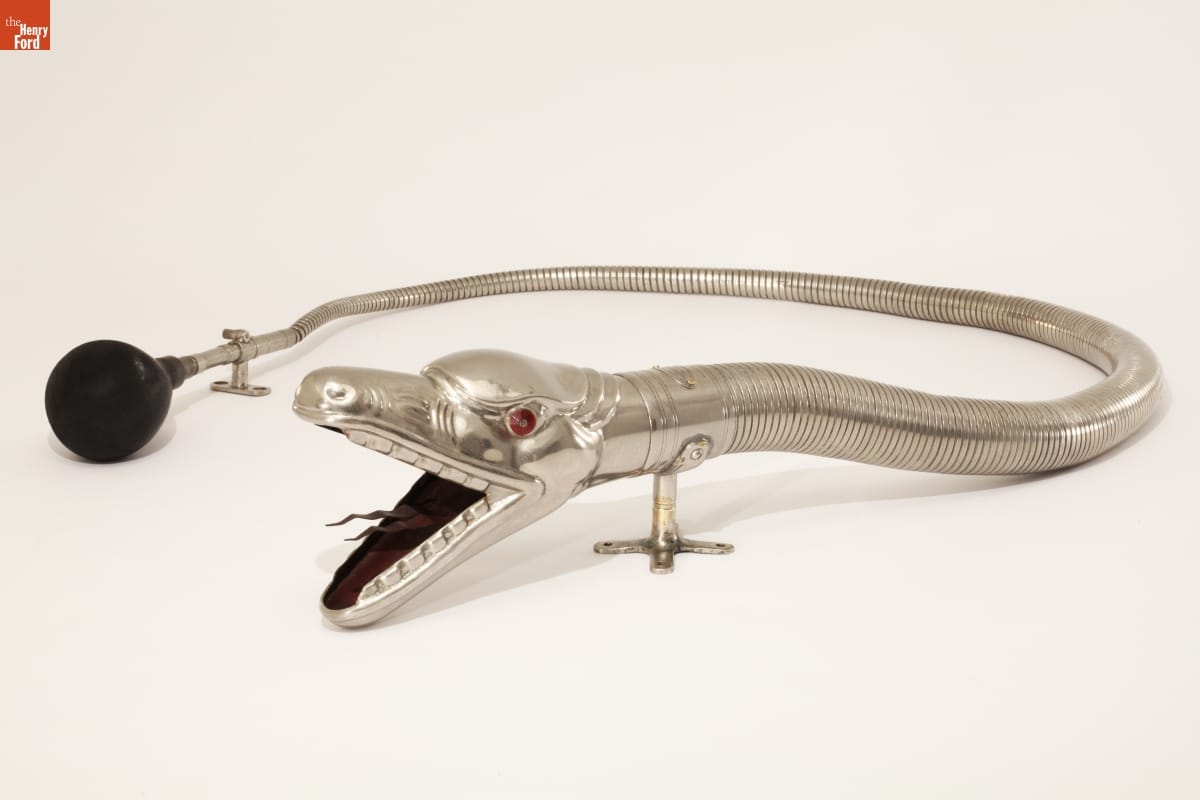
- Boa Constrictor Automobile Horn, circa 1910 - Motor vehicles can be dangerous if you don't hear them coming. Early automobiles were required to have some sort of horn to alert pedestrians, animals and horse-drawn vehicles. Some motorists used whistles or bells. Others installed brass, bulb horns. In addition to the sound this horn made, its snake-like appearance provided an added incentive to move quickly out of the way.
- circa 1910
- Collections - Artifact
Boa Constrictor Automobile Horn, circa 1910
Motor vehicles can be dangerous if you don't hear them coming. Early automobiles were required to have some sort of horn to alert pedestrians, animals and horse-drawn vehicles. Some motorists used whistles or bells. Others installed brass, bulb horns. In addition to the sound this horn made, its snake-like appearance provided an added incentive to move quickly out of the way.
- European Recovery Program Poster, "Prosperity: The Fruit of Co-Operation," circa 1950 -

- circa 1950
- Collections - Artifact
European Recovery Program Poster, "Prosperity: The Fruit of Co-Operation," circa 1950
- Grain Sickle, 1800-1840 - Sickles helped farmers harvest grain crops. Using this age-old tool, however, was backbreaking work. Laborers constantly had to stoop over to gather and cut the stalks. The work also had to be done quickly before ripen grains were scattered by the wind or poor weather destroyed the crop. The invention of mechanized reapers did away with this laborious task on large acre farms.
- 1800-1840
- Collections - Artifact
Grain Sickle, 1800-1840
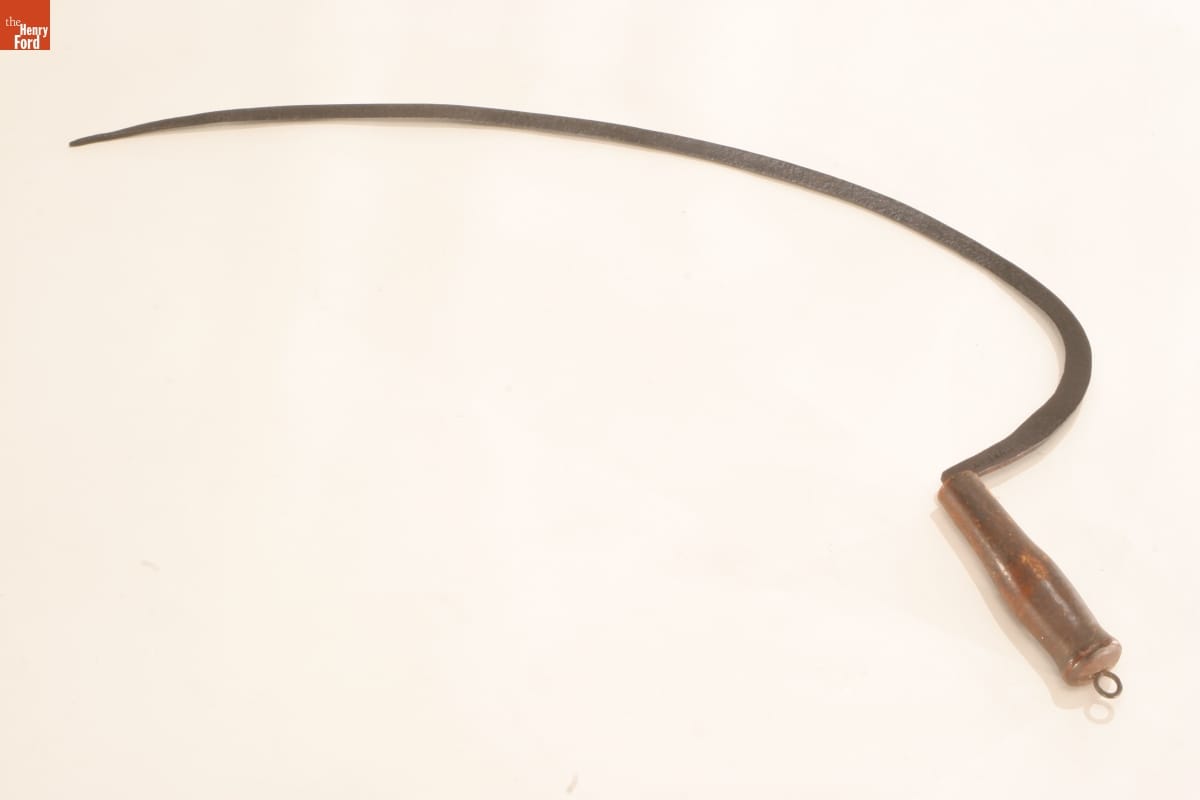
Sickles helped farmers harvest grain crops. Using this age-old tool, however, was backbreaking work. Laborers constantly had to stoop over to gather and cut the stalks. The work also had to be done quickly before ripen grains were scattered by the wind or poor weather destroyed the crop. The invention of mechanized reapers did away with this laborious task on large acre farms.
- Grain Sickle, 1800-1840 - Sickles helped farmers harvest grain crops. Using this age-old tool, however, was backbreaking work. Laborers constantly had to stoop over to gather and cut the stalks. The work also had to be done quickly before ripen grains were scattered by the wind or poor weather destroyed the crop. The invention of mechanized reapers did away with this laborious task on large acre farms.
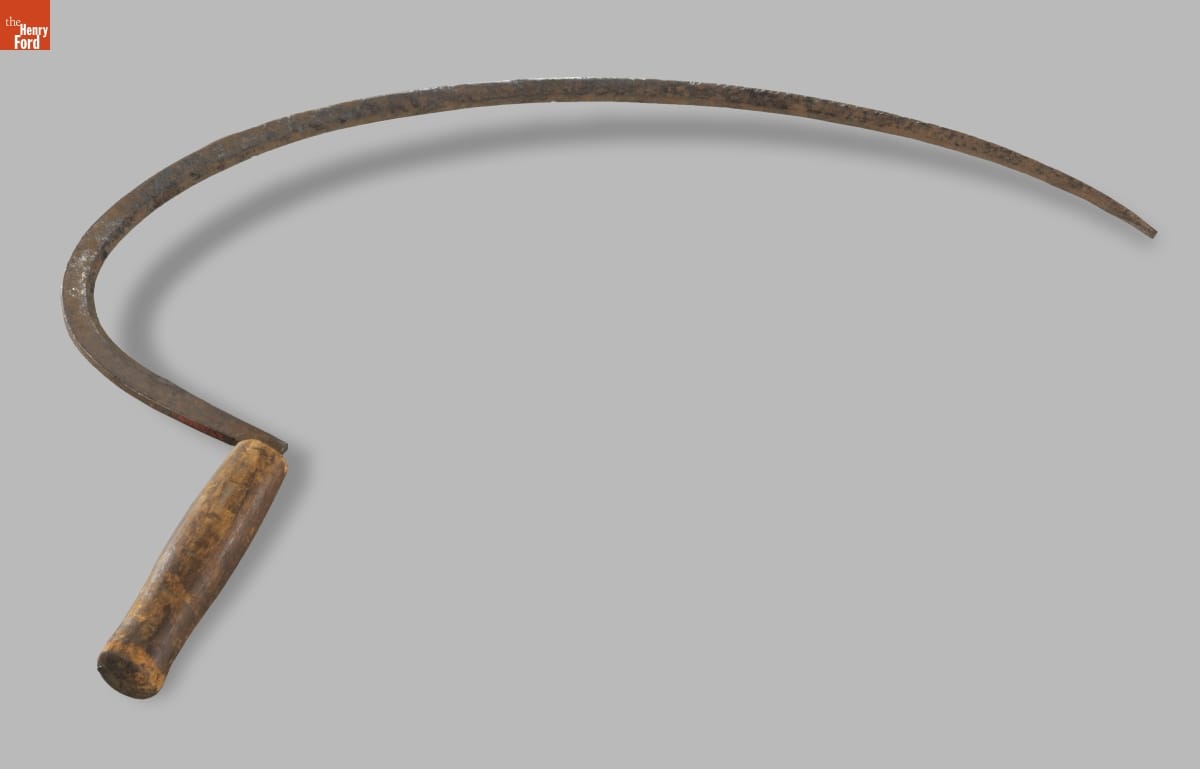
- 1800-1840
- Collections - Artifact
Grain Sickle, 1800-1840
Sickles helped farmers harvest grain crops. Using this age-old tool, however, was backbreaking work. Laborers constantly had to stoop over to gather and cut the stalks. The work also had to be done quickly before ripen grains were scattered by the wind or poor weather destroyed the crop. The invention of mechanized reapers did away with this laborious task on large acre farms.
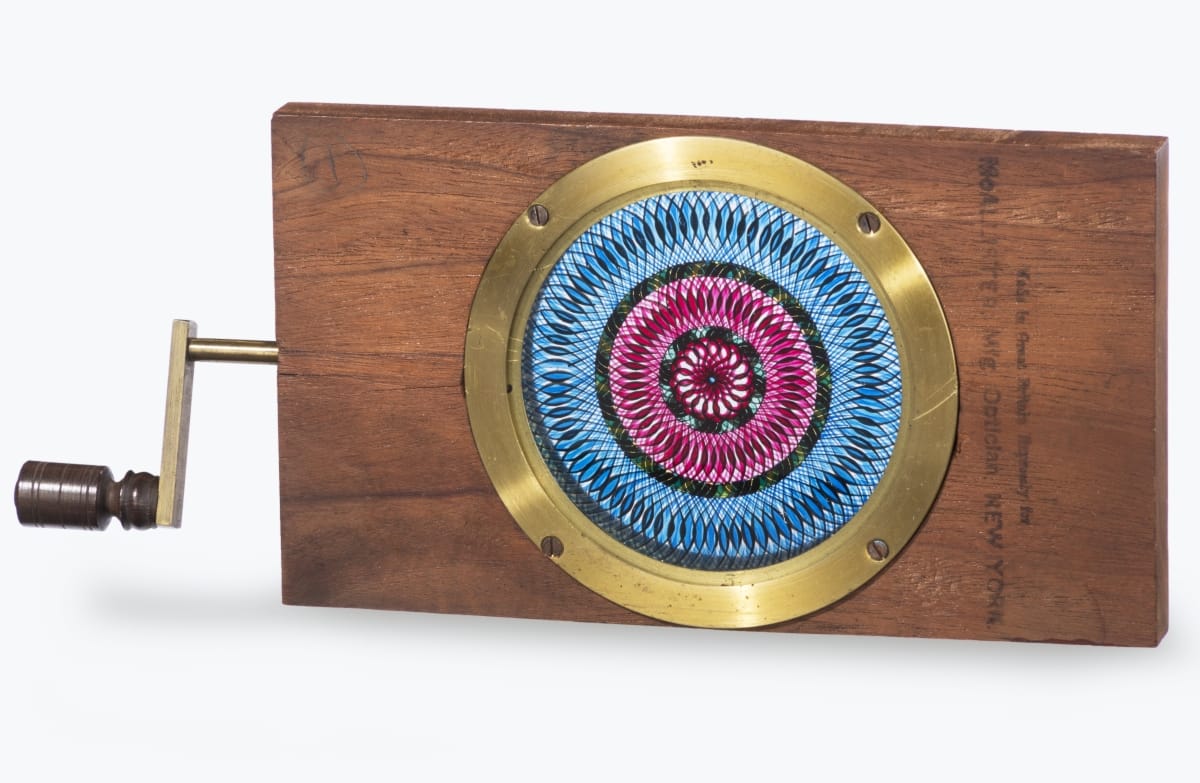
- T.H. McAllister Chromatrope Magic Lantern Slide, 1860-1900 - Magic lanterns use a concave mirror and light source to project images on glass slides with painted or photographic scenes. Developed in the 17th century, magic lanterns predate slide projectors and motion pictures. In the hands of magicians, they became "lanterns of fright," projecting wondrous images and apparitions. Slide themes ranged widely: exotic travel, folklore, advertising, history, science, and art.
- 1860-1900
- Collections - Artifact
T.H. McAllister Chromatrope Magic Lantern Slide, 1860-1900
Magic lanterns use a concave mirror and light source to project images on glass slides with painted or photographic scenes. Developed in the 17th century, magic lanterns predate slide projectors and motion pictures. In the hands of magicians, they became "lanterns of fright," projecting wondrous images and apparitions. Slide themes ranged widely: exotic travel, folklore, advertising, history, science, and art.
- Wrist Watch Used by Jawana Jackson, Selma. Alabama -
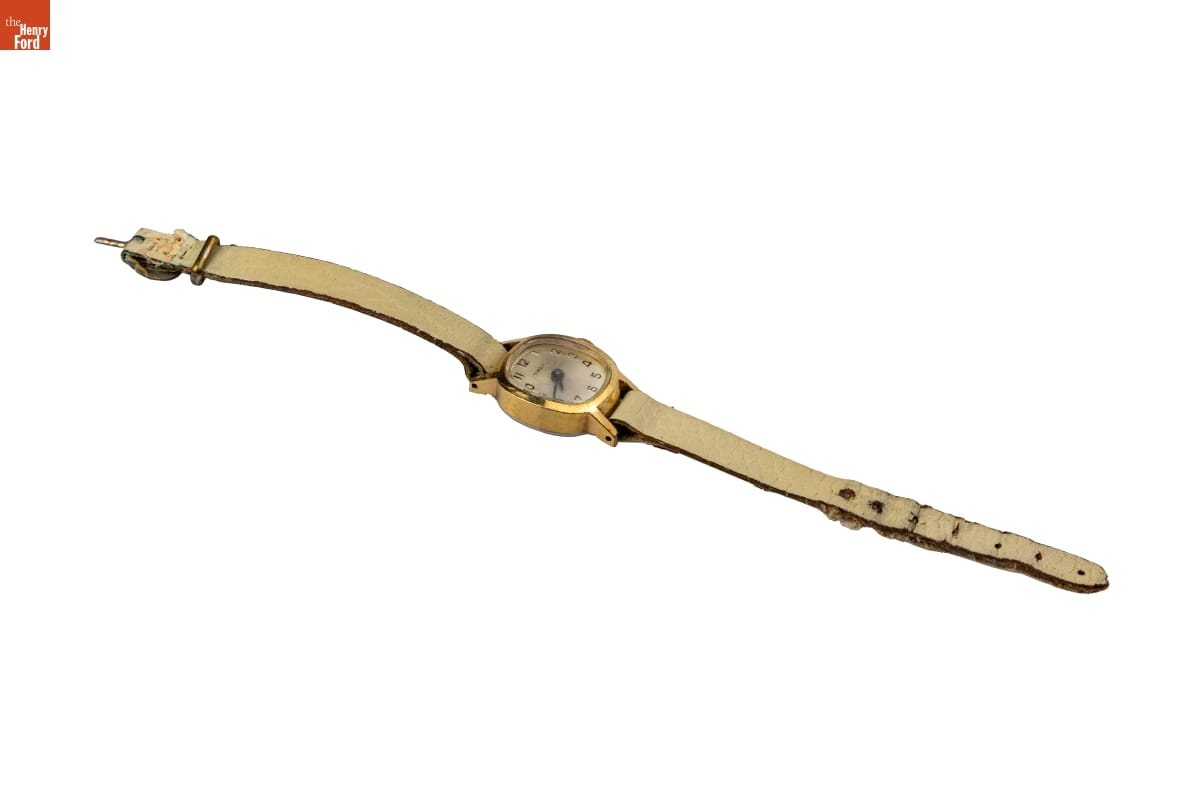
- 1969
- Collections - Artifact
Wrist Watch Used by Jawana Jackson, Selma. Alabama
- Grain Sickle, 1800-1840 - Sickles helped farmers harvest grain crops. Using this age-old tool, however, was backbreaking work. Laborers constantly had to stoop over to gather and cut the stalks. The work also had to be done quickly before ripen grains were scattered by the wind or poor weather destroyed the crop. The invention of mechanized reapers did away with this laborious task on large acre farms.
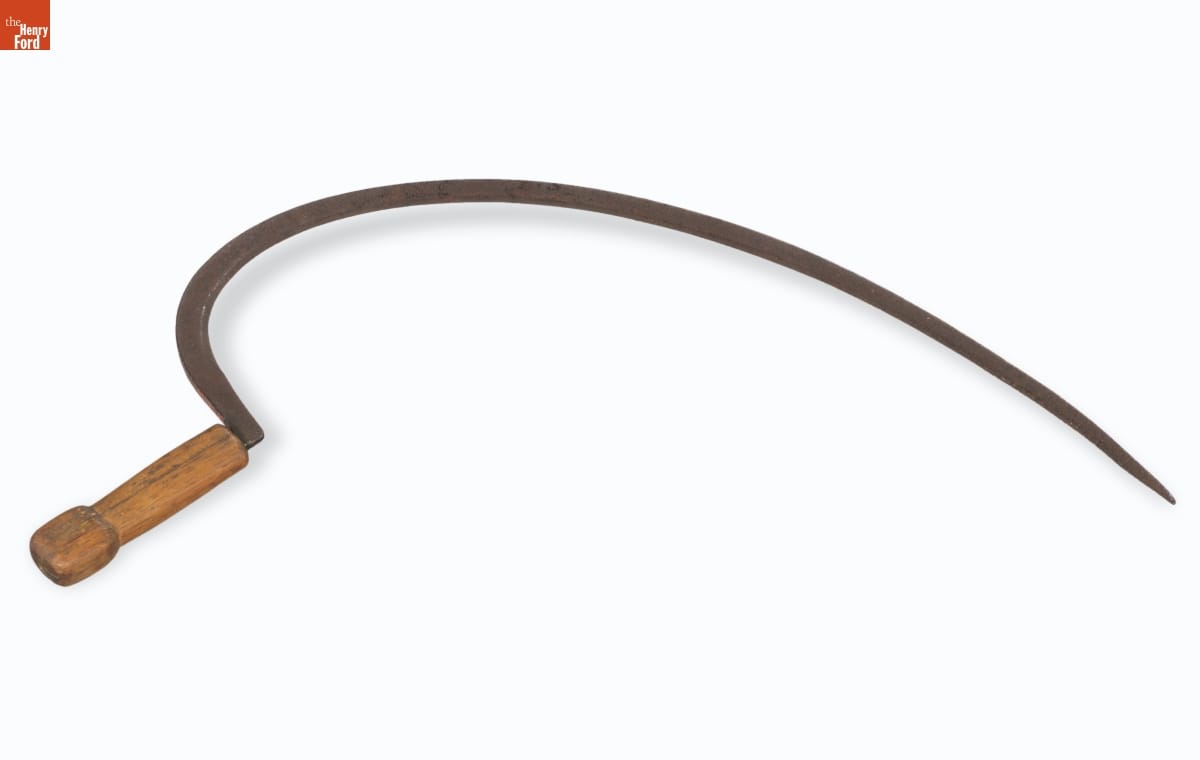
- 1800-1840
- Collections - Artifact
Grain Sickle, 1800-1840
Sickles helped farmers harvest grain crops. Using this age-old tool, however, was backbreaking work. Laborers constantly had to stoop over to gather and cut the stalks. The work also had to be done quickly before ripen grains were scattered by the wind or poor weather destroyed the crop. The invention of mechanized reapers did away with this laborious task on large acre farms.
- Portrait of a Clergyman, 1886 -
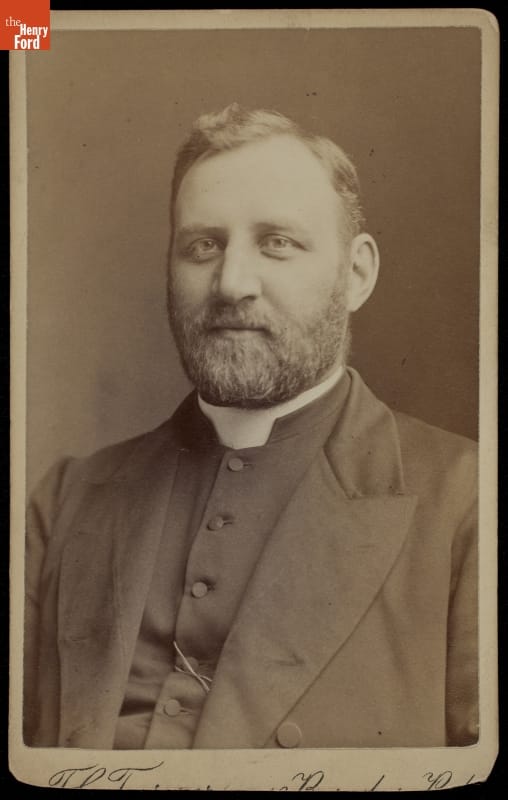
- 1886
- Collections - Artifact
Portrait of a Clergyman, 1886