
Search
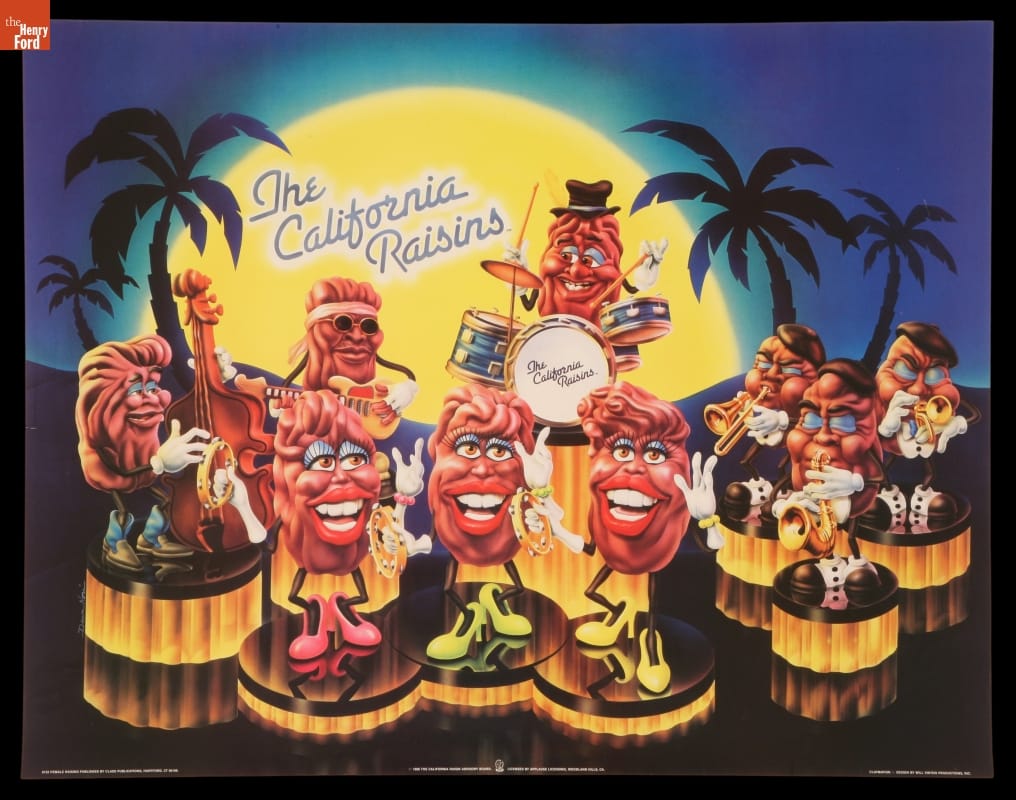
- Advertising Poster, "The California Raisins," 1988 - In the 1980s, the California Raisin Advisory Board brought their product to life as an animated rhythm and blues band. The group's rendition of Marvin Gaye's "I Heard It Through the Grapevine" aired on a 1986 TV commercial and left the public wanting more. By 1988, The California Raisins had four albums, a Billboard Hot 100 hit, and a mockumentary about their origins.
- 1988
- Collections - Artifact
Advertising Poster, "The California Raisins," 1988
In the 1980s, the California Raisin Advisory Board brought their product to life as an animated rhythm and blues band. The group's rendition of Marvin Gaye's "I Heard It Through the Grapevine" aired on a 1986 TV commercial and left the public wanting more. By 1988, The California Raisins had four albums, a Billboard Hot 100 hit, and a mockumentary about their origins.
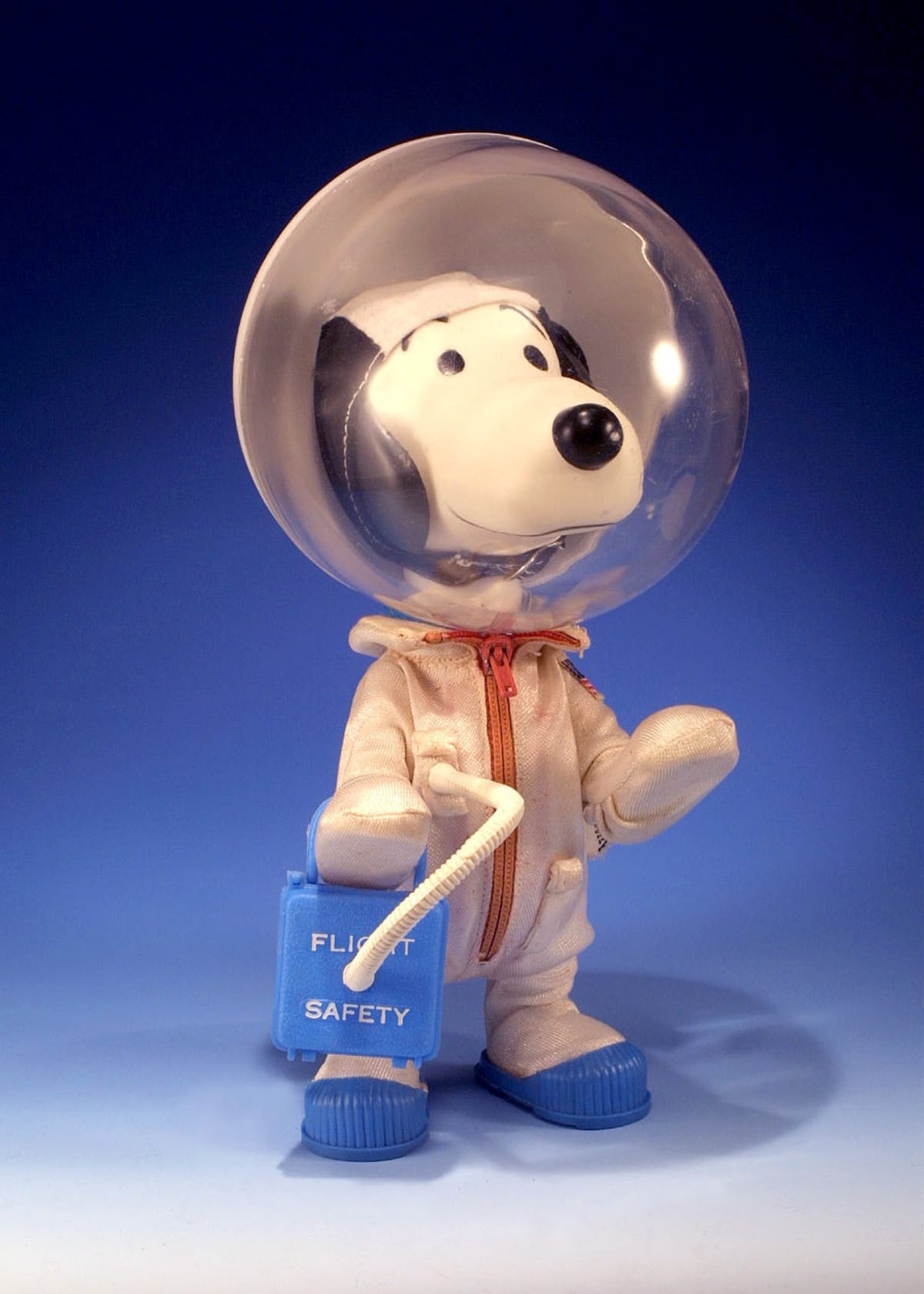
- Snoopy Toy Commemorating Apollo 11 Landing on Moon, 1969 - Charlie Brown's dog Snoopy was no ordinary dog. He walked on two legs, showed a rebellious streak, and daydreamed of being "World Famous." Four months before a real man landed on the moon, Snoopy appeared in a "Peanuts" comic strip as "the World Famous Astronaut" walking on the moon. This Peanuts Pocket Doll commemorates the 1969 moon landing.
- 1969
- Collections - Artifact
Snoopy Toy Commemorating Apollo 11 Landing on Moon, 1969
Charlie Brown's dog Snoopy was no ordinary dog. He walked on two legs, showed a rebellious streak, and daydreamed of being "World Famous." Four months before a real man landed on the moon, Snoopy appeared in a "Peanuts" comic strip as "the World Famous Astronaut" walking on the moon. This Peanuts Pocket Doll commemorates the 1969 moon landing.
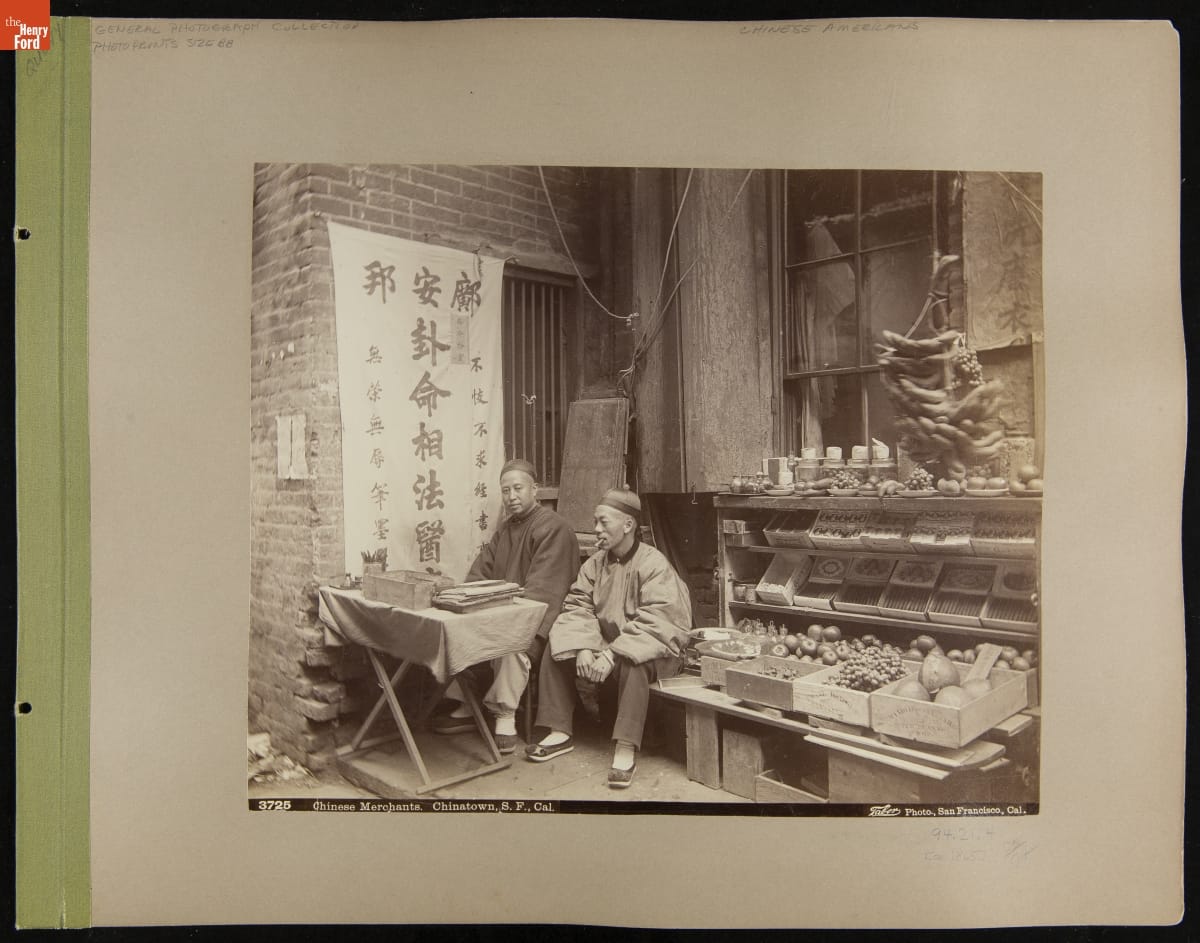
- "Chinese Merchants. Chinatown, S.F., Cal." -
- circa 1865
- Collections - Artifact
"Chinese Merchants. Chinatown, S.F., Cal."
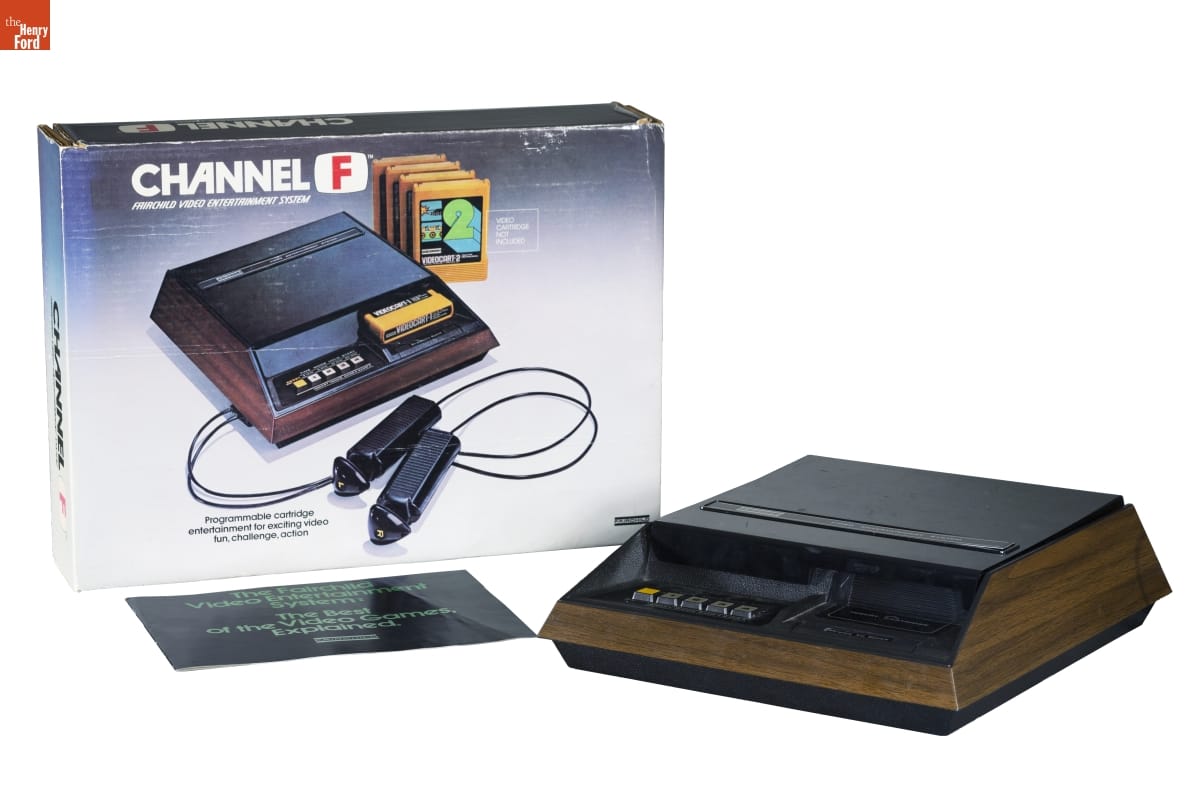
- Fairchild Channel F Video Game System, 1976 - The Fairchild Channel F Video Entertainment System is the first home video game console to include interchangeable cartridges. Jerry Lawson, Fairchild's head of engineering and hardware, co-invented the cartridge, which continues to be adapted into systems today. Lawson was one of the first Black engineers to work in Silicon Valley and was an early member of the Homebrew Computer Club.
- 1976
- Collections - Artifact
Fairchild Channel F Video Game System, 1976
The Fairchild Channel F Video Entertainment System is the first home video game console to include interchangeable cartridges. Jerry Lawson, Fairchild's head of engineering and hardware, co-invented the cartridge, which continues to be adapted into systems today. Lawson was one of the first Black engineers to work in Silicon Valley and was an early member of the Homebrew Computer Club.
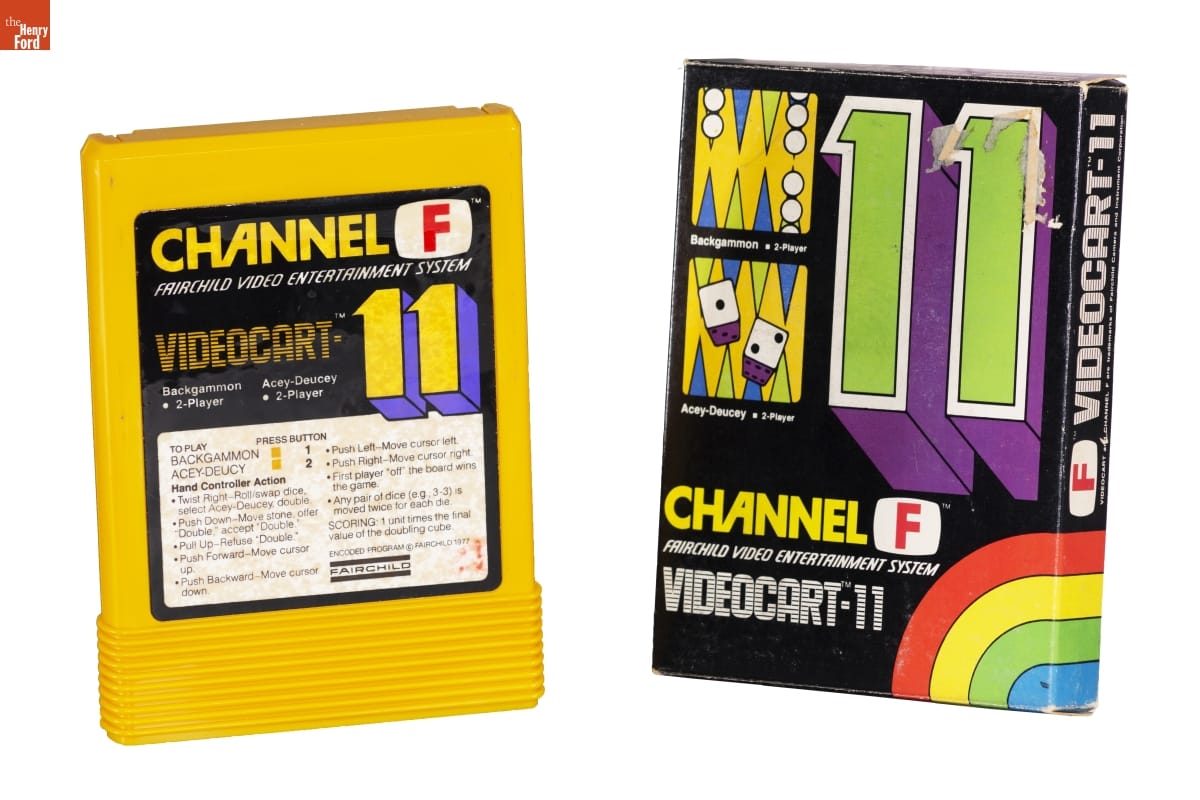
- Fairchild Videocart-11 Game, "Backgammon, Acey-Deucey," 1977 - The Fairchild Channel F Video Entertainment System is the first home video game console to include interchangeable cartridges. Jerry Lawson, Fairchild's head of engineering and hardware, co-invented the cartridge, which continues to be adapted into systems today. Lawson was one of the first Black engineers to work in Silicon Valley and was an early member of the Homebrew Computer Club.
- 1977
- Collections - Artifact
Fairchild Videocart-11 Game, "Backgammon, Acey-Deucey," 1977
The Fairchild Channel F Video Entertainment System is the first home video game console to include interchangeable cartridges. Jerry Lawson, Fairchild's head of engineering and hardware, co-invented the cartridge, which continues to be adapted into systems today. Lawson was one of the first Black engineers to work in Silicon Valley and was an early member of the Homebrew Computer Club.
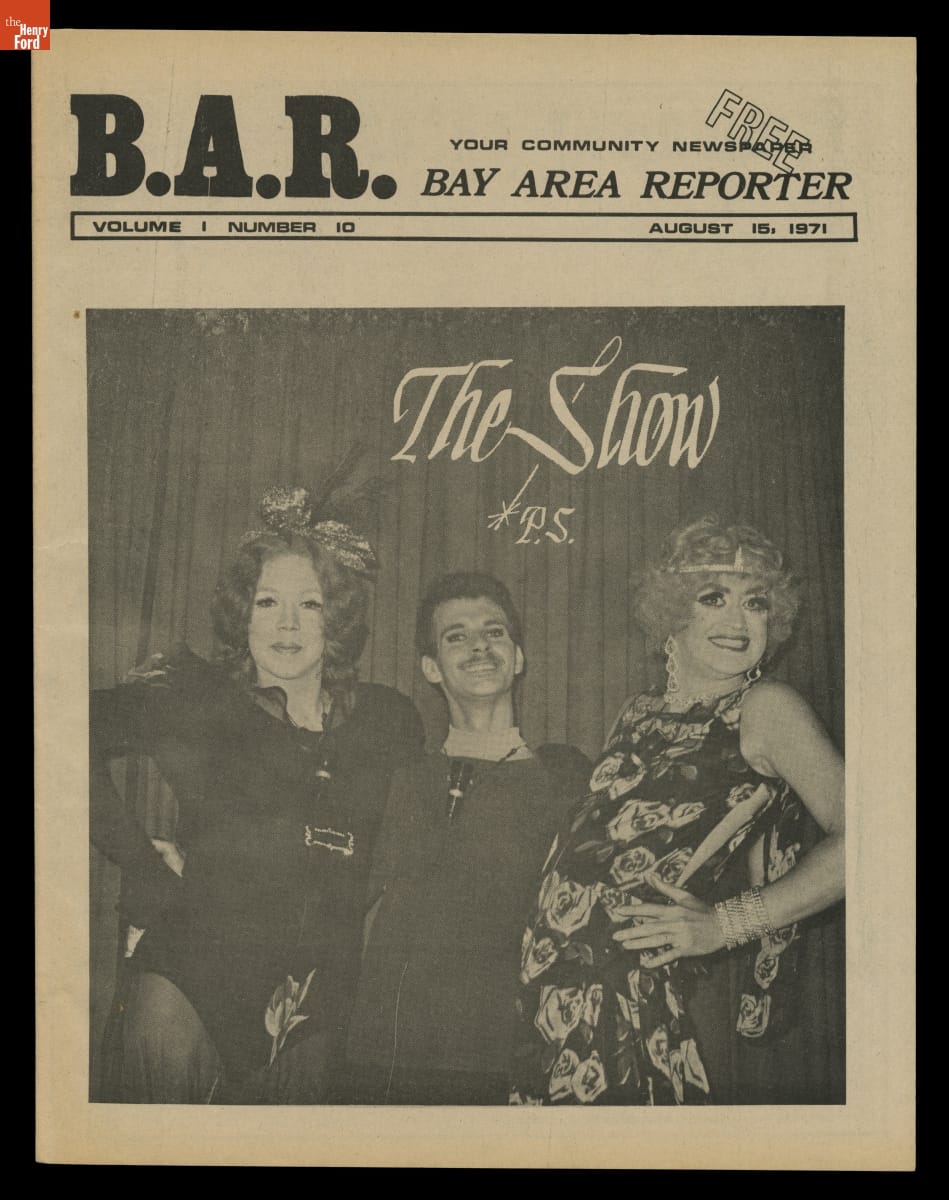
- "B.A.R.: Bay Area Reporter," Volume 1, Number 10, August 15, 1971 -
- August 15, 1971
- Collections - Artifact
"B.A.R.: Bay Area Reporter," Volume 1, Number 10, August 15, 1971
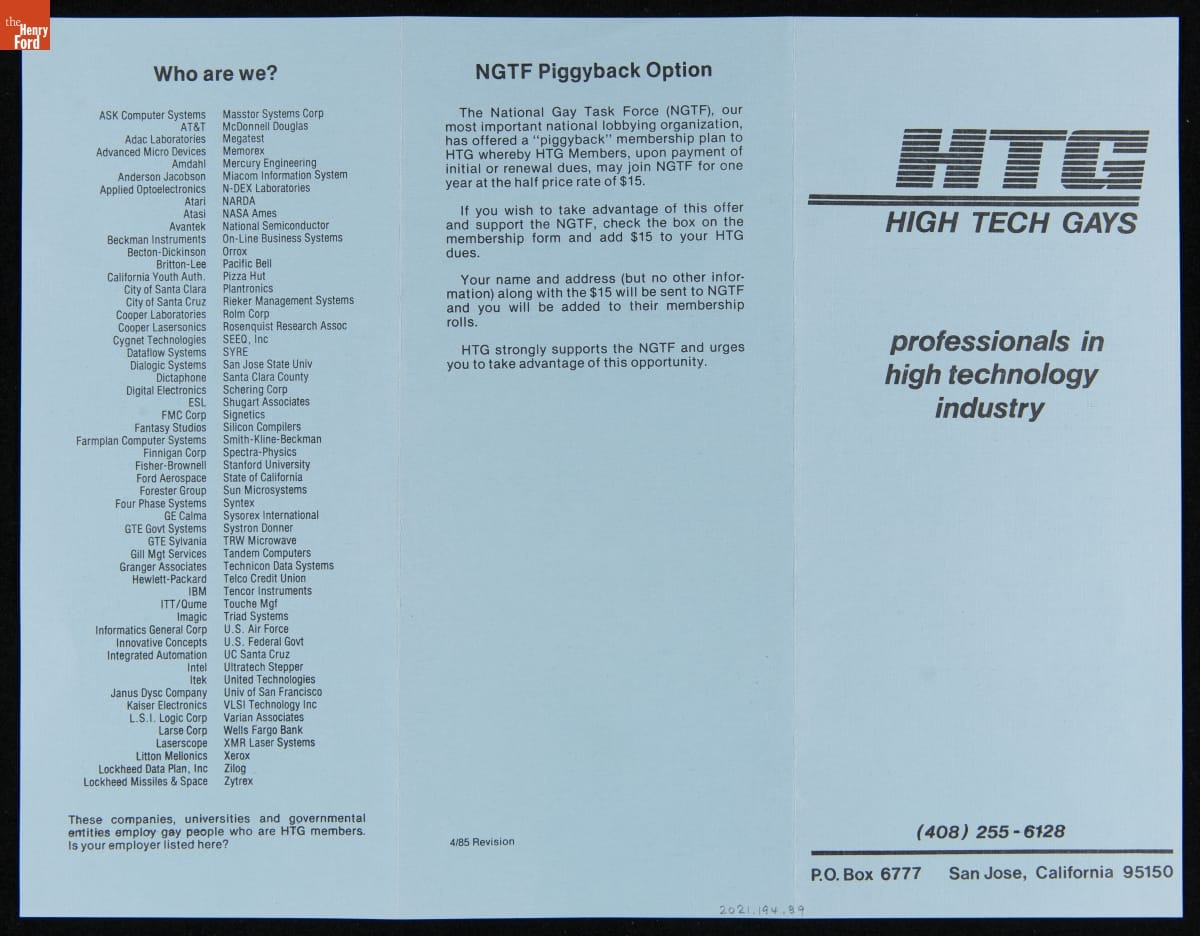
- High Tech Gays Brochure, 1985-1986 - High Tech Gays (HTGs) began in 1983 as a Silicon Valley-based social club and political action group. In 1984, the group was a co-defendant in a federal court case--High Tech Gays vs. DISCO--arguing that LGBTQ+ people were being denied access clearance to work in military and sensitive tech industries. The court ruled in favor of the High Tech Gays but was later overturned and appealed.
- 1985-1986
- Collections - Artifact
High Tech Gays Brochure, 1985-1986
High Tech Gays (HTGs) began in 1983 as a Silicon Valley-based social club and political action group. In 1984, the group was a co-defendant in a federal court case--High Tech Gays vs. DISCO--arguing that LGBTQ+ people were being denied access clearance to work in military and sensitive tech industries. The court ruled in favor of the High Tech Gays but was later overturned and appealed.
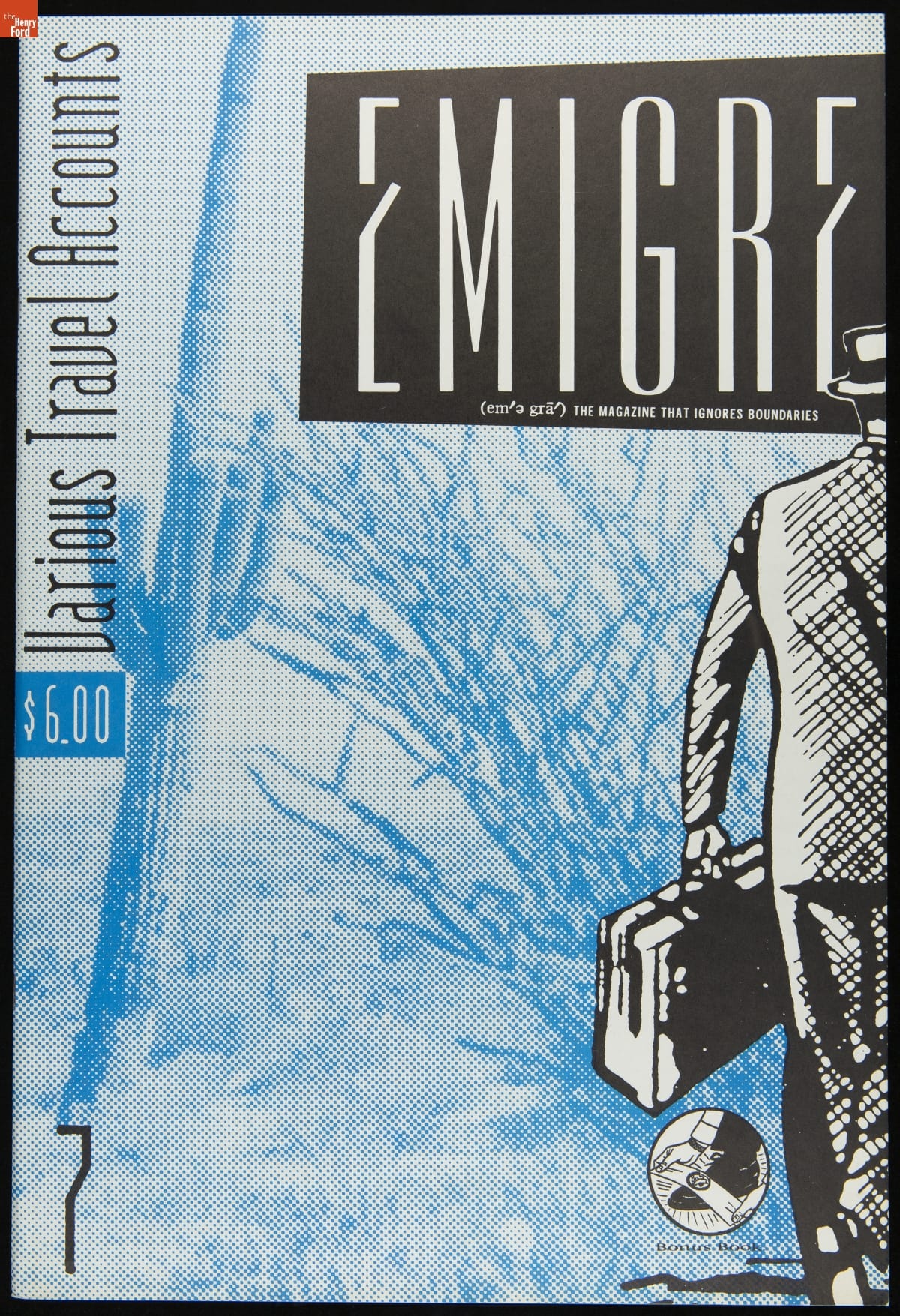
- Magazine, Emigre No. 7, "Various Travel Accounts," 1987 - Emigre is a digital type foundry established by Rudy VanderLans and Zuzana Licko. The company's history is linked with the introduction of the 1984 Macintosh computer, used to design their early bitmapped typefaces. Emigre's digital work gained notoriety -- defying visual communication standards with fractured, layered combinations of text and image. <em>Emigre</em> magazine showcased their fonts and promoted groundbreaking designers.
- 1987
- Collections - Artifact
Magazine, Emigre No. 7, "Various Travel Accounts," 1987
Emigre is a digital type foundry established by Rudy VanderLans and Zuzana Licko. The company's history is linked with the introduction of the 1984 Macintosh computer, used to design their early bitmapped typefaces. Emigre's digital work gained notoriety -- defying visual communication standards with fractured, layered combinations of text and image. Emigre magazine showcased their fonts and promoted groundbreaking designers.
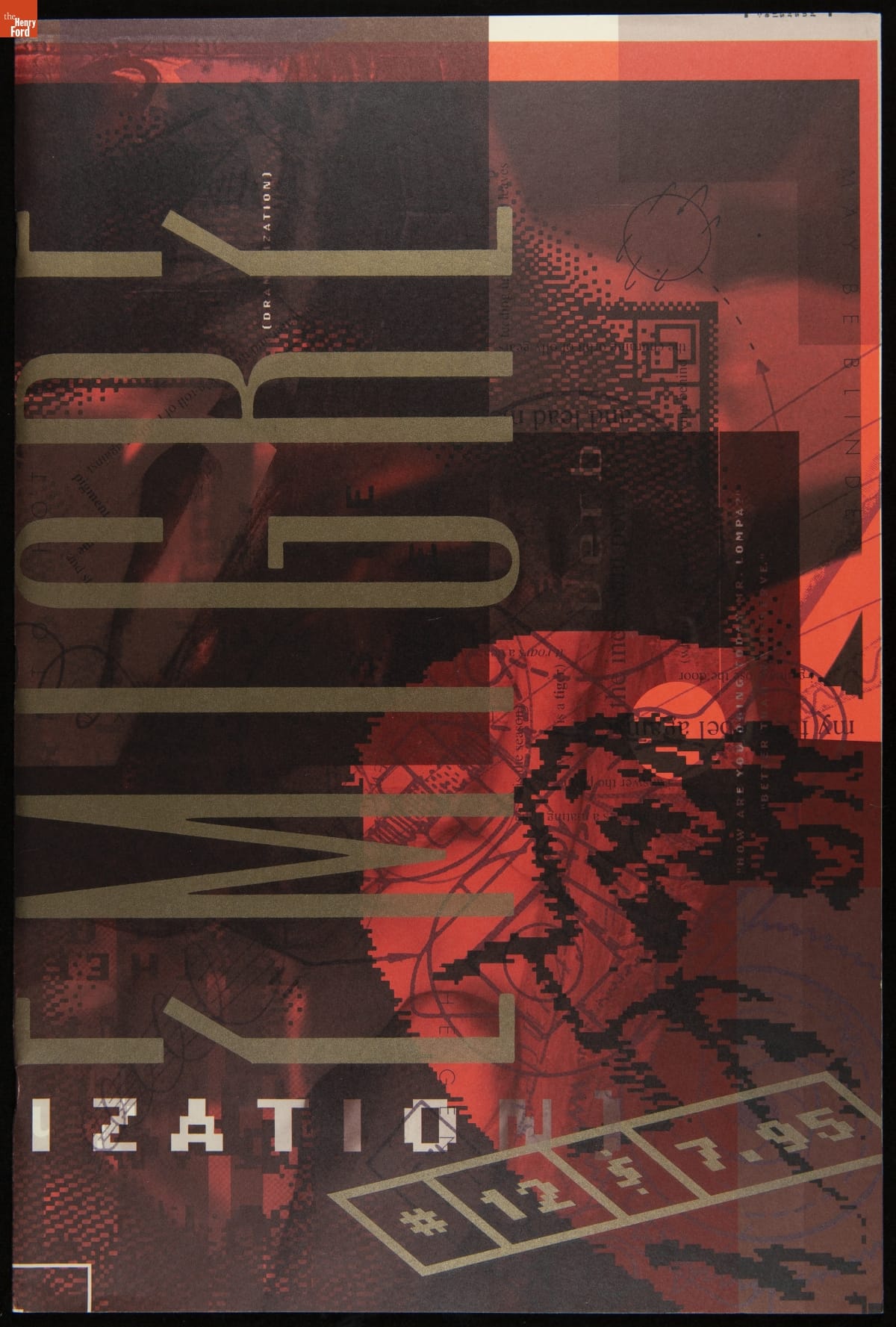
- Magazine, Emigre No. 12, "Press Time!," 1989 - Emigre is a digital type foundry established by Rudy VanderLans and Zuzana Licko. The company's history is linked with the introduction of the 1984 Macintosh computer, used to design their early bitmapped typefaces. Emigre's digital work gained notoriety -- defying visual communication standards with fractured, layered combinations of text and image. <em>Emigre</em> magazine showcased their fonts and promoted groundbreaking designers.
- 1989
- Collections - Artifact
Magazine, Emigre No. 12, "Press Time!," 1989
Emigre is a digital type foundry established by Rudy VanderLans and Zuzana Licko. The company's history is linked with the introduction of the 1984 Macintosh computer, used to design their early bitmapped typefaces. Emigre's digital work gained notoriety -- defying visual communication standards with fractured, layered combinations of text and image. Emigre magazine showcased their fonts and promoted groundbreaking designers.
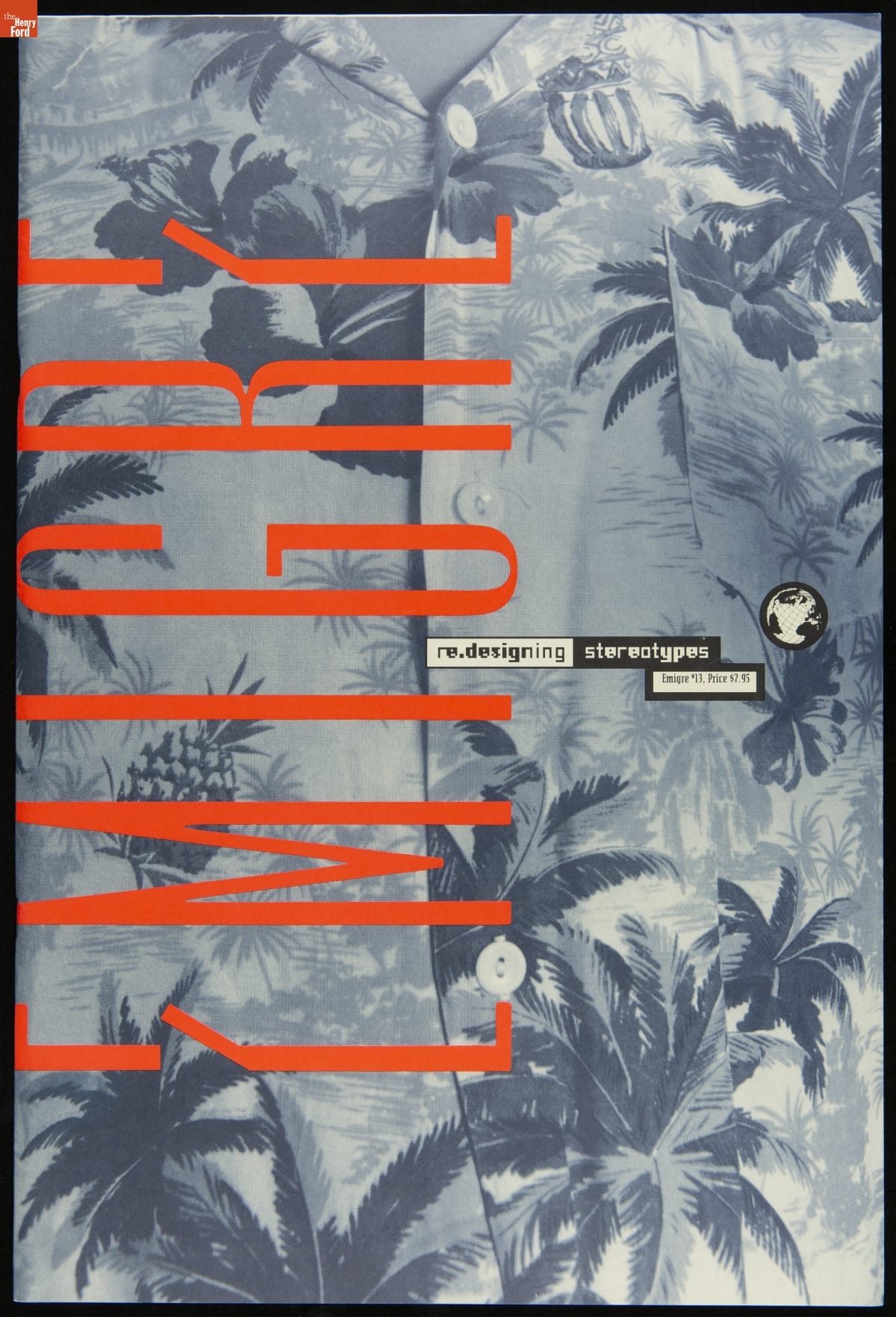
- Magazine, Emigre No. 13, "Redesigning Stereotypes," 1989 - Emigre is a digital type foundry established by Rudy VanderLans and Zuzana Licko. The company's history is linked with the introduction of the 1984 Macintosh computer, used to design their early bitmapped typefaces. Emigre's digital work gained notoriety -- defying visual communication standards with fractured, layered combinations of text and image. <em>Emigre</em> magazine showcased their fonts and promoted groundbreaking designers.
- 1989
- Collections - Artifact
Magazine, Emigre No. 13, "Redesigning Stereotypes," 1989
Emigre is a digital type foundry established by Rudy VanderLans and Zuzana Licko. The company's history is linked with the introduction of the 1984 Macintosh computer, used to design their early bitmapped typefaces. Emigre's digital work gained notoriety -- defying visual communication standards with fractured, layered combinations of text and image. Emigre magazine showcased their fonts and promoted groundbreaking designers.