
Search
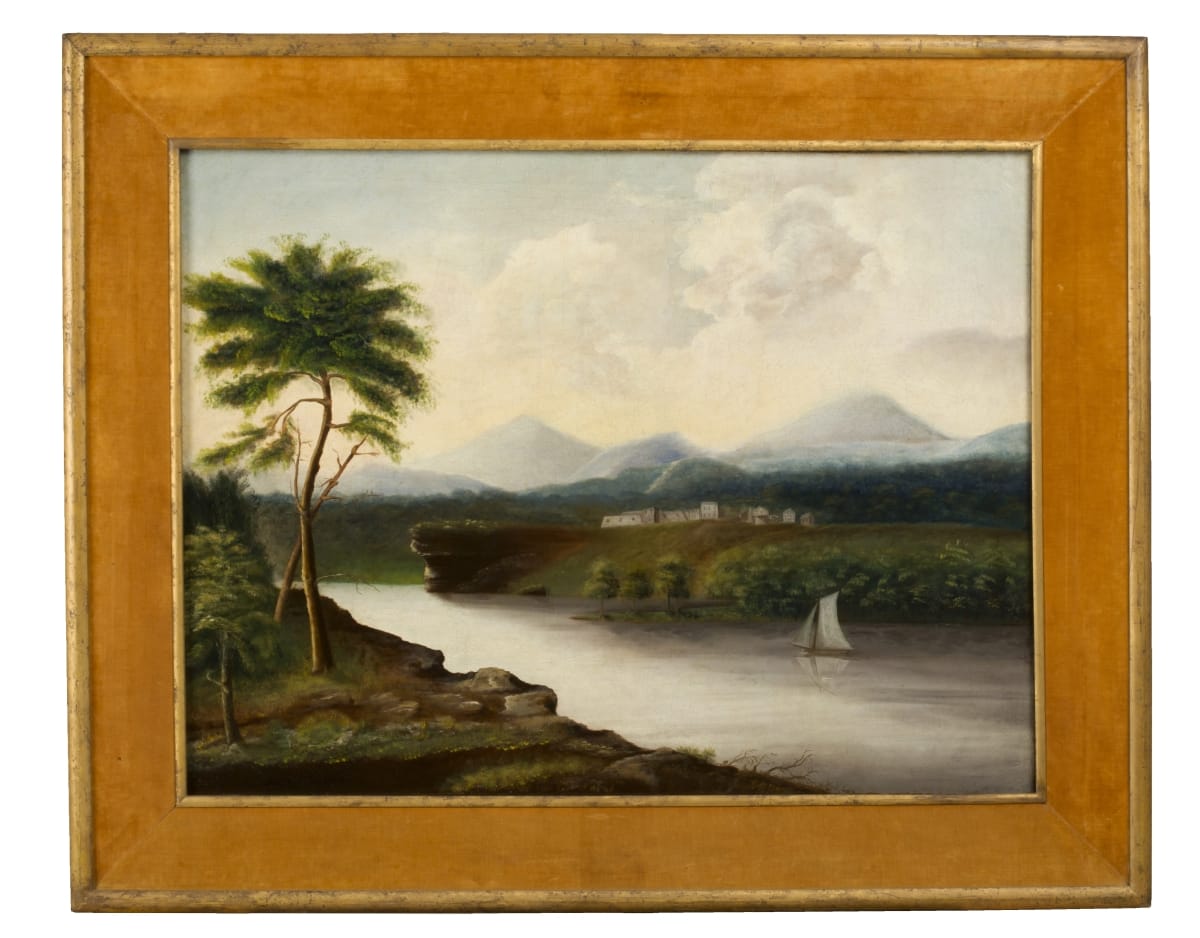
- Oil Painting, Fort Ticonderoga by George Washington Mark, circa 1845 - George Washington Mark was a successful house, sign, and furniture painter in Greenfield, Massachusetts, in the early 1800s. Sometime in the 1830s and 40s, he tried his hand at more artistic endeavors creating paintings of local interest -- generally landscapes and historic subjects. Around 1845, Mark painted this work depicting the ruins of New York's historic Fort Ticonderoga.
- circa 1845
- Collections - Artifact
Oil Painting, Fort Ticonderoga by George Washington Mark, circa 1845
George Washington Mark was a successful house, sign, and furniture painter in Greenfield, Massachusetts, in the early 1800s. Sometime in the 1830s and 40s, he tried his hand at more artistic endeavors creating paintings of local interest -- generally landscapes and historic subjects. Around 1845, Mark painted this work depicting the ruins of New York's historic Fort Ticonderoga.
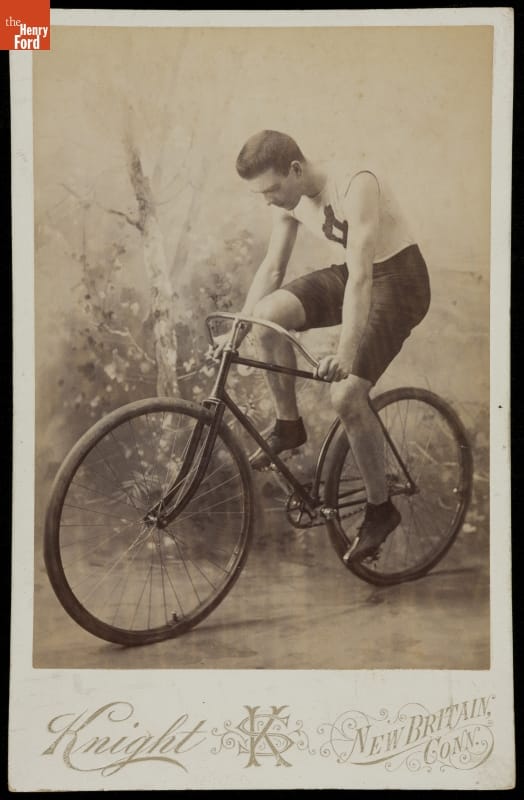
- Bicycle Racer H. Arnold, circa 1890 - This cabinet card pictures H. Arnold, a racer in the early 1890s. Arnold competed in various bicycle meets in the early 1890s, but was overshadowed by other speedsters of the period.
- circa 1890
- Collections - Artifact
Bicycle Racer H. Arnold, circa 1890
This cabinet card pictures H. Arnold, a racer in the early 1890s. Arnold competed in various bicycle meets in the early 1890s, but was overshadowed by other speedsters of the period.
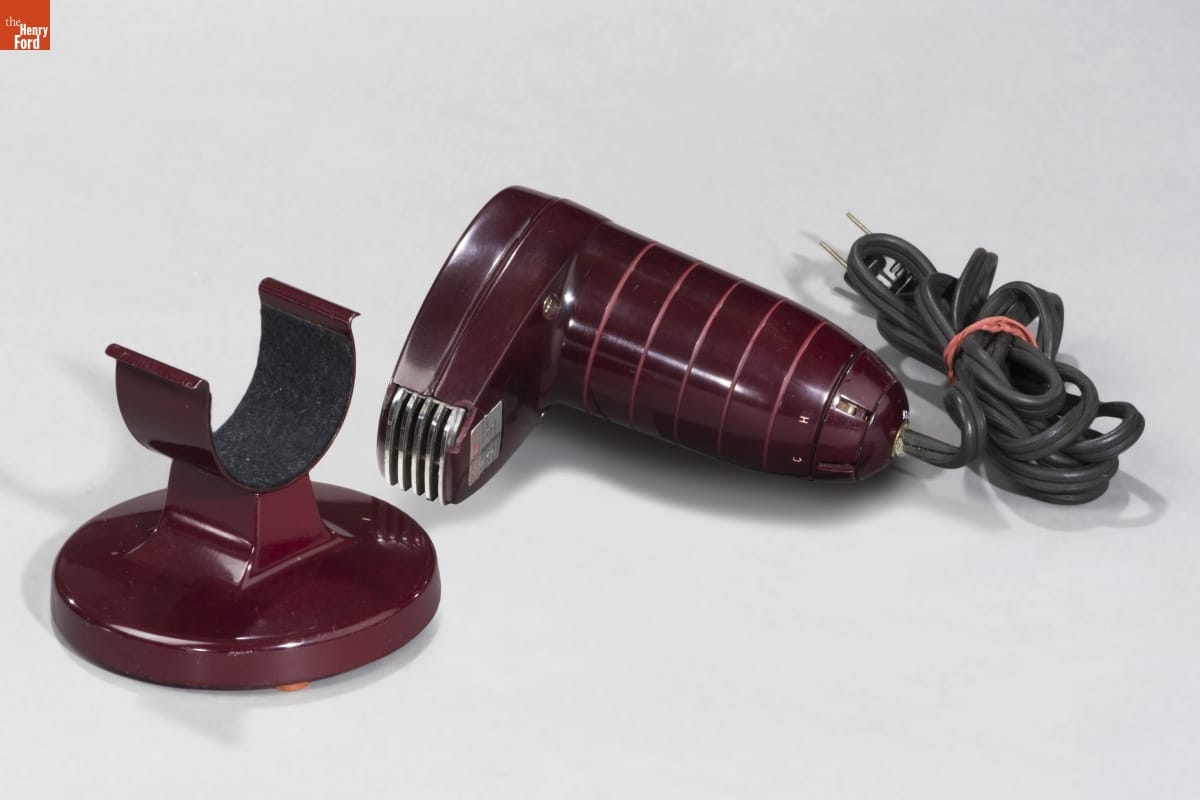
- A.C. Gilbert Company Hair Dryer with Stand, circa 1950 -
- circa 1950
- Collections - Artifact
A.C. Gilbert Company Hair Dryer with Stand, circa 1950
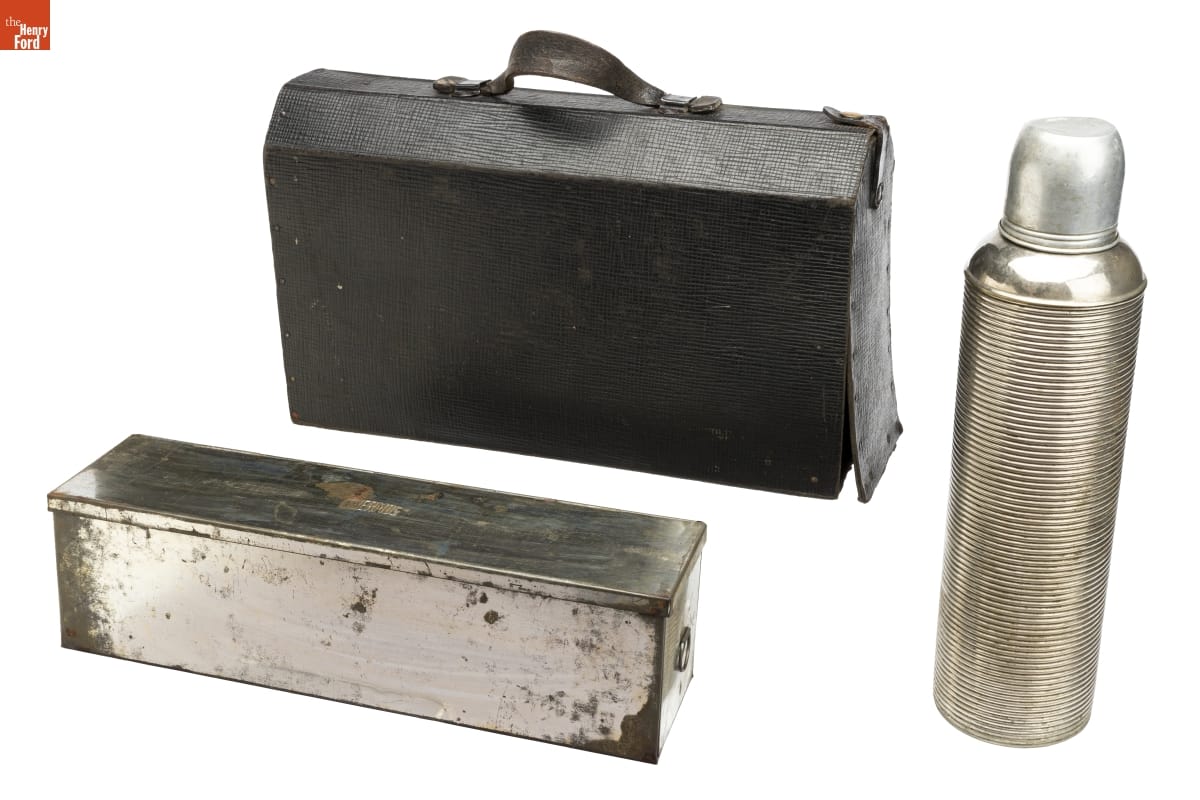
- Lunch Box, 1910-1956 -
- 1910-1956
- Collections - Artifact
Lunch Box, 1910-1956
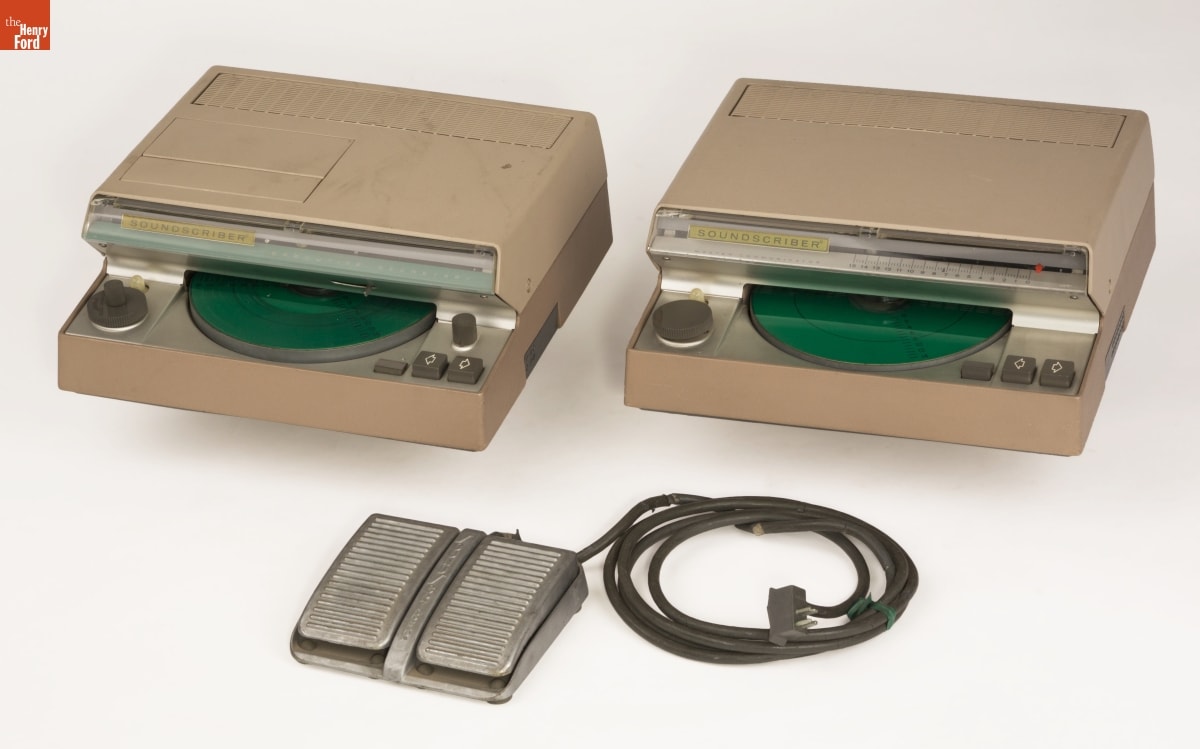
- Soundscriber Dictation System, 1960-1965 -
- 1960-1965
- Collections - Artifact
Soundscriber Dictation System, 1960-1965
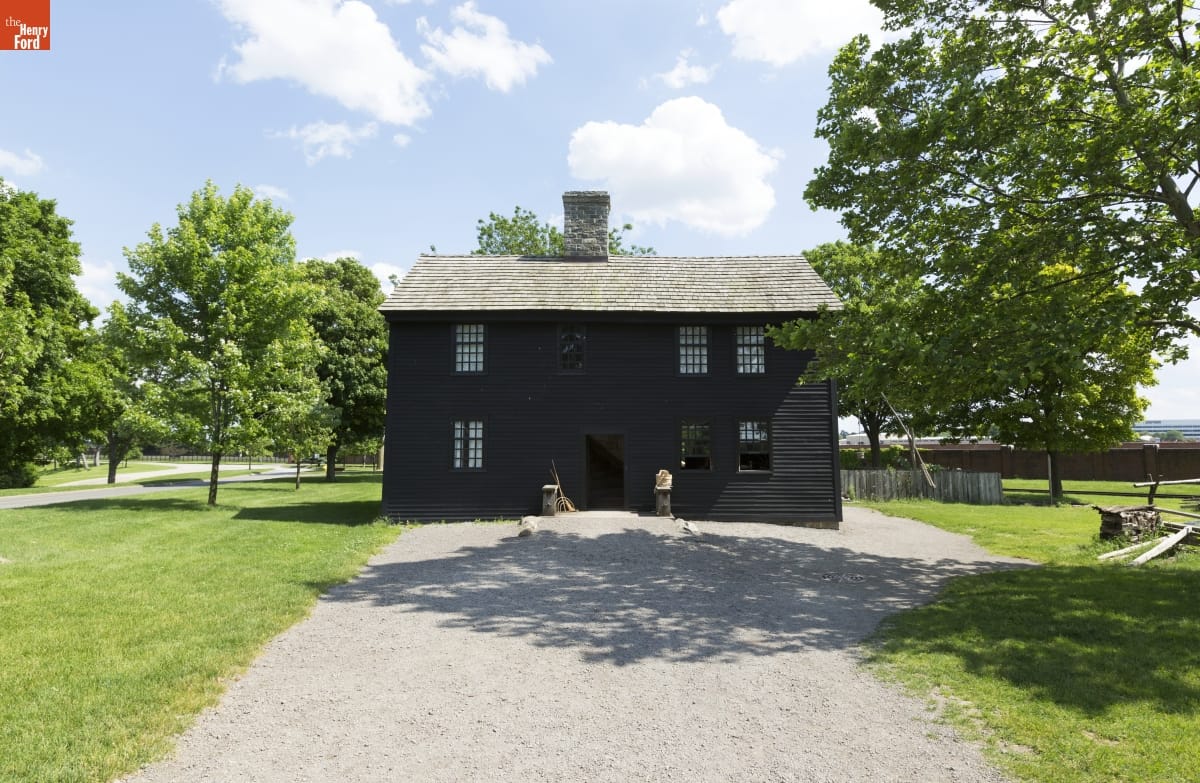
- Daggett Farmhouse - Like other farm families living in northeastern Connecticut in the 1760s, the Daggetts made and grew many of the things they needed. Along with farming, Samuel Daggett was a house builder and furniture maker. The "saltbox" form of this house -- with short roof in front and long in back -- was a typical New England house type of this era.
- circa 1755
- Collections - Artifact
Daggett Farmhouse
Like other farm families living in northeastern Connecticut in the 1760s, the Daggetts made and grew many of the things they needed. Along with farming, Samuel Daggett was a house builder and furniture maker. The "saltbox" form of this house -- with short roof in front and long in back -- was a typical New England house type of this era.
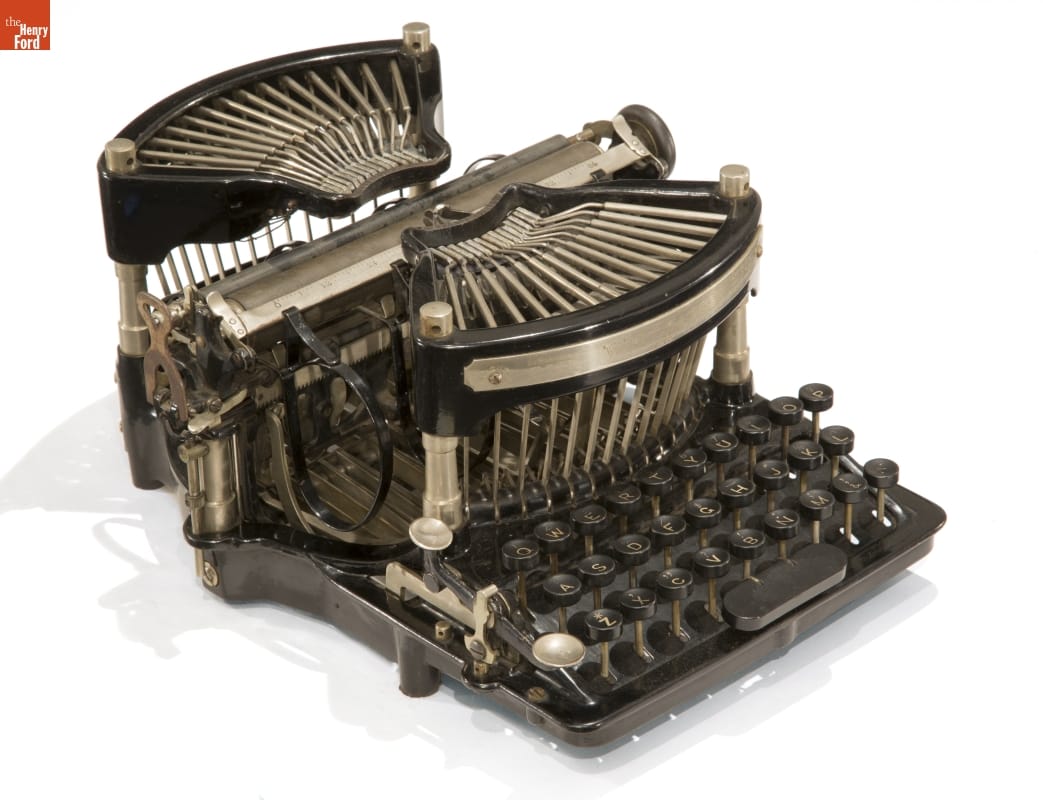
- Williams Desk Typewriter, 1895 - The Williams was part of the incredible flowering of diverse writing machines around the turn of the twentieth century. John Newton Williams' typewriter design featured a central platen with type bars arranged around it front and rear which struck the paper with a unique hopping "grasshopper" movement.
- 1895
- Collections - Artifact
Williams Desk Typewriter, 1895
The Williams was part of the incredible flowering of diverse writing machines around the turn of the twentieth century. John Newton Williams' typewriter design featured a central platen with type bars arranged around it front and rear which struck the paper with a unique hopping "grasshopper" movement.
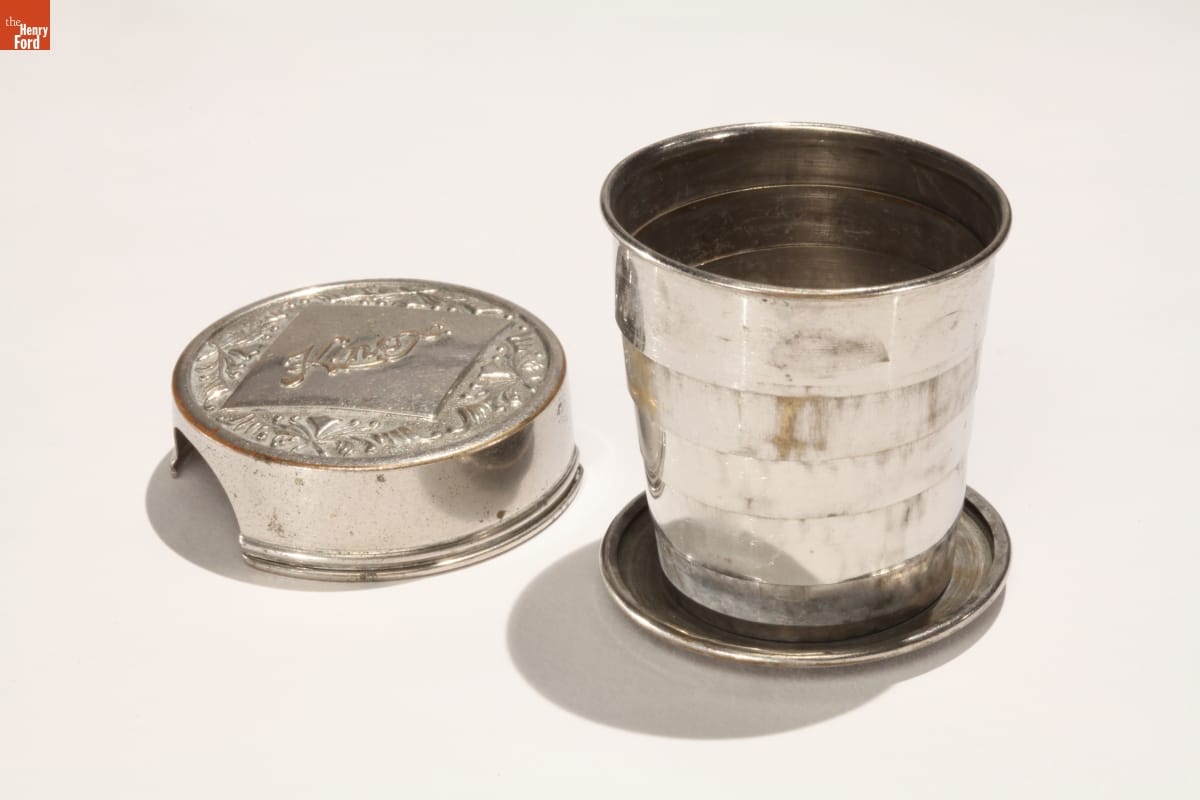
- Knox Collapsible Cup, 1900-1910 - This "telescoping" or "collapsible" cup was a convenient item for cyclists, motorists, and canoeists. When not in use, it could be collapsed and carried in a pocket. This ingenious cup was produced with different lids, including one depicting bicyclists and labeled "Cyclist's Cup." The "Knox" name on the lid of this cup might refer to the Knox Automobile Company.
- 1900-1910
- Collections - Artifact
Knox Collapsible Cup, 1900-1910
This "telescoping" or "collapsible" cup was a convenient item for cyclists, motorists, and canoeists. When not in use, it could be collapsed and carried in a pocket. This ingenious cup was produced with different lids, including one depicting bicyclists and labeled "Cyclist's Cup." The "Knox" name on the lid of this cup might refer to the Knox Automobile Company.
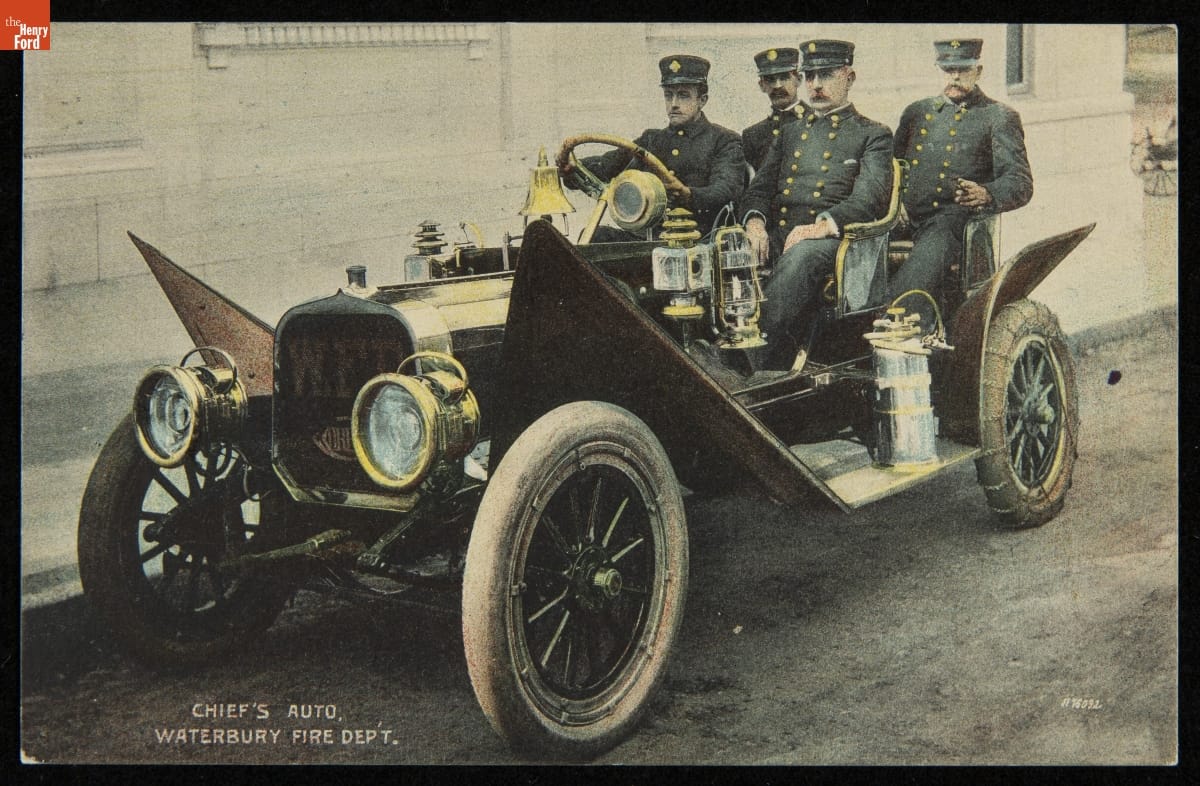
- Postcard, "Chief's Auto, Waterbury Fire Dept.," 1912 - Fire departments, eager to eliminate the costs and complications of horses, were quick to adopt motor vehicles. In addition to motorized pumpers and trucks, many departments purchased automobiles for use by fire chiefs. With a car, a fire chief and staff could travel swiftly to the scene of a fire.
- February 28, 1912
- Collections - Artifact
Postcard, "Chief's Auto, Waterbury Fire Dept.," 1912
Fire departments, eager to eliminate the costs and complications of horses, were quick to adopt motor vehicles. In addition to motorized pumpers and trucks, many departments purchased automobiles for use by fire chiefs. With a car, a fire chief and staff could travel swiftly to the scene of a fire.
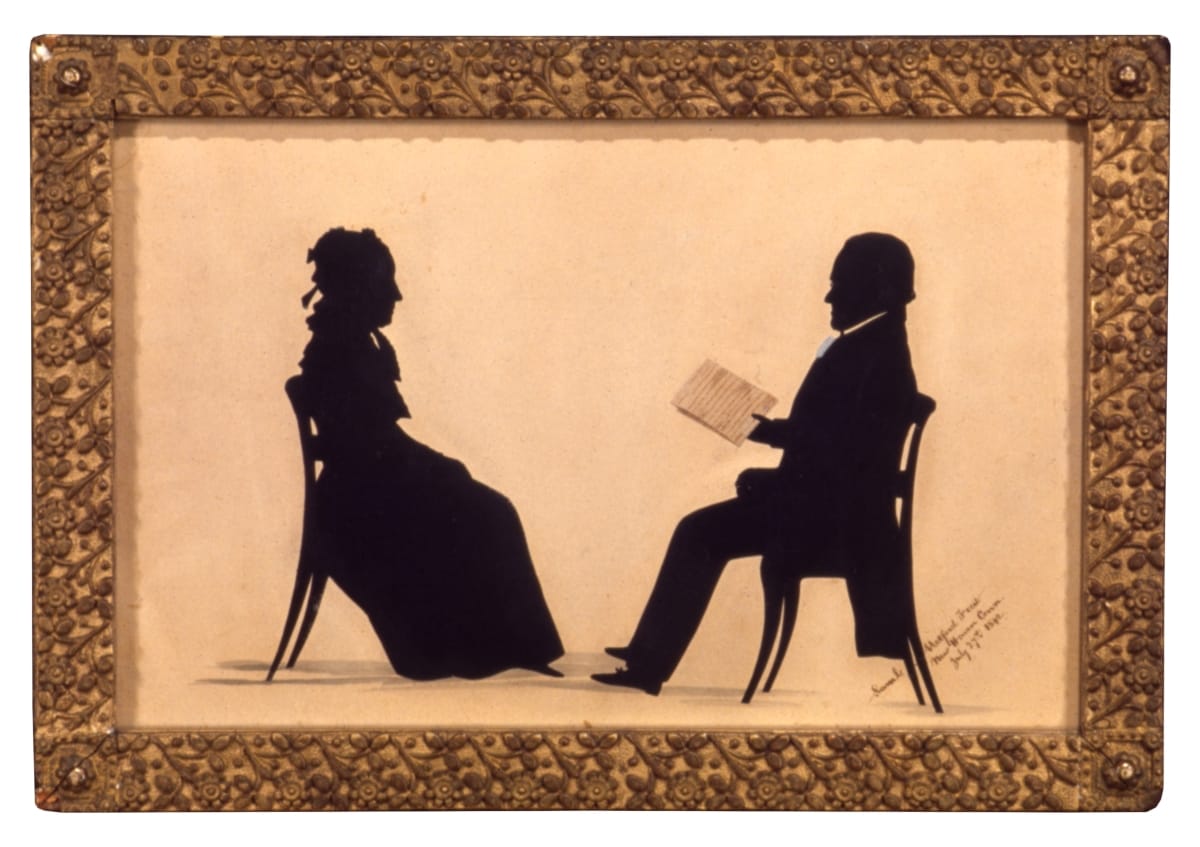
- Silhouettes of Noah and Rebecca Webster by Samuel Metford, 1842 -
- July 27, 1842
- Collections - Artifact
Silhouettes of Noah and Rebecca Webster by Samuel Metford, 1842