
Search
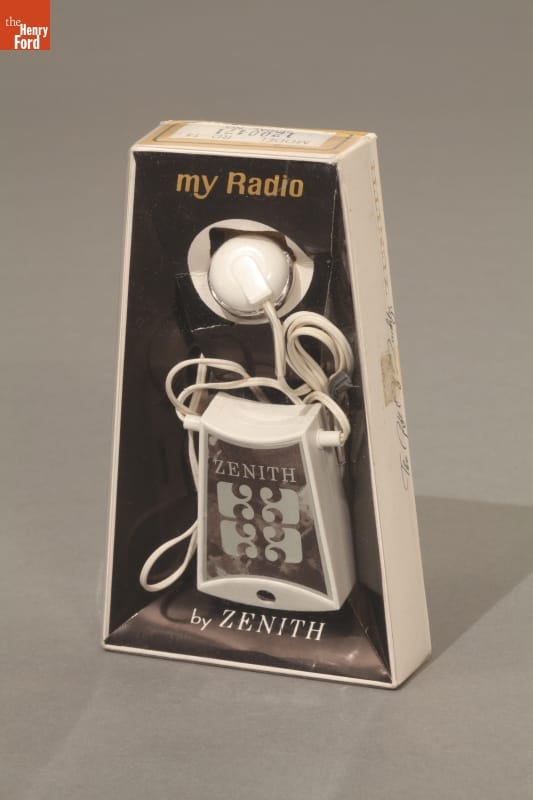
- Zenith "My Radio" Pendant Transistor Radio, circa 1970 - The size of radios shrank following the advent of transistor technology. Even the smallest vacuum tubes were bulky, and their power consumption ensured the need for large batteries. Transistor radios made of lightweight plastics were cheap and truly portable. With the addition of an earphone a radio such as this allowed the listener to enjoy a completely personal listening experience.
- circa 1970
- Collections - Artifact
Zenith "My Radio" Pendant Transistor Radio, circa 1970
The size of radios shrank following the advent of transistor technology. Even the smallest vacuum tubes were bulky, and their power consumption ensured the need for large batteries. Transistor radios made of lightweight plastics were cheap and truly portable. With the addition of an earphone a radio such as this allowed the listener to enjoy a completely personal listening experience.
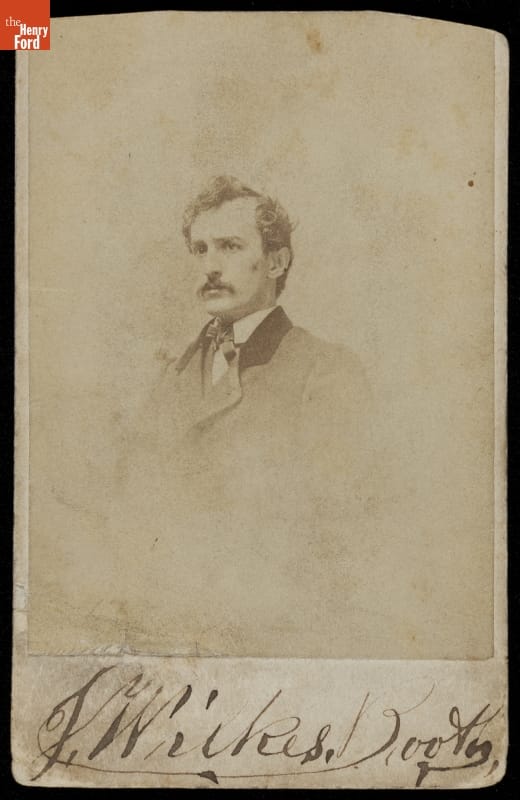
- Autographed Portrait of John Wilkes Booth, circa 1860 - Well-known actor John Wilkes Booth--better remembered for the 1865 assassination of President Abraham Lincoln--posed for this carte-de-visite in a professional photographer's studio around 1860. Cartes-de-visite, small photographic prints on cardboard stock, remained popular from the Civil War in the 1860s through the 1880s. Americans commonly collected and exchanged them to commemorate family members or celebrities.
- circa 1860
- Collections - Artifact
Autographed Portrait of John Wilkes Booth, circa 1860
Well-known actor John Wilkes Booth--better remembered for the 1865 assassination of President Abraham Lincoln--posed for this carte-de-visite in a professional photographer's studio around 1860. Cartes-de-visite, small photographic prints on cardboard stock, remained popular from the Civil War in the 1860s through the 1880s. Americans commonly collected and exchanged them to commemorate family members or celebrities.
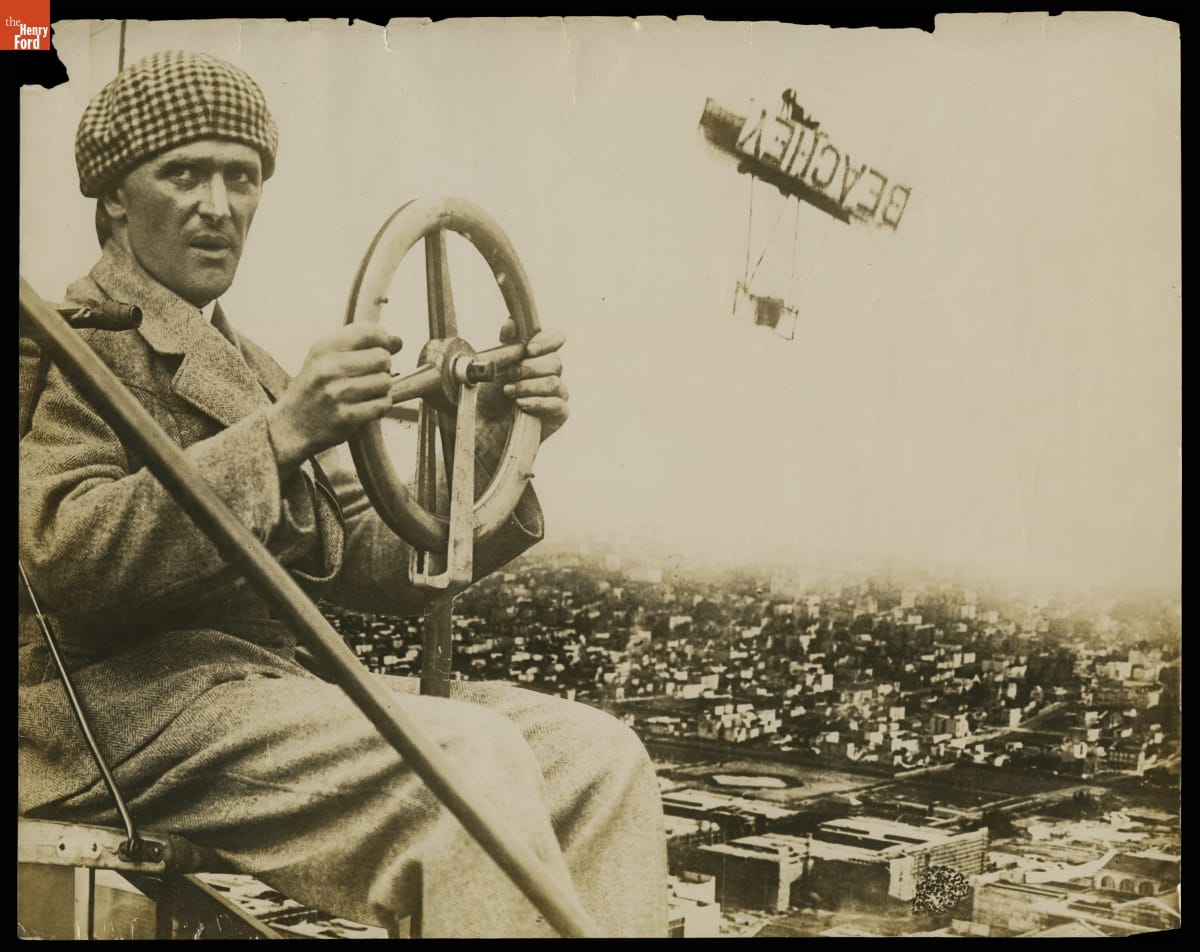
- Lincoln Beachey Stunt Flying over San Francisco, California, circa 1915 - Lincoln Beachey is remembered as America's first great stunt flyer. He perfected a series of aerobatic maneuvers -- including spins, dives, spirals, and loops -- and earned fame and fortune by staging heart-stopping exhibition flights for audiences across the country. Beachey died when the wings broke loose from his airplane during a stunt flight over San Francisco Bay in 1915.
- circa 1915
- Collections - Artifact
Lincoln Beachey Stunt Flying over San Francisco, California, circa 1915
Lincoln Beachey is remembered as America's first great stunt flyer. He perfected a series of aerobatic maneuvers -- including spins, dives, spirals, and loops -- and earned fame and fortune by staging heart-stopping exhibition flights for audiences across the country. Beachey died when the wings broke loose from his airplane during a stunt flight over San Francisco Bay in 1915.
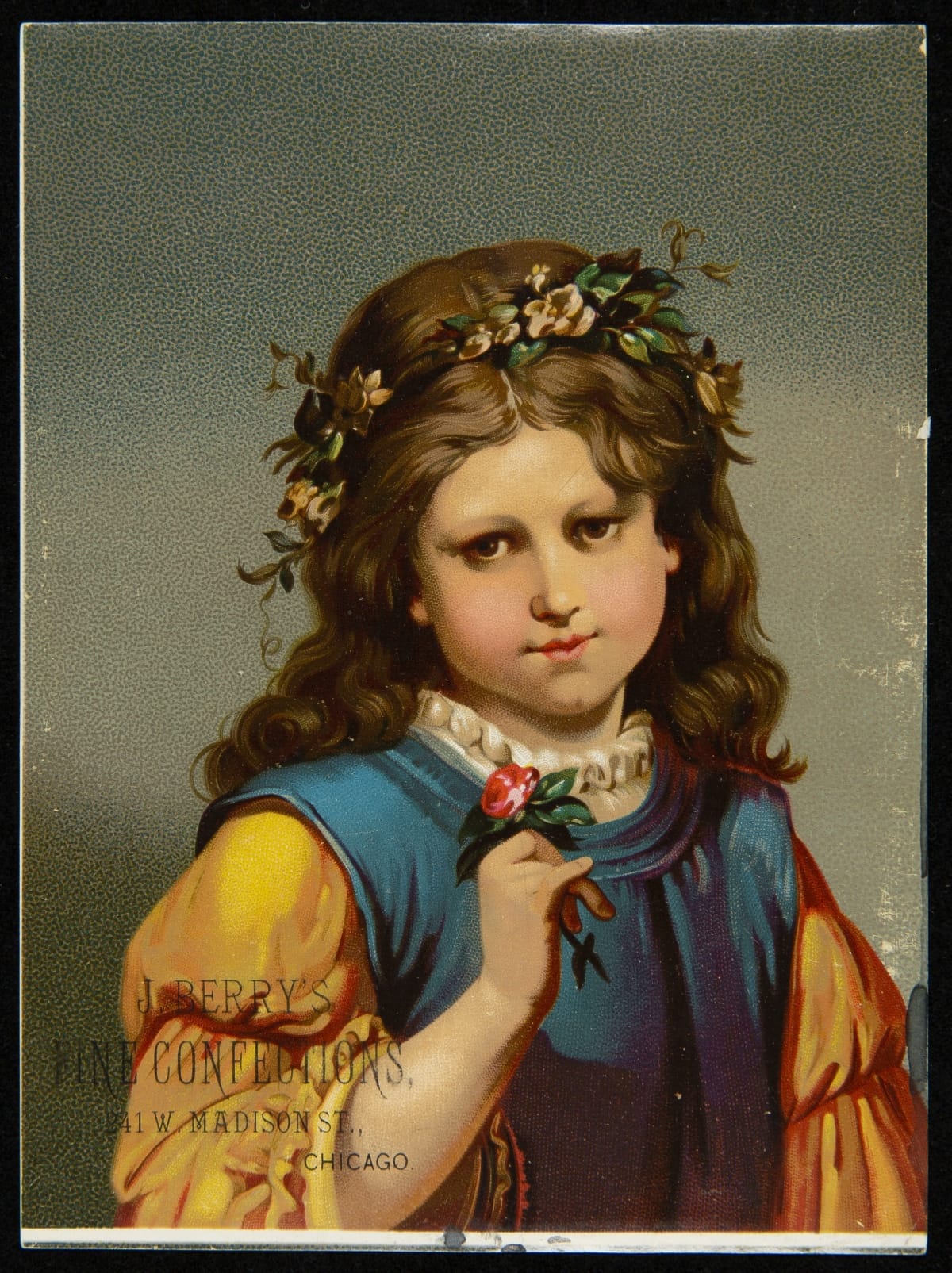
- Label, "J. Berry's Fine Confections," 1886-1905 -
- 1886-1905
- Collections - Artifact
Label, "J. Berry's Fine Confections," 1886-1905
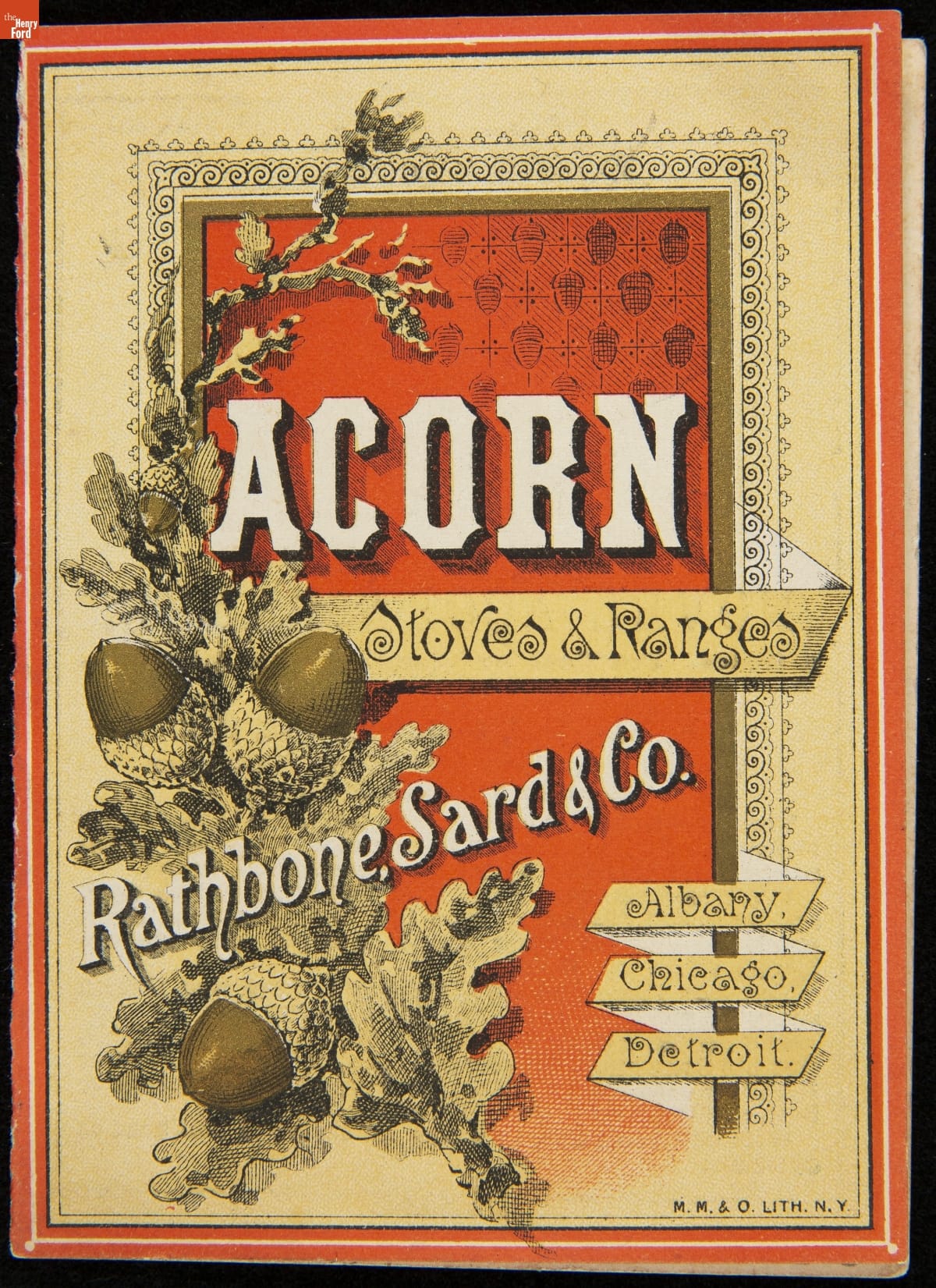
- Trade Card for Live Acorn Stoves and Ranges, Rathbone, Sard & Co., 1875-1885 - In the last third of the nineteenth century, an unprecedented variety of consumer goods and services flooded the American market. Advertisers, armed with new methods of color printing, bombarded potential customers with trade cards. Americans enjoyed and often saved the vibrant little advertisements found in product packages or distributed by local merchants. Many survive as historical records of commercialism in the United States.
- 1875-1885
- Collections - Artifact
Trade Card for Live Acorn Stoves and Ranges, Rathbone, Sard & Co., 1875-1885
In the last third of the nineteenth century, an unprecedented variety of consumer goods and services flooded the American market. Advertisers, armed with new methods of color printing, bombarded potential customers with trade cards. Americans enjoyed and often saved the vibrant little advertisements found in product packages or distributed by local merchants. Many survive as historical records of commercialism in the United States.
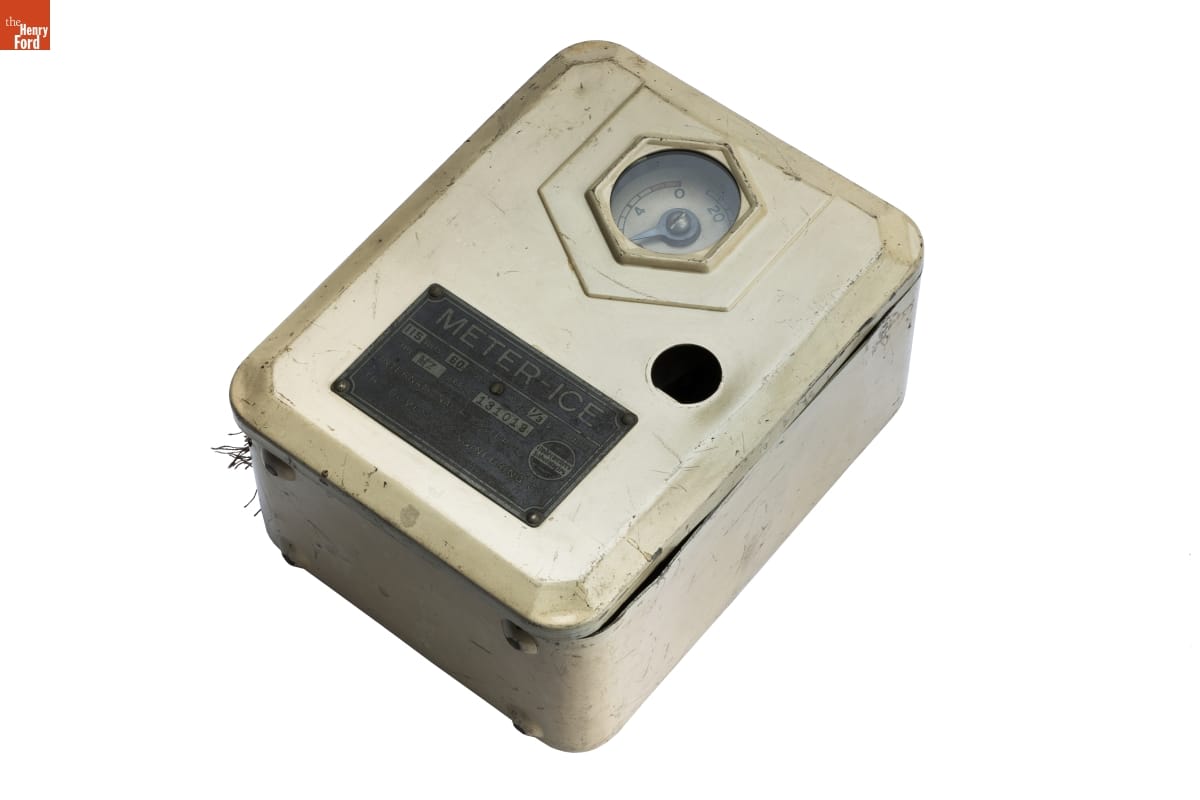
- "Meter-Ice" Coin Operated Refrigerator Meter, 1935-1945 -
- 1935-1945
- Collections - Artifact
"Meter-Ice" Coin Operated Refrigerator Meter, 1935-1945
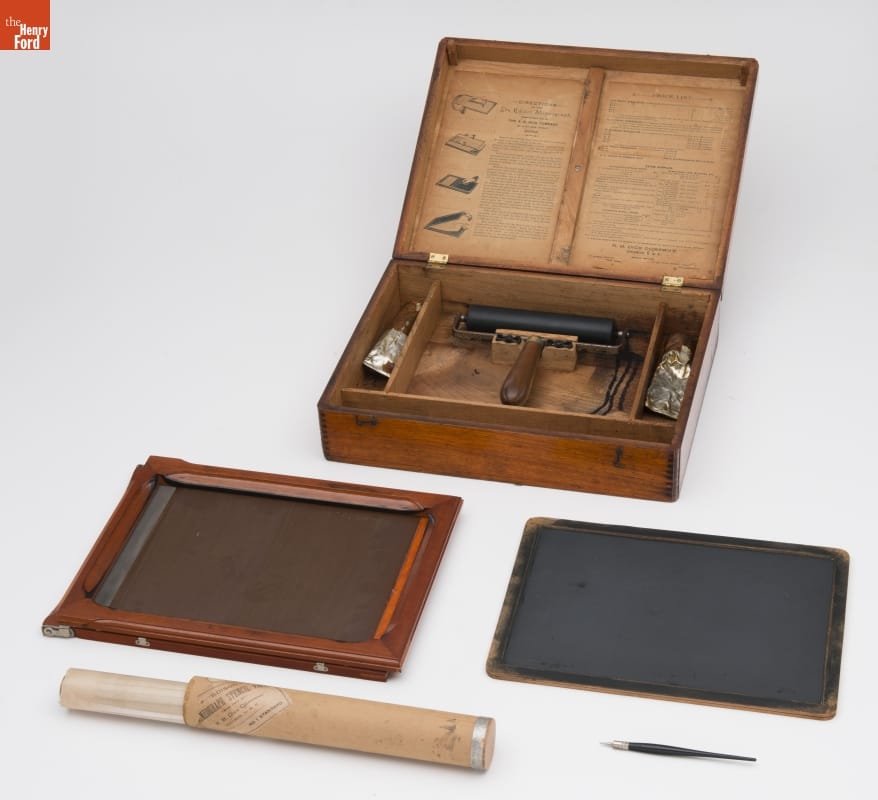
- Edison No. 1 Mimeograph, 1887 - Thomas Edison received a patent in 1876 for "Autographic Printing," covering the electric pen and flatbed press; a patent for "Autographic Stencils" followed in 1880. The mimeograph was invented by Albert Blake Dick in 1887, who licensed and refined Edison's patents. This low-cost, stencil-based printing technology was popular until displaced by photocopying machines and offset printing in the 1960s.
- 1887
- Collections - Artifact
Edison No. 1 Mimeograph, 1887
Thomas Edison received a patent in 1876 for "Autographic Printing," covering the electric pen and flatbed press; a patent for "Autographic Stencils" followed in 1880. The mimeograph was invented by Albert Blake Dick in 1887, who licensed and refined Edison's patents. This low-cost, stencil-based printing technology was popular until displaced by photocopying machines and offset printing in the 1960s.
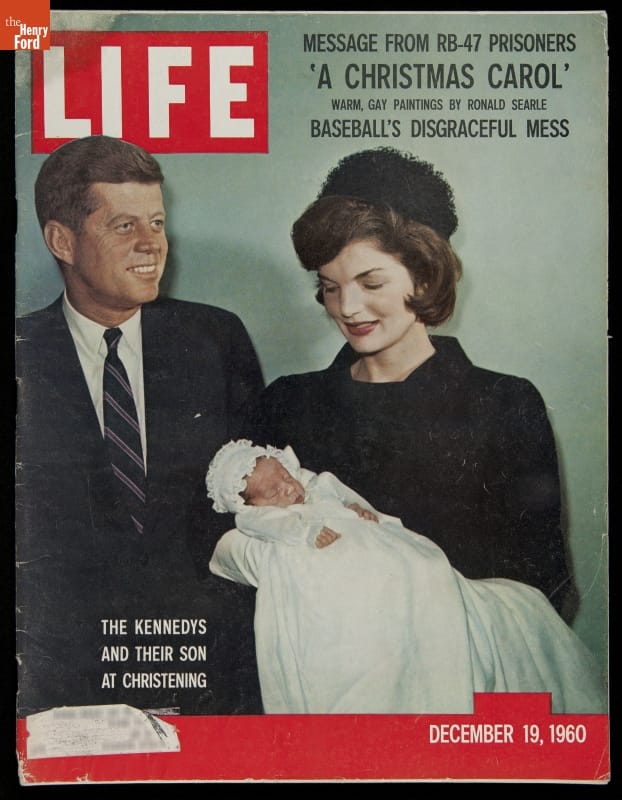
- Life Magazine for December 19, 1960, "The Kennedys and Their Son at Christening" - Americans were enchanted by the young John F. Kennedy family and they wanted to know more, always more. Photographs of any members of the Kennedy family sold magazines but the kids often stole the show. This <EM>Life</EM> magazine cover story featured the christening of John F. Kennedy, Jr., born November 25, 1960, just weeks after his father's presidential election.
- December 19, 1960
- Collections - Artifact
Life Magazine for December 19, 1960, "The Kennedys and Their Son at Christening"
Americans were enchanted by the young John F. Kennedy family and they wanted to know more, always more. Photographs of any members of the Kennedy family sold magazines but the kids often stole the show. This Life magazine cover story featured the christening of John F. Kennedy, Jr., born November 25, 1960, just weeks after his father's presidential election.
- Sunbeam Electric Iron Box, Used by the Harvey S. Firestone Family, circa 1932 -
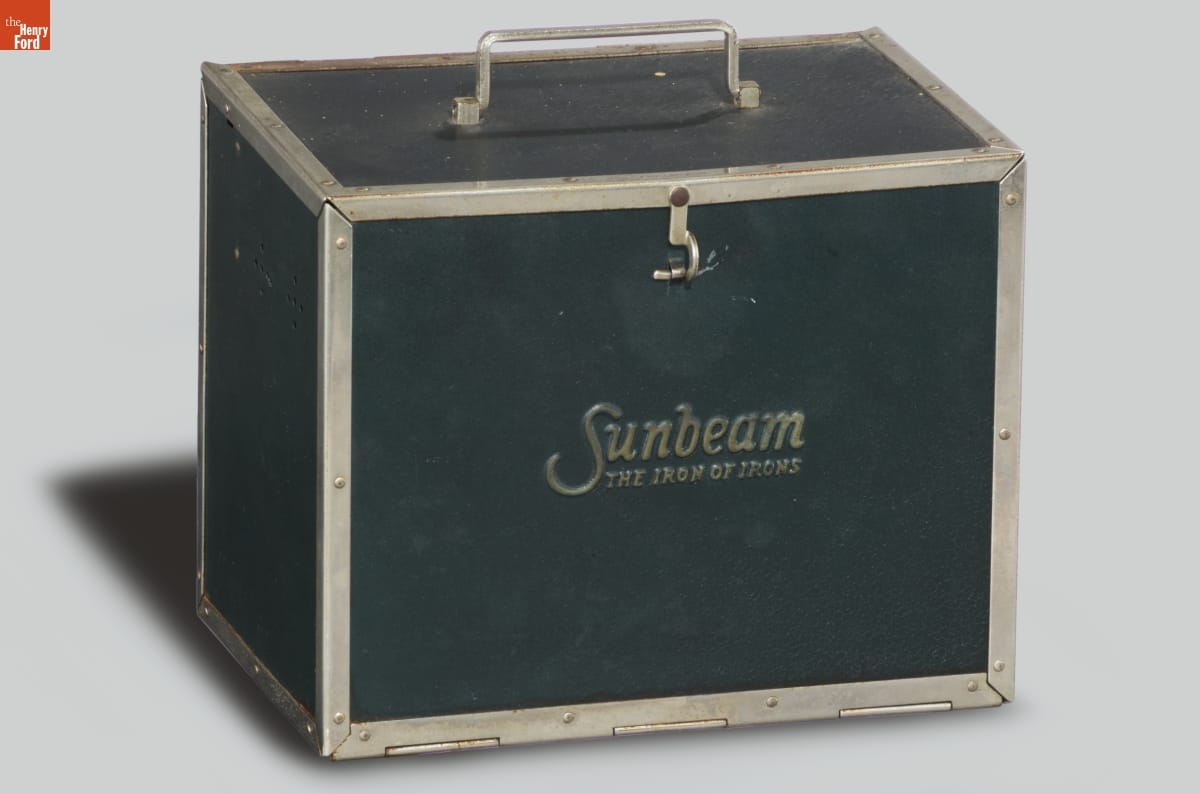
- circa 1932
- Collections - Artifact
Sunbeam Electric Iron Box, Used by the Harvey S. Firestone Family, circa 1932
- Montgomery Ward & Co. Catalog, "Golden Jubilee," Fall-Winter 1922-1923 - In 1872, Montgomery Ward & Company launched America's first general mail order company. Through their catalogs, the company offered a broad selection of goods at affordable prices. Other retailers would follow. Montgomery Ward and Company issued this catalog in 1922, the company's 50th anniversary, touting the company's pioneering services.
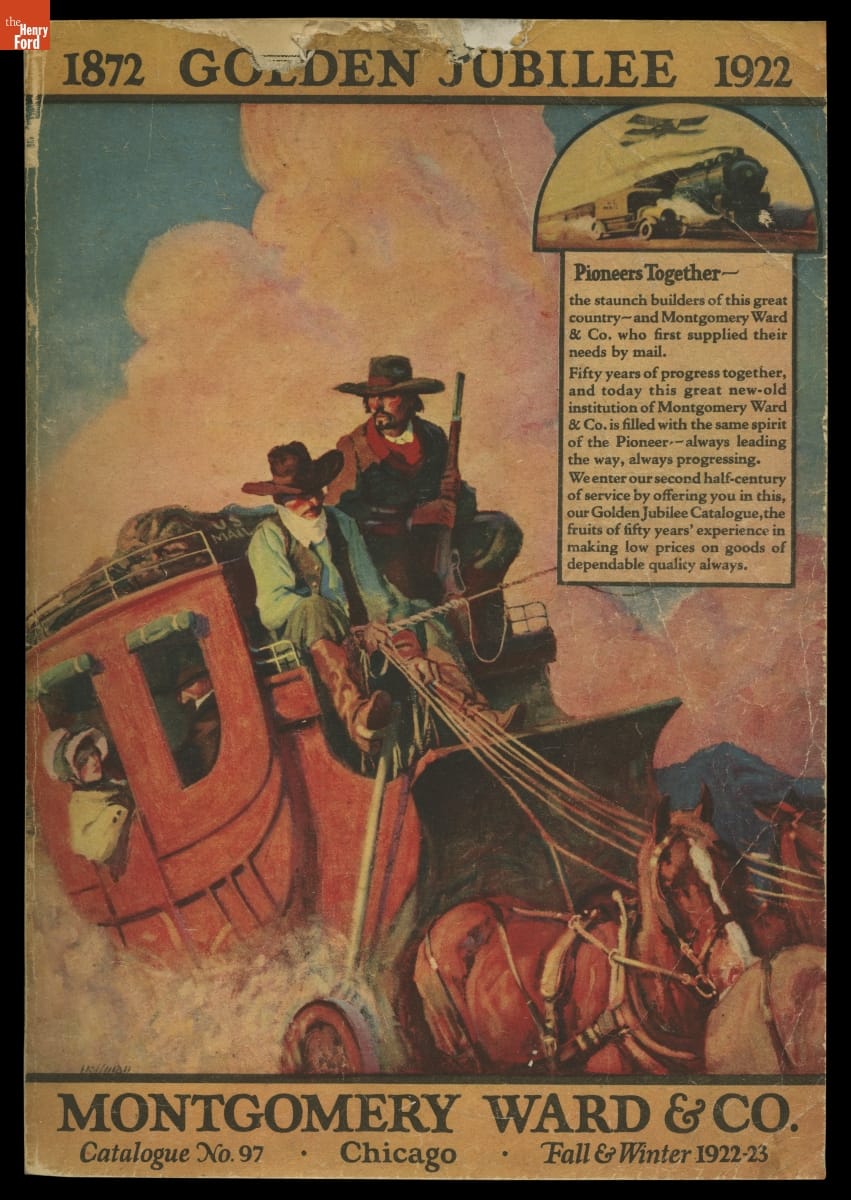
- 1922-1923
- Collections - Artifact
Montgomery Ward & Co. Catalog, "Golden Jubilee," Fall-Winter 1922-1923
In 1872, Montgomery Ward & Company launched America's first general mail order company. Through their catalogs, the company offered a broad selection of goods at affordable prices. Other retailers would follow. Montgomery Ward and Company issued this catalog in 1922, the company's 50th anniversary, touting the company's pioneering services.